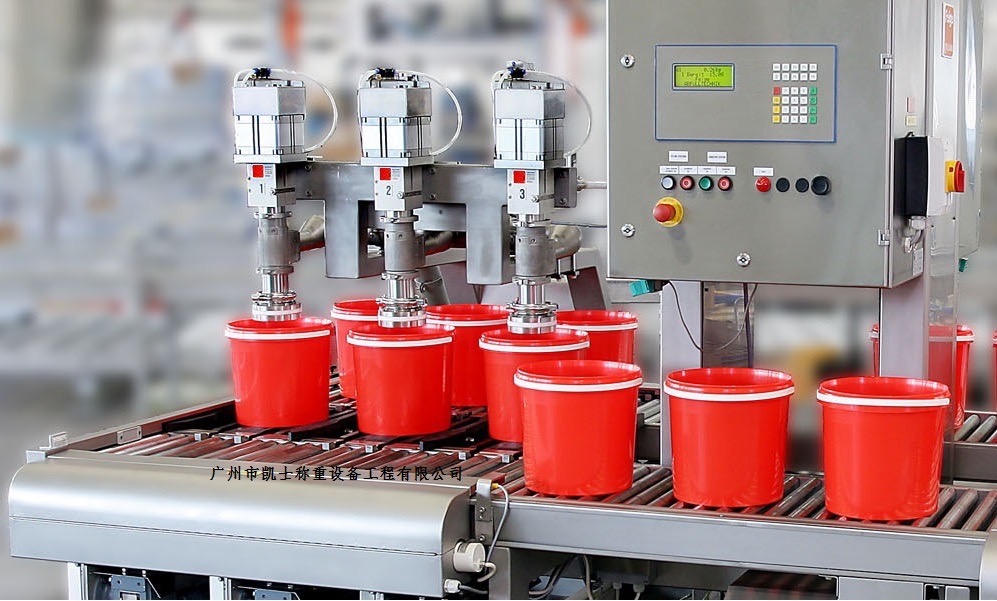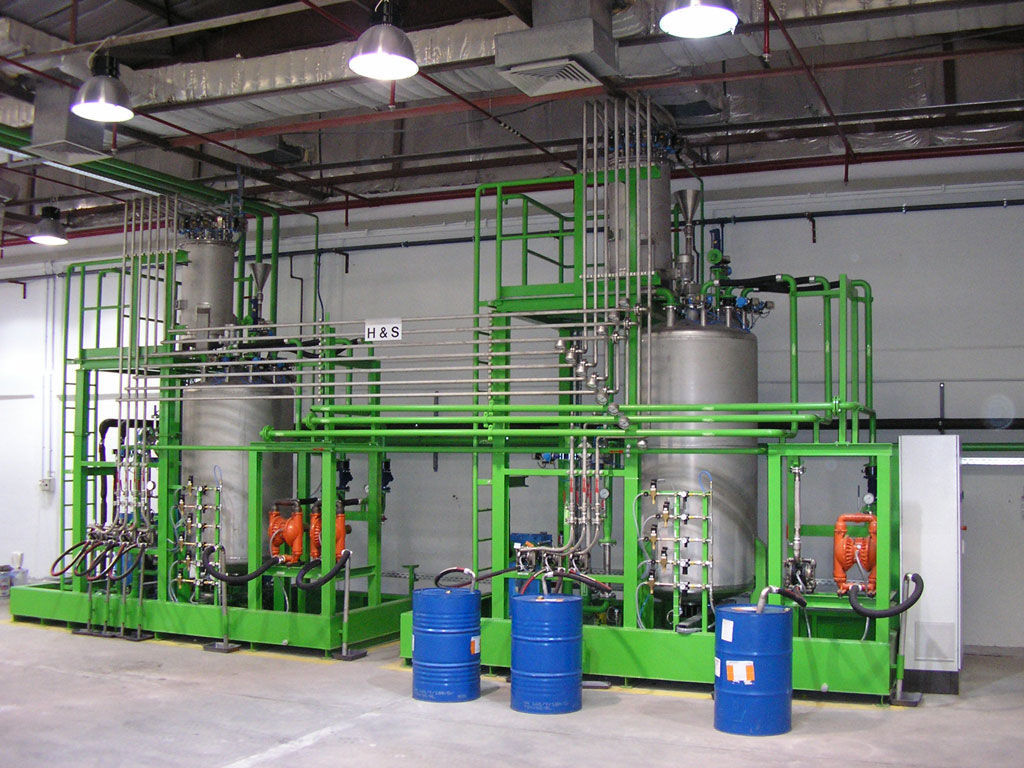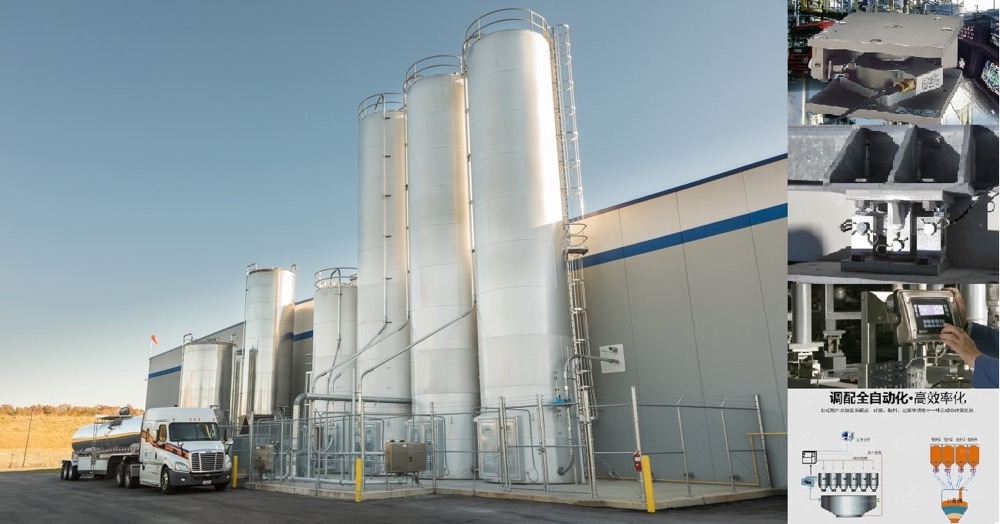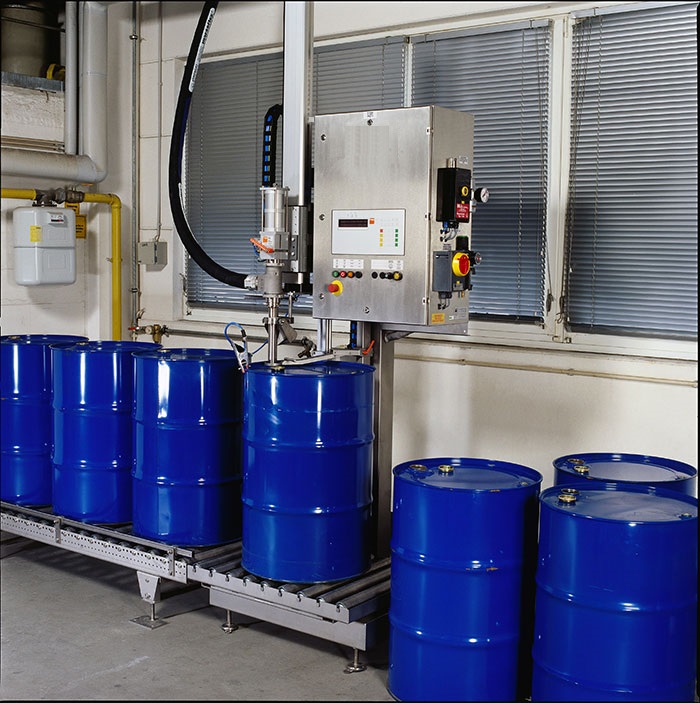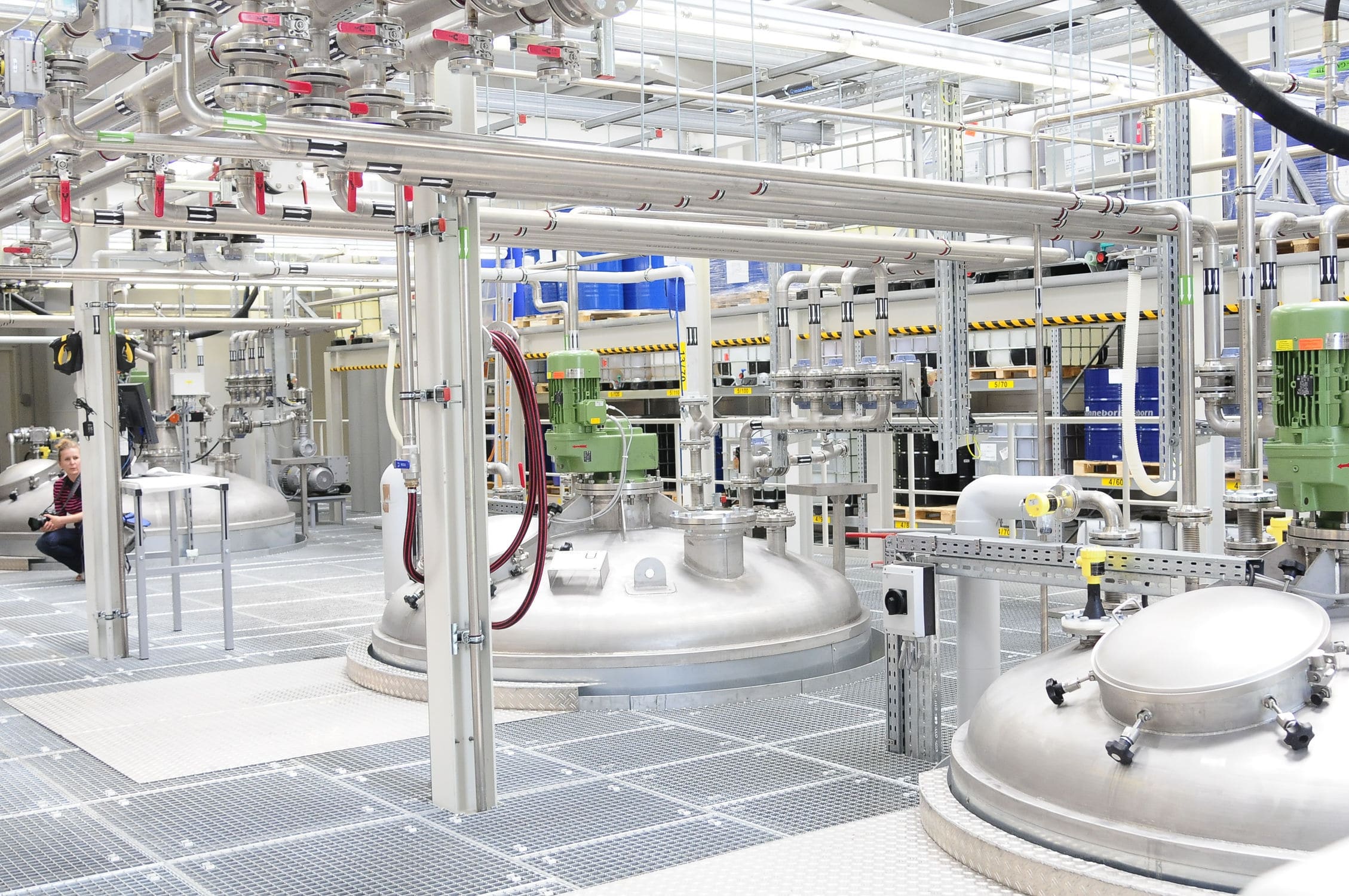


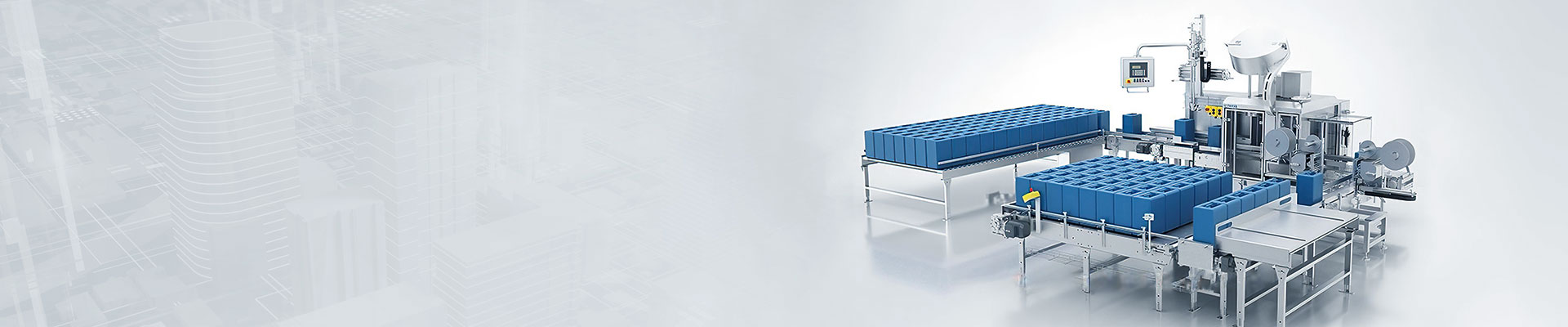


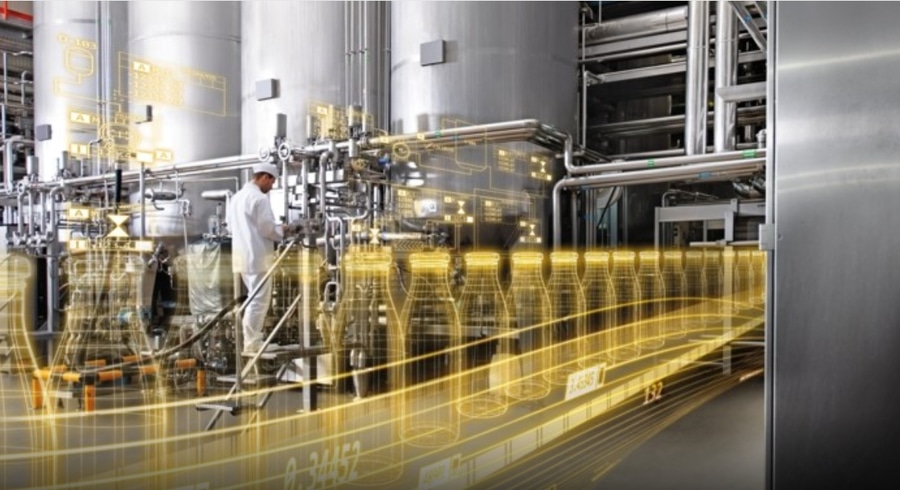
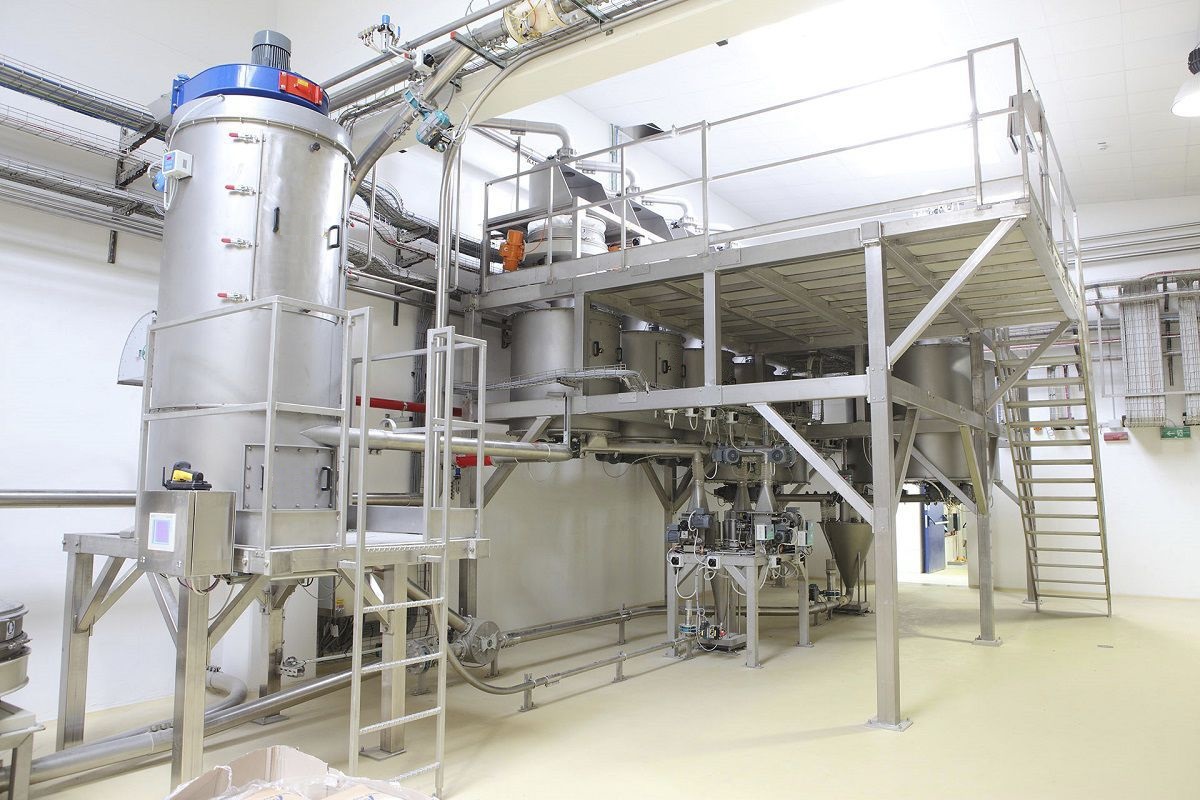
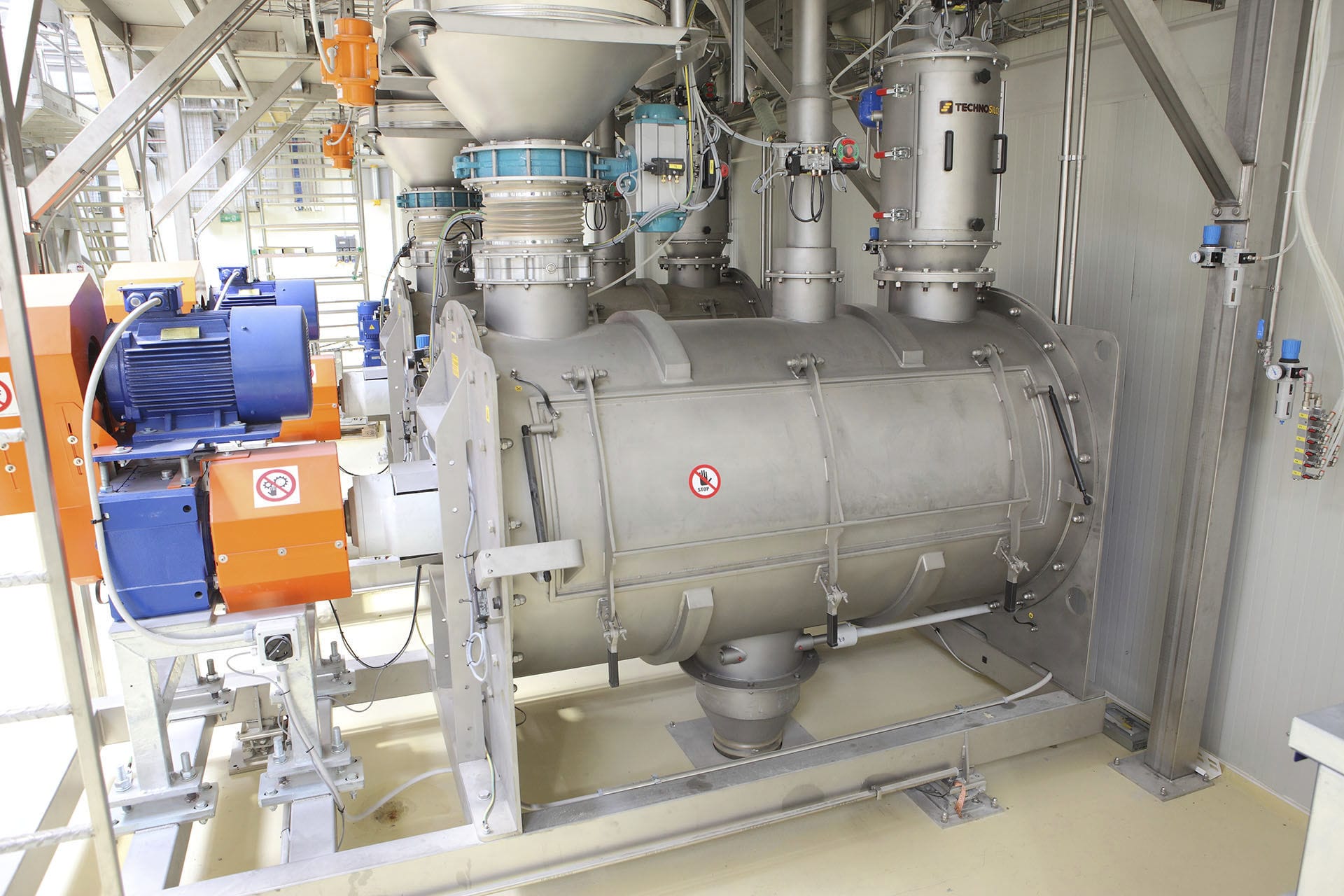
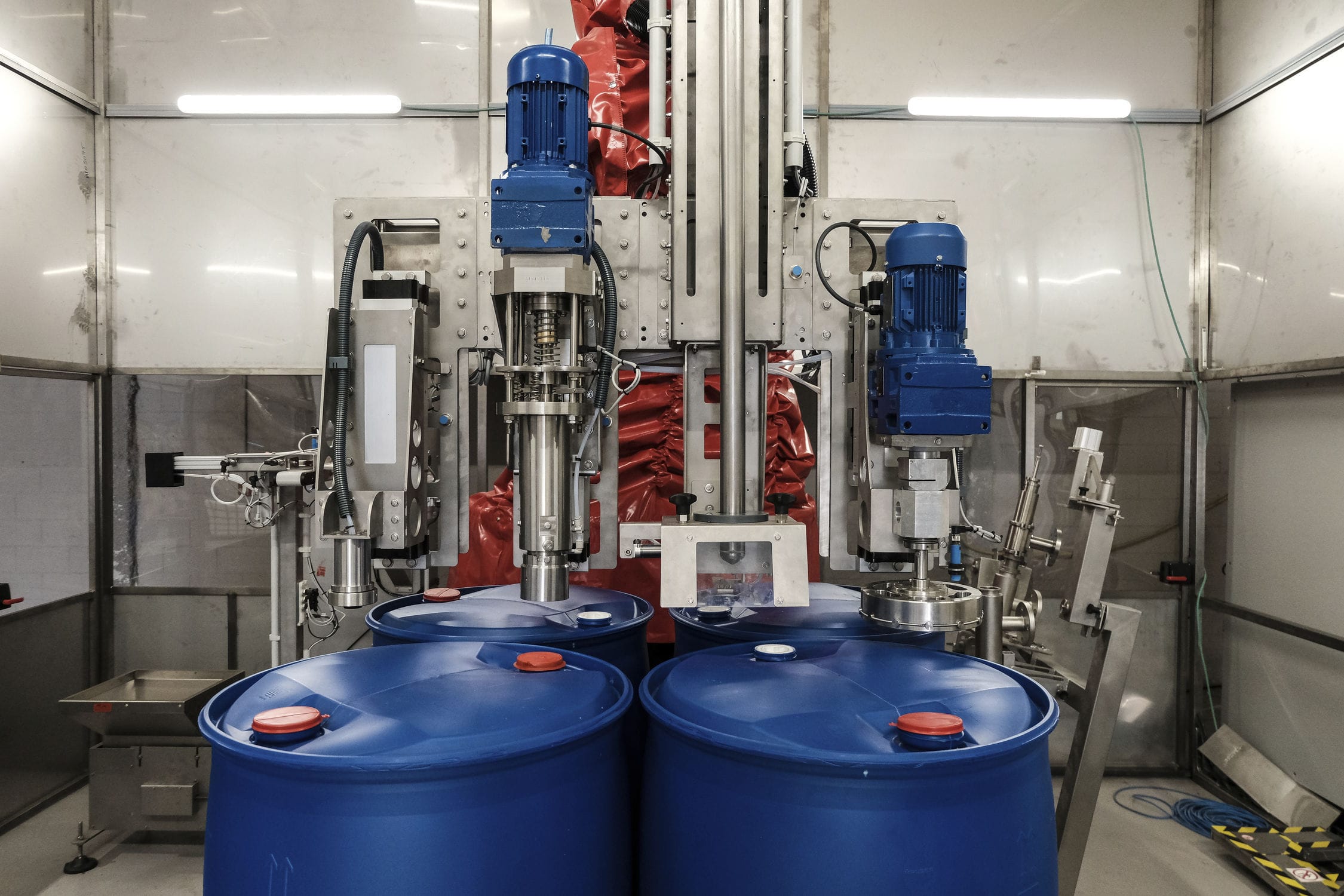
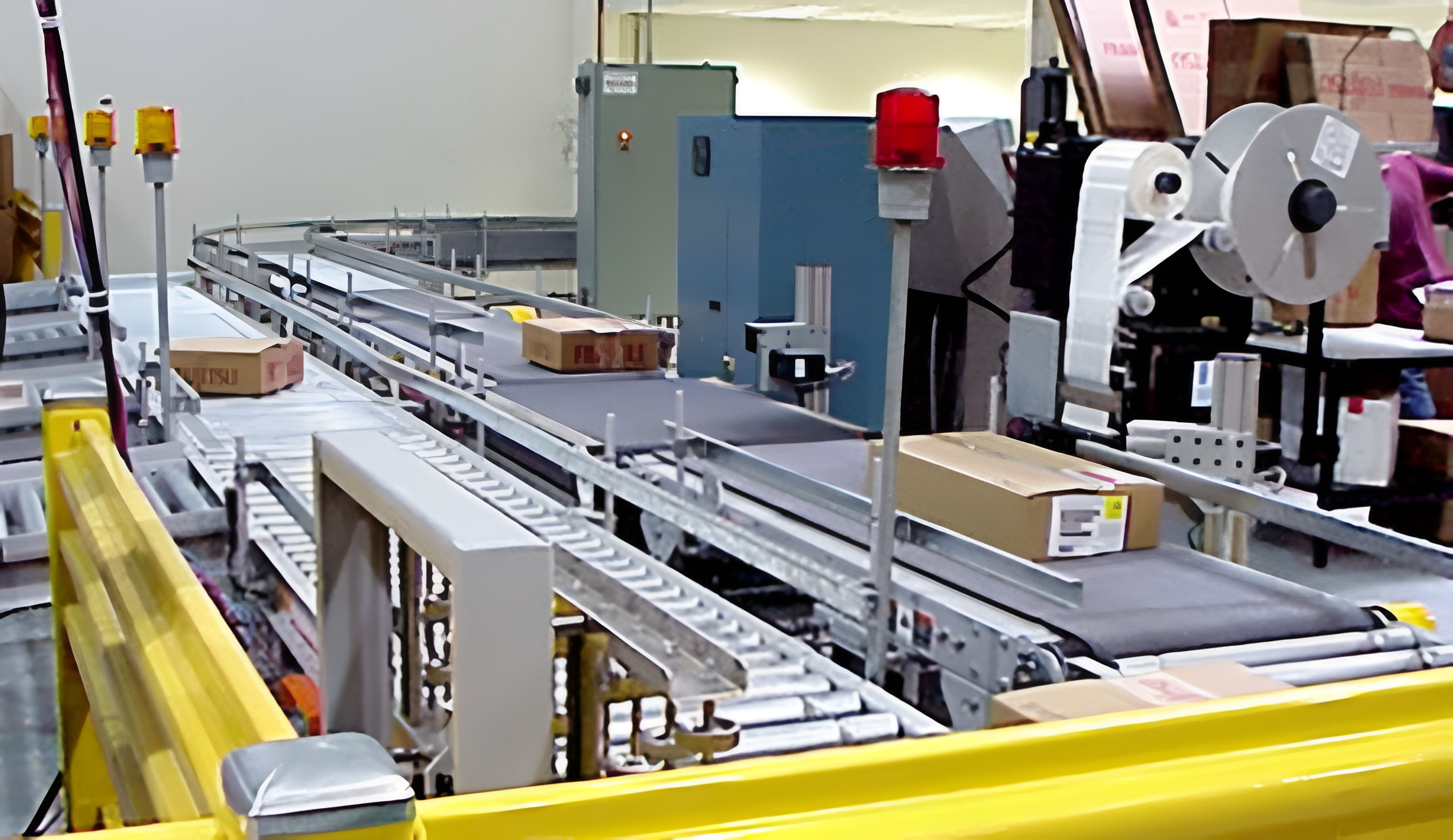


The filling system is mainly composed of filling management, metering and transmission control modules, which are connected to the central control management system through industrial Ethernet to obtain the filling request of the workshop filling system, optimize the scheduling, and send the feeding instruction to the metering and transmission control system. After receiving the instruction, open the corresponding pipeline valve and use the centrifugal pump and manipulator to carry out the transmission and grasp, and automatically transport to the corresponding position.

 020-34563445
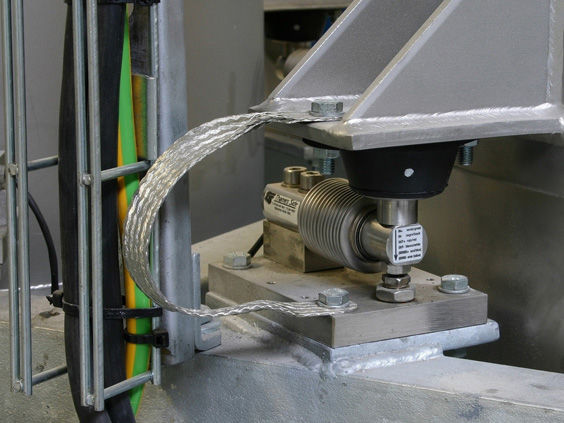
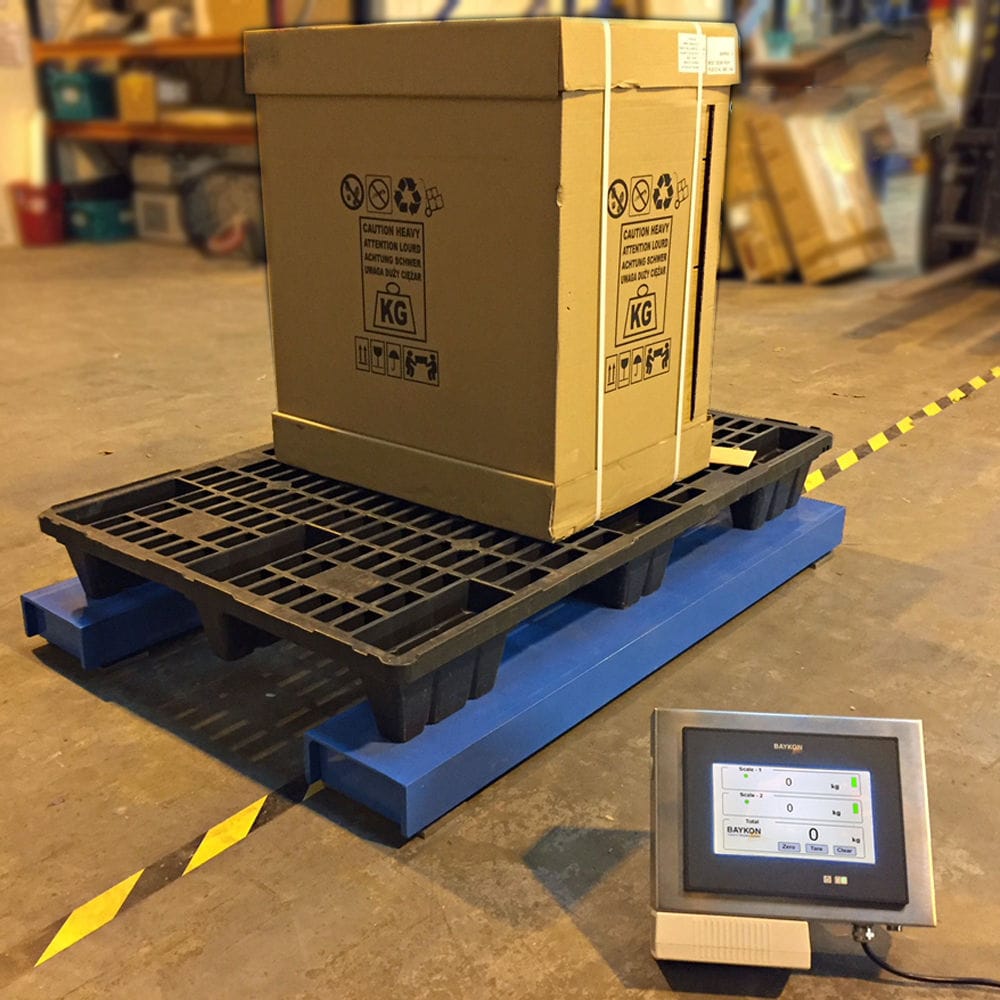
The feeding weighbridge enables remote monitoring and data management functions. The application of GroupWare software in industrial control has greatly facilitated the operation personnel and engineering developers. The explosion-proof weighbridge is used for weighing and real-time measurement. The PLC calculates the real-time weight and cumulative weight. The PID regulation is used to change the output signal to control the frequency converter for adjusting the speed of the conveying motor, thereby achieving weight control. The frequency converter adopted is a high-performance one using flux vector control technology, pulse width modulation (PWM) principle and intelligent power module.
To meet the above monitoring requirements, the Electronic scale adopts a filling effect and a fast-flowing attribute setting to simulate the dynamic filling process on the monitoring interface; by adding standard buttons, manual/automatic selection, start, stop, emergency stop, manual opening of pumps and solenoid valves, and by setting the display output attributes of the labels, the setting of filling quality, the setting of the number of filled barrels, and the display of the current number of filled barrels can be realized for real-time monitoring of the configuration monitoring diagram of the Filling system operation status. The purpose of monitoring the PLC operation is achieved through touchscreen operation, and the connection between the system and external hardware devices is established, enabling MCGS to read data from external devices and control the working status of external devices, thus realizing real-time monitoring of the filling process.
The weighing and filling scale is a more advanced automatic Filling machine. It is equipped with a highly accurate dynamic electronic scale at the traditional filling station. During the filling process, the electronic scale is used to weigh the materials, thereby achieving the purpose of quantitative filling. The Liquid filling machine mainly consists of an oil tank, filling equipment, and an action control system, etc. Inside the oil tank, a small ball is placed and the maximum and minimum values are designed. When the oil level drops to the minimum position, the equipment automatically adds more oil. When the oil level drops to the maximum position, the filling stops automatically. The filling process is completed in two steps. First, the empty bucket is transported to the filling position and a large flow rate of filling speed is used to increase the filling speed. Then, the bucket is transported to the position and a small flow rate of filling speed is used to make the oil in the bucket reach the filling weight requirement. Finally, the filled material bucket is transported out through the position.
The quantitative scale mainly consists of the head, cylinder, end cover and other components. During the process of materials flowing into this equipment, the weight is controlled by the pump, and it is necessary to ensure that the materials have strong fluidity. When the cylinder is in the initial position, before filling, according to the filling speed and combined with the fluidity of the materials, by adjusting the screw, the distance between the head and the end cover will be stabilized at the optimal position, laying a good foundation for the large flow filling. During the material filling process, as the materials are filled in, the weight gradually increases. When the weight reaches 1% different from the previous set weight value, the cylinder changes, causing the head to move downward. When the materials continue to be filled and reach the predetermined requirements, the cylinder changes again, the head moves slowly downward, the distance between the head and the end cover makes it closely contact the container, and the filling is terminated.
The metering scale is mainly composed of a box body, a float ball, an outlet, and other components. During the filling process of the material filling machine, when the material level drops below the minimum value, the float ball pressing plate moves away from the mechanical valve, causing the pneumatic valve to automatically open. From the inlet position, the material is injected. As the material is injected, the oil level gradually rises, and the float ball moves counterclockwise. When the material is injected to the maximum value, the float ball pressing plate returns to its original state and connects with the mechanical valve 6. The pneumatic valve closes, terminating the injection of the liquid material.
The filling scale includes three control components: pneumatic valve, mechanical valve and pneumatic actuator valve. When selecting these three control components, the pneumatic valve is of the open type, while the other two are of the closed type. After closing the gas source, external gas enters through the pneumatic valve and controls the pneumatic actuator valve, causing it to start and move the material to the oil tank. As the material in the oil tank is continuously injected, the height of the internal material keeps rising. When it reaches the maximum position, it exerts an effect on the float ball pressure plate, causing it to connect with the mechanical valve and close the gas flow to the pneumatic actuator valve. After the pneumatic actuator valve is fully closed, the material injection into the oil tank is terminated. During the filling process, the material in the oil tank is continuously filled into the empty bucket. The liquid level in the oil tank gradually decreases. When the liquid level drops to the minimum value, the float ball pressure plate gradually rises and completely separates from the mechanical valve. Under the带动 of the spring, the mechanical valve and the pneumatic valve all return to their original positions. The material then re-enters the oil tank through the above process.
During the transportation of empty barrels using the weighing platform filling system and the bucket transportation equipment, the process begins with the passage of the barrel through the photoelectric sensor. When the sensor detects the signal of an empty barrel, the cylinder moves, causing the plug rod to move as well. Then, the empty barrel is pushed onto the electronic scale until it stops at the exact position for filling. The cylinder is a double-action cylinder, consisting of two strokes. When the empty barrel reaches the photoelectric sensor and the signal is detected, the cylinder moves, causing the plug rod to retract gradually. The filling equipment is fully activated, allowing the material to flow into the empty barrel. At the same time, the electronic scale sends a signal, and the plug rod completes its stroke, making the filling port the smallest. As the material gradually fills, when the required value is reached, the electronic scale sends another signal, and the plug rod completes its stroke, making the filling port completely closed. The entire material filling activity is completed, and the filled barrels are then transported out.