HOME
ABOUT
PRODUCTS
Dosage system
Weighing feeder
Weighing feeding machine
Dosing control system
Weighing control system
Reactor weighing
Weighing decrement machine
Filling system
stuffing machine
Automatic filling machine
Filling systems
Filling equipment
Filling line
Filling machinery
Cylinder scales
Weighing modules
Metering module
Weighing module
Load cell
Weighing system
Coding system
RFID system
Forklift weighing
Refuse truck weighing
Truck weighing
Stacking truck weighing
Loading machine
Mixing machine
mixer
Mixing scales
Loading system
Feeder
doser
Hopper scale
Belt scale
Dosage scale
Feed system
Filling machine
Liquid filling scale
Automatic feeding machine
Quantitative filling machine
Weighing and filling machine
Filling scale
Metering filling machine
Explosion-proof filling machine
Weighing and distributing machines
Sorting machine
Sorting scale
Weighing and checking machine
Check weigher
Testing machine
Conveyors
Aviation Luggage Scales
Electronic scale
Explosion-proof electronic scales
Explosion-proof weighbridge
Electronic weighbridge
Electronic Crane Scale
Weighing instrument
SOLUTION
TECH-EXHI
EN
CN
EN
PRODUCTS
Home
·
Products
·
Feeder
·
Hopper scale
·
Dosage system
Filling system
Weighing modules
Weighing system
Loading machine
Feeder
Filling machine
Sorting machine
Electronic scale
Weighing feeder
Weighing feeding machine
Dosing control system
Weighing control system
Reactor weighing
Weighing decrement machine
stuffing machine
Automatic filling machine
Filling systems
Filling equipment
Filling line
Filling machinery
Cylinder scales
Metering module
Weighing module
Load cell
Coding system
RFID system
Forklift weighing
Refuse truck weighing
Truck weighing
Stacking truck weighing
Mixing machine
mixer
Mixing scales
Loading system
doser
Hopper scale
Belt scale
Dosage scale
Feed system
Liquid filling scale
Automatic feeding machine
Quantitative filling machine
Weighing and filling machine
Filling scale
Metering filling machine
Explosion-proof filling machine
Weighing and distributing machines
Sorting scale
Weighing and checking machine
Check weigher
Testing machine
Conveyors
Aviation Luggage Scales
Explosion-proof electronic scales
Explosion-proof weighbridge
Electronic weighbridge
Electronic Crane Scale
Weighing instrument
Dosage system
Weighing feeder
Weighing feeding machine
Dosing control system
Weighing control system
Reactor weighing
Weighing decrement machine
Filling system
stuffing machine
Automatic filling machine
Filling systems
Filling equipment
Filling line
Filling machinery
Cylinder scales
Weighing modules
Metering module
Weighing module
Load cell
Weighing system
Coding system
RFID system
Forklift weighing
Refuse truck weighing
Truck weighing
Stacking truck weighing
Loading machine
Mixing machine
mixer
Mixing scales
Loading system
Feeder
doser
Hopper scale
Belt scale
Dosage scale
Feed system
Filling machine
Liquid filling scale
Automatic feeding machine
Quantitative filling machine
Weighing and filling machine
Filling scale
Metering filling machine
Explosion-proof filling machine
Weighing and distributing machines
Sorting machine
Sorting scale
Weighing and checking machine
Check weigher
Testing machine
Conveyors
Aviation Luggage Scales
Electronic scale
Explosion-proof electronic scales
Explosion-proof weighbridge
Electronic weighbridge
Electronic Crane Scale
Weighing instrument
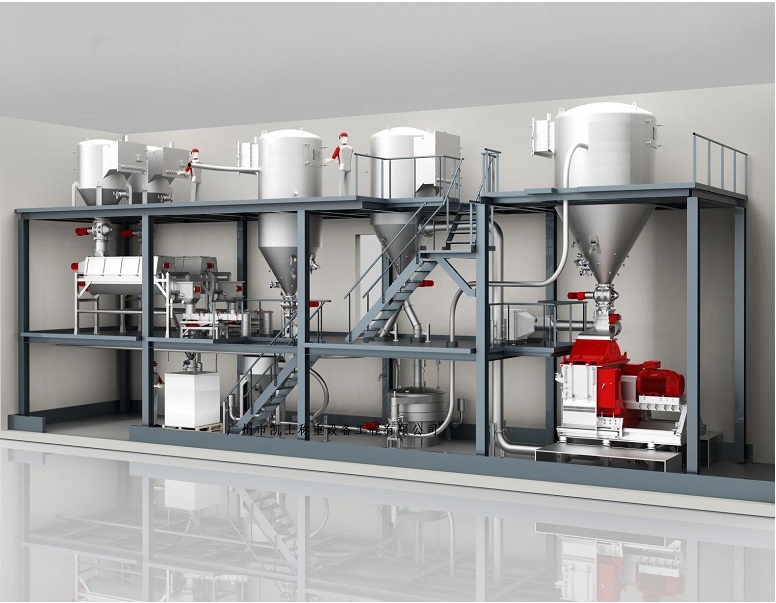
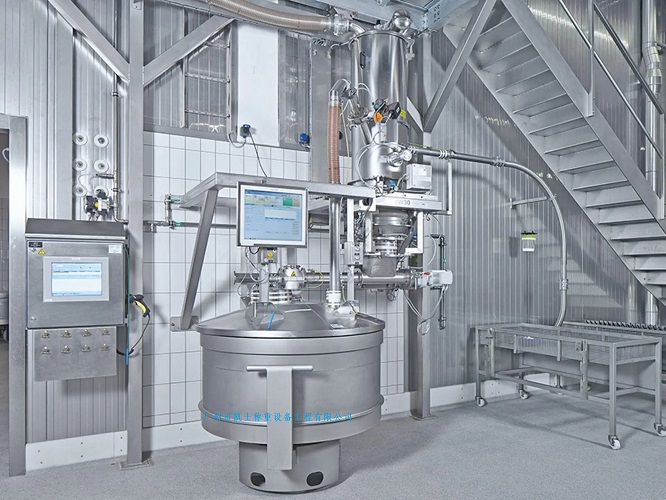
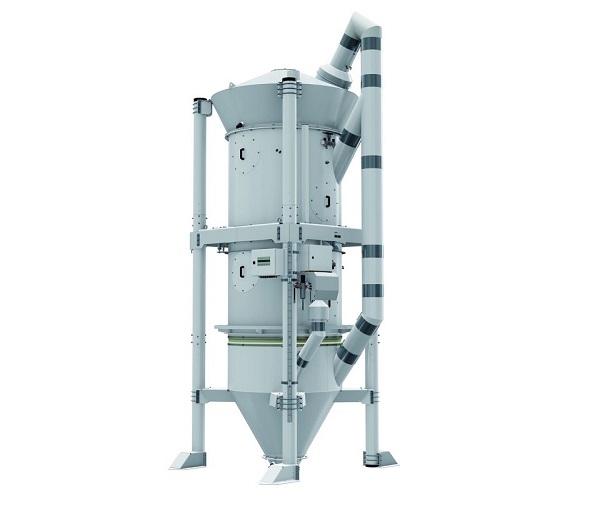
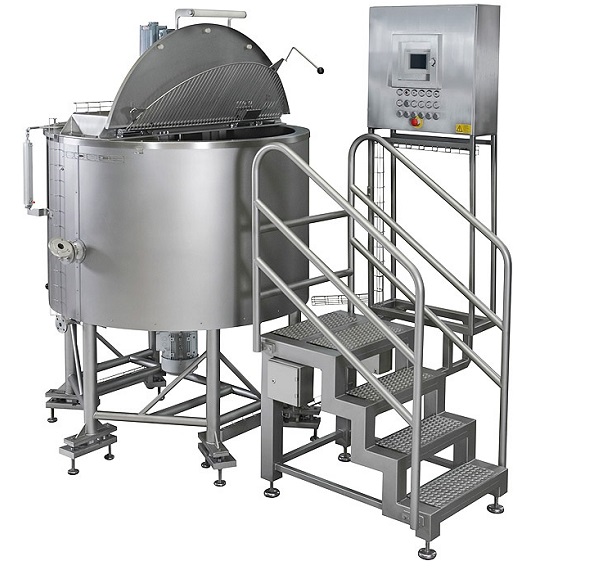
The weighing hopper feeding machine
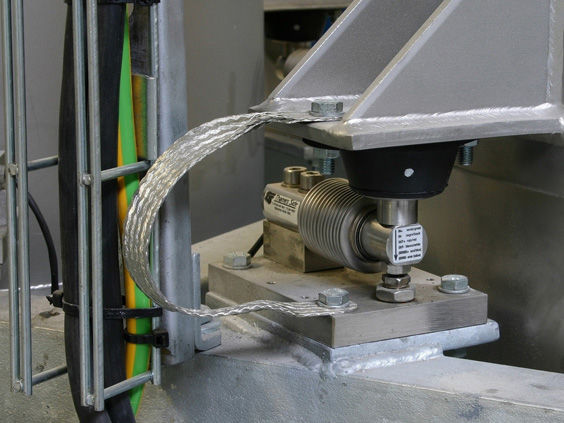
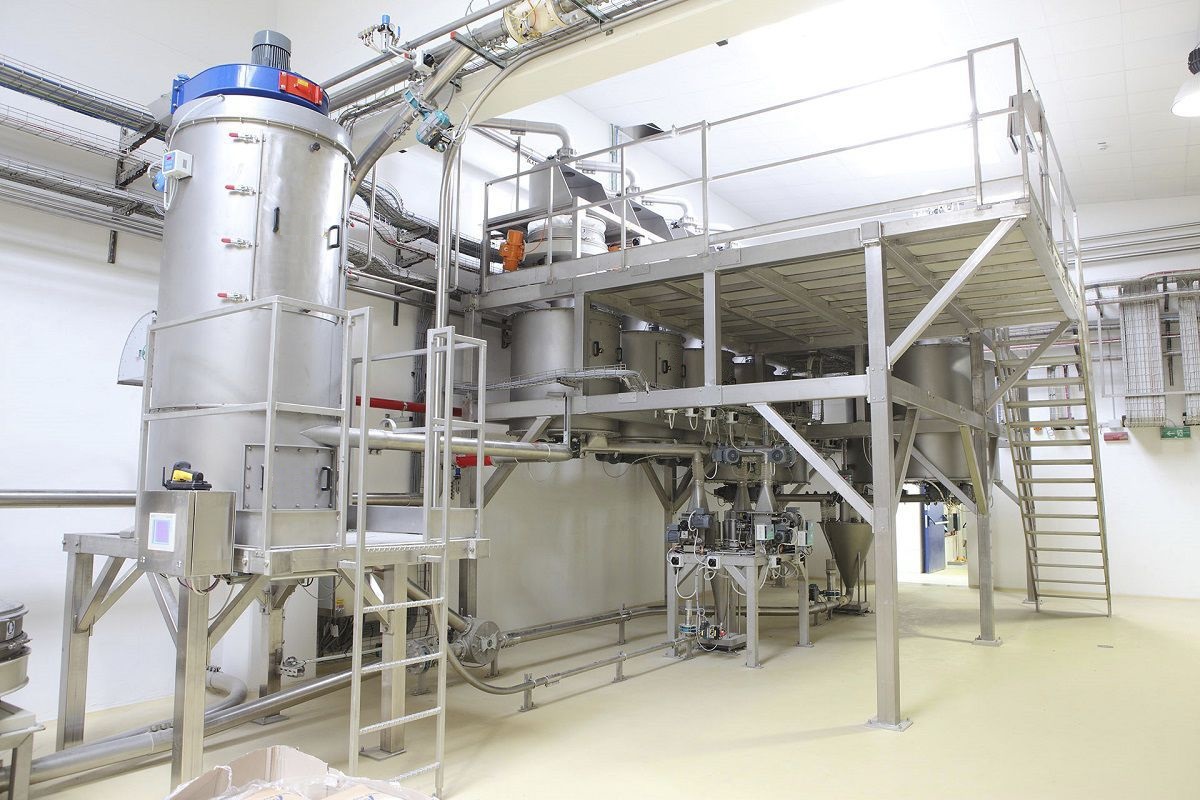
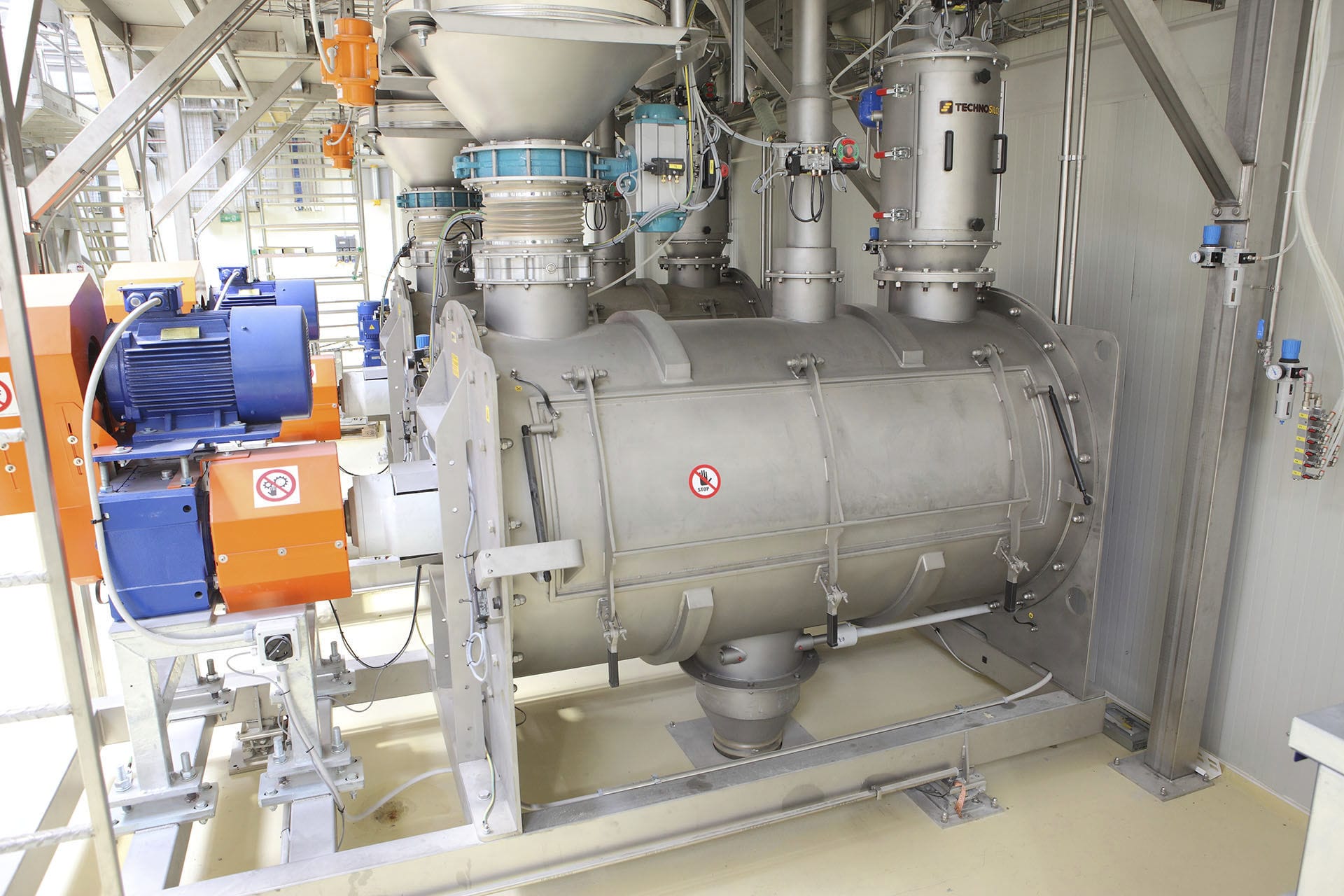
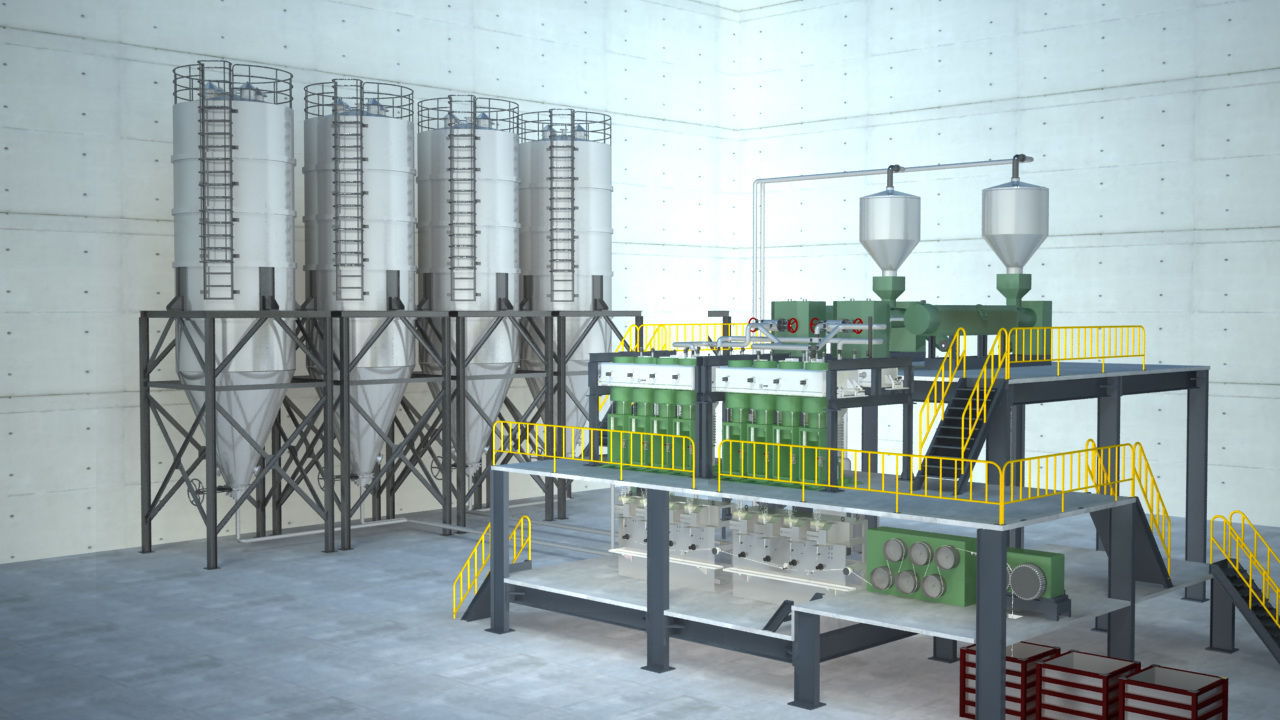
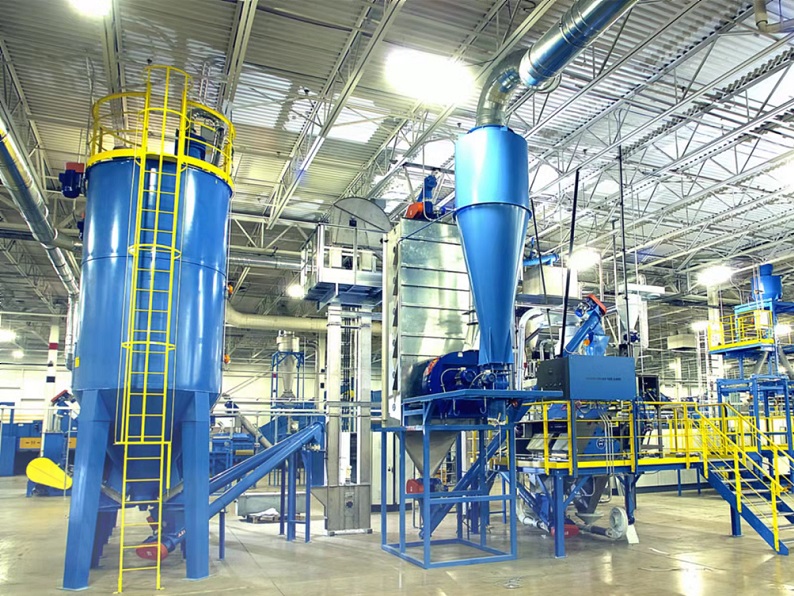
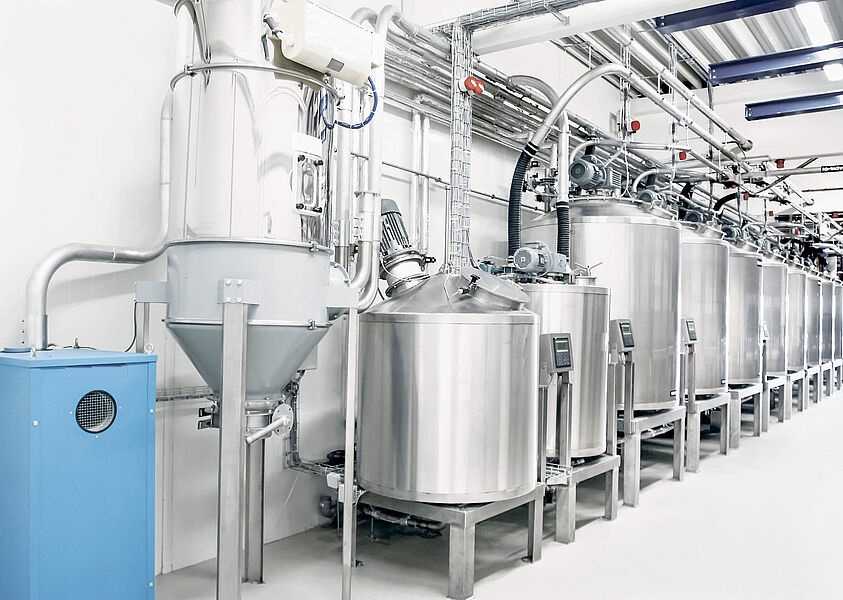
The weighing hopper feeder is a dynamic weighing and feeding method for the hopper scale. In the quantitative weighing device, an integrated mechanical and electrical equipment driven by an electric motor (commonly known as a screw feeder motor) is placed between the silo and the hopper. The electronic control device realizes the dynamic quantitative weighing of powder and granular materials. The powder and granular materials in the silo rotate with the rotation of the screw feeder mechanism and enter the hopper. There are three strain-type weighing modules between the hopper and the scale frame. When the set weight value is reached, the screw feeder motor is turned off to stop feeding, and the hopper door is opened to discharge the material, thus completing a dynamic weighing and quantitative feeding process.
Quantitative hopper scale
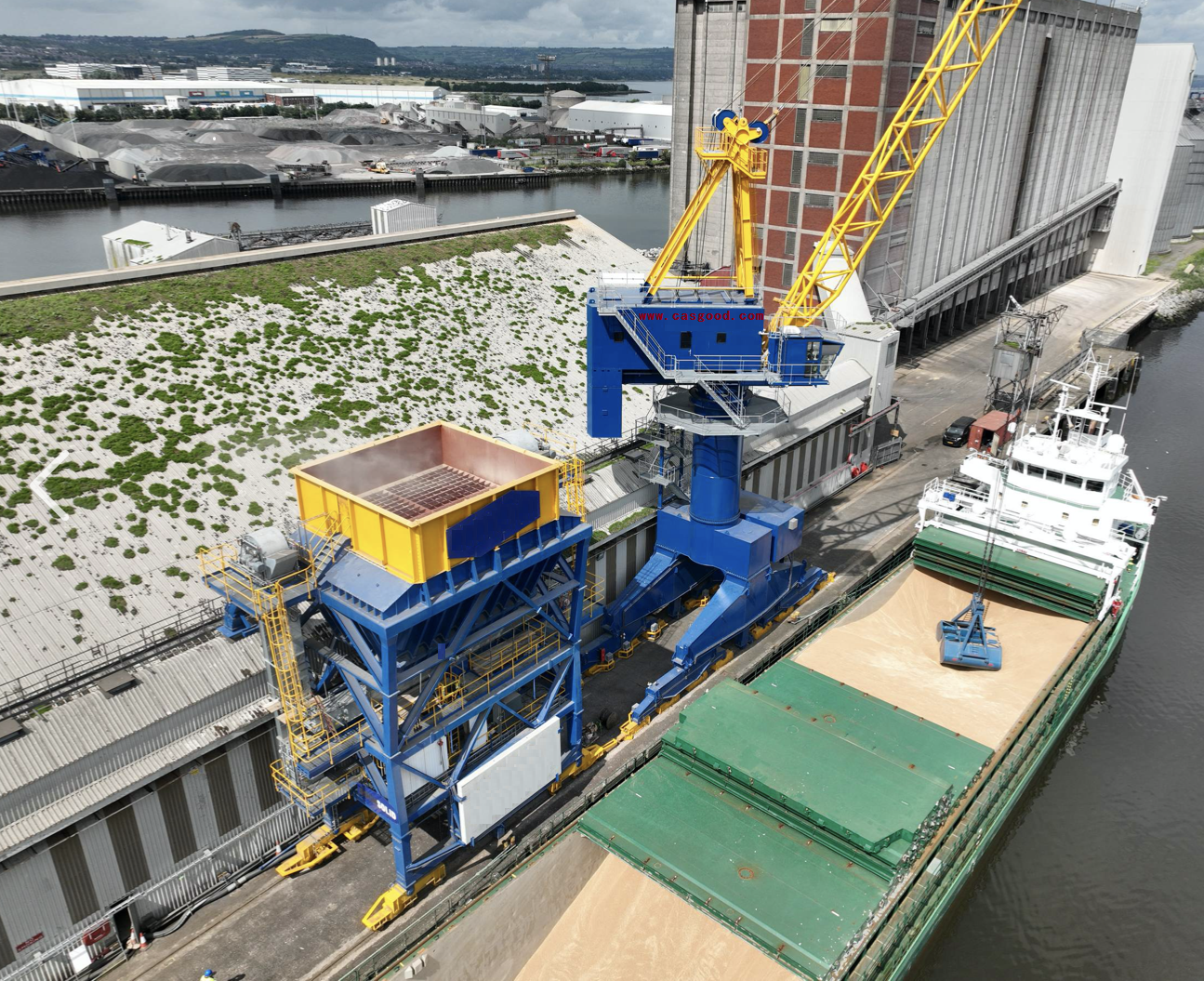
The structural layout of the Quantitative hopper scale is as follows: grab → hopper scale → feeding hopper → feeding belt conveyor → electric three-way → wharf belt conveyor. It is composed of a hopper scale, an electro-hydraulic arc-shaped gate, a weighing module, a threshold type support steel structure, etc. The hopper scale is not firmly fixed on the steel structure of the ship unloader, but a set of sill support steel structure is designed for this hopper scale. The frame-supported steel structure is composed of the support beam of the hopper scale, the door legs on the river side and the door legs on the land side of the pulley, as well as the connecting reinforcement beam.
Hopper scale feeder
The hopper feeder mainly consists of a spiral feeder, a buffer hopper, a hopper scale, a variable frequency motor, an electromagnet, etc. The feeder is composed of two spiral propellers of different diameters. During the high-speed loading stage, to increase the loading speed, the double-wound wheel operates at high speed simultaneously; during the low-speed fine adjustment stage, the clutch is used to disengage the large wheel and the small wheel is used alone for loading. The entire loading process is equipped with the stepless speed regulation feature of the variable frequency motor, thus enabling precise loading.
Bucket screw scale
The hopper screw scale can achieve precise material weighing by controlling the screw rotation speed. This can further improve the weighing accuracy. The prerequisite for improving the weighing accuracy is to enhance the accuracy of controlling the screw number. A toothed belt drive can be adopted. Through the small pulley in a tower-shaped structure and by changing the position of the toothed belt on the pulley, the screw rotation speed can be accurately calculated, and this can further improve the precision.
Bucket elevator feeder
The hopper feeder achieves fast and slow feeding by controlling the input signal size of the frequency converter. Firstly, it performs fast feeding. Once the feeding reaches a certain value, the feeding speed gradually slows down. The stopping time of the feeding motor is adjusted by adjusting the starting torque of the frequency converter. By using multiple frequency converters to control multiple motors, the starting torque of each frequency converter can be adjusted separately to adjust the stopping time of each motor, thereby improving the weighing accuracy of various materials.
Weighing hopper system
The weighing hopper system automatically calculates the set value and stop-sifting value of the hopper scale before loading. Before each material loading, the hopper scale calculates automatically according to the set weight of the hopper scale and the weight needed to compensate for the previous weighing error by the program. To reduce the loading deviation caused by mechanical inertia and the residual vibration of the feeding equipment during feeding, the weighing system must send a signal indicating that the hopper is full to stop the feeding equipment in advance. The full signal is sent when the weight of the hopper reaches the stop-sifting value.
Hopper screw scale
The hopper screw scale is composed of an upper computer, PLC, instruments and a frequency converter. The PLC adopts Siemens S7-300 and exchanges data with the upper computer via industrial Ethernet. The detection instruments and actuating elements are directly connected to the I/ O module of the PLC. The entire line is controlled by PLC programs. Programming uses ladder diagrams and is uniformly programmed in combination with the external characteristics of the controlled electrical system to achieve sequential control, logical control, interlocking and interlocking. Manual and automatic operation modes can be switched.
Hopper scale control system
The automatic control system of the negative pressure hopper scale automatically adds two or more types of materials in a certain weight ratio into the hopper scale, and discharges the materials automatically after weighing reaches the predetermined requirements. It adopts automated control to realize automatic control and supervision of processes such as raw material loading, weighing measurement, vacuum feeding, dispersion and transportation. The dispersion time and cylinder number can be selected and adjusted on the computer according to production requirements. The opening and closing of the motor equipment and the opening and closing of the feeding valve are all controlled by the computer during the process.
Bin formula scale
The hopper formula scale uses a laser distance sensor for measurement. The distance sensor transmits continuous electrical signals to the PLC. The PLC outputs corresponding analog signals to the pilot proportional directional valve according to the preset acceleration and deceleration positions and workstations to control the start and stop of the feeding hopper and the running speed. The discharging process and the material sticking situation of the hopper are detected by the weighing module. During the running discharging process, when the electrical signal of the weight sensor is less than the preset weight of the hopper skin, the discharging is ended and the discharging door is closed. When the weight of the hopper skin exceeds a certain weight, an alarm signal is issued to prompt the operator to clean it in time.
30 Items in Total
1
2
3
4
Go to Page
page
The weighing hopper feeding machine
The weighing hopper feeder is a dynamic weighing and feeding method for the hopper scale. In the quantitative weighing device, an integrated mechanical and electrical equipment driven by an electric motor (commonly known as a screw feeder motor) is placed between the silo and the hopper. The electronic control device realizes the dynamic quantitative weighing of powder and granular materials. The powder and granular materials in the silo rotate with the rotation of the screw feeder mechanism and enter the hopper. There are three strain-type weighing modules between the hopper and the scale frame. When the set weight value is reached, the screw feeder motor is turned off to stop feeding, and the hopper door is opened to discharge the material, thus completing a dynamic weighing and quantitative feeding process.
Quantitative hopper scale
The structural layout of the Quantitative hopper scale is as follows: grab → hopper scale → feeding hopper → feeding belt conveyor → electric three-way → wharf belt conveyor. It is composed of a hopper scale, an electro-hydraulic arc-shaped gate, a weighing module, a threshold type support steel structure, etc. The hopper scale is not firmly fixed on the steel structure of the ship unloader, but a set of sill support steel structure is designed for this hopper scale. The frame-supported steel structure is composed of the support beam of the hopper scale, the door legs on the river side and the door legs on the land side of the pulley, as well as the connecting reinforcement beam.
Hopper scale feeder
The hopper feeder mainly consists of a spiral feeder, a buffer hopper, a hopper scale, a variable frequency motor, an electromagnet, etc. The feeder is composed of two spiral propellers of different diameters. During the high-speed loading stage, to increase the loading speed, the double-wound wheel operates at high speed simultaneously; during the low-speed fine adjustment stage, the clutch is used to disengage the large wheel and the small wheel is used alone for loading. The entire loading process is equipped with the stepless speed regulation feature of the variable frequency motor, thus enabling precise loading.
Bucket screw scale
The hopper screw scale can achieve precise material weighing by controlling the screw rotation speed. This can further improve the weighing accuracy. The prerequisite for improving the weighing accuracy is to enhance the accuracy of controlling the screw number. A toothed belt drive can be adopted. Through the small pulley in a tower-shaped structure and by changing the position of the toothed belt on the pulley, the screw rotation speed can be accurately calculated, and this can further improve the precision.
Bucket elevator feeder
The hopper feeder achieves fast and slow feeding by controlling the input signal size of the frequency converter. Firstly, it performs fast feeding. Once the feeding reaches a certain value, the feeding speed gradually slows down. The stopping time of the feeding motor is adjusted by adjusting the starting torque of the frequency converter. By using multiple frequency converters to control multiple motors, the starting torque of each frequency converter can be adjusted separately to adjust the stopping time of each motor, thereby improving the weighing accuracy of various materials.
Weighing hopper system
The weighing hopper system automatically calculates the set value and stop-sifting value of the hopper scale before loading. Before each material loading, the hopper scale calculates automatically according to the set weight of the hopper scale and the weight needed to compensate for the previous weighing error by the program. To reduce the loading deviation caused by mechanical inertia and the residual vibration of the feeding equipment during feeding, the weighing system must send a signal indicating that the hopper is full to stop the feeding equipment in advance. The full signal is sent when the weight of the hopper reaches the stop-sifting value.
Hopper screw scale
The hopper screw scale is composed of an upper computer, PLC, instruments and a frequency converter. The PLC adopts Siemens S7-300 and exchanges data with the upper computer via industrial Ethernet. The detection instruments and actuating elements are directly connected to the I/ O module of the PLC. The entire line is controlled by PLC programs. Programming uses ladder diagrams and is uniformly programmed in combination with the external characteristics of the controlled electrical system to achieve sequential control, logical control, interlocking and interlocking. Manual and automatic operation modes can be switched.
Hopper scale control system
The automatic control system of the negative pressure hopper scale automatically adds two or more types of materials in a certain weight ratio into the hopper scale, and discharges the materials automatically after weighing reaches the predetermined requirements. It adopts automated control to realize automatic control and supervision of processes such as raw material loading, weighing measurement, vacuum feeding, dispersion and transportation. The dispersion time and cylinder number can be selected and adjusted on the computer according to production requirements. The opening and closing of the motor equipment and the opening and closing of the feeding valve are all controlled by the computer during the process.
Bin formula scale
The hopper formula scale uses a laser distance sensor for measurement. The distance sensor transmits continuous electrical signals to the PLC. The PLC outputs corresponding analog signals to the pilot proportional directional valve according to the preset acceleration and deceleration positions and workstations to control the start and stop of the feeding hopper and the running speed. The discharging process and the material sticking situation of the hopper are detected by the weighing module. During the running discharging process, when the electrical signal of the weight sensor is less than the preset weight of the hopper skin, the discharging is ended and the discharging door is closed. When the weight of the hopper skin exceeds a certain weight, an alarm signal is issued to prompt the operator to clean it in time.