



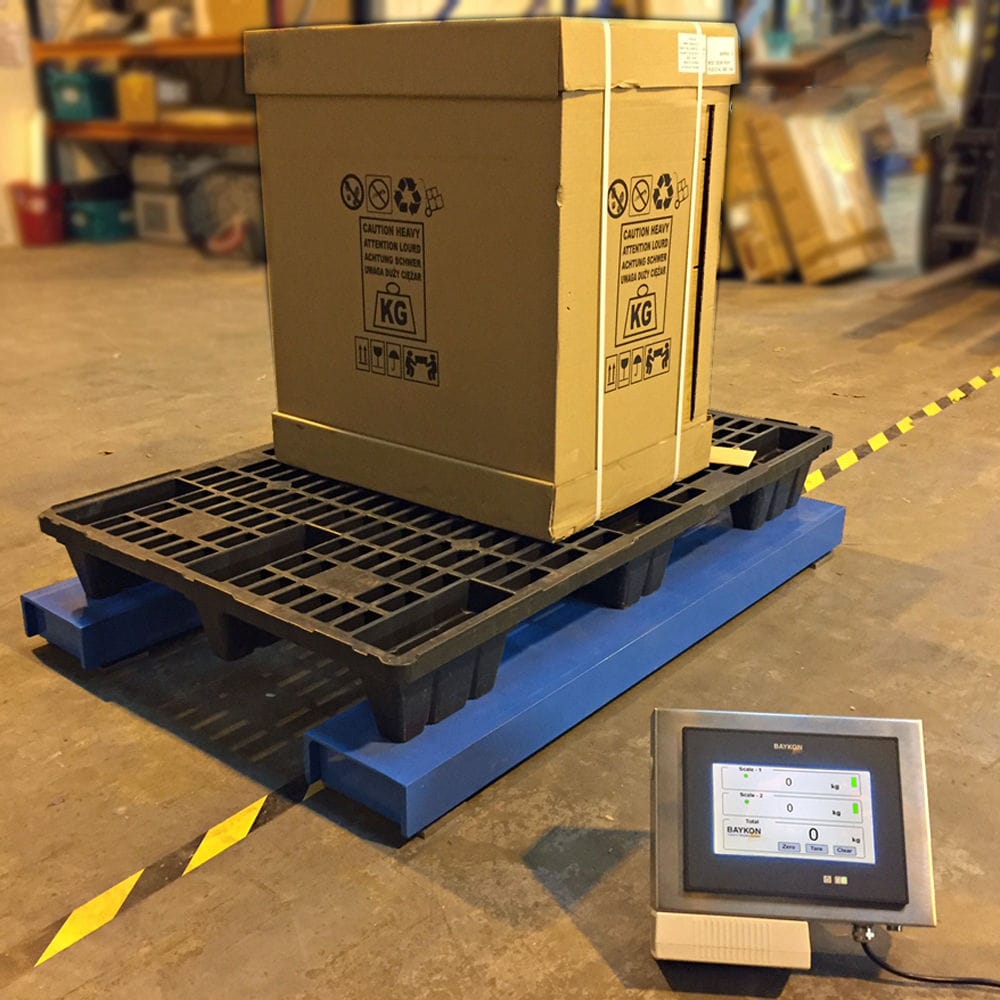


The explosion-proof gas cylinder scale receives weighing data, cylinder numbers and skin weight values from the upper computer, and based on these data, it sends signals allowing for filling, target filling volume, tolerance value and early alarm value to the PLC controller. The PLC controller, upon receiving the signal allowing for filling, automatically performs operations such as removing the skin and filling. Before filling, the empty chlorine gas cylinders are placed horizontally on the cylinder scale, the position of the cylinder valve is adjusted, and copper tubes are used to connect the upper and lower bottle valves of the cylinders to the exhaust pipes for discharging waste gas from the storage tank and the liquid chlorine outlet pipe of the storage tank. During the operation, the exhaust valve at the top of the cylinder is opened first to exhaust, and then the liquid chlorine outlet valve of the storage tank is opened to carry out the filling process. After the cylinder is filled, it is lifted away by a crane, and then the second cylinder is filled according to the procedure. After the liquid chlorine in the liquid chlorine storage tank is emptied, the liquid chlorine is switched back to the empty tank, and the production and filling processes are alternated.


 020-34563445
The cylinder scale can be divided into three layers, namely the on-site control layer, the enterprise management layer and the Internet layer. The bottom layer is the on-site control layer, which mainly includes the weighing control unit, handheld devices and cylinder labels. The weighing control unit consists of the scale platform, weighing instrument, programmable controller, display screen and button indicator lights, etc. The PLC is connected to the ProfibusDP fieldbus through the DP communication module and interacts with the cylinder management system for communication. At the same time, it can also be connected to the DCS system. The label recognition and transmission system is mainly composed of electronic labels, wireless label readers, wireless communication base stations and label management systems. The wireless communication base station is installed at the filling site and is connected to the data center via Ethernet. It conducts wireless Ethernet communication with the reader. The middle layer is the factory management layer. The cylinder management system displays and saves the cylinder information and filling data locally, and simultaneously uploads these data to the MIS (Enterprise Management System) or ERP through the enterprise network (Intranet) for statistics, query and traceability of the filling and circulation of cylinders. Electronic screen walls and video surveillance equipment can also be equipped in the management room. Operators only need to observe the weight reaching the target value on the large screen in the management room before leaving to operate, which also reduces the possibility of staff exposure to harmful chlorine gas. The top layer is the Internet layer. The factory transmits the filling data flow information to the corresponding network server. Regulatory authorities can monitor the inspection results, filling situation and current flow direction of each cylinder in the system in real time on the Internet.
The cylinder scale receives weighing data, cylinder numbers and skin weight values from the upper computer, and based on these data, it sends signals allowing filling, target filling values, tolerance values and early alarm values to the PLC controller. The PLC controller, upon receiving the signal allowing filling, automatically performs operations such as descaling and filling. Chlorine gas is liquefied by a refrigeration device and enters the first liquid chlorine storage tank. When the liquid level reaches the predetermined level, the liquid chlorine is switched to another storage tank for continued production (the number of storage tanks can be designed according to the production volume). At this time, dry and clean compressed air is pressurized and injected into the first storage tank filled with liquid chlorine until the pressure inside the tank exceeds 0.5 MPa. Before filling, the empty liquid chlorine cylinders are placed horizontally on the cylinder scale, the positions of the cylinder valve are adjusted, and copper tubes are connected between the upper and lower cylinder valves of the cylinders and the exhaust pipes for discharging exhaust gas from the cylinders and the liquid chlorine outlet pipes of the storage tanks. During operation, the upper exhaust valve of the cylinder is first opened to exhaust air, and then the liquid chlorine outlet valve of the storage tank is opened to carry out filling. After the cylinders are filled, they are lifted away by a crane, and then the second cylinder is filled according to the procedure. After the liquid chlorine in the liquid chlorine storage tanks is emptied, the liquid chlorine is switched back to the empty tanks for alternate production and filling.
The automatic filling of gas cylinders is usually controlled by instruments or PLCs. The filling process and the opening/closing of valves are executed by the controller. After all the preparations such as the installation of the scale on the cylinder are completed, the target filling volume is input, and the operator presses the "Start Filling" button. Then, the system automatically opens the valve for filling. When the alarm value is reached, there will be audible and visual warnings. When the target filling volume is reached, the valve will be automatically closed. This filling mode frees the operators from the heavy work, reduces the number of personnel, lowers the labor intensity, improves the work efficiency, and ensures the accuracy of material filling. If a management computer is used, the filling data and re-inspection data can be displayed, saved, printed and traced. However, it also has some drawbacks. Operators can only judge whether the cylinder can be filled based on its appearance. For cylinders that have exceeded the inspection period or the usage period, it is impossible to confirm before filling, which poses safety hazards.
The cylinder scale enables operators to automatically detect whether the steel cylinder to be filled is overdue for inspection or has exceeded its usage period simply by scanning the label. If there is any malfunction, it will trigger an alarm and prohibit filling. It can also automatically detect the residual liquid inside the cylinder and calculate the filling target value based on the residual liquid volume, effectively avoiding over-filling caused by excessive residual liquid. If there is still weight increase after the valve is closed, it may indicate valve leakage. In such cases, the system will automatically give an audible and visual alarm and record the information in the database. After the filling process is completed, the filling data, re-inspection data, etc. can be written back to the cylinder label for full traceability during transportation, storage, etc. Through numerous advanced measures, the system improves the efficiency and safety factor of liquid chlorine filling.
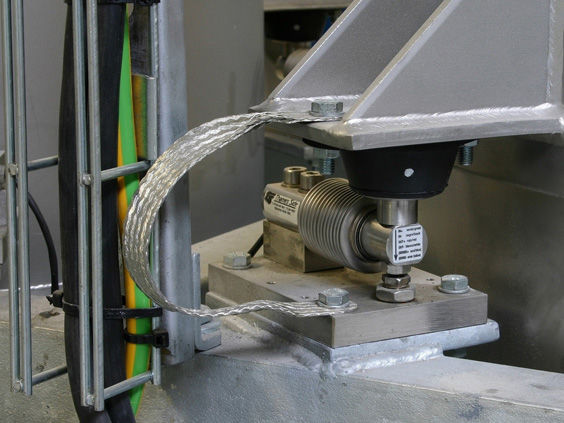
The cylinder scale is equipped with four rotatable support rollers, allowing cylinders of different diameters to be directly inserted. The two-layer separated scale body structure has a certain ability to mitigate impact. It is equipped with four high-precision shear beam type weighing sensors and an intelligent weighing instrument, forming a Weighing system. This system has high accuracy, rapid weighing, and stable and reliable operation. It is widely used in water disinfection gas measurement in water treatment plants, material measurement during steel cylinder filling in chemical plants, and other occasions. It is simple, sturdy, clean, and convenient. The special support on the scale platform can hold cylinders of various specifications ranging from Φ400 to Φ800. Multiple types of weighing display instruments can be selected according to user needs to achieve different weighing management and measurement functions. The standard configuration uses high-quality carbon steel material, which is treated with anti-corrosion spray painting; the optional 304 stainless steel is treated with sandblasting, and is extremely beautiful. Users can freely choose from various functions of the instruments. Explosion-proof, waterproof, printing, alarm, intelligent control, and software management are all no problem.
Product technical specifications:
Accuracy grade: OIML (III) level.
Rated weighing capacity: 0.5 tons / 1 ton / 1.5 tons / 2 tons / 2.5 tons / 3 tons
Initial weighing range: 0.2kg / 0.5kg / 1kg / 2kg
Standard size of the countertop: 800 × 1200 × 360 mm
Operating temperature range of the instrument: -10℃ to +40℃; Sensor: -40℃ to +80℃.
Relative environmental humidity: 95%
Safety overload: 150% Max