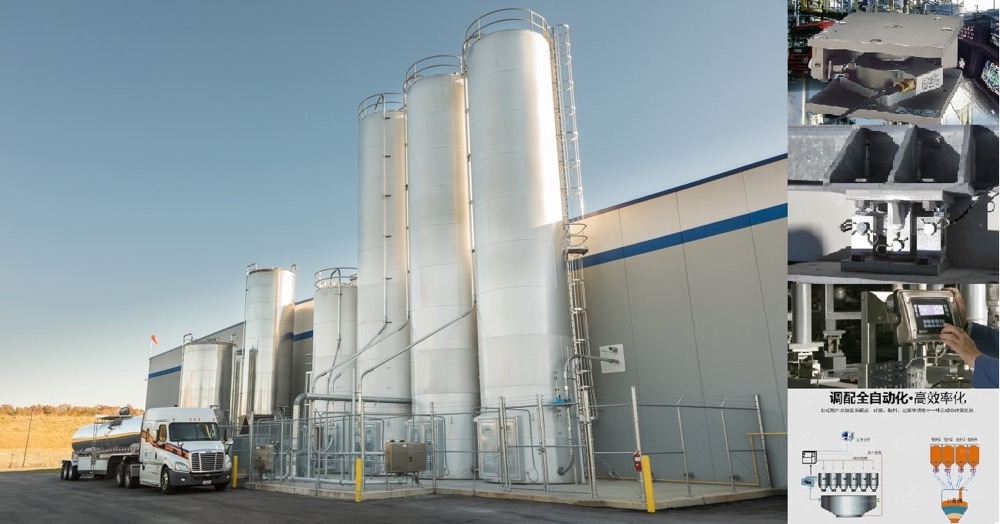








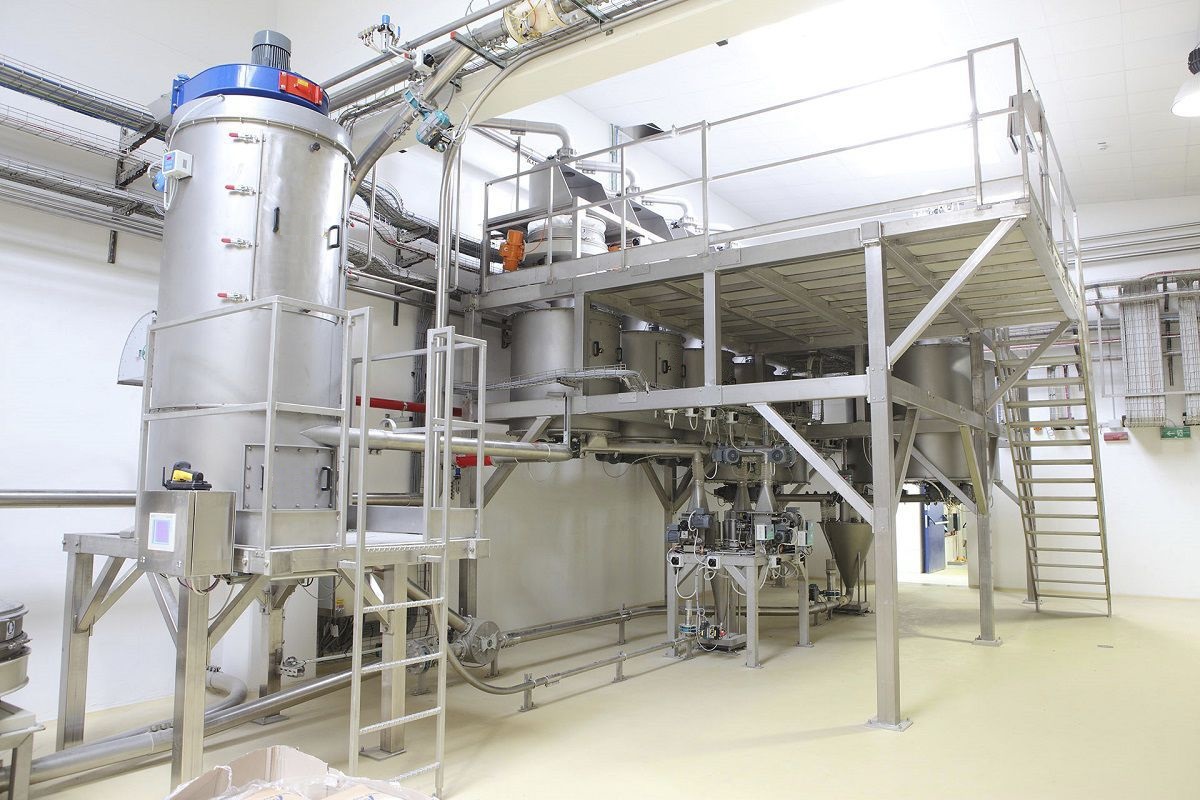
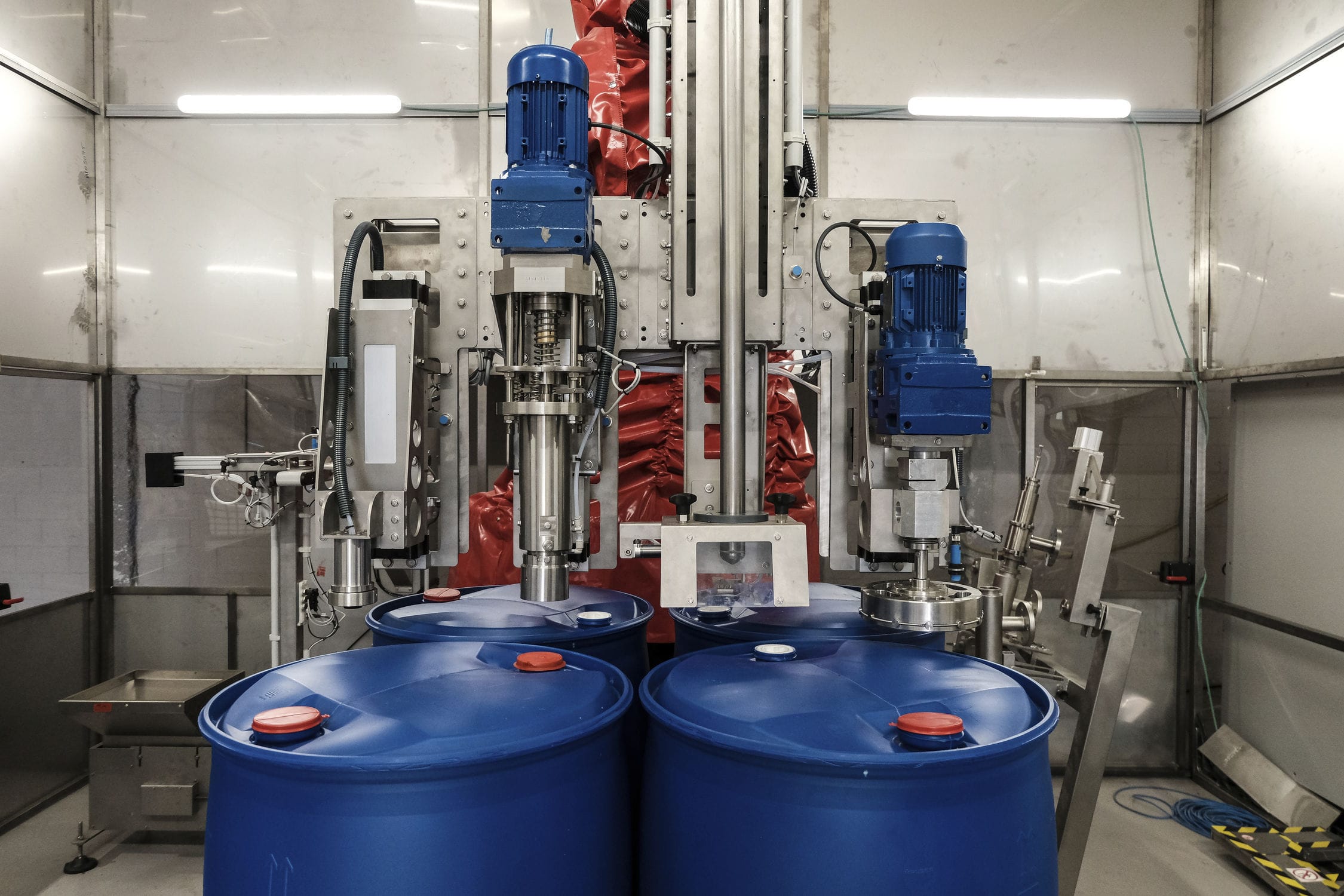
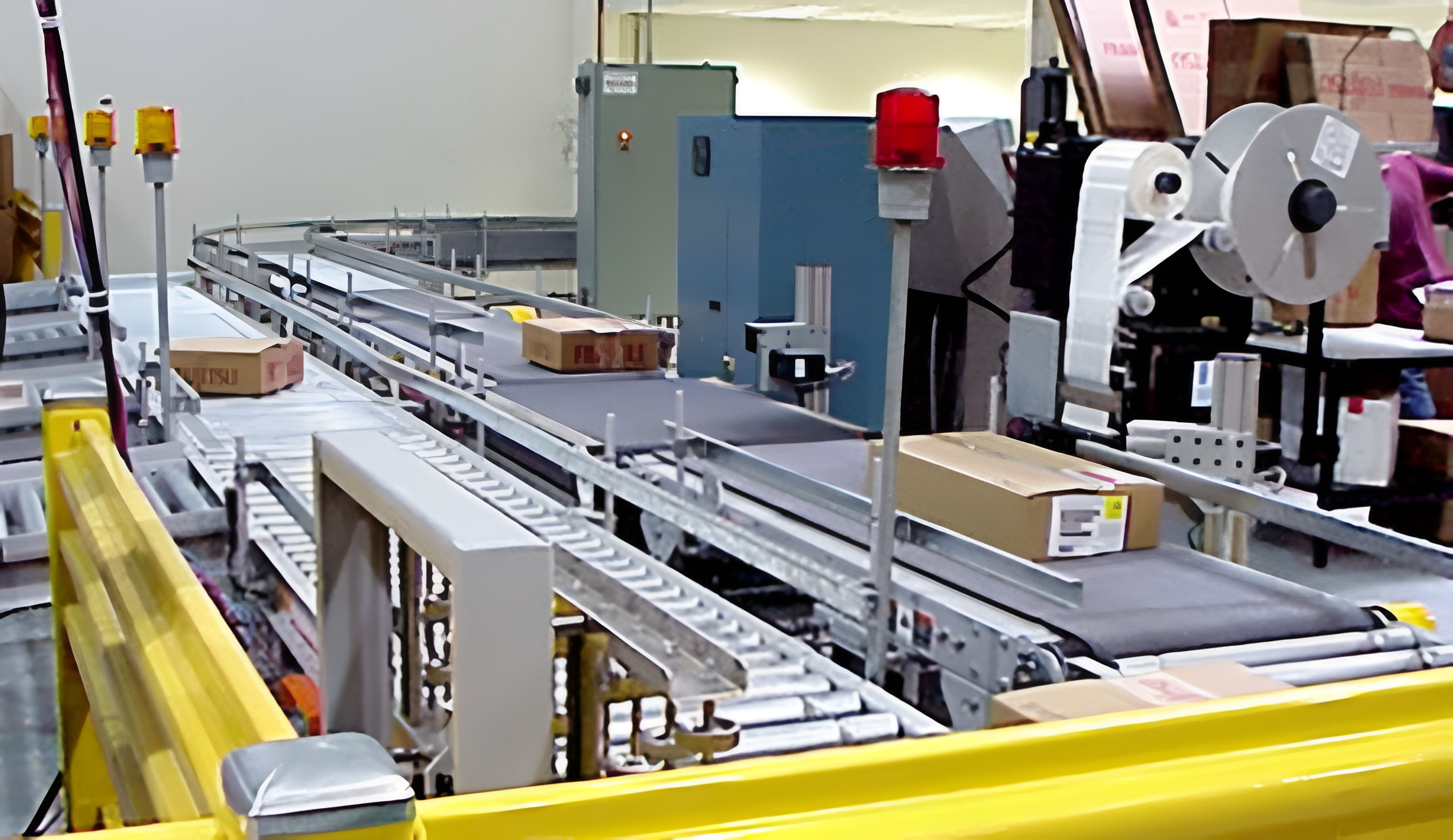
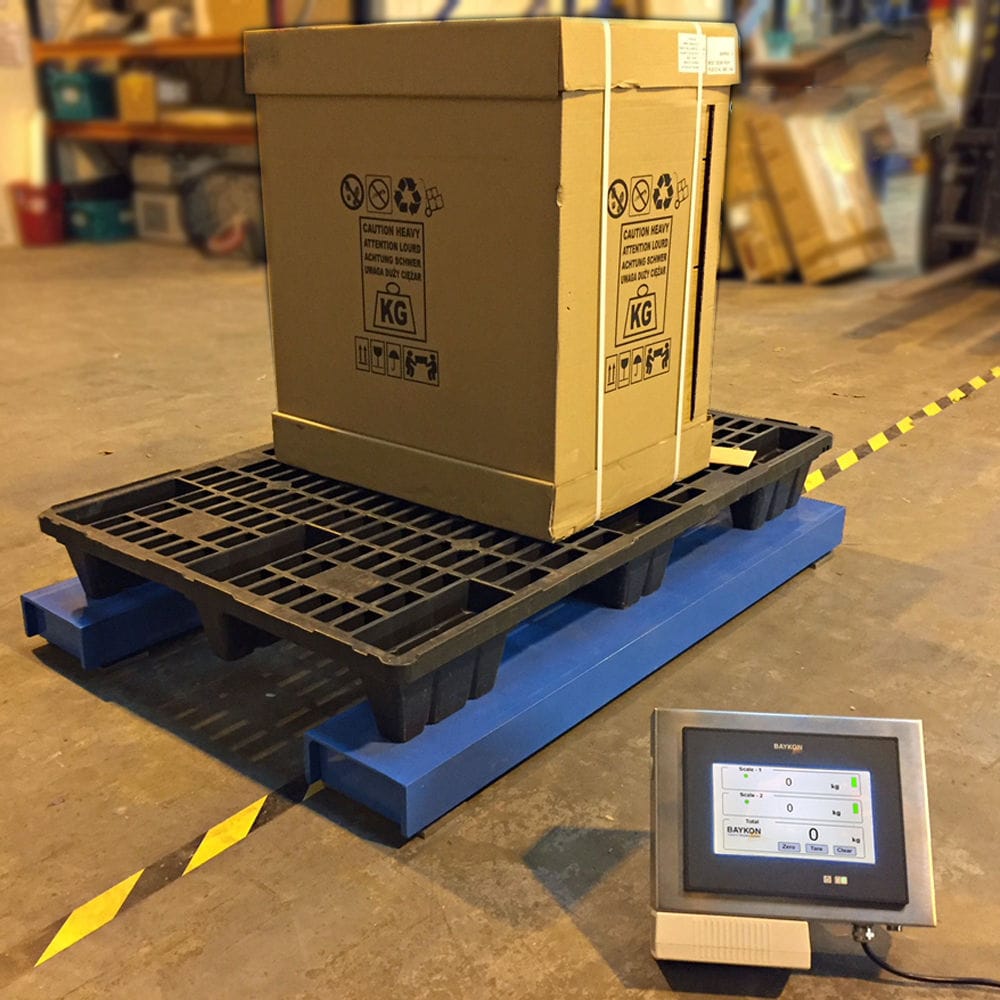


The Ingredients weighing system adopts automatic/manual proportioning control, and multiple materials are mixed at the same time, with fast batching speed. The feeding sequence can be adjusted at will, formula calculation and manual correction. The graphical interface shows the working conditions of batching, and the operation is intuitive. Realize the recording, printing and report generation of proportioning data. Automatic and manual control of arch breaking. Intelligent diagnosis of sensor wiring fault, accurate positioning of faulty sensor and faulty wiring, and automatic tare tracking. Remote data browsing and printing.

 020-34563445
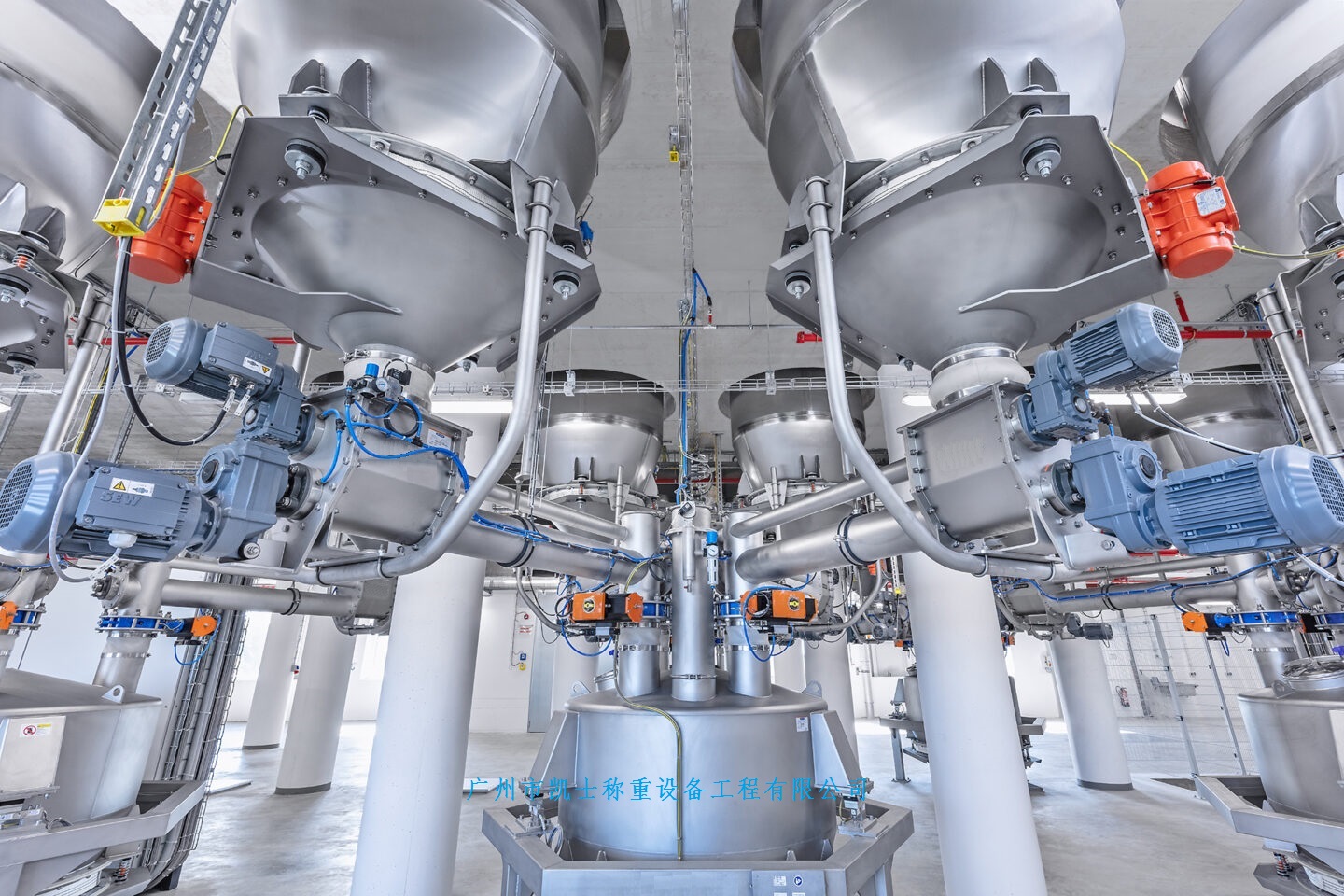
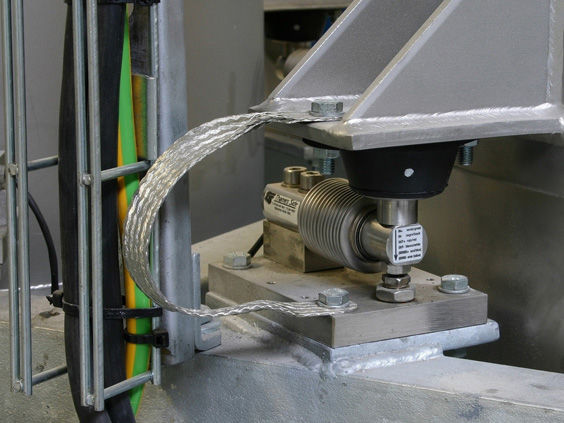
The hopper scale uses a weighing module and a Weighing system to form a measurement and control system for the explosion-proof Electronic scale to complete the measurement of the material. With the PLC electronic scale as the core, it is equipped with a weighing module, an amplifier, an A/D converter, as well as various electric actuators and Feeding machines and other mechanical devices to achieve the weighing control system for viscous materials. The weighing process involves sending the viscous materials to be weighed into the feeding device → feeding controllably → dynamic quantitative weighing measurement. Above the hopper scale is the finished product storage bin, and the raw materials in this bin are viscous block-like materials sent by the feeding mechanism. Below the finished product storage bin is a motor-driven weighing screw machine. When the motor is started, the viscous block-like materials in this finished product storage bin will rotate with the transmission cage and enter the hopper scale for weighing. Before falling into the hopper scale, the viscous materials will be stirred by the double planetary mixer device to reduce adhesion. On the hopper scale, there is a weighing module. The weight signal of the batching is directly converted by this electronic scale into a corresponding voltage signal, which is amplified by the amplifier and sent to the PLC for data processing. When the preset value is reached, the PLC controls the motor to stop feeding, then the PLC controls the hopper scale door to open and controls the conveying device to send it to the next packaging process. Thus, the automatic process of material weighing is completed.
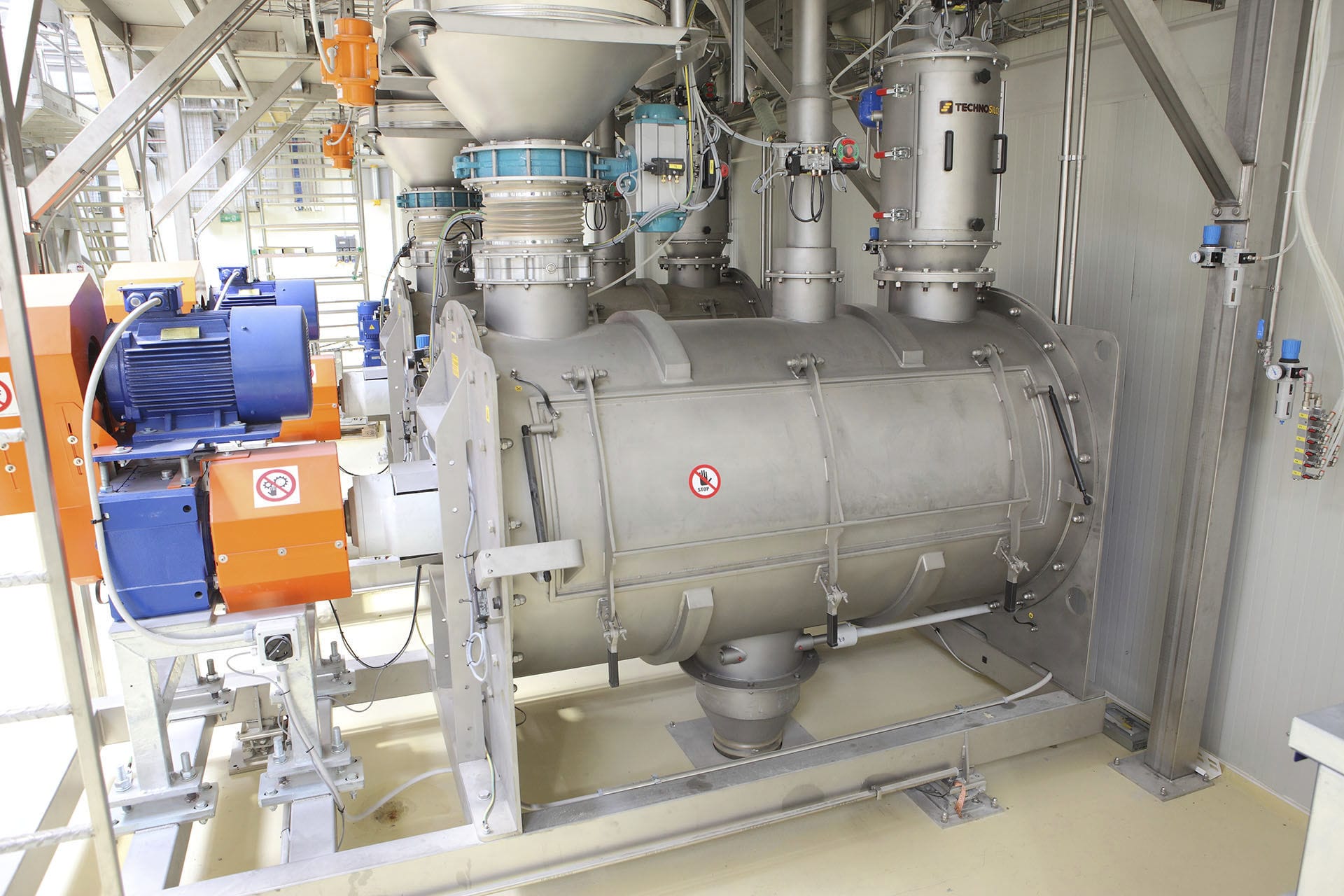
The weighing hopper machine uses a double-tube screw conveyor installed on an explosion-proof scale. It moves the materials by the rotation of the screw body, aiming to feed the materials to a certain distance. It mainly consists of an explosion-proof electronic scale, 2 transmission tubes, 2 motors, a reduction device, a transmission gear, a feeding body spiral housing, a discharging body, a feeding adjustment device, and blades for measurement control. During operation, the motor drives the reduction device and the screw feeding device. The materials enter the machine from the feeding port and are uniformly and continuously sent to the discharging port, entering the next equipment. The two tubes are large and small in size. In the coarse feeding stage, both the large and small tubes feed materials quickly simultaneously to increase the feeding speed. When the discharge reaches a certain weight and is approaching the rated value, the feeding of the large tube is stopped, and the feeding speed of the small tube is gradually reduced to ensure the feeding accuracy. This is done to solve the contradiction between the feeding speed in production and the weighing measurement accuracy. At the same time, it should be noted that, without affecting the discharge, the hopper scale connected to the weighing module should be as close as possible to the discharging port of the transmission device. This can reduce the drop between the discharging port and the hopper scale, thereby reducing the impact on the weighing module and reducing the fluctuation of the weighing value.
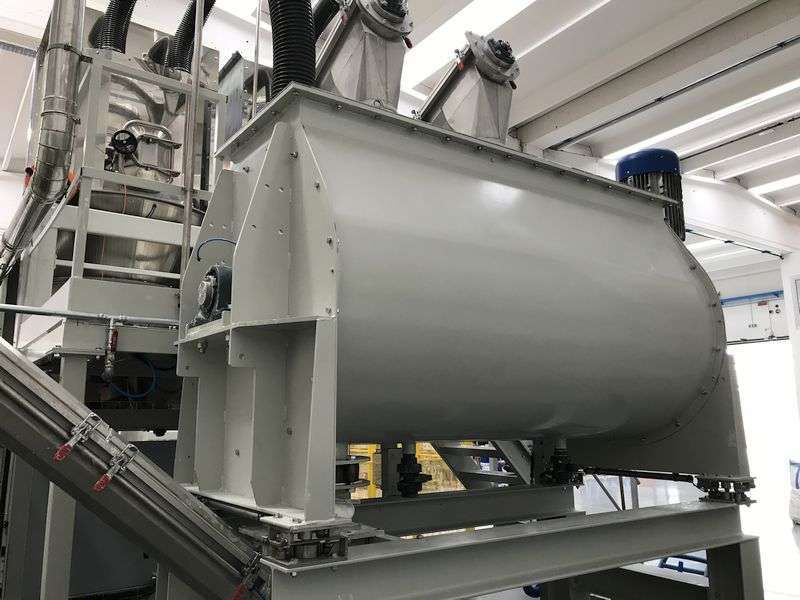
The hopper scale adopts a double planetary mixing structure, including a reducer motor, a cover, a planetary frame and a mixer. The mixing mechanism is installed at the discharge port of the Feeder. When the planetary frame rotates, it drives the three mixing and dispersing shafts inside the box to revolve around the axis of the material bucket, and the weighing system enables the materials to be fully mixed. This disperses the cohesive material blocks to achieve the purpose of dispersion. The weighing feeder adopts a rectangular structure, which is fixed on the bracket through the weighing module. The bottom of the hopper scale is an active door, which is connected to the motor through an active lever. When the material discharge reaches the rated value, the PLC controls the motor through relays to open the active door, and the weighed material is thrown out to the next packaging process. Due to the adhesion problem of the cohesive materials, it may cause the materials adhered to the bottom of the hopper scale not to be completely discharged, resulting in the materials in the next packaging process not being at the rated value, affecting the accuracy of the material packaging value. The hopper scale has a conical structure, with a larger top and a smaller bottom, and three sides are flat, while one side is an arc surface. It is convenient for cohesive materials to enter from the upper funnel opening, and it can also reduce the size of the bottom to avoid the scattering during the feeding process. One side of the hopper scale is equipped with a weighing module, which is fixed on the mounting frame. The weighing sensor is installed between the hopper scale and the bracket, and when installing the weighing sensor, it should be ensured that the sensor can be subjected to vertical force. The arc-shaped tray is installed on both sides of the weighing module, and a push rod is installed. The other side of the push rod is connected to the motor. When the motor rotates, the push rod pushes the tray to rise. The outer side of the hopper scale is designed as an arc shape, which matches the arc shape of the tray. Thus, when the push rod pushes, the tray will slide to the outer side of the hopper scale; at the same time, the outer side iron sheet of the hopper scale plays the role of a gate, and completely sweeps the weighed quantitative material from the tray to the next equipment. Due to the friction and stress of the mechanical components, a layer of rubber material is added on the outer side of the hopper scale to protect the tray of the hopper scale.