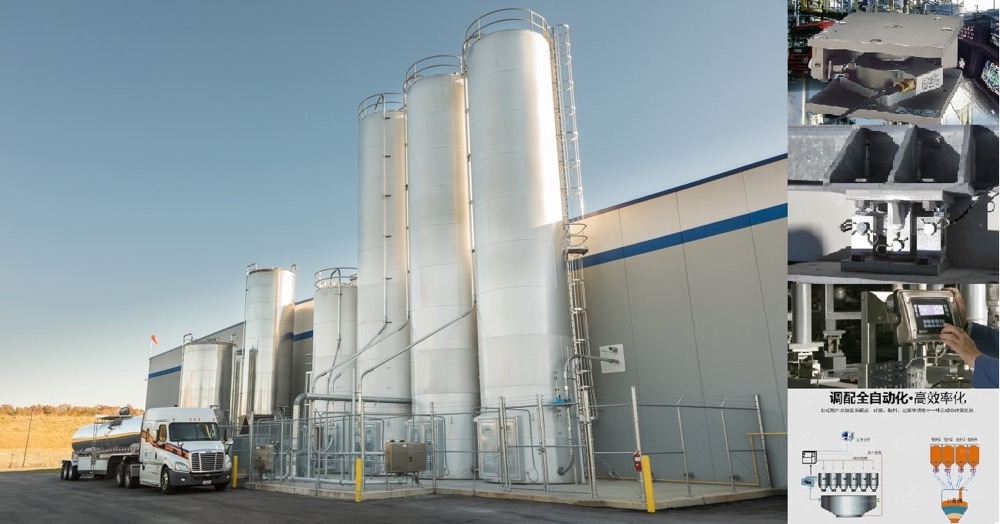







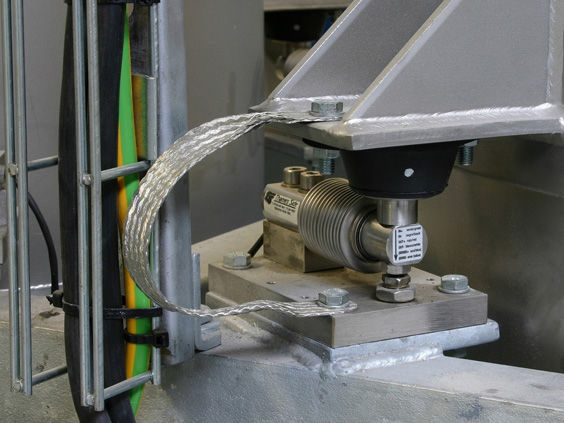
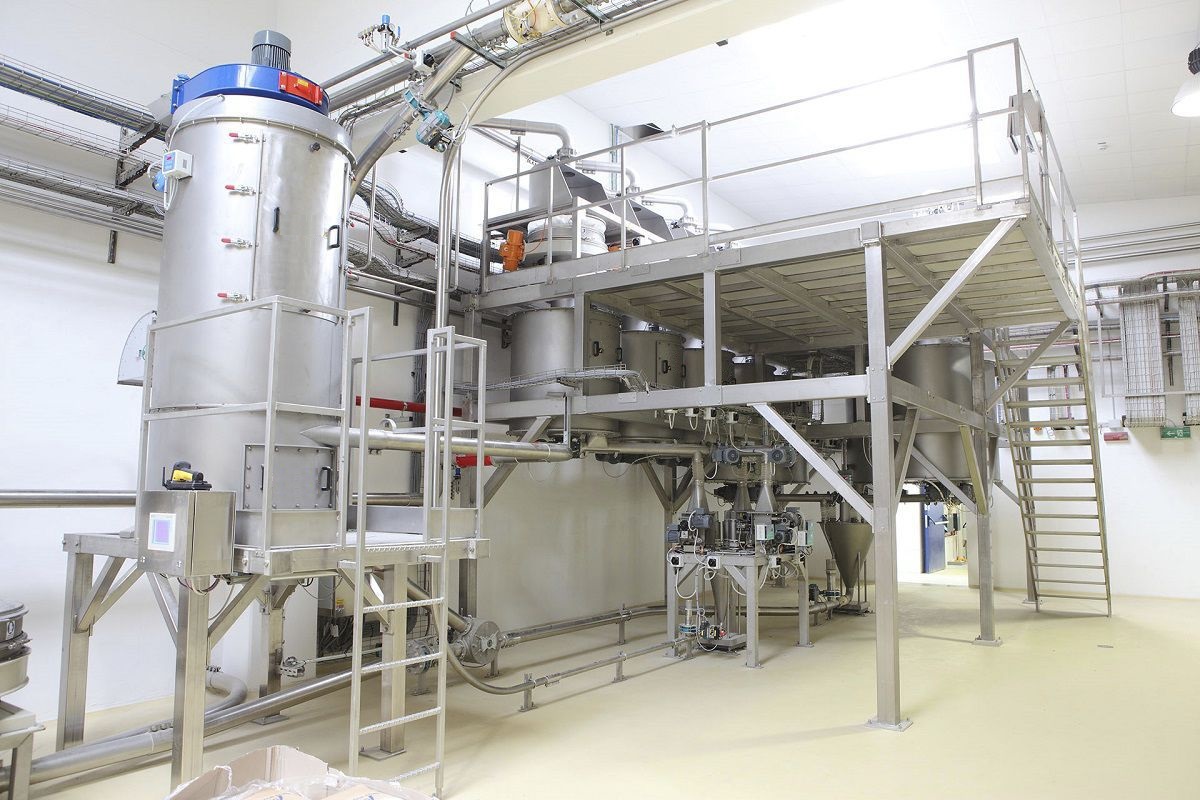
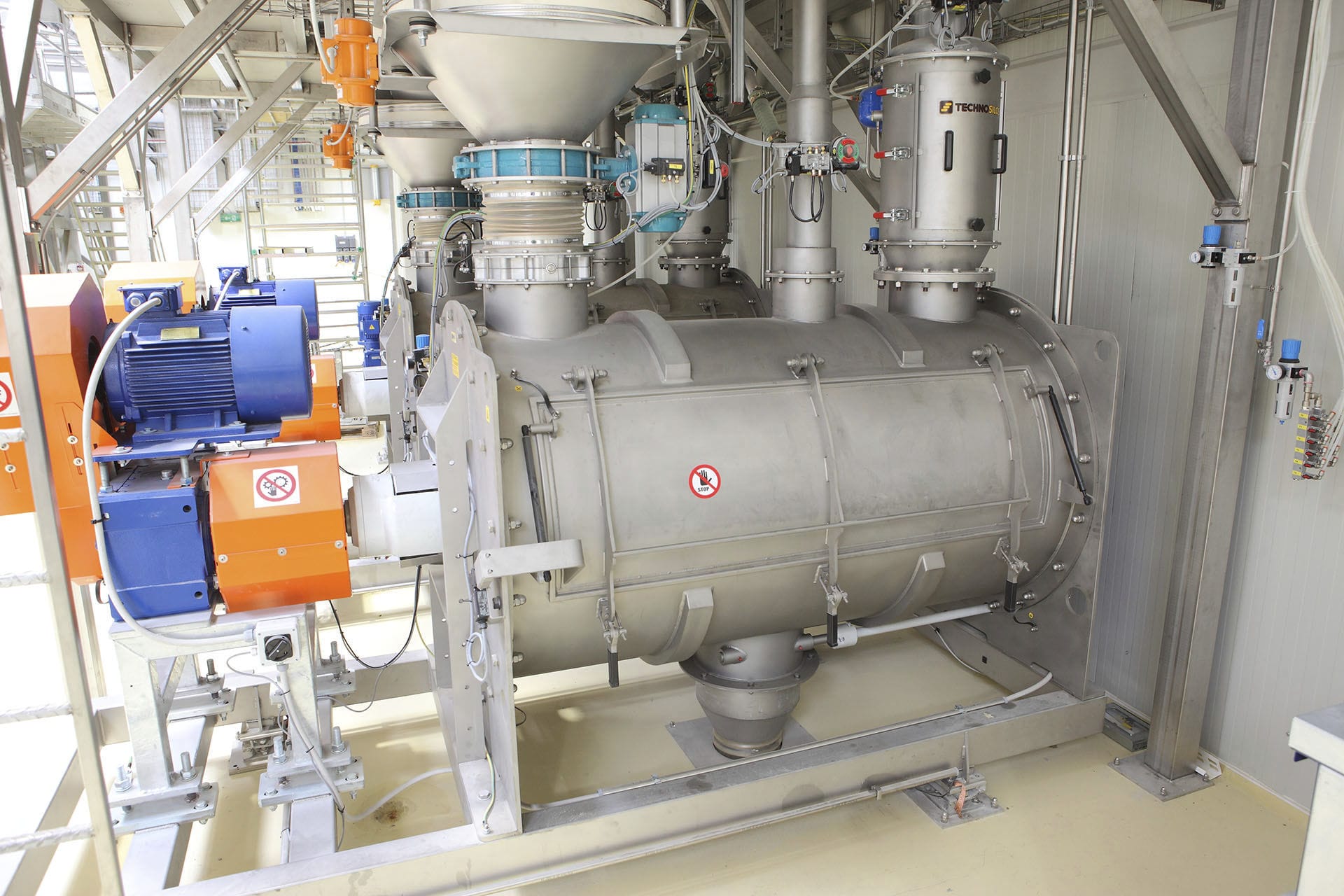
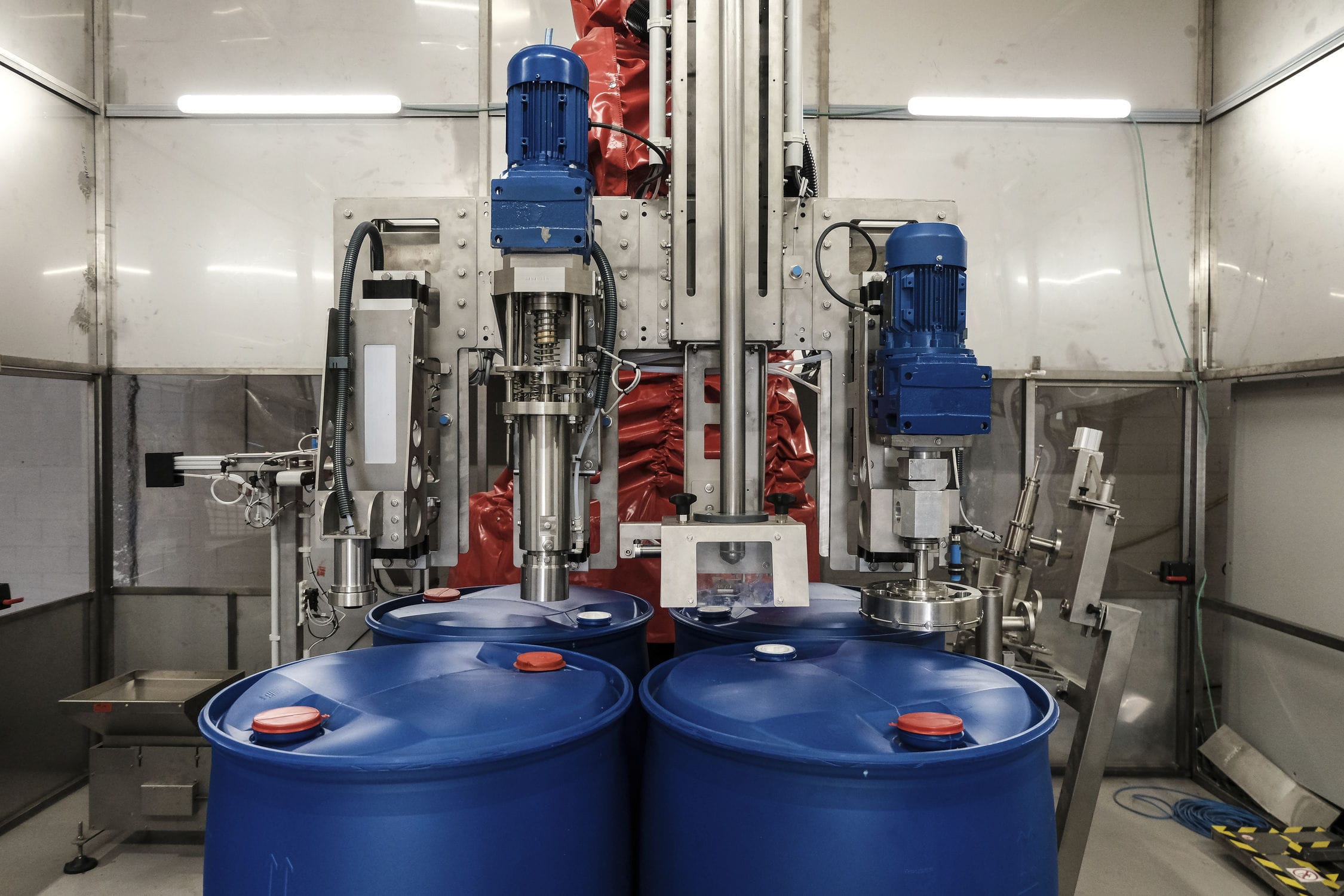
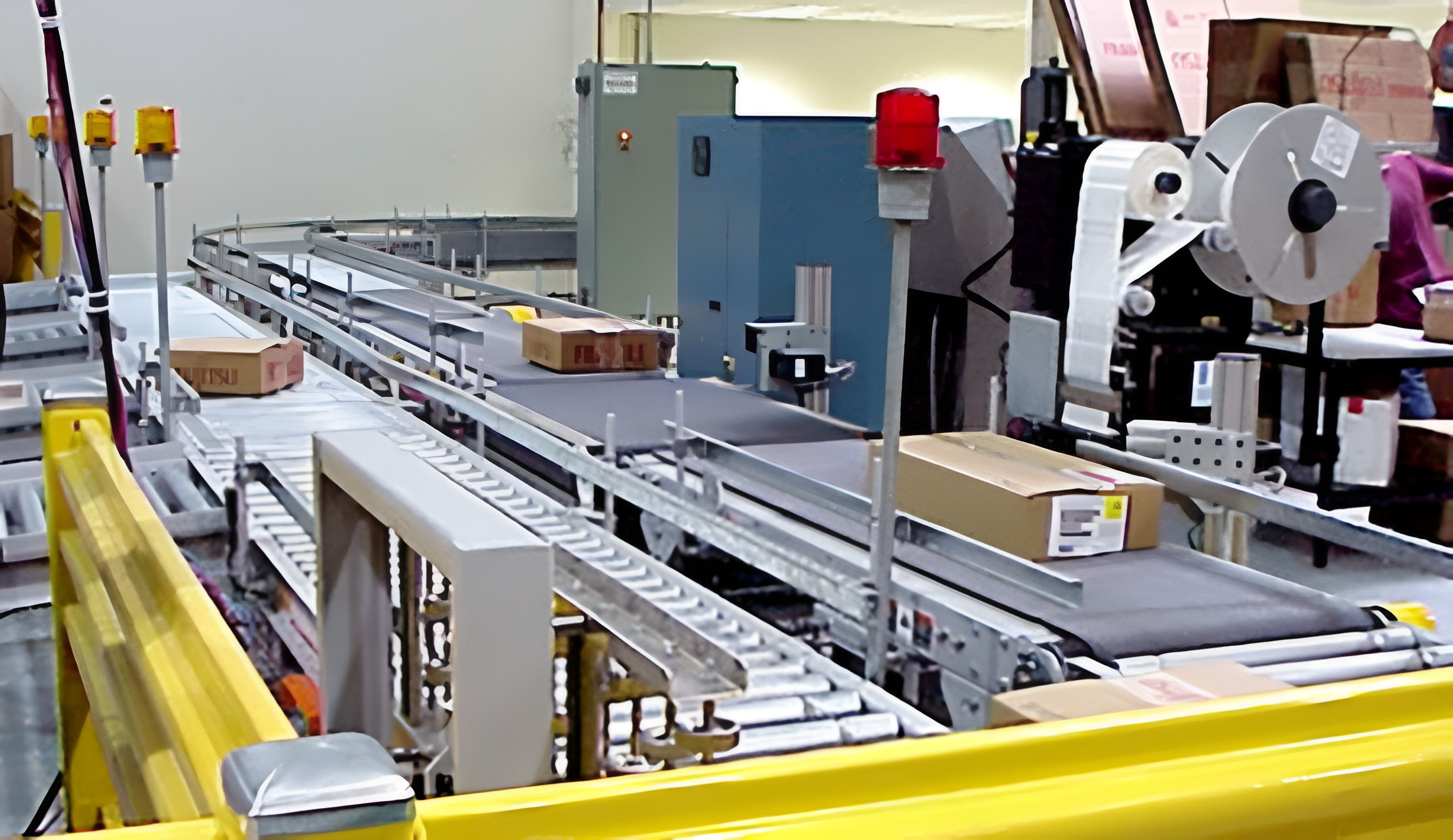
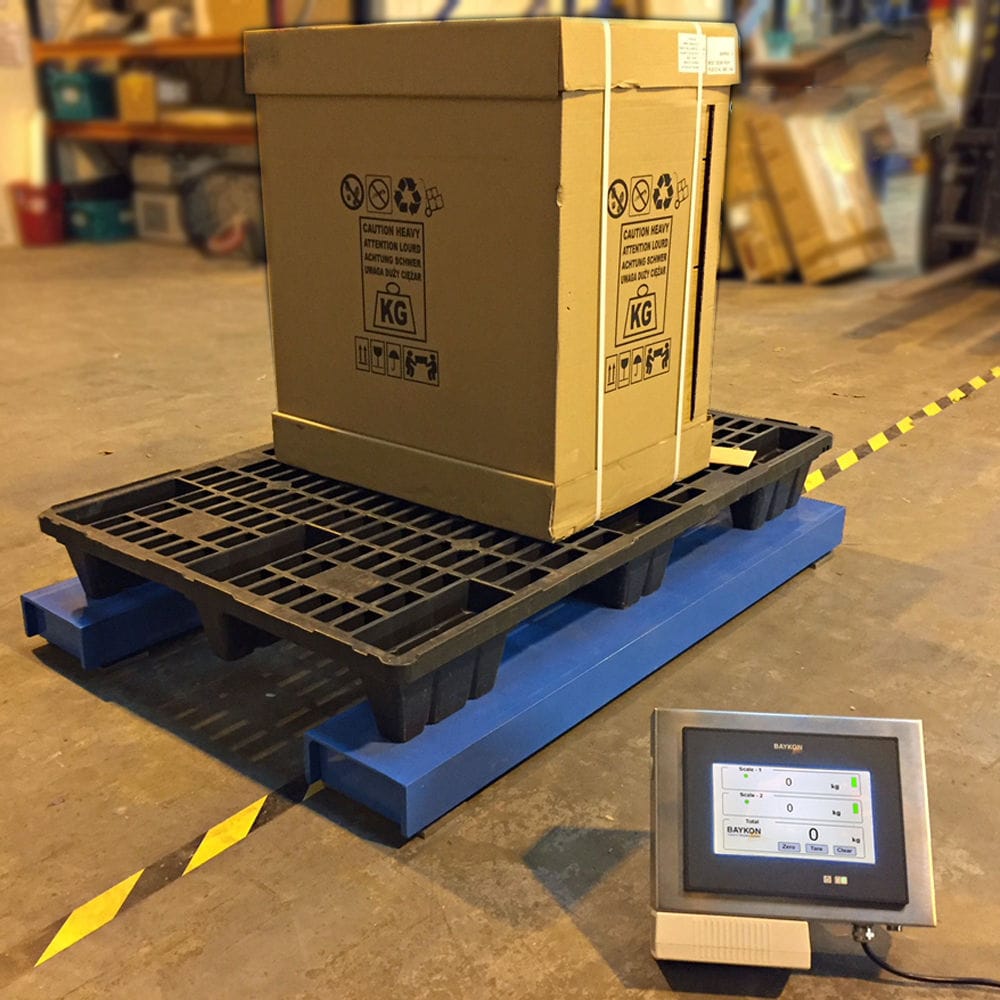


The weighing and seasoning machine adopts positive pressure feeding. The weighing instrument is located at the upper part of the silo body and is connected to the interior of the silo. The weighing instrument is located at the lower part of the silo body and is connected to the interior of the silo. The weighing module signals detected by the two pressure-taking weighing instruments are sent to the PLC for display and comparison. Then, by comparing with the set value, an alarm signal is output. By comparing the changes in the differential pressure value, the material level of the silo can be known.

 020-34563445
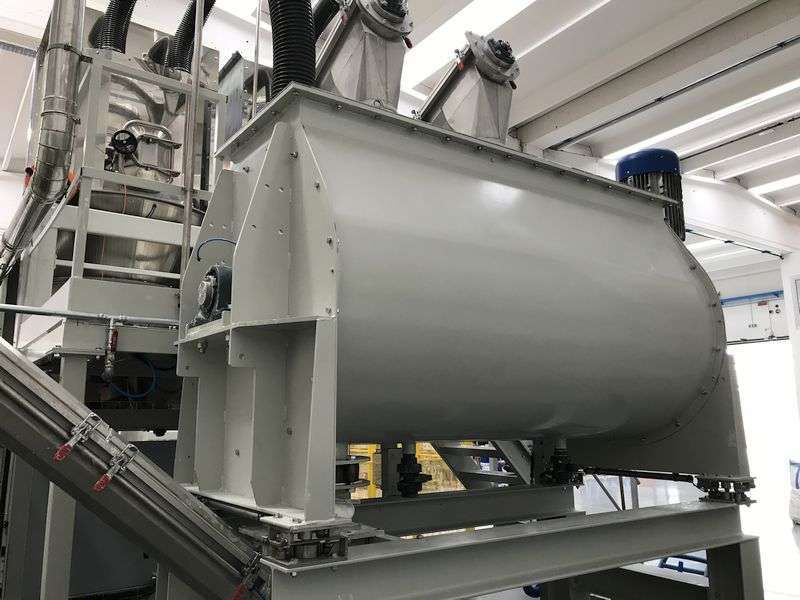
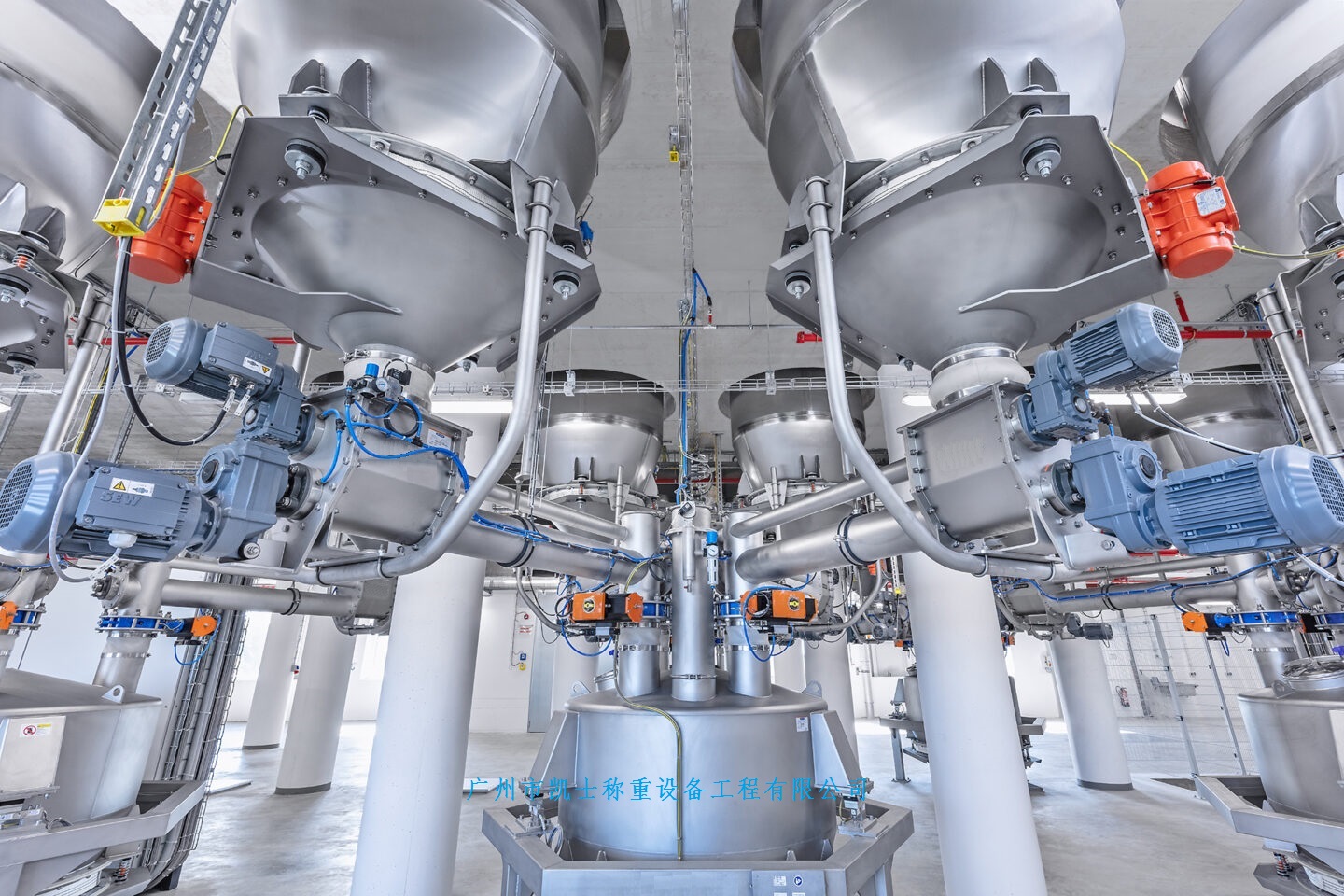
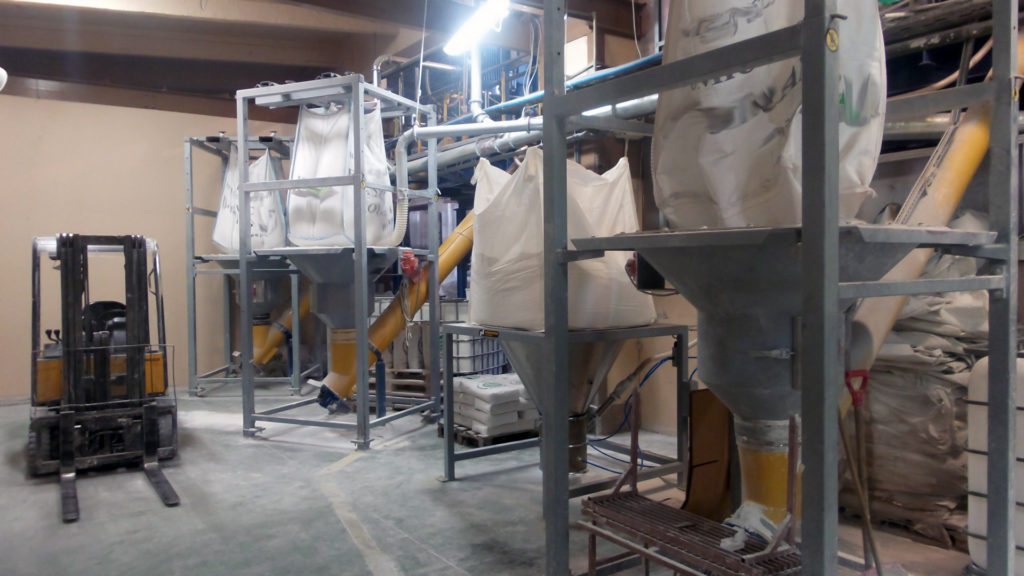
The weighing and seasoning machine adopts positive pressure feeding or negative pressure vacuum suction feeding. It is composed of a weighing module, a loading bucket, a suction pipe, a feeding pipe, a vacuum separation tank, a receiving bucket, a dust filter tank, a vacuum pump, a silo box body, an upper pressure box weighing instrument, an upper distribution device, a lower pressure box weighing instrument, a lower distribution device, PLC operation comparison, an alarm unit, etc. The weighing instrument is located at the upper part of the silo body and is connected to the interior of the silo. The weighing instrument is located at the lower part of the silo body and is connected to the interior of the silo. The upper distribution device supplies power to the upper pressure-taking weighing instrument and serves the functions of signal conversion, transmission and isolation. The signals of the weighing module detected by the two pressure-taking weighing instruments are sent to the PLC for display and comparison, and then compared with the set value to determine the output alarm signal. The material level in the silo can be known by comparing the changes in differential pressure values.
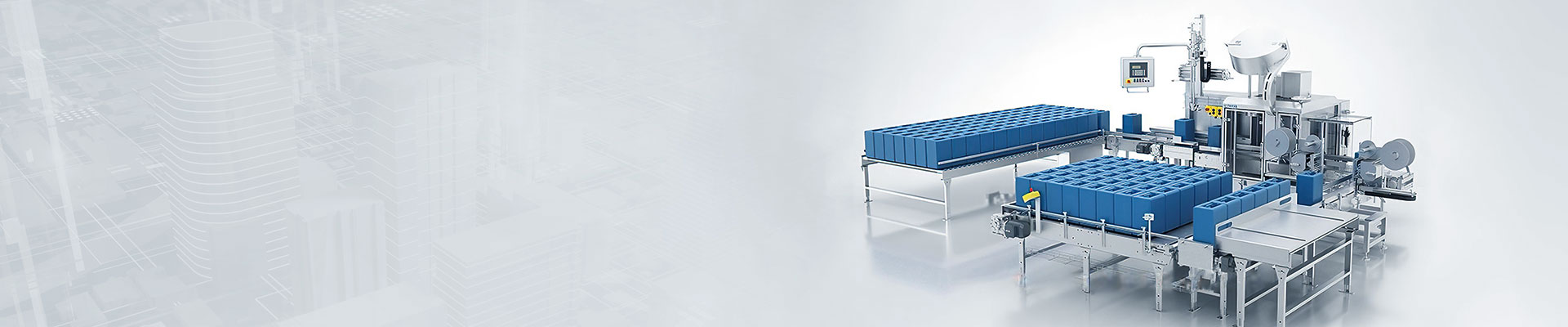
The weighing and seasoning machine is coordinated and controlled to monitor and adjust the material level and flow rate in a timely and accurate manner. It is composed of a programmable controller and an Electronic scale to form a two-level computer control network, which is connected to on-site weighing instruments, control computers, PLCS, frequency converters and other intelligent and fast processing equipment through a fieldbus. In the automatic batching production process, the main materials and auxiliary materials are mixed in a certain proportion, and the electronic scale is used to measure the conveyed materials. PLC mainly undertakes the real-time control of conveying equipment and weighing processes, and completes the detection, display and alarm of system faults.
When the material level in the silo is lower than the position of the lower detection hole, the differential pressure between the upper and lower holes is approximately zero due to communication, indicating that there is no material accumulation in the silo. When the powder accumulates and covers the lower hole but not the upper hole, the intercommunication between the upper and lower holes becomes increasingly poor, and the differential pressure also increases accordingly, indicating that the powder is gradually exceeding the lower hole and piling up upwards. The position of the lower detection hole is generally determined based on the safety requirements of the production process, but the upper detection hole should be as close to the top as possible. Usually, the situation where the powder material has buried the upper pressure tapping hole is not considered. To eliminate the problem of alarm signal disappearance caused by zero negative pressure after system shutdown, a linkage program for shutdown signals and alarm signals and a manual release program are added to the PLC. This ensures that the alarm signals generated before shutdown (unprocessed) remain in place after shutdown, allowing on-duty personnel to continue to pay close attention. After processing and confirmation, they can be manually released or automatically released after the next startup.