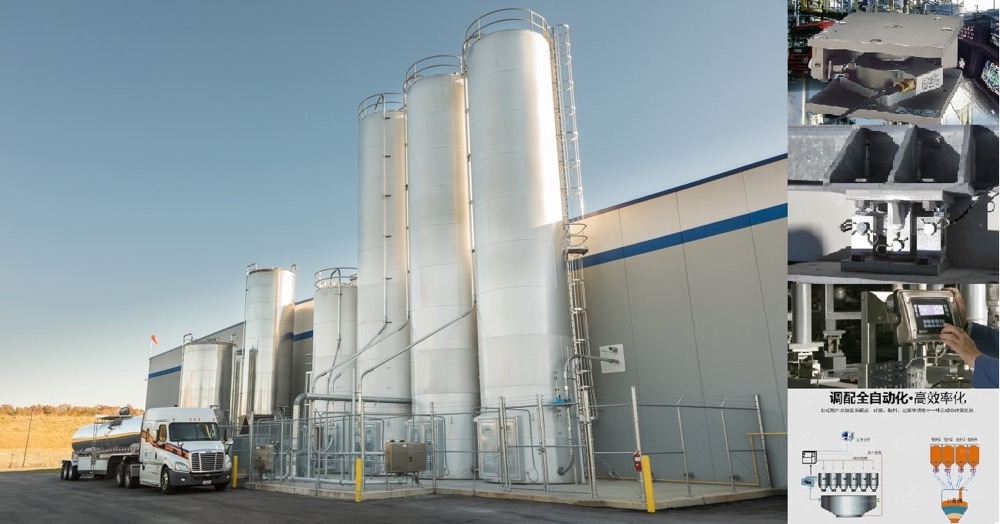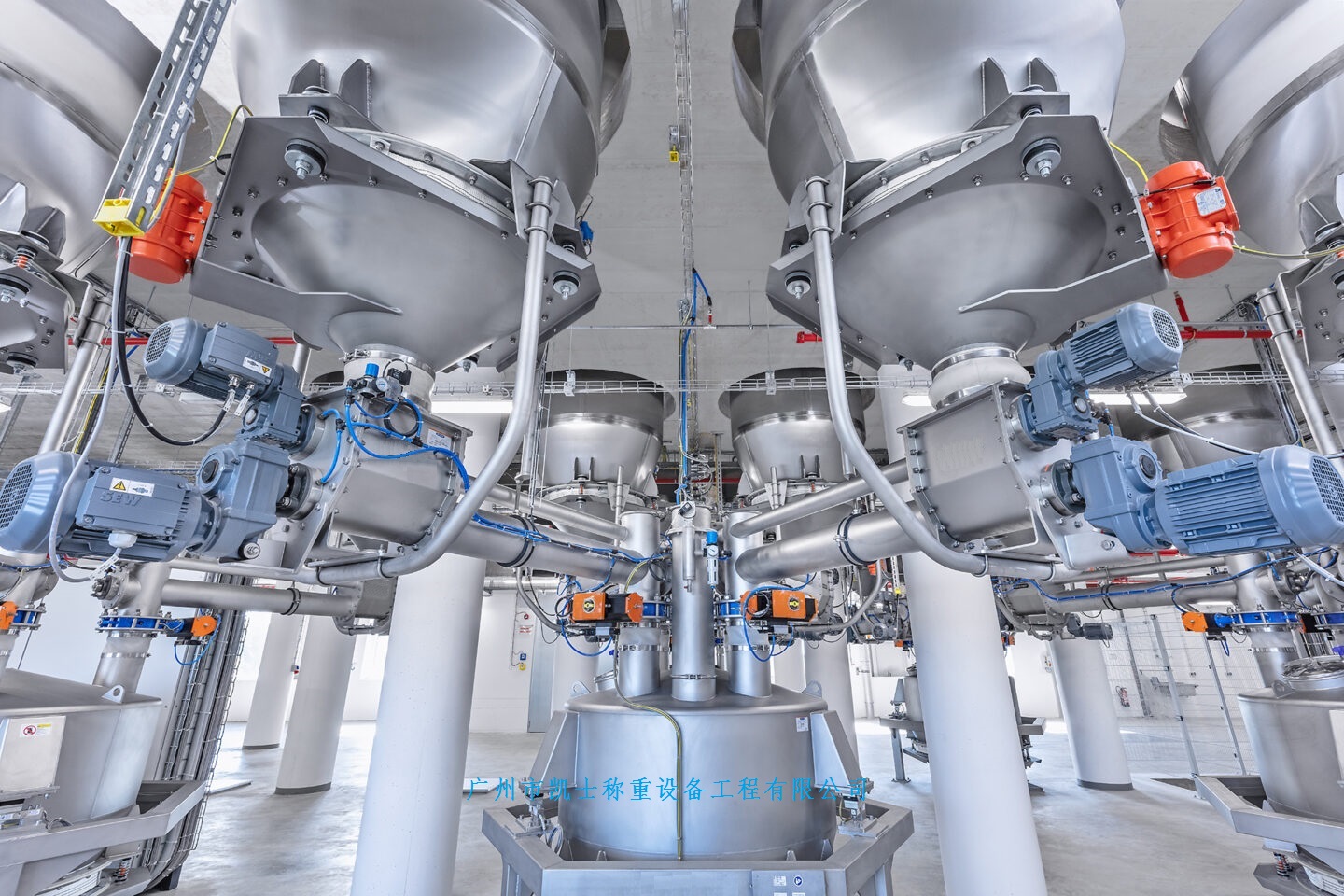






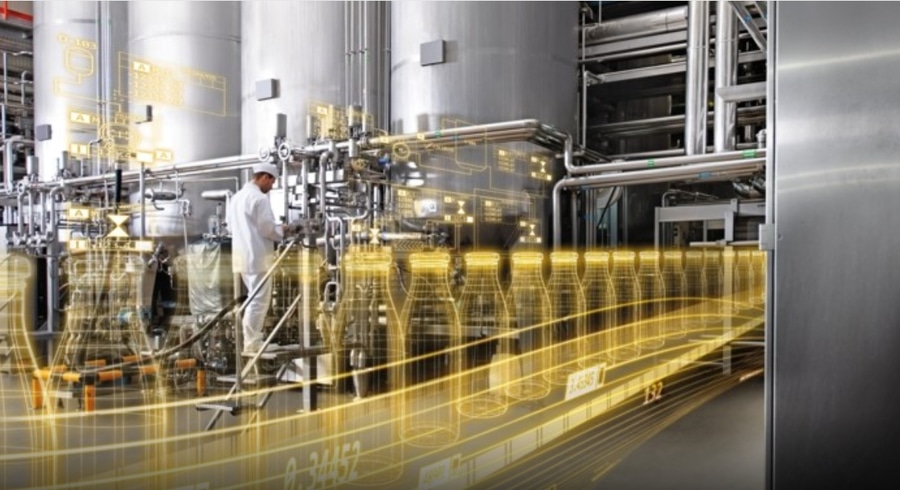
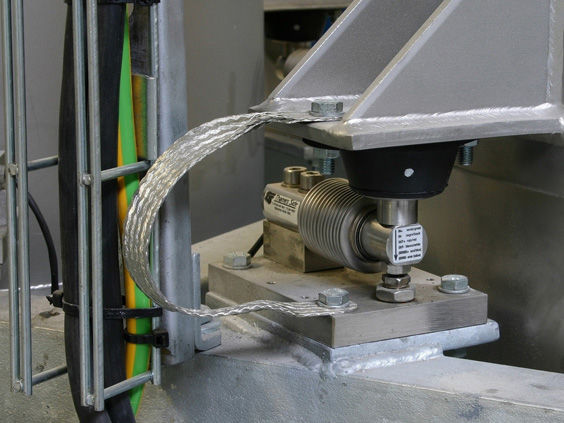
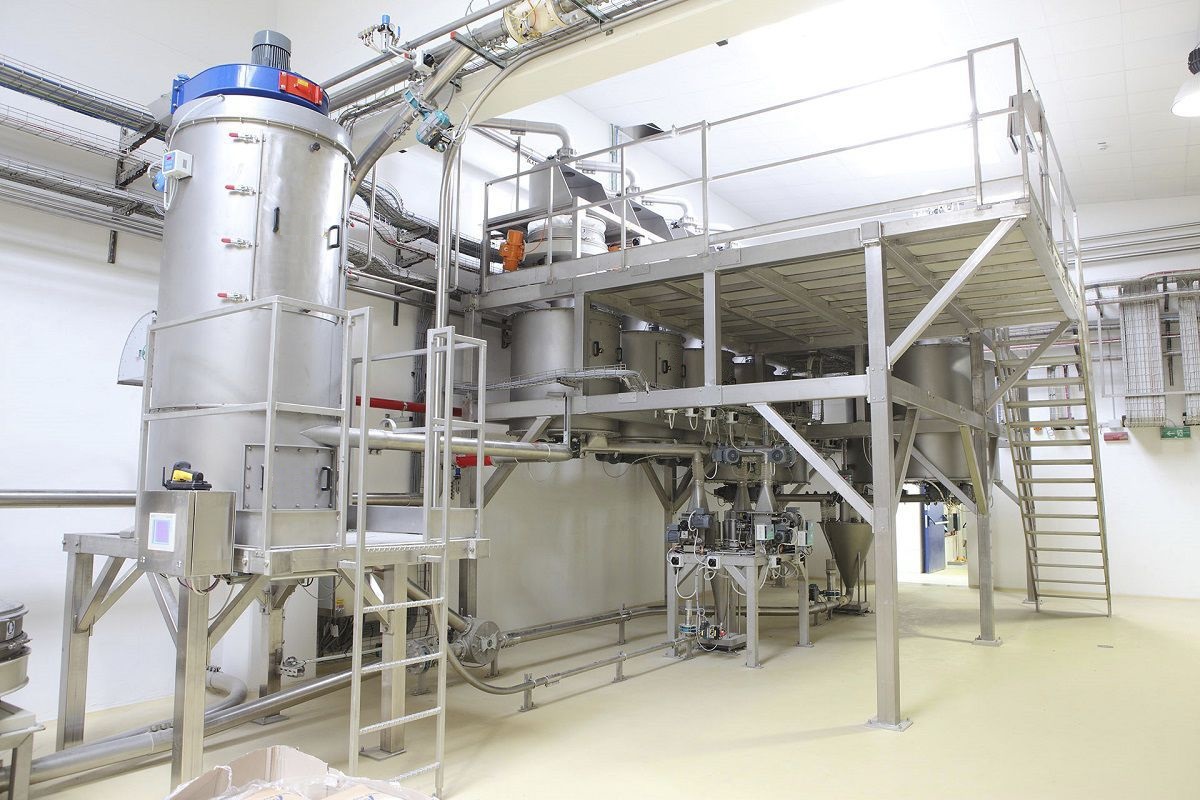
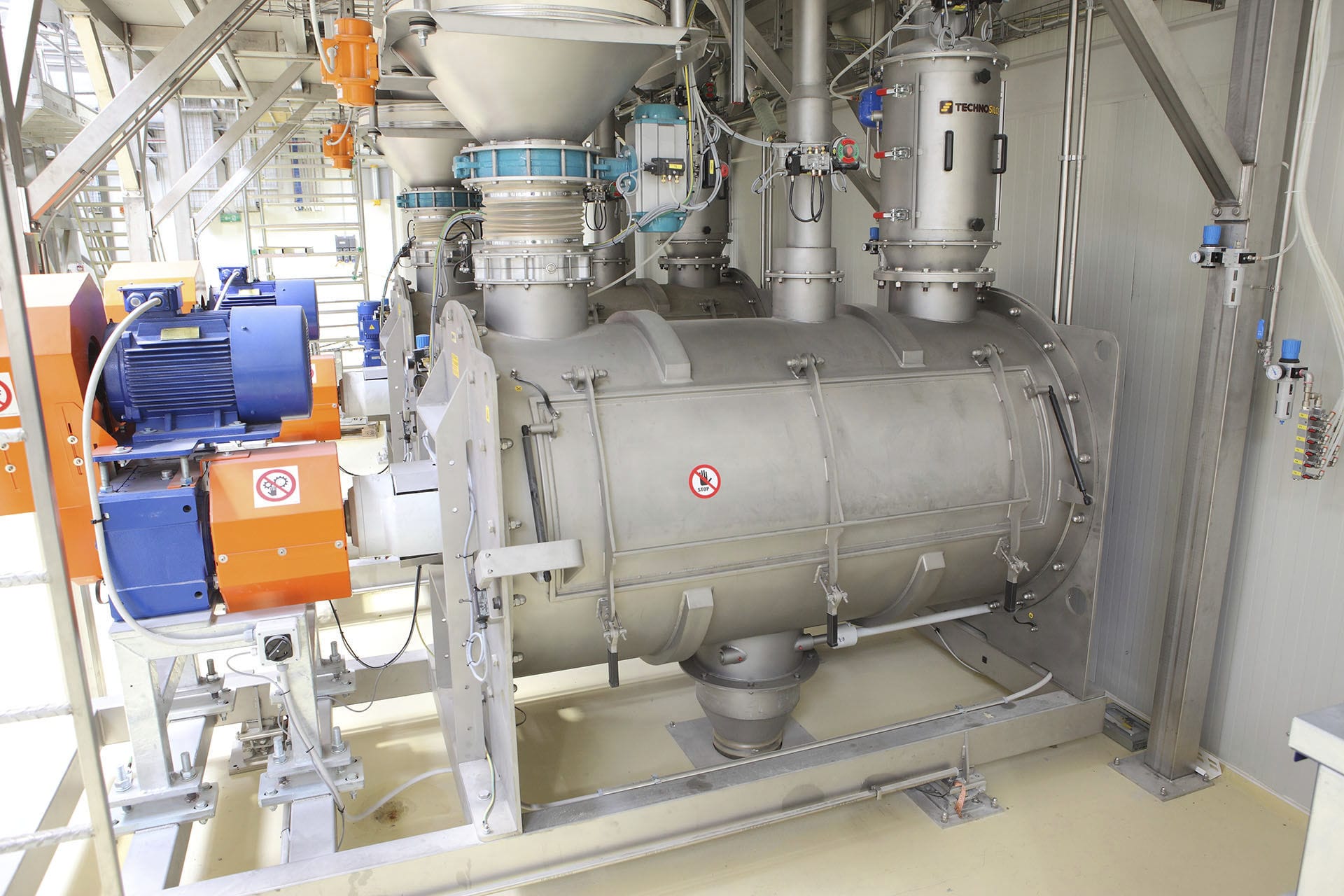
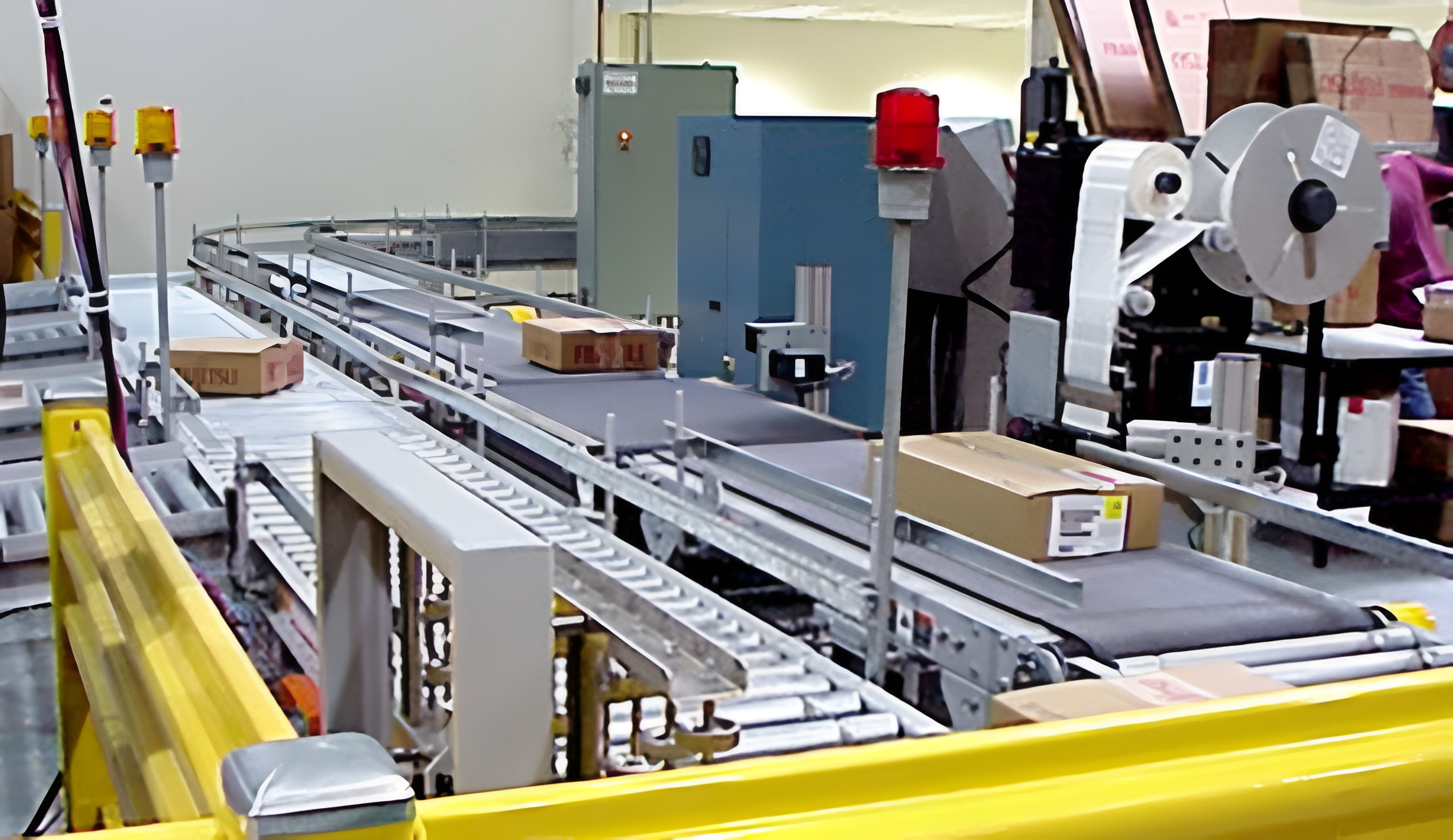
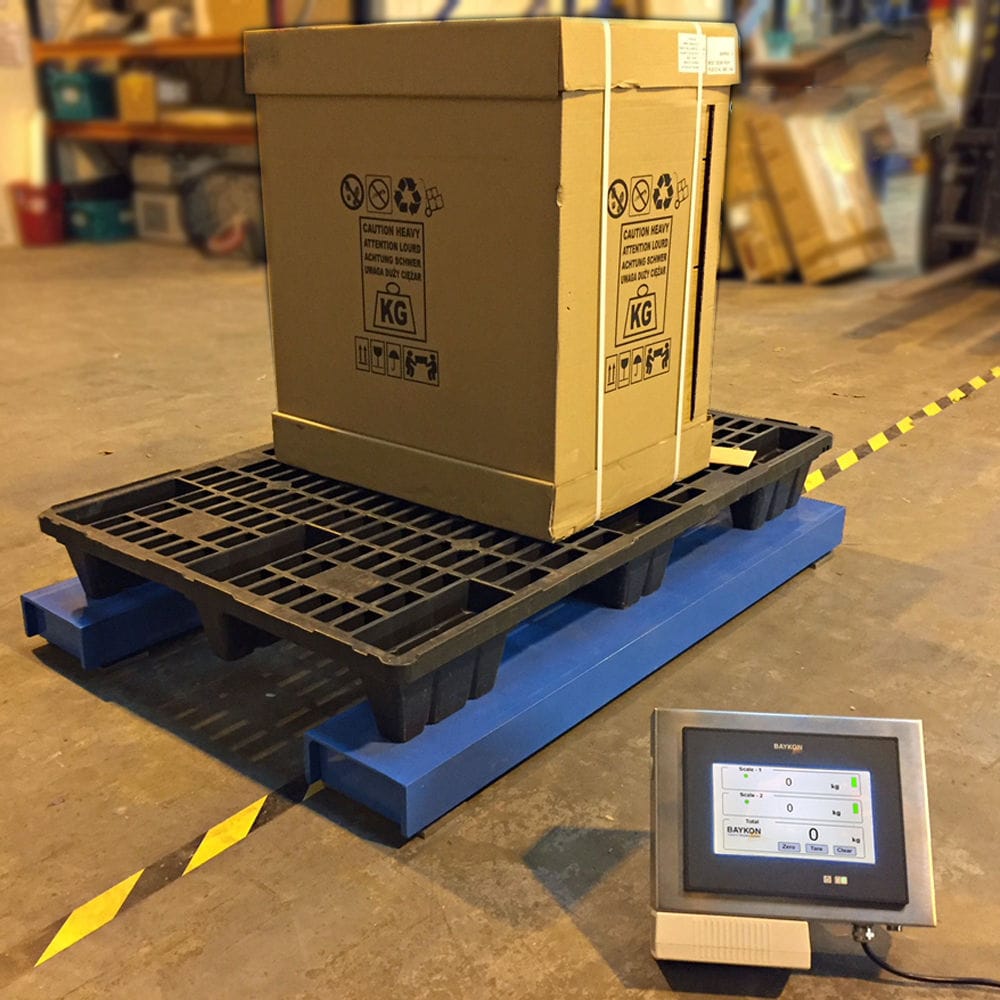


The pulse weighing system is mainly composed of the raw material storage bin, the electric vibration feeder, the hopper scale, the weighing module, the hopper motor, and the PLC control system. According to the requirements of the task, this high-precision weighing system is applied to the weighing of metal powder in the weighing batching machine. It adopts the intermittent static weighing principle and, in accordance with the technical requirements, weighs 30 times per minute, that is, the process of discharging, weighing, and discharging is completed in each cycle period (2 seconds).

 020-34563445
The pulse Weighing system uses the dosage ratio of each raw material to install modules at the bottom of the storage bin. Through precise electrical programming control, it ensures the normal operation of the entire system. The control objects of the positive pressure pulse pneumatic conveying process are the exhaust valves, feeding valves, discharging valves, pulse air knife valves, and upper intake valves in the storage bin. The control method is based on the Siemens programmable controller as the control source, and through the operation of the Proface touch screen, contactors and intermediate relays control each electric vibrating Feeder and motor.
The pulse weighing system mainly consists of raw material bins, electric vibrating feeders, hopper scales, Weighing modules, hopper door motors, and PLC control systems. According to the requirements of the task, this high-precision weighing system is applied to the weighing of metal powder in the weighing batching machine, using an intermittent static weighing principle. According to the technical requirements, it weighs 30 times per minute, that is, the process of discharging, weighing, and discharging is completed in each cycle period (2 seconds). In the initial operation stage, the PLC first starts the electric vibrating machine to send the raw materials into the weighing hopper. At this time, the weighing module converts the material weight signal through the A/D conversion module into data. When the material weight data is equal to the weighing set value, the PLC controls the electric vibrating machine to stop, and then starts the hopper door motor to open the discharge port, sending the raw materials to the next process station. The discharging speed adopts a fast-to-slow discharging method. When the material weight in the weighing hopper reaches the weighing set value, the electric vibrator switches from fast vibration to slow vibration until it stops. This can accelerate the batching speed of the Batching system. The weighing system discharges first, and when the material head is transmitted to the position of the previous weighing system hopper, this weighing system discharge port is opened to discharge, and the PLC starts the hopper door motor to close the discharge ports of all weighing systems, preparing for the next batching.
The electromagnetic vibration system is mainly used in equipment for granular and powder-like materials, for weighing systems and belt conveyors. It is widely used in port bulk fertilizers, bulk grains bagging, etc. Compared with other mechanical Feeding machines, the electromagnetic vibration has many advantages, such as simple structure, no rotating parts, no reduction mechanism, no need for lubrication and oiling, small size, easy maintenance, low required driving power, small starting current, the material jumps forward in the feeding trough along a parabolic trajectory, the trough wear is small, suitable for transporting materials with high abrasion and high temperature, easy to start and stop, and has high control accuracy, etc.
The current of the vibrating electromagnetic coil is generally rectified by single-phase half-wave rectification. During the current flowing through the coil, the armature and the core generate electromagnetic force attracting each other, driving the trough to move downward. The main spring undergoes elastic deformation and accumulates potential energy. During the negative half-cycle of the alternating current, the current does not flow through the electromagnetic force disappears, and the accumulated potential energy of the main spring enables the trough to move forward in front. The vibration frequency is 50Hz. Due to the material in the feeding trough continuously moving forward along the parabolic trajectory, the purpose of material transportation is achieved.
According to the resonance principle of vibration mechanics, when the natural frequency of the weighing system is close to the frequency of the electromagnetic vibration, the system can achieve a higher working efficiency, allowing the mechanical equipment to operate slightly below the resonance critical frequency. For different types of hopper vibrationers and different materials, the counterweight iron can be adjusted to obtain a more accurate system natural vibration frequency.