logxlogx

EN
nan2
画板 1
PRODUCTS
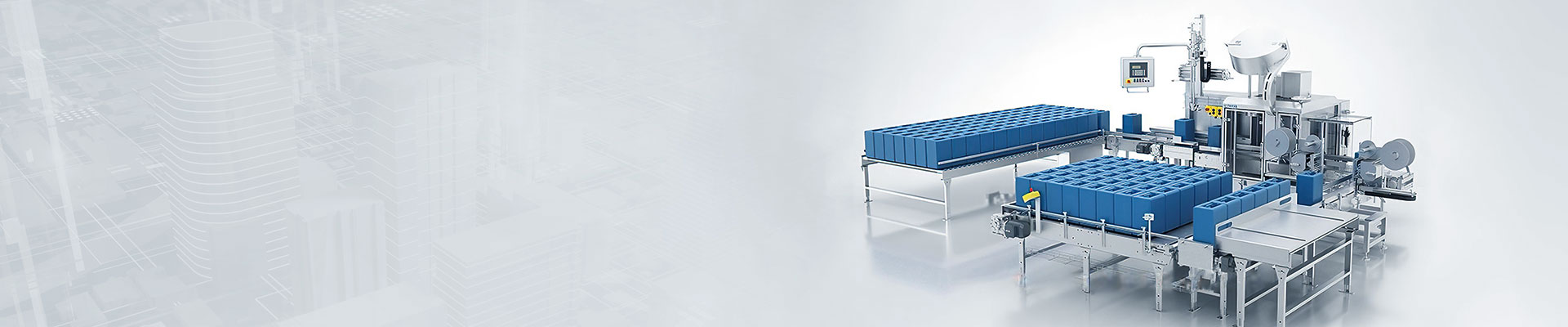
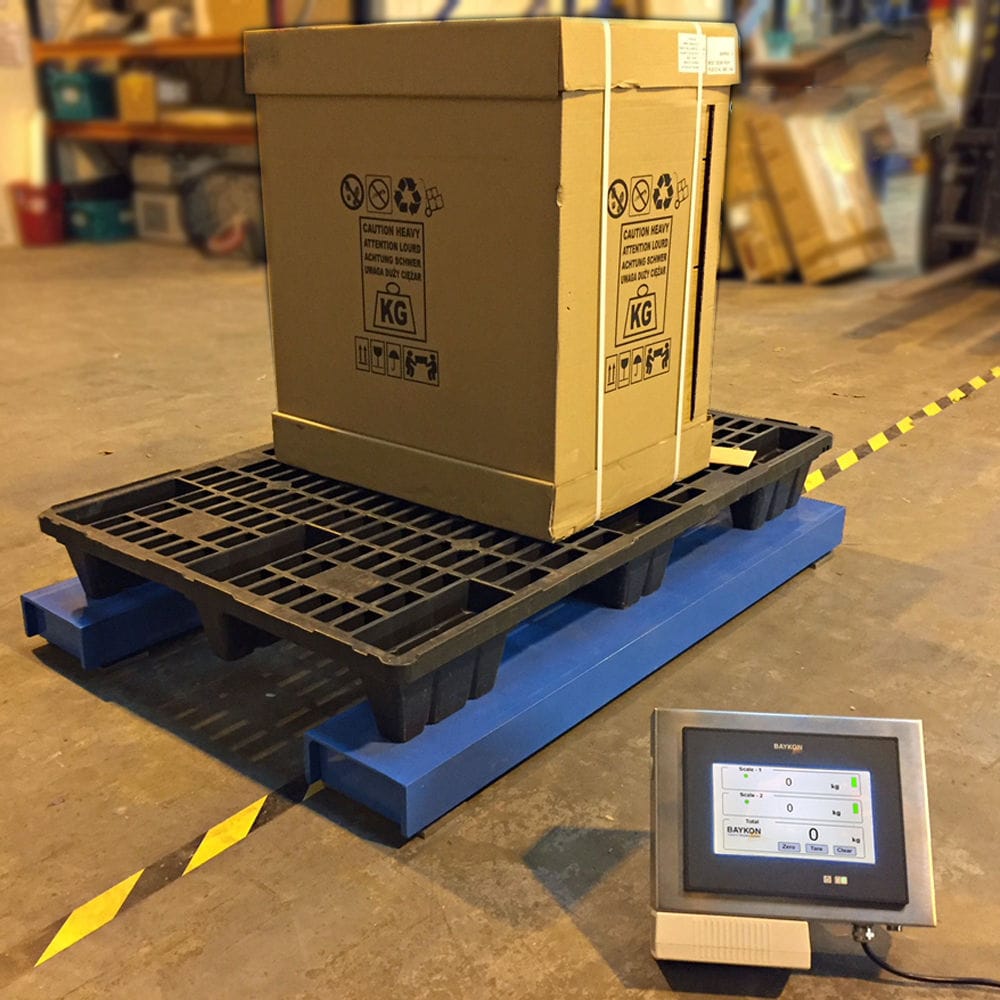
Waste Hazardous Material Weighing System

The hazardous waste weighing system provides a human-machine interface to complete functions such as inputting control information, data management, displaying data, storing, statistics, and generating reports. The industrial control computer inputs the weight of the ingredients through the host keyboard, and based on the ratio of raw materials, generates the weights of various materials. These weights are then transmitted to the PLC through communication. During the ingredient mixing process, real-time dynamic monitoring is carried out. The detection signals and other switch quantities sent by each slave machine and the control system are collected at regular intervals, and the weight signals of each material are collected in real time and compared with the given signals to determine the next control scheme. At the same time, the weight signals are transmitted to the upper computer.

PP20220212173210
Product details
020-34563445

The hazardous waste Weighing system is designed for the fully intelligent production lines and control systems in the petrochemical industry. It covers all production processes such as unpacking, transportation, storage, measurement, batching, feeding, mixing, packaging, dust removal, etc. for raw materials like powder, granules, blocks, and liquids. The hazardous waste weighing control system provides a human-machine interface to complete the input of control information, data management, display of data, storage, statistics, and report generation functions. The industrial control computer inputs the weight of the ingredients through the host keyboard, and based on the ratio of the raw materials, generates the weights of various materials. These weights are transmitted to the PLC through communication. During the batching process, dynamic real-time monitoring is carried out, and the detection signals and other switch quantities sent by each slave machine and the control system are collected regularly. The weight signals of each material are collected in real time and compared with the given signals to determine the next control scheme. At the same time, the weight signals are transmitted to the upper computer. The weighing system is usually composed of a weighing module, a discharge mechanism, a feeding mechanism, and a control system. The weighing module is combined with the weighing transmitter and PLC, along with a touch screen. The weighing module measures the weight through the weighing module on the scale frame to ensure the quality of the raw materials on the silo. During system operation, the weight data and speed signals received by the computer are processed and converted into cumulative values and instantaneous flow rates. The data is then transmitted to the work control machine and sent to the frequency converter controller through analog current signals. The frequency converter modifies the current for the appropriate adjustment of the rotation speed of the Feeding machine, and then completes the calculation and configuration of the raw materials. 

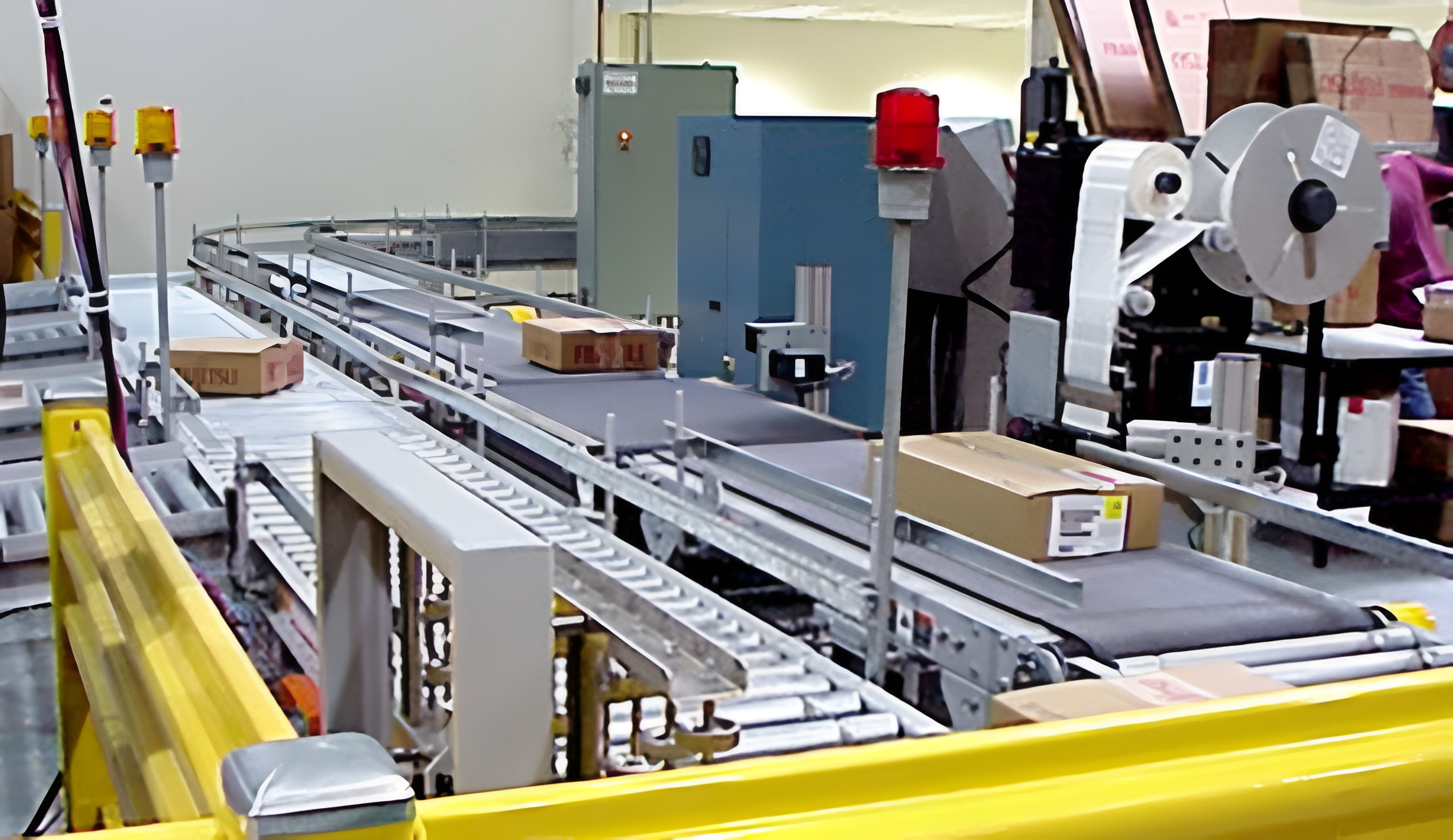
The hazardous waste weighing system is loaded into the hopper scale by the conveyor from the previous process. The cylinder is controlled by PLC to open and close the hopper door. The materials enter the weighing hopper. When the weight of the materials entering the weighing hopper reaches the set value, the PLC outputs a signal to quickly close the hopper door, then opens the weighing hopper door. The materials fall into the packaging bag at the loading position. Thus, the weighing task is completed. Subsequently, the packaging mechanism completes actions such as clamping the bag, retracting it to the packaging position, pressing and clamping the heat welding needle to seal, blowing air for cooling and removing debris, etc., to complete the sealing of the packaging bag. The conveyor belt guides the falling finished bags to the next process, and the scraper is used to prevent the finished bags from sliding. When opening the hopper door, sometimes due to reasons such as blockage of the hopper door, the materials may not be completely dropped into the packaging bag. Therefore, three fiber optic sensors (corresponding to three different packaging weights) are set to detect whether the materials have completely entered the packaging bag. The capacitive sensor is responsible for coordinating the two actions of the conveyor belt operation and releasing the finished bag. When the scraper reaches the exit position of the guiding slot, the finished bag also falls down exactly. 

The hopper scale constitutes a hazardous waste weighing system through software. The hazardous waste weighing system uses the RS-485 serial interface to achieve data communication between the instrument and the computer, and transmits the results to the external display screen. Data conversion service. Both measurement management and financial management can use the same database. Various departments can access the total database through the local area network; or each department can have its own database, and data can be exchanged between the databases. The hopper scale mainly consists of the hopper on the scale, the discharge hopper below the meter, the LED display screen, and the detection of the material level in the hopper on the scale (through the material level detection). If there is no material signal, the scale waits. If there is a material signal, the valve on the scale opens and starts feeding, and when the set value is reached, the valve closes (no feeding). At this time, the instrument detects the discharge material level signal. If the material level is full (through the discharge level detector), the scale waits. If there is a discharge level empty signal, the scale door opens for discharge, and after detecting that the material is finished, it closes and performs the weighing of the second scale. Through the control of the instrument, the system achieves the effect of fully automatic weighing. After the weighing is completed, the upper row displays the zero value, and the lower row displays the cumulative value. At this time, the data is sent to the computer through the 485 communication port for storage. At the same time, the computer sends the data to the LED display screen for display, which can show the weight of the sub-scale or the total weight of the combined scale. In case of an emergency, the "emergency stop" button can be pressed to handle the accident. After the accident is handled, the "start" button can be pressed again, and the scale can continue to execute the previous stopped working procedure. If the emergency stop is not resumed for further work, the discharge button can be pressed to discharge the material. This weighing system supplies materials to the weighing hopper in two flow rates: large and small. The weighing sensor converts the weight signal into an electrical signal and transmits it to the weighing control instrument. The weighing control instrument measures the weight value and controls the entire weighing process through a program. It constitutes an automatic weighing control system. In the system, the input signals of switch quantity include the start button, stop button, hopper status, bag clamping, etc., and the output signals include coarse and fine feeding electromagnetic valves, discharge electromagnetic valves, bag clamping devices, and some display and alarm output signals. The digital channel receives the weight input signal from the sensor. The hopper door closing and bag clamping detection use proximity switches, while the buffer material door, weighing hopper door, and bag clamping are controlled by the cylinder driven by the electromagnetic valve. Under ideal conditions, the large and small feeding together complete 95% of the rated weight value, and this is completed in a very short time. Then, the large feeding stops, and the small feeding completes 5% to 10% of the rated weight value, occupying a longer time. In actual production, the weight and time parameters of these two segments need to be continuously adjusted according to specific circumstances to achieve the best state.


Application of weighing modules in large storage tanks
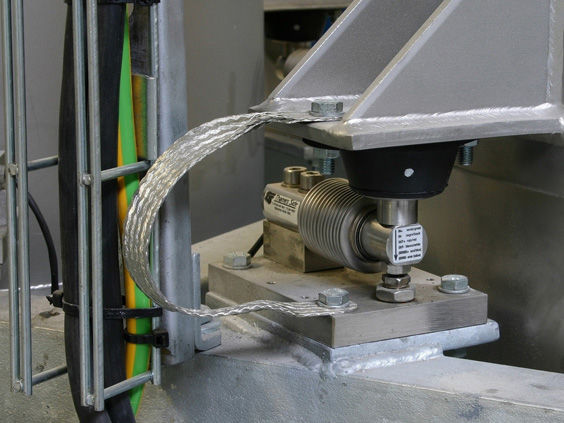
Weighing modules can be used as storage and irrigation materials in and out of the warehouse measurement, can also be used for process flow control, in general, according to the shape of the tank and the installation of different ways to choose 3 or 4 weighing modules to complete, especially suitable for chemical plant production process quantitative feeding system occasions to use.
Automatic Powder Batching System
Batching system in the field of powder processing and treatment, the leading technology of powder processing equipment absorbed and optimized in the weighing and mixing machine in accordance with the production instructions and formulas, a variety of materials will be placed, transported to the set station, using automatic walking weighing mechanism, a variety of materials accurately and proportionally added to the barrel.
Reactor feeding and dosage system realization
Reaction kettle feeding dosage system through the explosion-proof electronic weighbridge direct collection of weight signals, automatic control of weighing, the operator through the keyboard or the mouse in the upper computer human-machine interface (HMI) on the input charging information (charging type, weight, etc.), monitoring the whole process of charging control, printing the results of the charging and production reports, to achieve the process of charging the measurement and control of the integration of the management, is not lost as a practicable and effective method.
×