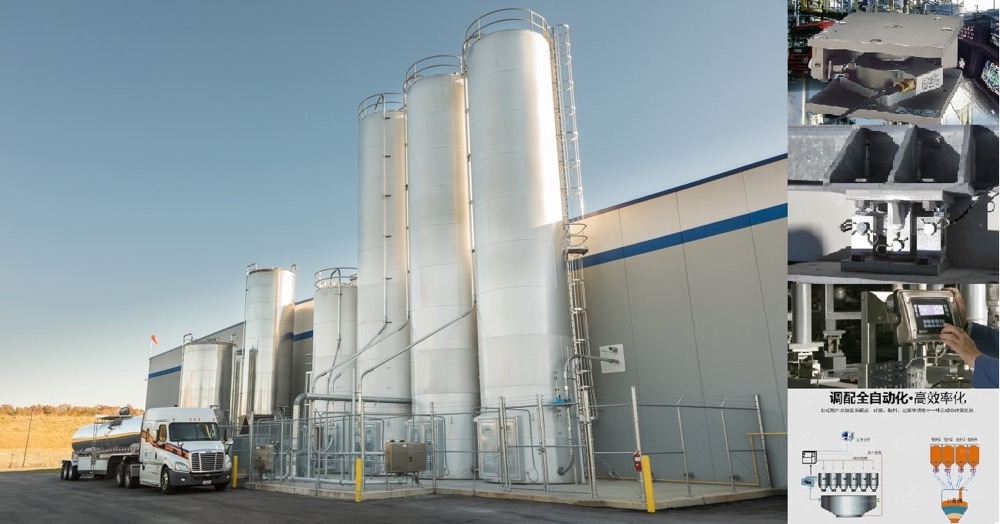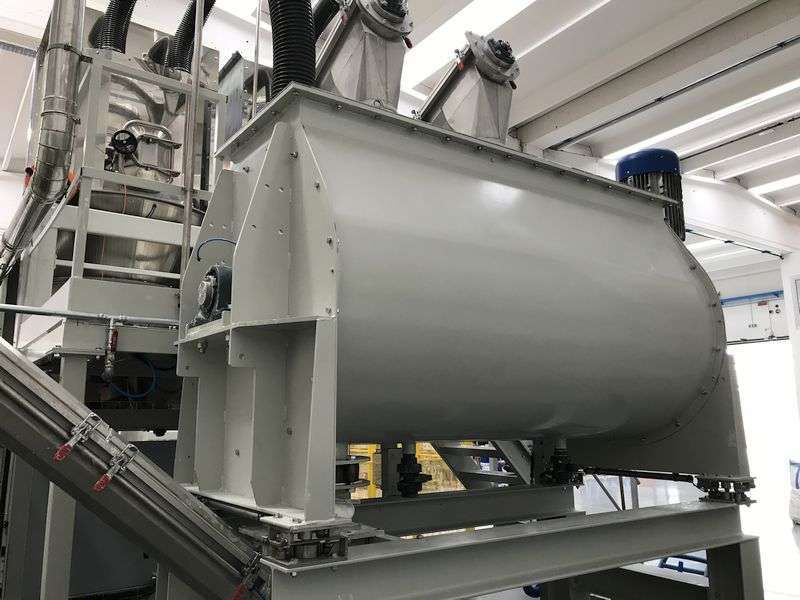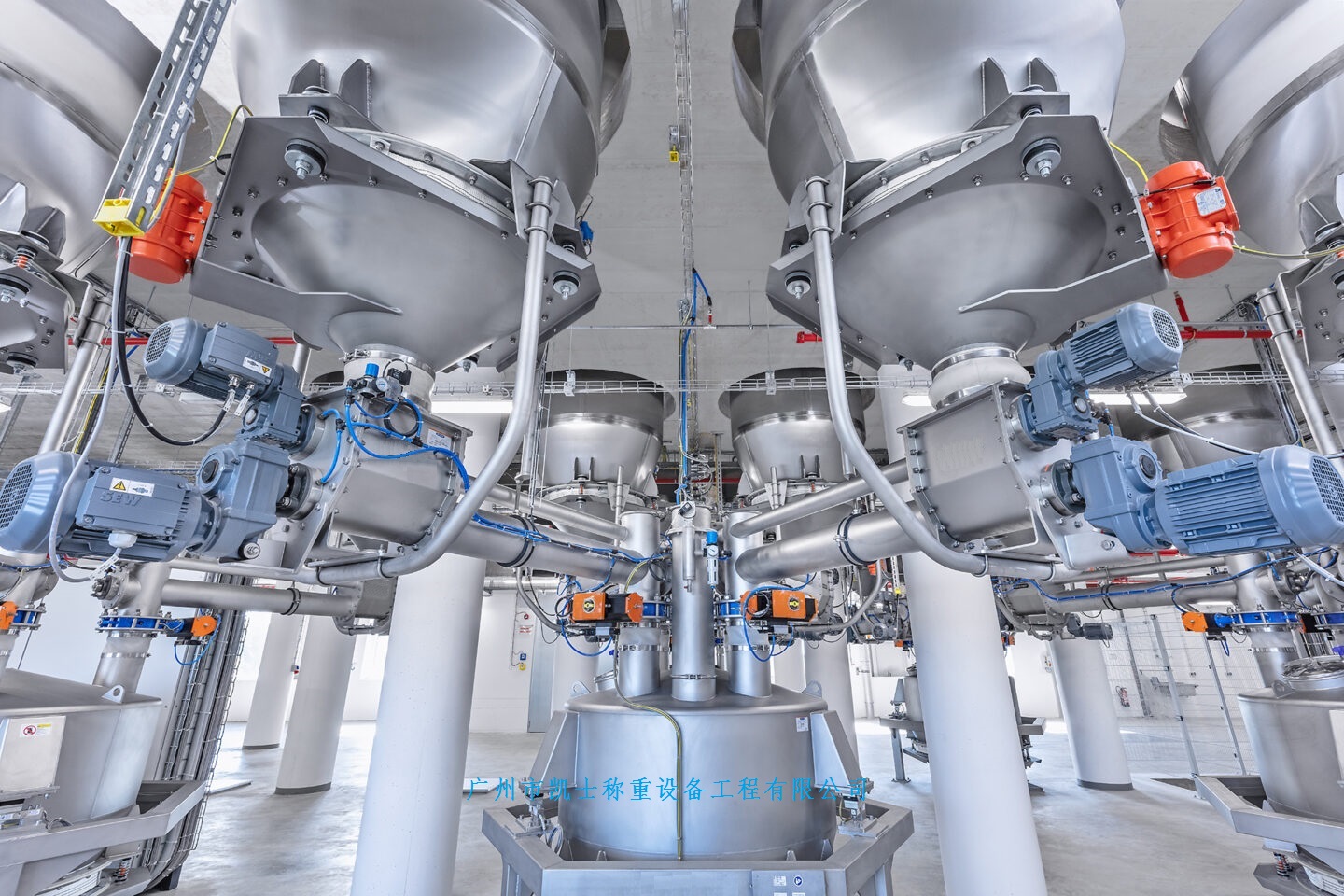


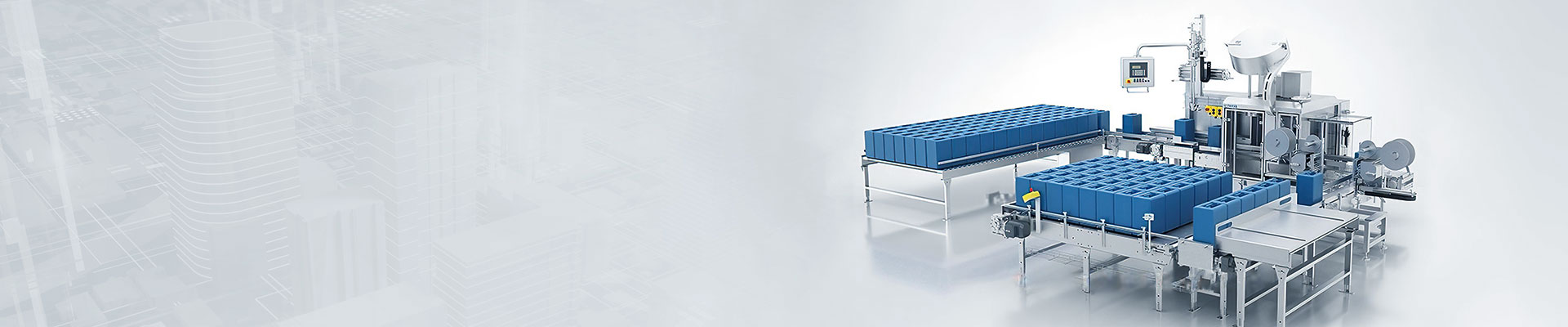
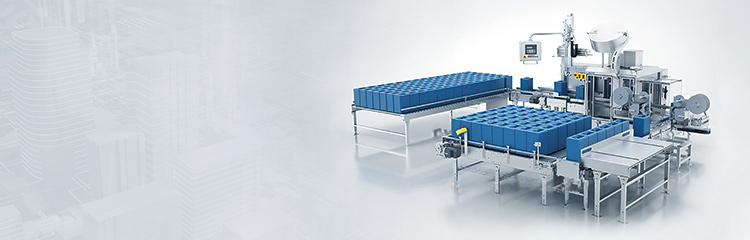

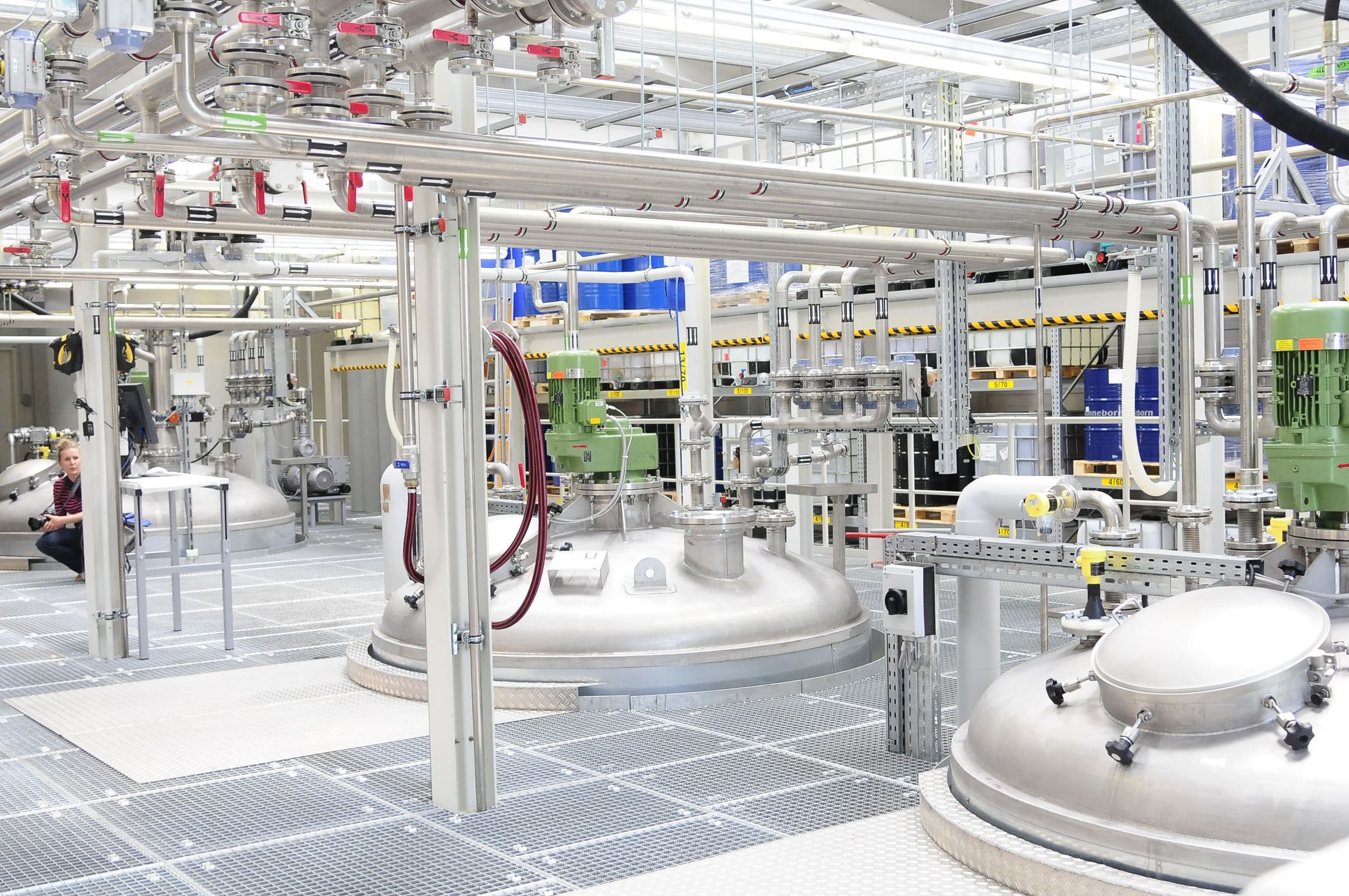


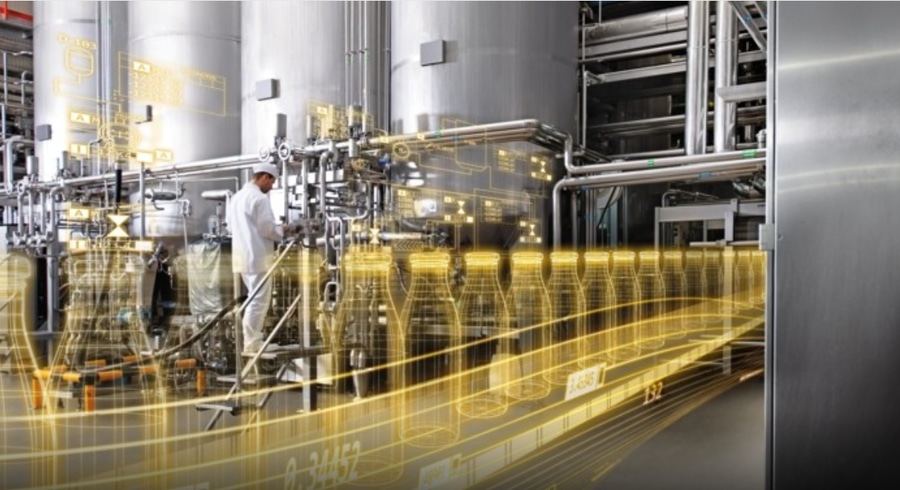
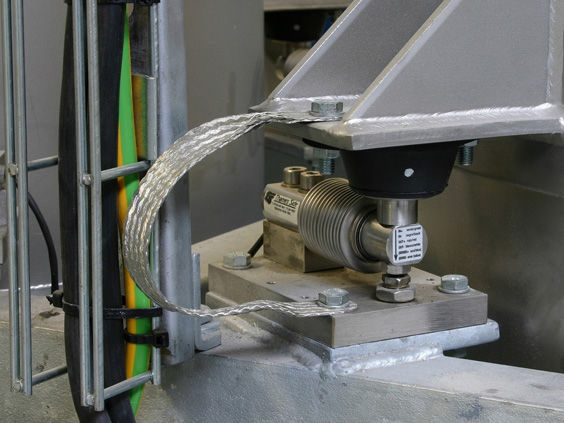
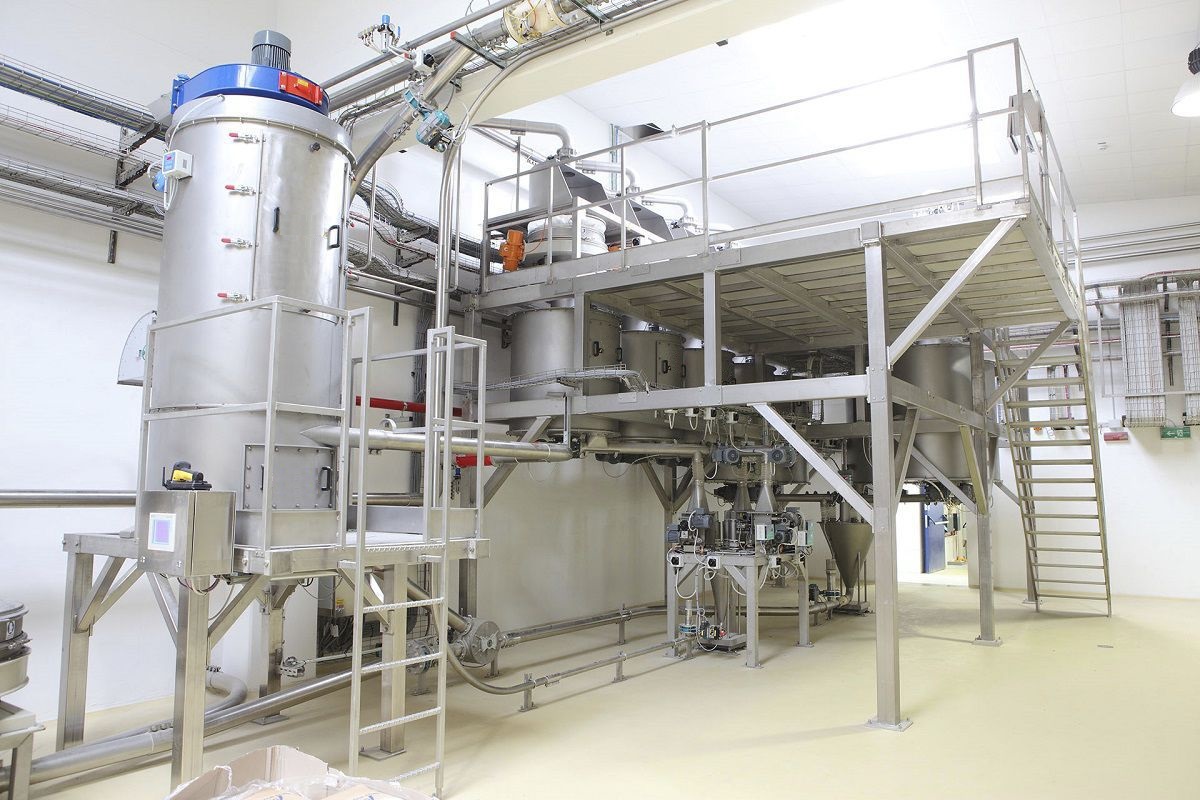
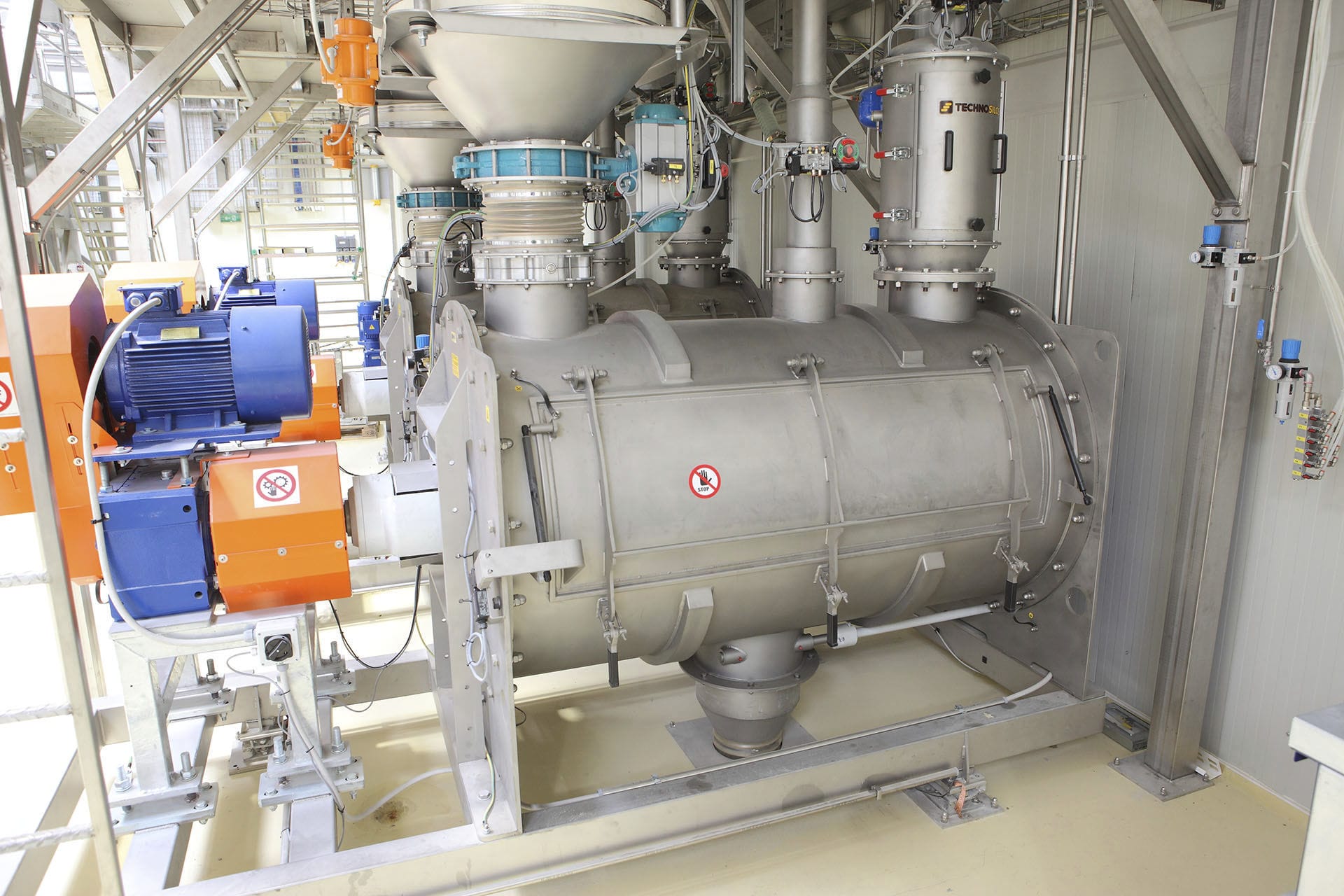
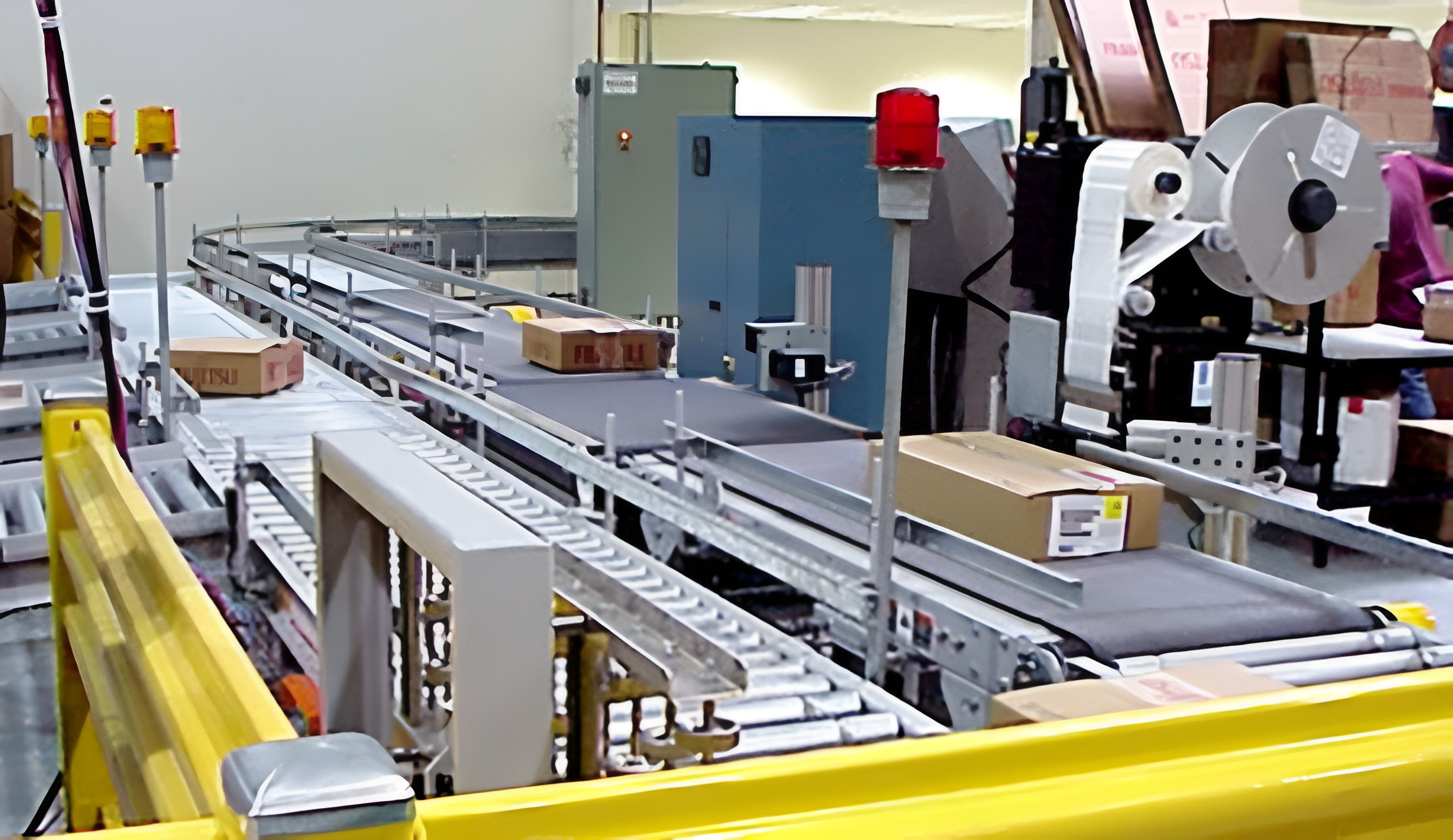
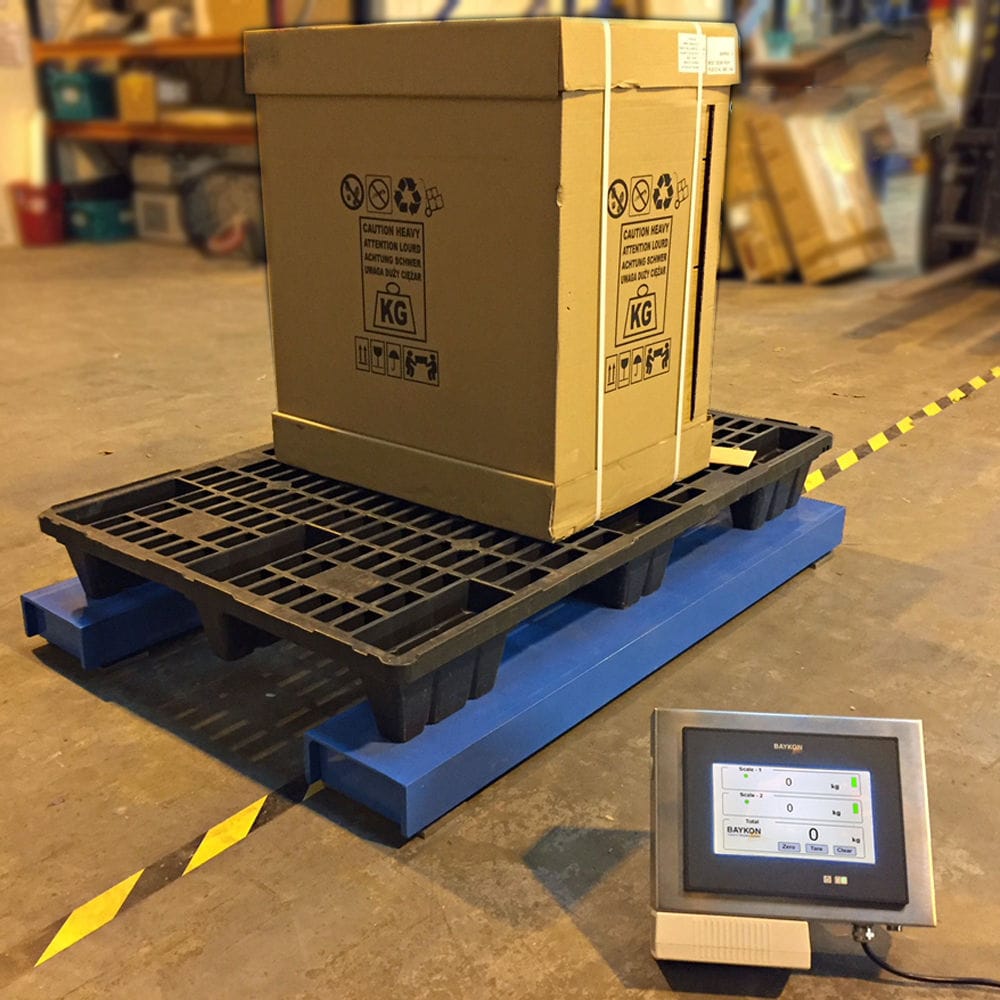


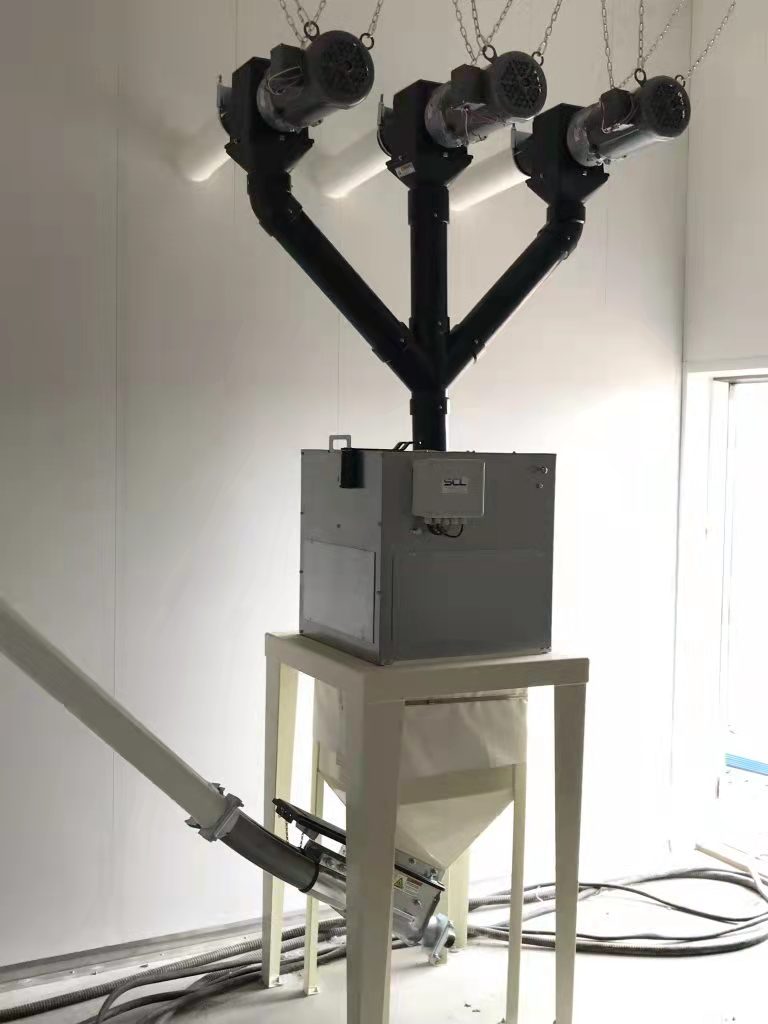
The Pulse Width automatic mixer is equipped with an activation hopper and gasification at the bottom of the storage bin. When discharging, the activation hopper vibrates continuously and the gasification purging ensures the smooth falling of materials, and the eccentric vibration module can be used to adjust the vibration amplitude to improve the efficiency and gasification purging frequency. When conveying materials, the conveying capacity and conveying efficiency can be changed by adjusting the air time and material time of the air knife valve, which is helpful to meet some links with high requirements for crushing rate. The pulse interval and pulse width can also be adjusted to avoid dust leakage in the storage bin during transportation.

 020-34563445
The pulse width fully automatic mixer achieves the requirements of batching control accuracy and minimizes costs by proportioning the usage of each raw material. According to the differences of each batch of materials, it can be changed arbitrarily. The calculation table is optimized and input into the database. A visual human-machine interface is developed using VisualBasic to read the calculation data and display it on the interface. Database application programs are created visually, making the application of the database more convenient and flexible, and it also supports applications in network environments.
The metering mixer adopts the pulse width modulation (PWM) control method based on the incremental PID algorithm, that is, the duty cycle of the PWM square wave is obtained by the incremental PID algorithm. The regulation signal obtained after calculation is output to the D/A holding circuit through the PB1 port (PWM) of the ATmega8. The regulation quantity determines the duty cycle of the PWM square wave. The D/A holding circuit converts the duty cycle of the PWM square wave into the corresponding 0-5V voltage value, and then outputs it after photoelectric isolation. The frequency converter determines the screw speed based on the voltage value, thereby controlling the material flow rate.
The mixing system detects the material level switch in the raw material silo, automatically controls the feeding gate valves of the raw material silo elevator and tanks 1# to 4#, and realizes system interlocking to ensure that the raw material silo is not empty or insufficient, and guarantees the supply of raw materials for the system. The distributed control system and Siemens weighing control system enable the automatic control and interlocking of the star discharge valves and electro-hydraulic three-way flap valves from No. 1 to No. 4 silos. The materials are successively and automatically conveyed to the No. 1 and No. 2 metering buckets. The feeding weight of the silos can be set and modified in the computer of the operation station. Upon receiving the discharge request, the feeding gate valve of the compound barrel automatically opens. When the discharge weight reaches the set value, the gate valve automatically closes, achieving quantitative automatic loading of each compound barrel. The quantitative value and the number of feedings can be set and modified in the computer of the operation station. The system realizes the automatic start, stop, opening and closing of various conveyors, mixers, elevators, valves and other equipment, as well as interlocking and delay among them, ensuring that the process safety production requirements of the automatic batching metering control system are met.
The composition of the pneumatic feeding system
Dense-phase pneumatic batching is a kind of conveying with high concentration ratio, high mixing ratio and low flow rate. The materials are in the form of pellets or sand dunes in the pipeline and are pushed forward in a group manner. The main power source for conveying is the pressure difference before and after the pellets to achieve the batching of materials. It mainly includes a compressed air source system, feeding system, control system, pipeline system, material silo and its auxiliary systems, etc.
The compressed air source system mainly consists of an air compressor, an oil remover, a dryer, a storage tank and pipelines, mainly providing high-quality compressed air for material transportation and pneumatic control components. High-pressure Roots blowers can also be used as substitutes in short-distance transportation.
2) The main purpose of the weighing control system is to supply materials from low-pressure containers to high-pressure conveying pipelines and ensure as much as possible that the materials are uniformly mixed with compressed air when entering the high-pressure pipelines. At present, the common feeding devices mainly include silo-type pneumatic conveying pumps. When the conveying distance is not long, high-pressure rotary Feeders can also be used. At present, the main feeding devices used by our company include F-type bin pneumatic conveying pumps, V-type bin pneumatic conveying pumps and L-type bin pneumatic conveying pumps, etc.
3) The feeding system is mainly controlled by a programmable logic controller (PLC) based on a microprocessor, which can achieve local manual control, automatic control or remote computer centralized control, etc. The actions of each mechanical component realize the automatic operation and data collection of each control component in the conveying system, and is equipped with a manual operation switching function.
4) The pipeline system includes conveying pipes, elbows, necessary reducers and air supply valves, etc. It is mainly to ensure that the materials are conveyed in a closed state without causing contamination to the outside world, and to maintain the mixed state of the materials with the gas during the conveying process to prevent pipe blockage.
5) The material silo and its auxiliary systems mainly include the material silo, material level gauge, pressure and vacuum relief valve, dust collector, discharge valve and other devices.