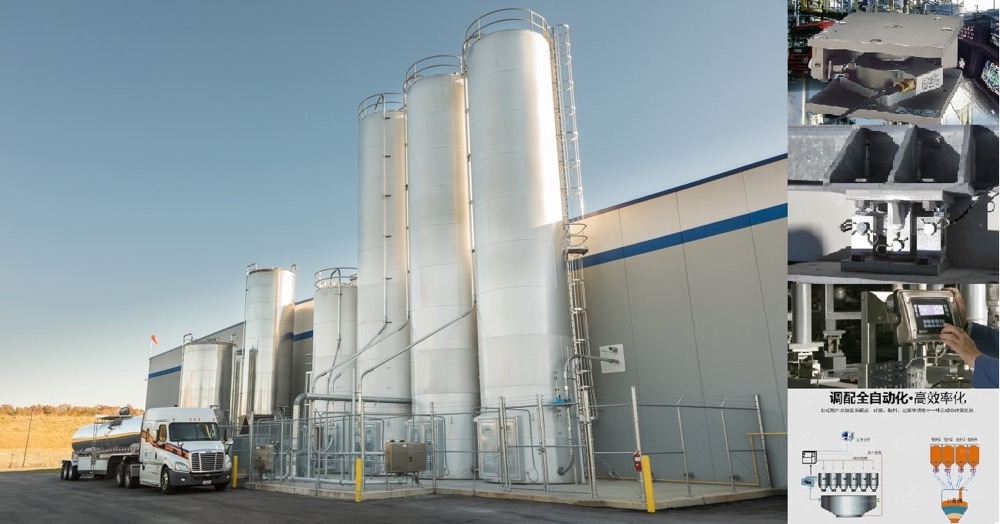




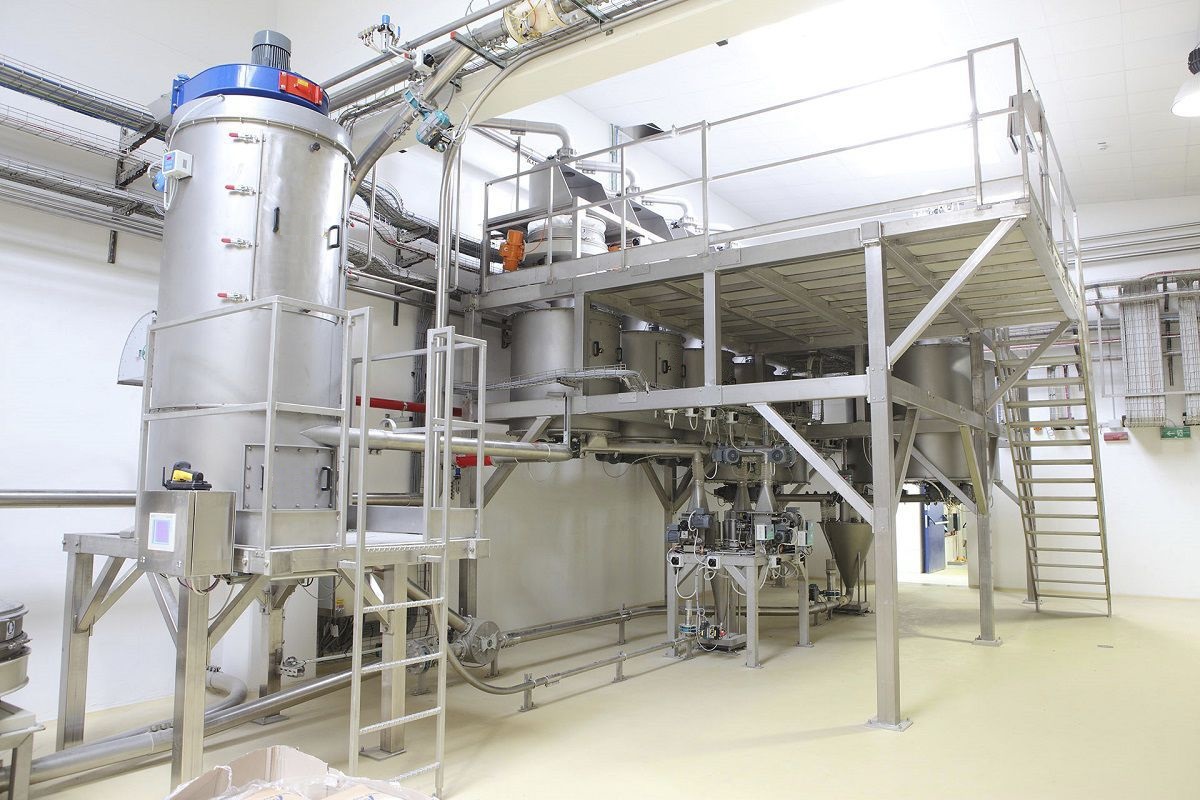
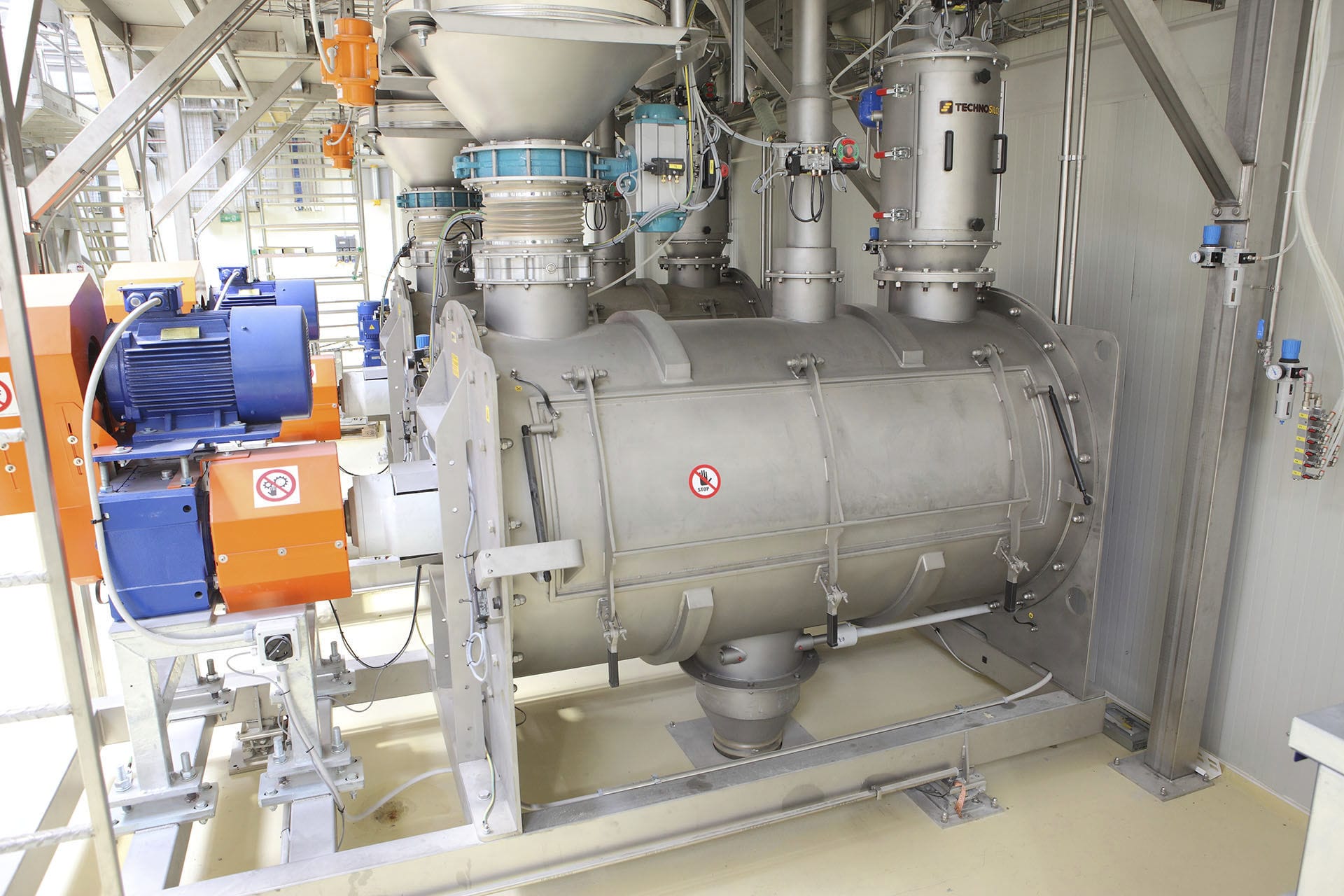
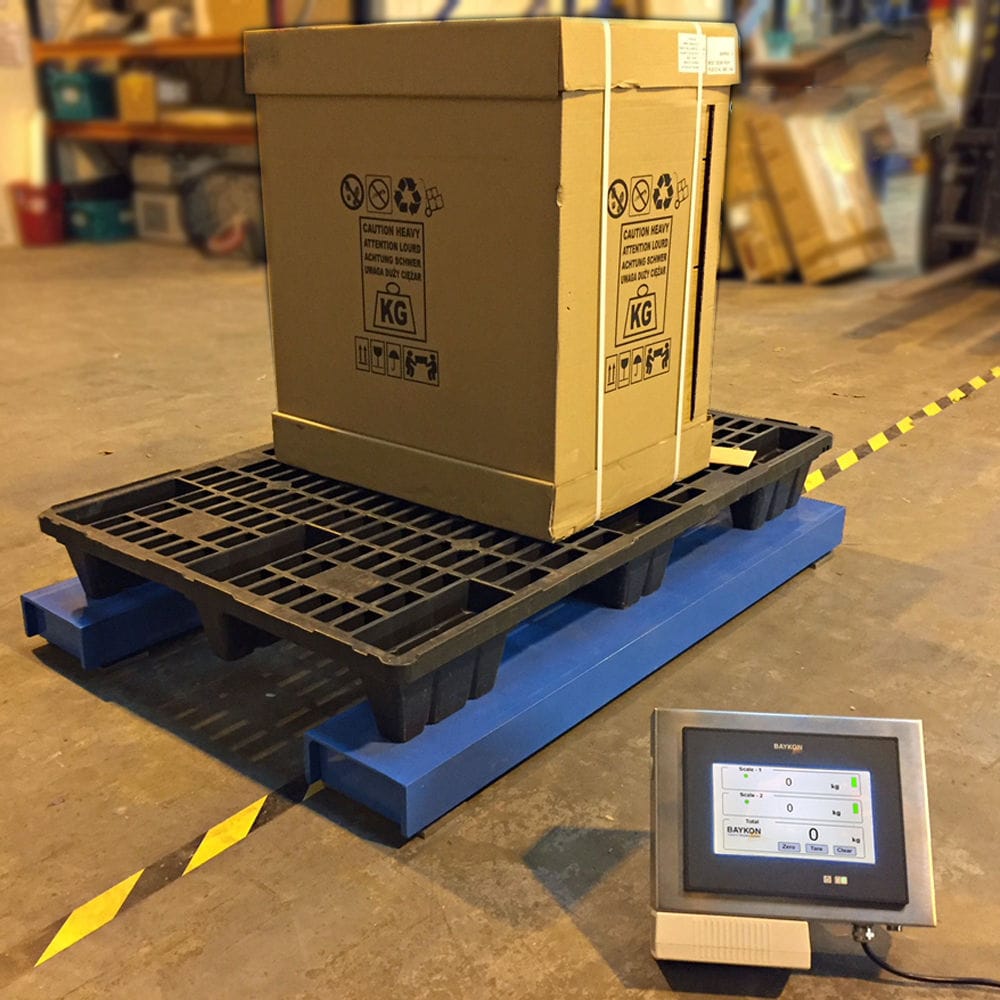


The automatic hopper scale is connected to the weighing module, speed sensor, upper computer, frequency converter and programmable controller through wires. The weighing module and speed sensor are respectively connected to the hopper screw reduction scale through wires. The hopper screw reduction scale is connected to the weighing conveyor through wires. The weighing conveyor is also connected to the programmable controller through wires. The weighing feeder is connected to the frequency converter through wires. The weighing system can automatically handle various raw materials. The weight of the raw materials is detected by proximity switches. When a certain raw material reaches the specified value, the weight moves to the corresponding proximity switch, causing the corresponding relay to act, and performing the next step of conveying and weighing. This process continues until all the materials are mixed. Finally, the materials are discharged and sent to the mixer for mixing.

 020-34563445
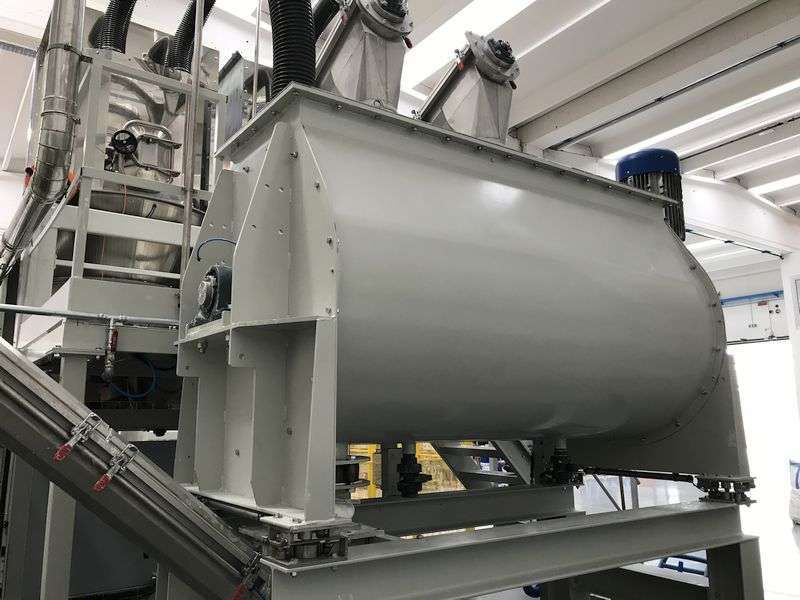
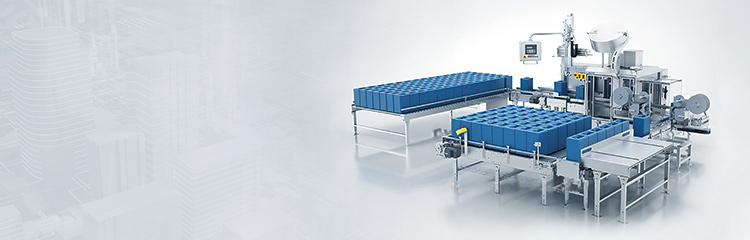
The automatic hopper scale is equipped with an automatic hopper machine, a weighing feeding system, a Weighing system and a control system. The automatic hopper machine adopts a mixing hopper. The mixing hopper is equipped with a double-roller agitator. The bottom of the mixing hopper is provided with a switch plate. The middle part of the switch plate is connected to the two side walls of the mixing hopper through a shaft. One side of the mixing hopper is provided with two cylinders. The piston rods of the two cylinders are respectively connected to both sides of the switch plate. On one side of the mixing hopper, there are two cylinders. The piston rods of the two cylinders are connected to both sides of the switch plate. The structure of the hopper scale is simple. Due to the use of a double-cylinder structure for the mixing hopper, the switch plate can receive the pressure from the cylinders whether it is opening or closing, which improves the sealing performance of the mixing hopper. Sealing baffles are set at the hopper and the bottom of the hopper to prevent the materials from overflowing from the side of the hopper.
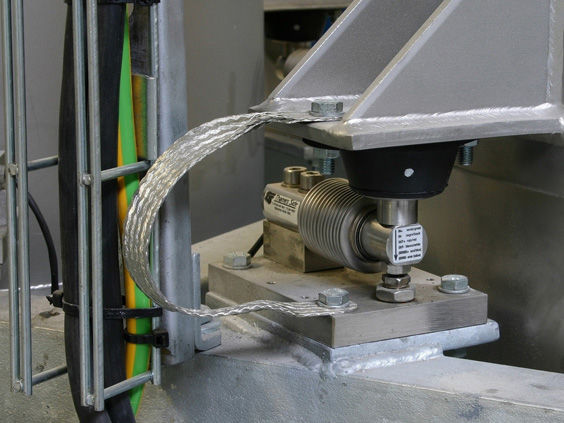
The hopper scale is equipped with a weighing Feeder, a weighing conveyor, a weighing module, a speed sensor, a weighing instrument, an upper computer, a frequency converter, a hopper spiral reduction scale and a programmable controller. The weighing instrument is connected to the weighing module, the speed sensor, the upper computer, the frequency converter and the programmable controller through wires. The weighing module and the speed sensor are respectively connected to the hopper spiral reduction scale through wires. The hopper spiral reduction scale is connected to the weighing conveyor through wires. The weighing conveyor is also connected to the programmable controller through wires. The weighing feeder is connected to the frequency converter through wires. The weighing system can automatically handle various raw materials. The weight of the raw materials is detected using proximity switches. When a certain raw material reaches the specified value, the weight moves to the corresponding proximity switch, causing the corresponding relay to act, initiating the next step of conveying and weighing. This process continues until all the materials are mixed. Finally, the materials are discharged and sent to the mixer for mixing.
The hopper conveying device is composed of multiple motors driven by power switches to drive the augers (which are further driven by spirals to open and close the hopper doors of the corresponding storage bins for transporting raw materials). It sequentially delivers various raw materials to the weighing hopper. It adopts a fast and slow stage-by-stage conveying method, which enables accurate weighing. When the transportation of a certain raw material begins, the motor first quickly transports the material into the weighing hopper. When the weight of this raw material approaches the specified value, that is, when the weight approaches the proximity switch, the motor operates intermittently to achieve slow-speed transportation. When the weight reaches the proximity switch, the relay is activated, ending the transportation and weighing of this raw material. A signal is sent to enter the next step. The second raw material is then transported and weighed quickly and slowly, and so on. During the fast and slow transportation of each raw material, there is a weighing indicator light to display.
The opening and closing of the weighing hopper door are controlled manually and automatically. To ensure that the motor stops quickly after opening and closing, an energy consumption braking control system is adopted, which includes an overload alarm circuit and a counter device for the number of weighing work cycles. When the weighing hopper system is powered on, the hopper switch is closed, and it operates in the first step. The first type of raw material is rapidly transported by the motor, and the weighing indicator light goes out. When "1" material is sent out quickly enough, the sensor (1) acts, causing the proximity switch to operate, and it proceeds to the second step. "1" material motor is intermittently powered to achieve slow transportation, and the "1" material indicator light flashes intermittently. When "1" material is sent out enough, the sensor (1) resets, and it proceeds to the third step. The second type of raw material begins to be transported quickly and slowly, and the "2" material indicator light is displayed. The sensor (1) moves from action to reset, allowing it to proceed to the fifth step... until it proceeds to multiple steps. For the multiple type of raw material, slow addition is performed, and after this type of raw material is sent out enough, the sensor (XW) resets, and it proceeds to the multiple step. The "multiple" material indicator light goes out, and the discharge indicator light is on. When the mixer sends a signal allowing the hopper door to open, the weighing hopper door motor operates to open, discharge, and close, and then it proceeds to the 0 step. If the hopper switch is still closed, a new round of transportation, weight balancing, and discharge work cycle begins. This system also has no-load control and manual step skipping control methods. When a certain type of raw material is not needed, the work should skip the transportation and weighing steps of this type of raw material. The manual step skipping control is used for debugging and maintenance to ensure that the step-by-step operation can proceed smoothly.