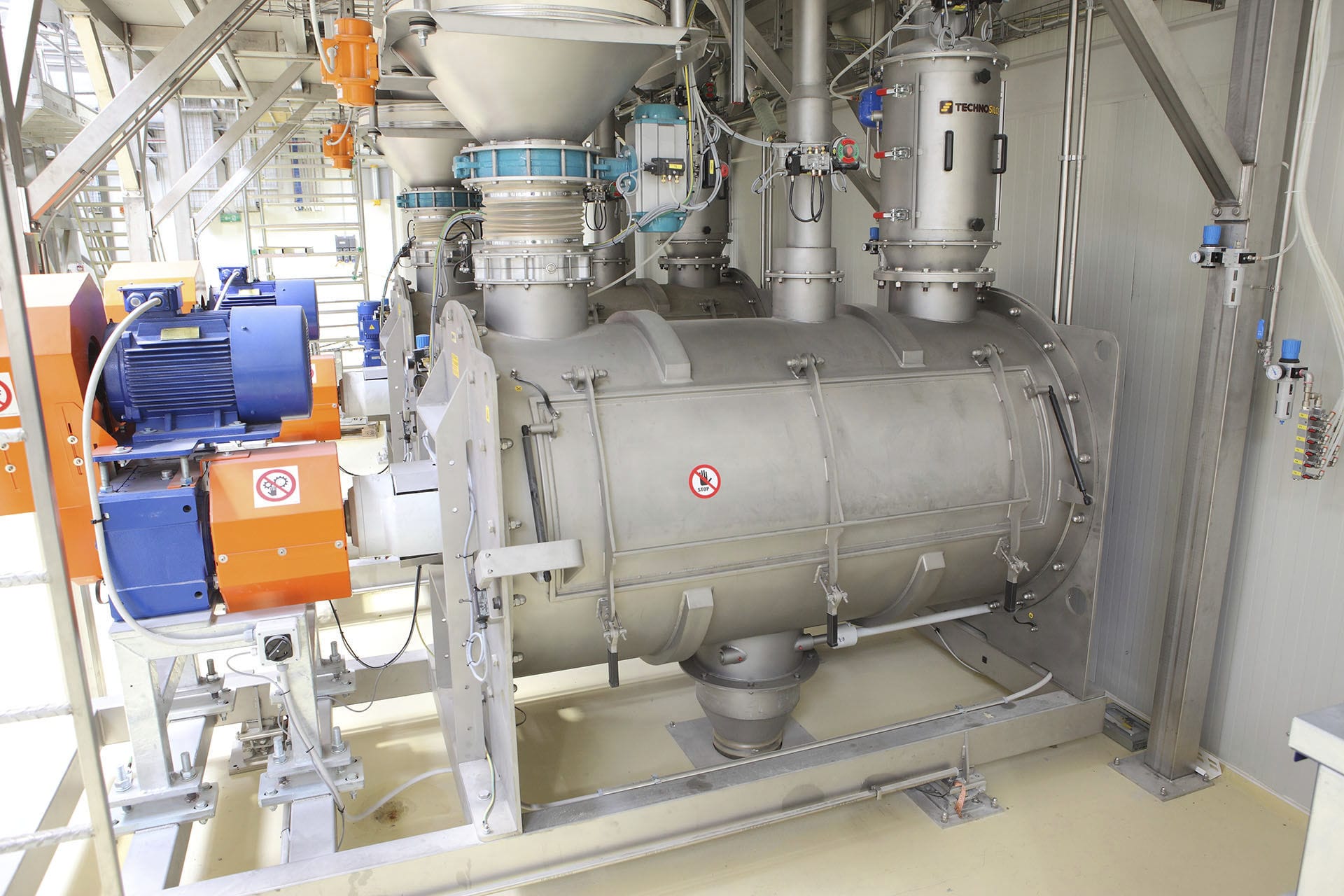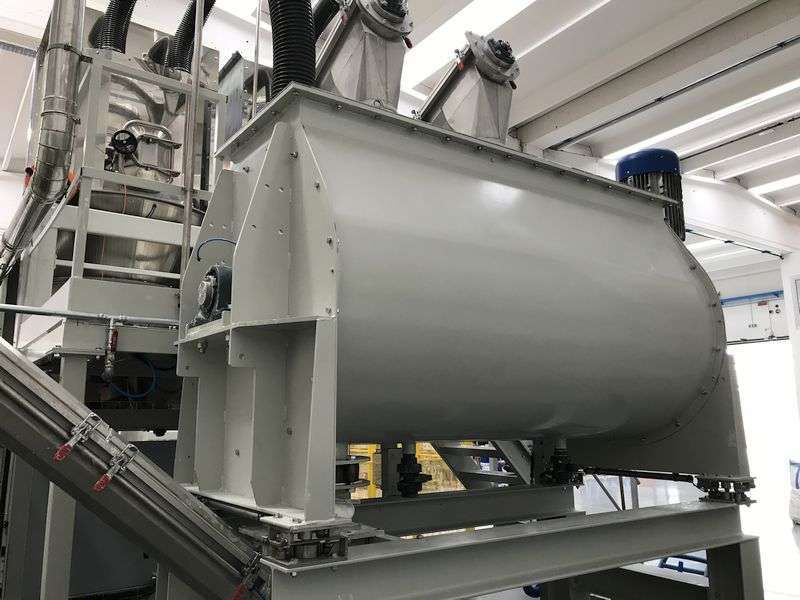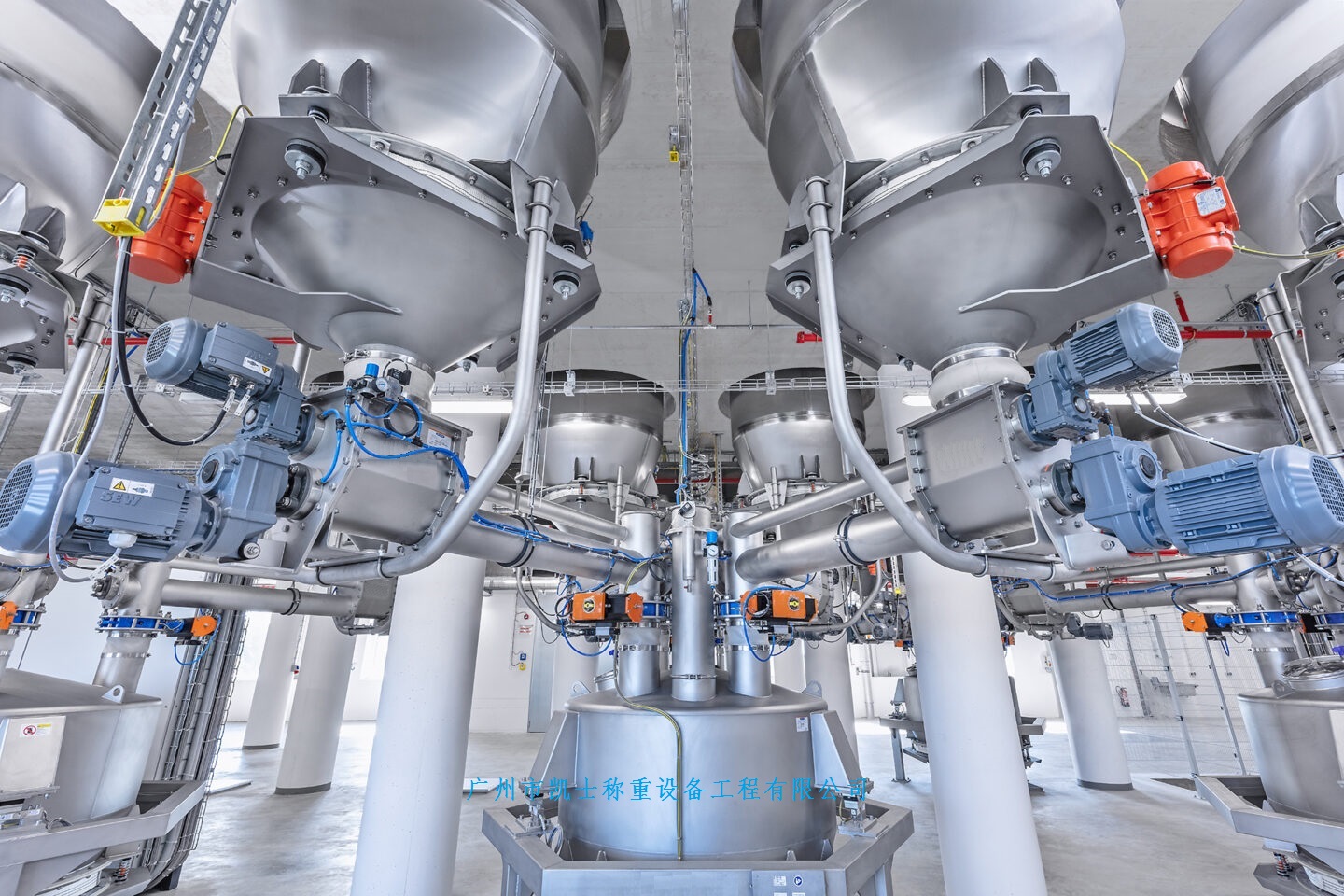


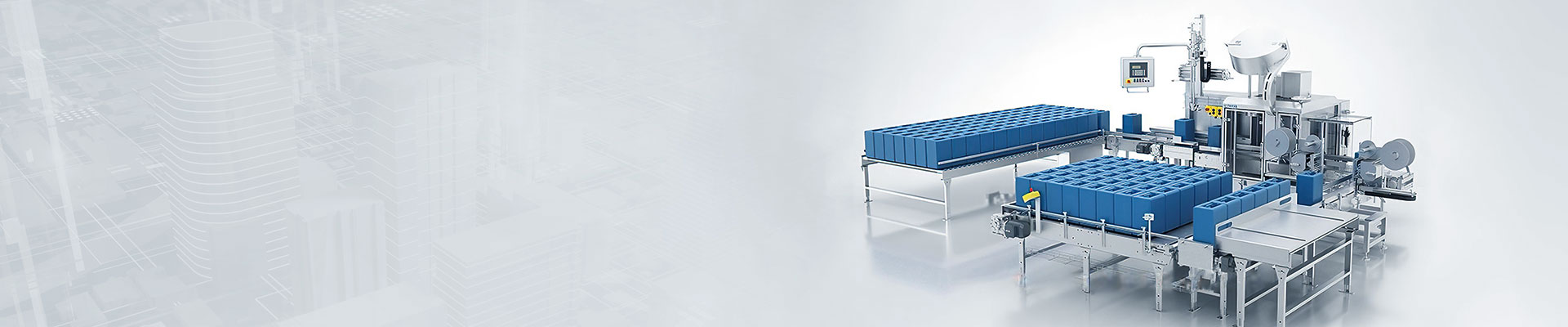
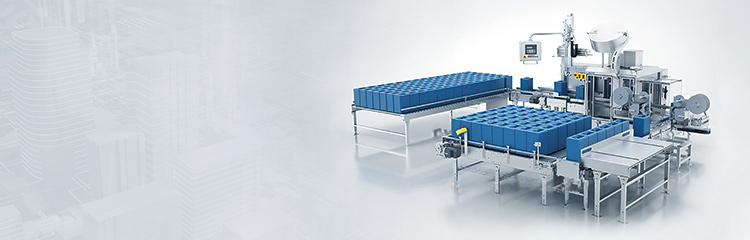

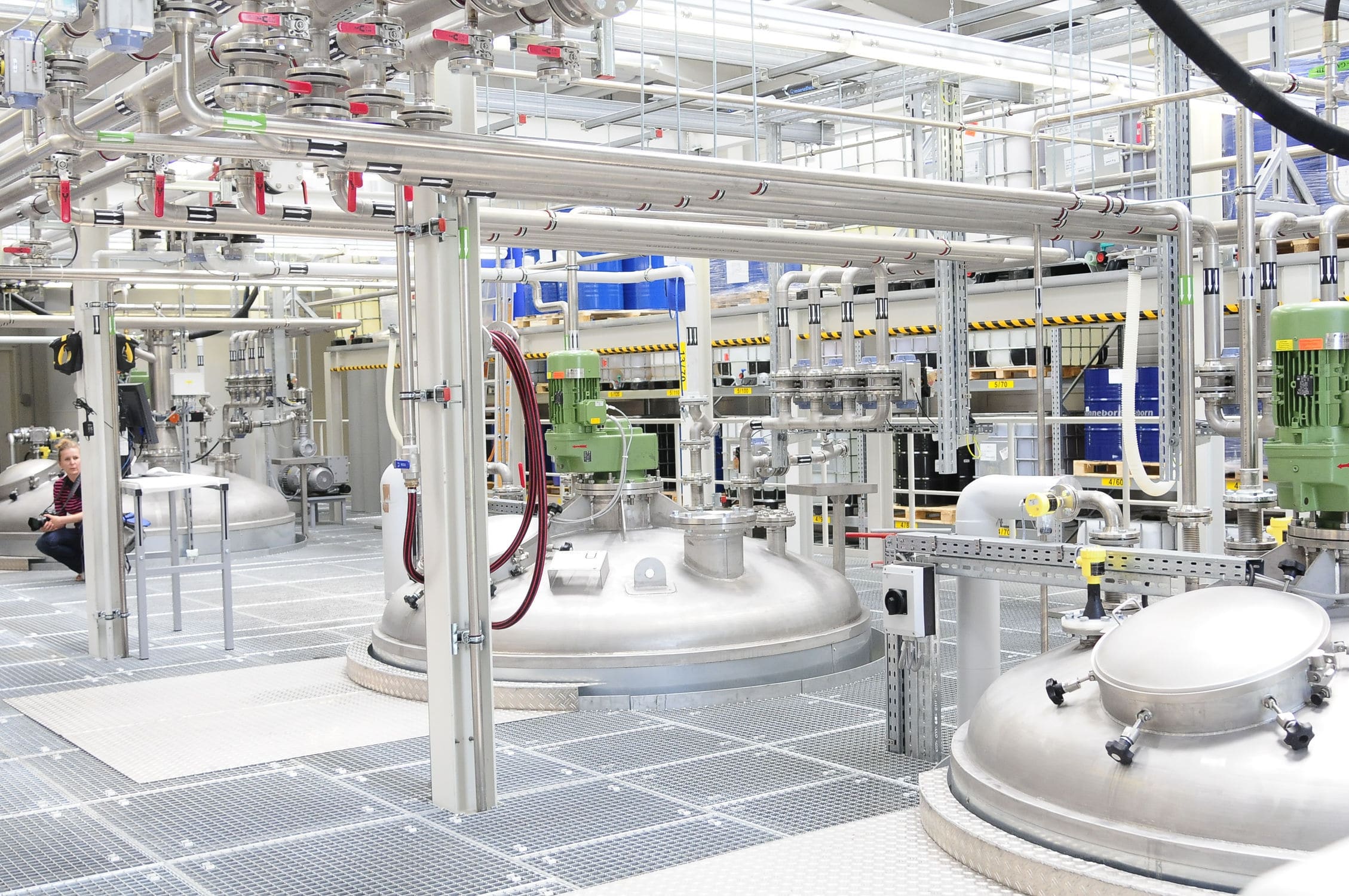


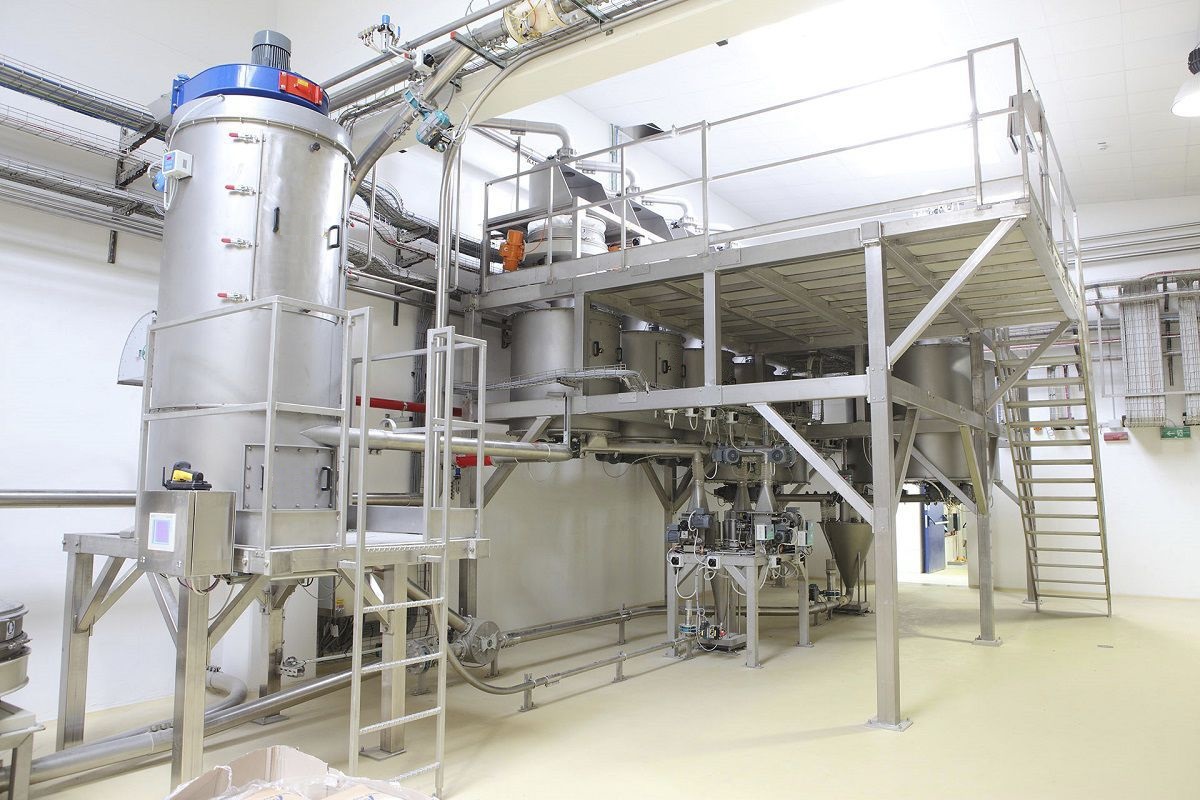
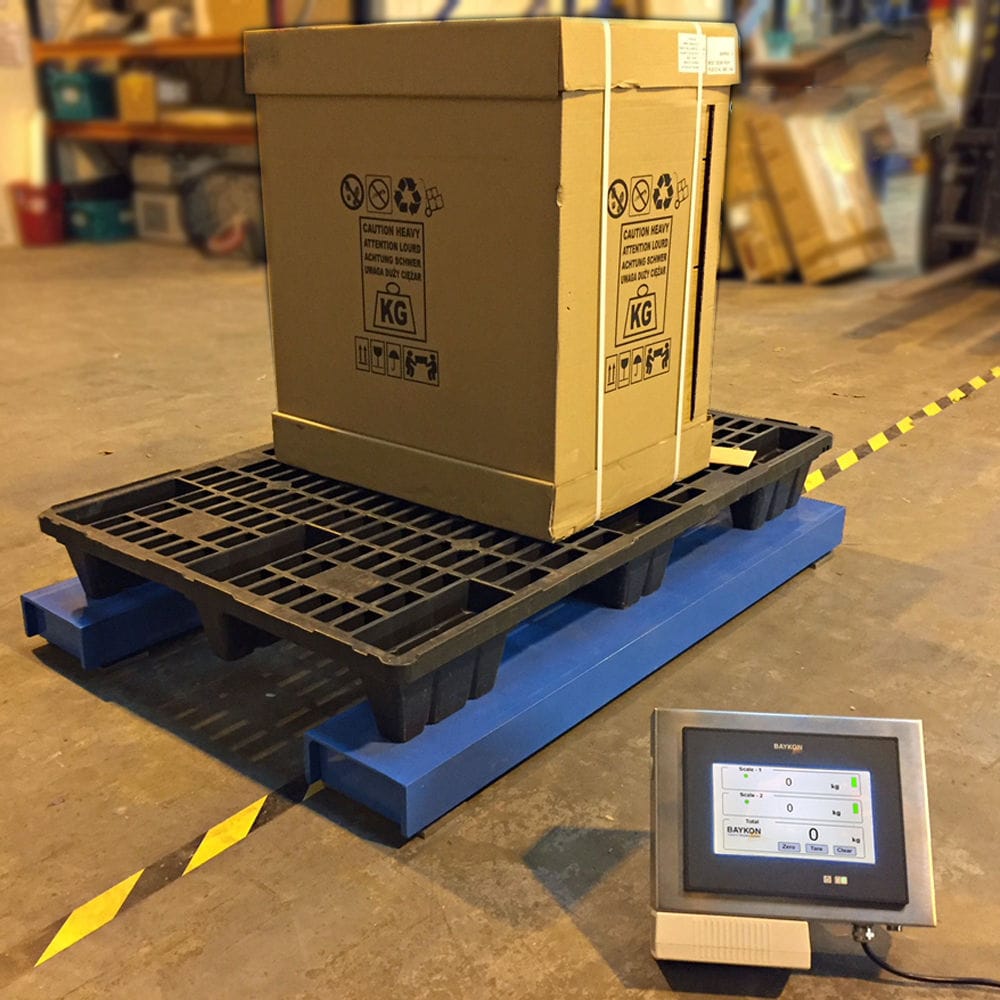


Weighing and batching machine consists of big storage bin, bag filter, induced draft fan, balance valve, screw feeding device, storage hopper, etc. Powder sent by conveying system is sent to different big storage bins for storage according to models. When conveying the powder, the induced draft fan will automatically open and control the powder flying through the bag filter, the balance valve will automatically open to balance the pressure in the big storage bin, the screw feeding device at the bottom of the big storage bin will send the powder to the storage hopper to wait for further conveying to the weighing system, the balance valve will be automatically closed after the conveying is finished.

 020-34563445
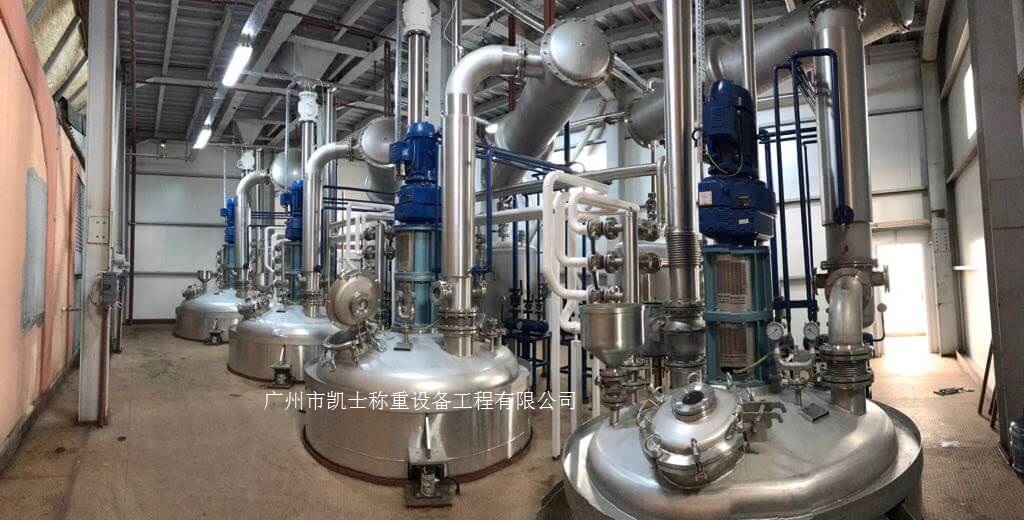
Weighing and batching machine is a very important process in the production process of fine chemical enterprises in an Electronic scale, batching by the front, after the batching of two subsystems. Before the total control microcomputer batching under the control of the main material and a variety of ingredients to complete the weighing, proportioning. Through the conveyor mixing tank, and solvents, non-ionic and other solvents mixed by the transmission of finished product mixing tank. It realizes the measurement of conveyed materials. Adopt DCS centralized control mode, choose Siemens S7-300PLC constitute data acquisition control system, modular design, economical and practical. Human-machine interface monitoring software electronic scales using the domestic industrial control field of the leading configuration software "Configuration King", with good openness, user-friendly maintenance and secondary development advantages. All process control data and equipment operation status can be centrally managed, recorded in real time, and printed and consulted at any time.
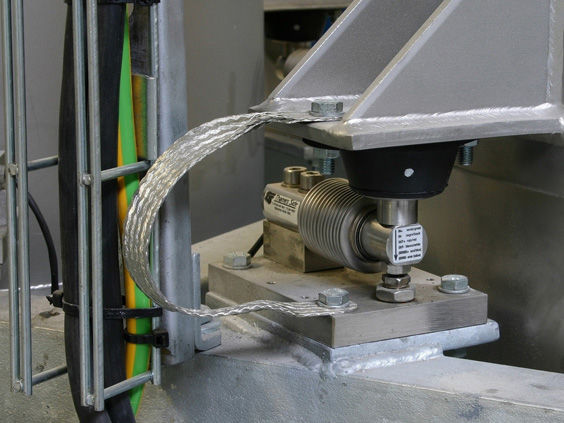
The feeding system consists of computer, weighing module cabinet and peripheral equipment (dosage scale, material level machine). The monitoring system consists of two computers as the human-machine interface of the whole system, one of which is the master station, which accomplishes the setting of all the system parameters, process monitoring and data logging; the other is the slave station, which is the master station, and is in charge of the setting of the data of the dosage after the master station, and the monitoring of the process. The master station communicates directly with Siemens S7-300 PLC, front batching scale and back batching scale. Sealed junction box, dustproof and moisture-proof, ensures reliable signal transmission. The front weighing instrument adopts special industrial process controller, which communicates with the central control room through RS-485 bus, and can be controlled independently and PLC on-line control. The signal detection of each valve position and unloader position adopts weighing module, which has the characteristics of non-contact, anti-interference, anti-dust and humidity resistance.
The Weighing system has the functions of human-computer interaction, communication, display, storage and printing, as well as data and graphic display, status monitoring, data input, information storage, and other functional screens related to the operation. It can realize real-time process data monitoring, simulation display of process flow, real-time data record checking, operator authority setting, process parameter setting, setting alarm of running process events and switching between manual and automatic control.
The on-site weighing instrument displays flow rate, load, totalized value, temperature, etc. in real time. Temperature indication through on-site temperature weighing instrument, pressure indication through on-site pressure display weighing instrument and current of motor are transmitted to centralized display in the central control room through on-site. Frequency converter regulation is equipped with automatic switching switch and communicates with the main control computer. The unit is mainly weighing instrument, as an auxiliary control system, computer human-machine interface display proportioning parameters (formula) and monitoring and recording of real-time data. In automatic control mode, click the automatic dosage "start" button in the front process screen or "start" button in the front control cabinet to open the weighing valve according to the set formula. If the system detects that the dosage valve of a certain scale is not closed, an alarm will be generated and it will enter the pause state. There is an advance quantity according to the weighing speed, when the control instrument detects that the weighing weight of the scale reaches the set value, the electronic scale will subtract the advance quantity, and the control weighing instrument will close the feeding valve. The advance amount can be corrected manually or automatically, so that the controlling weighing instrument can control the dosage scale to reach the set target value every time the dosage accuracy.