



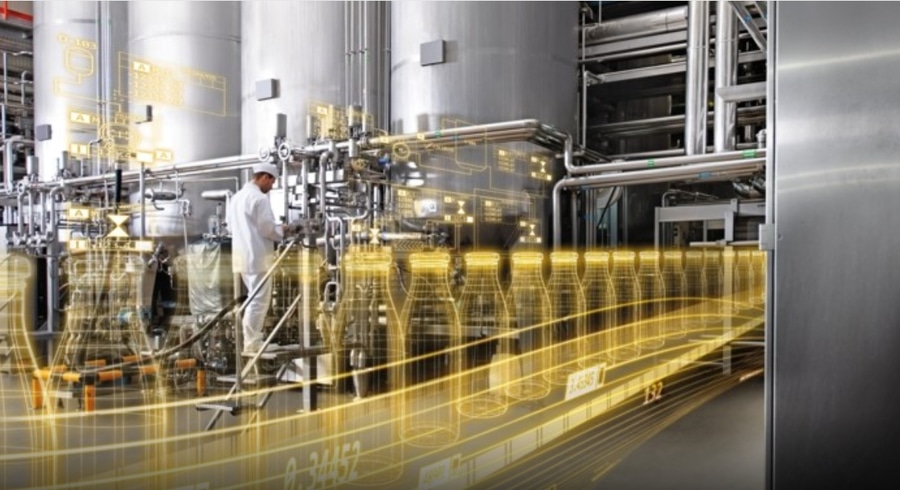
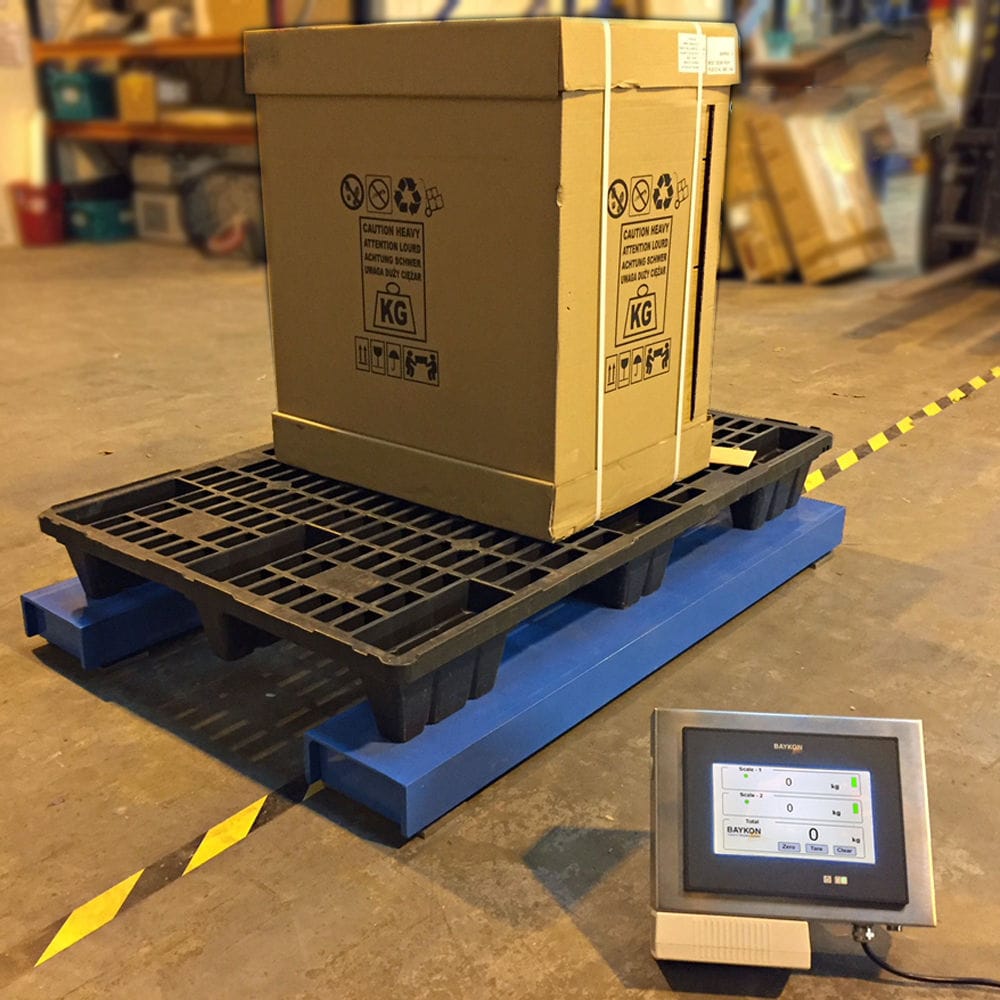


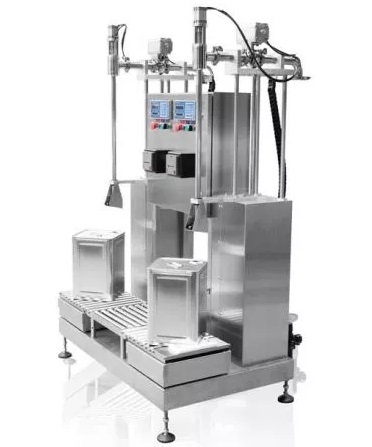
Weighing Liquid filling machine to send information to the weighing system through the serial port to read the weighing data after the weighing system in receiving such information, will be through the RS232 serial port to the microcontroller's serial port to send the data, automatic filling machine (fixed capacity and fixed weight type) of the verification can be completed through the weighing method, the use of the with a serial port (RS232) based on the VB platform to prepare, its functions include data acquisition, data processing, The functions include data acquisition, data processing, file generation, and data printing.

 020-34563445
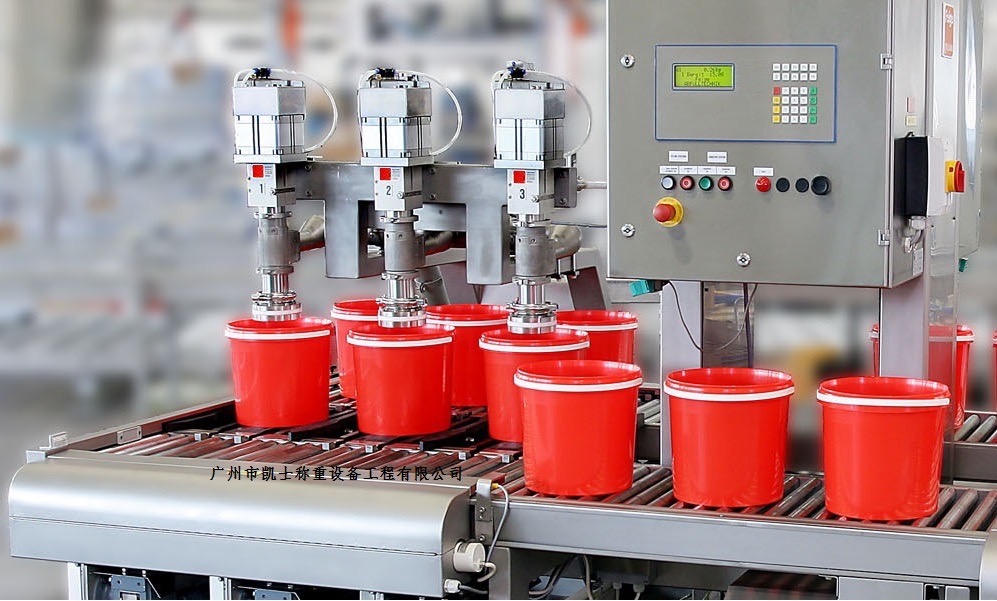
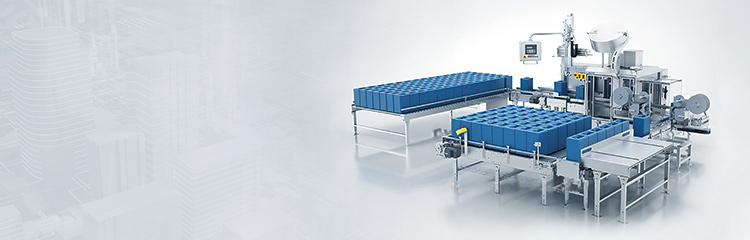
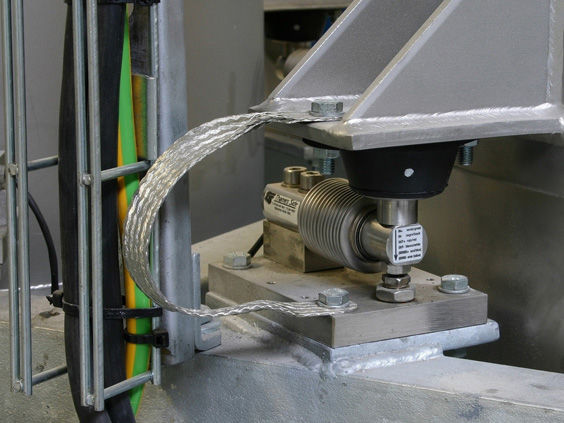
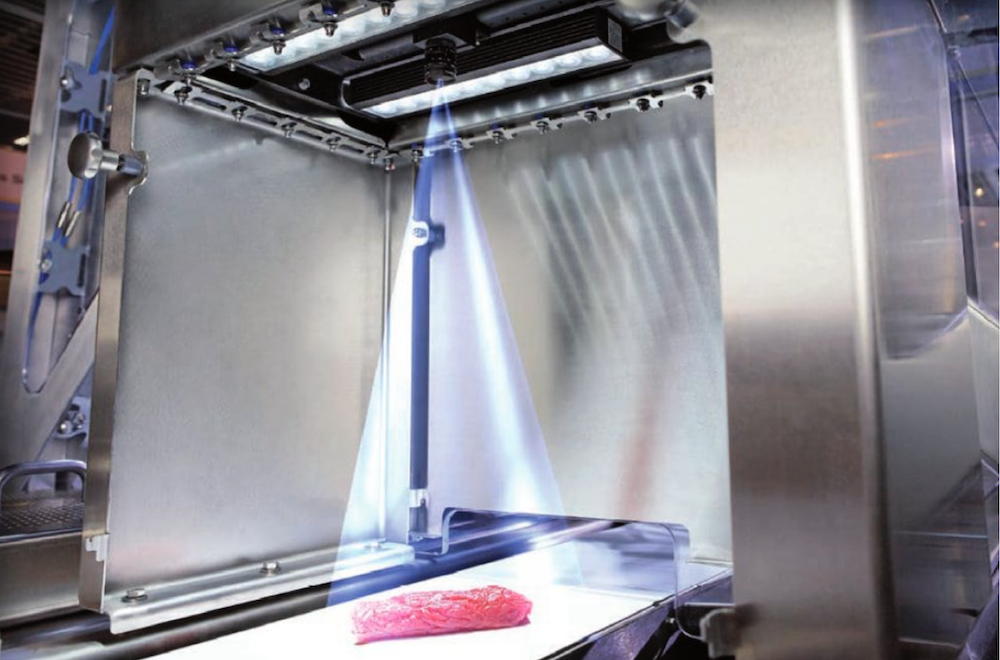
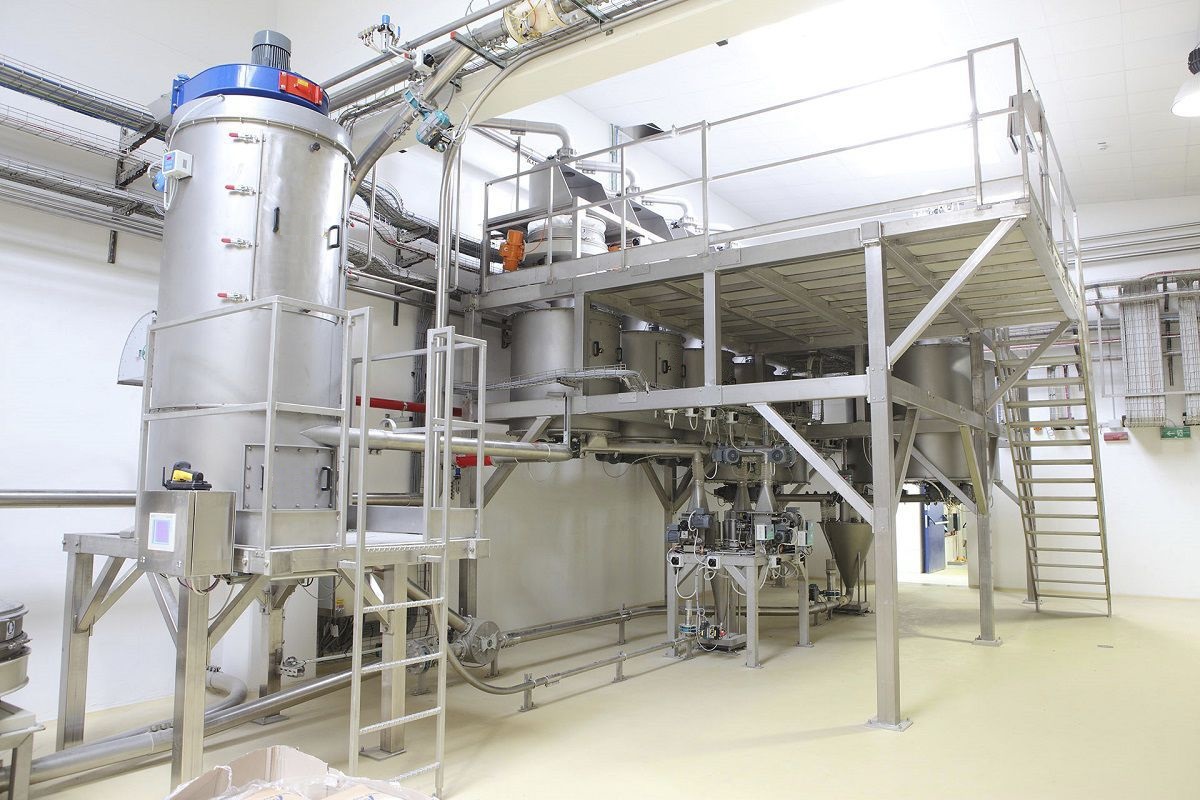
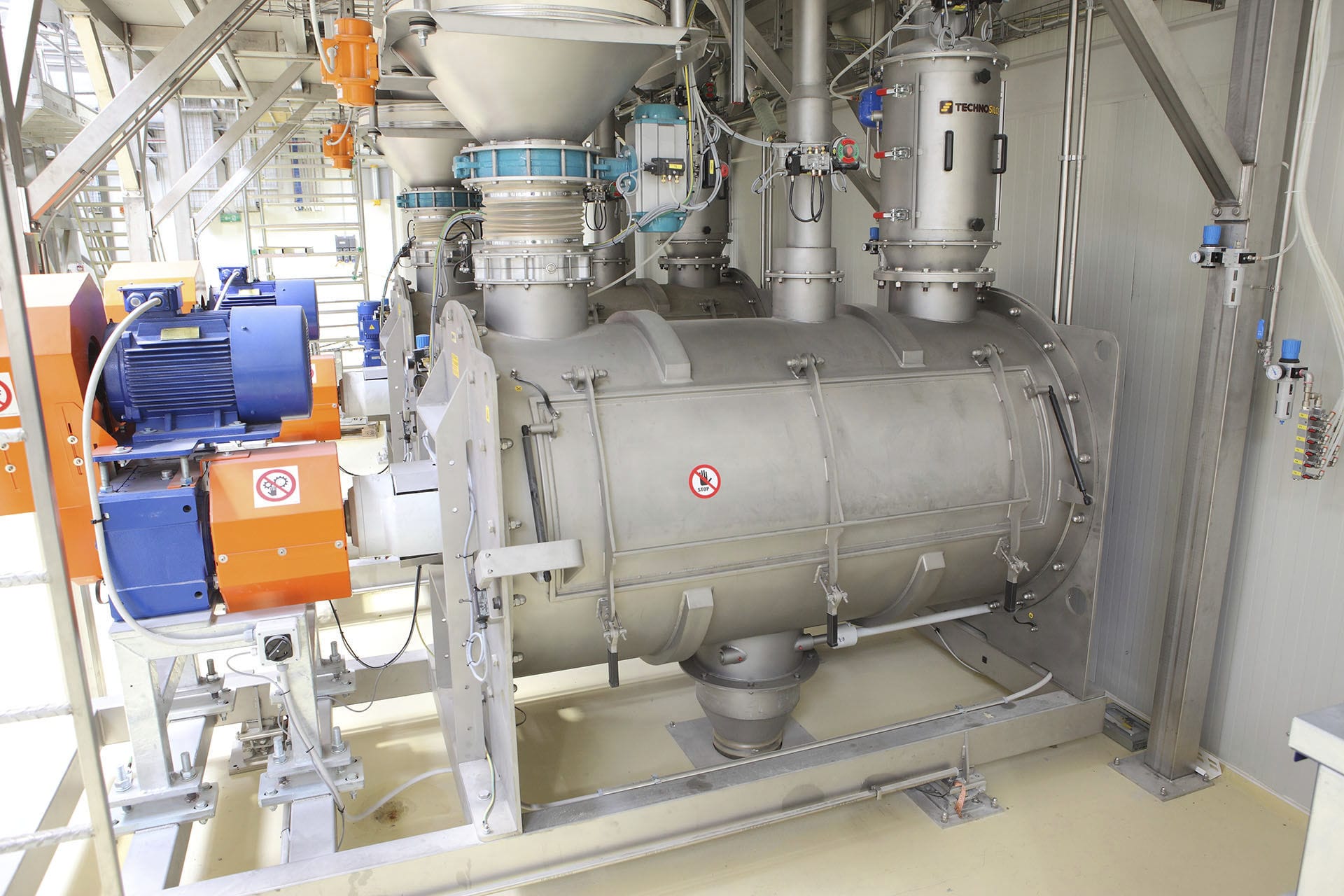
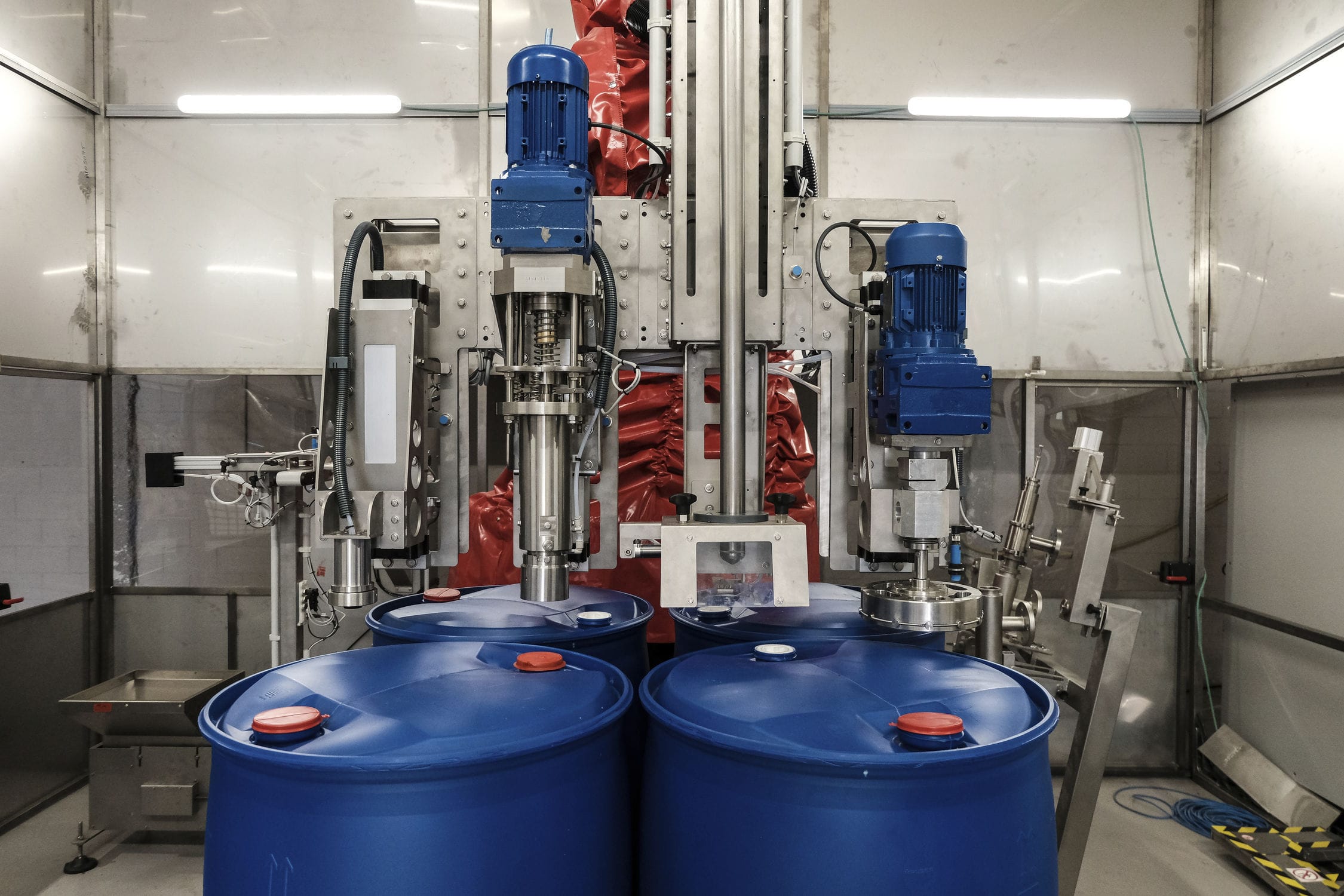
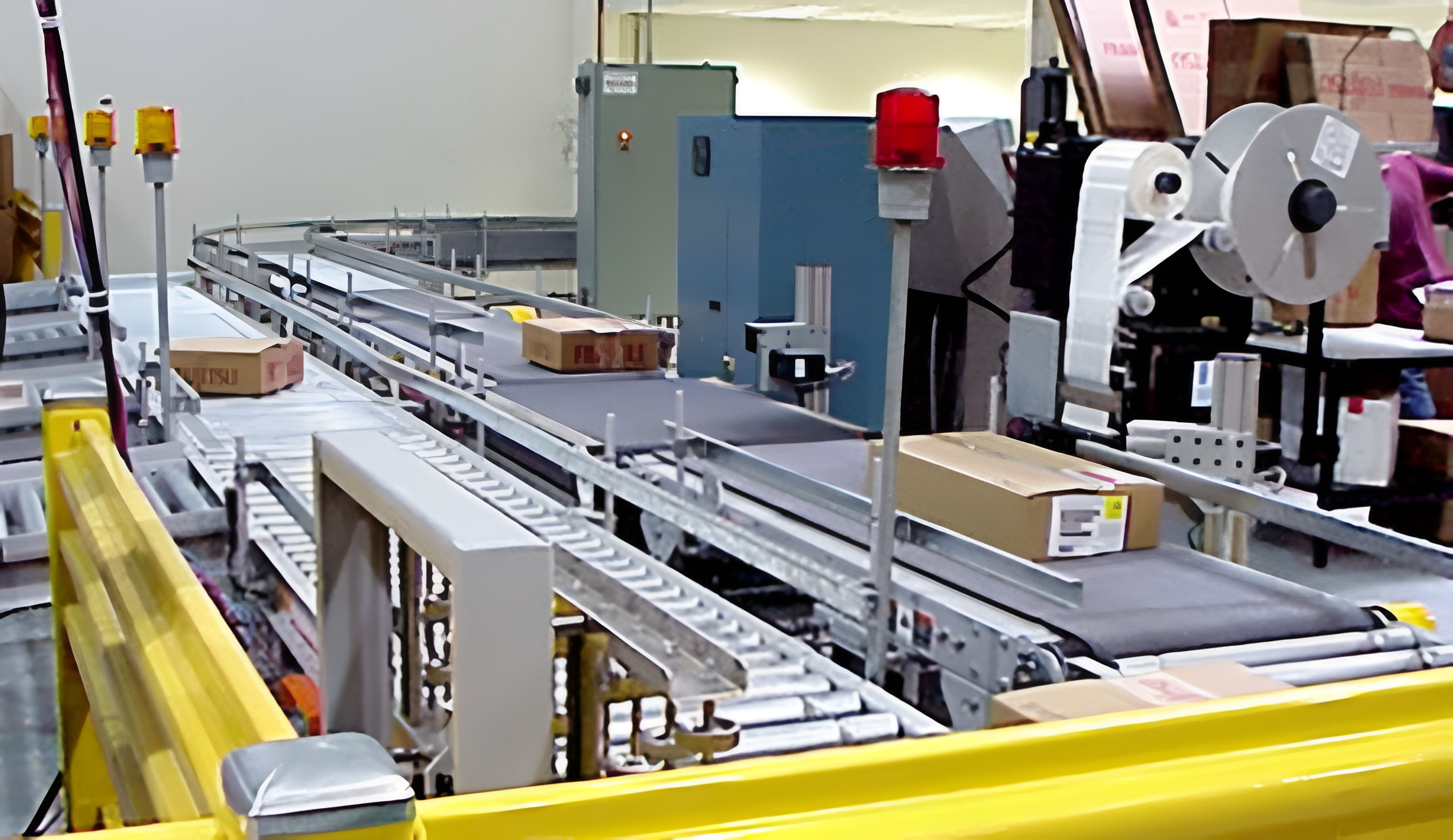
The automatic Filling machine has two working modes: automatic driving and manual driving. The switch between the two modes is controlled by a manual/automatic switch on the computer operation interface. Generally, the automatic mode is used to allow the PLC to automatically track and set parameters for automatic control. When the equipment needs maintenance, debugging, or in special situations, manual driving can be used to start and stop individual equipment. The common method is to add and fill directly through a pump, which is neither conducive to real-time control of the filling amount nor capable of automatically recording the filling amount in real time. This results in significant waste of solvent and solution consumption, and the filling ratio is not precise. Another method is to control the speed of the pump motor through a frequency converter to achieve the required filling amount for the process. However, this method has low control accuracy and slow response speed, and cannot achieve automatic closed-loop control and meet control requirements. The weighing Liquid filling machine is mainly composed of four major parts: the conveying device, the filling device, the suction and sealing cover device, and the detection and sensing device. The conveying device consists of a conveyor belt, transmission gears, a conveyor belt, a conveyor motor, and a lifting cylinder; the filling device consists of a filling gun, a filling bucket, a synchronous motor, a rodless cylinder, and a roller arm; the suction and sealing cover device consists of a suction cover device; and the detection and sensing device consists of a photoelectric sensor, a proximity switch, and a weighing sensor. Each sensor signal of the liquid filling machine directly enters the corresponding weighing controller, which transmits the weight signal to the computer through a serial port or Modbus protocol. The computer controls the final control valve of each raw material warehouse based on the weighing control of the automatic filling machine, adding the required weight of raw materials. The programmable controller or intelligent input/output module mainly learns the status of raw material warehouses and batching valves and sends control switch signals for all warehouse doors. The industrial computer is the core of the automatic filling machine, mainly responsible for completing various formulas and raw material management; controlling the addition sequence of raw materials; adding amount; and managing and analyzing process data during the automatic filling machine operation.
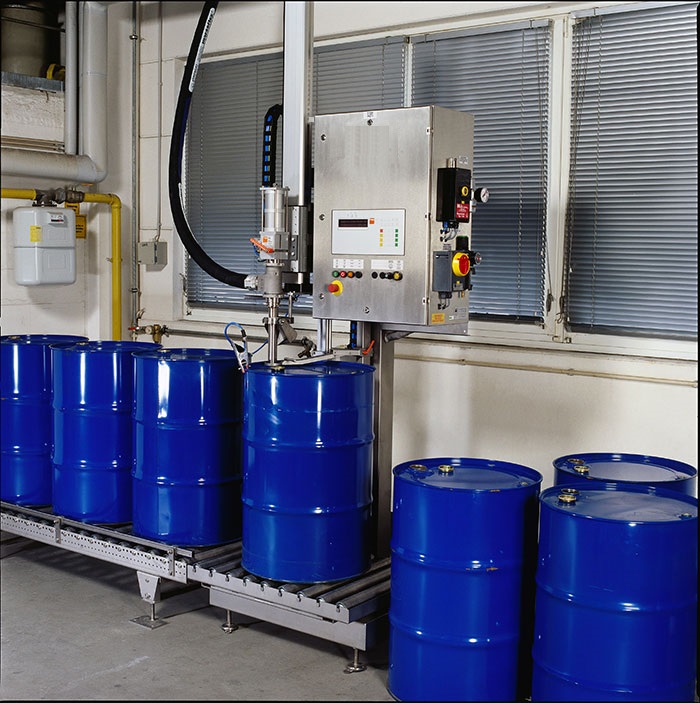
The quantitative filling machine comprises a machine body, an electronic weighbridge, a filling and feeding device, and an electric control box. The machine body includes a support base and a vertical support column. The filling and feeding device and the electric control box are mounted on the vertical support column. The electric control box houses a controller, while the weighbridge consists of a weighing module and a support plate. The weighing module is electrically connected to the controller. The filling and feeding device comprises a fixed bracket and a filling pipeline mounted on the fixed bracket. The filling pipeline is equipped with an inlet and an outlet, and a piston valve control device is mounted on the pipeline. A pipeline opening and closing device is provided at the outlet of the filling pipeline. A limit stop rod is arranged on the support plate, facilitating convenient, rapid, and accurate positioning. It also prevents residual filling material from dripping and prevents filling material from splashing during filling. The liquid filling machine's feeding valve and motor are controlled by a 24V/10V voltage signal relay under microcomputer control. During feeding, the microcomputer opens the feeding valve or the rotor pump motor. When the Electronic scale measures that the added material has reached the preset value, the feeding valve automatically closes. Each quantitative tank is controlled by a discharge valve for unloading, and each valve is equipped with a status detection signal input to the microcomputer to determine whether the action commands given by the microcomputer have been executed. The weighing filling machine divides the feeding speed into two levels, with the controller directly outputting on/off digital signals. When feeding at the two-level speed and the deviation between the actual weighed material quantity and the set target value is less than 90%, the material is fed and weighed at the maximum feeding speed. The maximum speed in the early stage is constant, mainly to shorten the entire weighing cycle and reduce weighing time. When the deviation between the actual weighed material quantity and the set value is greater than or equal to 90%, the system automatically switches to DIP control mode for feeding speed adjustment and control, gradually reducing the feeding speed until the weighed value reaches the set target value. This is mainly to ensure the accuracy of weighing control. A multi-level feeding method is adopted, with feeding speeds divided into high speed, medium speed, low speed, and jog feeding. The high-speed stage is suitable for the initial stage of feeding, with material being fed at the maximum speed; the medium-speed stage is suitable for the middle stage of feeding, with material being fed slowly at an appropriate reduced speed; the low-speed stage is suitable for the later stage of feeding, with material being fed relatively slowly at a further reduced speed, to reduce the amount of material suspended in the weighing bin; the jog stage is during the period when the weighed value is close to the target value, ensuring weighing accuracy. In actual production, the time for each stage of the weighing process can be determined based on the characteristics of the material and the magnitude of the weighing value.
Basic Parameters:
Maximum weighing capacity: 60kg
Minimum measurable weight: 0.01kg
Filling error: ±0.01-0.02kg
Filling speed: approximately 500-800 barrels per hour for 60L
Control mode: 2-speed control
Filling method: insertion type, above the liquid level
Gun head pipeline: Teflon gun head, valve + Teflon hose
Structural material: The main unit is made of SUS304 stainless steel, and the conveyor and palletizing system are coated with anti-corrosion paint made of carbon steel.
Scale platform size: 500×500mm (304 stainless steel power roller track)
Empty barrel roller track: 500mm×2500mm (304 stainless steel powered roller track), additionally equipped with a 1200mm inclined unpowered roller
Heavy barrel roller track: 500mm×2500mm (304 stainless steel powered roller track, 2 sets)
Bucket sorting device: suitable for 60L buckets, constructed with carbon steel anti-corrosion paint and featuring a 304 stainless steel roller track.
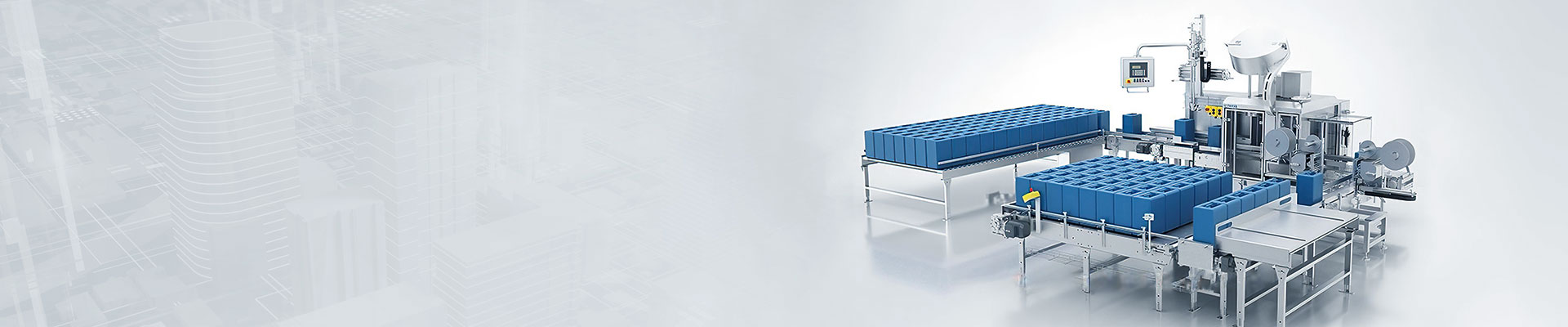
Palletizing equipment: Translational type, suitable for pallets 1200×1200×140mm, including pallet supply, palletizing, and pallet unloading conveyor.
Pipeline pressure: 0.2-0.6 MPa (related to material properties).
Material interface: 4 DN40 flange connectors, can be customized according to user-provided interface standards
Air source interface: The user provides a 12mm air pipe connector for quick coupling connection
Power supply: AC220/50Hz (provided by the user to one side of the machine)
Air source: 0.4-0.8 MPa (provided by the user to the side of the machine)
Operating temperature: -10℃-50℃
Basic conditions: A flat and solid concrete floor with a thickness of more than 10cm for the suspension agent.
Optional models: standard type, explosion-proof filling