








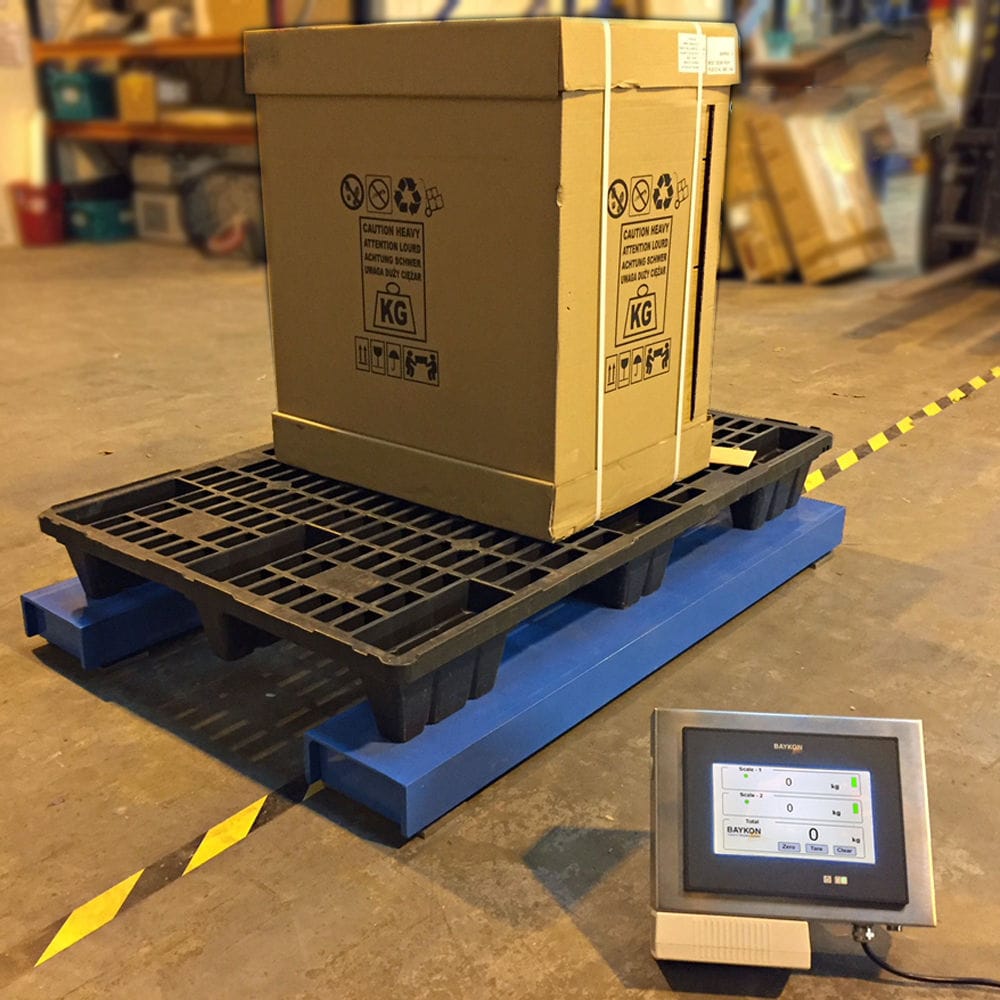


The security inspection weighing platform measures the weight of items through the weighing system, accumulates the weight of multiple items, and transmits the weight data to the computer for processing. In addition to meeting the requirements for weighing accuracy, the security inspection platform can also be connected to the computer backends of railway, highway and airport security inspection departments. Through computer control of the scale body keyboard, it can achieve functions such as zeroing, removing weights, cumulative net weight, calibration, etc., and can upload current weight, cumulative weight, cumulative times and other related information.

 020-34563445
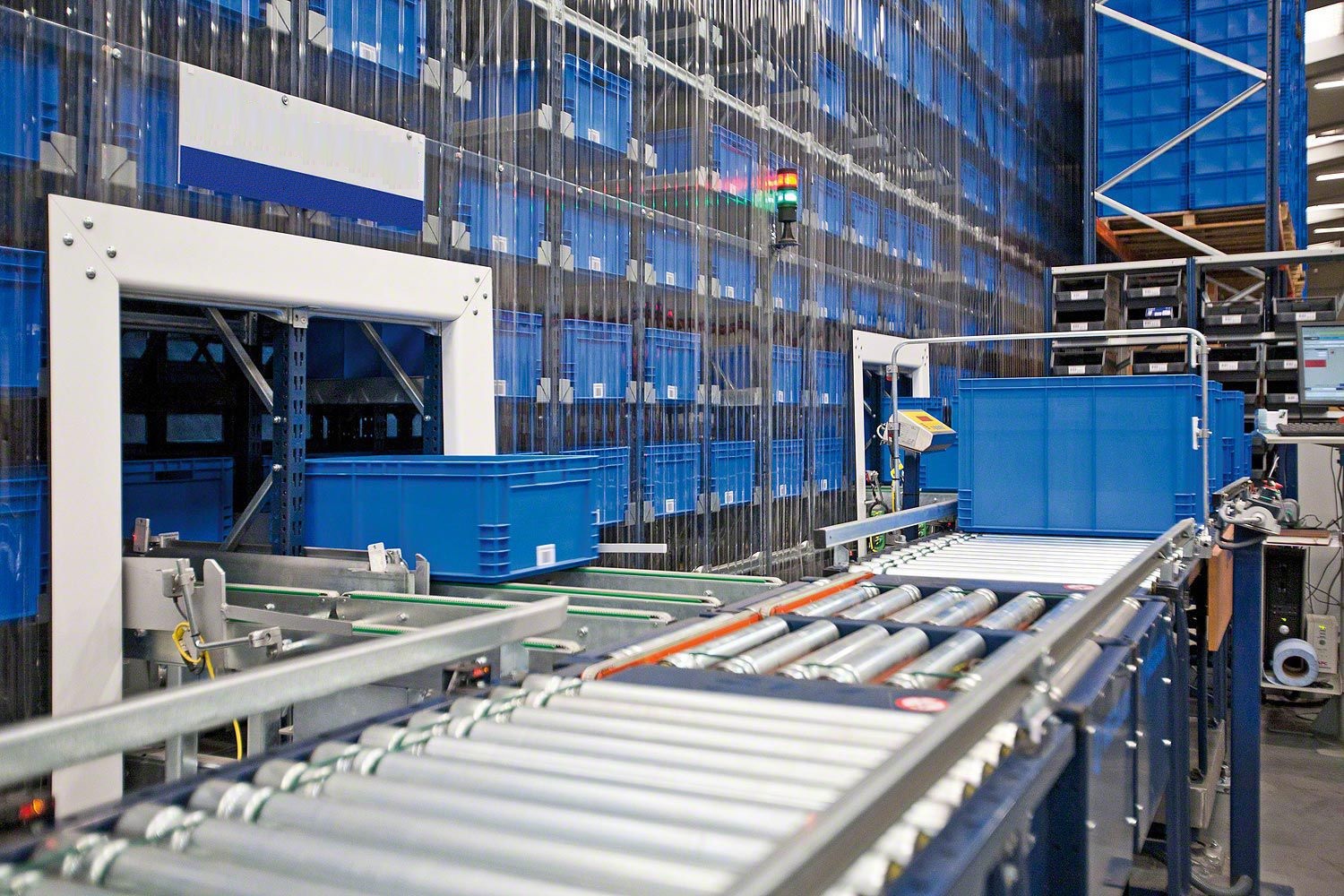
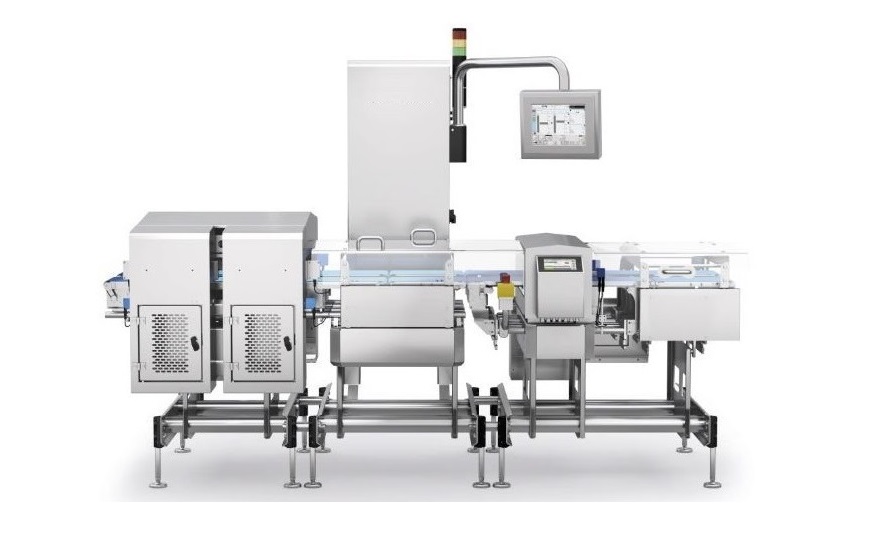
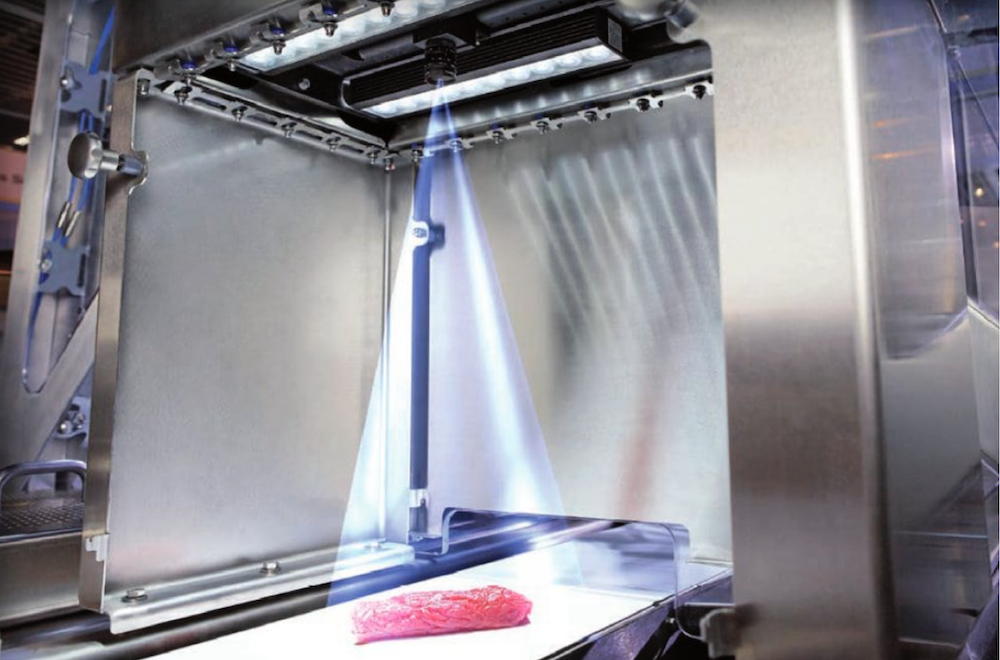
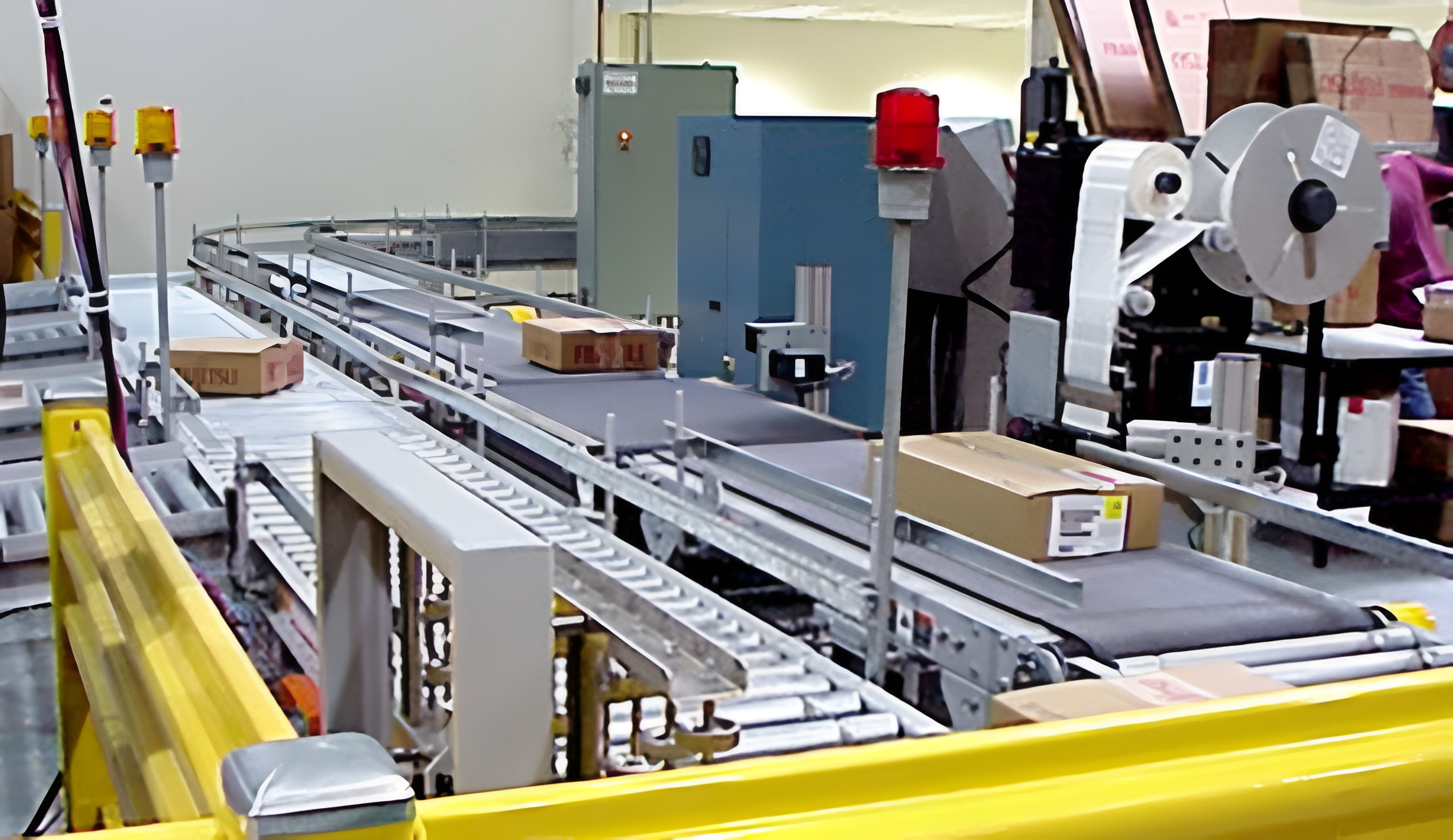
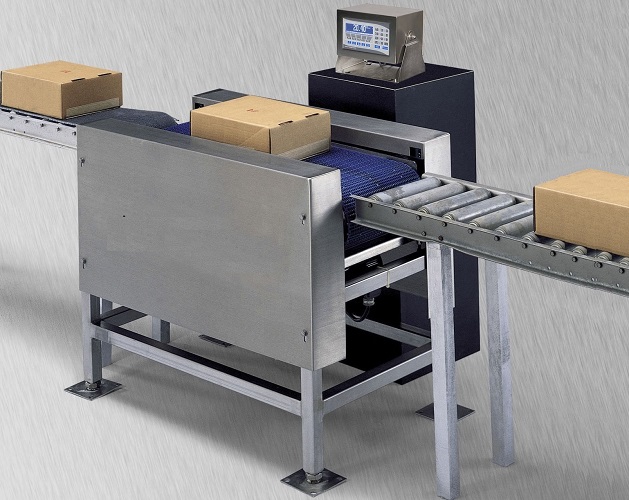
The security inspection weighing platform is suitable for continuous automatic production lines for various items. According to different deviation requirements, the security inspection electronic weighing platform can automatically continuously weigh and sort out packages with weight deviations. The security weighing platform can also perform continuous weighing and sorting of three types of packages (qualified, overweight, and underweight) online. The weighing platform uses 4 to 8 sensors. To ensure the accuracy of weighing measurement, the installation method of the weighing sensor adopts a suspended structure. The weighing module is installed under the conveyor belt, which is driven by a reducer motor, and the weighed materials are transported to the belt conveyor. The conveyor belt is equipped with a guard plate to prevent material drop. The reducer motor of the conveyor belt and the buffer climbing belt are linked and controlled by the same control system.
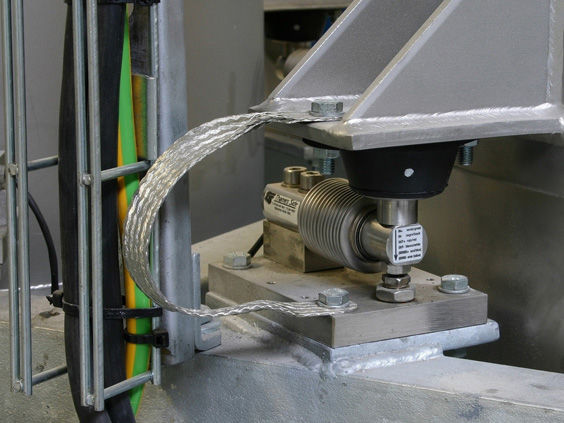
The weighing platform of the Weighing system is on the same horizontal plane as the conveyor. When goods pass through the weighing platform, non-electrical electrical measurement technology is used to convert the weight signals at the four corners of the weighing platform into electrical signals through force sensors. After signal amplification, computer collection and processing, the weight of the goods is obtained. The weight value measured is the weight value of the item, which is determined by the software function based on the geometric characteristics of the goods structure and the transportation rules. The sum of the weights at the four corners is obtained by adding them together. The main components of the weighing platform include the support frame, the supporting frame, the limit mechanism, the adjustment mechanism, and the weighing module. The main component of the supporting frame is a plate shell frame, with three spans and inverted installation of four force sensors. The supporting frame is installed inside the supporting frame and has adjustable spherical limit mechanisms on the four sides of the same horizontal plane. The supporting frame allows the supporting frame to move slightly within the supporting frame. The supporting frame is in the form of a frame, with four adjustable support mechanisms to ensure uniform contact with each weighing module's head. The electronic weighing platform structure uses resistive short cantilever beam weighing sensors. To improve measurement accuracy, the selection of structural type should be focused on, and the use of elastic components should be minimized to make the weighing platform structure compact and shorten the force system. Moreover, the weighing platform adopts a plate shell structure, and the force sensors are directly screwed onto the plate, thus minimizing the force system and lowering the center of gravity. At the same time, the automatic reset device of the weighing platform is cancelled, and its function is realized by the limit mechanism and installation construction. In addition, the rigid design of the supporting frame is asymmetrical, longitudinal large, and transverse small, taking into account both the structural stiffness and damping relationship.
The sorting weighing platform performs real-time weighing through the weighing sensor to ensure the accuracy of weighing. At the same time, through PLC technology, the material identification module is controlled to automatically identify the type and characteristics of the materials, providing data support for subsequent packaging. The weighing system realizes the weight of the items and the cumulative weight of multiple items, and transmits the weight data to the computer for processing. In addition to meeting the requirements of weighing measurement accuracy, the security weighing platform can also be networked with the computer backends of railway, road, and airport security departments. Through computer control of the scale keyboard, functions such as zeroing, removing weight, cumulative net weight, and calibration can be realized. Current weight, cumulative weight, cumulative times, and other related information can be uploaded, and an external large screen display can be connected for convenient remote observation by users. It can also be connected to a barcode printer to apply barcode technology for more scientific management of passengers' luggage.
After the weighing and identification are completed, the materials need to be precisely sorted to the corresponding buffer zone to ensure that the supply of materials matches the packaging speed. Through PLC technology, automatic sorting and buffer storage management are realized. The materials are automatically sent from the buffer zone to the packaging equipment according to preset parameters for automatic packaging. At the same time, the printing device prints production information, date, etc. on the packaging to ensure the speed, quality, and accuracy of the packaging. After packaging and marking, the finished products are output to the finished product area through the conveyor belt or other methods. The Electronic scale uses the weighing sensor to conduct quality inspection on the finished products, such as weight, appearance, etc., to ensure that the products meet the quality requirements. Products that do not meet the standards will be automatically eliminated or undergo further processing. After the entire material handling process is completed, the system will conduct statistical analysis based on the collected data, including key indicators such as material flow weighing errors and packaging speed. Based on the analysis results, the system will be adjusted and optimized to improve its operational efficiency and accuracy.