








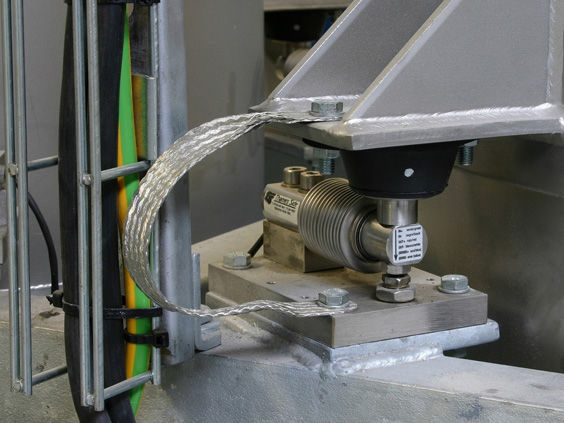
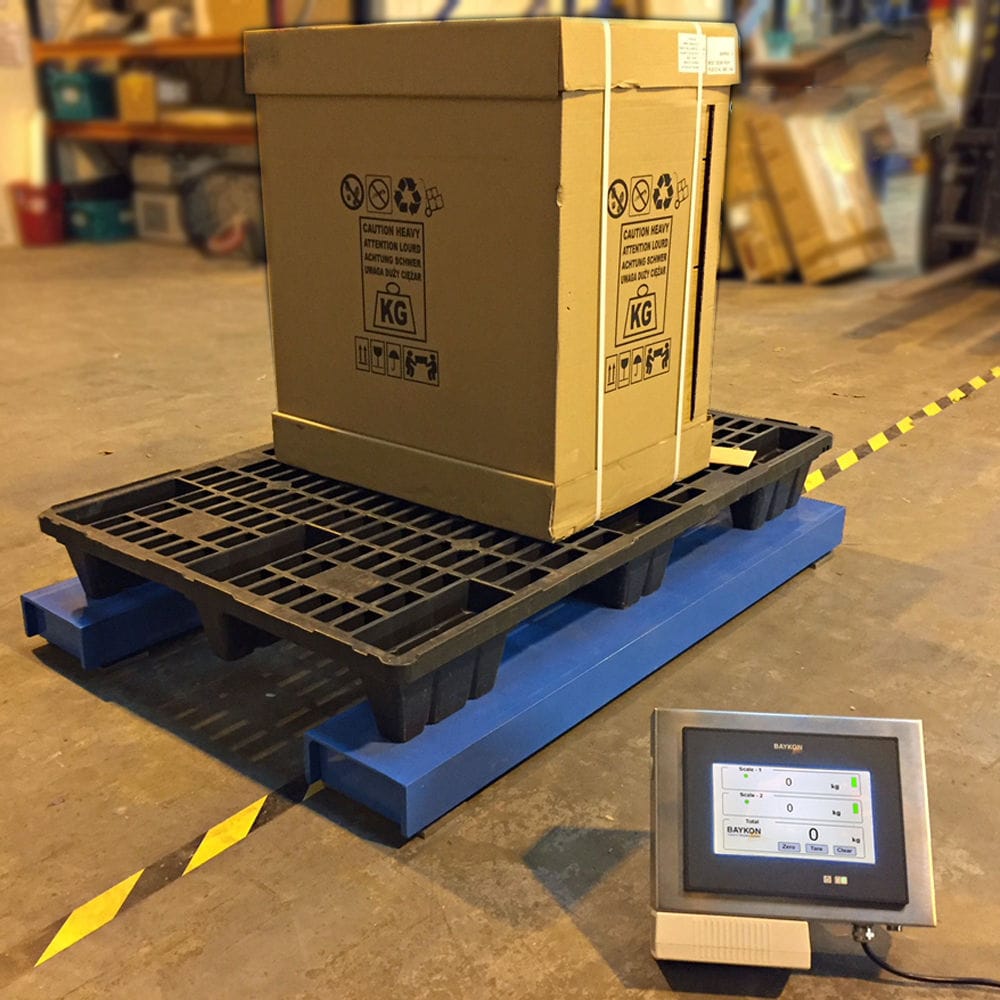


The monitoring of the bridge weighing module is helpful for the control of the lifting force. The monitoring of displacement truly realizes the synchronization of the hydraulic cylinder changes and the movement during the lifting process. During the bridge lifting process, the internal stress generated by the beam structure is the result of the combined effect of the weight and displacement at each lifting point. By monitoring the weighing module and displacement, it is possible to determine whether the internal stress of the beam structure exceeds the allowable value and requires adjustment.

 020-34563445
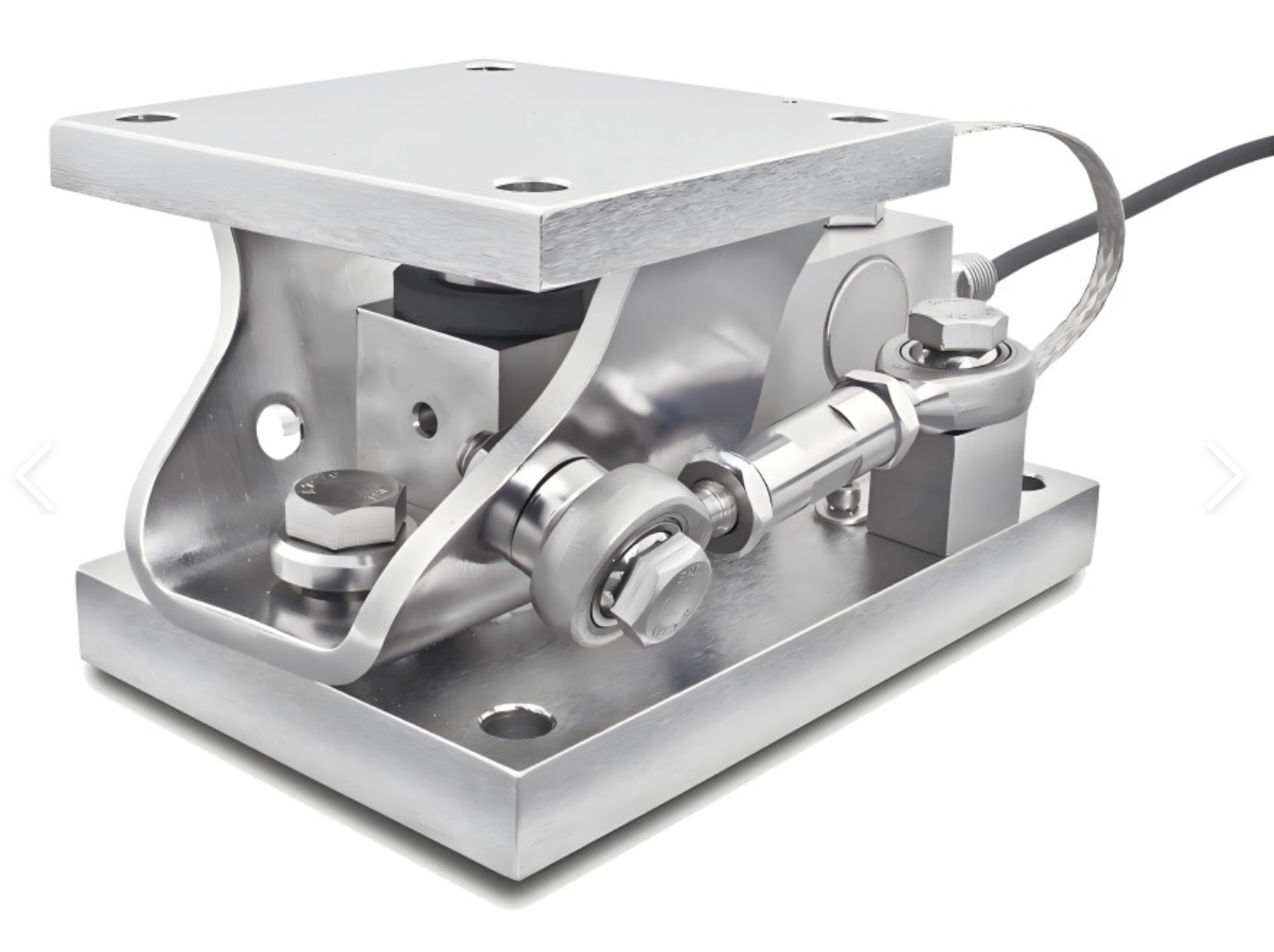
The bridge weighing module lifting system is mainly composed of a hydraulic synchronization system (pumps, cylinders, etc.), a PLC control system (main control unit), weighing sensors, monitoring systems, etc. It monitors the weights at four corners, displacements, and stresses in real time to implement corresponding weight monitoring, effectively or comprehensively controlling the coordination and synchronization of the lifting process, and reducing damage to the bridge structure. The purpose of stress monitoring is to avoid internal stress concentration that may cause damage to the bridge structure; the monitoring of the weighing module helps control the lifting force. Through displacement monitoring, the changes in the hydraulic cylinders and the movement synchronization during the lifting process are truly achieved. During the bridge lifting process, the internal stress of the bridge structure is the result of the combined effect of the weights and displacements at each lifting point. By monitoring the weighing module and displacement, it is possible to determine whether the internal stress of the bridge structure exceeds the allowable value, and adjustments are needed.
During the hydraulic test lifting process of the weighing module, attention should be paid to observation. Through the test lifting, work coordination can be achieved, and problems can be identified and solved promptly to lay a solid foundation for the official work. Therefore, before the official lifting, a test lifting should be conducted. The general lifting height is 10mm. After the test lifting is completed, based on the actual situation of the test lifting equipment, a report on the overall posture, structural displacement, etc. should be provided, and existing problems should be solved. If necessary, a further test lifting should be conducted to provide a basis for the official lifting. Only when the test lifting meets the expected requirements and there are no problems after analysis can the official lifting be carried out. Deviations during the lifting process should be prevented. Corresponding control should be made for the maximum stroke of the jack and each lifting standard stroke. Generally, they are approximately 140mm and 110mm respectively. At the same time, the lifting speed should be specified. The maximum lifting speed should not exceed 10mm/min.


