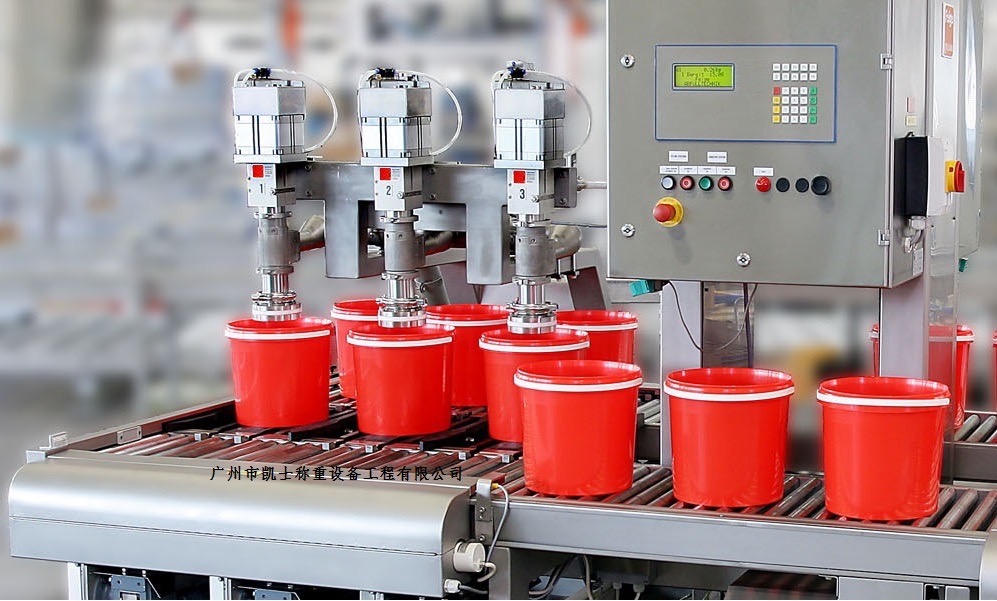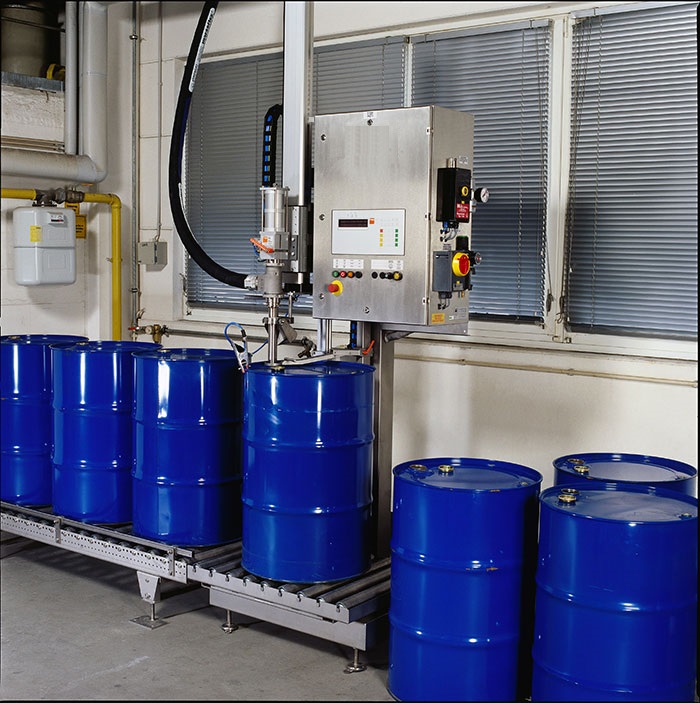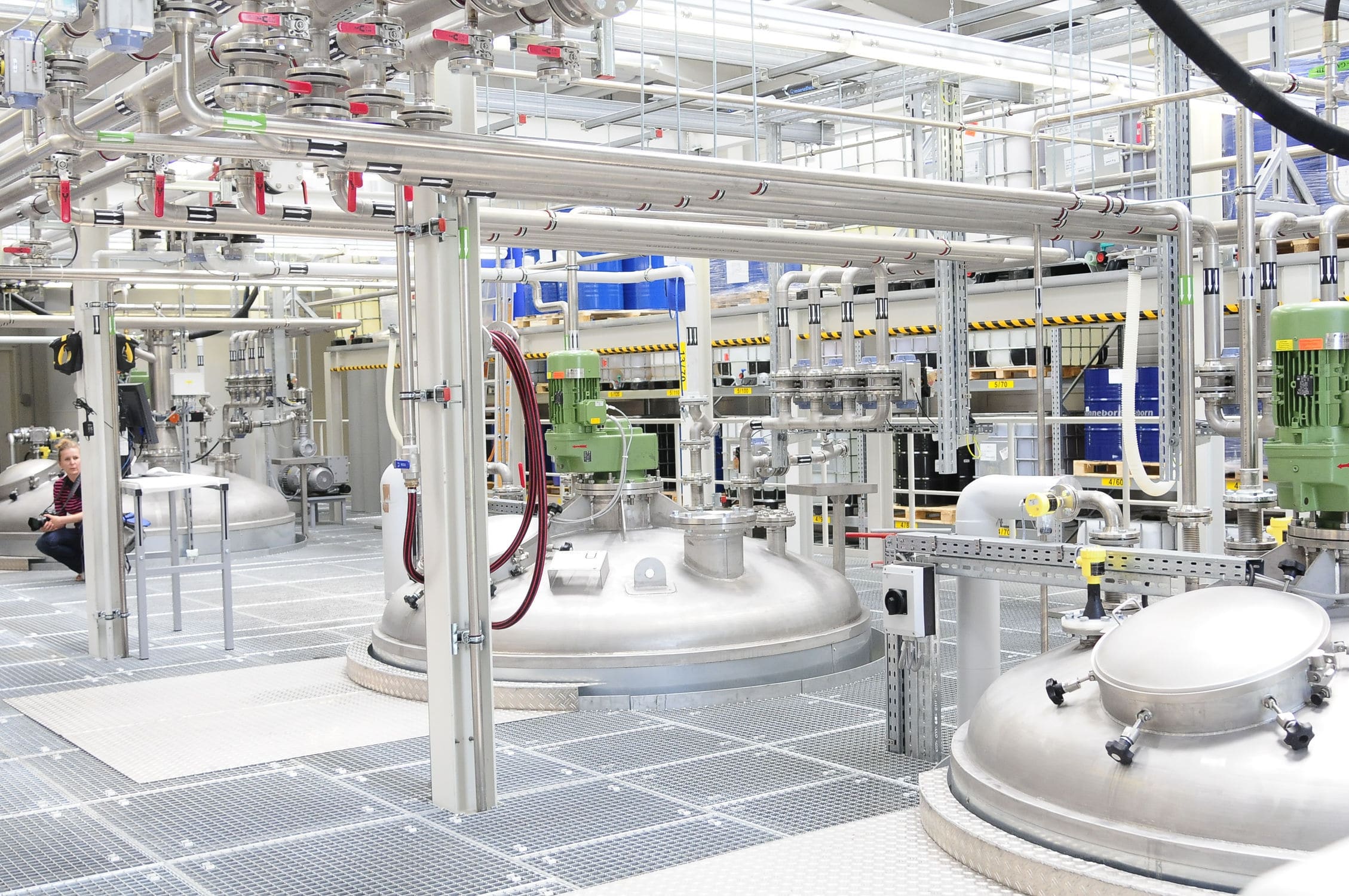


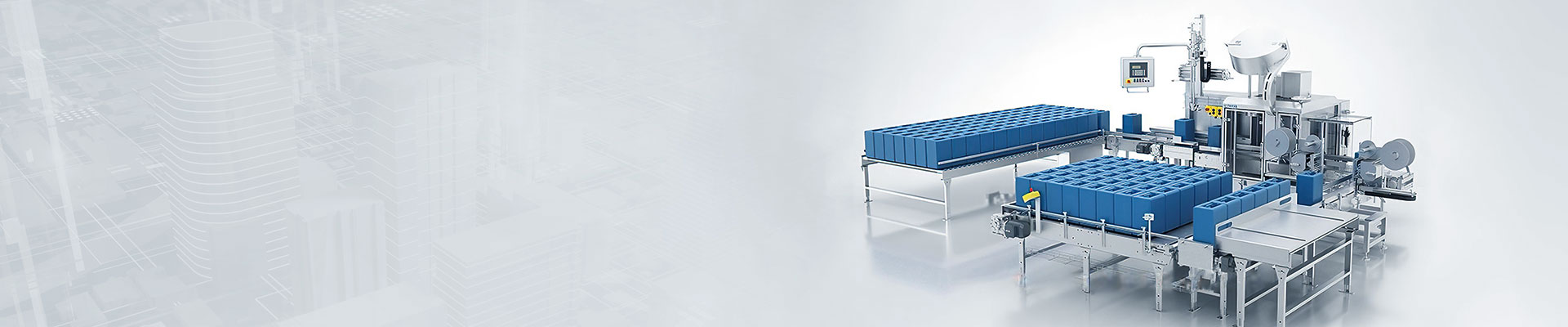
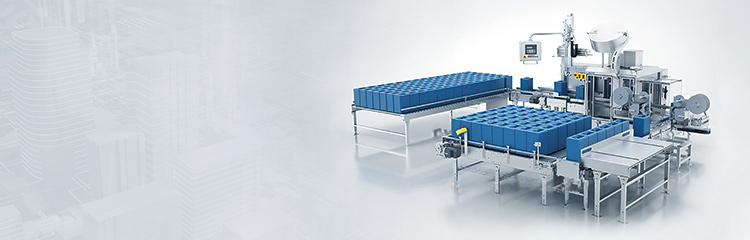


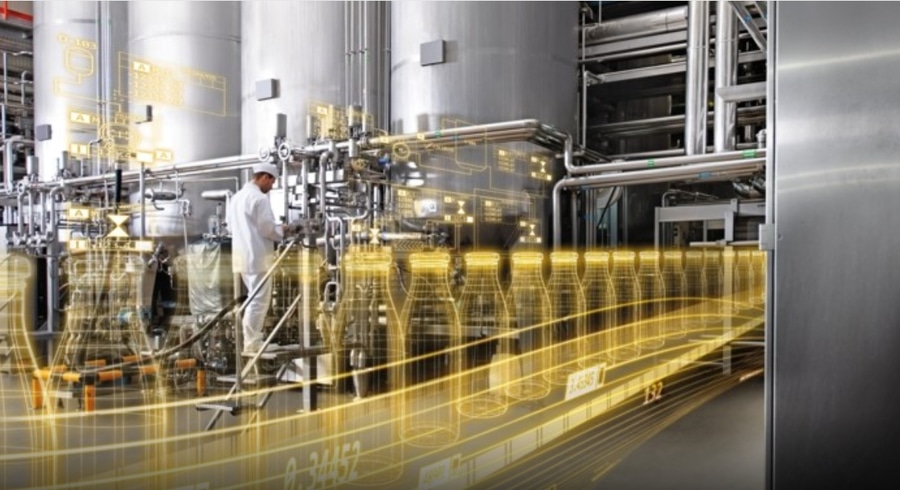
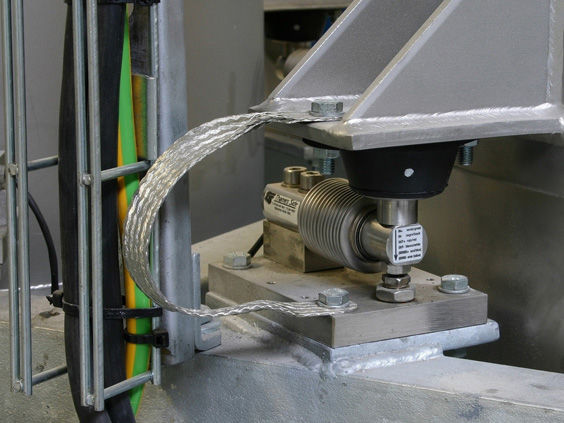
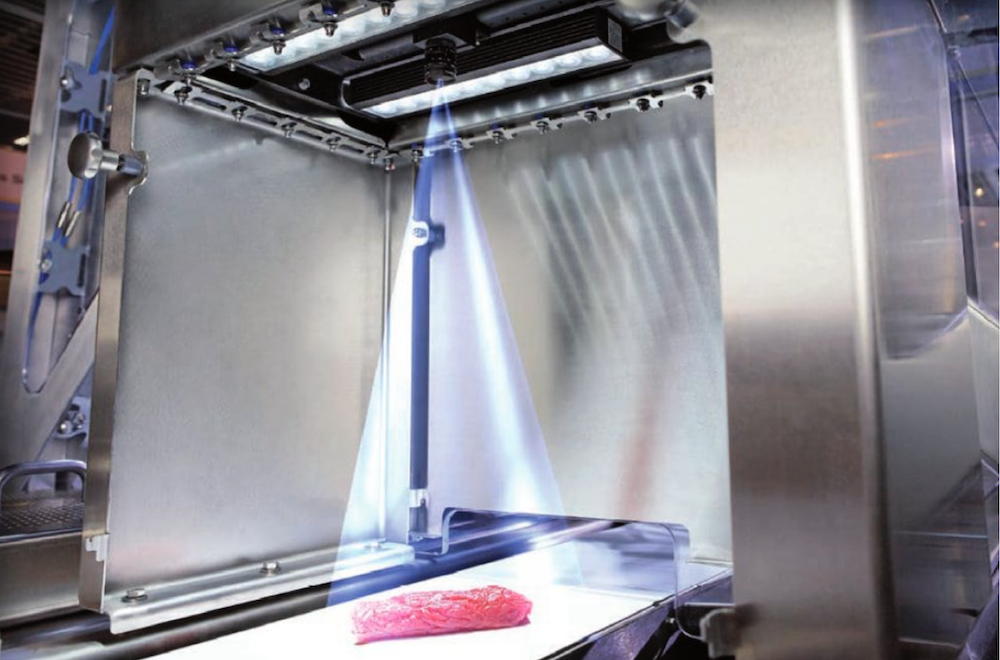
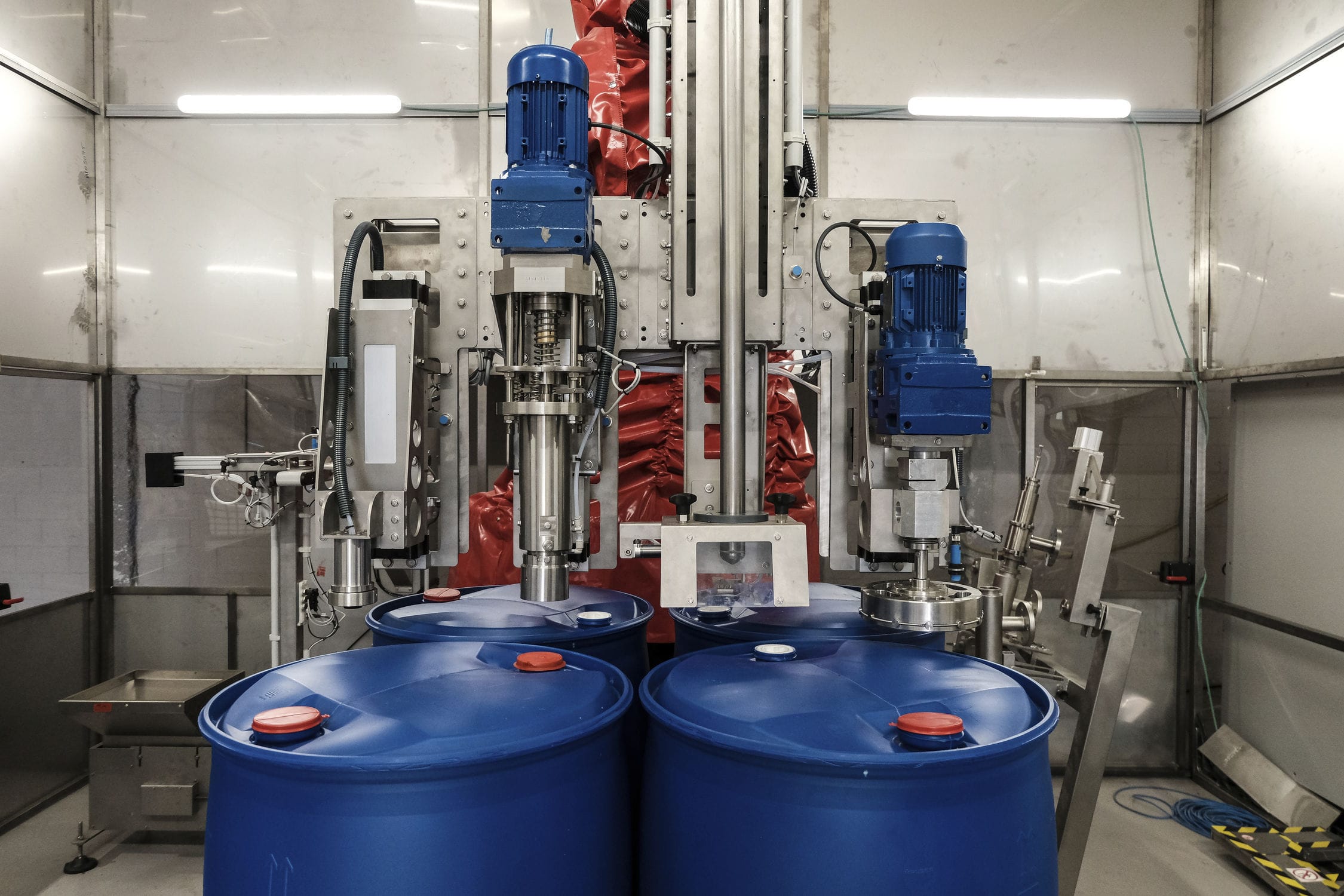


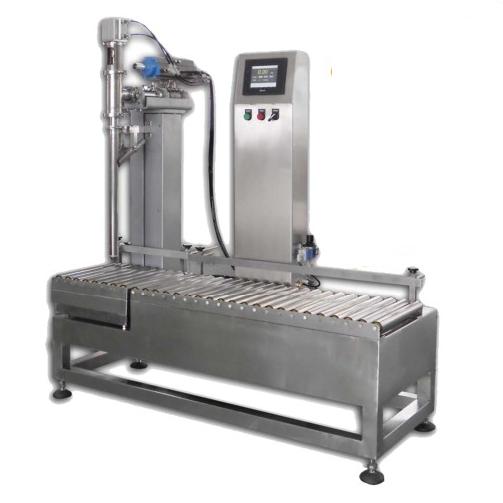
Liquid Quantitative filling machine filling adopts stepping motor to drive the filling valve up through the screw according to the pre-set speed: when the filling requirement is reached, the filling is closed. Adopting automatic capping, capping, sealing one by one, the filled pail is accurately sent to the automatic capping machine, the capping machine, through the robot, sucks up one pail cap each time and accurately places it on the top of the filled pail, and the automatic sealing machine will immediately cooperate with the action of the pail cap to accurately squeeze the pail cap, sealing the filled pail.

 020-34563445
The liquid quantitative Filling machine utilizes the servo's unique electronic cam function combined with a new PR motion control mode. With only an external encoder as the command source, it can achieve real-time high-precision synchronization of filling speed and bottle feeding speed. Simultaneously utilizing the servo By pass function, without the need for expensive motion controllers, a cost-effective one master, multiple slave, multi axis servo synchronous control scheme can be achieved. The automatic filling machine synchronous production line is mainly composed of three parts: bottle feeding axis drag chain, horizontal tracking axis, and vertical tracking axis. The synchronous mechanism, bottle feeding shaft drag chain, horizontal tracking shaft, and vertical tracking shaft are all powered by the output of the bottle feeding drag chain motor. It is mostly achieved through multi-stage mechanical transmission using mechanical cams to drive two physical cam mechanisms for synchronization. The servo filling production line consists of three parts: bottle feeding axis drag chain, horizontal tracking axis, and vertical tracking axis. However, in terms of mechanical structure, the traditional mechanical cam connection is abandoned and replaced by a filling servo system, which controls the displacement of the horizontal tracking axis (X-axis) and vertical tracking axis (Y-axis) through precision screw rods. The command source of its servo system is provided by high-resolution encoders installed on the bottle delivery drag chain. The resolution of the filling encoder is 2000p/r, the cam rotates once, the encoder of the weighing filling machine rotates twice, and the number of pulses collected is 16000ppr, with a 5V differential signal. The main motor is controlled by a frequency converter to operate at a frequency of 0-50hz. The pitch of the slide table screw is 10mm, and the resolution of the X/Y servo encoder is set to 100000ppu through the electronic gear ratio function. The length of the area for axis synchronization is A~B=240mm. The distance of Y-axis insertion is 40mm.
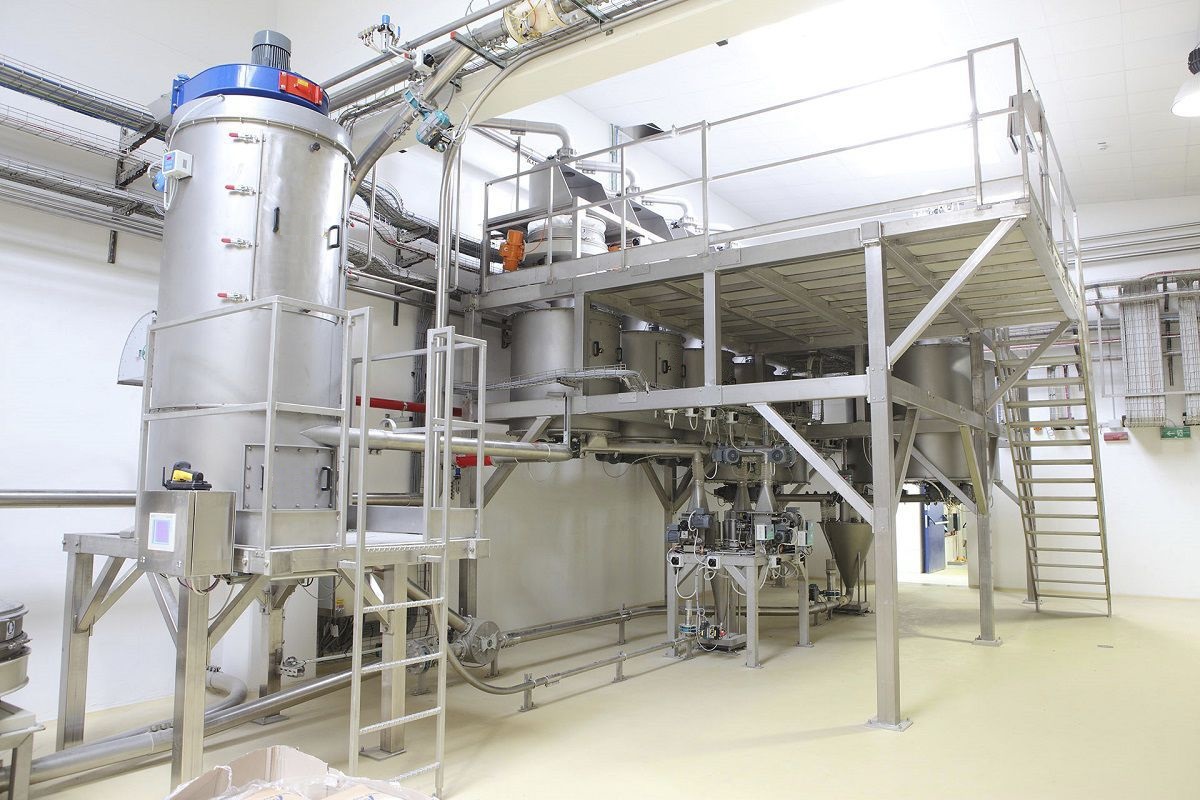
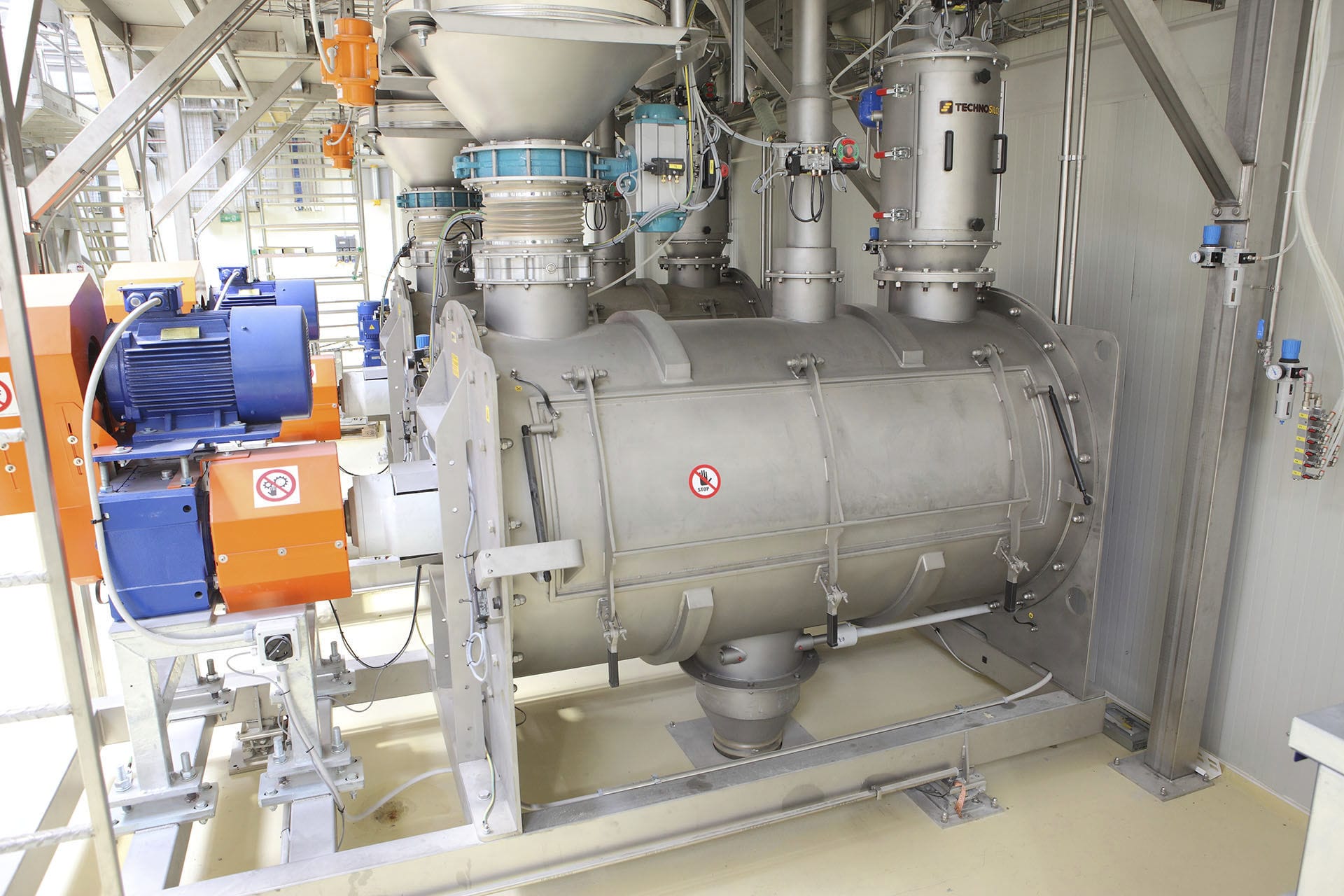
The automatic filling machine is mainly composed of box filling components, conveyor line components, filling components, computer control cabinets, and automatic capping machines. There are mobile adjustment frames and filling heads installed on the box components to adjust the width of the filling oil bottles (containers) up and down. The components of the conveyor line include motors and reducers, which are connected by chains and sprockets to drive the stainless steel flat chain to work. The filling control components mainly consist of oil cylinders, cylinders, cylinder rods, rack and pinion gear transmission pairs, rotary encoders, PLC programmable controllers, and touch screens. The oil cylinder is connected to the filling head through an infusion tube, the cylinders are connected to each other, the cylinder rod is connected to the rack, the rotary encoder is connected to the gear, and the signal is directly transmitted to the PLC programmable controller and touch screen. The PLC programmable controller and touch screen are connected to the electrical control cabinet. By operating the touch screen on the computer, the filling weight of a certain filling head is set. The pre-set pulse signal is transmitted to the PLC programmable controller. When the cylinder is working, the piston moves in the cylinder, and the cylinder rod and rack slide together. The rotary encoder sends out an output signal. At the same time, the filling capacity flows out through the filling head according to the designed weight. After the programmable controller receives the set value signal, it enters the next action, closes the electromagnetic valve to stop the cylinder from working, and then enters the next program to start.
Technical Specifications
Measurement range: 20kg~30kg
Measurement method: 2-row feeding amount: 30kg
Feeding accuracy: ± 0.1%
Division value: 0.01kg
Power supply: AC220V (3-phase) 60HZ
Air pressure used: 5kgf/c ㎡