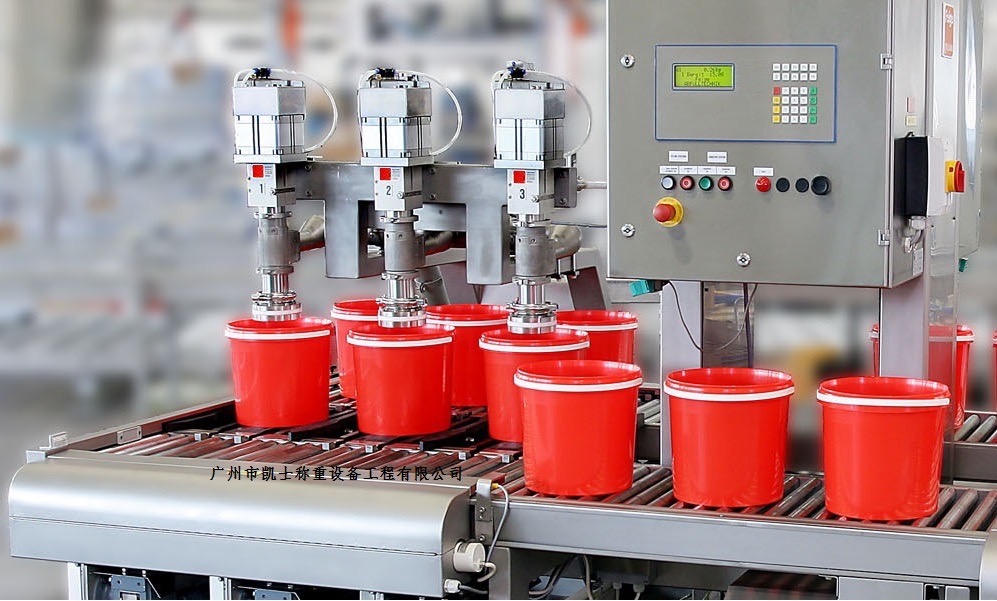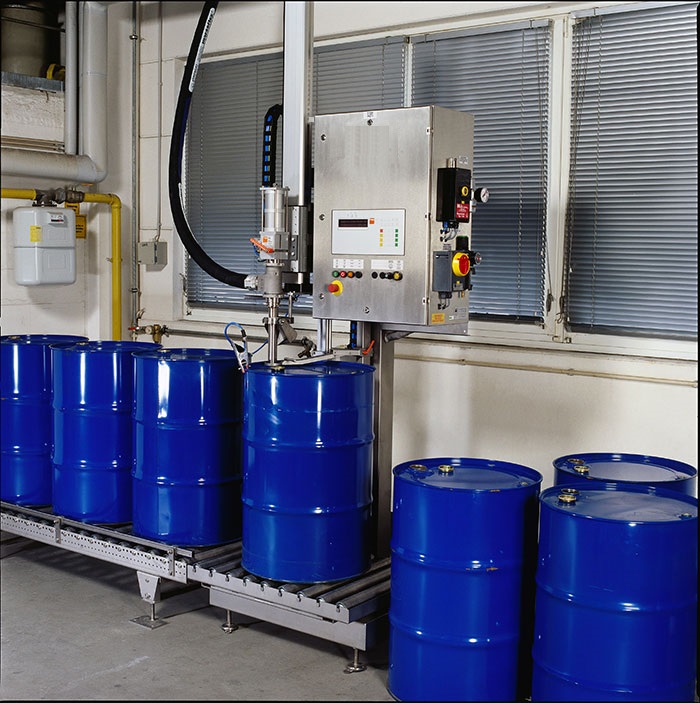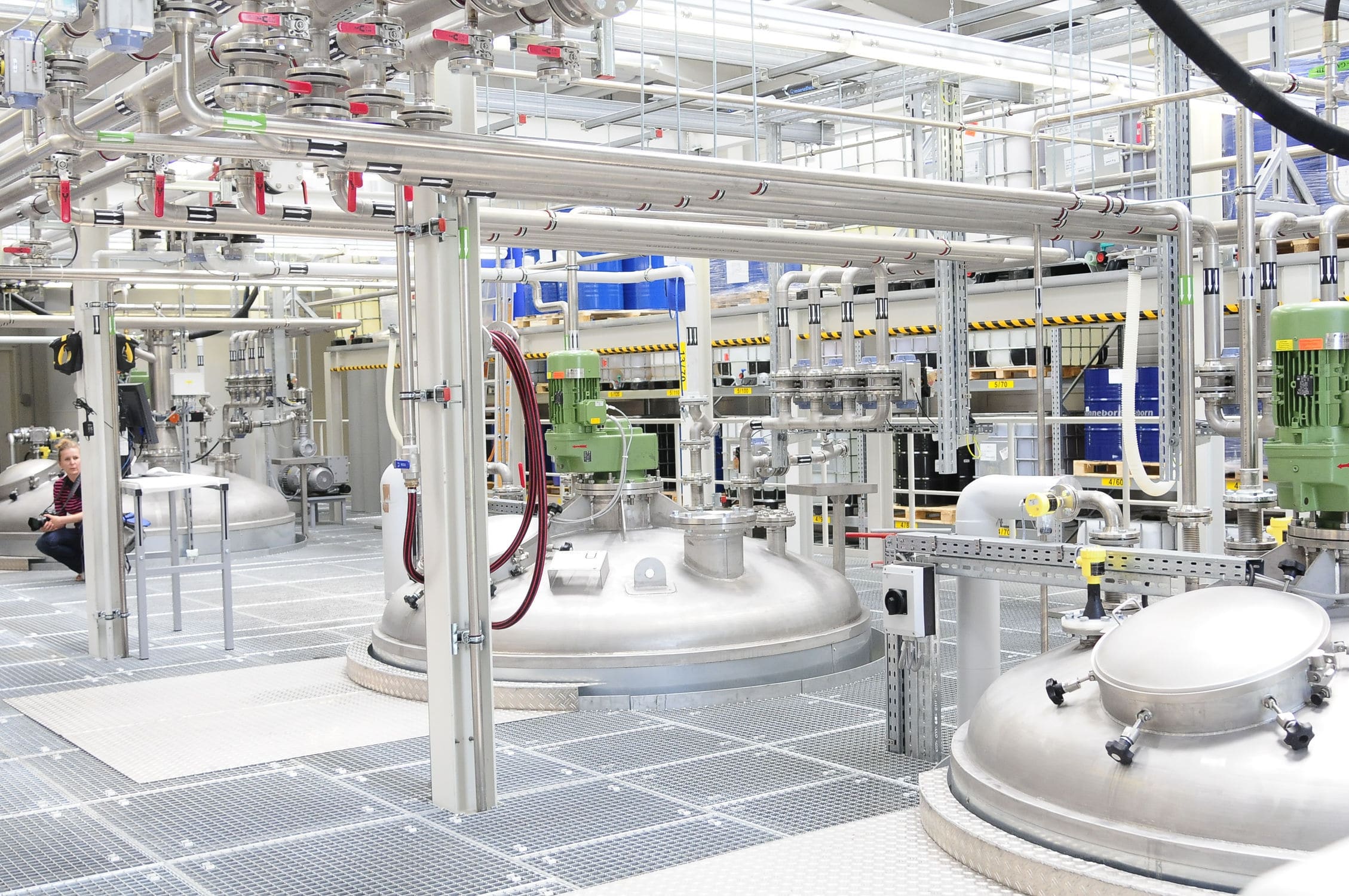


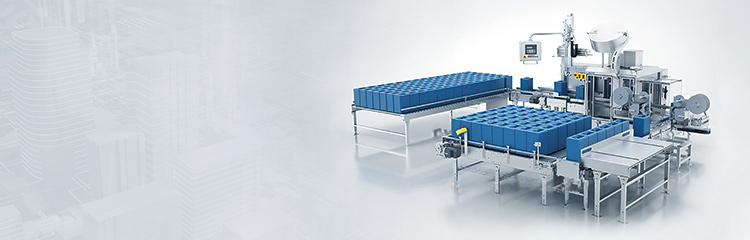


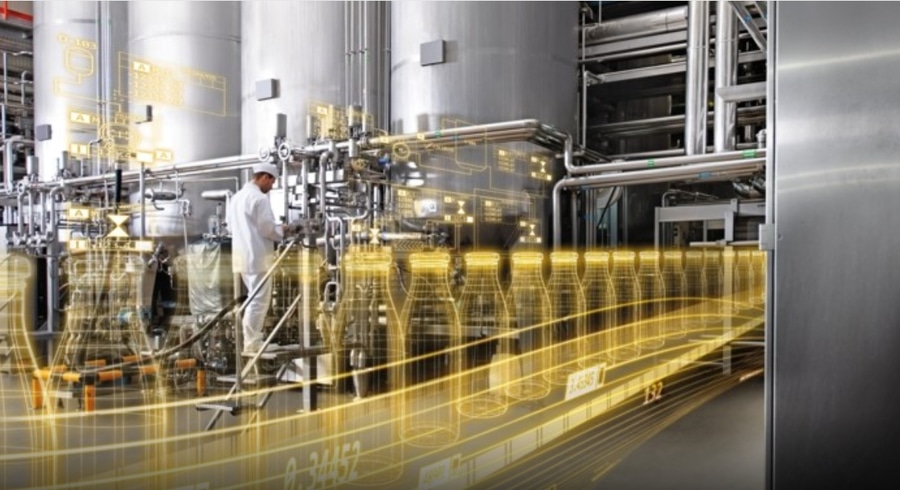
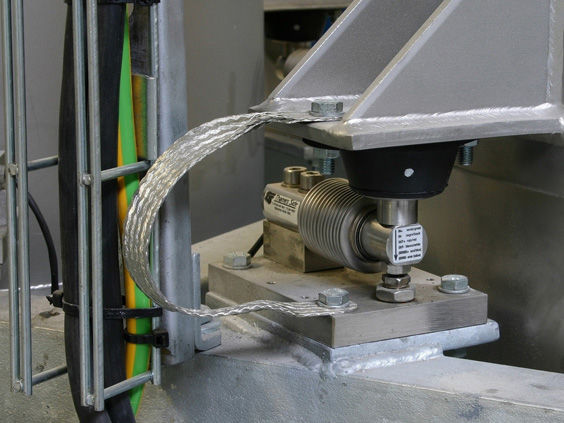
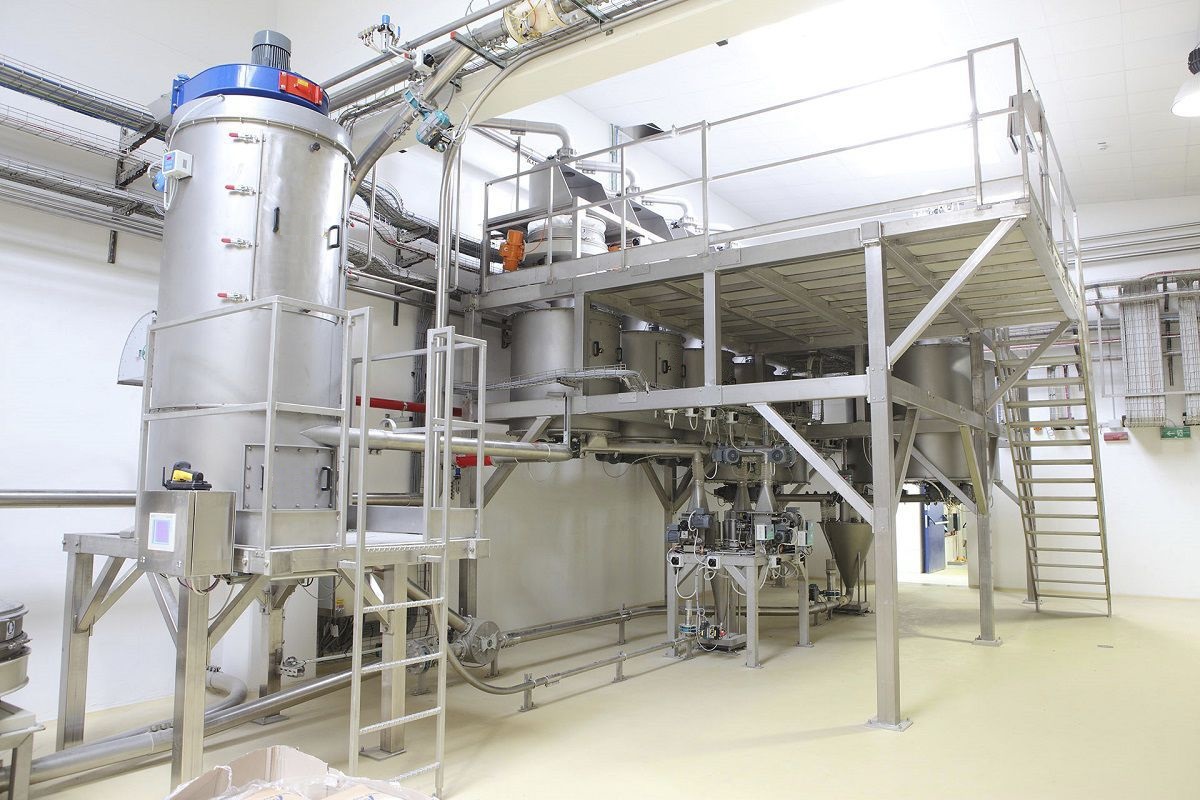
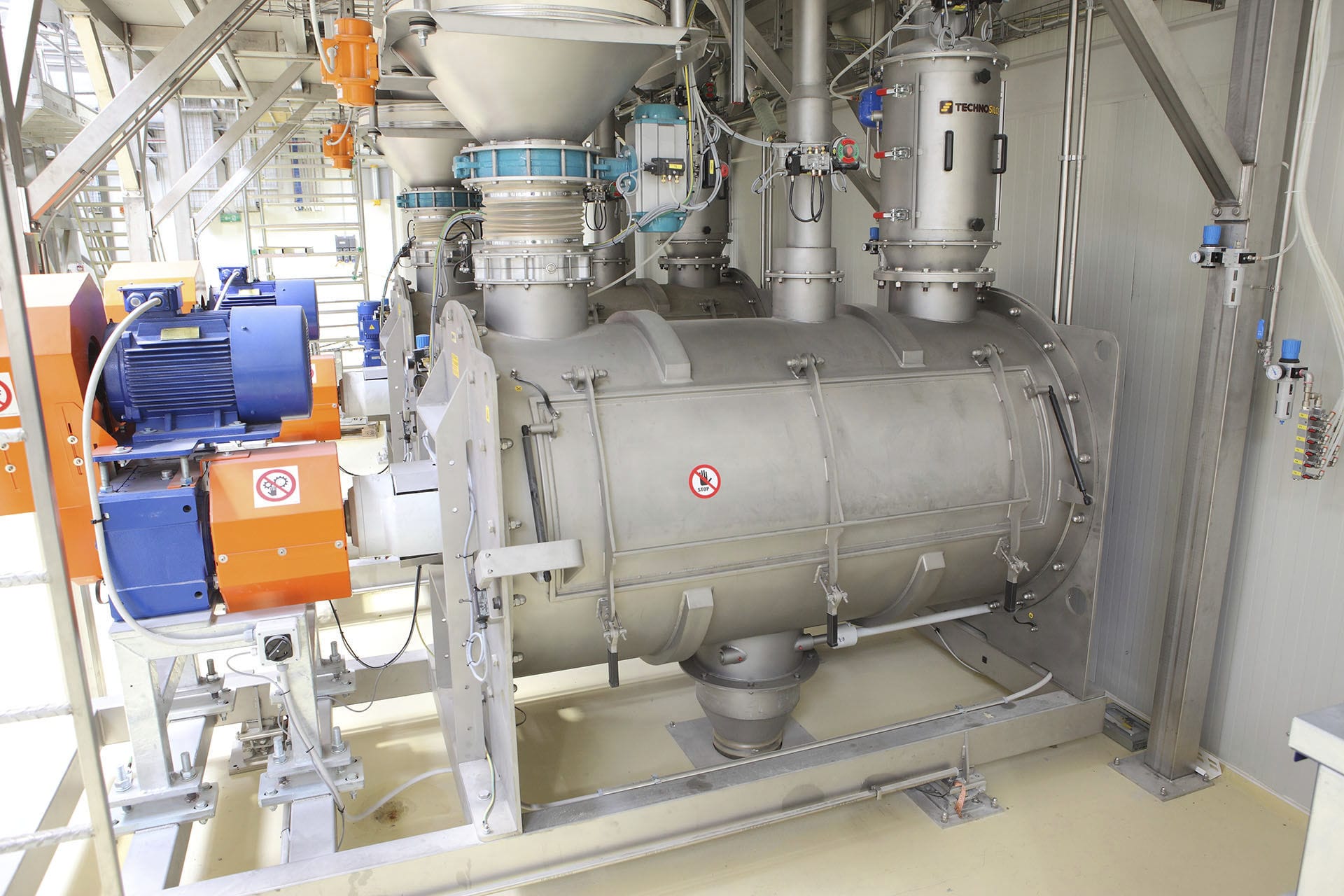
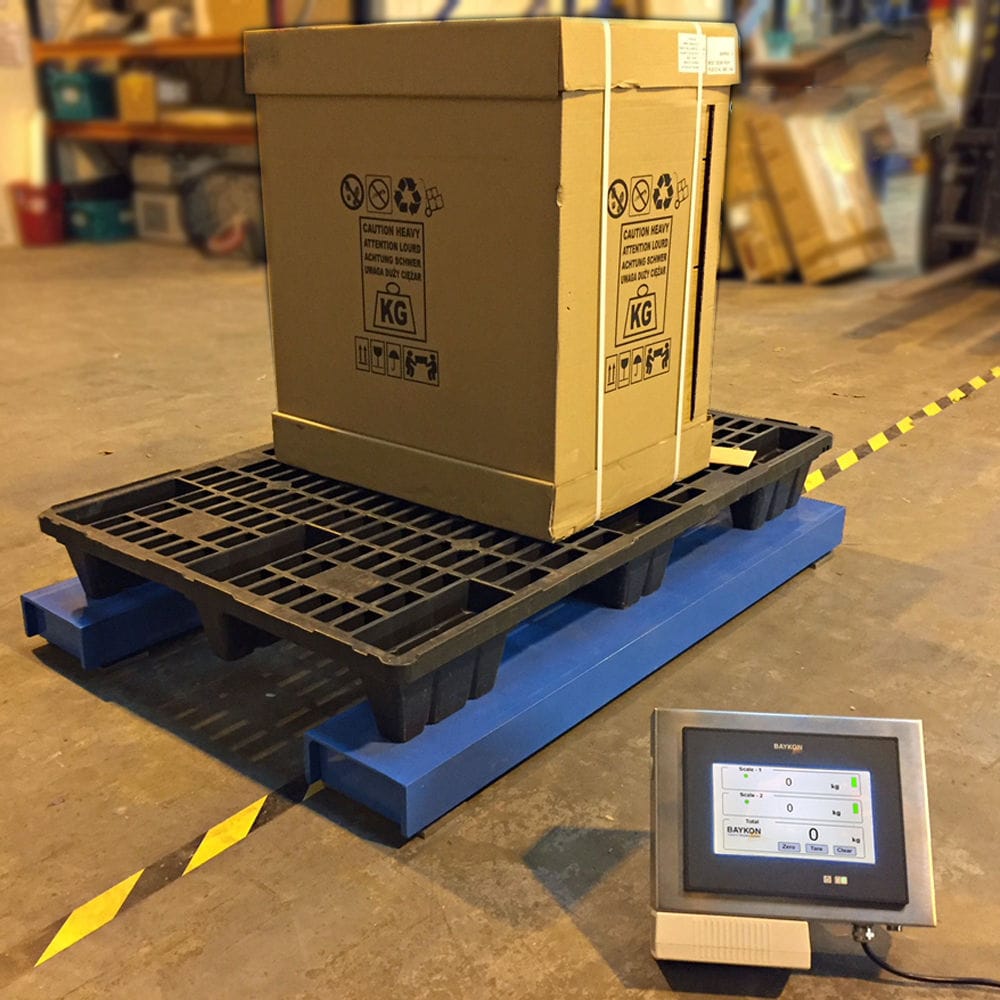


Weighing filler consists of feeding pump, solenoid valve, pipeline and weighing system. When the liquid level of the reaction tank is lower than a certain position, the solenoid valve opens, and the liquid flows into the dosing tank through the feeding pump and pipeline, and the solenoid valve closes when the liquid reaches the liquid level height.

 020-34563445
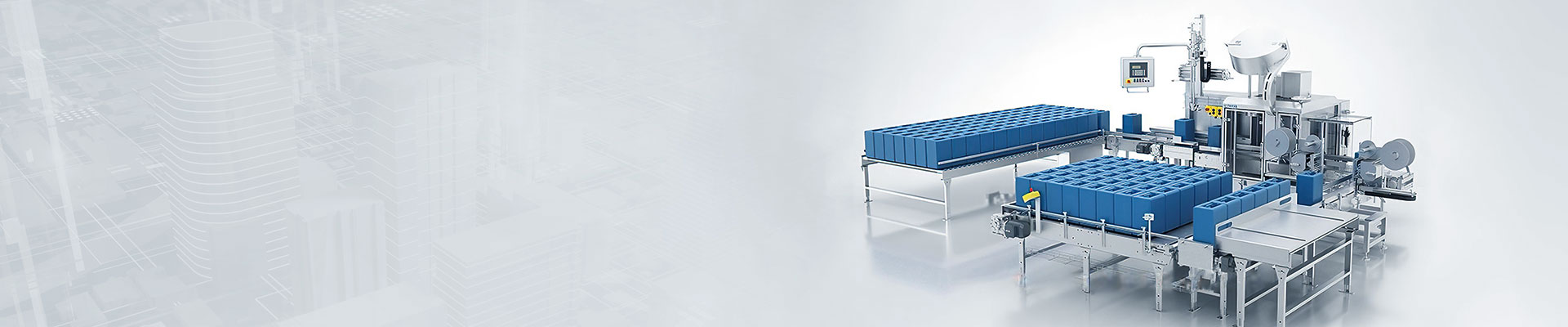
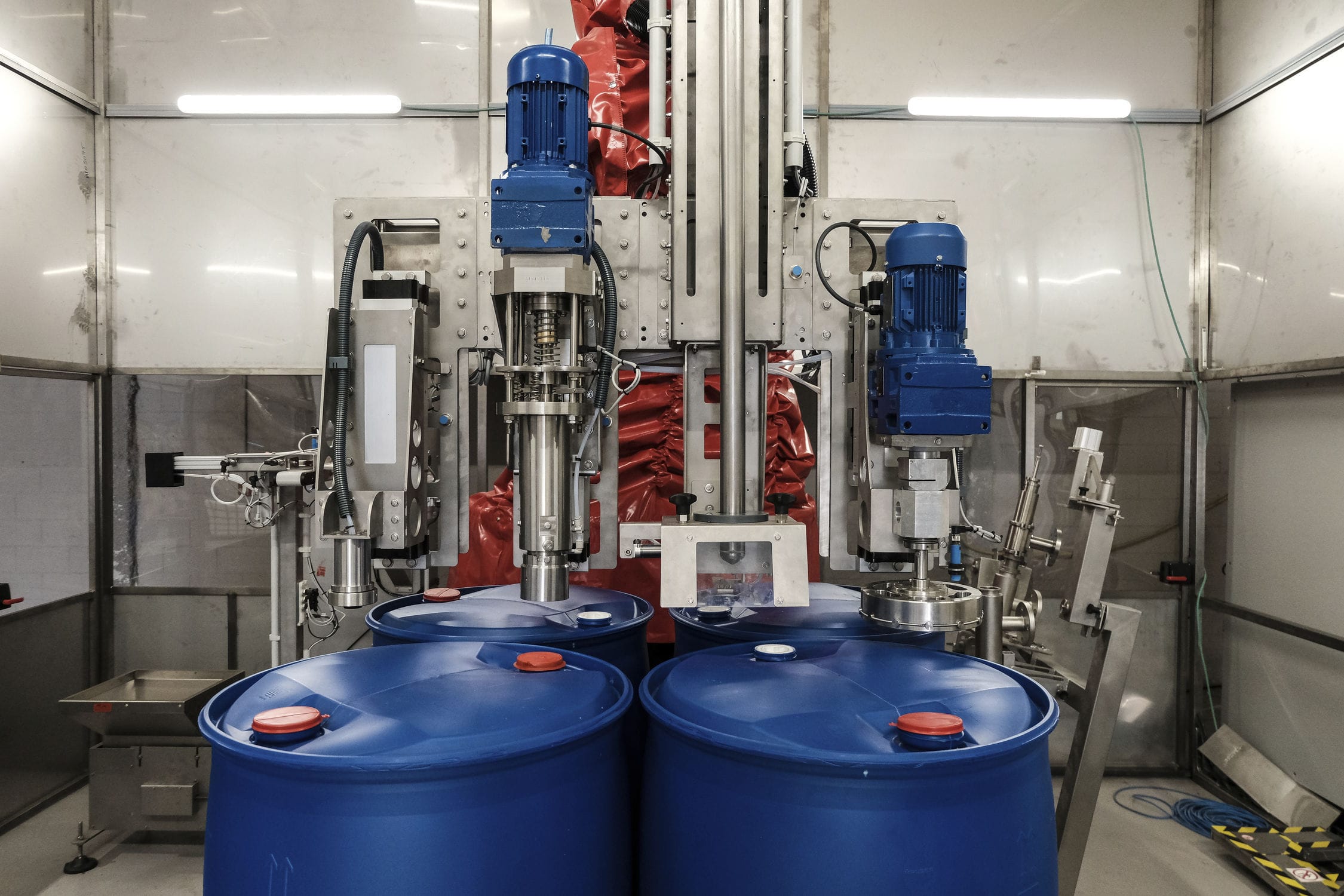
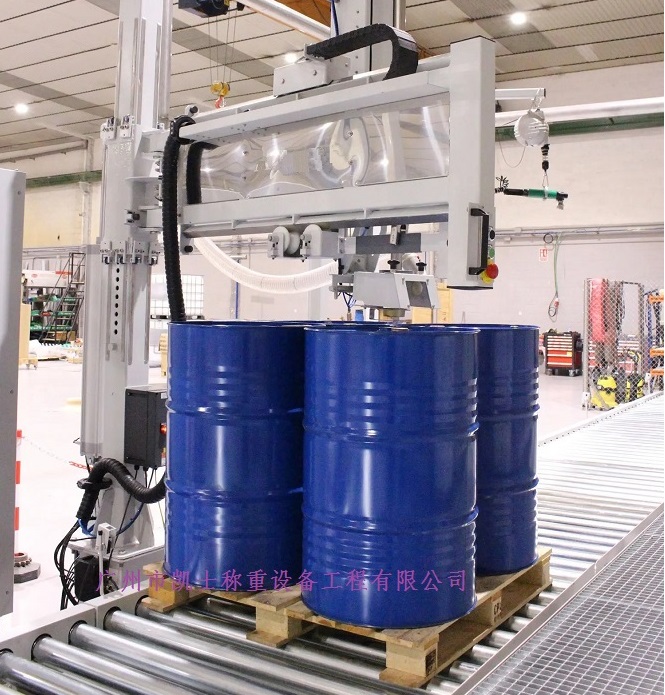
The weighing and Filling machine integrates fully automatic bottle feeding, automatic cap arrangement and tightening, fully automatic vacuum packaging and capping, and fully automatic bottle discharging. It is an ideal capping machine and filling equipment for production, operation and capping. The automated capping machine equipment is widely applicable to the production and manufacturing of small-batch production equipment in various fields such as. The automatic double-head tinplate cap capping machine can adjust the tightness according to different bottle stoppers. The torque control system of the equipment prevents the cap from cracking and the bottle stopper from breaking. It is equipped with an excellent industrial touch screen computer operating system. The actual operation parameters can be adjusted, and common fault reminders are provided for easy application.
The packing machine is composed of a feeding pump, an electromagnetic valve, pipelines and a Weighing system. When the liquid level in the reaction tank drops below a certain position, the electromagnetic valve opens, and the liquid flows into the batching tank through the feeding pump and pipelines. When the liquid level reaches a certain height, the electromagnetic valve closes. After the filling machine has completed the batching, the liquid is sent back to the upper part of the batching tank (clockwise) from the lower side of the storage tank through the pump and pipeline for continuous circulation. When the float ball liquid level control in the reactor detects that the liquid level is lower than a certain position. The solenoid valve receives signals. When the bottom valve of the weighing filling machine opens, part of the liquid that originally flowed clockwise flows towards the filling bucket, replenishing the liquid level inside the tank. When the liquid level reaches a certain set weight, the float ball liquid level control sends a signal, causing the solenoid valve to be de-energized and the valve body to close. The automatic filling machine adopts a two-stage automatic filling mode of fast, slow and even slower. The filling target volume can be freely set. The filling head is inserted for filling. When the filling target value is reached, the filling gun is automatically lifted. Unique anti-drip and leak-proof device to prevent materials from dripping onto the bucket.
Technical parameters
Weighing range: 300-1000kg
Minimum sensitivity: 0.5kg
Filling range: 300-1000kg
Filling error: ≤0.1%
Filling speed: Depending on the liquid flow rate and filling packaging specifications.
Gun tip material: Carbon steel with chrome plating, SUS304 stainless steel (SUS316L is optional)
Applicable containers: 0.25-300L
Power supply: AC220/50Hz,AC380V
Gas source used: 0.4-0.8Mpa
Operating temperature: -10℃ to 80℃
Explosion-proof grade: ExdiaIIBT4
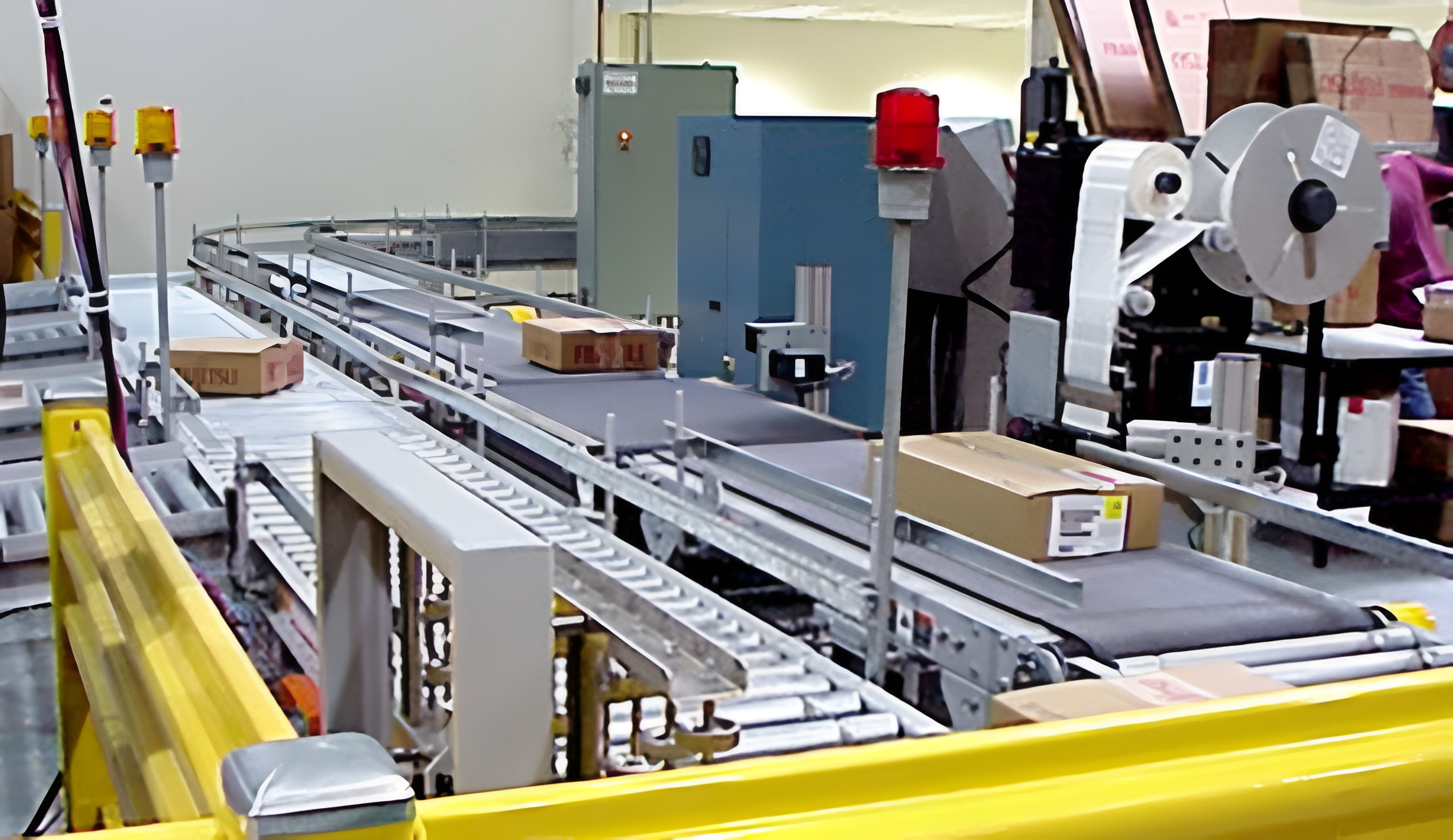
Standard roller conveyor: Determined by the on-site conditions and the model of the filling machine.