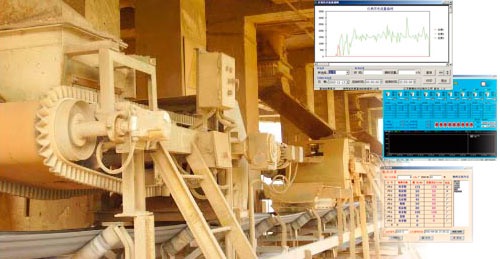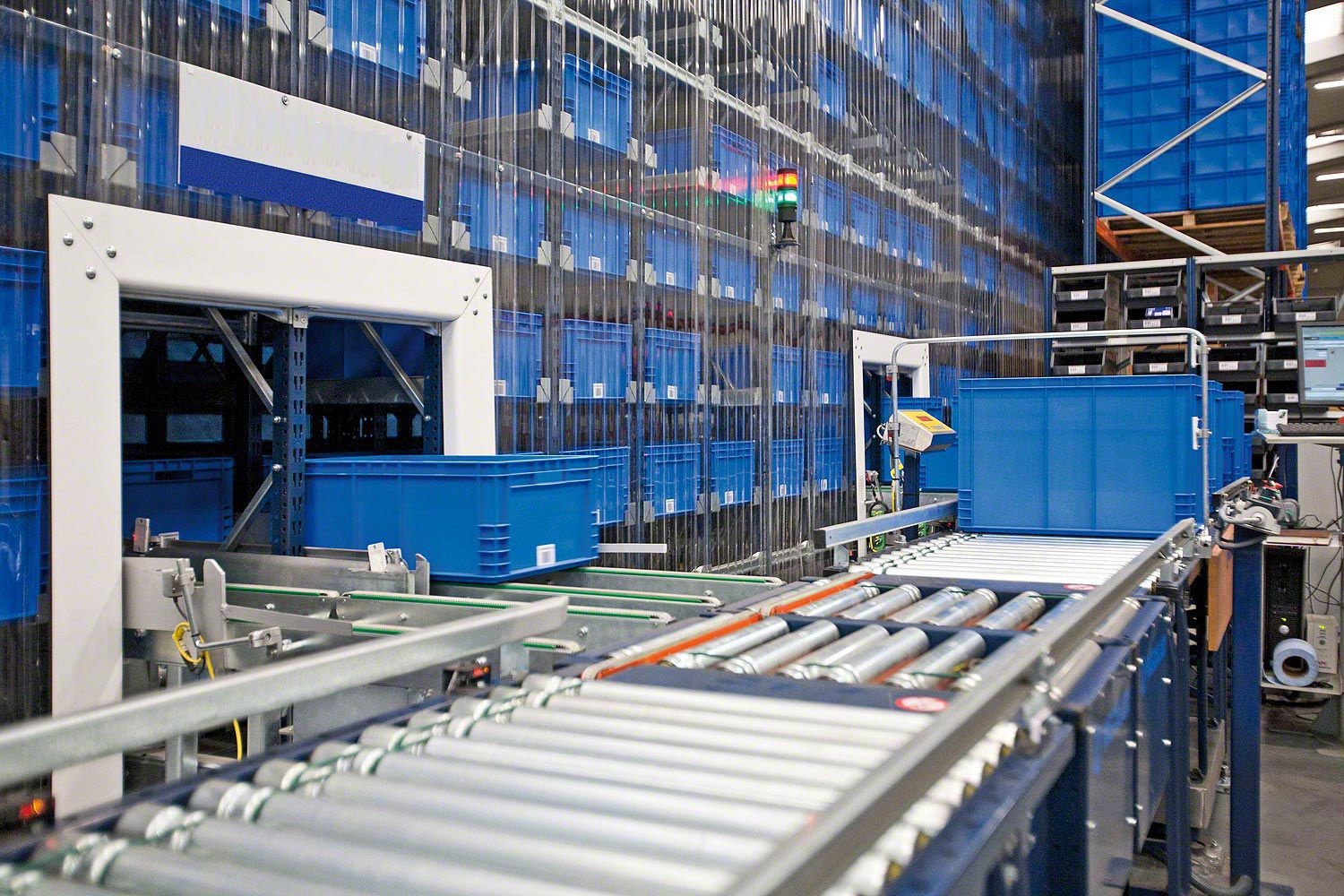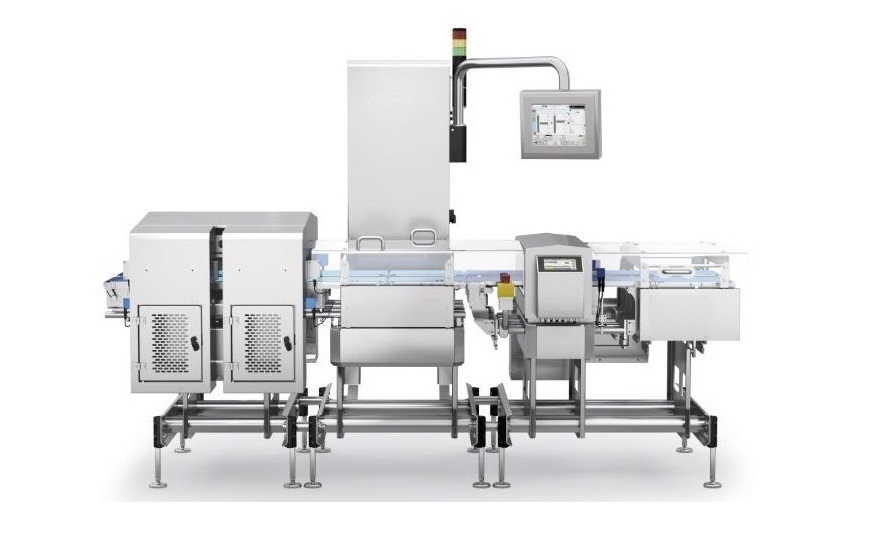


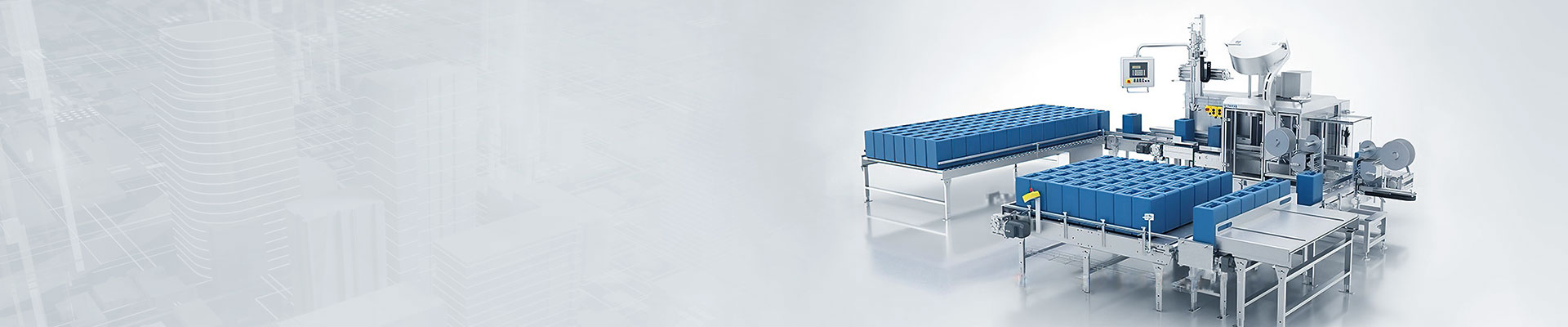




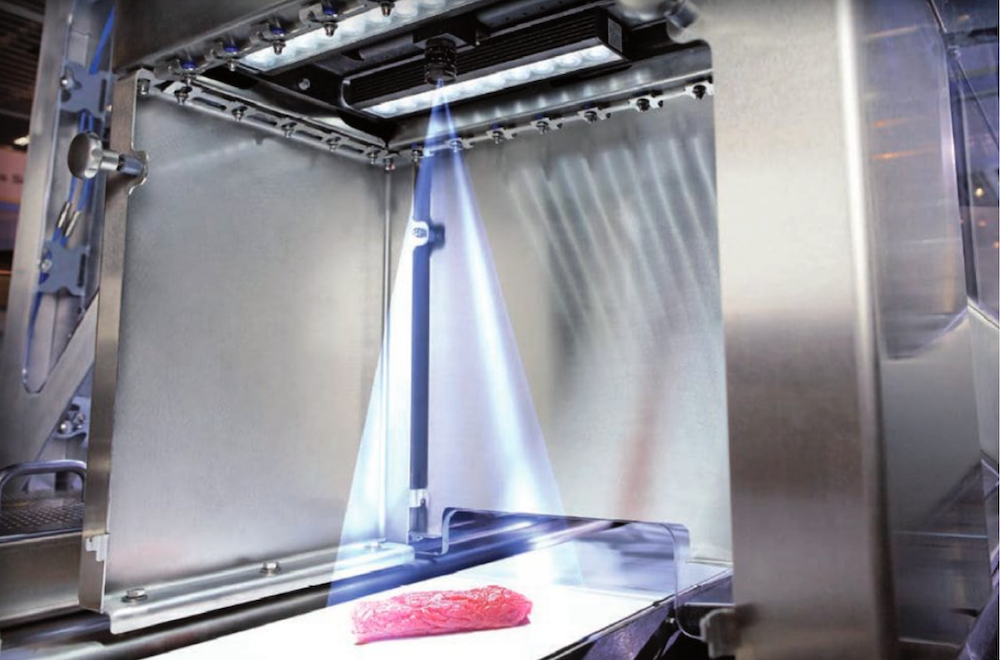
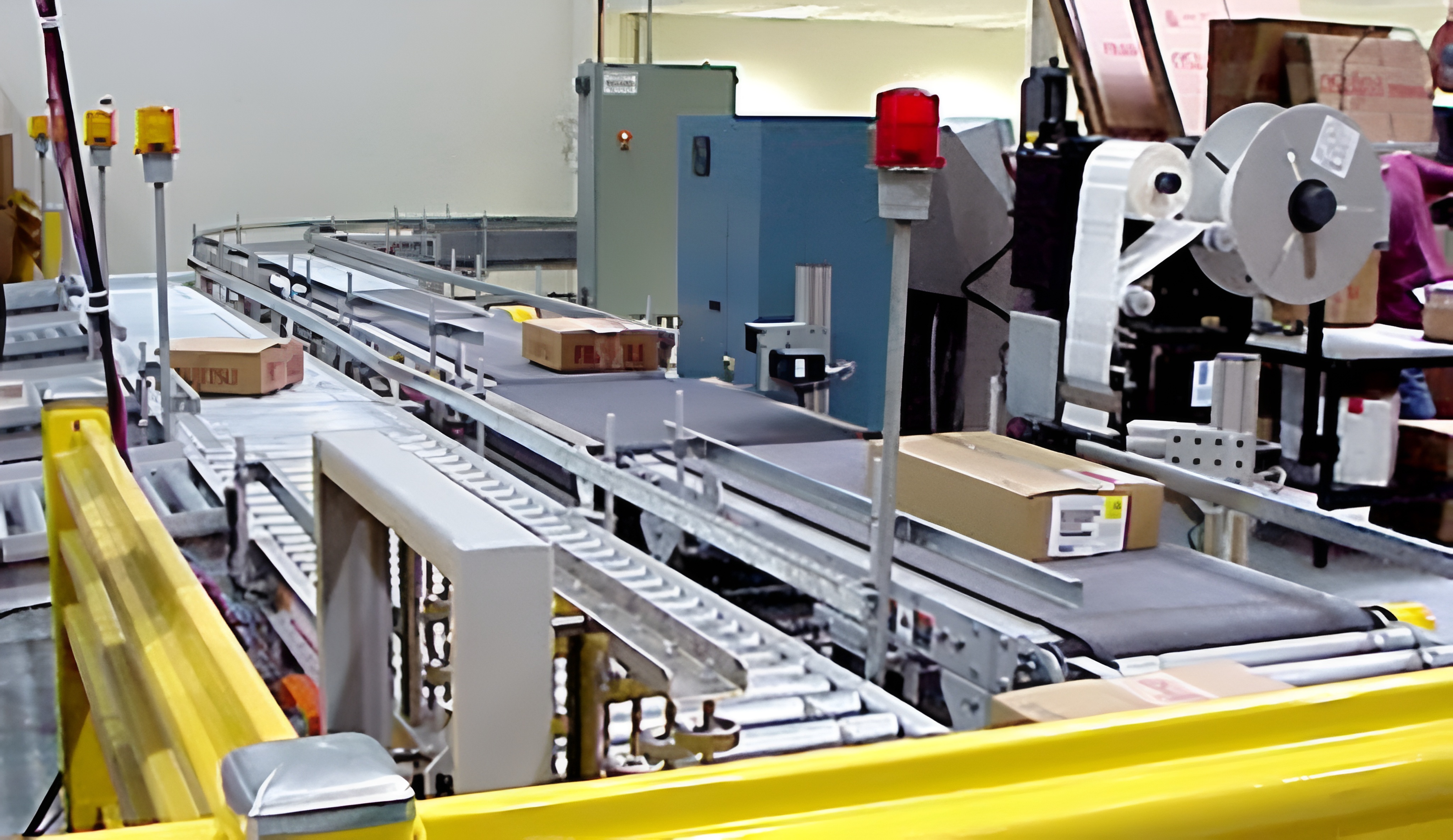


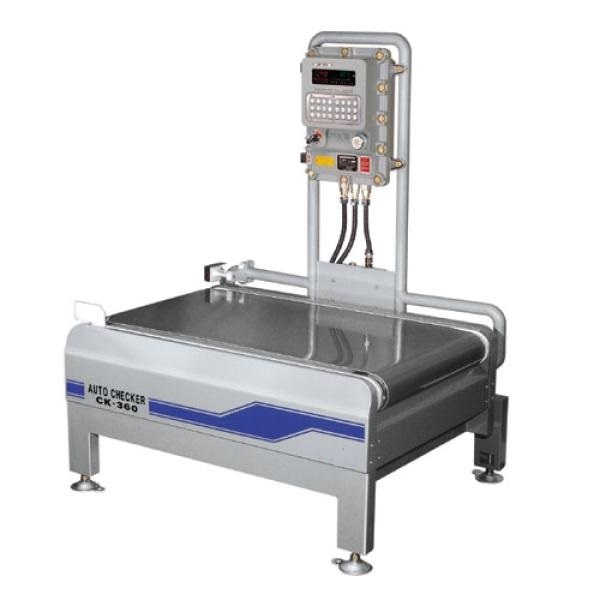
The detector can be integrated with all kinds of packaging production lines and conveying systems, and is mainly used to detect whether the product weight is qualified or not and whether there are missing parts in the packaging. Or according to the different weights of the articles. Control the identification, reception and processing of sorting signals, instruct detection according to the requirements of sorting signals, and automatically classify commodities according to commodity varieties, delivery places or categories of consignors. These sorting requirements can be input into the sorting control system in different ways, such as bar code scanning, color code scanning, keyboard input, weight detection, voice recognition, height detection and shape recognition, etc. According to the judgment of these sorting signals, it is decided which sorting crossing a certain commodity should enter.

 020-34563445
Measurement and testing machines generally consist of control devices, classification devices, conveying devices, and sorting ports. The function of the control device is to identify, receive, and process sorting signals, and instruct the classification device to automatically classify goods according to the requirements of the sorting signals, by product variety, by delivery location, or by the category of the shipper. These sorting requirements can be inputted into the sorting control system through different methods, such as barcode scanning, color code scanning, keyboard input, weight detection, voice recognition, height detection, and shape recognition. Based on the judgment of these sorting signals, it is determined which sorting gate a certain product should enter. The function of the sorting scale classification device is to, based on the sorting instructions issued by the control device, when goods with the same sorting signal pass through the device, the device will act to change the direction of operation on the conveyor and enter other conveyors or sorting gates. There are many types of classification devices, generally including push out, floating, tilting, and branching types. Different devices have different requirements for sorting the packaging materials, packaging weight, and smoothness of the bottom surface of the packaging. The main component of the weighing control system is the conveyor belt or conveyor, which is mainly used to pass the sorted goods through the control device, classification device, and two sides of the conveyor device. Generally, several sorting gates are connected to make the sorted goods slide down the main conveyor (or main conveyor belt) for subsequent operations. The sorting gate is a passage for sorted goods to leave the main conveyor (or main conveyor belt) and enter the cargo collection area. It is generally composed of steel belts, belts, rollers, etc., which make the goods slide from the main conveyor device to the cargo collection platform. There, the staff will collect all the goods at the gate and either store them in the warehouse or assemble them into trucks for distribution operations. Connected together through computer networks, combined with manual control and corresponding manual processing steps, to form a complete automatic Sorting machine; Can store more than 10 different weight specification parameters, meeting different needs; Automatically reset the weight of the product during transportation; Unqualified product alarm light indicates and stops conveying, easy to operate, exquisite appearance.
The sorting machine adopts a conveying mechanism on the scale body, a weighing module located below the conveying mechanism, an intelligent sorting mechanism located on the right side of the conveying mechanism, and a touch weighing instrument connected to the intelligent sorting mechanism. The intelligent sorting mechanism is electrically connected to the weighing module. Through the touch weighing instrument, the product name and corresponding level information that need to be weighed can be set, and the pre-set product name and corresponding level information can be sent to the intelligent sorting mechanism for storage through the touch weighing instrument. When it is necessary to sort products, the intelligent sorting mechanism sorts them according to the weight information of the products to be sorted based on the pre-set information. The automatic sorting machine not only effectively realizes the weighing function of products by setting an intelligent sorting mechanism connected to the weighing module on the right side of the conveying mechanism, but also quickly and accurately sorts them based on the weighing information of the products, greatly reducing manual consumption and improving work efficiency.
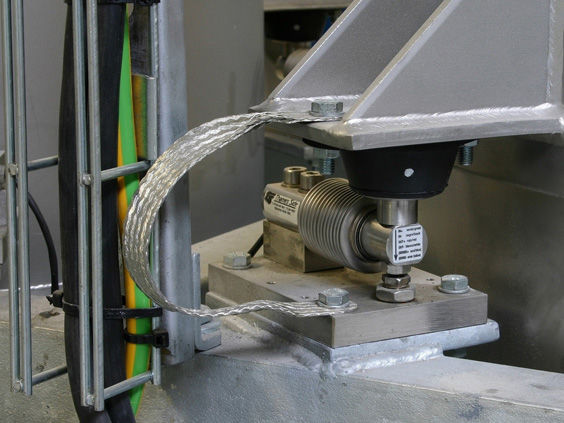
The sorting scale adopts a first conveyor belt and a second conveyor belt arranged in sequence. The weighing module is located below the second conveyor belt. The first conveyor belt and the second conveyor belt move forward at the same speed under the drive of the first driving motor. The weighing module is located on the lower surface of the second conveyor belt and is used to weigh the products to be sorted as they move forward with the second conveyor belt. The weighing module is a resistance based weighing sensor used to obtain weighing information of the products to be sorted. It consists of elastic sensitive elements, resistance strain gauges, compensating resistors, and a housing. Convert it into a digital signal through an A/D conversion module and transmit it to the intelligent sorting mechanism. The intelligent sorting mechanism includes a PLC control system connected to the weighing module and touch weighing instrument, a memory and controller connected to the PLC control system, and a guiding mechanism connected to the controller. Based on the measurement data of the products to be sorted corresponding to the digital signal, compare the measurement data with the pre-set product name and corresponding grade information to obtain the grade corresponding to the products to be sorted, and send the grade information of the products to the controller, memory, and tactile weighing instrument. The memory is used to store the product name and corresponding grade information pre-set by the touch weighing instrument, as well as the weight and sorting results of the products to be sorted. The controller sends control signals based on the grade information of the products to be sorted provided by the PLC control system to control the guiding mechanism to sort the products.
Technical parameters
Testing weight: 1-3000 g
Resolution: ± 0.1 g to ± 0.5 g
Sorting speed: 30-60 times/minute
Belt height: 1000 mm (can be designed according to needs)
Weighing conveyor belt size: 400 × 200 mm
Excluded institution: Pneumatic
Power requirement: AC220 V ± 10% 50 Hz 750 W
Machine weight and dimensions (length x width x height): 70 kg; 2650 x 750 x 1200 (mm)