





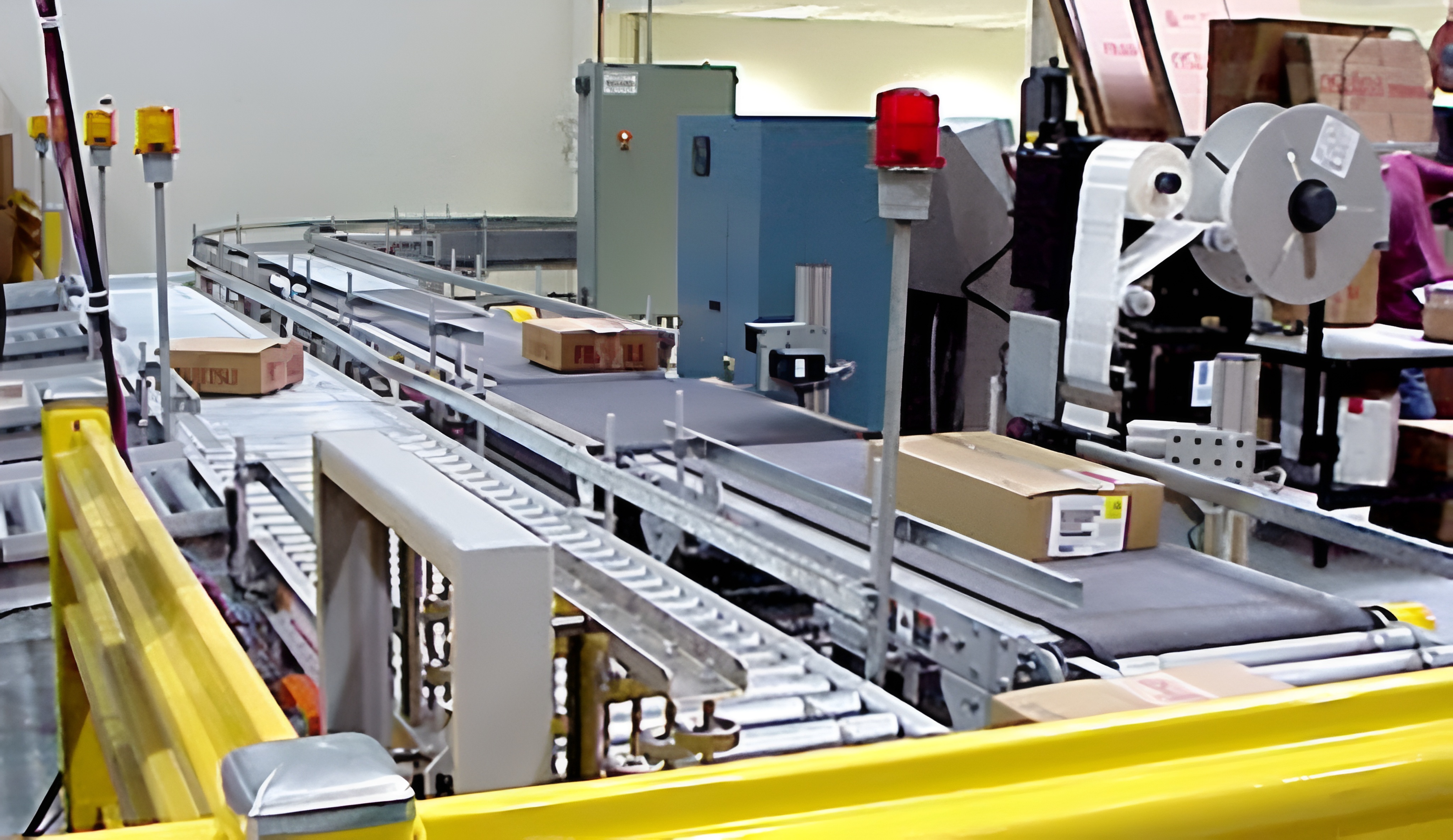
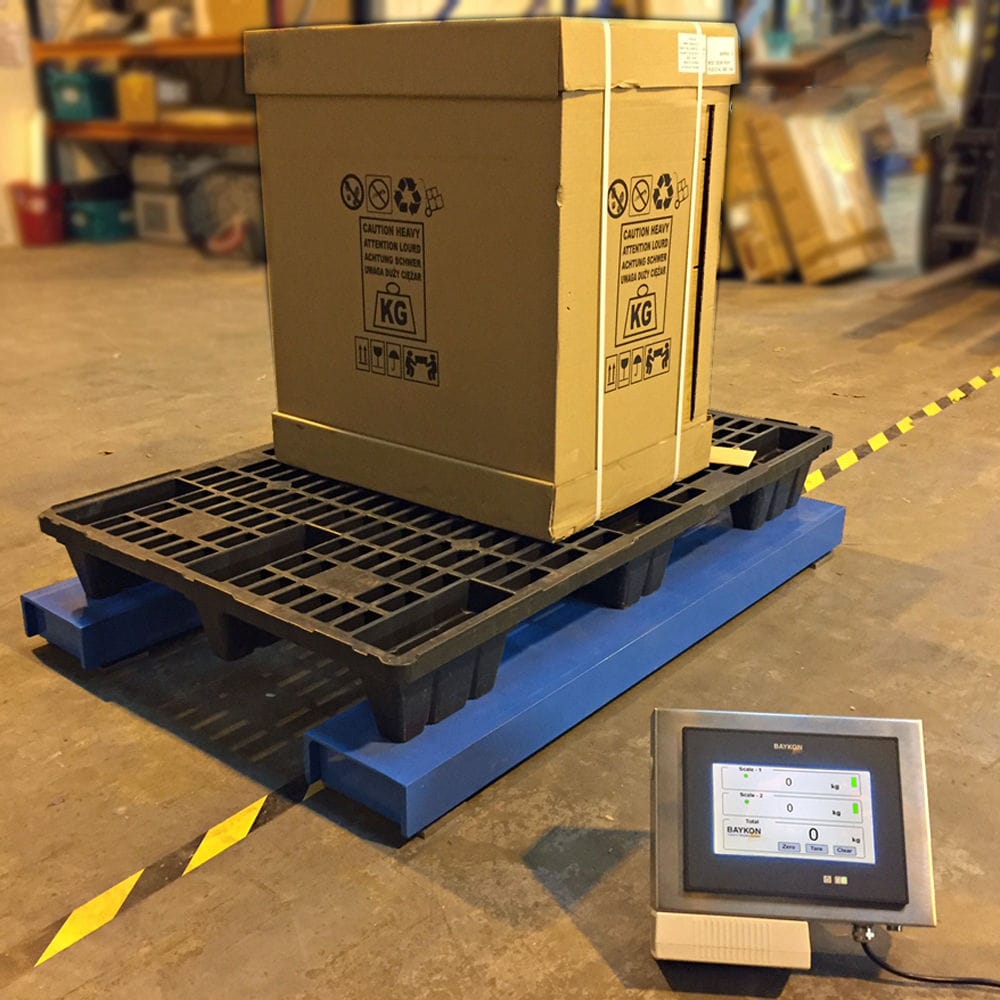


The inspection machine realizes high-speed and high-precision weight detection for the products moving on the production line, and compares the detected weight with the pre-set upper and lower limit ranges to automatically sort out the products that are too light or too heavy. The speed of the feeding conveyor needs to be set before work, and then when the product enters the conveyor, the system can recognize the external signal for weighing, and in the process, the system will select the signal in the signal stability area for processing, so as to get the weight information of the product. Then according to the specifications needed to divide the weight of different products, so as to carry out screening.


 020-34563445
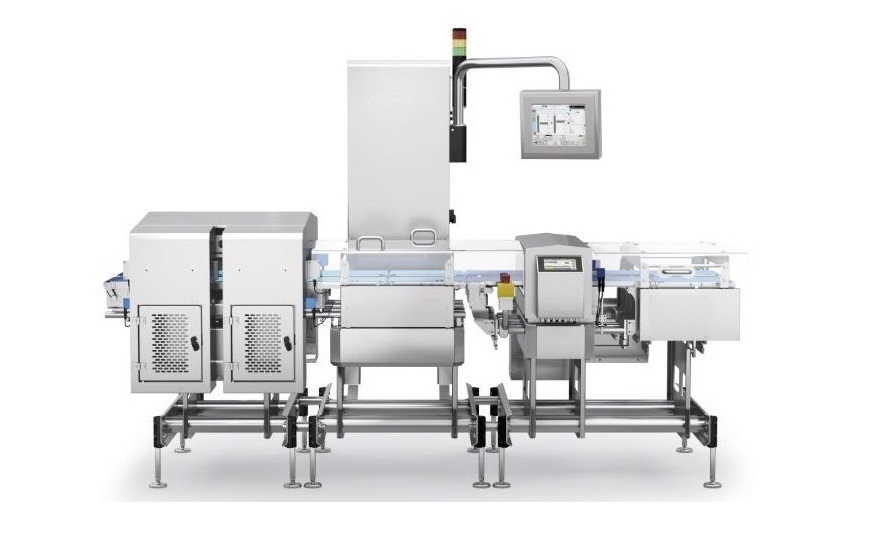
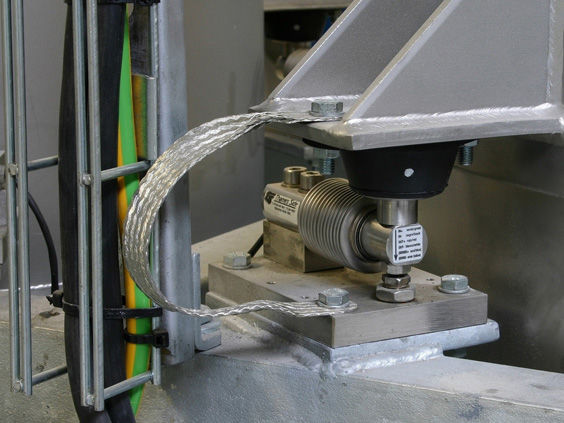
The inspection machine adopts the world's advanced digital weighing unit to achieve high-speed and stable measurement. The patented scale frame structure ensures precise and stable operation during dynamic operation, with a LCD touch screen operating system and a Chinese English interface for easy learning; Powerful data statistics function, recording the detection data of each class; Adopting a detachable conveyor belt for easy maintenance. The measuring and weighing machine is mainly used for automatic weight detection, online and offline discrimination, or weight grading selection on various automated packaging assembly lines. The Electronic scale is composed of electronic components such as weighing sensors, amplification circuits, AD conversion circuits, microcontroller circuits, display circuits, keyboard circuits, communication interface circuits, and stabilized power supply circuits. Workflow description: When an object is placed on the scale, pressure is applied to the sensor, which deforms, causing a change in impedance. At the same time, the excitation voltage changes and outputs a simulated signal of the change. The signal is amplified by an amplification circuit and output to an analog-to-digital converter. Convert it into a digital signal that is easy to process and output it to the CPU for operation and control. The CPU outputs this result to the display based on keyboard commands and programs. Until this result is displayed. Packaging products are weighed and tested by a weighing scale. Qualified products are sent back to the original conveyor belt, while unqualified products are rejected (or alarmed and stopped). The sorting scale has functions such as classifying and counting products according to settings, automatically providing feedback signals to adjust and correct feeding equipment, displaying fault alarm information in text, and displaying various graphic statistics. It is a dynamic weighing method.
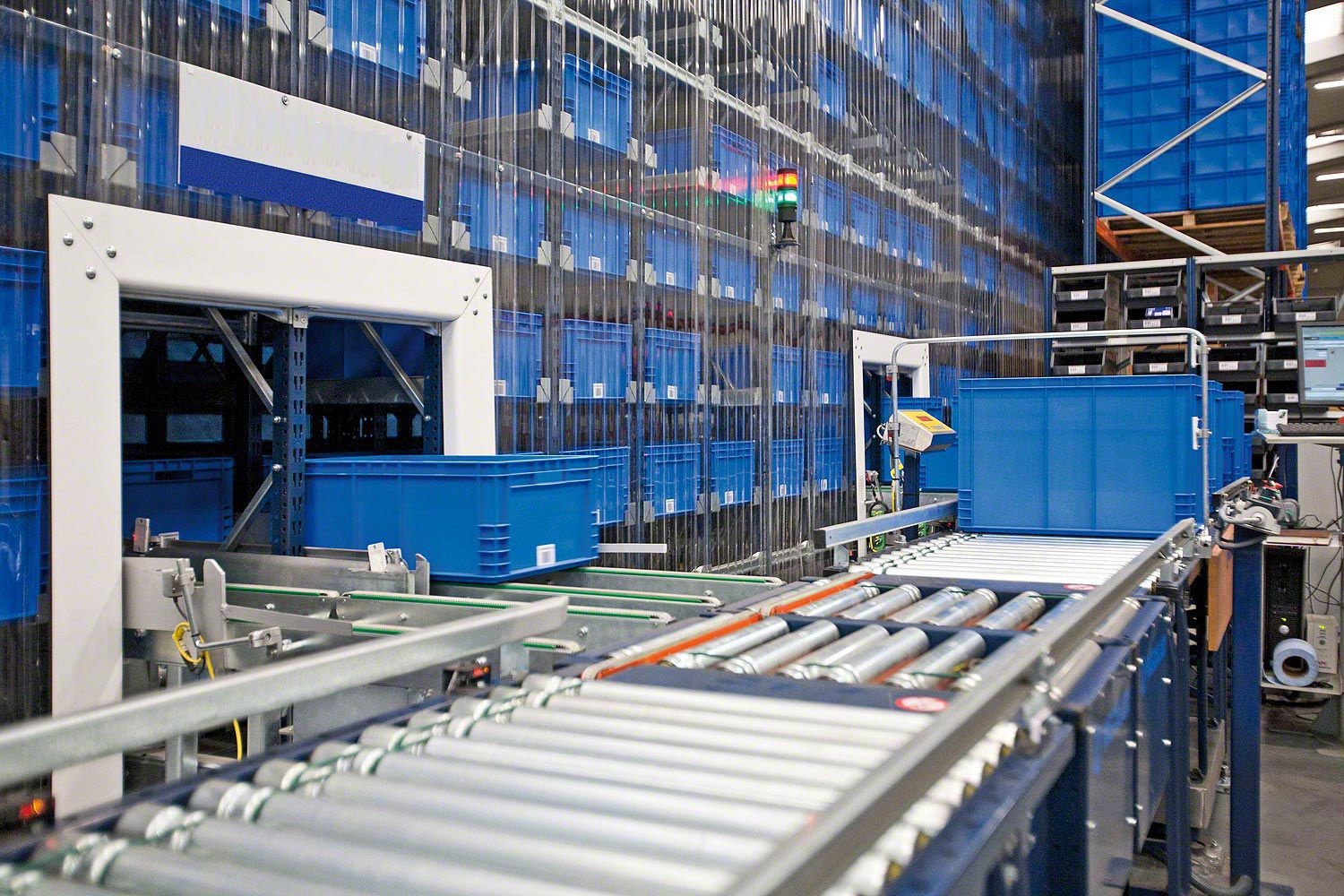
The weight inspection machine includes a roller conveyor line connected to the production line and a weight inspection table. The roller conveyor line is set on the weight inspection table, and the roller conveyor line includes a support frame, multiple rollers horizontally installed side by side on the support frame, and a motor connected to the roller drive. The roller is equipped with a lifting mechanism below it, which includes an installation seat that can be lifted up and down, and multiple telescopic rods that can be synchronously extended and retracted between the installation seat and the weight inspection table. The surface of the installation seat forms multiple strip-shaped protrusions, which are equipped with freely rolling ball bearings. The upper surfaces of multiple ball bearings are set flat. A groove is formed between adjacent strip-shaped protrusions. The width and height of the groove are both greater than the diameter of the roller, so that when the telescopic rod lifts the mounting seat, the groove has sufficient travel to ensure that the upper surface of the ball is higher than the upper surface of the roller. In addition, there is a cylinder on the support frame, and the output end of the cylinder is equipped with a push plate to increase the contact area with unqualified products. The motor, weighing platform, telescopic rod, and cylinder are all electrically connected to the controller. The weighing platform feeds back information to the controller, and the controller controls the start and stop of the motor, telescopic rod, and cylinder based on the feedback from the weighing platform. The end of the roller is equipped with gears, and adjacent rollers are connected through gears for transmission; The output end of the motor is connected to the end of one of the rollers for transmission. The telescopic rod can be equipped with a cylinder, and the weight inspection table is set on the frame to adapt to the height of the production line. The support frame is equipped with an unloading mechanism, which is located on the support frame and opposite to the cylinder. The unloading mechanism includes two inclined connecting plates and multiple rollers arranged between the two connecting plates. The rolling roller can convert the sliding friction between the product and the unloading mechanism into rolling friction, and enhance the stability of the unloading mechanism by supporting the unloading mechanism through the support rod.
The outer side of the support frame of the detection machine is equipped with a vertical support rod, and the display is located at the top of the vertical support rod; The vertical support rod and the cylinder are located on the same side of the support frame, enabling real-time weighing of the product while it is being transported and displayed on the monitor, making the weight inspection results more intuitive. Start the motor when checking the weight of the product, so that the products on the upstream production line are placed on the weight inspection table through the rolling rollers. The weighing platform feeds back the weight information of the product to the controller. If the product is qualified, it will continue to be conveyed forward through the rolling roller. If the product is not qualified, the controller stops the operation of the motor, starts the telescopic rod, and the telescopic rod lifts the mounting seat until the upper surface of the ball is higher than the upper surface of the roller. At this time, all the pressure of the product is applied to the ball, and the roller will not be subjected to the pressure of the product. The controller starts the cylinder and pushes the product away from the roller conveyor line along the axis direction of the roller. Due to the formation of rolling friction between the product and the ball, the rolling friction between the product and the ball is much smaller than the sliding friction between the product and the roller directly. The cylinder can push the product away with a small thrust, while also reducing the wear on the surface of the product packaging and maintaining the aesthetic appearance of the product packaging when sold.
Technical parameters
Sorting range: 400~36kg
Sorting accuracy: 20g
Sorting speed: Max. 30 times/minute
Minimum display: 10g sorted material (width 200~650mm) (length 150~1130mm, height 150~1130mm)
Power supply: AC110/220V, 50/60HZ
Operating temperature: 20 ℃~50 ℃