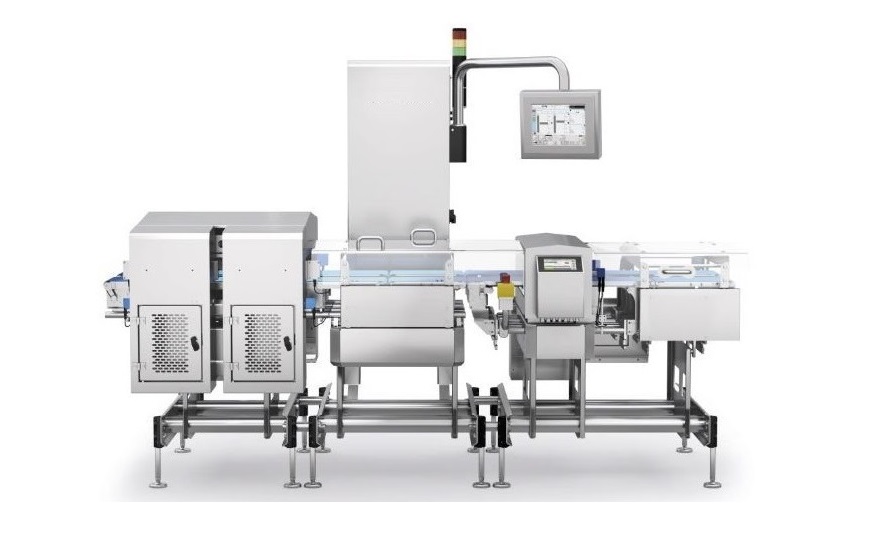









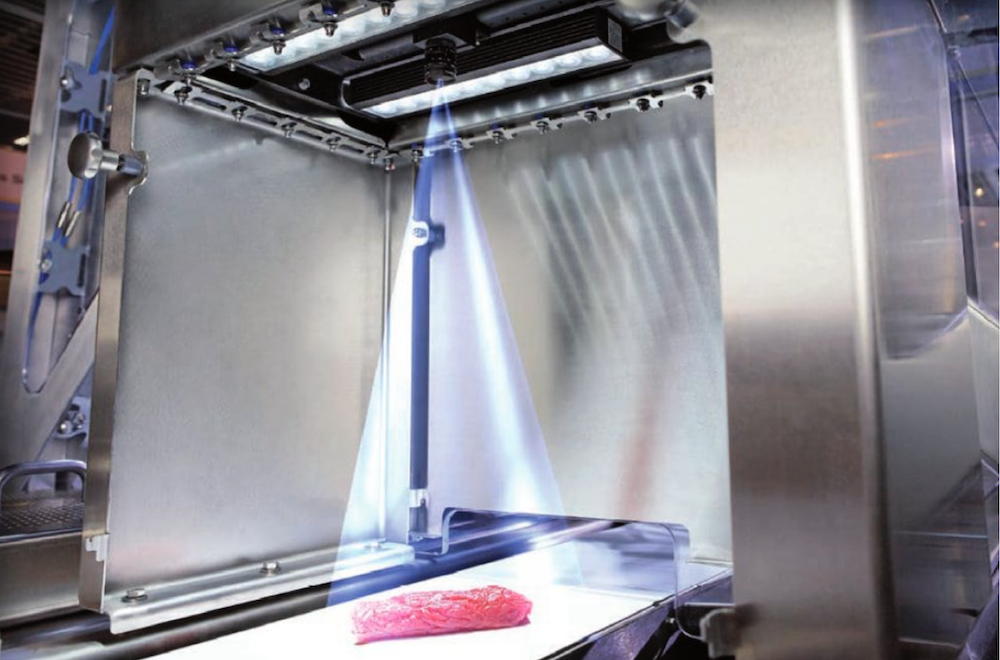
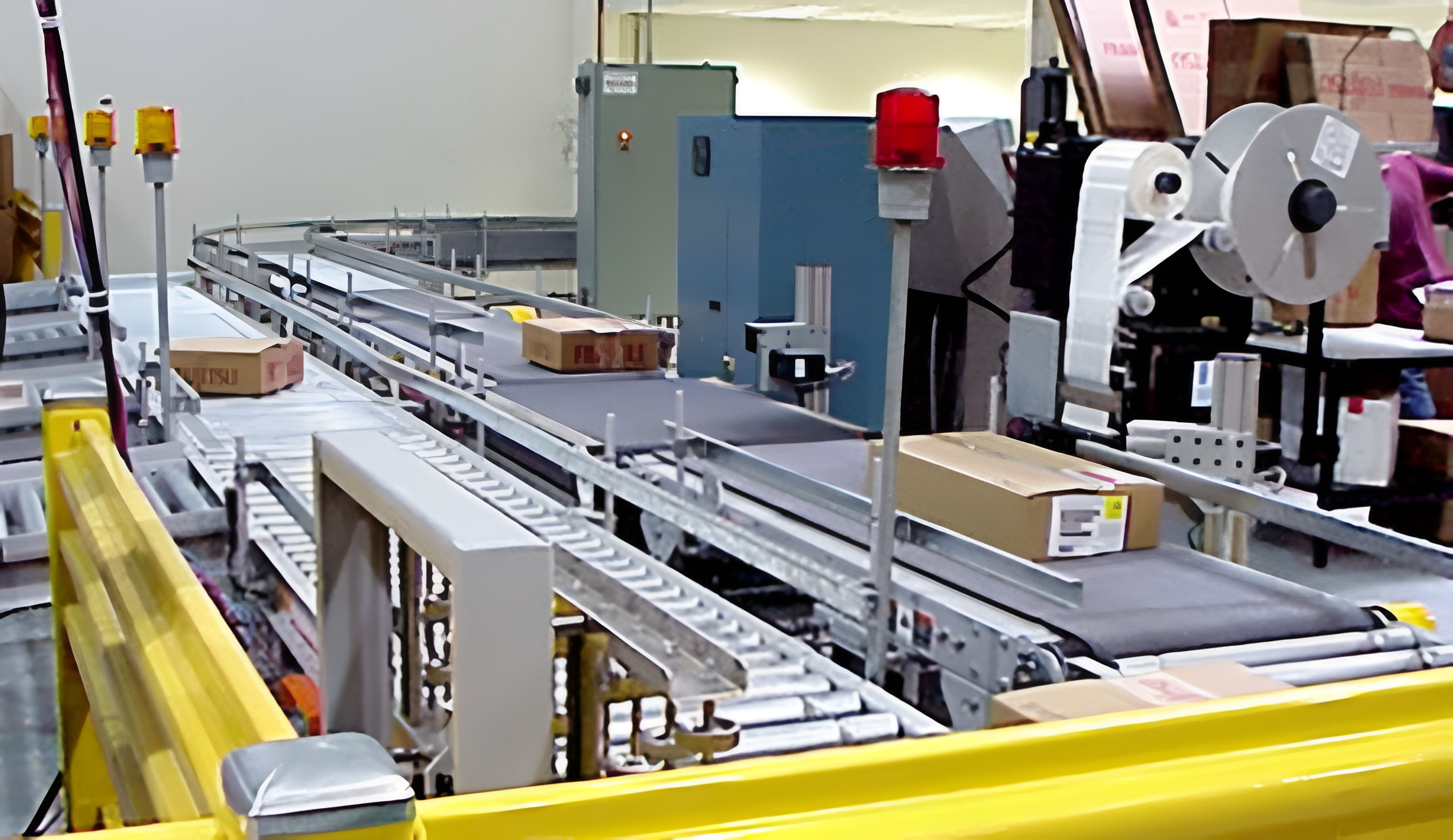
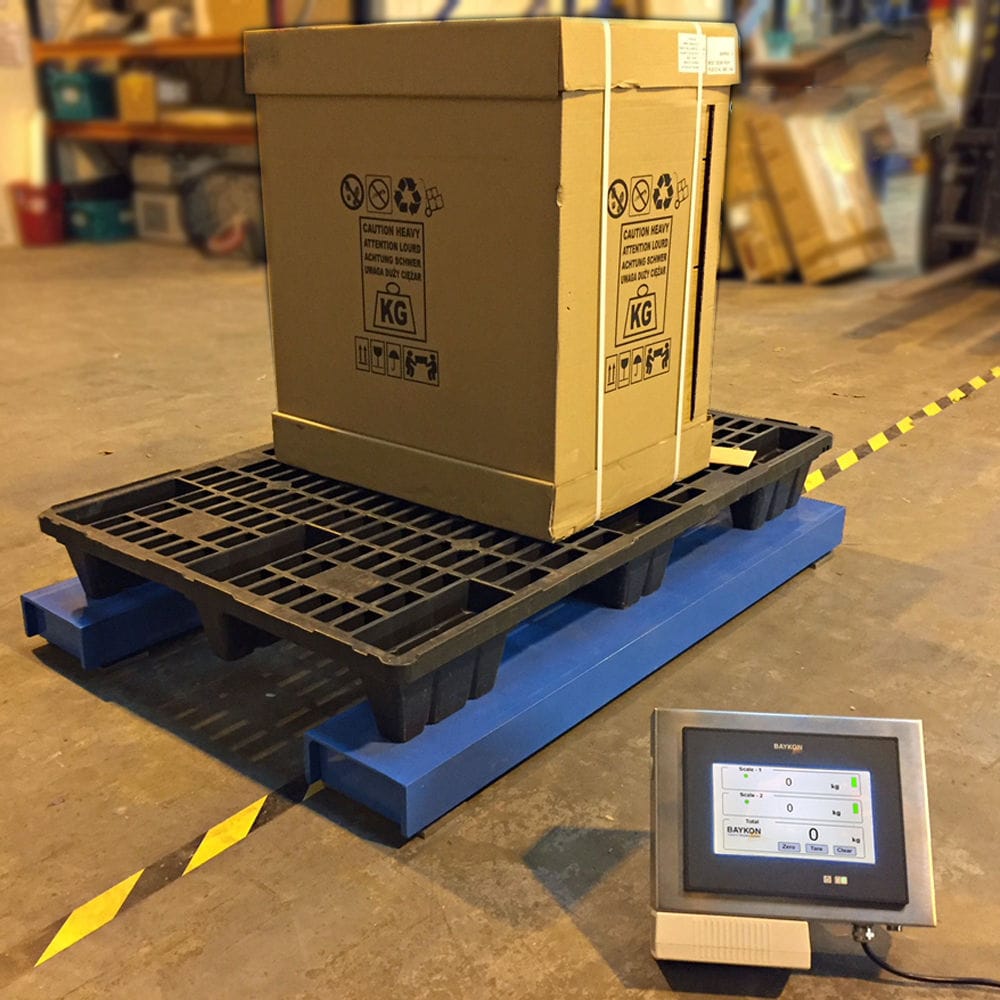


The servo sorting machine completes the measurement of product volume during the product transportation process, compares the measured volume with the preset range, and issues instructions from the control box to remove the products that do not meet the measurement standards, or to send products with different measurement ranges to designated areas. The weighing mechanism collects the measurement signals and sends them to the control box for processing. The conveying mechanism mainly ensures sufficient spacing between products by increasing the speed. The sorting mechanism is used to remove the Unqualified products that have passed the inspection.

 020-34563445
The servo Sorting machine is designed as a closed-loop servo system. The closed-loop servo system consists of a Weighing system, a PLC controller, a servo driver, a servo motor, and a ball screw transmission mechanism. The weighing module checks the position command and sends the command to the weighing instrument. The PLC program runs and sends pulses to the servo driver. The servo driver controls the running distance and speed of the servo motor based on the weight and quantity received by the weighing instrument. The ball screw is connected to the servo motor through a coupling, and operates under the control of the servo driver. The control of the slider's speed and distance is achieved. The dynamic process of the servo system refers to the transition process from one stable state to a new stable state under the input action.
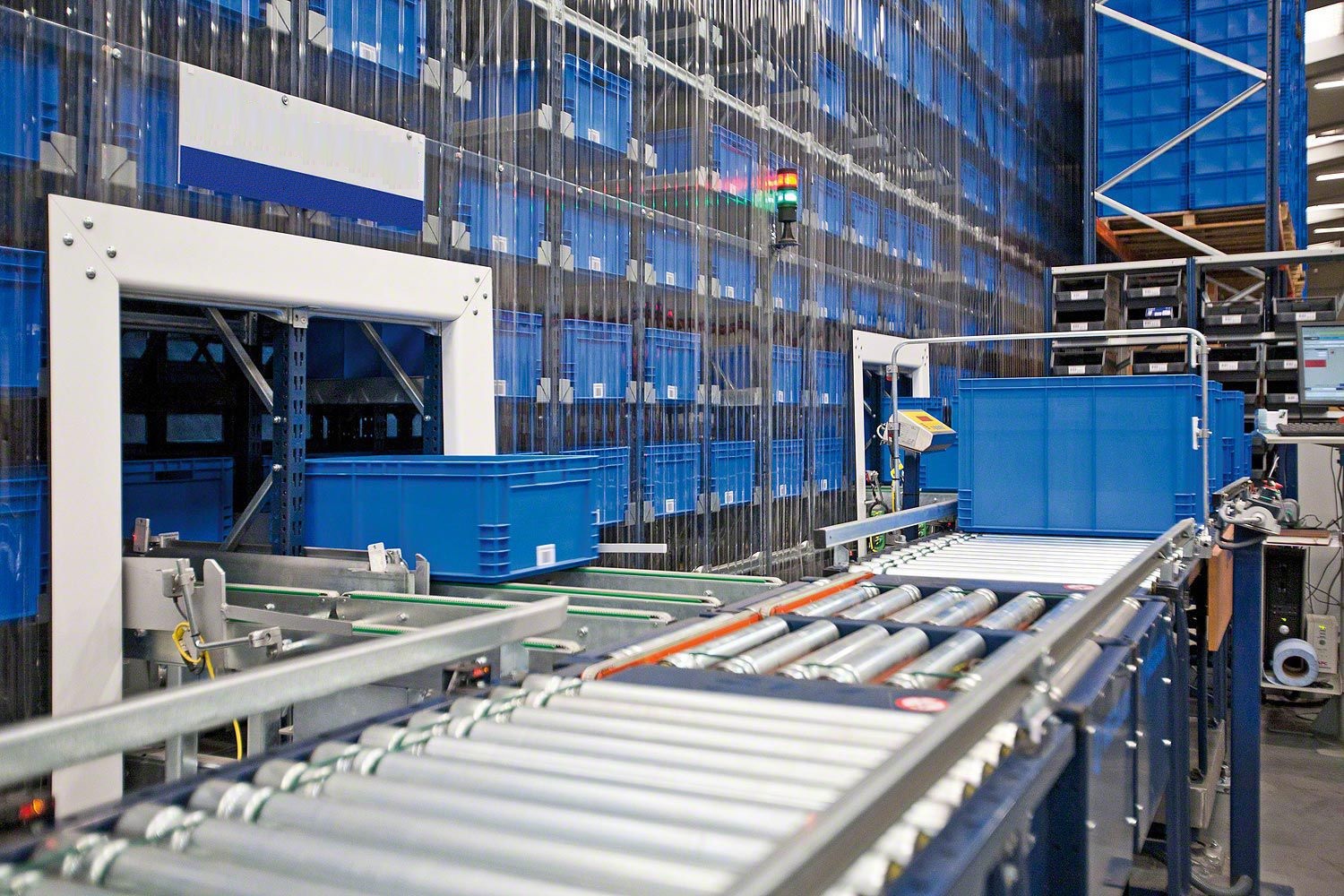
The weighing machine can be integrated with various packaging production lines and conveying systems. It is mainly used for online detection of whether the product measurement is qualified and whether the complete box packaging is missing. Online weighing has gradually become an indispensable part in modern industrial production, especially in the production processes of food and pharmaceutical industries. The sorting machine completes the measurement of product quantity during the product conveying process and compares the measured quantity with the preset range. The control box issues instructions to remove products with Unqualified measurement or send products with different measurement ranges to designated areas. The weighing mechanism collects the measurement signals and sends them to the control box for processing. The conveying mechanism mainly ensures that there is sufficient spacing between products by increasing the speed. The sorting mechanism is used to remove the不合格 products that have been detected.
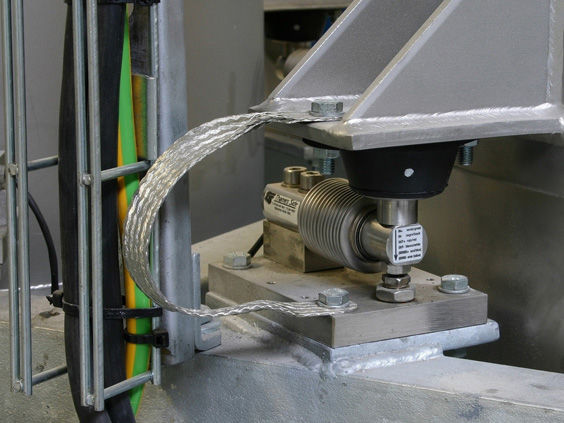
The basic mechanical structure of the sorting machine includes: the weighing module part, the conveying mechanism, the feeding mechanism, the detection device, and safety protection, etc. The weighing module is the load-bearing component of the production line and must have good strength and rigidity to ensure the stability of the production line's measurement. The conveying mechanism's function is to transport the cartons to the position for Electronic scale detection and then send the cartons to the entrance of the conveyor through the cylinder. The feeding mechanism's function is to control the running speed of the cartons in the horizontal direction. It is composed of a motor, feeding rods, and conveyor belts.
The sorting system receives the weight of the cartons set by the PLC of the conveyor through the Siemens servo drive and controls the operation of the conveying mechanism and the transmission mechanism. The absolute value encoder of the motor itself detects the speed information and position information of the motor and transmits it to the servo mechanism. It is sent back through the same drive to the PLC for processing, thereby achieving overall closed-loop control. The servo control system precisely controls the equipment during operation. By precisely controlling the motor speed and weight position, the equipment can achieve precise positioning and high efficiency and accuracy of each part of the mechanism. The servo control of the motor uses a servo drive system, the conveying motor uses a permanent magnet synchronous motor with an absolute value encoder, and the feeding motor uses a synchronous servo motor with an absolute value encoder.
As a roller-type detection mechanism, the coupling connects the servo motor and the roller shaft to drive the active roller to rotate. The belt transmission composed of the active pulley, the driven pulley, and the tensioning pulley, through the rotation of the active pulley shaft, drives the driven pulley. The ball screw is connected to the servo motor through the coupling to obtain rotational power. The slider can slide left and right on the sliding guide rail through the rotation of the ball screw. The end of the electronic scale bracket is designed as a straight slot and is connected to the photoelectric switch bracket. It can measure different diameter and weight workpieces according to the distance between the photoelectric switch and the measured workpiece.
The sorting machine uses PLC to control the servo motor and completes the detection by weighing the measured workpieces. The measured workpiece is sent to the two rollers through the loading platform and follows the two rollers to rotate. The servo motor rotates the ball screw through the control of PLC. The slider moves on the sliding guide rail. When the slider moves towards the material outlet, the lever will move the measured workpiece that is rotating between the two rollers. During the movement, the workpiece is detected by the sensor photoelectric switch to obtain its information. The measured workpiece is then moved to the material outlet. The slider then moves the ball screw upwards towards the material inlet through the control of the PLC and the servo motor, thus completing the entire process of detection.