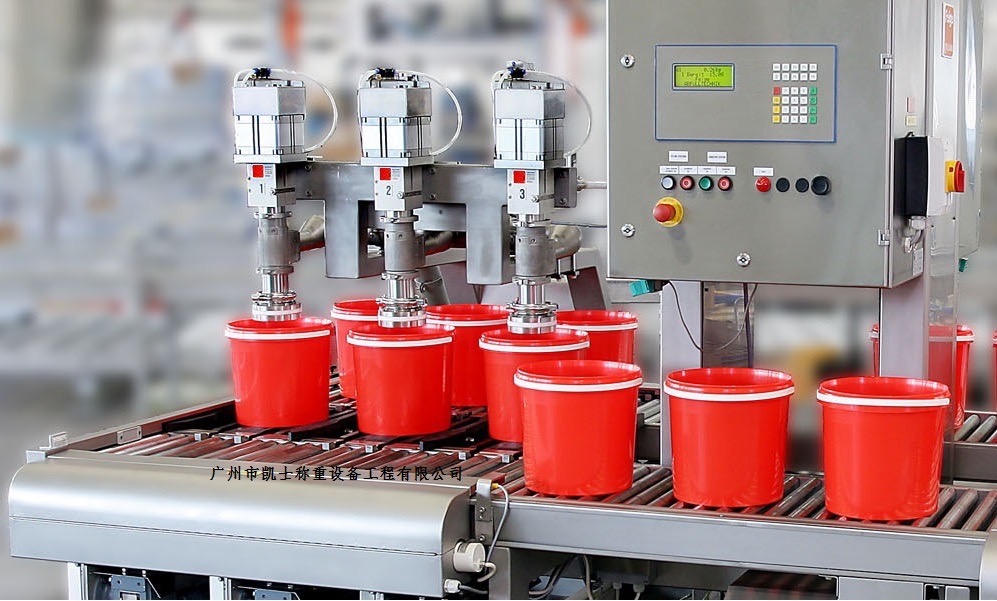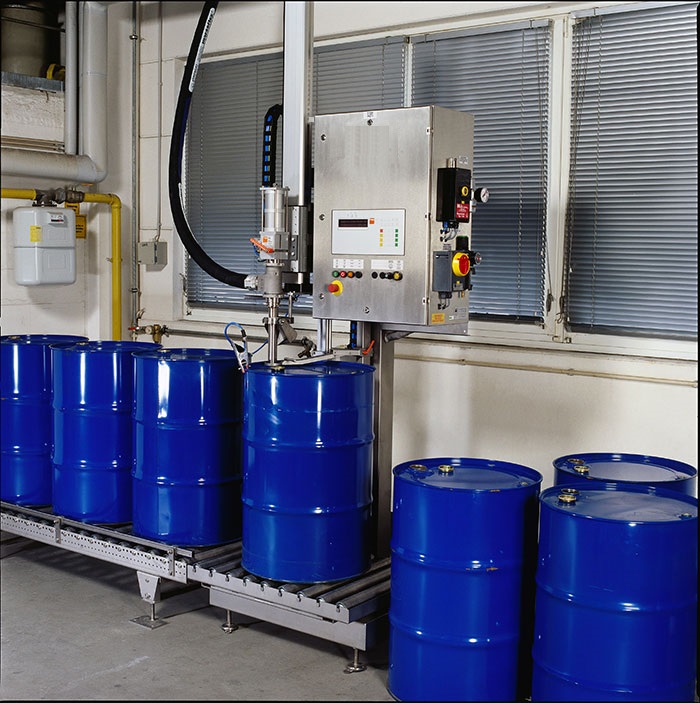


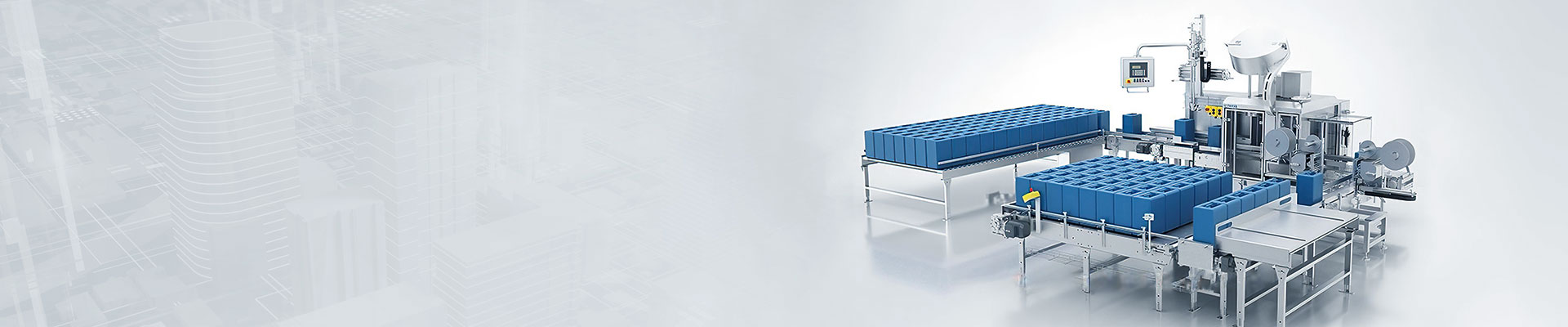
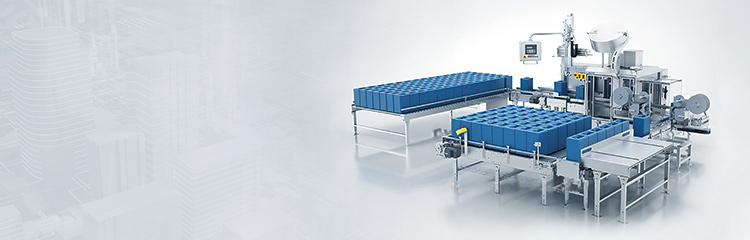


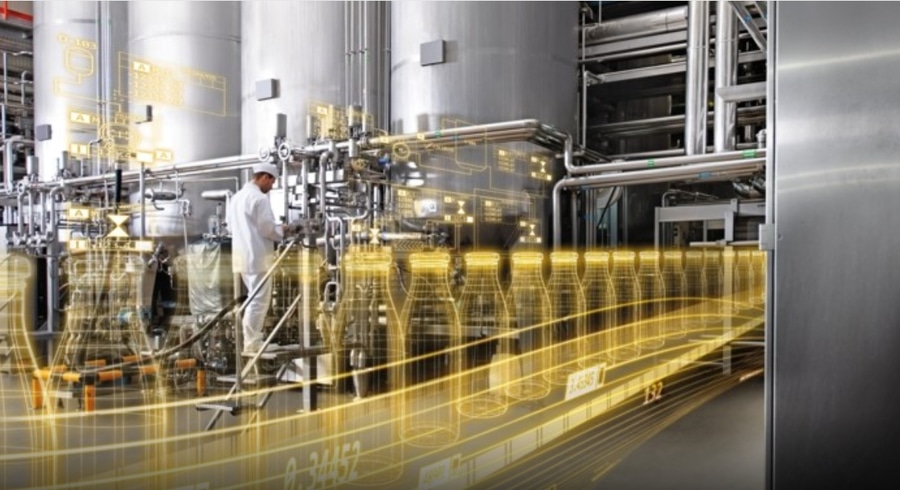
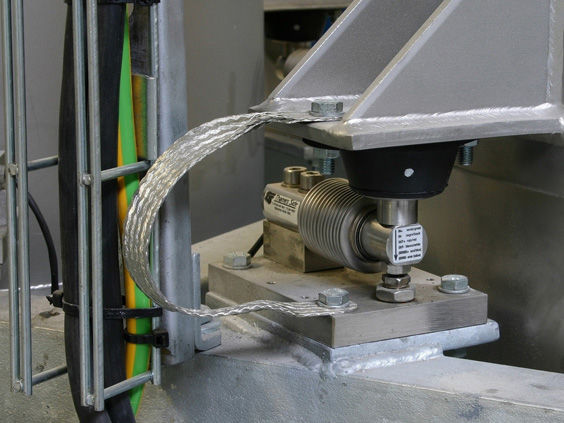
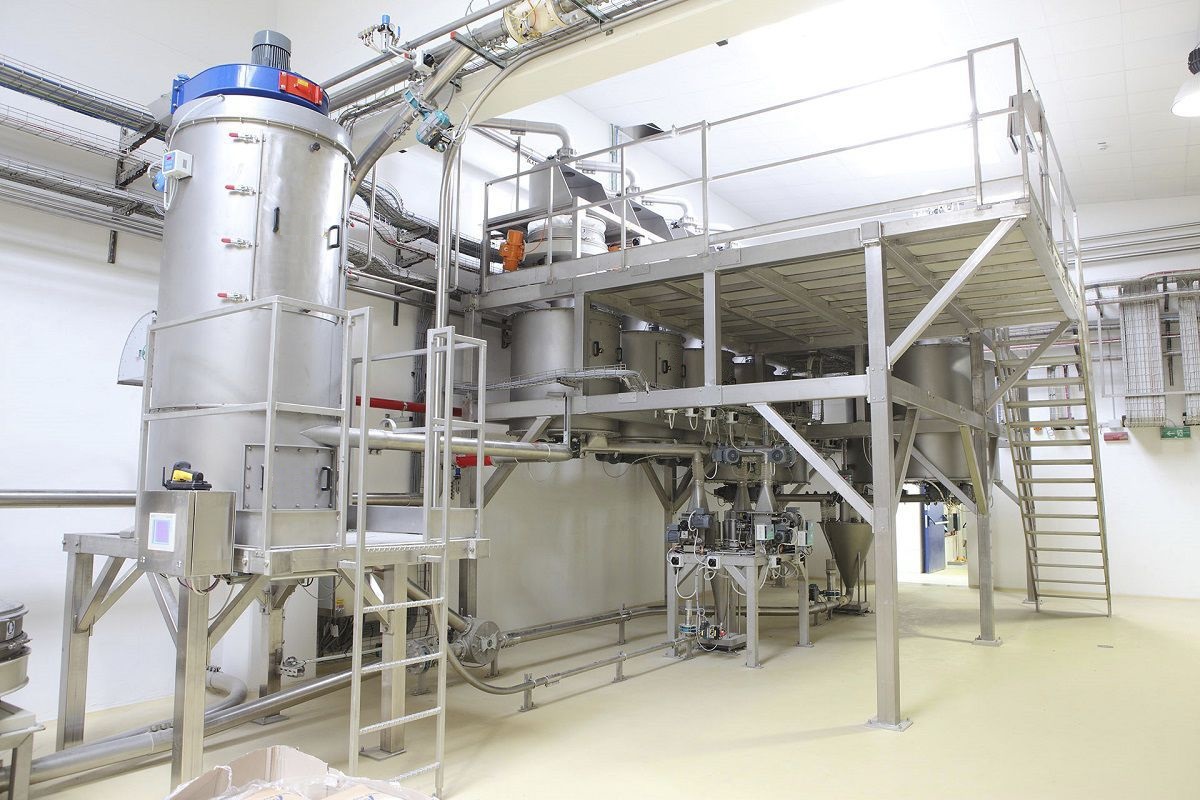
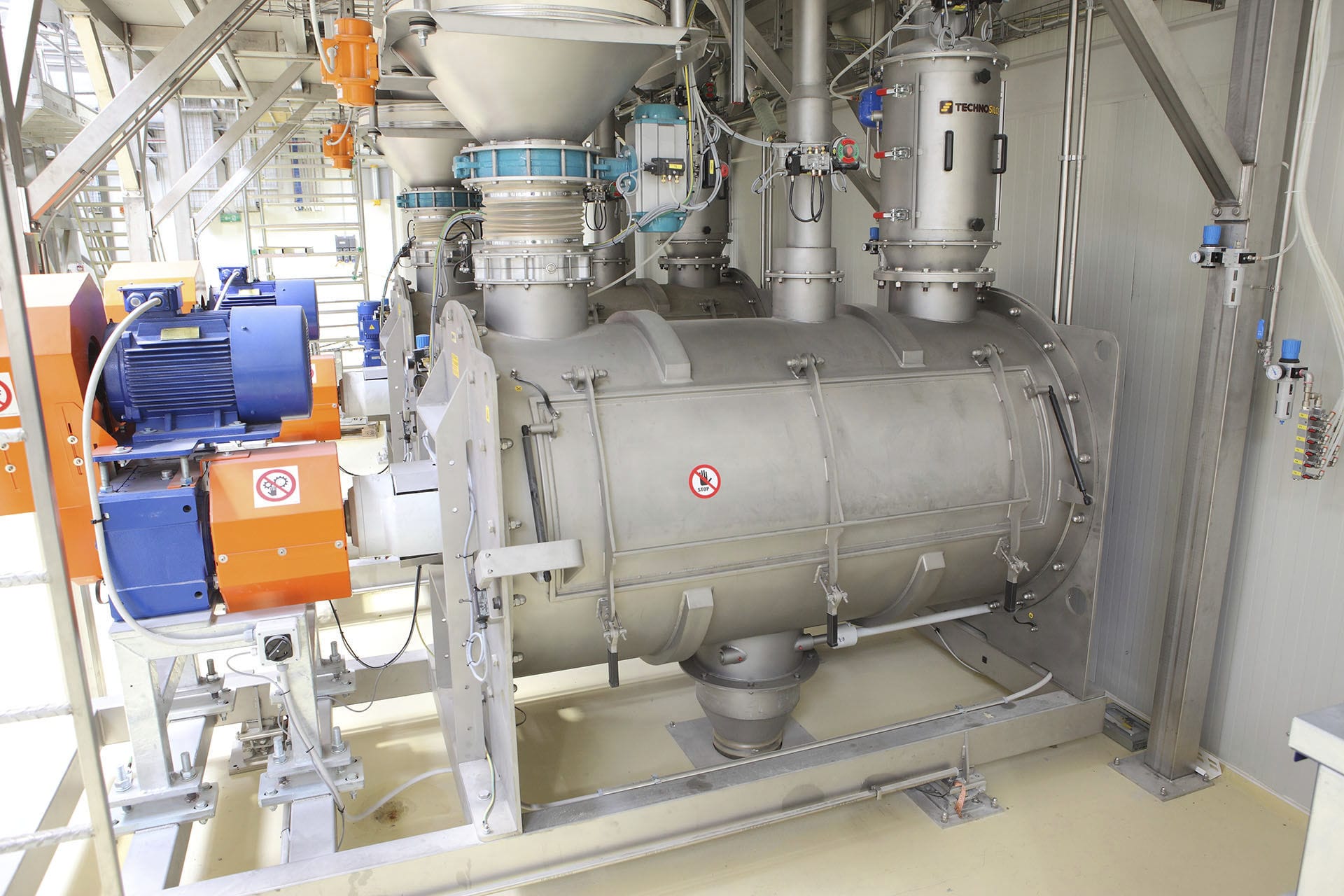
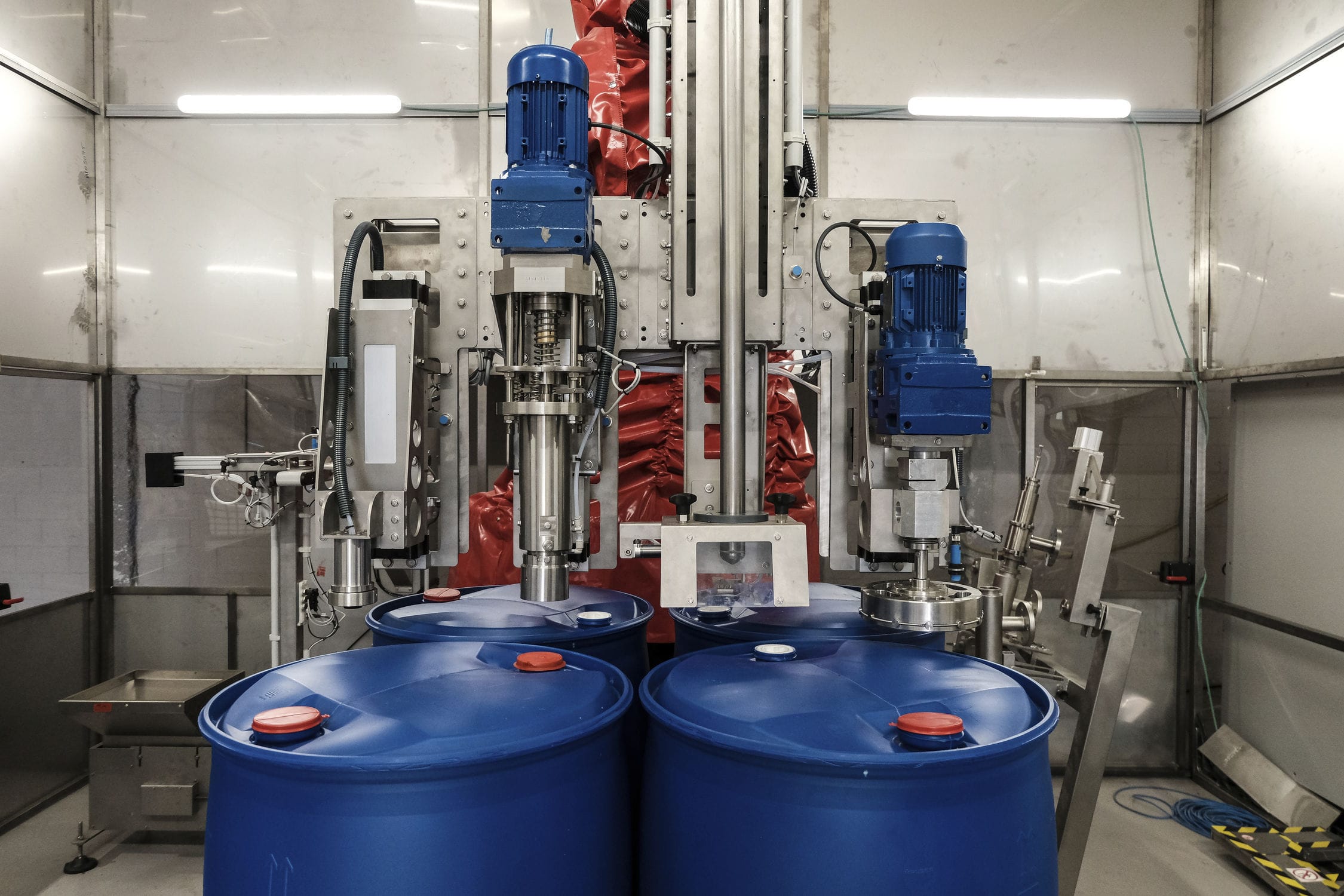
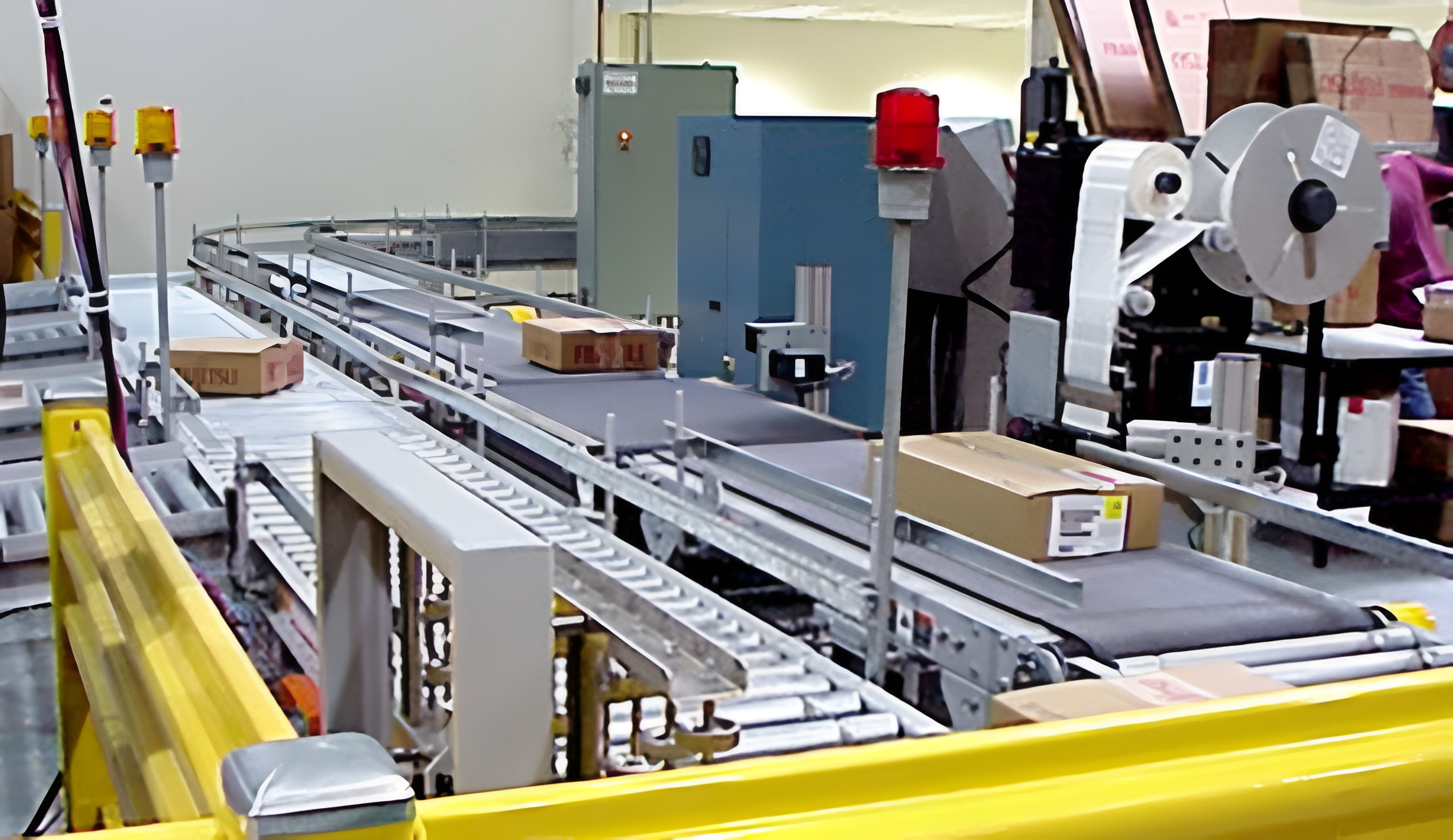
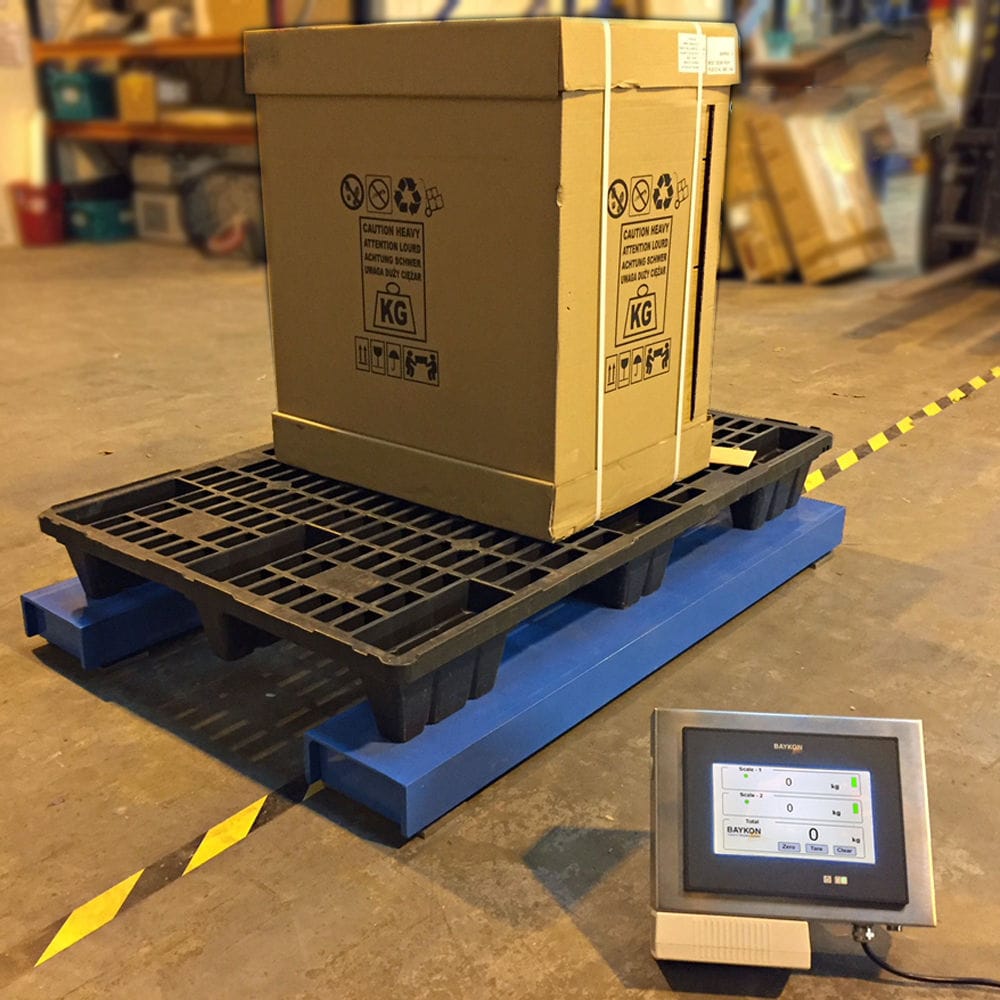


The Electronic scale filling machine sends the barcode data to the server by weighing module to get the barrel file data, and then sends it down to the filling scale through the weighing module. It adopts Profibus system configuration with PLC controller as the master and ET200 distributed I/0 as the slave to realize the control of the electronic scale, frequency converter and centrifugal pump as well as the monitoring of the level of each barrel and the manipulator. It accomplishes the functions of status monitoring, alarm display and manual operation of the metering and conveying process.


 020-34563445
The Electronic scale Filling machine is composed of three cylinders or oil cylinders (upper cylinder, lower cylinder, and control cylinder), two one-way filling valves (upper filling valve and lower filling valve), one quantitative cylinder, pipelines, and other accessories. The storage tank is located at a high position and is connected to the upper filling valve through pipelines. The upper filling valve is divided into upper and lower parts by an elastic membrane, which can separate the material from the moving parts of the upper cylinder to ensure the hygiene of the material. The lower part is the main body of the one-way filling valve with spring return, which is connected to the storage tank and the quantitative cylinder. An upper cylinder is installed on the upper part of the filling valve. The piston rod of this cylinder controls the opening of the upper filling valve through the action of the elastic membrane. A control cylinder is also installed at the upper part of the upper cylinder. Through this cylinder, the stroke of the piston rod of the upper cylinder can be determined in two ways: large and small, thereby controlling the opening size of the upper filling valve.
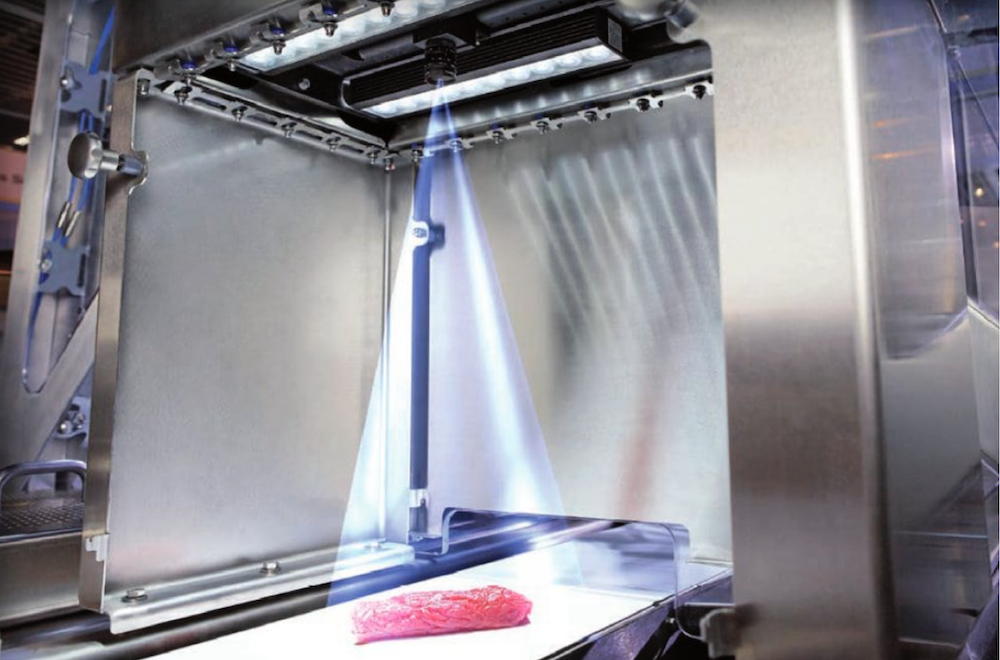
The core of the automatic filling machine's process lies in two fillings: pre-filling and supplementary filling. The empty tanks that have been peeled are sent by the Filling system to the pre-filling area for pre-filling. The amount of pre-filling is set in advance in the PLC, and the filling screw is driven by the same service motor according to the pulse instructions of the PLC for filling. After the pre-filling is completed, the filling system will send the tank to the pre-filling weighing station. The weighing module will weigh it (generally, about 1% to 5% of the target weight will be reserved for supplementary filling during pre-filling), and the actual weighing value will be fed back to the PLC. The PLC will calculate (supplementary filling amount = target weight - actual pre-filling weighing value) to give the amount that needs to be supplemented The filling system sends the cans to the filling position to start filling. After the supplementary filling is completed, it is sent to the supplementary filling weighing module by the filling system for inspection. If the weight is qualified, the filling is completed and the can is removed. If the deviation from the target value is significant, it will be sent by the filling system to the supplementary filling for a second supplementary filling until the weight is qualified and the filling is completed and the can is removed.
Technical parameters
Weighing range: 30kg
Weighing speed: (bucket/hour)
Allowable error: ±0.5%
Equipped power supply: AC220V/50Hz±2Hz
Equipped gas source: Flow rate 0.3m ³ /min, pressure 0.4-0.6MPa
Operating temperature: 0℃ to 40℃. Equipped power: 200(w)
Conveying distance: 1500(mm
Long overall dimensions: 500×800×1600(mm)