






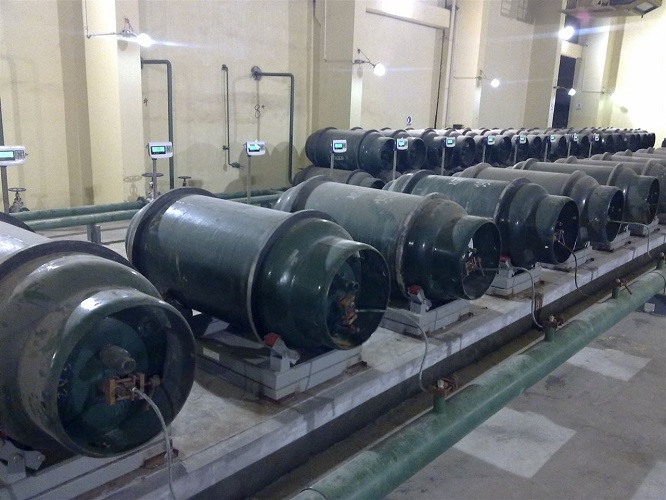
The cylinder scale starts by activating the PLC control system. The liquid chlorine cylinder is lifted onto the weighing platform of the scale, and the copper pipe connection of the liquid chlorine cylinder is connected. The control box filling switch is activated to automatically control the pneumatic valves and electromagnetic valves on the chlorine gas filling pipeline. The valves are automatically opened to fill the cylinder with chlorine gas in a large flow. When the filling weight reaches the preset value, the electromagnetic valve after the pneumatic valve controls the precise small-flow filling. When the filling weight reaches the set rated value, a sound alarm signal is emitted to control the closure of the pneumatic valve and the electromagnetic valve. After one filling process is completed, the filled cylinder is moved to another identical scale for re-inspection. At the same time, the data is uploaded to the PLC.

 020-34563445
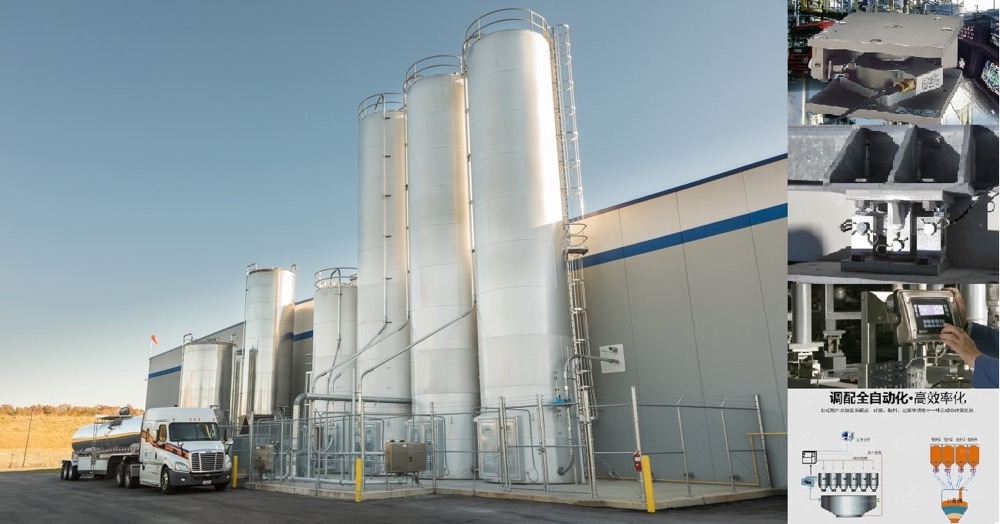
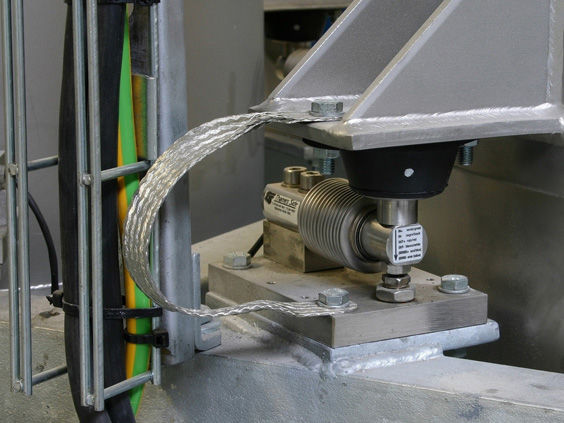
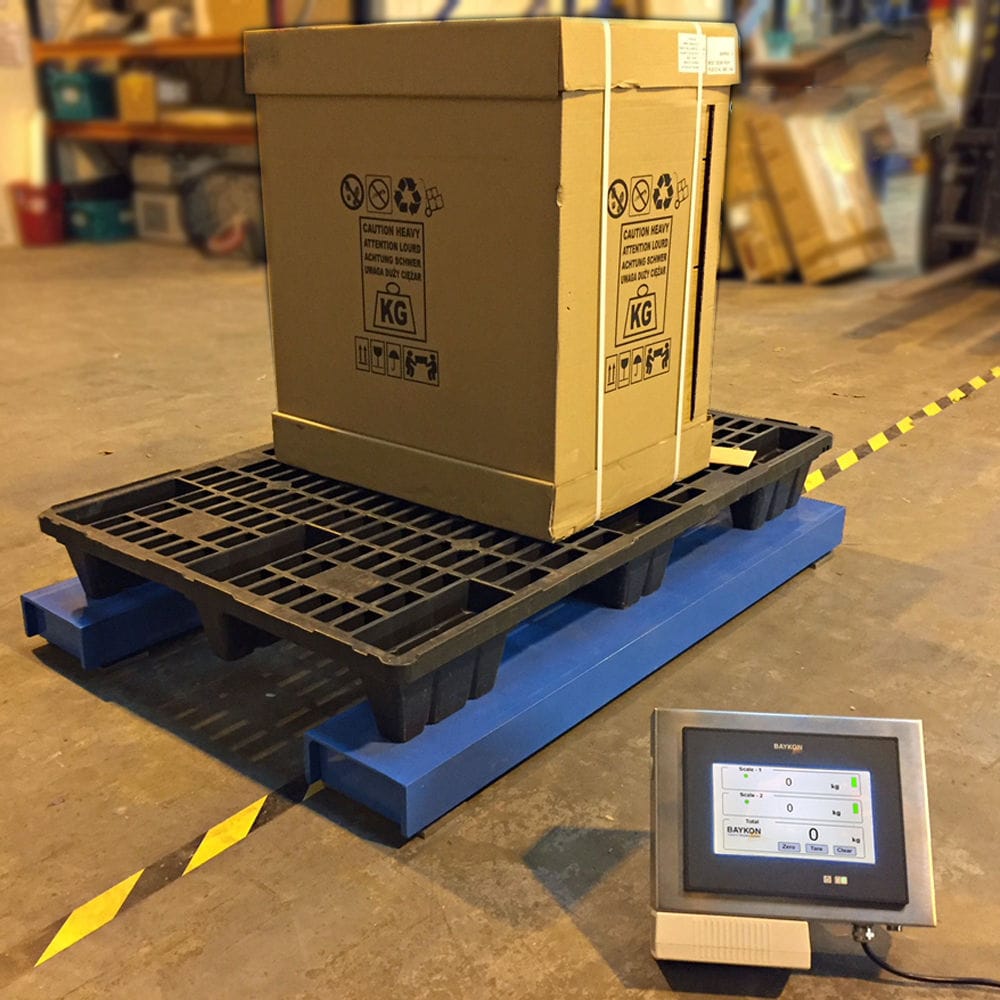
The liquid chlorine cylinder scale is a data acquisition and monitoring system composed of Electronic scales, control units, actuators, monitoring and alarm equipment, electronic tag reading and writing systems, and industrial data communication networks (referred to as cylinder scale). It is used to complete the quantitative filling of liquid chlorine cylinders and achieve automatic control, audible and visual alarm monitoring information display, printing, data transmission, and storage of safety data or status records for the liquid chlorine cylinder filling automation control system. It consists of three parts: the on-site filling unit mainly consists of liquid chlorine cylinder electronic scales, on-site operation boxes, shut-off valves, etc., and the intelligent filling control cylinder scale consists of control units (such as PLC), monitoring and alarm equipment, etc. It realizes the entire process of filling detection and control and monitors the production environment. The cylinder archive management system consists of electronic tag reading and writing systems, dedicated management software, and printers, etc. The cylinder scale has reliable alarm devices and records of actual situations. For example, when the filling volume reaches the specified value, an audible alarm will be issued, indicating that it is full; if it exceeds the allowable error range, both audible and visual alarms will be issued, indicating that this cylinder has been overfilled. If this cylinder is admitted to the warehouse without eliminating the situation, the PLC will record the overfilling situation truthfully for management personnel to grasp the actual situation. Once overfilling is detected, it can be corrected in time. An intelligent electronic scale with a micro PLC is configured to perform real-time control of the liquid chlorine filling process. On this basis, an air actuator control valve is added to achieve automatic shut-off.
The filling process of the cylinder scale involves introducing gaseous chlorine into the liquid chlorine storage tank, then through the valve pipe and pipeline filter at the bottom of the storage tank, and finally into the liquid chlorine packaging intermediate tank. The bottom of the intermediate tank is approximately 900mm lower than that of the liquid chlorine storage tank. The upper part of the gas phase space of the intermediate tank is connected to the argon storage tank through a chlorine gas balance pipe. The liquid chlorine filling pump relies on mechanical seals and nitrogen gas for sealing. During the weighing and filling process, the nitrogen cylinder needs to be shut off and the vent valve needs to be opened to relieve pressure. Otherwise, the sealing air bag will be damaged. The filling pump achieves the filling pressure through four-stage boost by four impellers to fill the cylinder. The Filling system uses a chlorine gas pump to draw vacuum and the extracted chlorine gas is sent to the waste chlorine distribution platform, the dechlorination platform or the production of sodium hypochlorite. During the production process, since chlorine gas is a highly toxic substance, it is necessary to ensure the complete reliability of weighing, filling, storage and transportation. From the perspective of the process of the liquid oxygen filling system, liquid chlorine filling includes: pre-operation preparation before filling, filling line operation and auxiliary work system for filling. The cylinder scale adopts a controller with bus communication function, using industrial control to achieve monitoring and control functions, and through programming software to realize process and equipment control signals such as toxic and harmful gas probe signals, liquid level, pressure, degree of mixing, current signals: pump type and other facilities' status, start and stop and other equipment data, etc. These are in causal conditions with the filling system process to achieve logical interlock control, and a four-pair UPS power supply device is equipped for the entire control system to ensure the stable and reliable operation of the system.
The specific filling process of the cylinder scale filling system will automatically connect the valve to the filling system and keep the manual valve in the open position. After connecting the cylinder to the filling system during filling, open the cylinder valve and the manual valve, input the cylinder number at the operation console, and if the system confirms that the cylinder meets the filling conditions, the automatic valve will automatically open. If the system determines that the cylinder does not meet the filling conditions, the automatic valve will not open. At this time, corresponding handling can be done according to the system's prompt information. After the cylinder is fully filled, the automatic valve will automatically close, close the cylinder valve and the manual valve, and open the manual valve. Then, the remaining chlorine gas in the pipe will be sucked away by the chlorine pump and sent to the subsequent process for use. Once the chlorine gas is completely removed, the cylinder can be removed.
The cylinder scale starts the PLC control system first, lifts the liquid chlorine cylinder onto the weighing platform of the scale, connects the copper pipe joint of the liquid chlorine cylinder, and starts the filling switch of the control box. The weighing instrument automatically controls the pneumatic valve and electromagnetic valve on the chlorine gas pipeline, automatically opening the valve to fill the cylinder with chlorine gas in a large flow rate. The weighing instrument samples, when the filling weight reaches the preset value, the instrument issues an alarm signal. At this time, the electromagnetic valve installed behind the pneumatic valve controls the precise filling of small flow rate. When the filling weight reaches the set rated value, the instrument again issues a sound alarm signal. The weighing instrument controls the closing of the pneumatic valve and electromagnetic valve, after the filling is completed, the filled cylinder is moved to another identical scale for re-inspection, and the data is uploaded to the PLC. This filling system is equipped with overfilling alarm, leakage alarm, and fault alarm devices. When abnormal situations such as overfilling, leakage, or faults occur, the alarm device is activated, emitting a ringing sound, until the operator confirms to cancel and eliminate the fault.
System Function
(1) The system is safe and reliable. When the filling volume reaches the required level, the system can automatically shut off. In case of leakage or if the automatic valve fails to operate, the system will issue audible and visual alarms, enabling the operators to detect the situation accurately and promptly.
(2) After the operator inputs the bottle number, the system can determine the status of this bottle (whether it is a gas cylinder owned by our unit, whether it has undergone pre-filling inspection, and the inspection results, etc.). For those bottles that do not meet the requirements, the system will not perform the filling process and will display the problems with this bottle.
(3) The filling system and the pre-filling inspection system should be connected to the upper-level monitoring system for easy monitoring; the upper-level monitoring system should also be connected to the warehouse management system to facilitate the retrieval of cylinder information.
(4) The filling database has functions of storage, backup, restoration, query, printing, and statistics. It can query and print data records by date, month, using unit, cylinder number, etc. Through data exchange with the cylinder entry and exit database, the data such as entry and exit, original data, re-corrected data after inspection, and filled data can be automatically integrated together. This enables simultaneous query and tracking of related information such as cylinder entry, exit, empty cylinder inventory, and re-filled cylinder inventory, facilitating sales, scheduling, and management of the storage, entry, and exit of cylinders, and achieving full tracking of cylinders.
(5) It has semi-automatic control function. In case of computer failure, the target value can be set on the on-site operation box, and the signal from the on-site operation box will be used to automatically close the automatic valve, thus achieving the semi-automatic filling function.
(6) It has manual control function. By observing the weight on the on-site operation box and using the on/off buttons for valves on the box, manual filling of the tank can be achieved through human operation.
Specification parameters
Range specification: 1t to 3t
Accuracy level: (Level III)
Tolerance value: 0.5kg, 1kg
Low value alarm setting: Users can customize the settings.
Rated overload capacity: 130% F•S
Safety factor: 200% F•S
Distance between the scale body and the instrument: ≥ 30 meters
Working power supply: 220V/50HZ
Working temperature range of the weighing sensor: -30℃ to 80℃
The dimensions of the scale body: 1200 × 800 × 240 (mm)