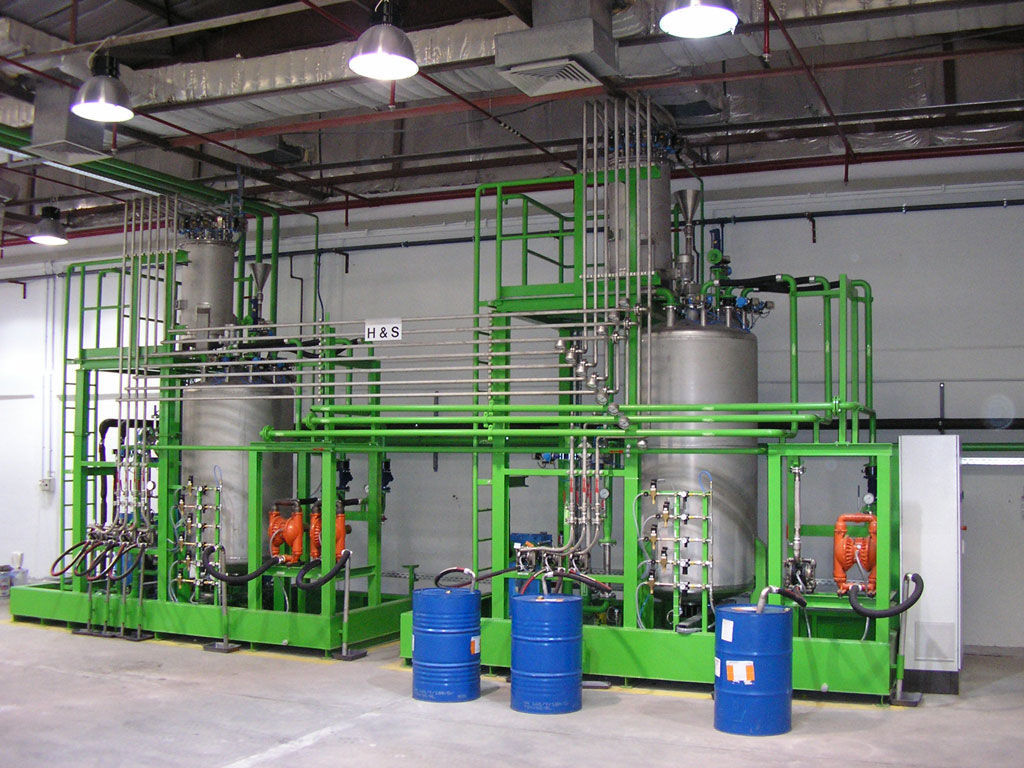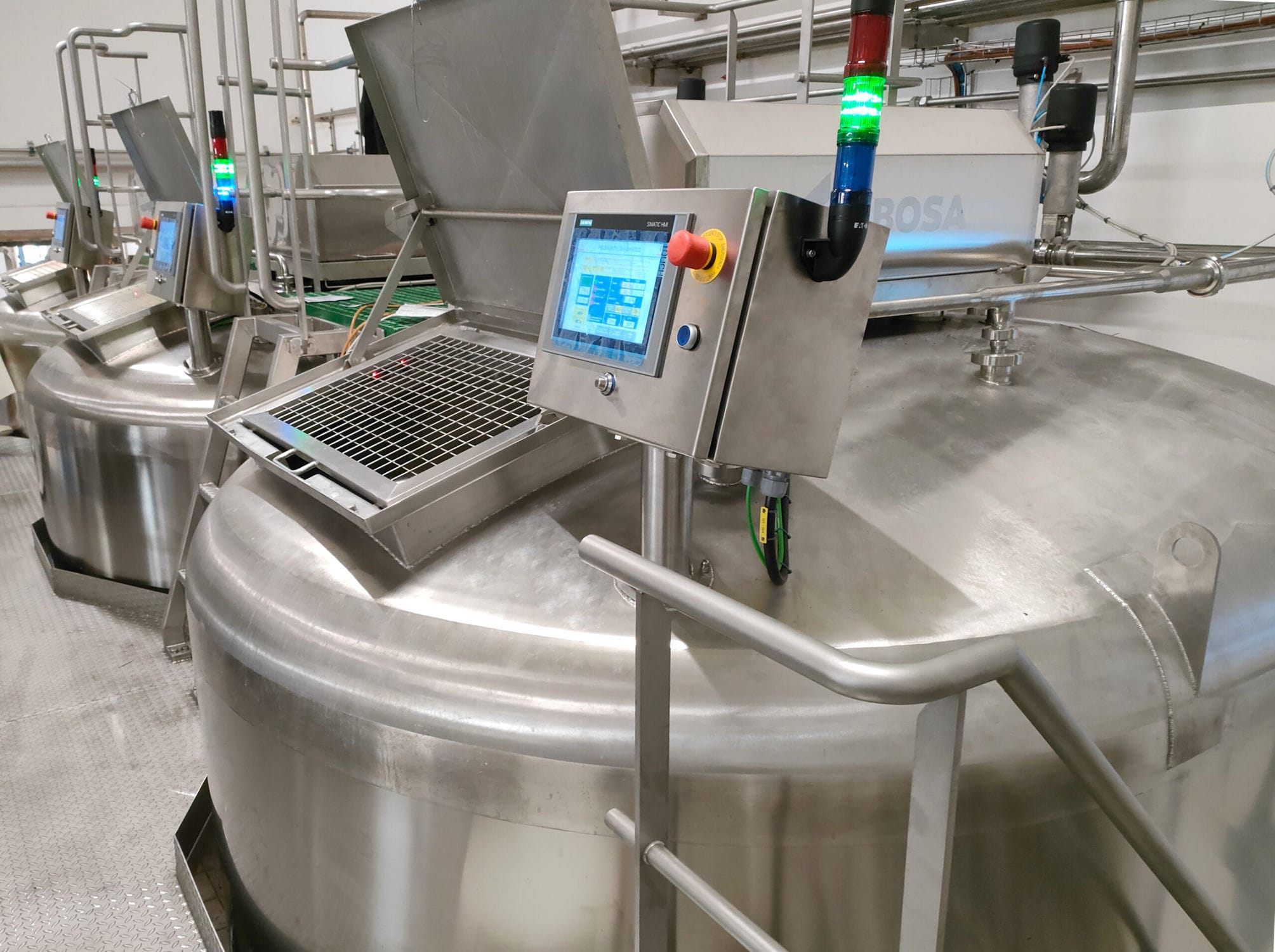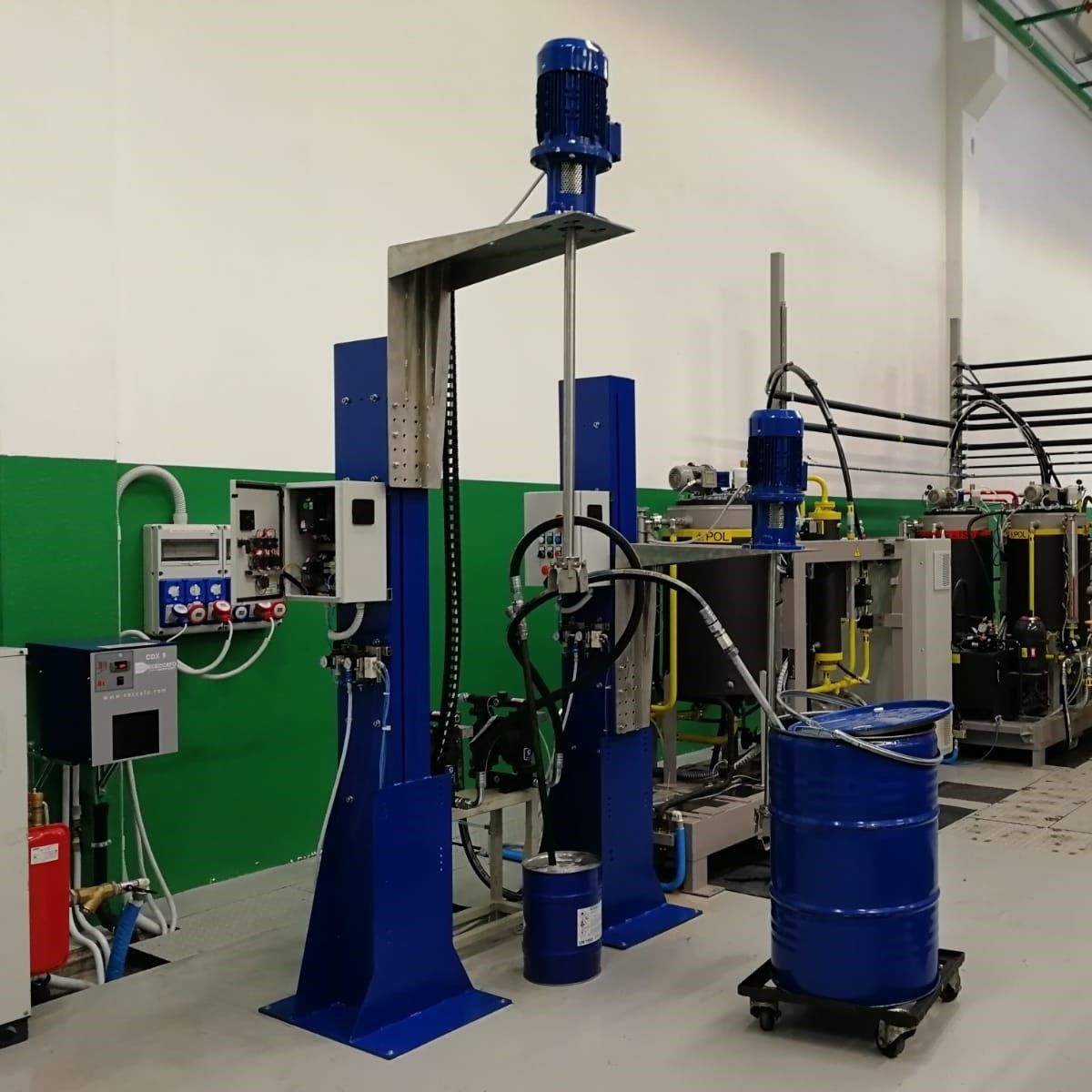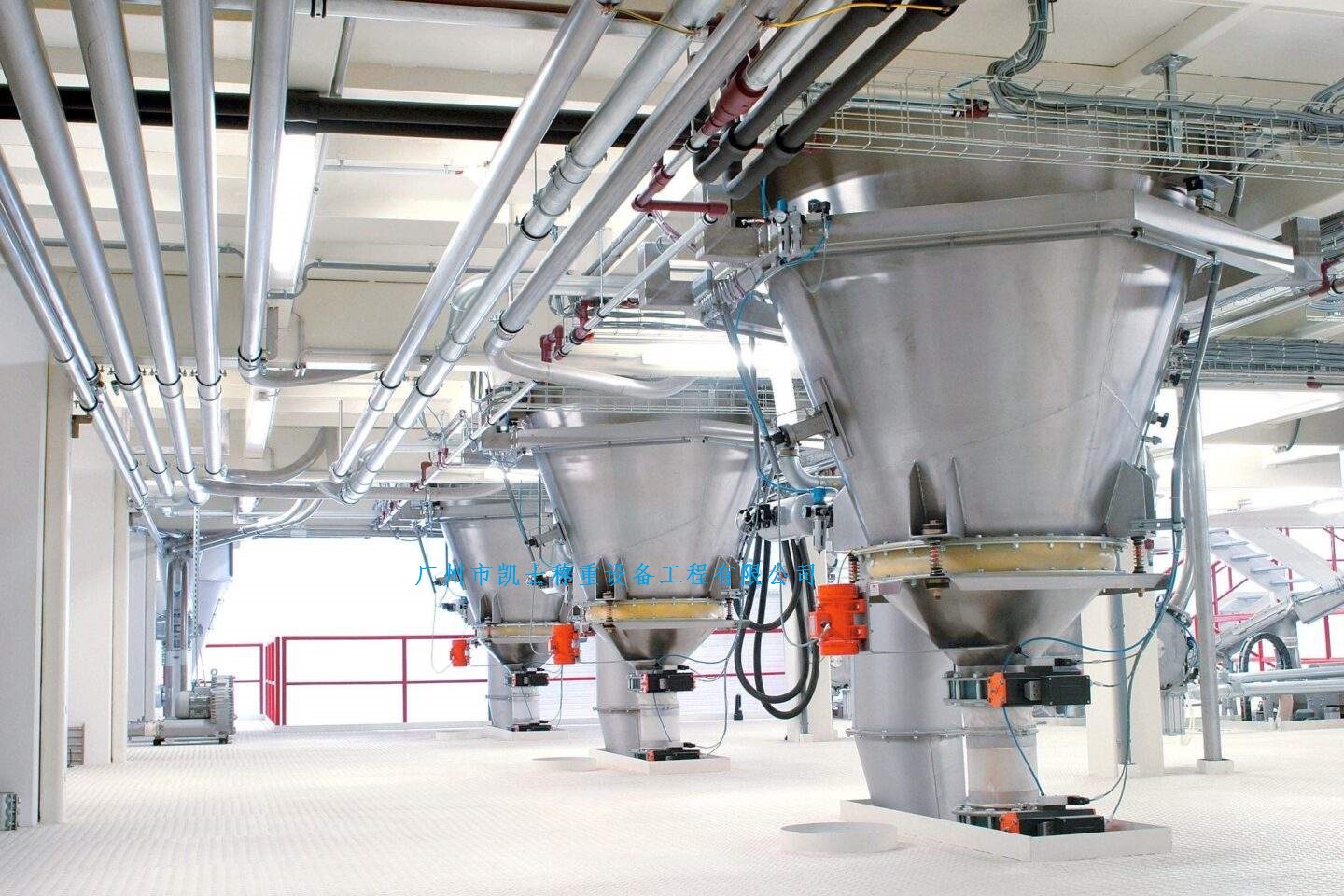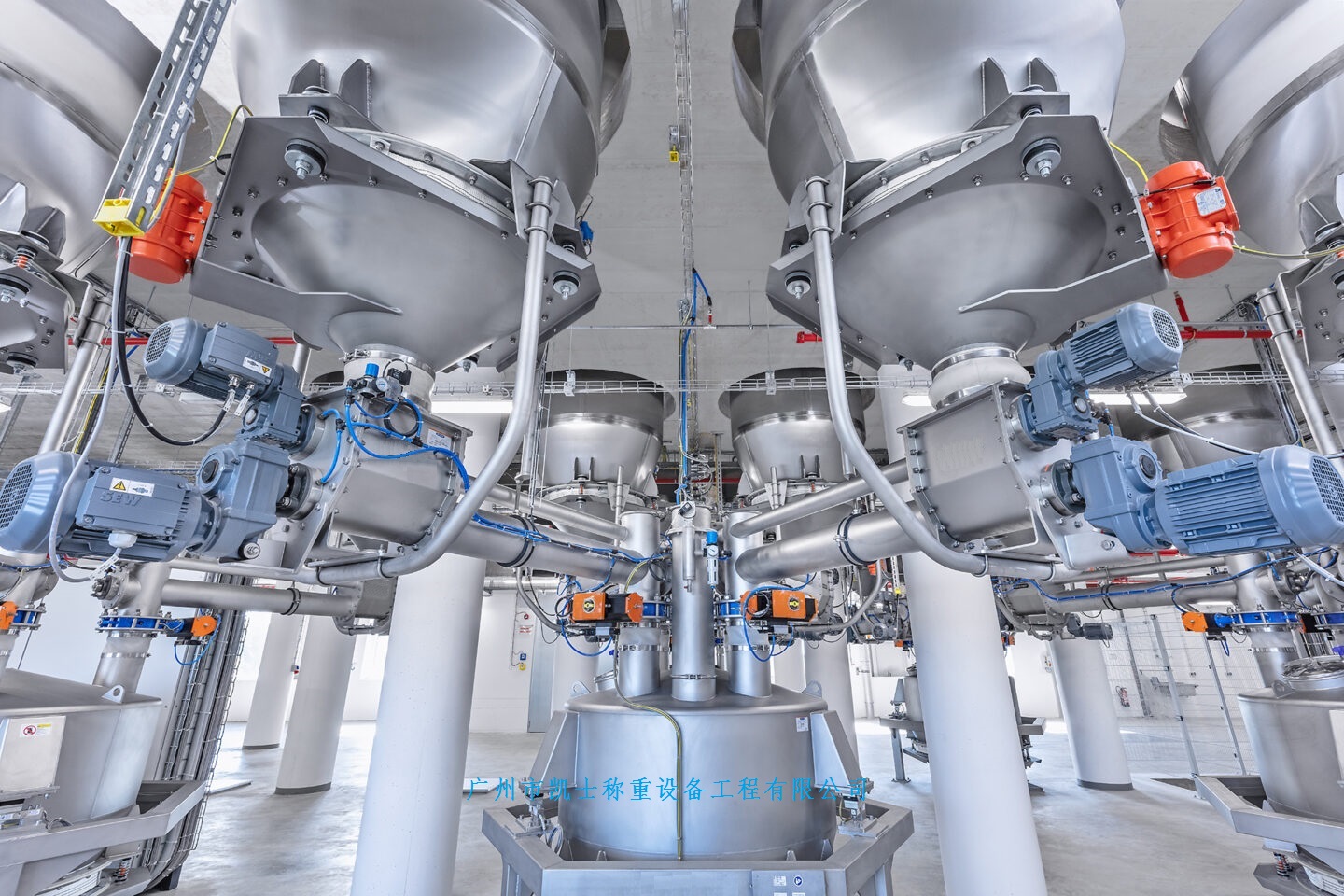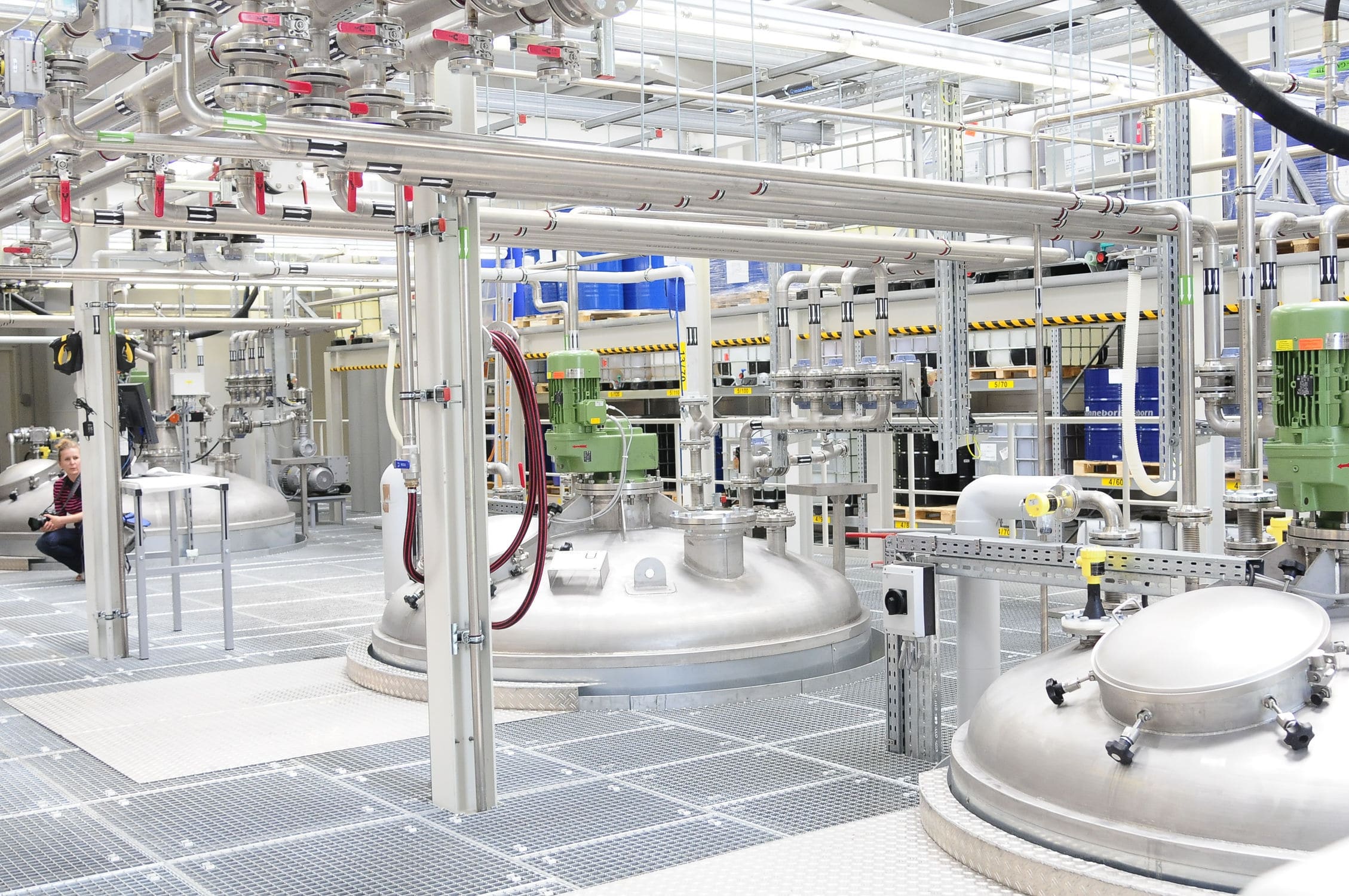




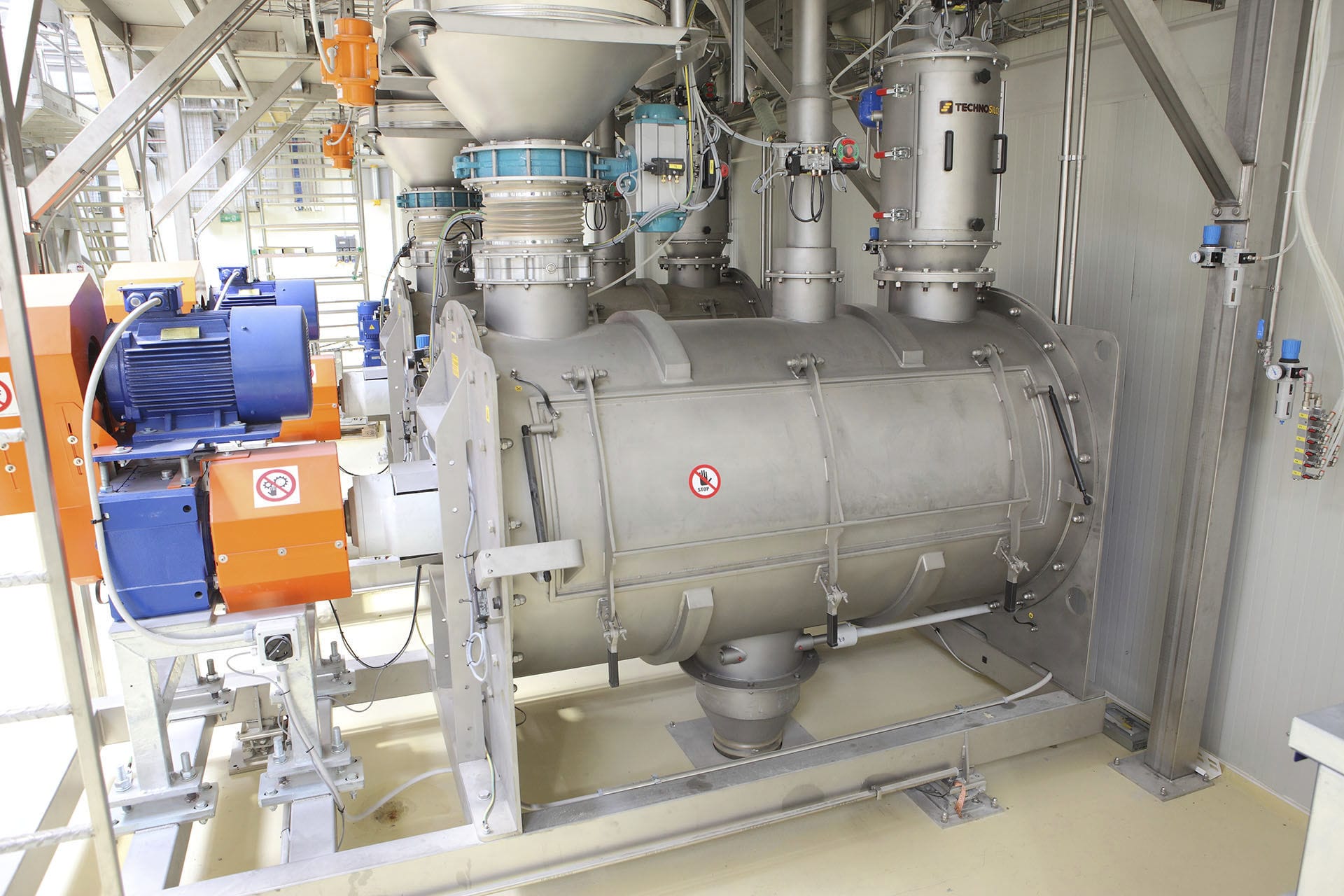
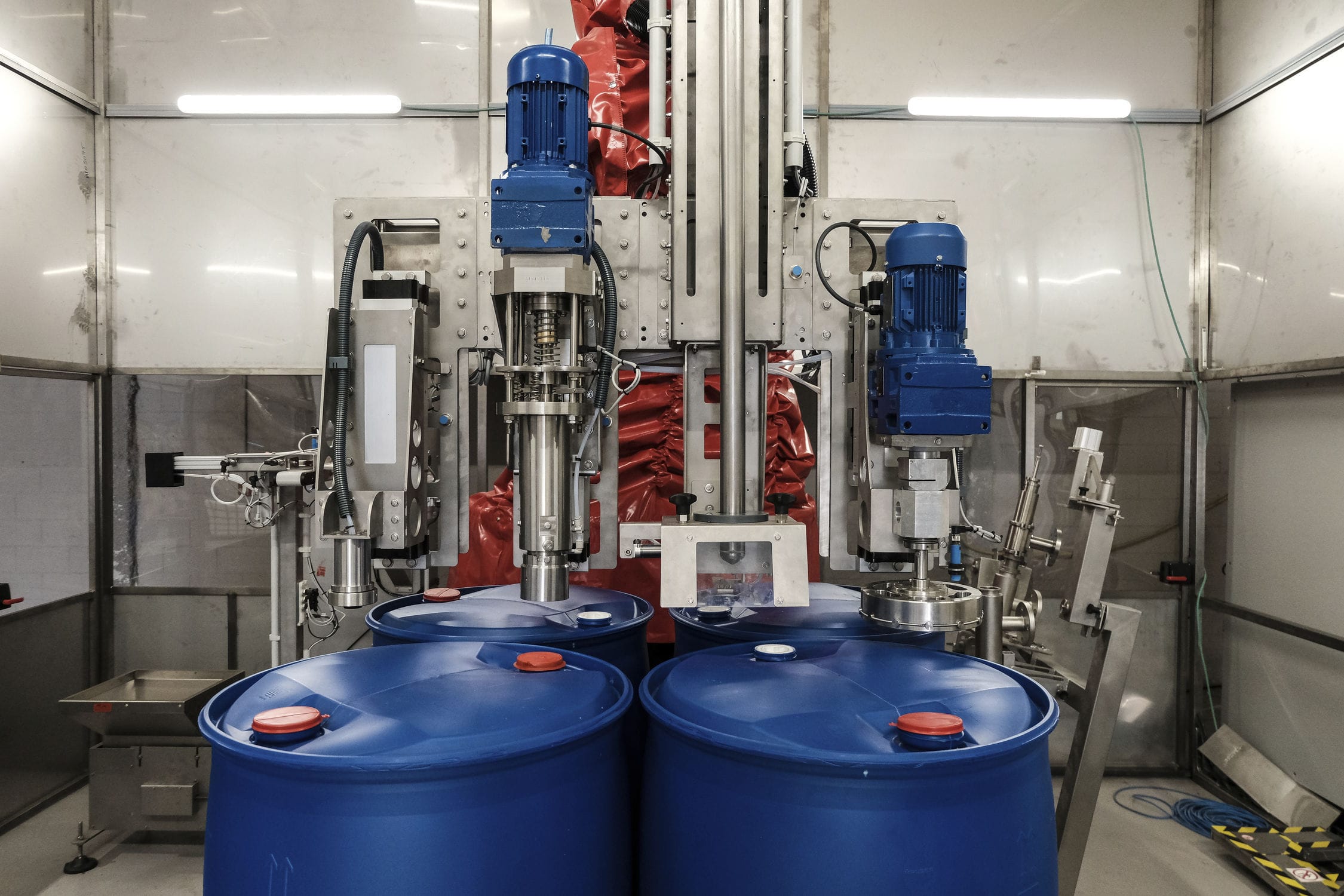


The positive pressure batching system mainly uses pneumatic conveying to transfer powder materials from one place to another. Depending on the direction and force of the airflow, in the positive pressure conveying system, compressed air or other gases (generated by specific air supply equipment such as blowers or compressors) are introduced into the storage bins or containers containing the powder materials. These gases are then mixed with the powder materials under pressure, and under the pressure-driven force, they are transported through the ash conveying pipes to the designated location.

 020-34563445
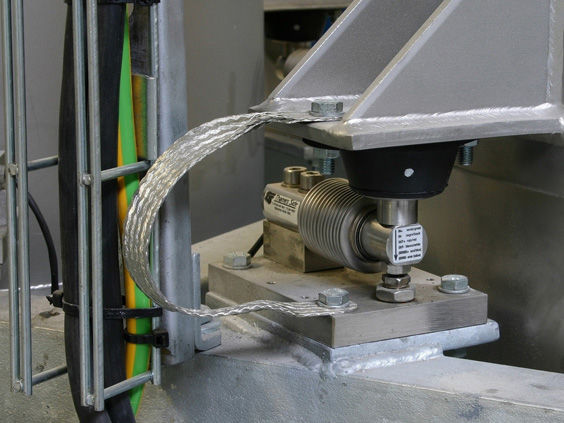
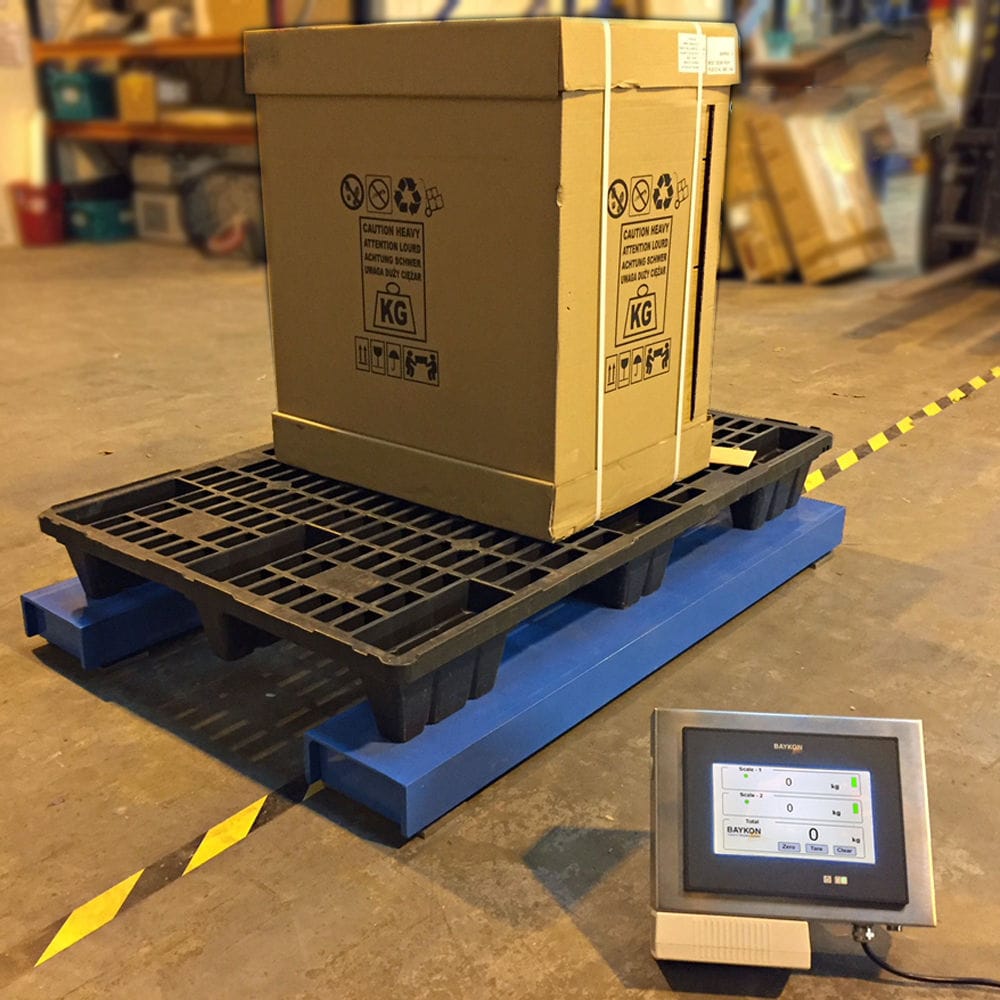
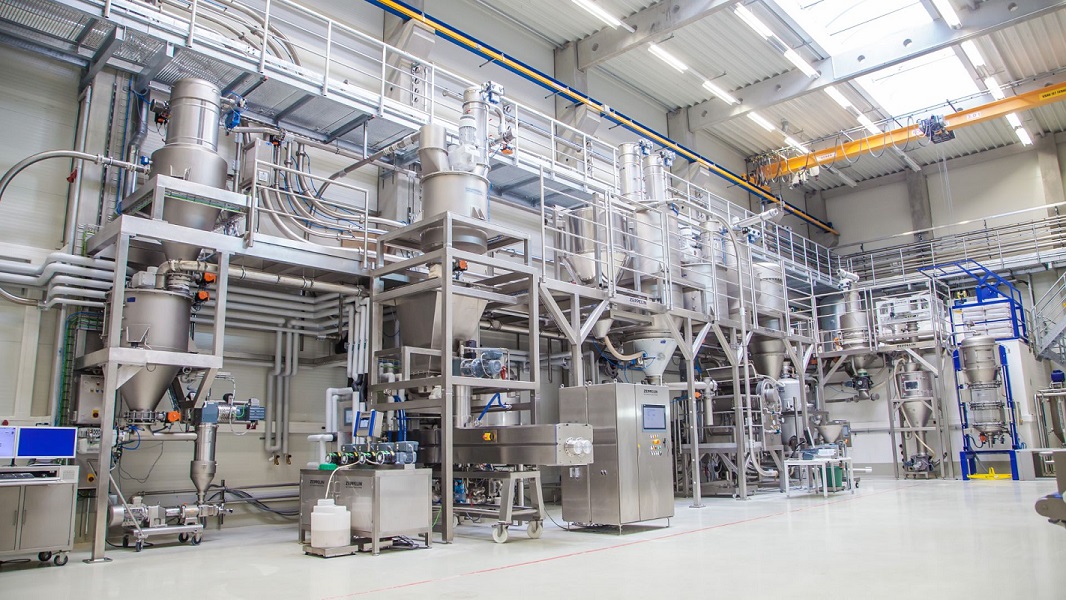
The positive pressure Batching system mainly consists of a touch screen weighing instrument, automatic pneumatic valves, Roots blower, mixer and weighing module. Through the automatic control program of the touch screen of the weighing instrument, various raw and auxiliary materials can be automatically mixed and proportioned at different sequences and temperatures, achieving the ideal automatic batching equipment for product manufacturing. After the automatic batching system is started, the user sets the required batching quantity for the liquid mixing on the human-machine interface, and the programmable controller system will automatically add the liquid and make judgments according to the set value. When the weight collected by the weighing module reaches the set weight, the weighing instrument system will automatically close the valve. The weight control accuracy of the PLC system can reach 1%, greatly improving the control accuracy of the distribution. Truly realizes the integrated process of fully automatic weighing and batching, and is a type of automatic batching system equipment.
The automatic batching machine mainly uses the pneumatic conveying method to transfer powder materials from one place to another. According to the different directions and forces of the airflow, in the positive pressure conveying system, compressed air or other gases (generated by specific air supply equipment, such as blowers or compressors) are introduced into the storage bins or containers containing powder materials, and then the gases are pressurized to mix the powder with the airflow under pressure, and then through the ash conveying pipeline, they are sent to the predetermined location under the pressure drive. The double-tube pneumatic conveying system is composed of this, and adopts the positive pressure conveying type of double-tube dense-phase conveying technology. After the conveying system is started, it first selects the target tank and activates the corresponding pipeline branch valves; then carbon black is added by the unloading device, and is pressurized in the pressurized conveying tank; finally, the air with the set pressure enters the conveying pipe and forms a mixture with the carbon black. During the conveying process, the auxiliary tube determines whether to supplement compressed air to the main conveying pipe according to the pressure change of the weighing module and the pre-set pressure value. The supplementary air cuts the powder into segments and moves forward in the pipeline, and finally enters the storage bin. The powder-liquid mixture in the storage bin and the dust collector form a space, and the gas passes through the filter bag and is discharged by the fan. The flow state conveying principle can achieve the effect of low-pressure, high-load (material mass/air mass) dense-phase conveying. Before changing the conveying material types, the conveying system needs to be cleaned to avoid mixing different materials in the storage bin.
The weighing batching machine is designed to facilitate the transportation and control of materials. Most materials flow in the pipeline in gaseous or liquid form. For solid materials, they can also be in a fluidized state. Using the pneumatic conveying process, the pneumatic conveying device composed of a screw Feeder is implemented. The basic storage bin is transported to two solid-phase polymerization destination storage bins. The conveying technology adopts the flow form of continuous flow state of fluidization, with the Raoult throttling nozzle as the main air control combination to control the flow rate of the conveying gas to meet the requirements of different conveying distances. According to the actual demand for conveying air volume, it is designed as two air control units, with the Raoult throttling nozzle one-to-one controlling the airflow. The high-speed air flow with reduced speed from sonic to kinetic energy obtains the most equal driving force to move the materials. The powder is fed by the screw feeder, and it is fully mixed with the conveying gas to reach the design concentration of pneumatic conveying. To ensure the smoothness of the conveying pipeline, automatic anti-blocking and blocking devices are set in the conveying pipeline, which function to prevent the powder flow rate and gas flow rate from decreasing when the air pressure drops, avoid the pipeline being blocked by materials or be able to empty the pipeline and resume conveying after a fault occurs, maintaining the normal operation of the conveying.
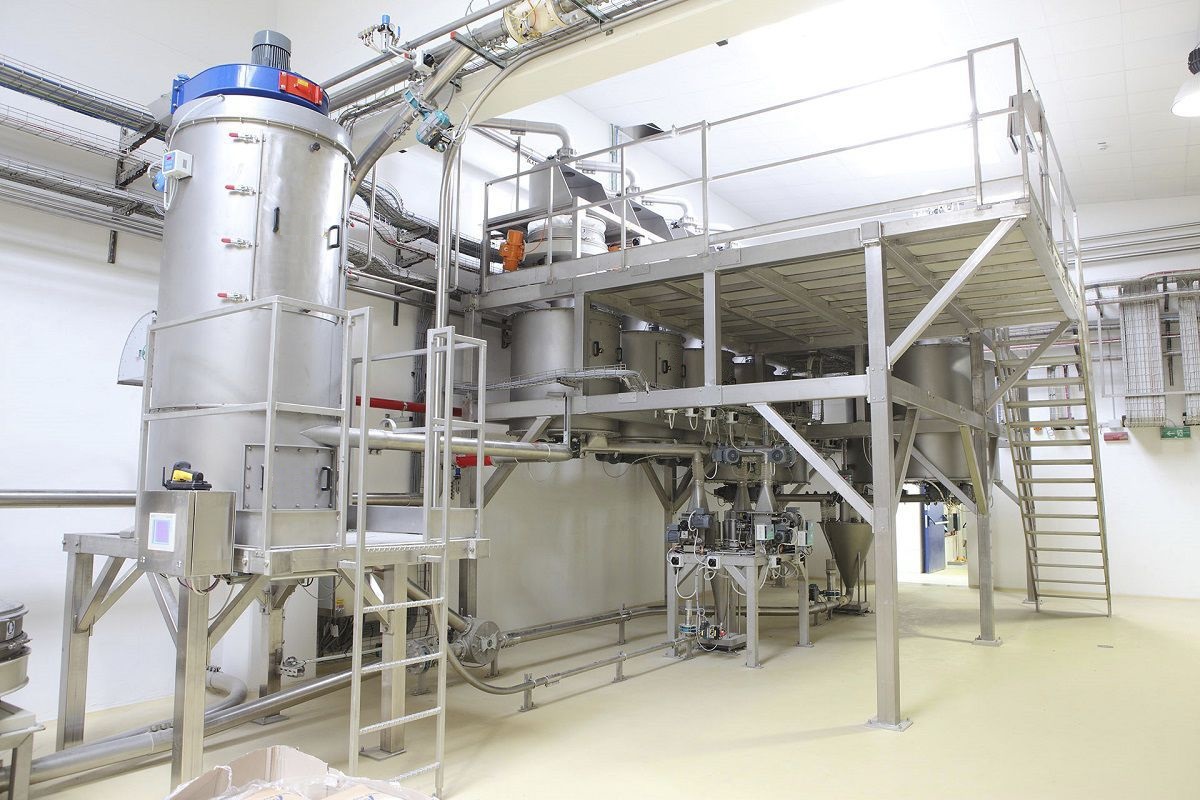
The automatic batching machine uses a Roots blower to pressurize the external air into the pipeline, forming positive pressure in the conveying pipeline. The powder flows into the positive pressure closed blower through the electric gate valve in the pit, and is sent into the pipeline by the positive pressure closed blower. Due to the presence of a discharge point in the storage bin, only one discharge point can be used for discharging during the storage process, and the selection of the discharge point is determined by the logic of the double-way valve. The double-way valve is one inlet and two outlets, and during operation, the inlet can only be connected to one outlet, forming a straight-through or bypass of the pipeline. The outlet of the pipeline is connected to the silo, and the cement silo releases pressure through the silo roof dust collector. Therefore, the internal pressure of the closed cement silo is close to the atmospheric pressure, allowing for smooth discharging of materials.
When powder enters the silo, the first step is to select the position for entering the weighing silo, and set the position of the A group dual-way valve according to the selected position. The dual-way valve on the silo inlet pipeline is driven by an actuator, and the actuator is controlled by a two-position four-way electromagnetic valve. When the electromagnetic valve is de-energized, the dual-way valve is in the direct connection position, and when the electromagnetic valve is energized, the dual-way valve is in the bypass position. The direct connection or bypass of the dual-way valve is respectively fed back by different travel switches. By activating the dual-way valve and the actuator of the dual-way valve, the equipment in the bypass state is activated. After the dual-way valve is in place, the corresponding equipment is started in the sequence of the dust collector in the person silo - the Roots blower - the silo roof dust collector (corresponding position) - the positive pressure closing fan - the person silo pit gate. When stopping, the equipment is stopped in the reverse order, and it is necessary to ensure that there is no residual material in the pipeline, so the time interval between the shutdown of each equipment should be able to be adjusted according to the actual situation.
The weighing feeding silo in the conveying system adopts an intermediate silo, and direct use of a large silo to supply materials is avoided as much as possible. The discharge of the material from the feeding silo must be continuous, stable, and controllable. Ensure that the material does not sag, agglomerate, adhere, or get blocked in the silo, and ensure that there is no collapse of the silo, unidirectional flow, or spillage of materials. This is one of the basic and key conditions for the stable, normal operation, and accurate measurement control of the metering silo. The volume and structure of the feeding silo are designed to maintain the "activation" of the material in the silo without becoming compacted, which is conducive to a relatively stable silo pressure during operation, and the material is discharged in a continuous, uniform, stable, and natural manner by relying on the gravity of the material. Avoid "funnel flow" and sagging and blocking of materials, silo collapse, material spillage, and avoid the occurrence of pneumatic pulsation and runaway material phenomenon.