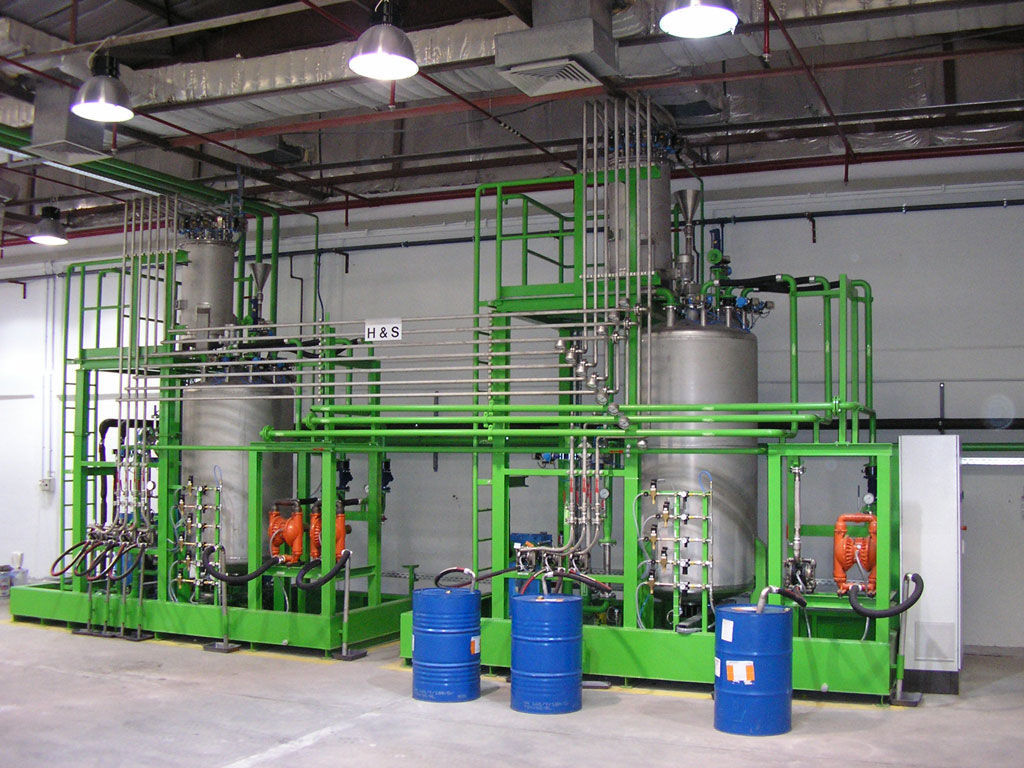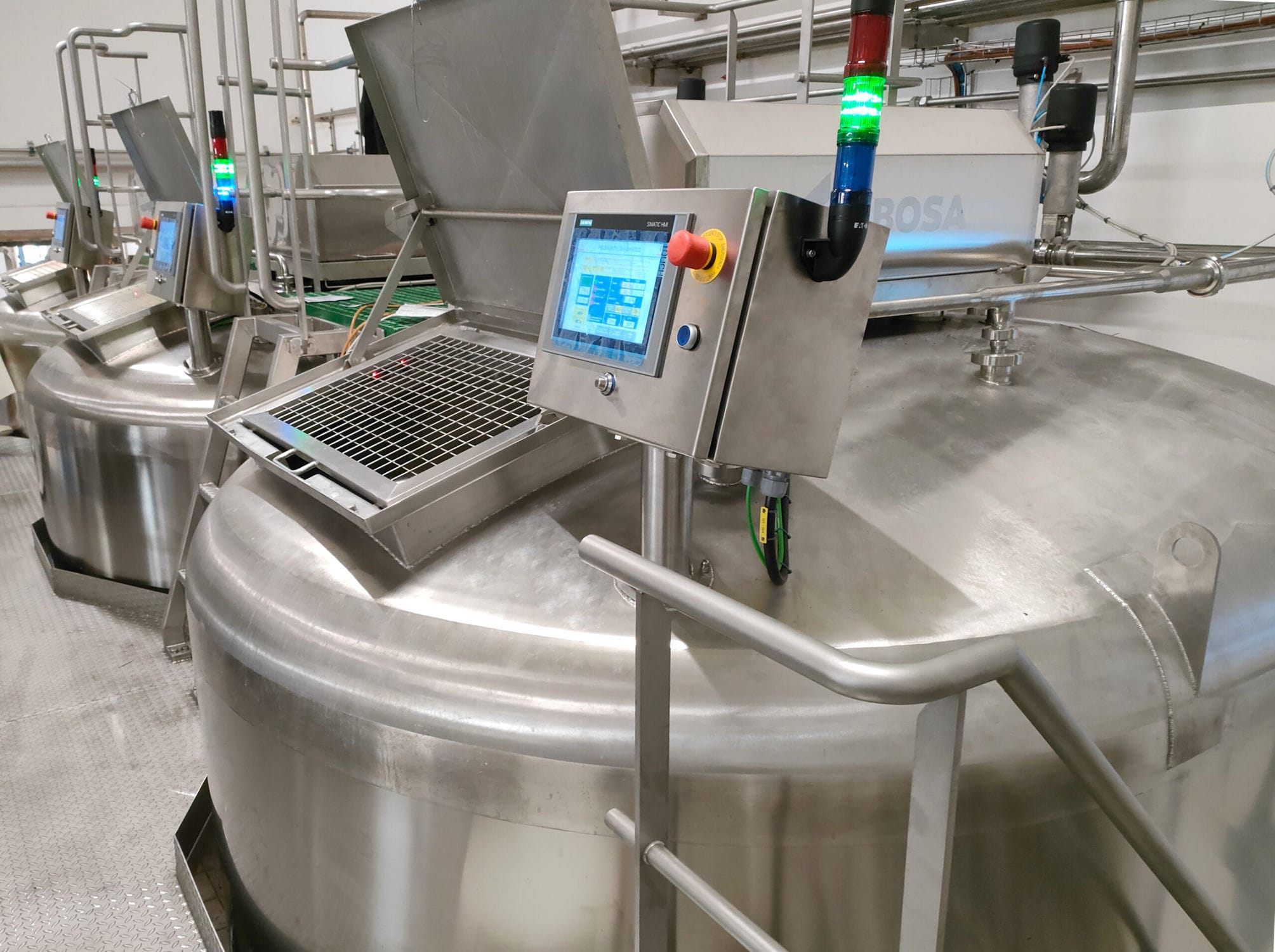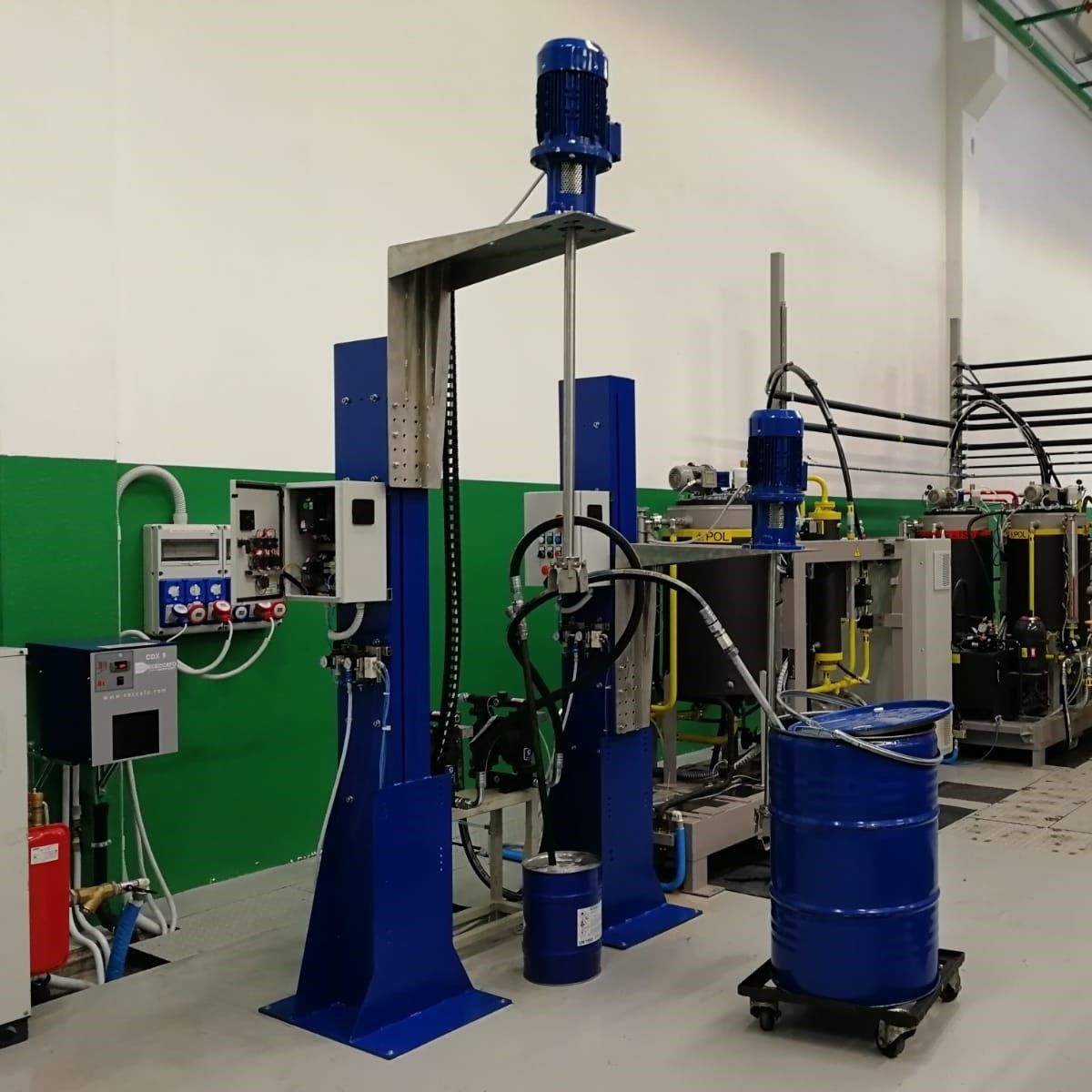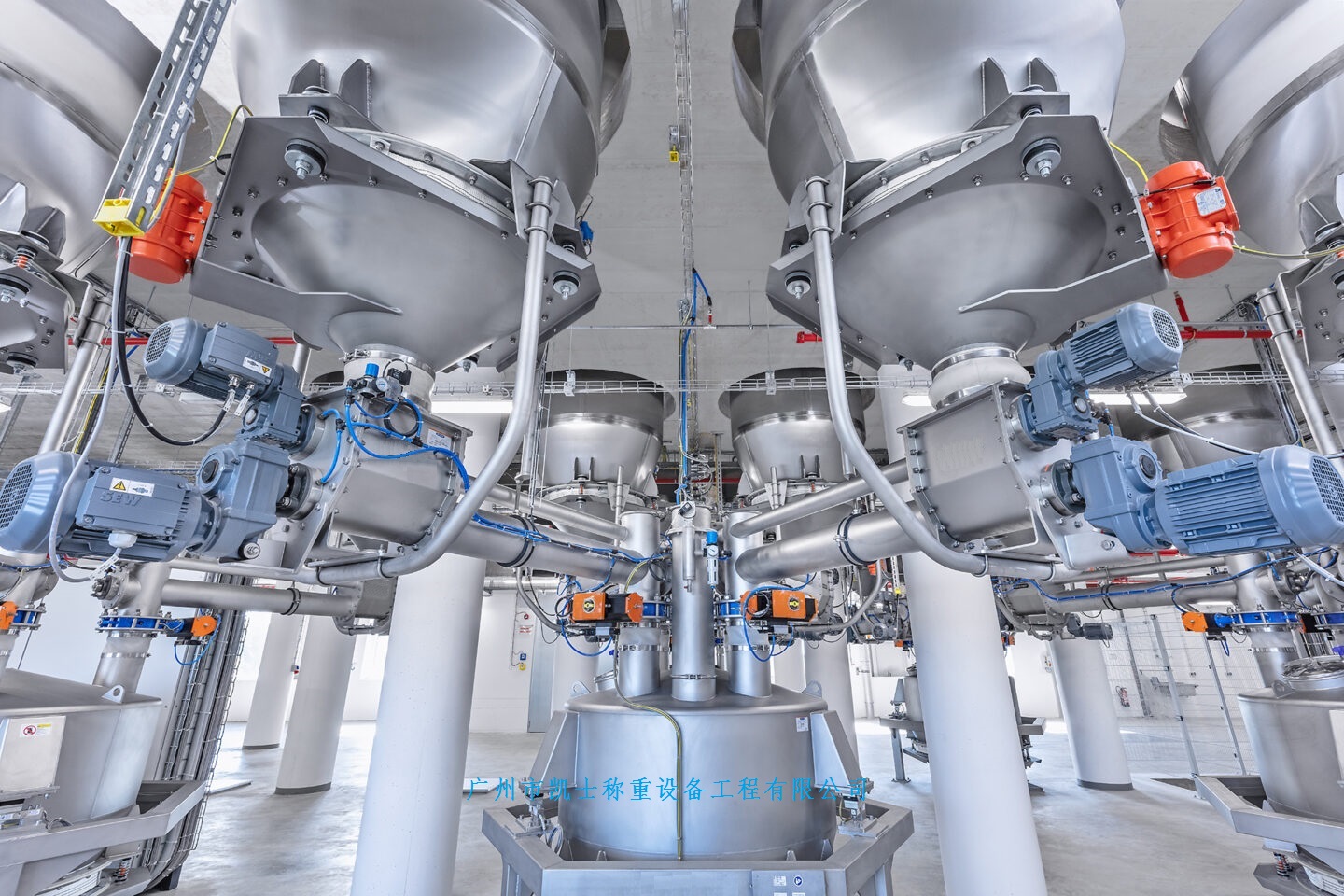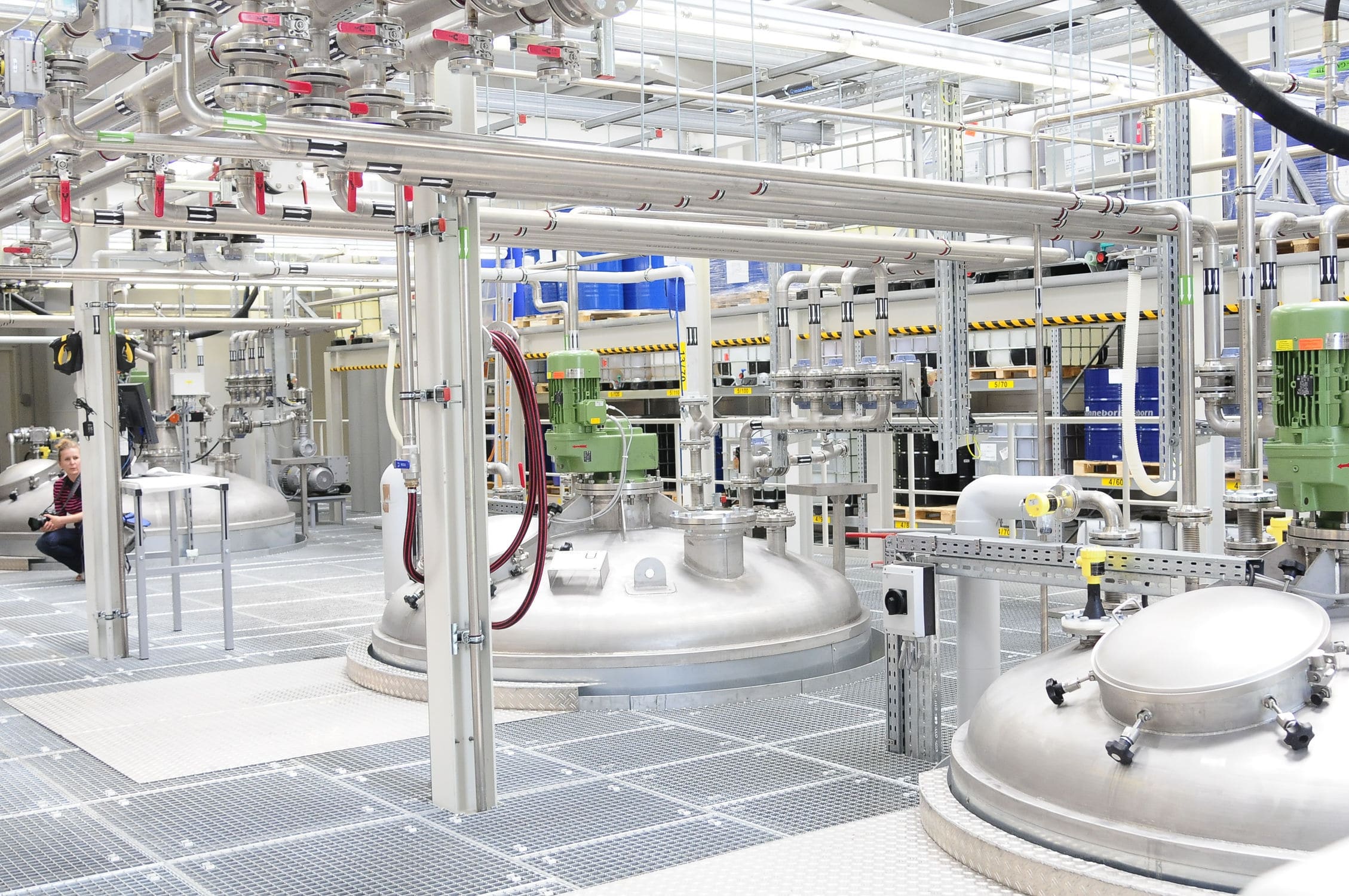





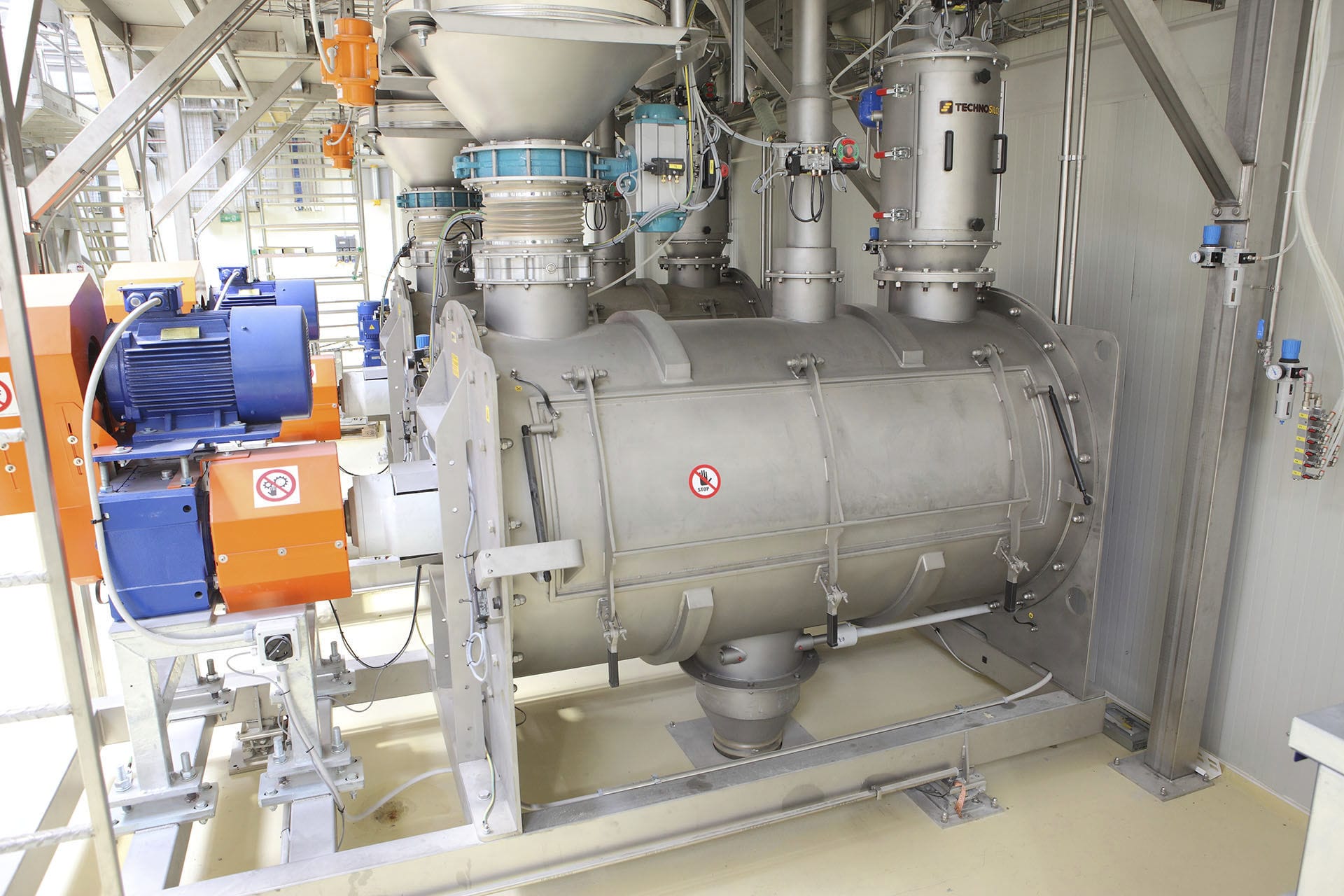
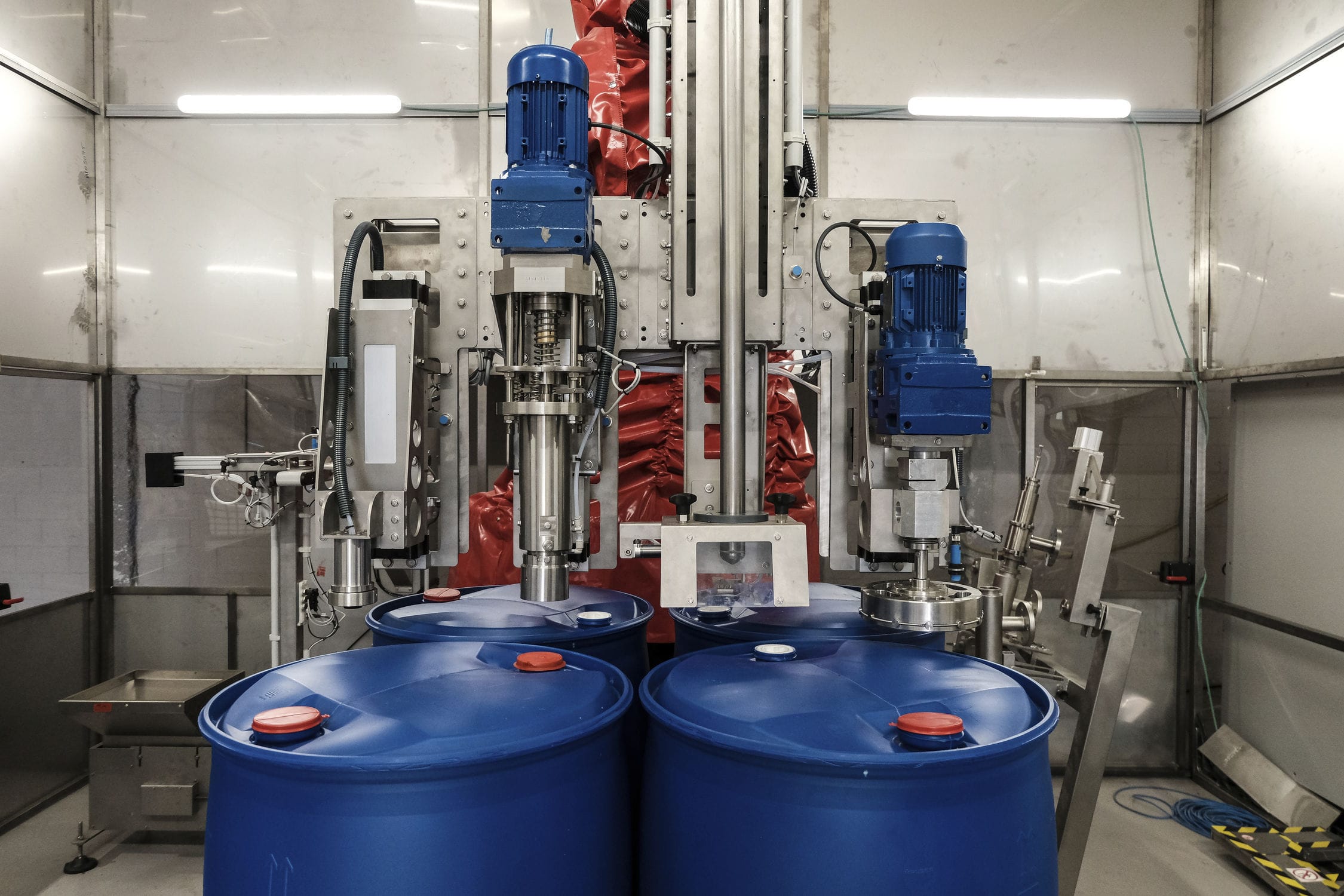
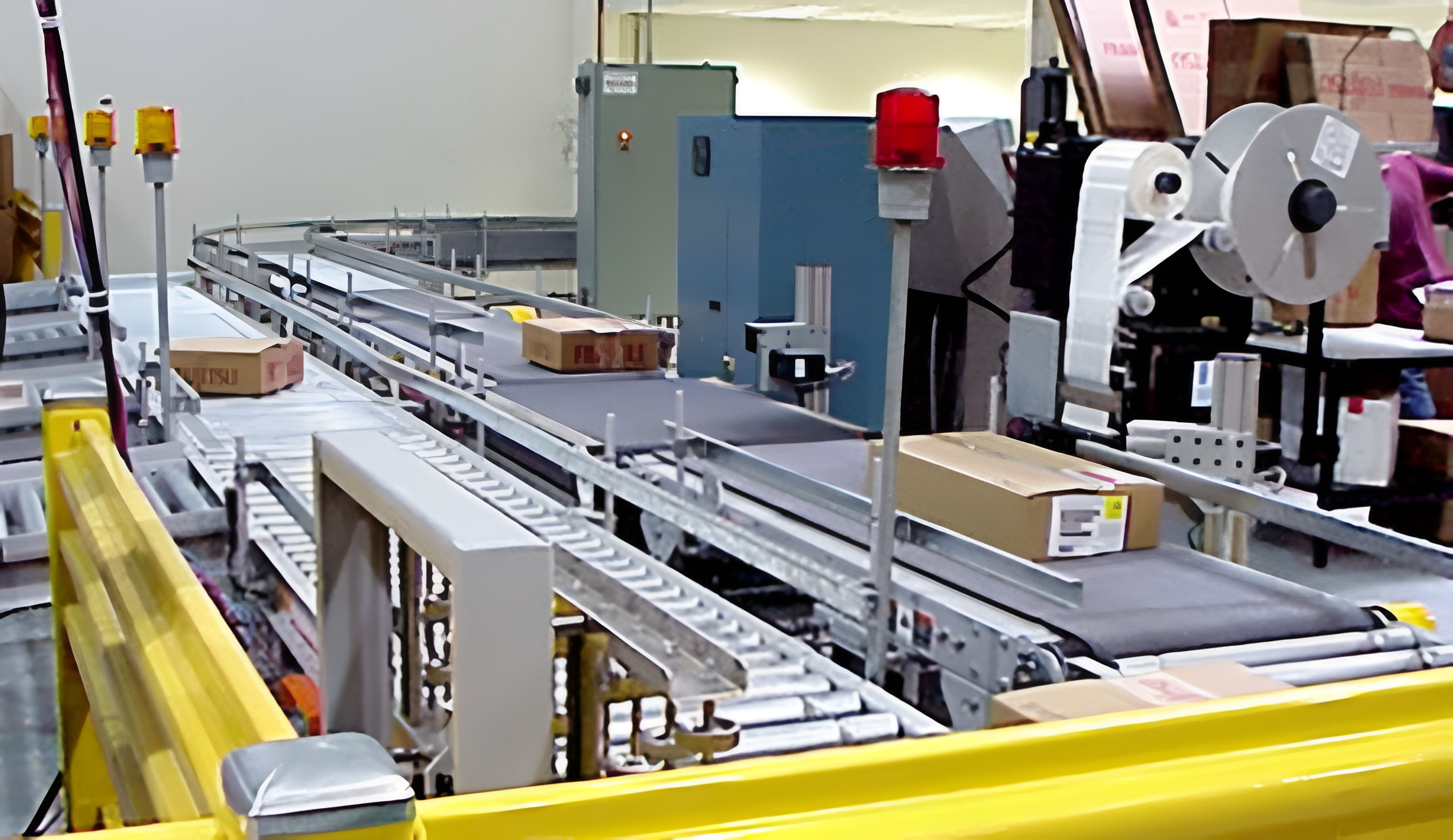
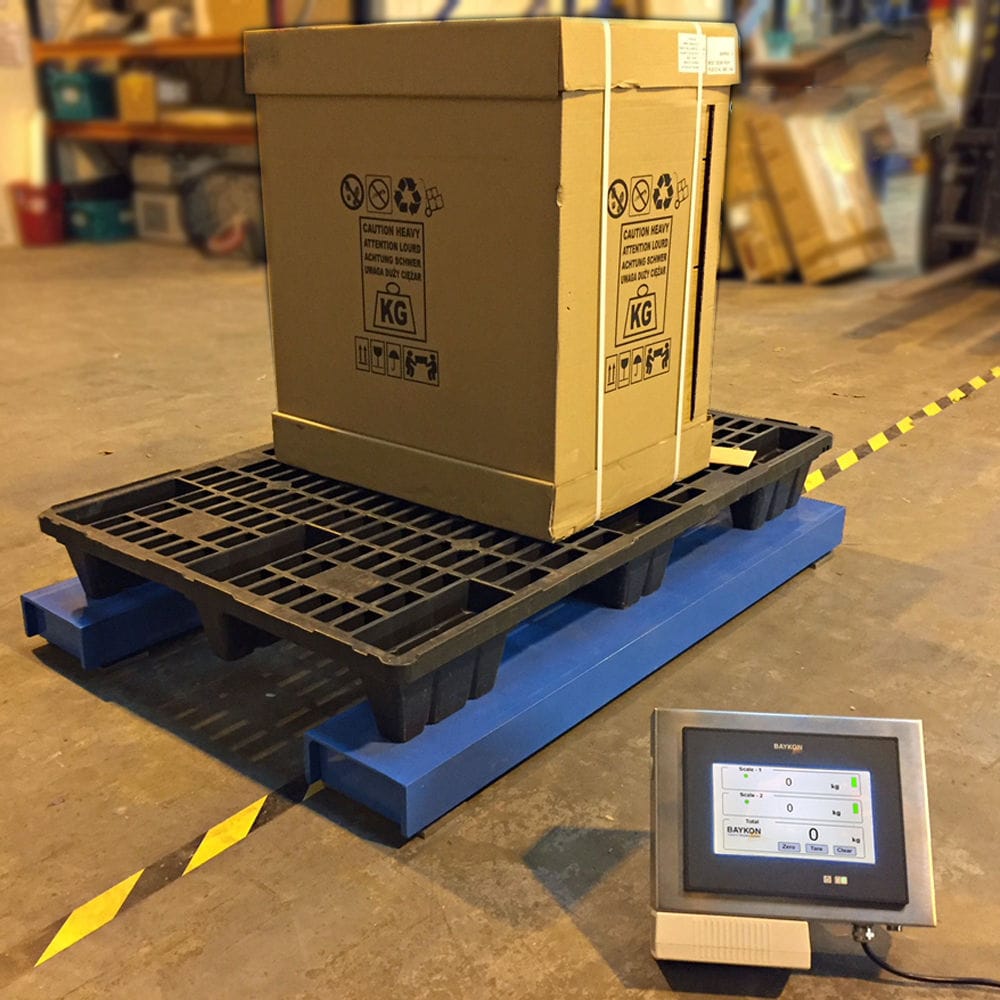


The electronic hopper scale achieves the functions of process heating, evaporation, cooling and low-speed high-speed mixing through the structural design and parameter configuration of the container. The silo is composed of a frame electronic scale, a reactor body, a reactor cover, a jacket, a stirrer, a transmission device, an axial sealing device, and supports. When the ratio of height to diameter of the stirring device is large, multiple layers of stirring blades can be used, or it can be arbitrarily selected according to the user's requirements. A jacket is set outside the reaction tank wall for heat exchange through external circulation.

 020-34563445
The hopper weighbridge achieves the functions of heating, evaporation, cooling, and low- and high-speed mixing through structural design and parameter configuration of the container. The material silo consists of a frame electronic weighbridge, kettle body, kettle lid, jacket, stirrer, transmission device, shaft seal device, support, etc. When the aspect ratio of the stirring device is relatively large, multi-layer stirring blades can be used, and it can also be arbitrarily selected according to user requirements. A jacket is set up outside the reaction tank wall for heat exchange through external circulation. The material tank support includes support-type or ear-type supports, etc. The automatic feeding device below the hopper is equipped with an electronic weighbridge, and a discharger is set below the material silo. The feeding device also includes a temperature measurement device, which is used to measure the temperature inside the weighing reaction kettle. The discharge control device is used to compare the temperature measured by the temperature measurement device with the set temperature and control the operation of the discharger according to the comparison result. Real-time tracking and feeding are carried out according to the reaction temperature inside the batching kettle, ensuring accurate metering. The initial value of the material drop is based on the actual measurement during the metering process, gradually approaching the target value to reduce the error. After the Batching system is started, the system PLC automatically controls the sequential opening of each raw material pneumatic valve and weighing feeding valve, and simultaneously starts the feeding motor. After the feeding is completed, the feeding valve and motor are automatically closed, the discharging valve and stirring motor are opened, the raw material starts to be discharged, the material tank starts to stir, and the reaction kettle stirring ends. The system opens the material kettle discharging valve and discharging motor to transport the finished material to the finished product tank, and the batching ends.
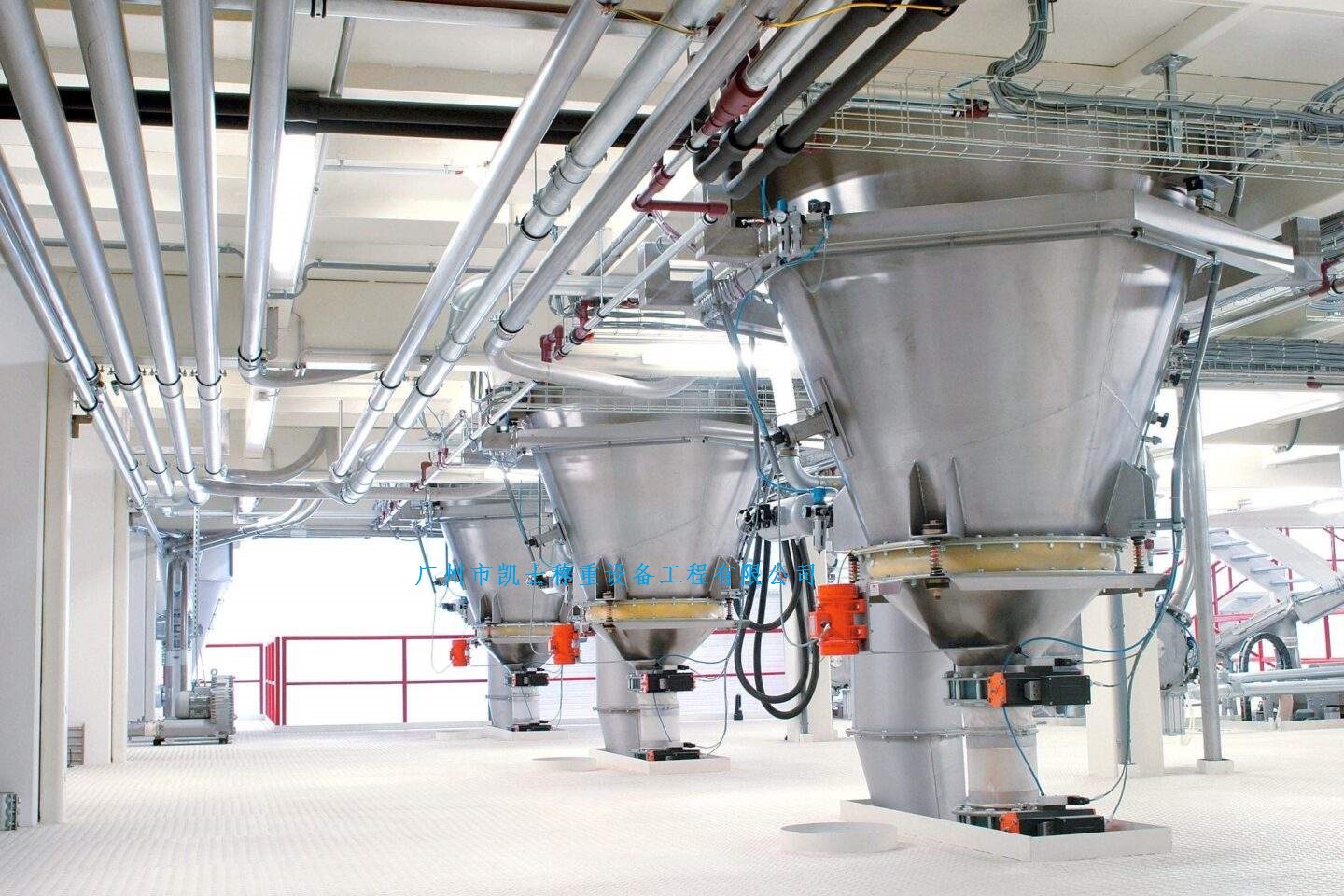
The hopper scale is installed on a steel support, with its upper part overlapping the screw conveyor and its lower part connected to the mixing equipment. After batching is completed, the material is discharged into the mixing equipment for the next process, achieving continuous batching during the production process of powder material briquetting and ensuring the continuity of production. During operation, the "Automatic Batching" button is activated on the human-machine interface, and the screw conveyor starts working to batch the material. When it reaches the set measurement value, it stops, and then the gate valve is opened to discharge the material (the limit switch stops working and opens after the gate valve reaches a certain opening). After the material is discharged, the gate valve automatically closes in place, and the screw conveyor automatically starts to batch the material again. When it reaches the set amount, it stops, and then the valve is opened to discharge the material into the mixing equipment. This process is repeated to complete the batching process.
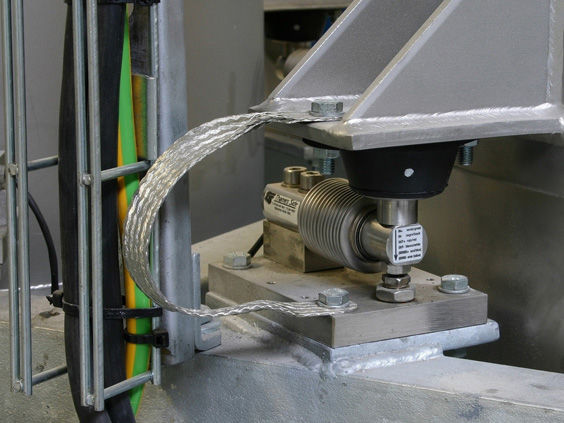
The electronic weighbridge is equipped with an adjustable vibrator on the outer wall of the hopper scale, forming a new bulk material scale. The mechanical part includes the weighbridge, roller, discharge hopper, base frame, and screw conveyor. The screw drive provides power for the batching scale. The speed measurement sensor is directly connected to the drive screw conveyor shaft end to ensure reliable and accurate speed measurement. The weighbridge is the core of the batching scale. The scale frame and weighing roller bear the load of the material on the screw conveyor and transmit it to the weighing sensor installed on the scale frame. As a gravity transmitter, the weighbridge adopts a high-precision resistance strain gauge sensor. When the sensor is stressed, it converts the force signal into an electrical signal. The signals from each channel are then converted into one signal by a junction box and finally transmitted to the weighing instrument. The speed measurement sensor adopts a photoelectric encoder. When the small shaft of the encoder rotates, the encoder generates a pulse signal, and the screw speed signal is converted into a pulse frequency and finally transmitted to the instrument in the control room. The weighing instrument adopts a weighing controller dedicated to quantitative measurement and multifunctional integration. It can accept analog signals proportional to the mass of material passing through the screw conveyor and pulse signals proportional to the screw speed, convert them into flow signals, compare them with set values, and output control signals.
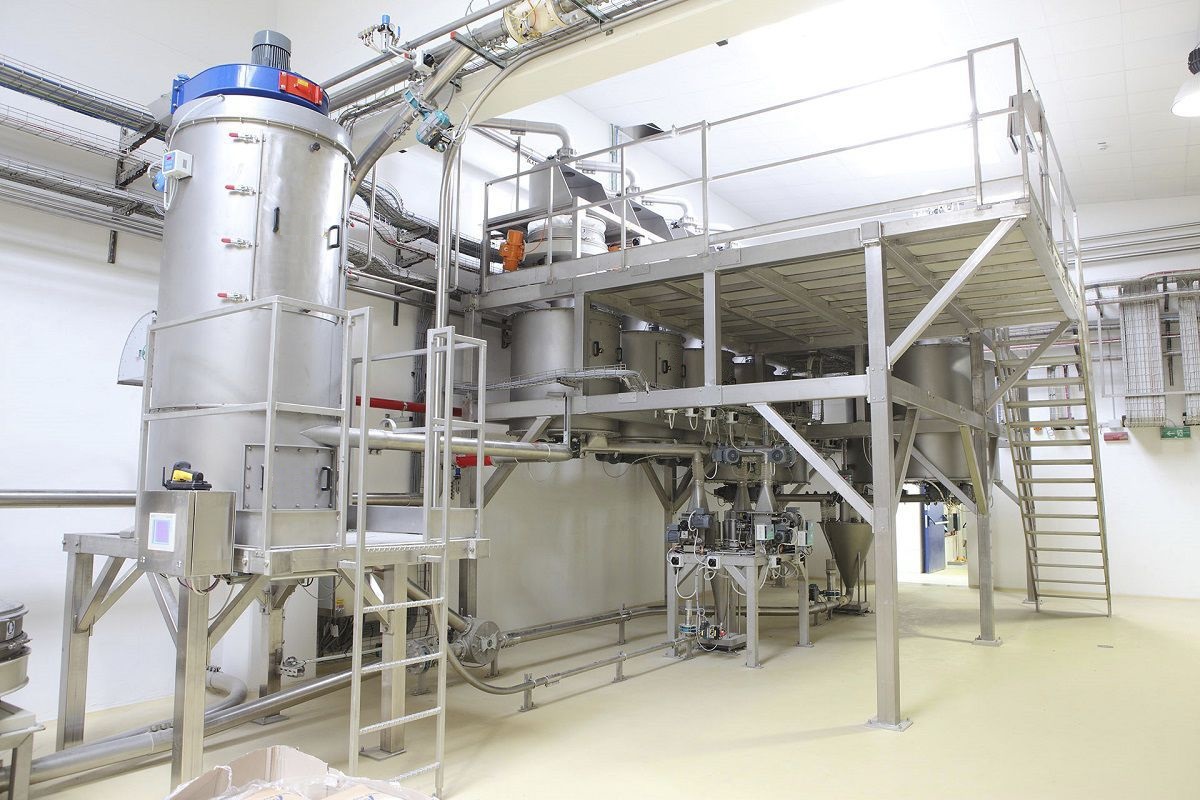
The entire batching system consists of devices such as silos, mixers, Weighing modules, rotary Feeders, discharge gates, and a control system. When batching and mixing are required, the host computer sends a feeding signal to the PLC based on the selected batching direction. According to the location of the material in the silo, the PLC sequentially connects/disconnects the corresponding feeding screw motor to the inverter output line through a relay device to complete the rapid feeding process of the material. The fast and slow conveying function of the rod is achieved by combining and designing software logic to transmit the three-way switch output signal of the PLC to the inverter speed selection terminal. After adding the last material and delaying the mixing for a predetermined period of time, the bottom valve is automatically opened for discharging.
The weighing and batching machine primarily consists of two major components: the mechanical section, which includes a raw material bin and its corresponding hopper, a batching conveyor screw, and a mixer; and the control section, which comprises a PLC controller, an electronic weighbridge, and a frequency converter. When using PLC to control the batching system, the raw material content is first inputted into the computer, which calculates the corresponding batching ratio. The batching ratio provided by the computer is then inputted into the system, and the PLC controls the relevant equipment to mix the raw materials in proportion to obtain raw meal. During the mixing process of raw materials, the electronic weighbridge is used to monitor the mixing ratio of raw materials. If the rated error value is within the allowable range, the PC processor simultaneously invokes relevant subprograms based on the cumulative weight of the batching to correct the error, making the raw material mixing ratio as close to the batching ratio as possible. Finally, the mixed raw meal is mixed in the mixer under certain environmental conditions, and the resulting mixed product is stored in the large raw meal silo for future use.
After determining the proportioning ratio of the raw materials, the corresponding proportioning ratio is inputted into the computer, and the start switch is pressed to initiate the operation of the proportioning scale. Firstly, the tare weight of the hopper is weighed using a weighbridge, and the corresponding weight is stored in the PLC. At the same time, the PLC detects whether the raw material silo and hopper are in a closed state. If they are in a closed state, the PLC starts the proportioning screw and simultaneously sends a corresponding signal to open the valve at the bottom of the raw material silo to feed the proportioning screw. The proportioning screw sends the material into the hopper scale (each hopper scale is equipped with a weighing module), and the weighbridge scale continuously detects the mass of the hopper scale and continuously displays the mass value. When the mass value reaches the set value of the hopper scale, the Electronic scale sends a signal to the PLC, and the PLC outputs a signal to close the valve of the raw material silo and the proportioning screw motor, stopping the feeding.
Due to the relatively large particles of raw materials, the phenomenon of material agglomeration or sticking may occur in the hopper, making it impossible to completely empty the hopper and affecting the accuracy of weighing. To ensure the accuracy of weighing, the electronic scale's function of adding tare weight can be used to eliminate weighing errors. To eliminate weighing errors, first select the function of adding tare weight, simultaneously read the weight of raw materials in the computer, and add the theoretical weight and tare weight to obtain a new set value for the weighbridge, thereby eliminating the problem of raw materials sticking in the hopper and ensuring the accuracy of weighing. Additionally, due to the recurring issue of material sticking, the raw materials in the hopper will accumulate more and more. When the new set value of the electronic weighbridge exceeds the maximum weight capacity of the raw materials in the hopper, the electronic scale sends a signal to the PLC, which in turn sends a warning signal and stops the operation of related equipment, waiting for relevant personnel to clean the sticking materials in the hopper. Furthermore, since the PLC program executes in a cyclic scanning manner, to ensure the accuracy and reliability of control in weighing, the bottom door is generally only opened once during a working cycle.