









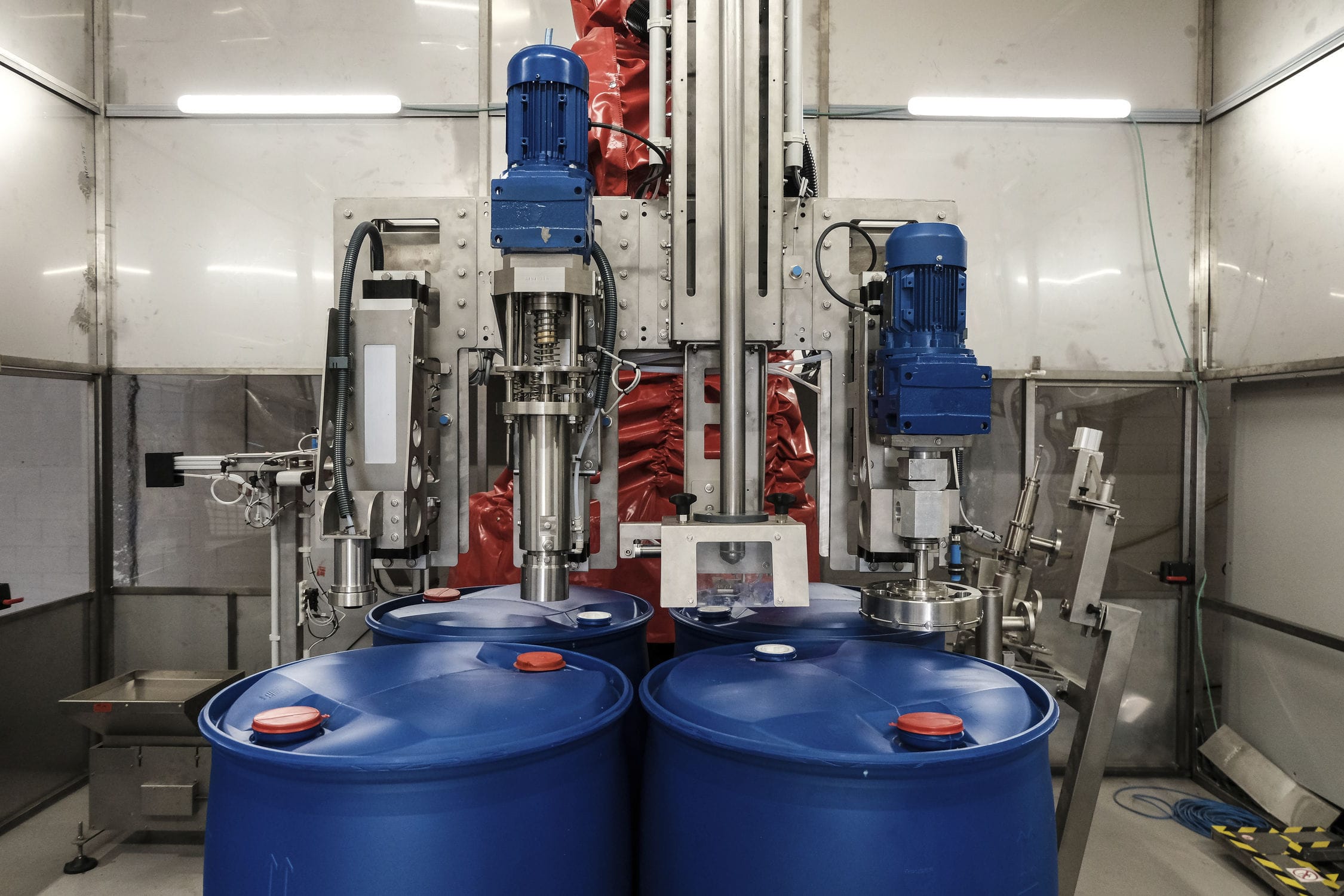
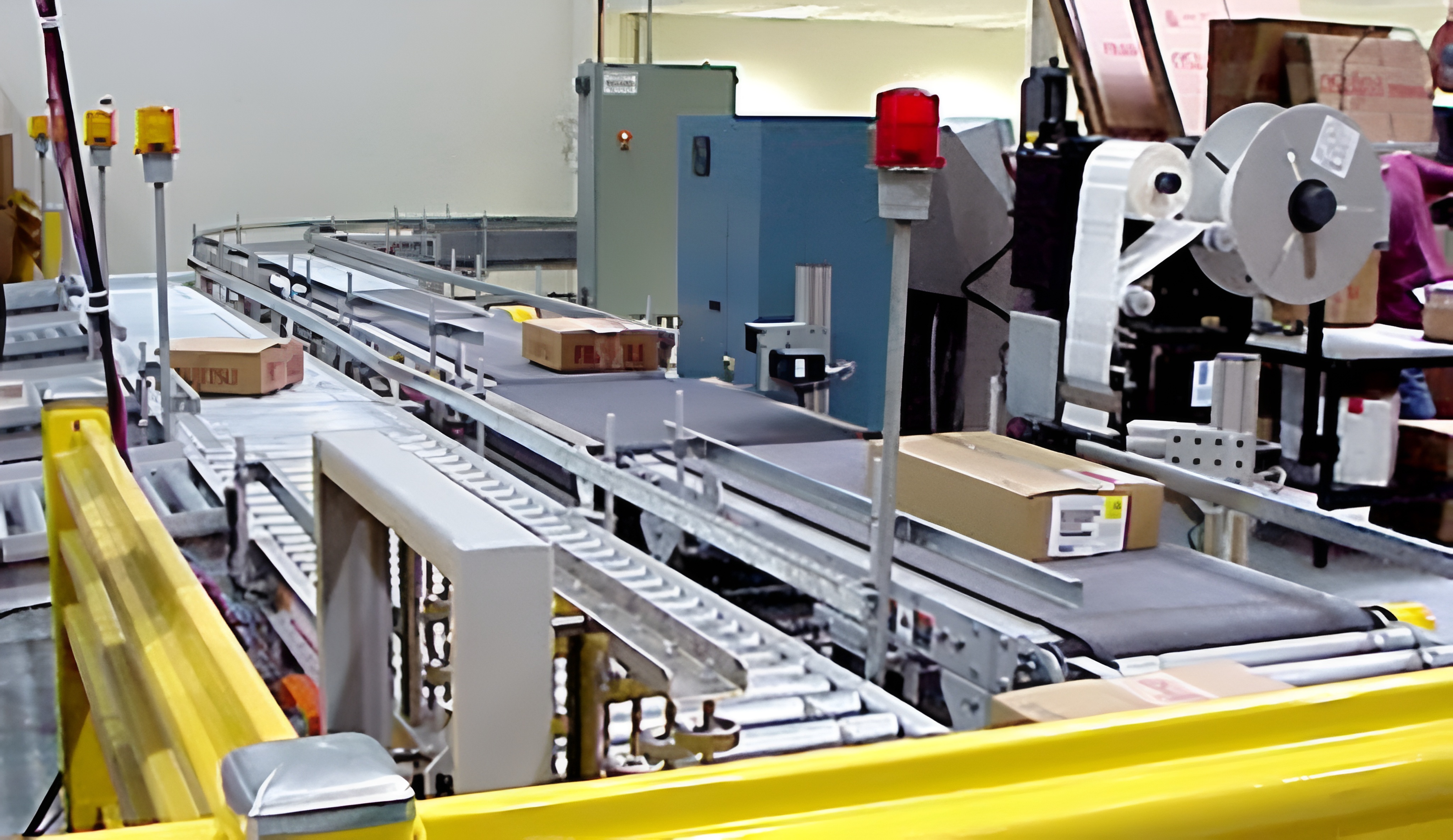
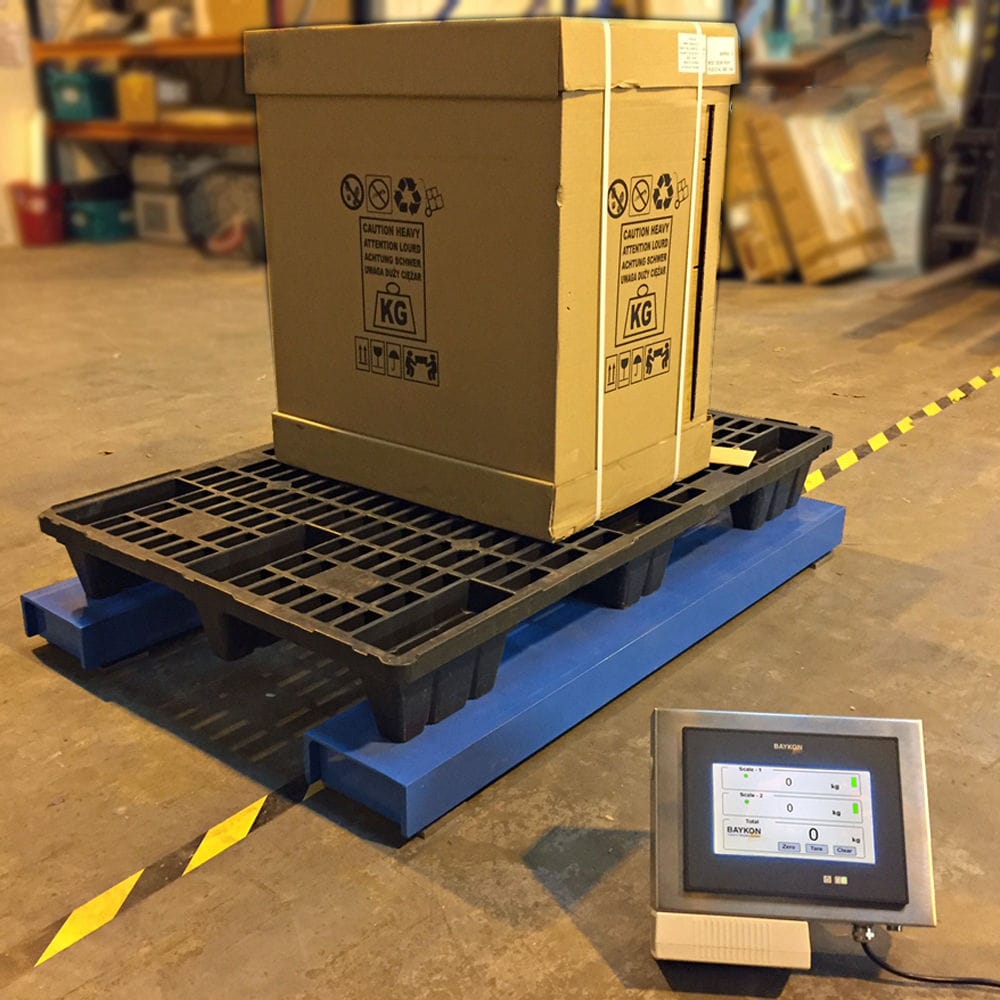


The weighing sensor uses the compensation network based on radial basis function neural network to complete the nonlinear error compensation of the sensor; In the lower limit region, a digital filter is used to complete the nonlinear error compensation. In the middle area, the weighing sensor does not compensate, and at the same time, the selection of subsection compensation is completed by using the adaptive selection network. The piecewise compensation model of nonlinear error is established to obtain good compensation effect.

 020-34563445
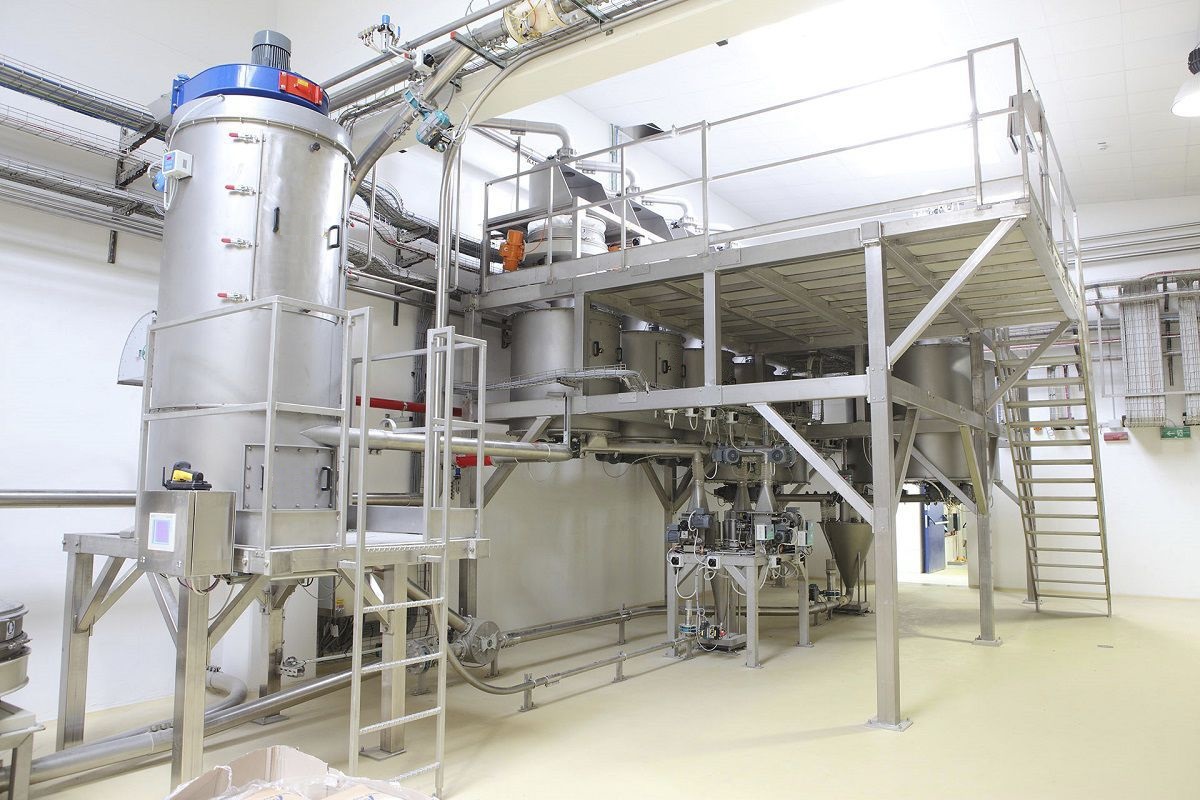
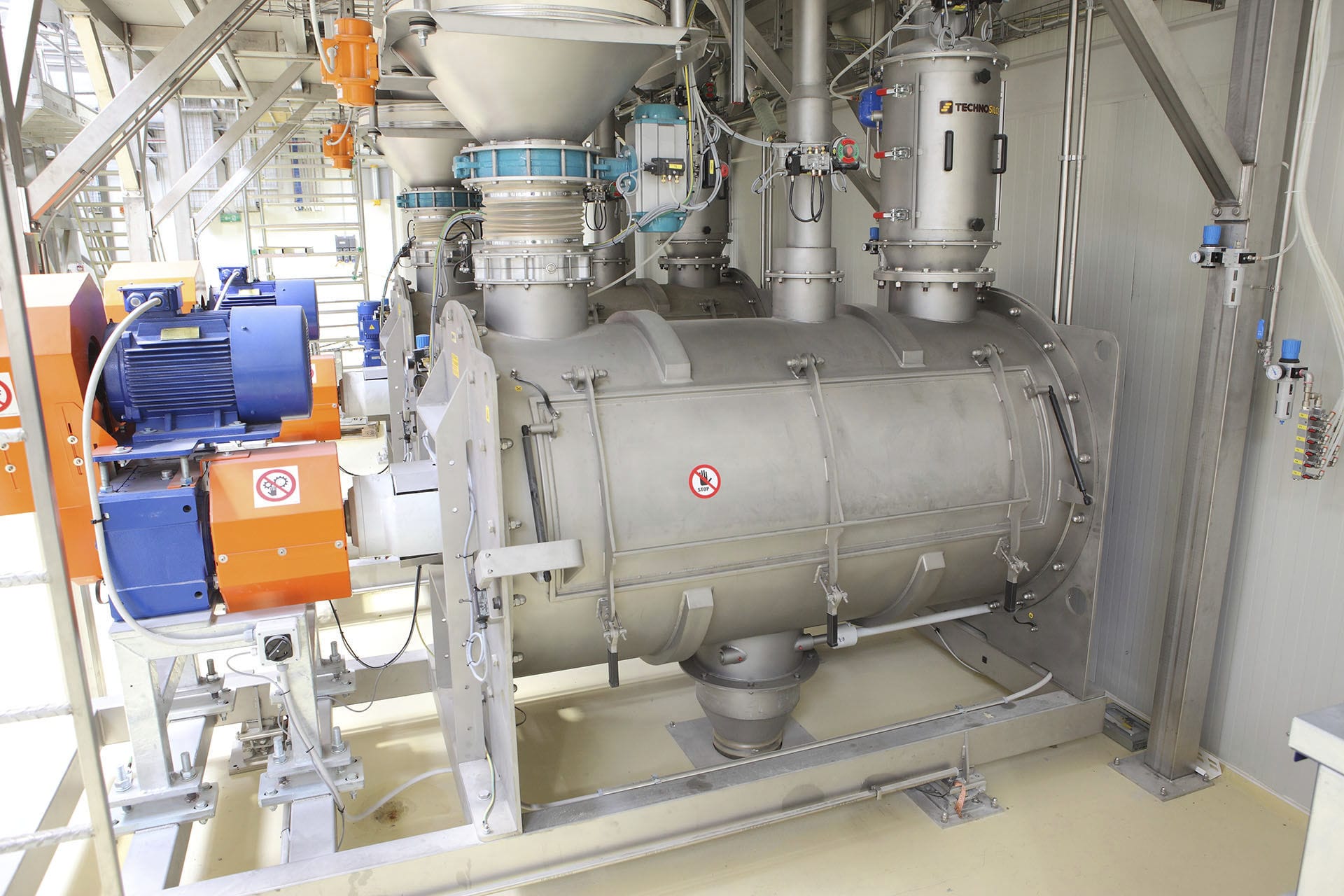
The weighing control module accumulates and transmits to the weighing instrument through the junction box, and the weighing instrument displays the weight of the material in real-time through A/D conversion. The displayed weight data is transmitted to the PLC through serial communication, and the PLC compares the collected weight of the weighing module with the weight set in the Electronic scale touch screen (or computer) to control the movement of the entire reaction kettle. Adopting high-performance configuration software with a complete Chinese interface, it has management functions such as real-time data display, flow and temperature control curves, alarm and operation records, and complete production reports. In order to achieve static weighing and measurement of large containers, hoppers, etc. in industrial environments, the weighing module integrates weighing sensors, load transmission devices, limit devices, and overload prevention, and can be easily connected to various mechanical equipment. On the basis of traditional resistance strain sensors, modern microelectronics technology and microcomputer technology are combined to add control functions, including weight display, quantitative feeding, unloading, on-site equipment control, alarm signal display, formula setting, and process monitoring.
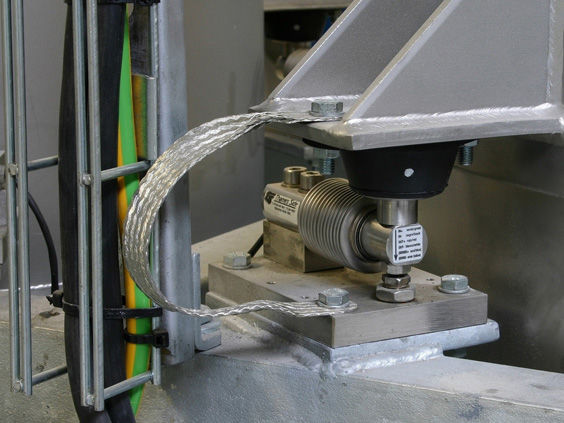
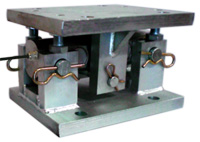
The weighing module is used to weigh the components being weighed, and a housing is used to define a storage space; The weighing sensor is set in the accommodating space, using a sensor connector and sensor with a spherical surface. The spherical surface is used to contact the weighed component to reduce the frictional force when the weighed component moves; And a lining ring, which is made of hard material between the housing and the sensor connector to reduce the offset of the sensor connector and avoid contact between the sensor connector and the housing. The weighing module reduces the contact friction between the lining ring and the sensor connector, and a sealing ring is also installed between the housing and the sensor connector. The shell also adopts an operation window, which is used to provide a window for entering the storage space for operation. The shell also adopts a drainage hole, which is connected in sequence with an upper cover plate, a middle cylinder, and a base. The upper cover plate, the middle cylinder, and the base jointly define the accommodating space. The top of the sensor connector passes through the upper cover plate, between the sensor connector and the upper cover plate.
Technical parameters
*Rated load (R.C.): 10,15,20,25,30,50T
*Rated output (R.O.): 2 ± 0.0050mV/V
*Zero point balance: ± 0.015mV/V
*Comprehensive error: ± 0.03% R.O
*Nonlinear: ± 0.03% R.O
*Lag: ± 0.03% R.O
*Repetition: Sex ± 0.02% R.O
*Creep (30 minutes): ± 0.03% R.O
*Normal operating temperature range: -10...+40 ℃
*Allowable working temperature range: -20...+70 ℃
*Temperature effect on sensitivity: ± 0.02% R.O./10 ℃
*Temperature effect on zero point: ± 0.02% R.O./10 ℃
*Recommended excitation voltage: 10V (DC/AC)
*Maximum excitation voltage: 15V (DC/AC)
*Input impedance: 770 ± 10 Ω
*Output impedance: 700 ± 5 Ω
*Insulation impedance:>5000M Ω
*Safe overload: 150% R.C
*Extreme overload: 300% R.C
*Elastic element material: alloy steel
*Protection level: IP68


