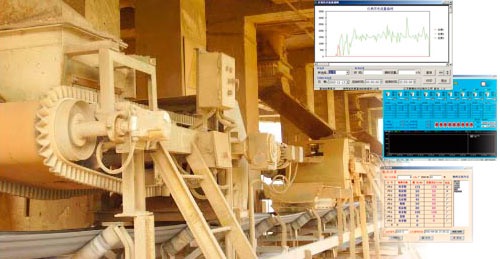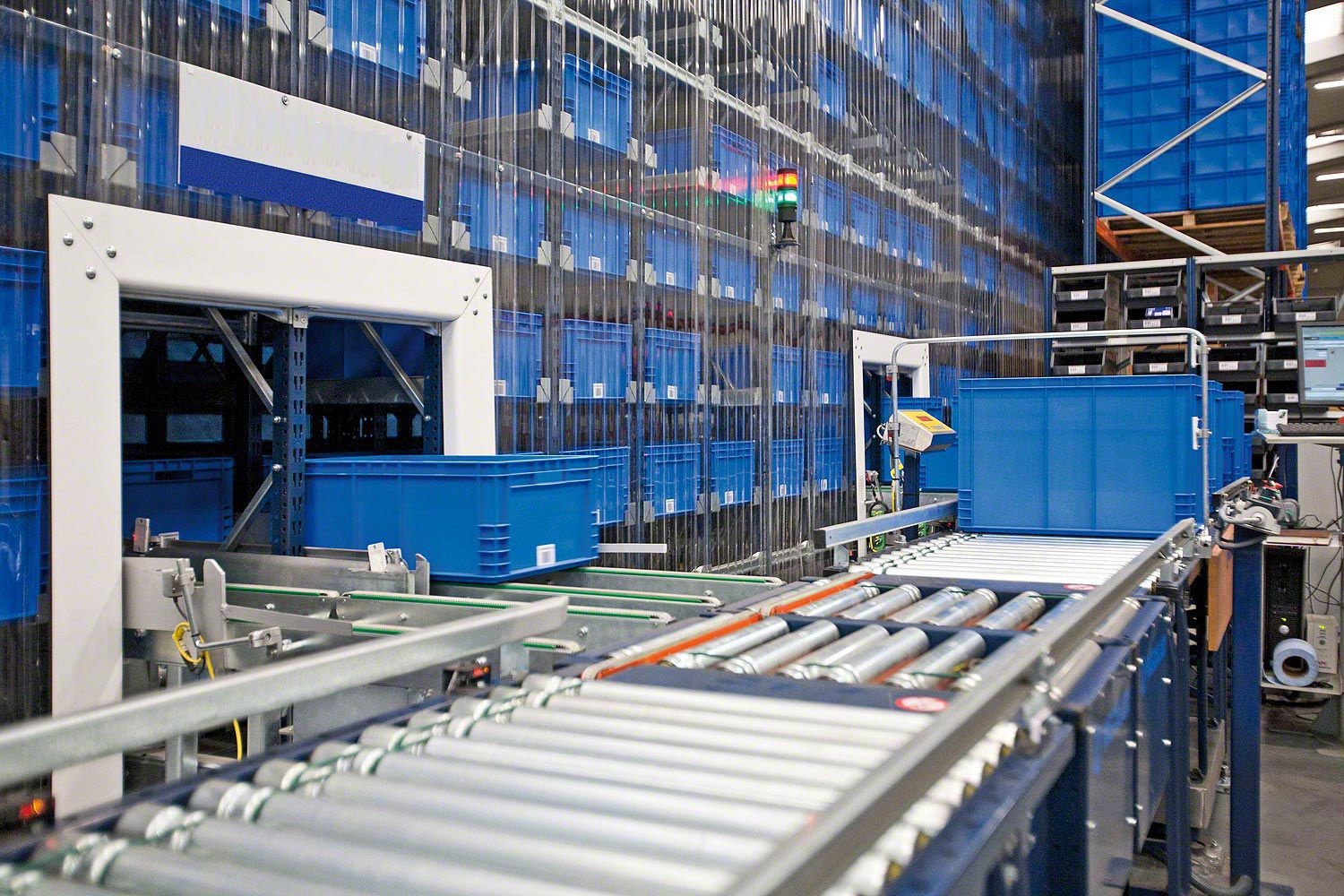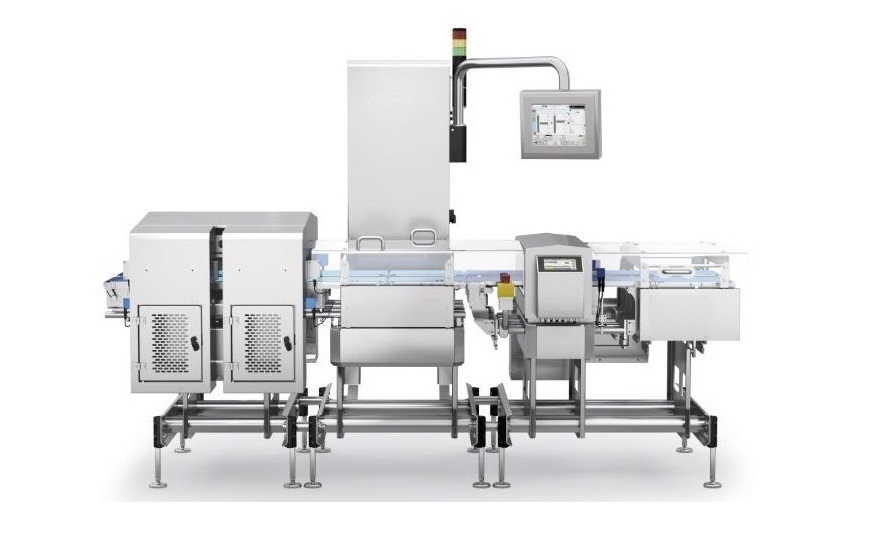









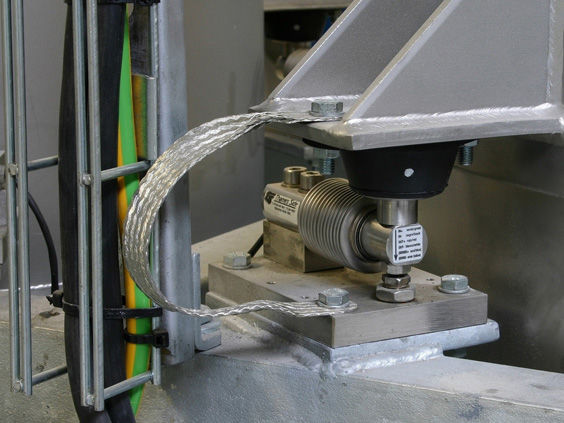
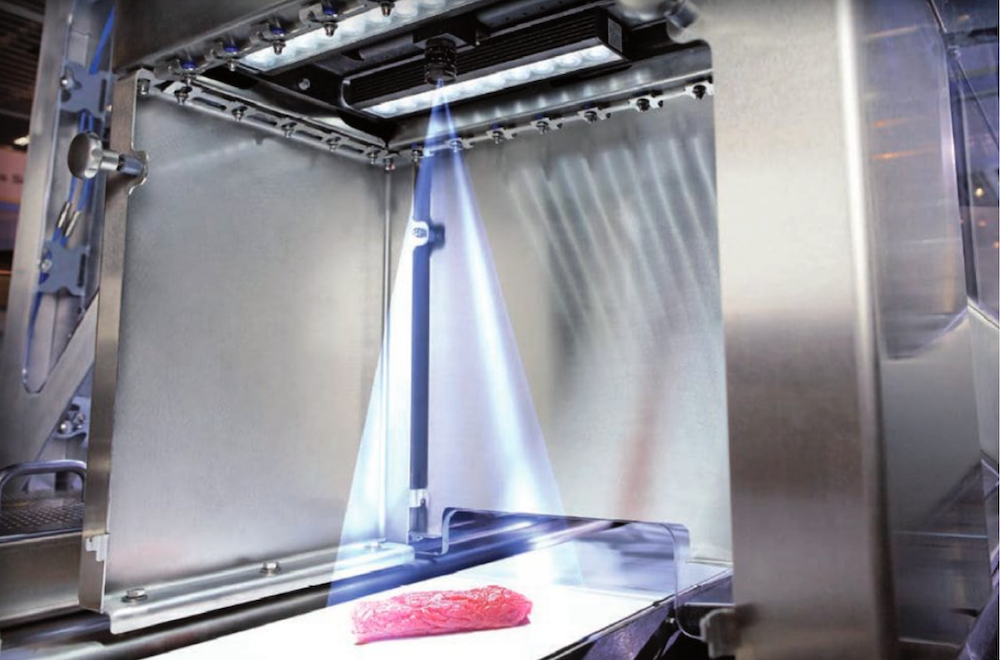
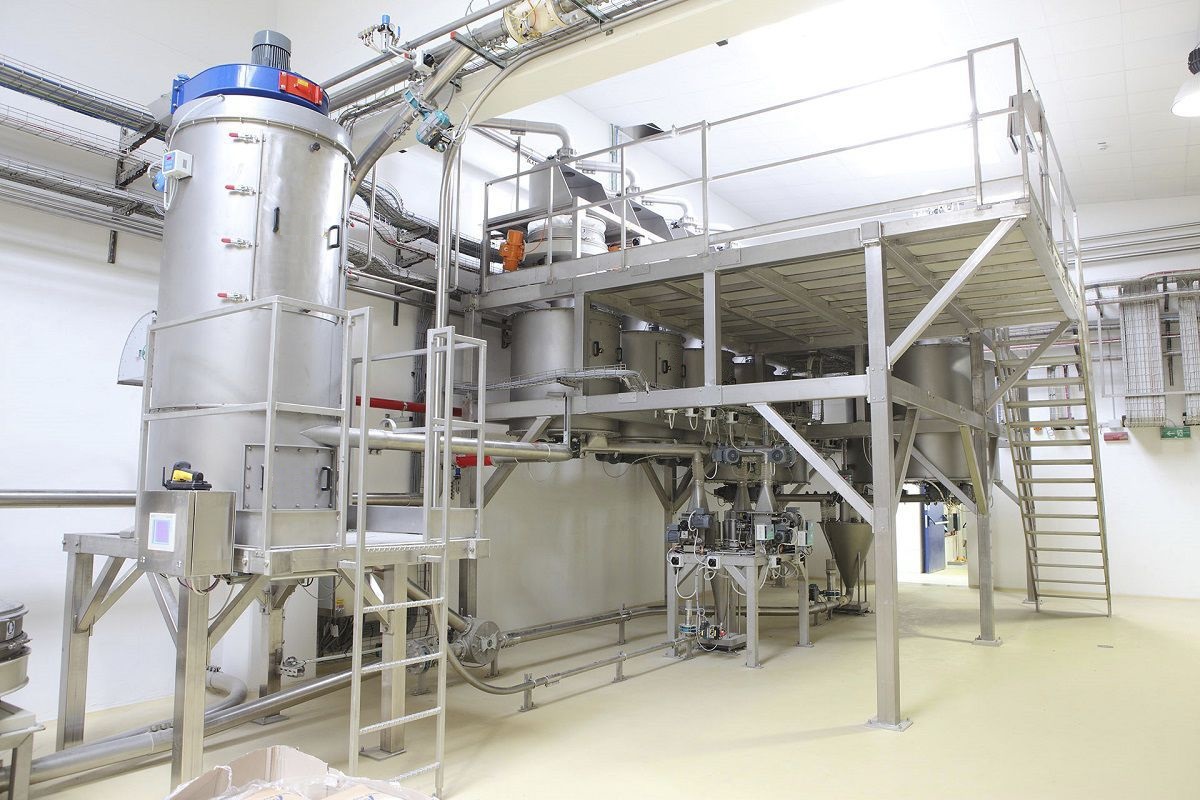
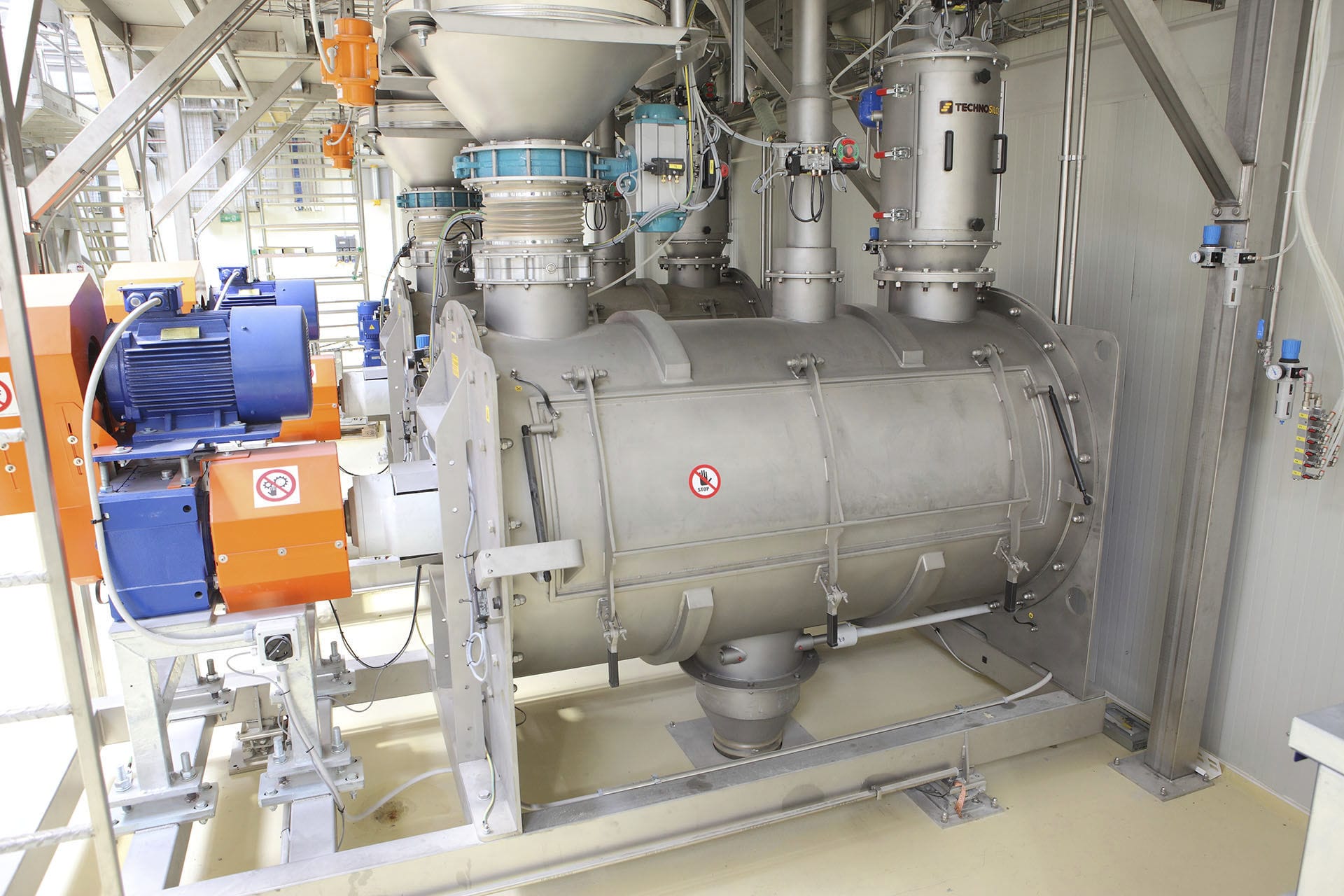
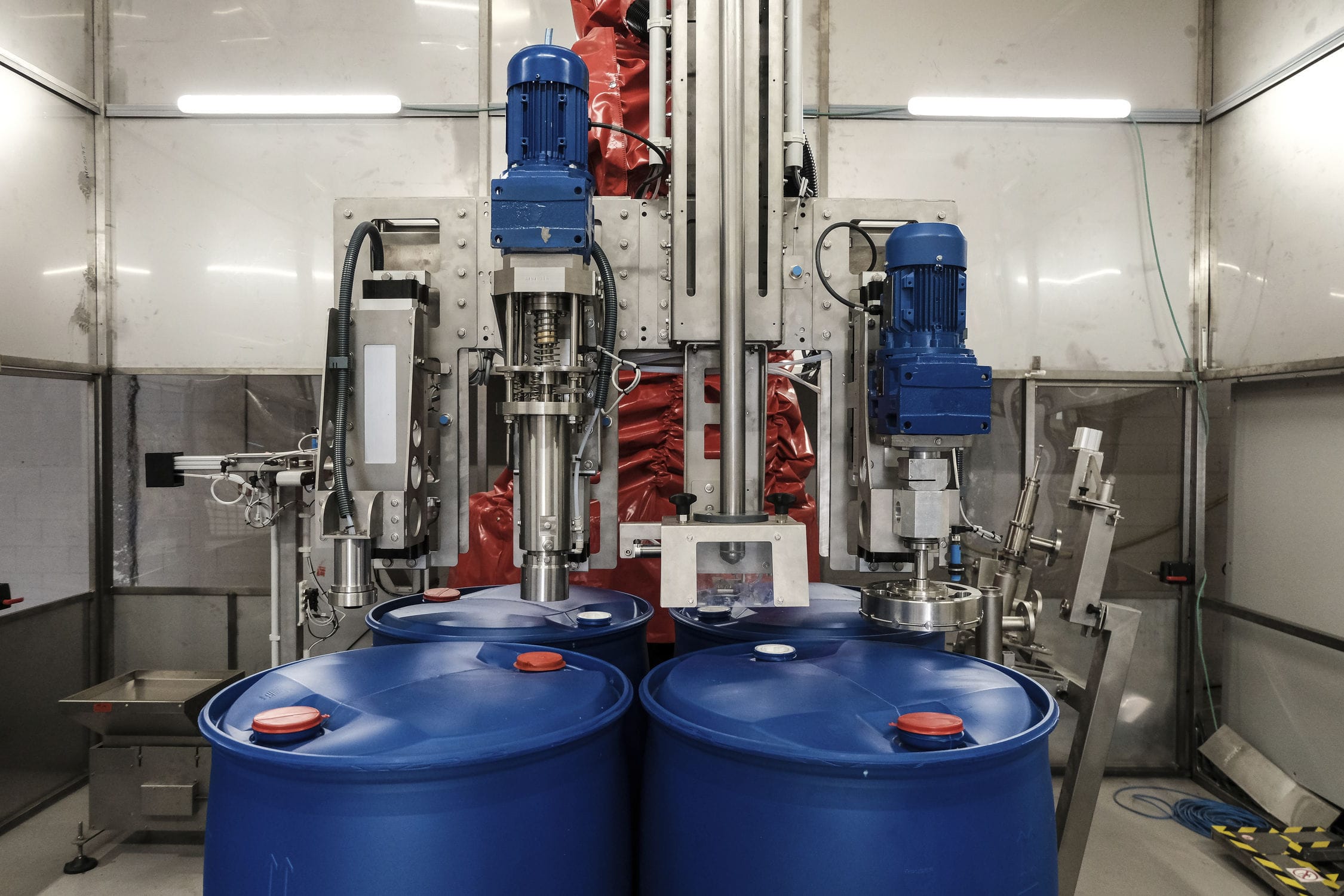
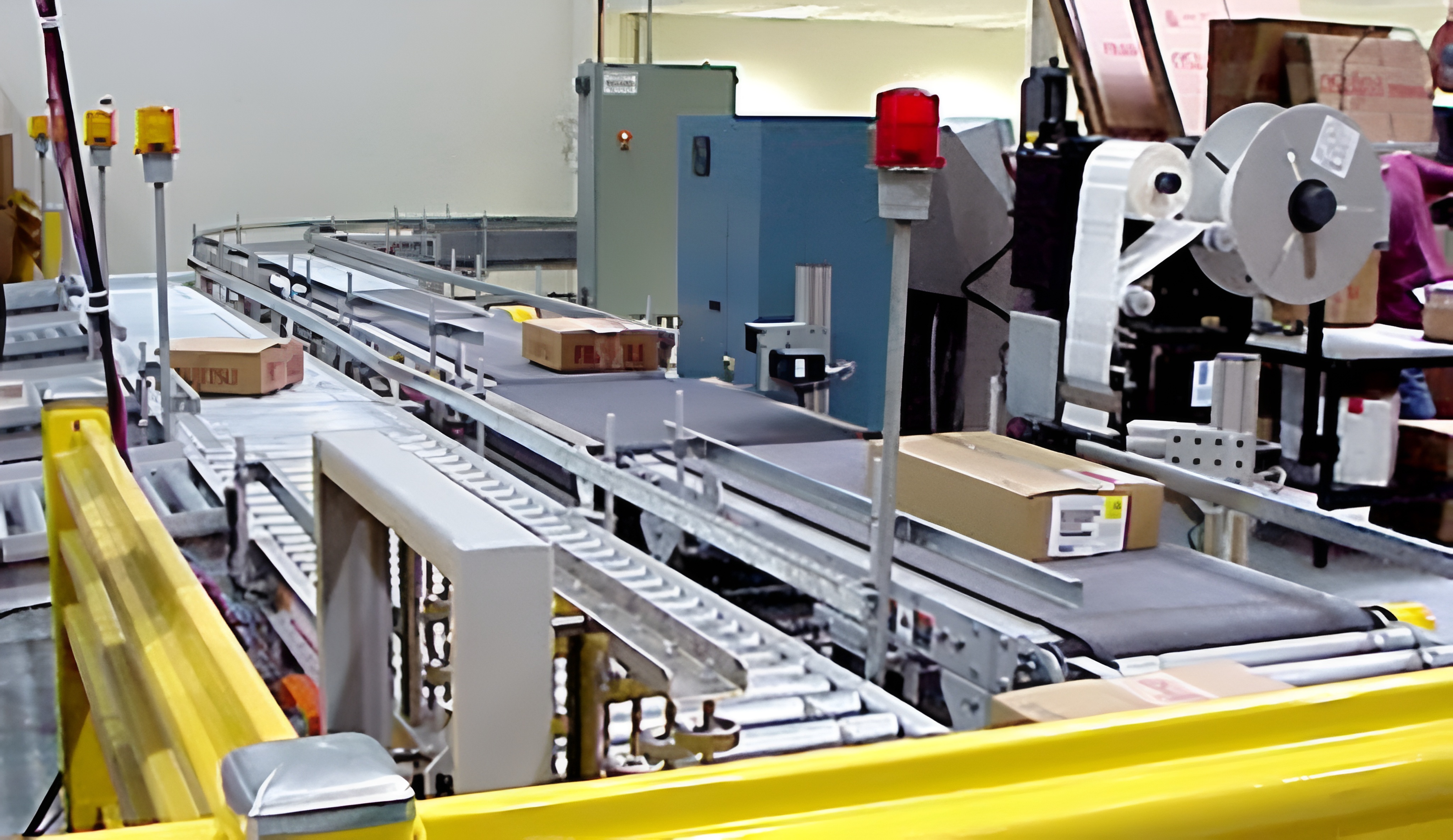
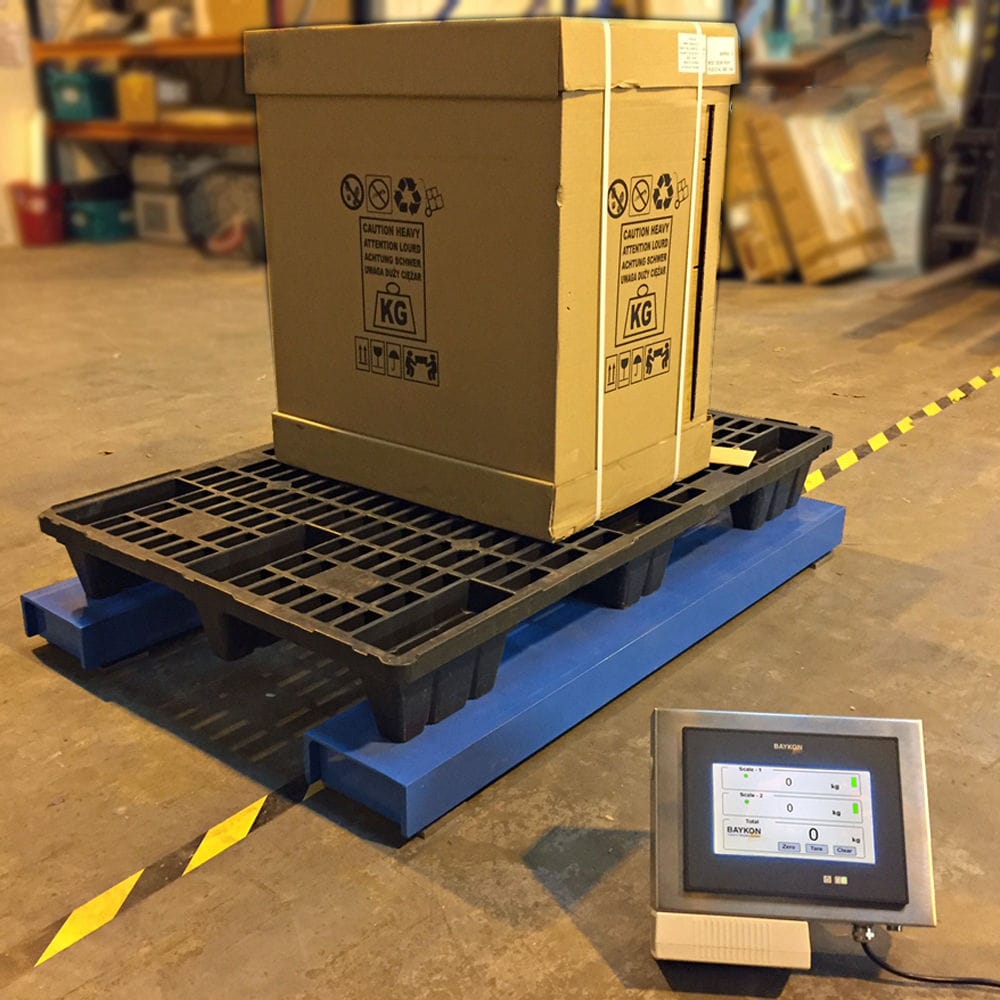


The conveyor belt electronic scale is composed of a weighing module, a motor, a frequency converter and a control system. The conveyor belt and the belt conveyor are both driven by frequency conversion motors. The conveyor belt operates continuously, and a lever device is installed under the belt. When the materials on the belt pass over the bearing surface of the lever device, they will exert a certain pressure on the bearing surface. This pressure is transmitted to the weighing sensor through the lever device, and the control device amplifies and processes the weight pressure signal sensed by the weighing sensor and displays it in digital form.

 020-34563445
The weighing device used in the conveyor Electronic scale for measuring fixed length weight is to measure the measured material in sections. The length of the material measured in one weighing measurement is the length of the belt, and the weight of the material is calculated and processed. Considering the weighing module with piezoelectric crystal elements as the weight signal measurement conversion element and the weighing instrument as the core element for data acquisition, signal processing, and calculation in the weighing device, a new continuous material weighing device is achieved, which realizes online dynamic detection and display. On the other hand, software methods are used to digitally filter the signal sent by the weighing module, reducing the difficulty of motor control circuit design and the impact of component performance on the circuit during temperature and humidity changes, filtering out low-frequency vibration and interference signals in the signal, further improving the accuracy of measurement, and achieving good results. The conveyor electronic scale is based on a new type of conveyor belt online dynamic real-time Weighing system, which uses Weighing modules to collect weighing data and software to complete functions such as filtering, calculation, and display of weighing data. The weighing module drives the motor and data acquisition system, and combines parameter identification and numerical integration methods in the processing of measurement data. The widely used graphical language programming test software is used for data processing, display, and related functional implementation. The conveyor electronic scale consists of a weighing module, a motor, a frequency converter, and a control system. Both the conveyor and the chain plate conveyor are driven by frequency conversion motors. The conveyor is equipped with a lever device under the continuously running belt based on the lever principle. When the material on the belt passes through the bearing surface of the lever device, it will generate a certain pressure on the bearing surface. The pressure is transmitted to the weighing module through the lever device, and the control device amplifies and processes the weight pressure signal sensed by the weighing module before displaying it in digital form. At the same time, external control can be applied to the displayed digital signals, comparing the detected bulk material flow signal with the set flow signal in the control system and adjusting it using PID. The frequency converter is driven to change the speed of the conveyor and belt conveyor motor, automatically changing the speed of the belt according to the actual required feeding amount, tracking the given feeding amount, and forming a control characteristic of slow speed when there is more feeding, fast speed when there is less feeding, and even stopping when overloaded, thus obtaining the given material flow rate.
The weighing conveyor adopts a chain plate conveyor. The top of one side of the chain plate conveyor can be disassembled and installed with a power chamber. The top of one side of the power chamber can be disassembled and installed with a conveyor chain plate. One side of the power chamber is fixedly installed with a static weighing chain plate. The top of one side of the static weighing chain plate is provided with a weighing module. The bottom of one side of the chain plate conveyor can be disassembled and installed with a control panel. The top of one side of the control panel can be disassembled and installed with a power button. One side of the power button can be disassembled and installed with a speed regulator. The bottom of one side of the power chamber can be disassembled and installed with a support column. The top of one side of the support column can be disassembled and installed with a shock absorber rod. The bottom of one side of the support column can be disassembled and installed with a support rod. The bottom of one The top of one side of the room is equipped with a detachable power box, The interior of the power box is detachably equipped with a power motor, and the top of one side of the conveyor chain plate is detachably equipped with a transmission rod. The top of one side of the transmission rod is detachably equipped with a transmission chain plate, and the surface of the transmission chain plate is detachably equipped with a transmission belt. The interior of the stationary weighing chain plate is detachably equipped with a weighing module. The top of one side of the weighing module is detachably equipped with a pressure rod, and the top of one side of the pressure rod is detachably equipped with a load plate. The top of one side of the weighing module is fixedly connected with a connecting block, and the top of one side of the connecting block is fixedly connected with an installation rod. The surface of the installation rod is provided with installation threads. The top of one side of the power room is equipped with a detachable power base, and the top of one side of the power base is equipped with a transmission column. The top of the transmission column is equipped with a display panel, and a weighing instrument is fixedly installed inside the display panel.