








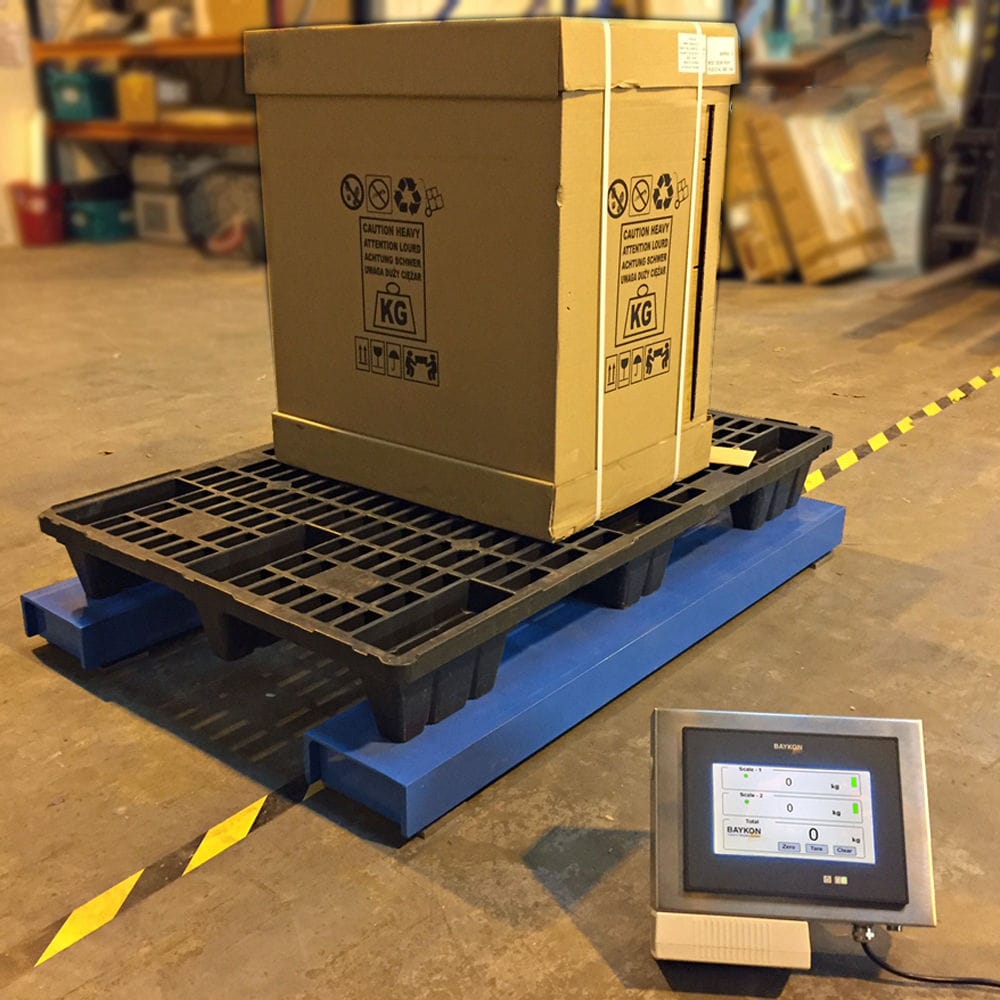


The weighing module is a multi-channel weighing sensor. The sensors can meet the measurement requirements of different ranges by adjusting the distance between them. Its main function is to obtain the radial pressure of the table, realize the conversion of the local strain of the weighing module to the electrical signal, and then collect and process the electrical signal by using the data acquisition system.

 020-34563445
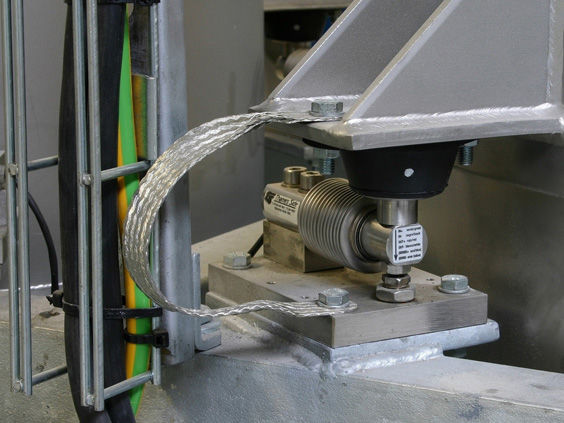
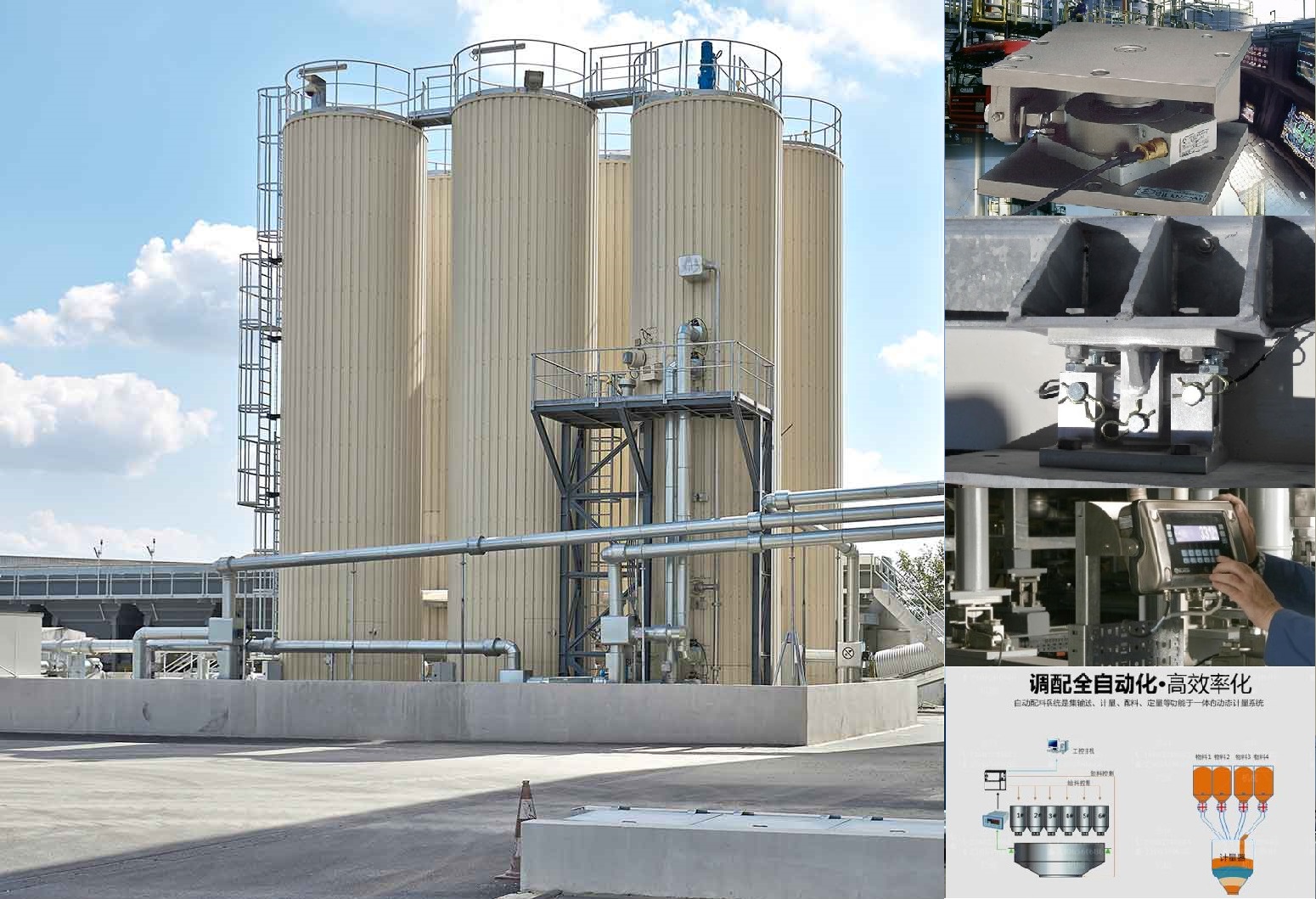
The installation of the multi-channel weighing module follows OIML R60, using pillars and anti pull design, with a compact structure and low height. Maintenance free, easy to install, optional electroplated alloy or stainless steel, swing rod structure, with automatic reset function. The weighing module undergoes elastic deformation under external force, causing the resistance strain gauges attached to its surface to also deform. After the resistance strain gauges deform, the resistance value will change, and the corresponding measurement circuit will convert this electrical change into voltage, thus completing the process of converting the external force into an electrical signal. Taking a typical chemical reaction kettle weighing as an example, the weighing module transmits the weight signal of the kettle body to the junction box through three pressure type Weighing modules installed at the bottom of the reaction kettle. Parallel signals from various weighing modules are connected in the junction box, and the angle difference can be adjusted according to the load situation of each weighing module. The collected weight signals are sent to the weighing end or weight transmitter. The weighing terminal or weight transmitter processes the weight signal into corresponding weight data.
The weighing module consists of a base, a weighing sensor, a carrier, a rocking column, and a frame frame. The base is installed on the machine base, while the frame frame is connected to the connecting piece of the supporting material tank. As the carrier is screwed onto the top plate of the frame frame, and the weighing sensor is connected to the carrier installed on the frame frame through the rocking column, the weight of the material tank can be transmitted to the weighing sensor through the frame frame, carrier, and rocking column. The weight signal is transmitted through the elastic body of the weighing sensor, which deforms and outputs the weight signal. Due to the vertical protection distance between the end face of the weighing sensor and the bottom surface of the carrier, the vertical protection distance can be determined by the thickness of the alignment card installed between the weighing sensor and the carrier. The carrier is fixed during operation. On the frame frame, simply remove the alignment card and adjust it very conveniently. When weighing, Keeping the weighing sensor in a floating state without affecting the accuracy of measurement, and at the same time, the top plate on the frame frame can provide vertical limit protection, which can protect the material tank from tipping over when subjected to external forces during the weighing process. Especially, the load-bearing component is connected to the weighing sensor through the spherical surface of the shaking column, ensuring that the weighing sensor is subjected to vertical force and accurately measuring the weight or level of the material in the tank. When the system is subjected to horizontal external force impact, two horizontal limit bolts are used to symmetrically protect the sensor horizontally. Especially when there is a large external force, the frame frame will move relative to each other. By shaking the column, the side of the weighing sensor is connected to the groove wall of the limit groove on the bottom plate, and the horizontal force borne is transmitted to the base, ensuring the safety of the weighing module. After the external impact force is eliminated, a restoring force is generated through the spherical surfaces at both ends of the shaking column, restoring it to its original vertical state, thereby ensuring the high accuracy and long-term stability of the weighing module.
Technical parameters
Rated load (R.C.): 10T, 20T, 30T, 50T, 100T
Rated output (R.O.): 2 ± 0.005mV/V
Zero point balance: ± 0.030mV/V
Comprehensive error: ± 0.03% R.O
Nonlinear: ± 0.03% R.O
Lag: ± 0.03% R.O
Repeatability ± 0.02% R.O
Creep (30 minutes): ± 0.03% R.O
Normal operating temperature range: -10...+40 ℃
Allowable working temperature range: -20...+70 ℃
Temperature effect on sensitivity: ± 0.02% R.O./10 ℃
Temperature effect on zero point: ± 0.02% R.O./10 ℃
Recommended excitation voltage: 10V (DC/AC)
Maximum excitation voltage: 15V (DC/AC)
Input impedance: 385 ± 10 Ω
Output impedance: 350 ± 3 Ω
Insulation impedance:>5000M Ω
Safe overload: 150% R.C
Extreme overload: 300% R.C
Elastic element material: alloy steel
Protection level: IP67
Cable length: 4m (0.25t... 2t), 6m (3t... 10t)