










Lead time Explosion-proof weighbridge is mainly a weighing instrument, PLC as an auxiliary control system, computer human-machine interface to display the proportioning parameters (formula) and monitoring and recording of real-time data, weighing instrument according to the set formula to open the weighing valve of the electronic scales, according to the weighing of the fast and slow with the amount of lead time, the weighing instrument detects the weighing of weighing scales to reach the set value, it will be subtracted from the amount of lead time, then close the feed valve. The advance amount can be corrected by human or automatically, so that the weighing instrument can control the electronic scale to reach the set target value every time.

 020-34563445
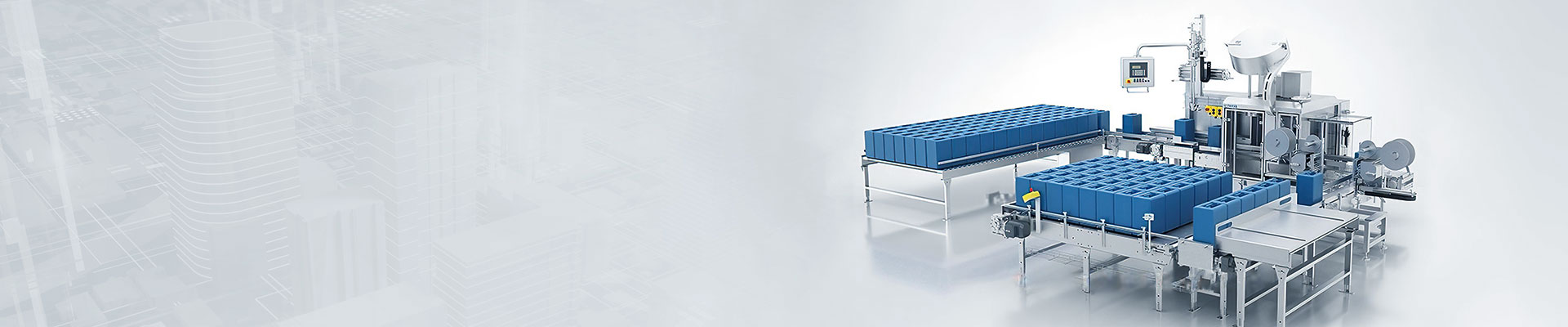
The advance quantity explosion-proof scale is mainly composed of a weighing instrument and a PLC as an auxiliary control system. The computer human-machine interface displays the ratio parameters (formula) and monitors the real-time data. The weighing instrument opens the weighing valve of the Electronic scale according to the preset formula. An advance quantity is set for the weighing speed based on the speed of material weighing. When the weighing instrument detects that the weight of the material being weighed reaches the set value, it will subtract the advance quantity, and then close the feeding valve. The advance quantity can be manually corrected or automatically corrected to ensure that the weighing instrument controls the electronic scale to achieve the set target value of each batch material weighing. The microcomputer centralized control is adopted, with distributed control (upper computer + lower computer), and periodic remedial measures are implemented. The industrial control computer and PC bus communication are used, which can realize the measurement of various materials. Through the computer control center, the entire production process can be observed, and the operation process can be effectively controlled. It mainly consists of raw material storage and measurement, finished material liquid preparation, storage, transportation, and on-site processing.
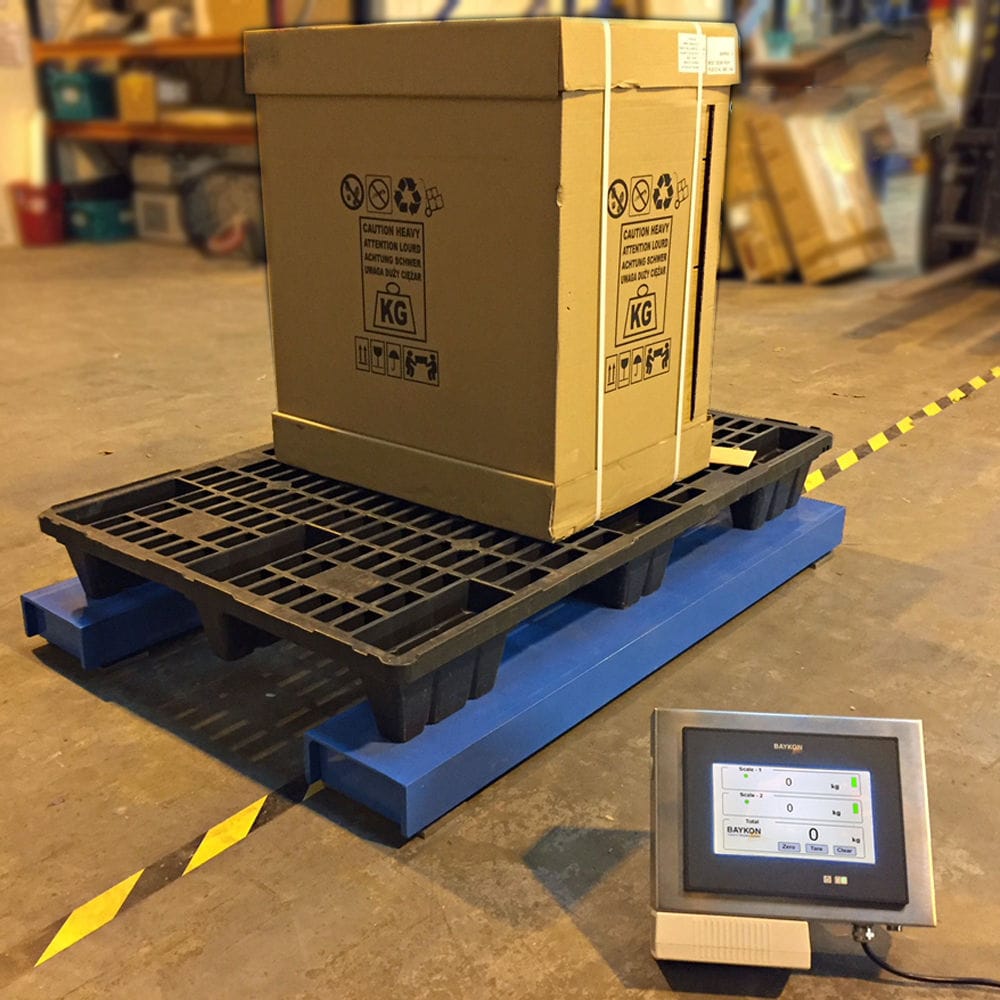
After the vehicle drives onto the scale, the empty vehicle weight is measured. According to the preset target net weight, the weight of the materials to be loaded is calculated. After starting the loading process, the scale collects the total weight data of the vehicle in real time and transmits it to the control unit. It continuously compares the actual loading quantity with the target value. When the loading quantity approaches the preset value, the system automatically reduces the feeding speed (from rapid feeding to fine supplementary feeding). The electronic scale in the Weighing system mainly includes nominal value, over-run value, and the main set values that need to be recorded by PLC, such as full weight value, residual value, net weight value, and stop vibration value. The nominal value is set by the operator on the industrial control machine according to the required weight of the electronic scale in the recipe sheet; the over-run value refers to the weight of the material that is loaded into the electronic scale hopper due to inertia after the vibrating Feeder stops; when the PLC is first put into automatic mode, the program adopts the over-run value set by the operator, and from the second time on, the over-run value is calculated based on the previous feeding error; the main set value refers to the weight that should be given to the hopper; when the PLC is first put into automatic mode, the program adopts the nominal value set by the operator, and from the second time on, the main set value is calculated based on the previous feeding error; the residual value refers to the weight of the remaining material in the hopper after emptying; the stop vibration value is the set value for the vibration feeder to stop vibrating, obtained by subtracting the over-run value from the main set value.
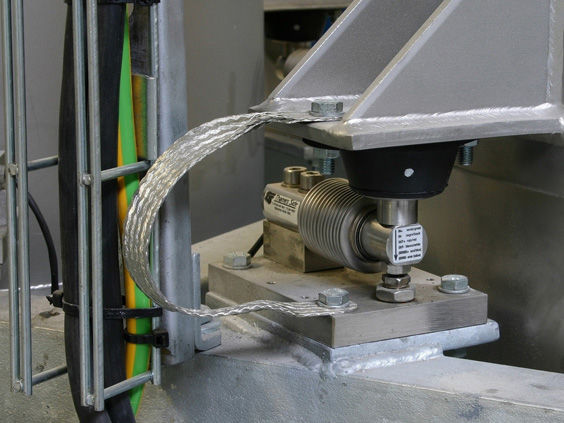
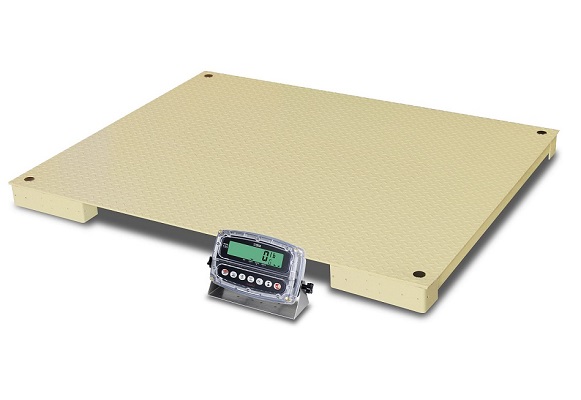
The weighing system of the scale achieves precise loading of bulk materials through automated closed-loop control. Usually, the weighing scale, feeding device, control system, etc. are combined together to achieve precise measurement and automatic control of materials during loading. It is manufactured by stamping forming technology, without welding gaps, and is polished to form a dense oxide film. The scale platform and base are connected by quick-release hinges, and the edge of the scale platform adopts a rounded transition to avoid dirt accumulation. The sensors and junction boxes are designed with IP68 protection level, using four high-precision alloy steel sensors. The output signal is automatically balanced through the potentiometer of the junction box to ensure a weighing accuracy of 0.1% even at 150% of the rated load. It has a built-in self-diagnosis program, which can automatically detect sensor deviation and prompt calibration, and achieve rapid calibration with standard weights. In actual application, it is shown that the scale has not experienced data drift for 24 consecutive months under high-intensity use of 2000 weighings per day, with a weighing repeatability error within the allowable range, meeting the strict requirements of the batching industry for material control accuracy.


