





Measuring and batching equipment from the classic PID regulation, feedback, feed-forward loop control gradually developed to batch control, centralized control, object-oriented optimization control, artificial intelligence control gradually developed to multi-parameter multi-objective control, its correction, compensation, algorithms more and more to do a lot of detailed and accurate, and is particularly important.

 020-34563445
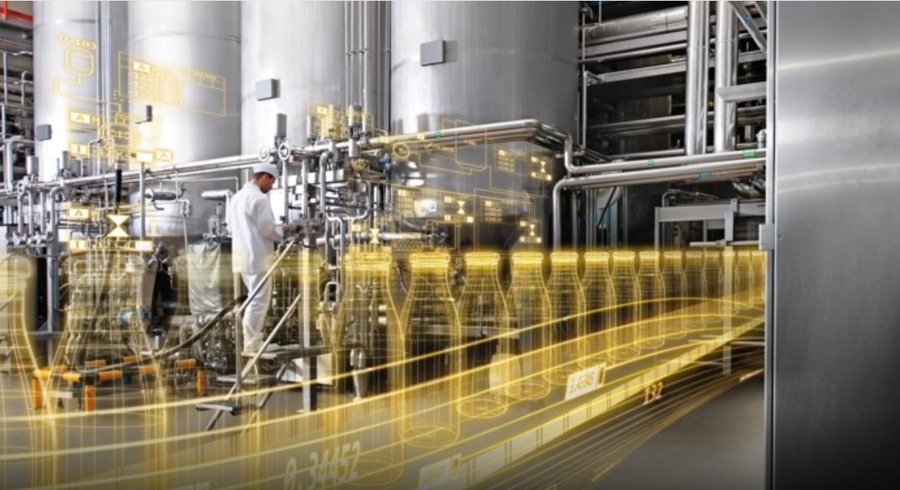
The widespread application of metering batching machines and the rapid development of fieldbus technology have the advantages of interoperability, interchangeability, substitutability, scalability, and support for multiple industrial computers. In terms of ingredient functions, more algorithms are required to be implemented, higher control objectives are achieved, and ingredient functions are more comprehensive. In terms of the self diagnostic function of the weighing control system, it is required that the self diagnostic function be perfect and accurate. In this situation, the automation level of control is becoming increasingly high, gradually developing from classical PID regulation, feedback, feedforward loop control to batch control, distributed control, object-oriented optimization control, artificial intelligence control, and gradually developing to multi parameter multi-objective control. To correct and compensate for it, algorithms are increasingly required to be detailed and precise, which is particularly important. The optimization control, adaptive control, or artificial intelligence of ingredients and mixing objects are implemented through the computer distributed control system itself, without the need for additional computer hardware. The control system composed of IPC and network communication no longer only requires the support of batching equipment to be powerful in function and rich in content, but also the increasing importance of its ability to be redeveloped by users with different objects. The ingredient equipment supports multiple popular high-level languages, and users can implement their own control strategies according to the different requirements of various special control objects, providing important means for industry targeting.
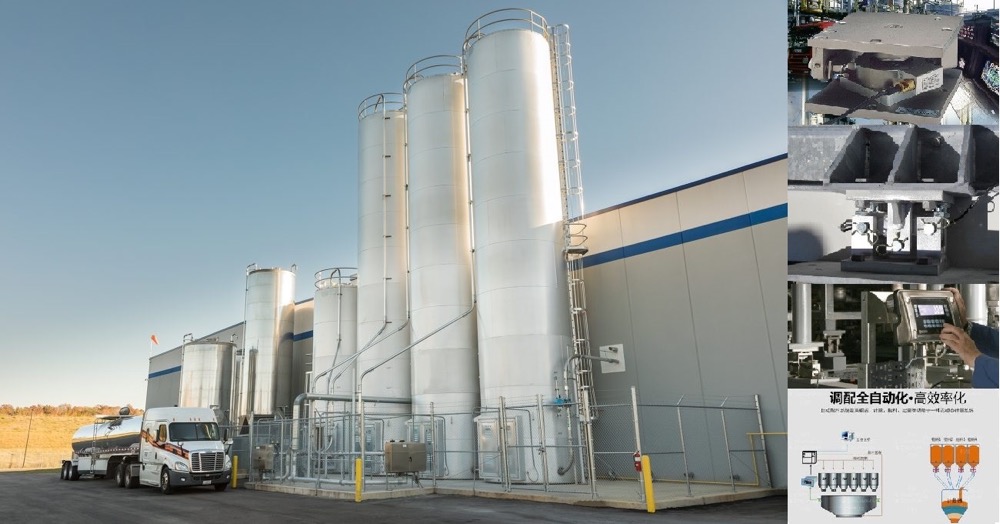
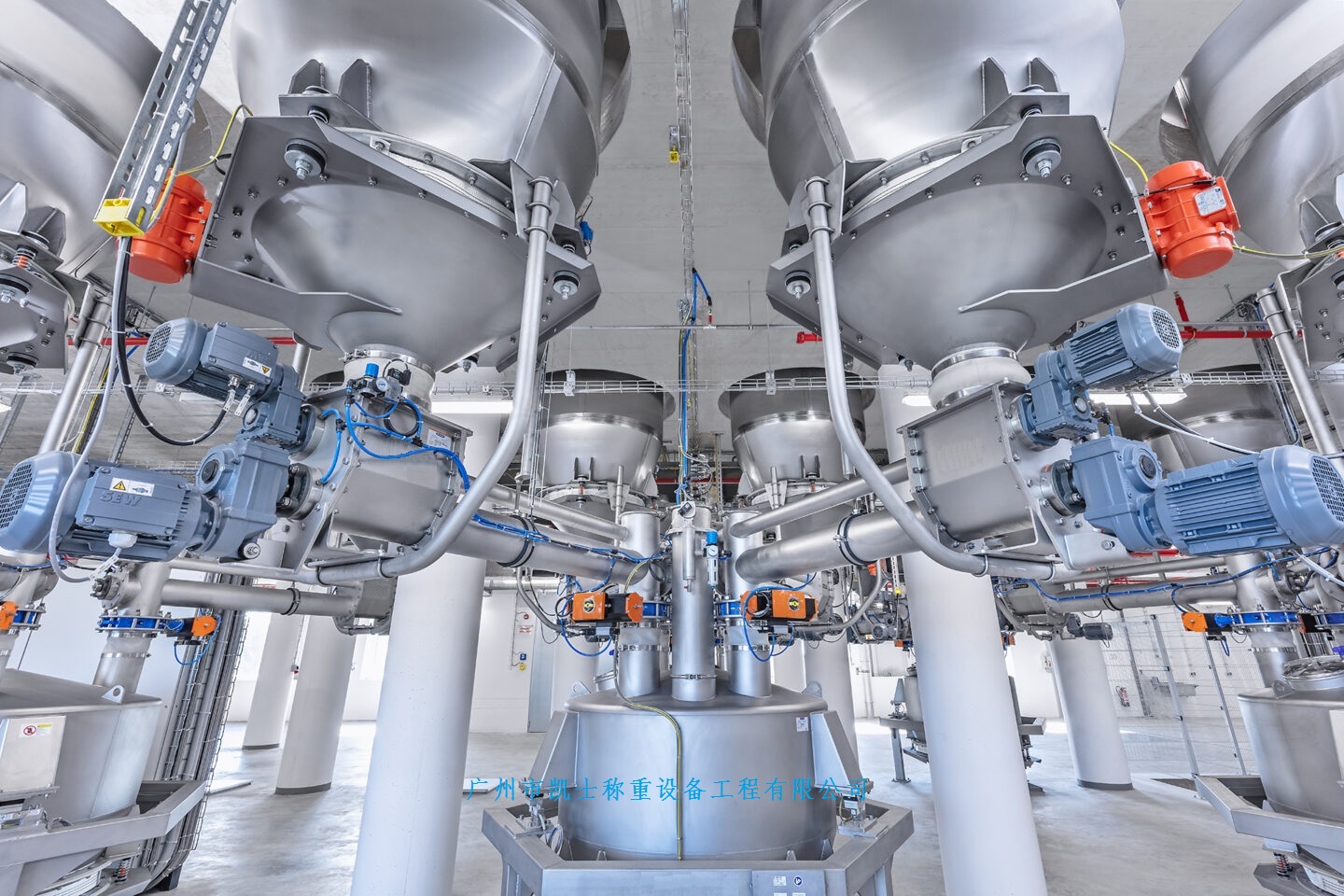
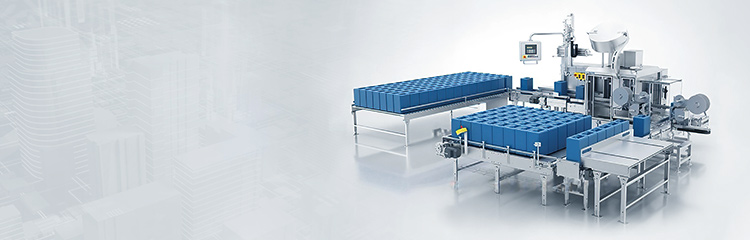
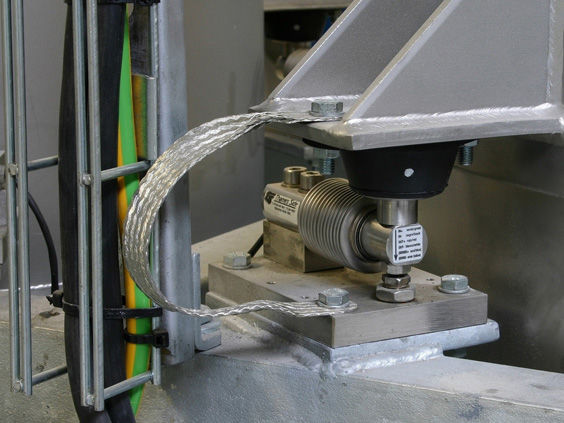
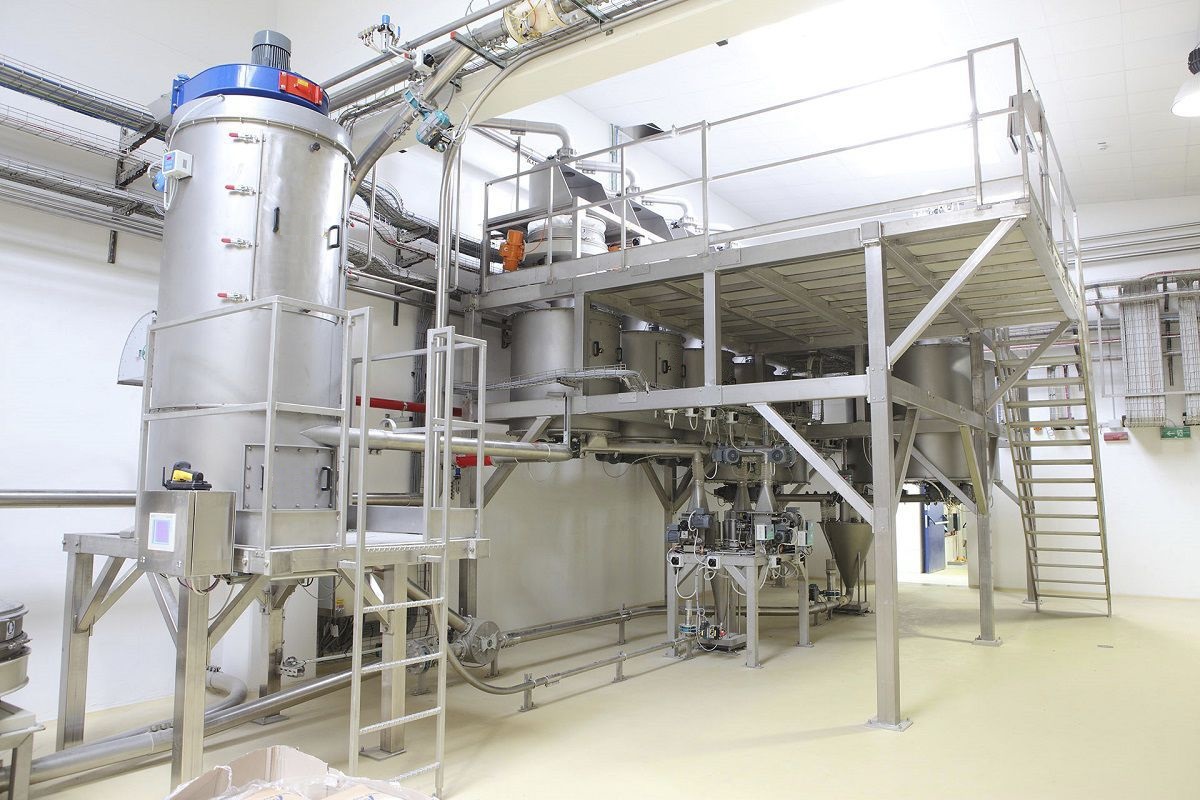
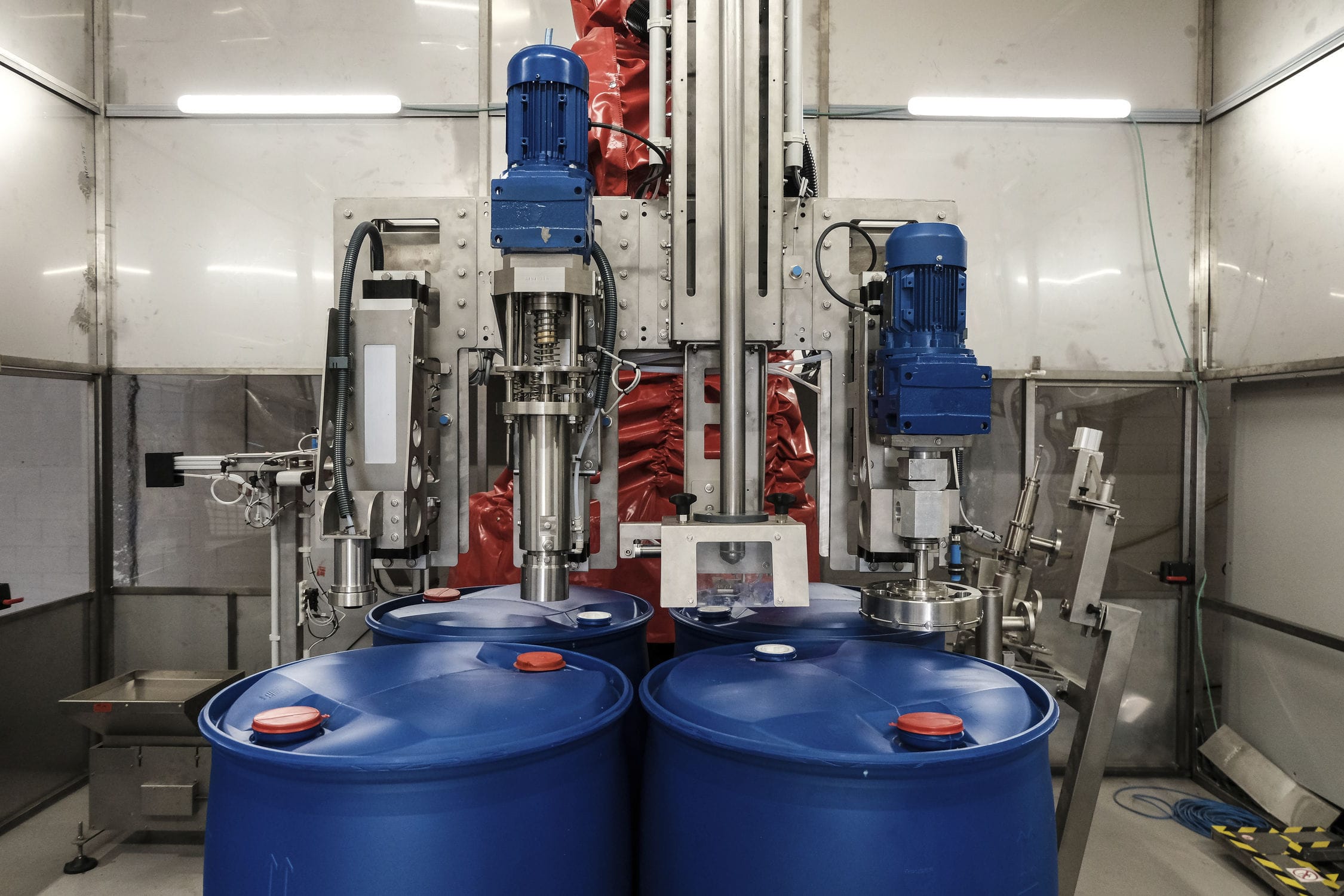
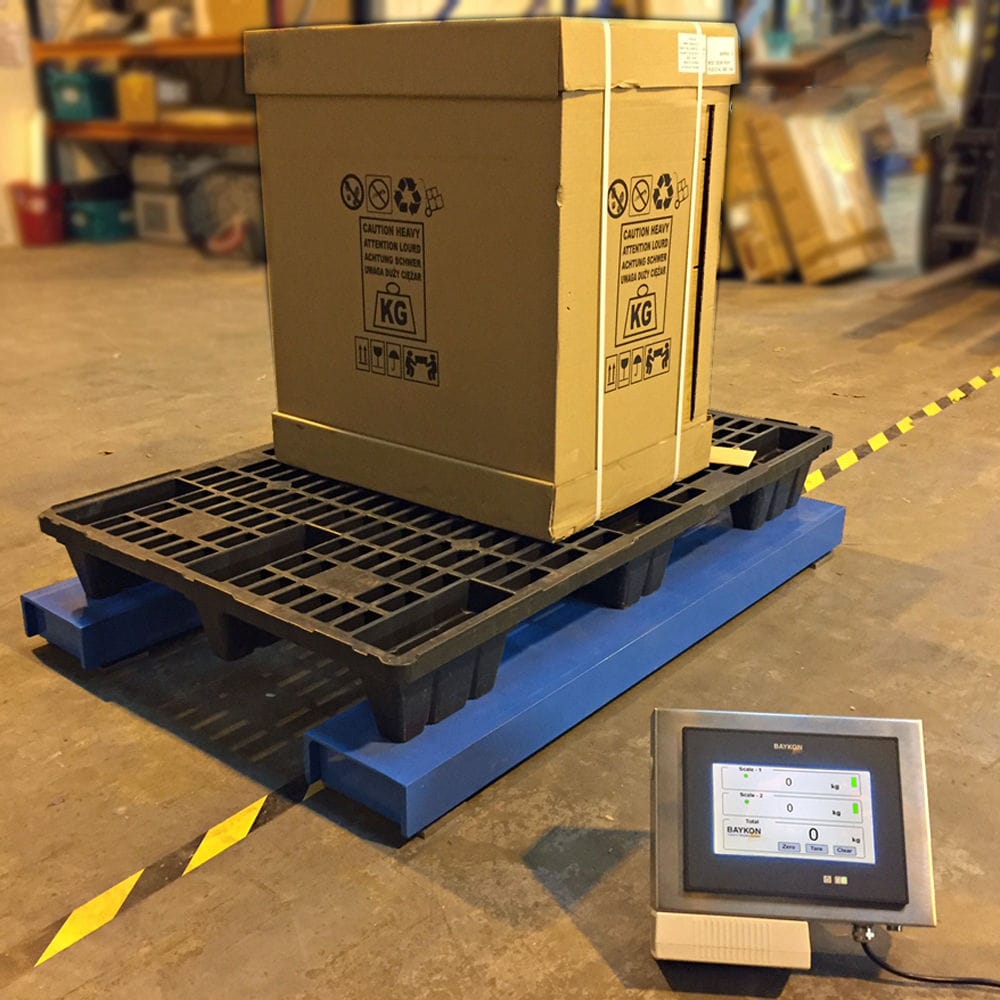
The weighing and batching machine adopts a transfer device, weighing device, feeding device, and hopper scale; The transfer device is used to transfer material bags loaded with materials to the weighing device and feeding device; The weighing device is used to weigh the weight of the material bag before and after feeding; The feeding device is used to feed materials into the hopper; The hopper is used for weighing and storing materials. The track is set above the weighing device, feeding device, and hopper scale, and the number of overhead cranes on the track is not limited to one. The overhead cranes reciprocate along the track between the weighing device and the feeding device. The weighing scale is set on the ground or weighing platform, and is located between the material loading port and the feeding device. The feeding device is connected to the feeding station, and the outlet of the feeding station is connected to the inlet of the hopper scale. The feeding station is located inside a shielding box, which can ensure the sealing and isolation of the dust raised during feeding from the external environment. The hopper scale is located below the feeding device and has a weighing module. The transfer and feeding of materials are both automatically controlled, and they work together to achieve accurate material weighing and batching. The specific function of selection mechanisms such as cranes, weighing scales, feeding stations, and hopper scales is to ensure the normal weighing and batching of materials.
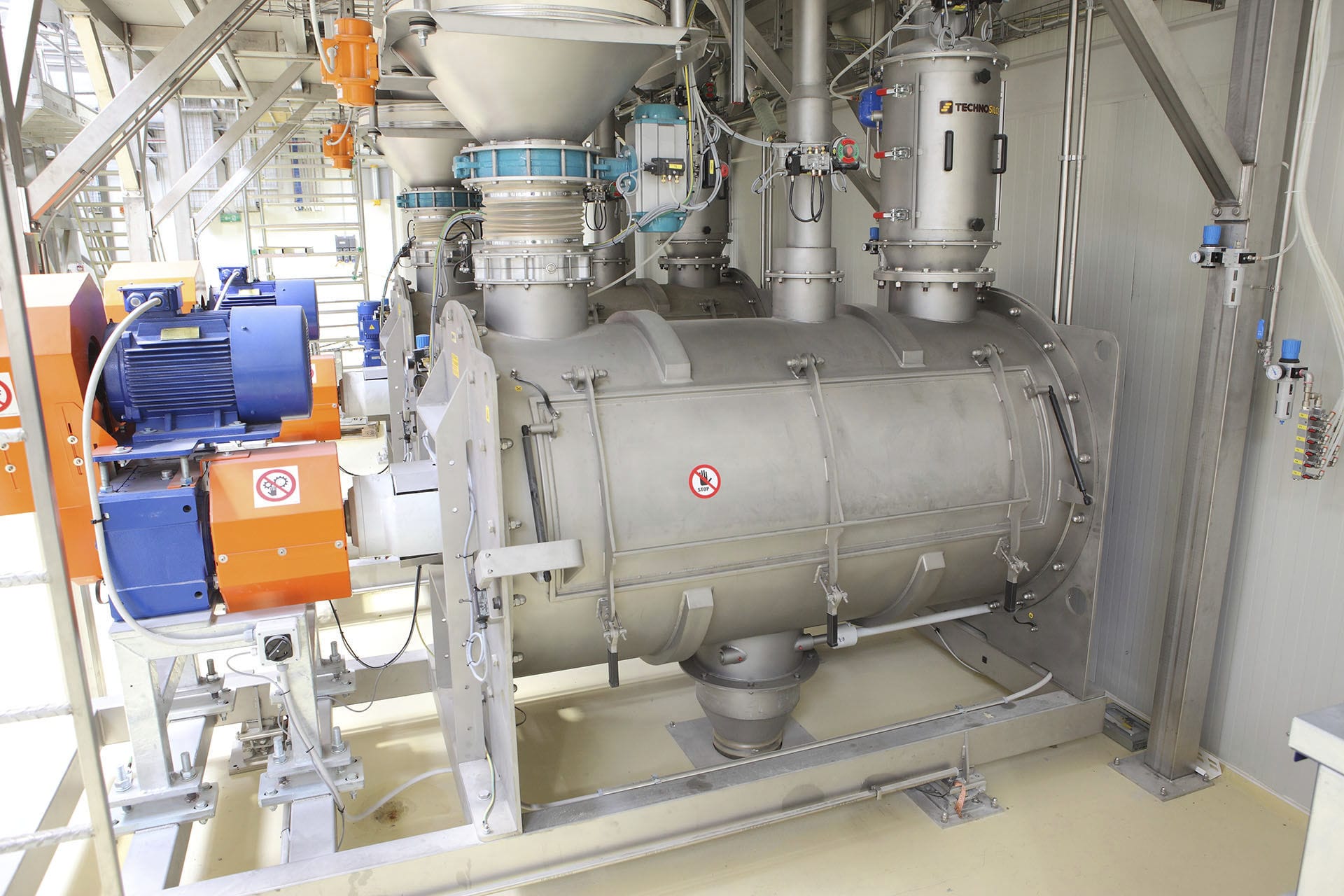
In order to ensure accurate batching, the Batching system not only uses a weighing device to weigh the materials twice before and after feeding, but also designs a need to verify and confirm the weighing results with the hopper scale. In terms of performance, it can achieve the same effect as the existing two-stage or multi-stage hopper scales. The system also adopts a dust removal device, which is used to absorb the dust generated during the weighing and batching process. The dust removal device is a dust collector, which works in conjunction with a shielding box to achieve the purpose of adsorbing and recovering the collected dust. The dust collector adopts an inlet duct, with one end of the inlet duct located inside the shielding box and the other end connected to a dust collection chamber. The system also uses a mixing device, and the hopper scale is used to distribute stored materials to the mixing device, which is used for mixing and blending materials. By setting up a transfer device, weighing device, feeding device, and hopper scale to work together, material weighing and batching can be achieved.
Now organize the control plan for the ingredient system:
(1) On site intelligent weighing instruments are widely used, with various communication technologies and PLC interchangeable control. The on-site touch screen can automatically remove skin and perform different weighing operations. In the event of a touch screen failure, intelligent weighing instruments can replace quantitative control, solving the need for mutual replacement functions.
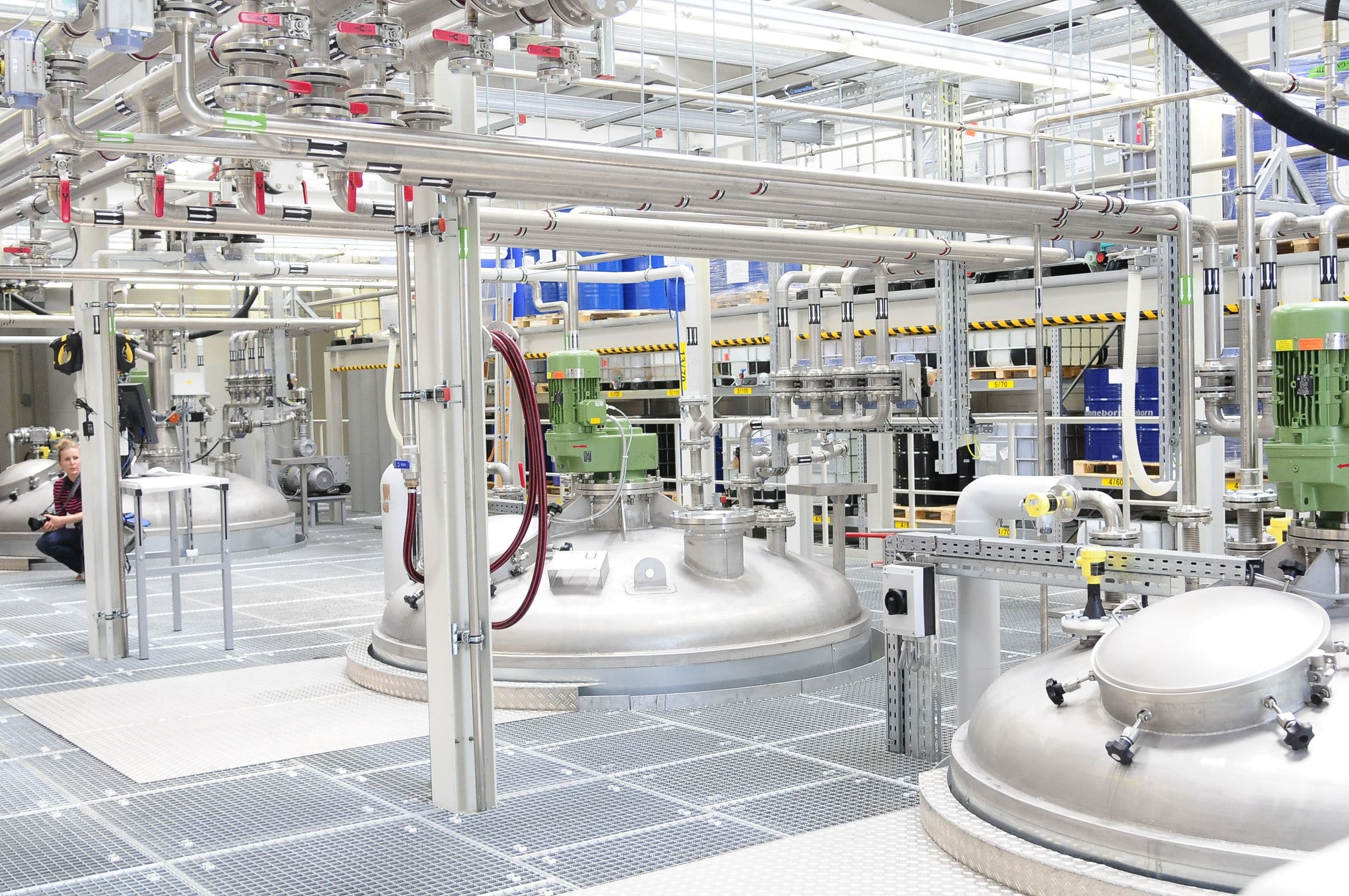
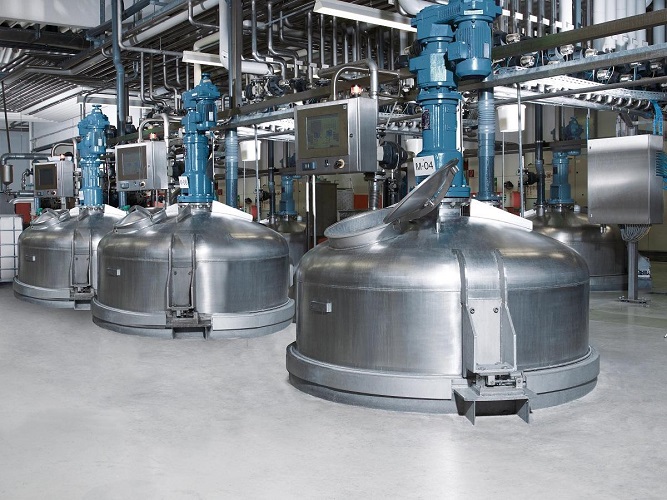
(2) Digital DC speed regulation, frequency conversion controller, soft start device, switch components, etc. are used in the production process of the reaction kettle in conjunction with mixing and quantitative weighing control. The touch screen can fine tune the mixing frequency conversion power, and the mixing motor rotates at a low speed to achieve better mixing of liquid materials without damaging the properties of the materials under high-speed mixing. It is suitable for low-speed frequency conversion mixing and batching.
(3) The amount of manual intervention is decreasing, the points of operation are becoming more concentrated, and the methods of operation are becoming more and more software based. At the production site of the reaction vessel, real-time weight display can be read while adding materials. At the same time, the mixing power display is also located in the same monitoring position, making it convenient to read different data at any time, saving manual intervention time. The batching system automatically corrects errors caused by human error and solves errors in the process of adding materials incorrectly.
(4) The functions of control systems are increasingly developing towards comprehensiveness, and the role of CRT is becoming stronger. Control system and
The batching site can monitor the batching status in different offices to improve employee work efficiency.
(5) Digital signals are increasingly integrated into the field, and control will be further decentralized. This program is mainly reflected in the application of digital weighing instruments and digital Weighing modules. The accuracy of on-site weighing control will not be affected by external mechanical structures, and digital integration technology is also comprehensively applied in touch screens, avoiding the use of space on site and simplifying the complex configuration of equipment.
(6) Information management technologies such as Enterprise Management Information Systems (MIS) and Enterprise Resource Planning (ERP) have been successfully applied in some advanced enterprises. The integration of enterprise management informatization and production process control is also rapidly developing, and e-commerce is playing an increasingly important role in changing the business and management mode of enterprises.