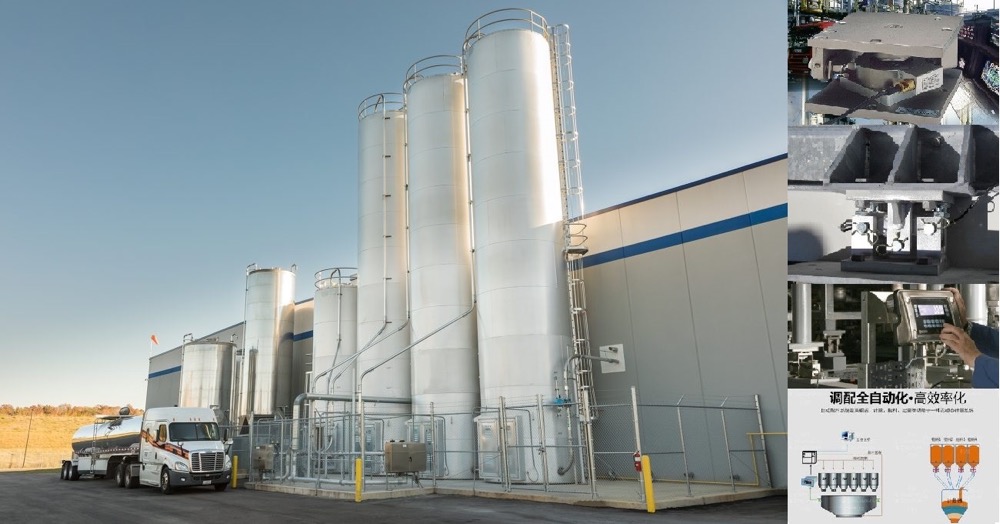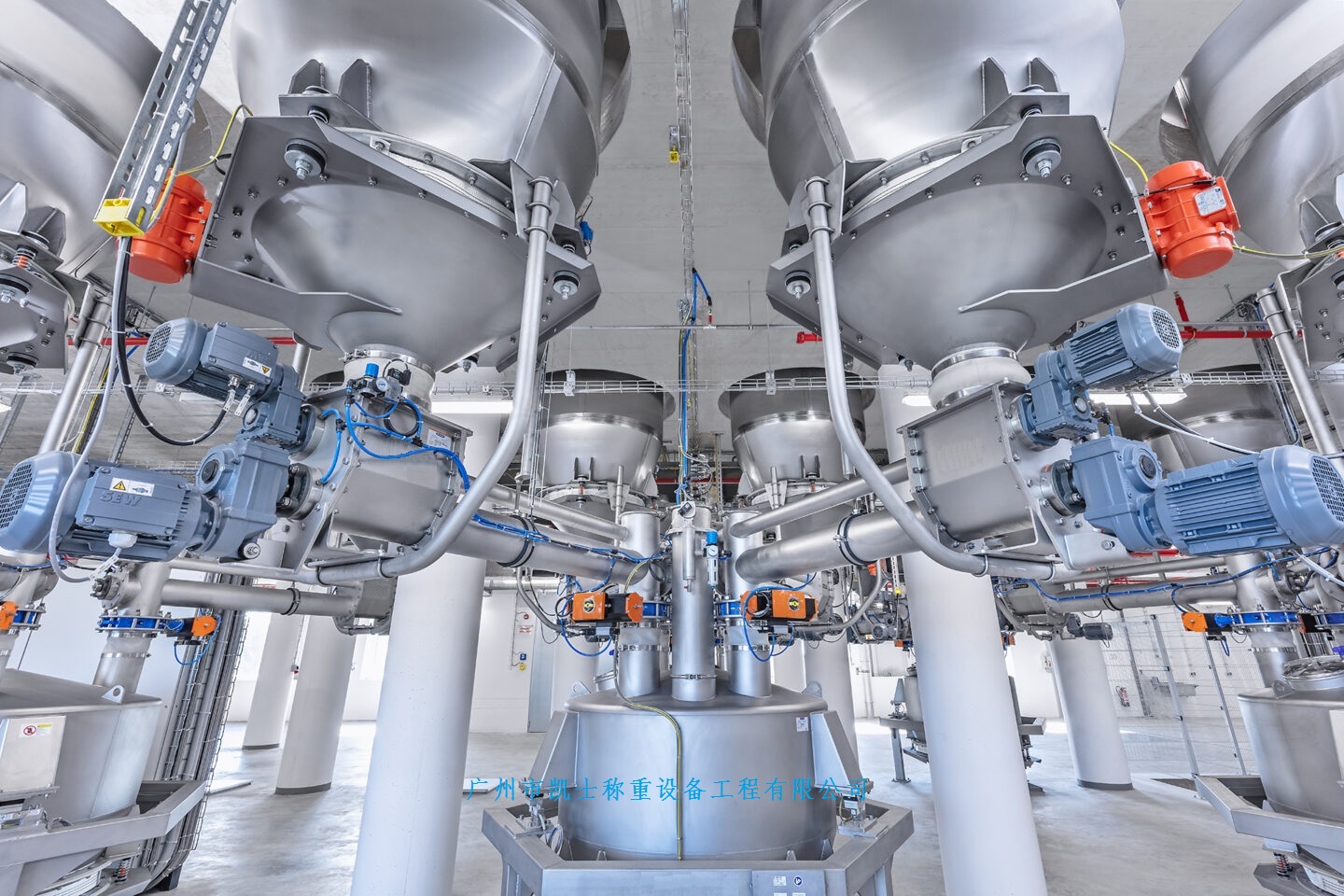


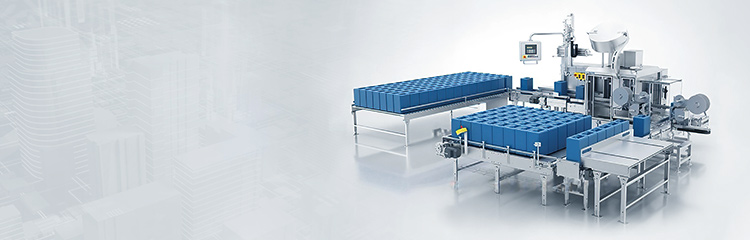


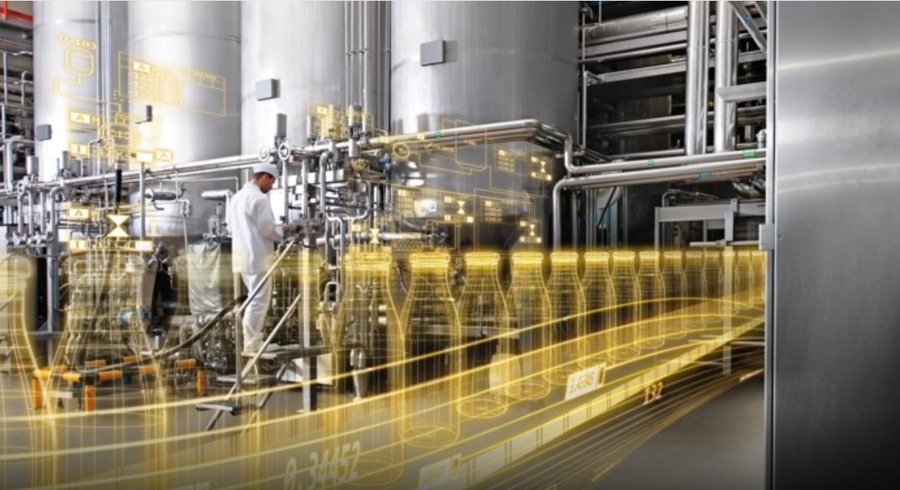
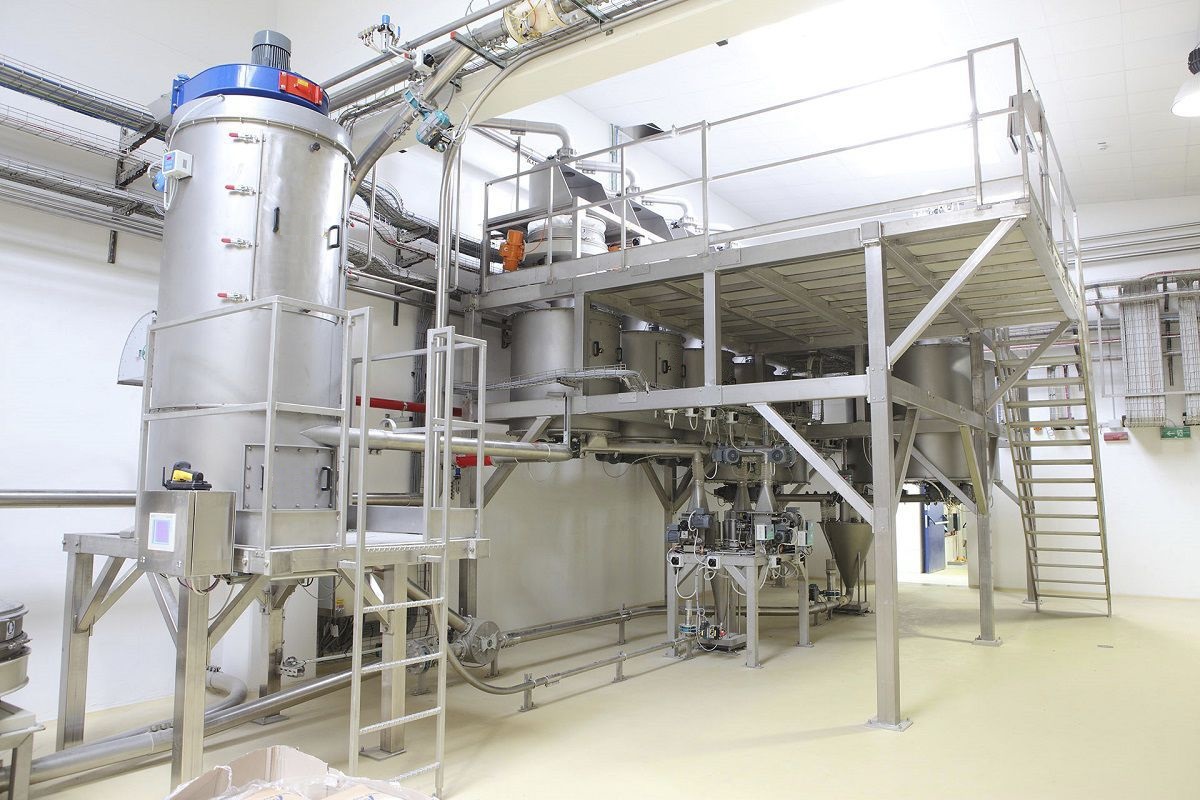
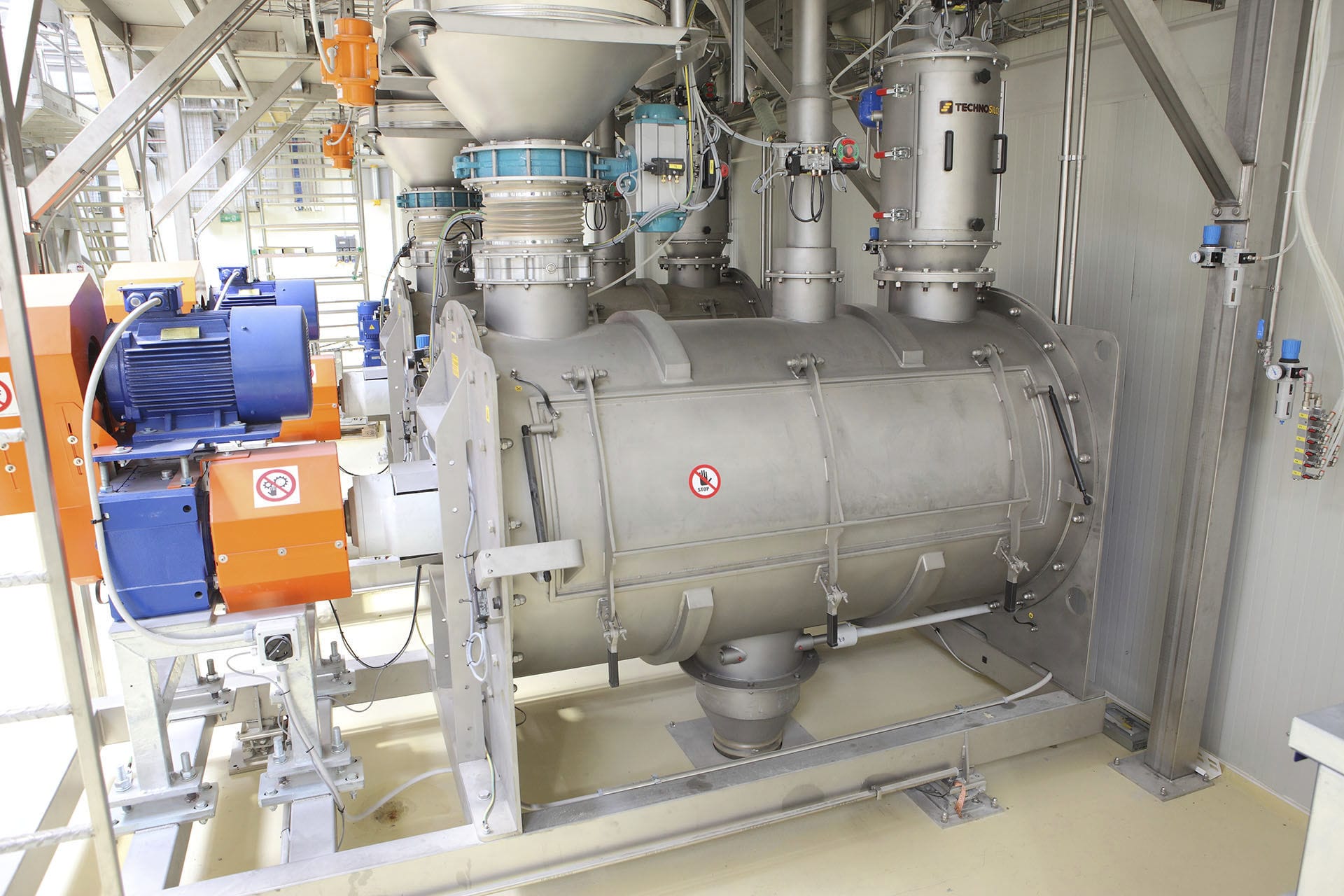
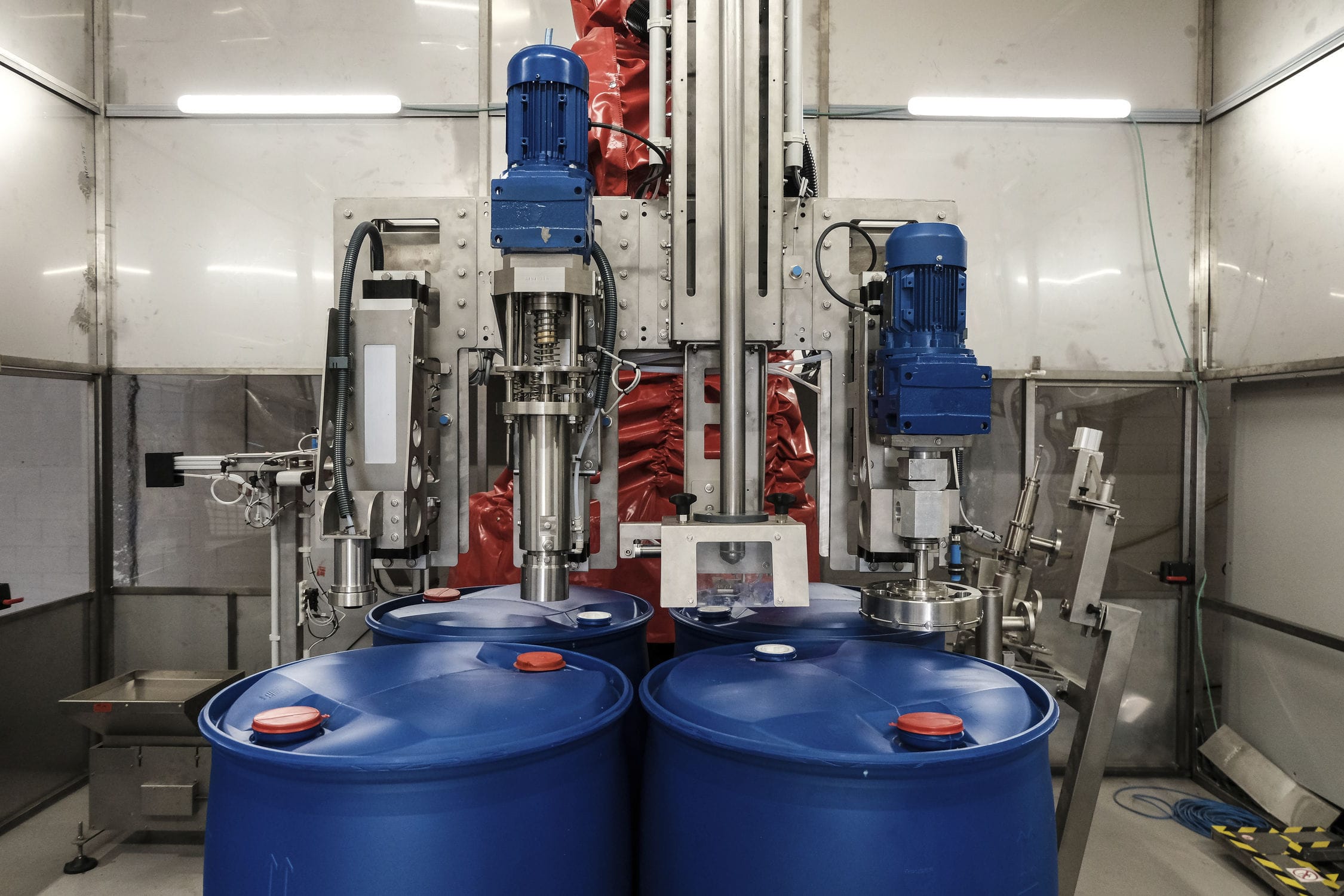
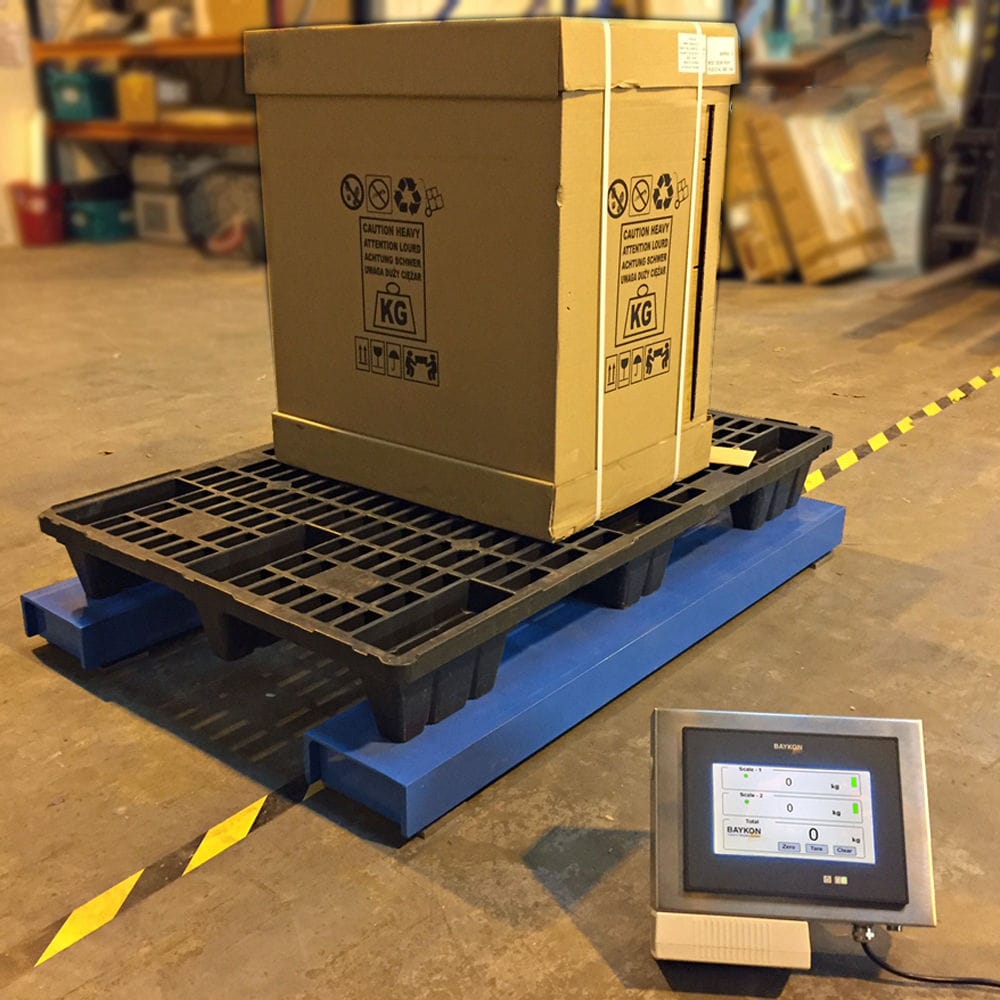


Metering feeding equipment collection storage body, conveying body, weighing dosing body, dust removal body, material mix and other equipment, dosing according to the characteristics of the industry, reasonable selection of "zero method" or "reduction method" weighing methods, according to the actual need to adjust the spiral speed, so as to achieve normal dosing. After measuring by electronic balance, it enters the feed tank of spiral pneumatic conveying, and pushes forward into the mixing tank through the spiral mechanism.

 020-34563445
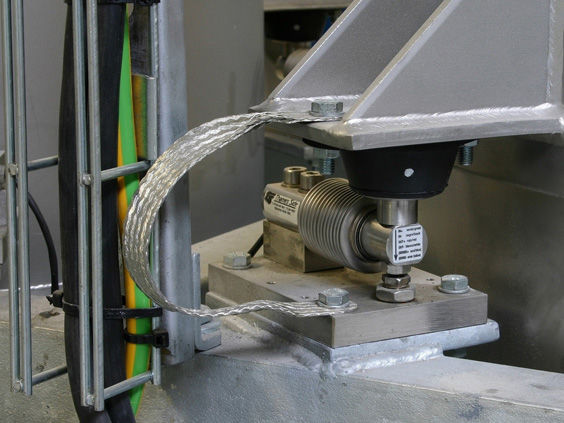
The measuring Feeder consists of a PLC, weighing instrument, weighing module, and signal distributor. The PLC is used to configure on-off control such as start stop and opening/closing of the bin door, detect the status of the bin door and operation configuration, and implement system interlocking for the Batching system. PLC and weighing control instrument are connected by I/O essentials and directly added to ingredient control. Equipped with weighing signal collection, fast and slow addition control, and overshoot self-tuning, it can modify material input and parameters. Each scale is equipped with three Weighing modules, whose signals are sent to the distributor and connected in parallel to the bridge wall. After voltage division, they are sent to the weighing control instrument. Set up a centralized control console on the production site, with weighing instruments installed on the console. The weighing module data line installed under the support leg of the batching machine is connected to the dynamic weighing instrument. Real time data is uploaded from the weighing instrument to the industrial control computer in the control center through a communication line. The formula and control commands are transmitted from the industrial control computer in the control center to the Electronic scale instrument and PLC controller through a communication line.
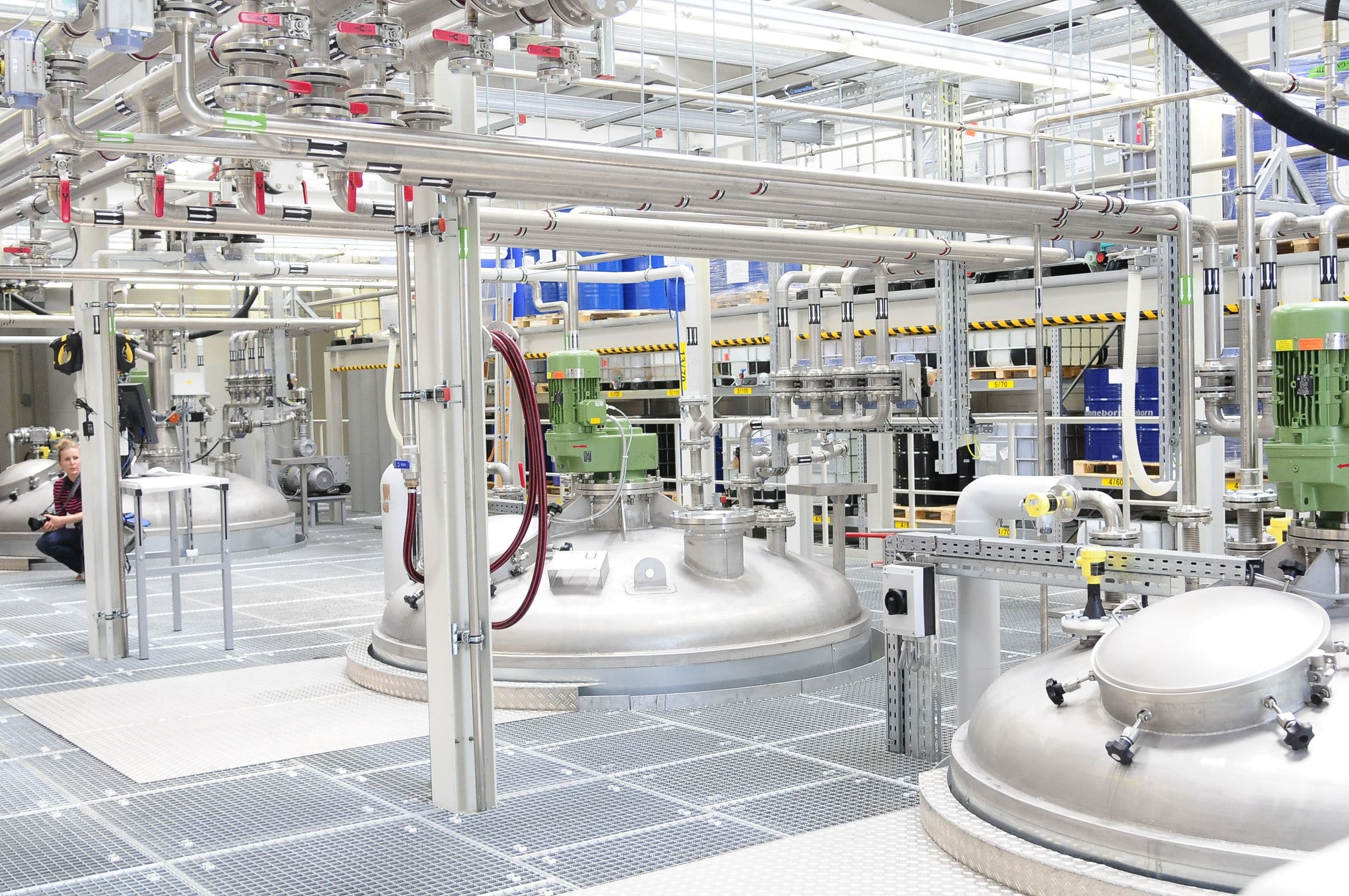
The weighing reaction tank is equipped with a tank body above the weighing scale, and the tank body is connected to the weighing scale through a weighing module. The interior of the tank body is equipped with a stirring component for stirring lubricating oil. The rear side of the tank body is equipped with multiple sets of base oil storage tanks for holding base oil. The base oil storage tanks are connected to the tank body through oil pipelines and use a Weighing system and heating components; The weighing system is used to weigh the amount of base oil added, and controls the internal weight of the weighing scale; The heating component is used to heat the lubricating oil inside the tank, and is located inside the tank. The weighing system adopts a weighing module located inside the weighing scale. There is an electric control panel on the upper right side of the weighing scale. The surface of each oil pipeline is equipped with electric valves. The weighing module and electric valves are electrically connected to the electric control panel. The surface of the electric control panel is equipped with a weighing instrument for displaying weight. The weighing reaction tank adopts a U-shaped heater located inside the tank body. One end of the U-shaped heater is connected to a heater for heating through the tank body, and the other end of the heater is connected to the output end of the pump through a connecting pipe, and the input end of the pump is connected to the other end of the U-shaped heater. The weighing tank mixing component adopts a motor located at the top of the tank, and the output end of the motor is fixed with a rotating shaft. The bottom end of the rotating shaft passes through the inner cavity of the tank connected to the tank, and the surface of the rotating shaft is uniformly equipped with multiple sets of mixing blades for mixing.
Feed the materials from their respective Feeding machines into the mixing tank, and pre mix the small materials before feeding them into the small material bin. When the lower limit alarm of the reaction tank silo is triggered, the batching system starts. First, start the screw conveyor, feeding system, and feeding system in sequence, and at the same time, the weighing control instrument starts batching according to the formula. The start of batching is interlocked with the hopper door being closed in place, that is, only when the material door is closed can the batching start. If the material door cannot be closed in place within a certain time after the closing signal is given, the PLC will generate an alarm to prompt maintenance personnel to maintain and repair the material hopper door. The addition of ingredients is divided into fast addition and slow addition. Quick addition refers to the agile addition of materials when the weight is not close to the material side. If the flow rate does not reach the specified flow rate, the mixing tank begins to vibrate until it reaches the specified flow rate; Slow addition refers to starting to slowly add material when the weight is close to the material side, and it is not allowed to vibrate the silo at this time. When the three weighing bins have finished weighing, they request the PLC to release the material. In the environment where the material door is closed in place, the ingredient weighing controller is allowed to control the release of the material. After the discharge is completed, the PLC controls the closing of the material door. After the material door is closed in place, the PLC allows the next type of material to be dispensed. Mixing and stirring are controlled by PLC timing, and the mixer is always stirring. During mixing, a certain amount of liquid is added. The material bin must be discharged when the temporary storage hopper door is closed (if the temporary storage hopper is equipped with a weighing scale) and the scale is empty. After the miscellaneous warehouse is closed in place, the temporary storage hopper begins to release materials. The external storage tank and internal material bin start feeding to the belt conveyor after a delay, and the amount of feeding is controlled by the opening of the material door. The start and stop of external storage tanks and internal material silos are controlled based on the start and end of material discharge from the temporary storage hopper. All control is implemented through PLC control chain, with PLC controlling the start and stop in sequence.