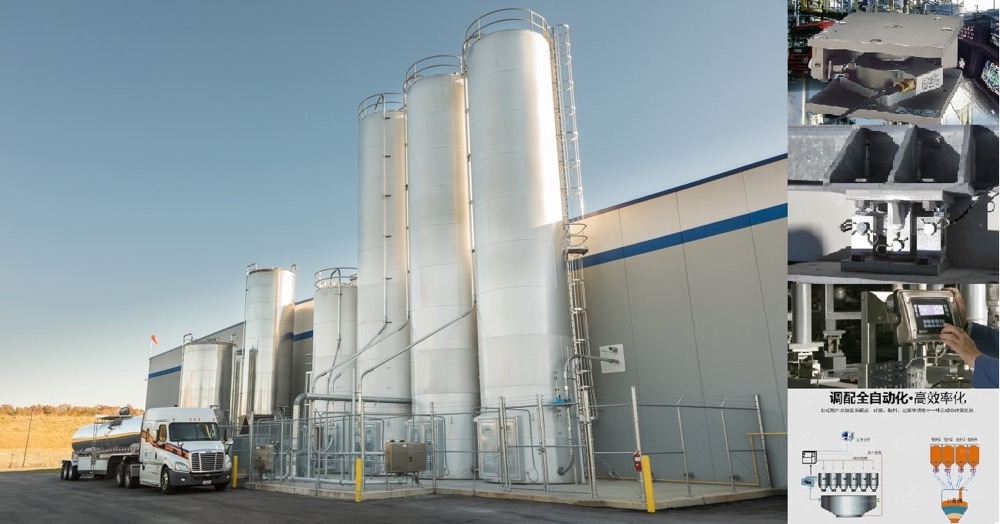








When the weighing filler system receives the formula data sent by the industrial control computer, it starts the automatic weighing process. The on-site weighing instrument continuously transmits data to the PLC through the bus. Based on the real-time weighing volume, it decides whether to add materials at high speed or low speed, sets the material receiving sequence, and arranges the materials in the set sequence. When a piece of material is weighed and the sequence characters match, it sends a weighing signal to the PLC. After the weighing and discharging are completed, the receiving bin continues to rotate along with the screw, waiting for the next batch of material. When all the ingredients in a formula have been joined, the screw automatically rotates to the loading and unloading area, and the silo is replaced to continue the above process.

 020-34563445
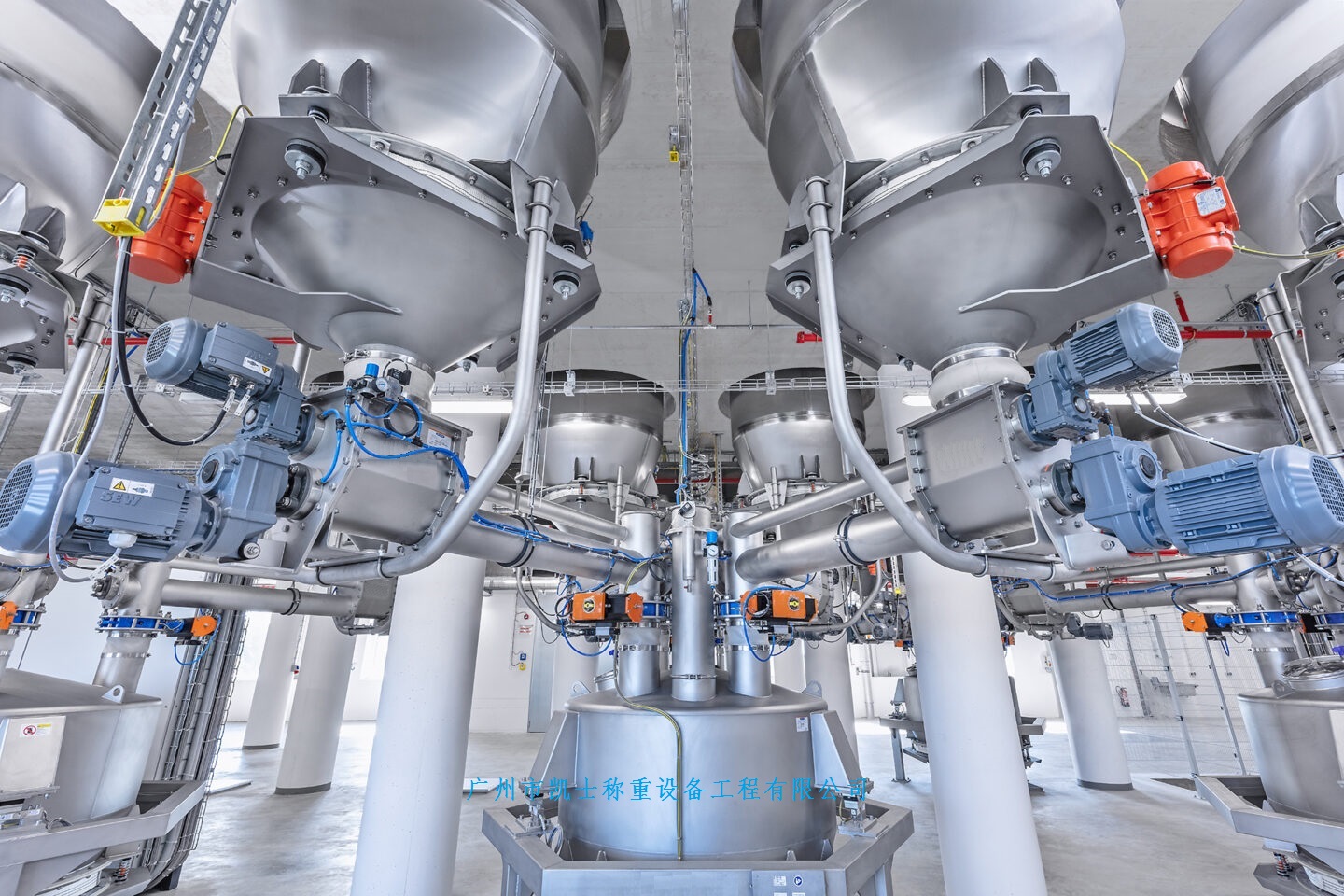
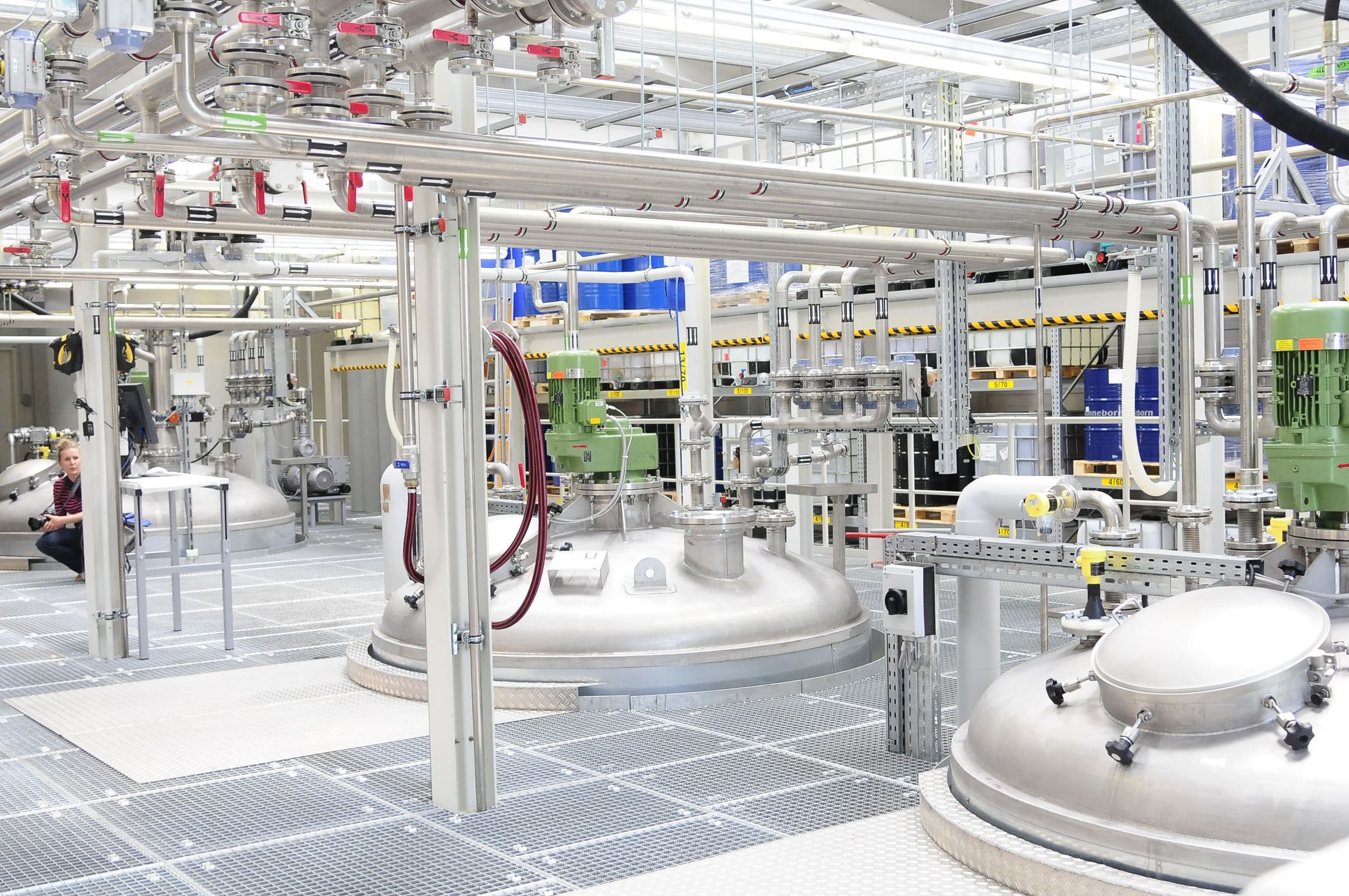
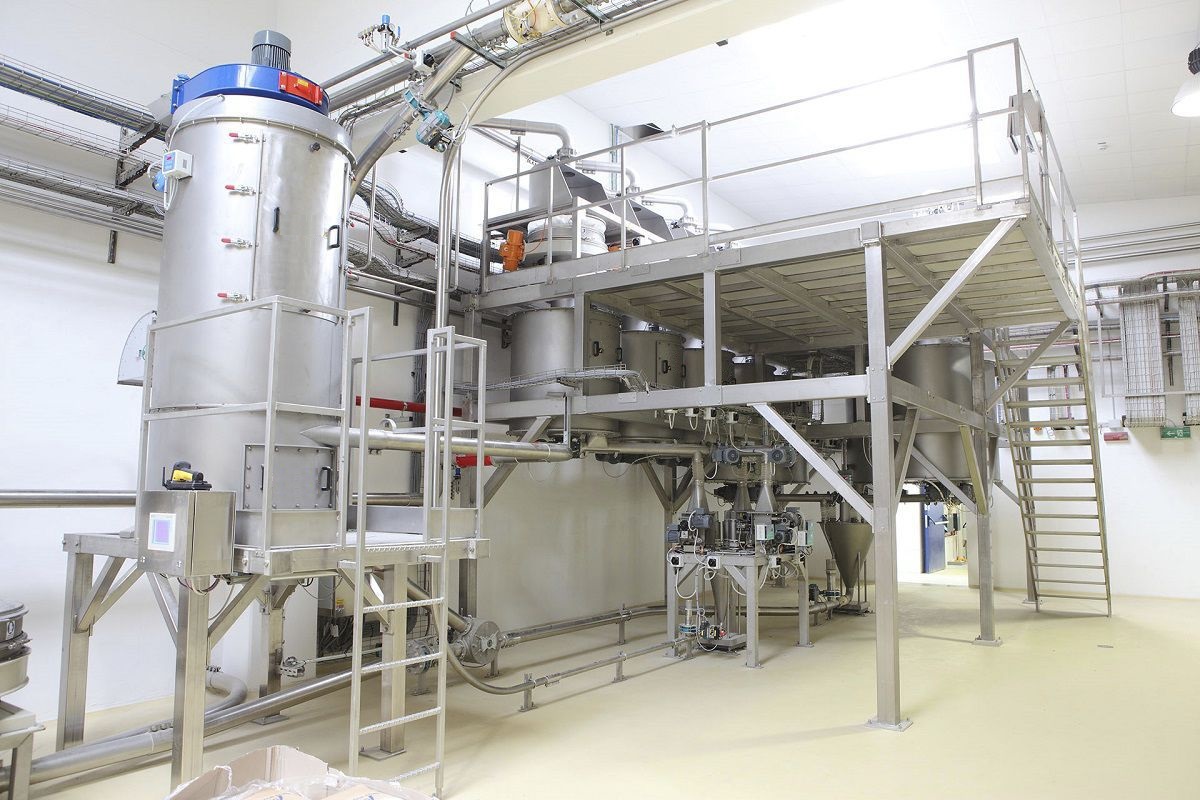
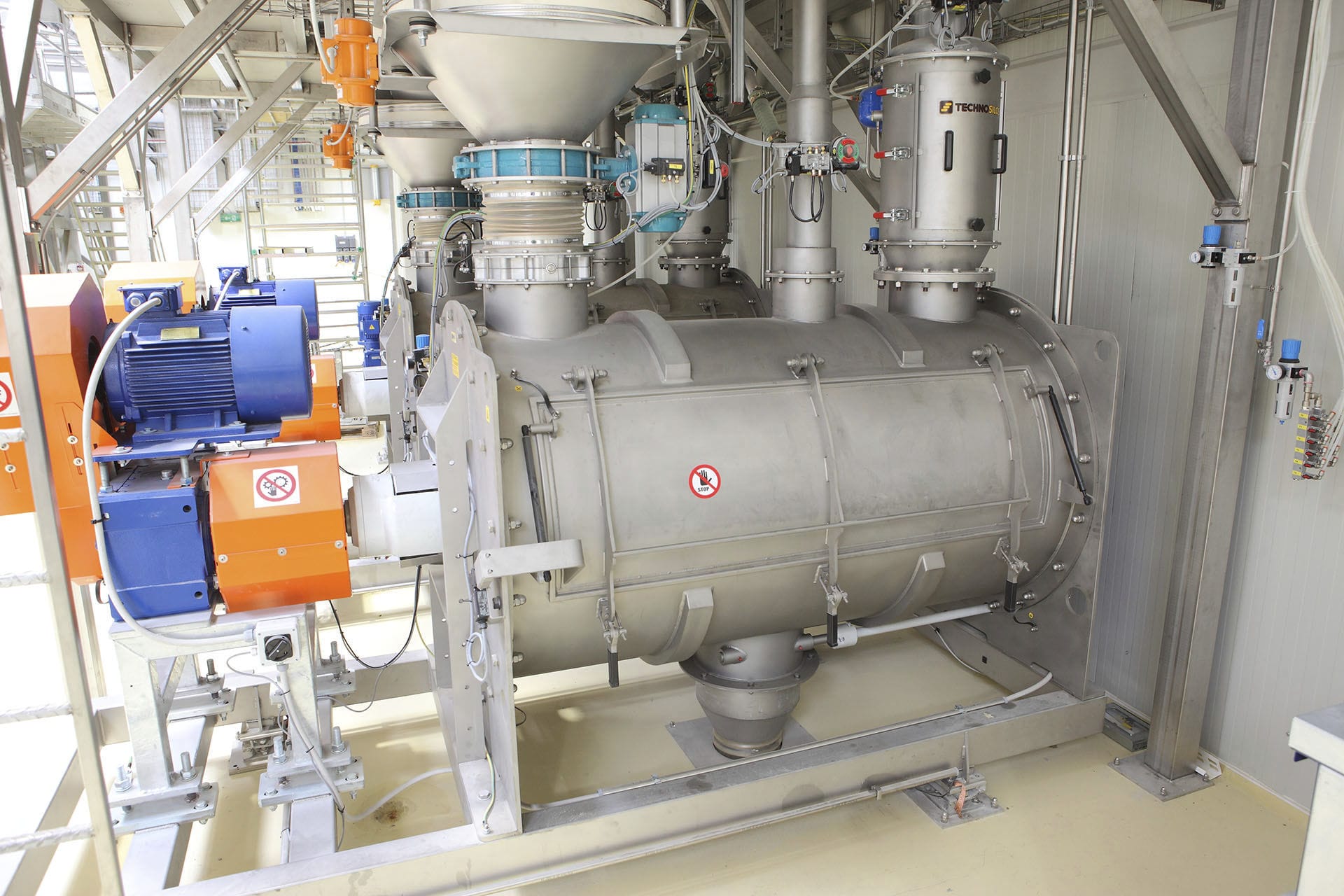
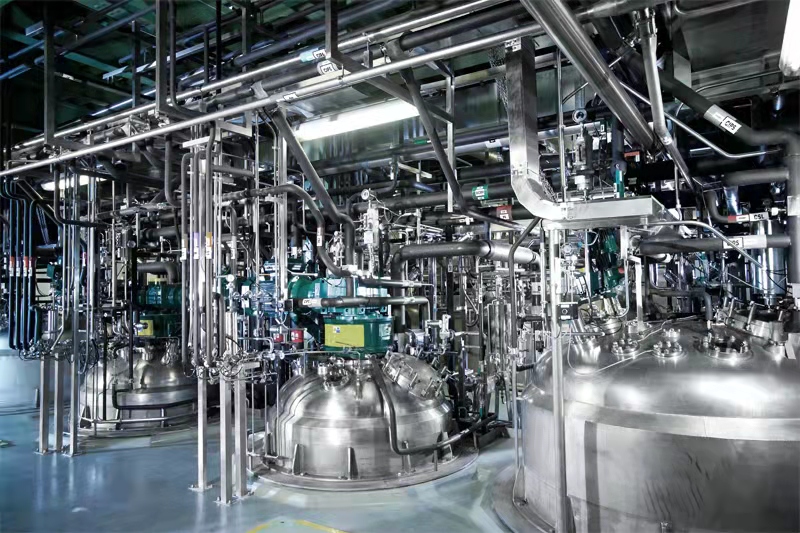
The weighing packing system mainly consists of an industrial control computer (including configuration software), a control system (including plc, etc.), secondary weighing instruments (including metering weighing instruments and expert regulators), frequency converters, on-site operation panels, speed-regulating screw scales and reaction vessels, etc. The four materials produced are proportioned. Among them, the first three materials each have two silos. The materials in the silos are respectively fed through their own reaction vessels and measured by the batching screw scale before being input into the buffer silo. Then, the buffer silo sends the mixed materials into the silo.
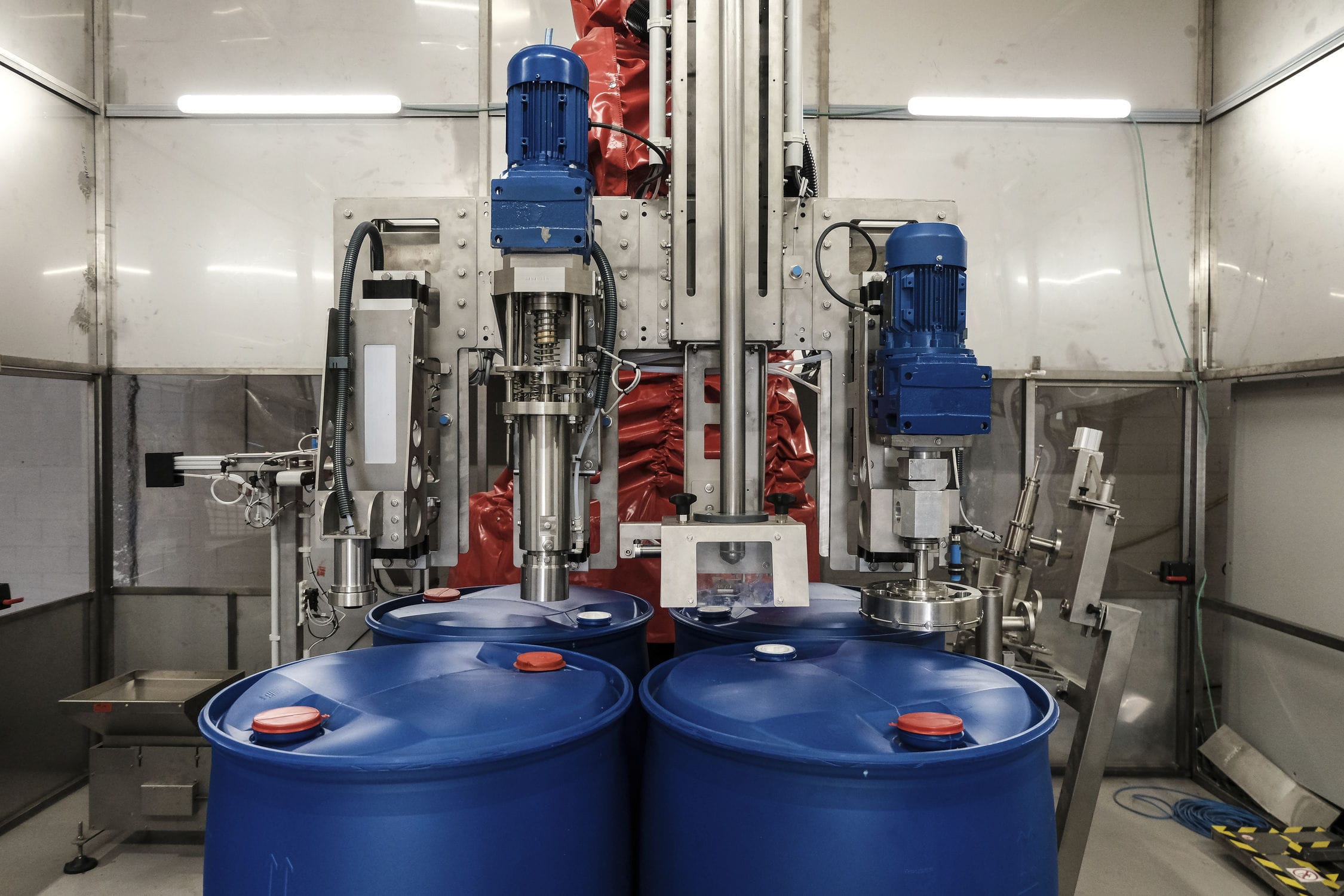
The Filling system is designed with PLC programming software. Once the formula data sent by the industrial control computer is received, the automatic weighing process begins. The on-site weighing instrument continuously transmits data to the PLC through the bus. Based on the real-time weighing volume, it decides whether to add materials at high speed or low speed, and whether to handle the overload. The material receiving sequence is set in the formula. Materials are arranged in the preset sequence. When a piece of material is weighed and the sequence characters match, a weighing signal is sent to the PLC, and the PLC then controls the material receiving bin to receive the corresponding material. After the weighing and discharging are completed, the receiving bin continues to rotate along with the screw, waiting for the next batch of material. When all the ingredients in a formula have been joined, the screw automatically rotates to the loading and unloading area, and the silo is replaced to continue the above process.
The batching control process mainly involves measuring the materials conveyed in the reaction vessel through a screw scale. The weighing instrument receives the signals from the weighing module and the speed signal, processes them and converts them into cumulative values and instantaneous flow rates. The cumulative values and instantaneous flow rates signals are transmitted to the industrial control computer (upper computer) via the rs-485 port, and the 4 ~ 20ma analog current signal is sent to the pid regulator. After the regulator compares and calculates this signal with the internal set value, a 4-20mA analog signal is sent to the frequency converter. Then, the frequency converter adjusts the rotational speed of the reactor Feeder. When the flow rate increases, the rotational speed of the reactor feeder is reduced; conversely, it is increased. Thus, the flow rates and stage cumulative volumes of several materials are all maintained within the set range. And thus reliable product quality can be obtained.
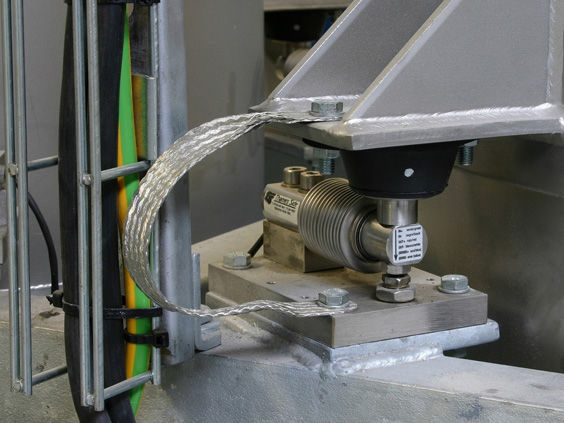
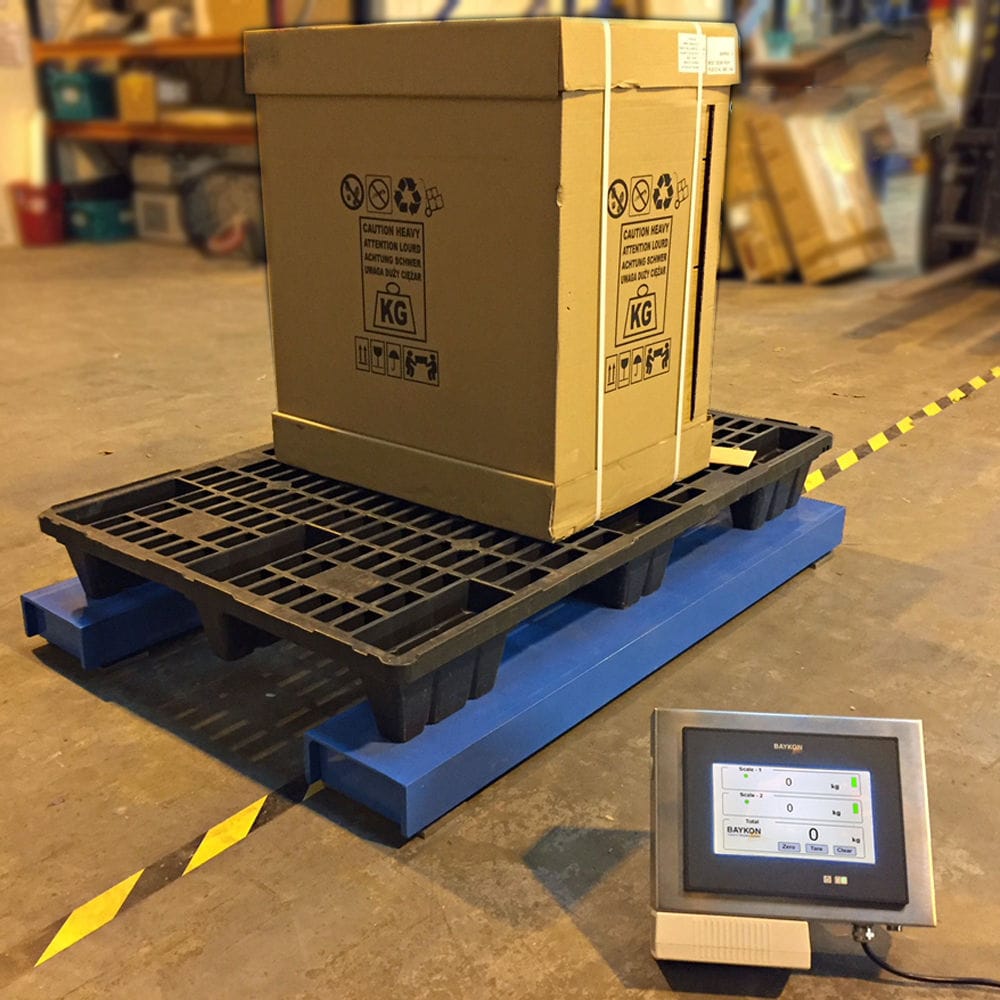
The weighing packing machine is equipped with three Weighing modules at the bottom of the silo to transmit the weight signal of the reactor body to the junction box. The junction box connects the weight signals output by the weighing modules in parallel to the weighing terminal or weighing instrument. The weighing terminal or weighing instrument processes the weight signals into corresponding weight data. The weighing terminal generally can provide certain input and output control functions for the on-site actuator. Under a constant flow feeding, the weighing terminal calculates the current flow and the deviation from the set flow, and controls the output of the variable frequency speed control controller through the control method. The variable frequency speed control controller controls the motor speed, that is, it accordingly adjusts the feeding flow for weighing. When the weight of the weighed material is lower than the lower limit, keep the motor speed constant, that is, the feeding flow rate remains unchanged. At this time, open the upper feeding port until the upper limit value is reached, then close the feeding port and return to the normal flow control.