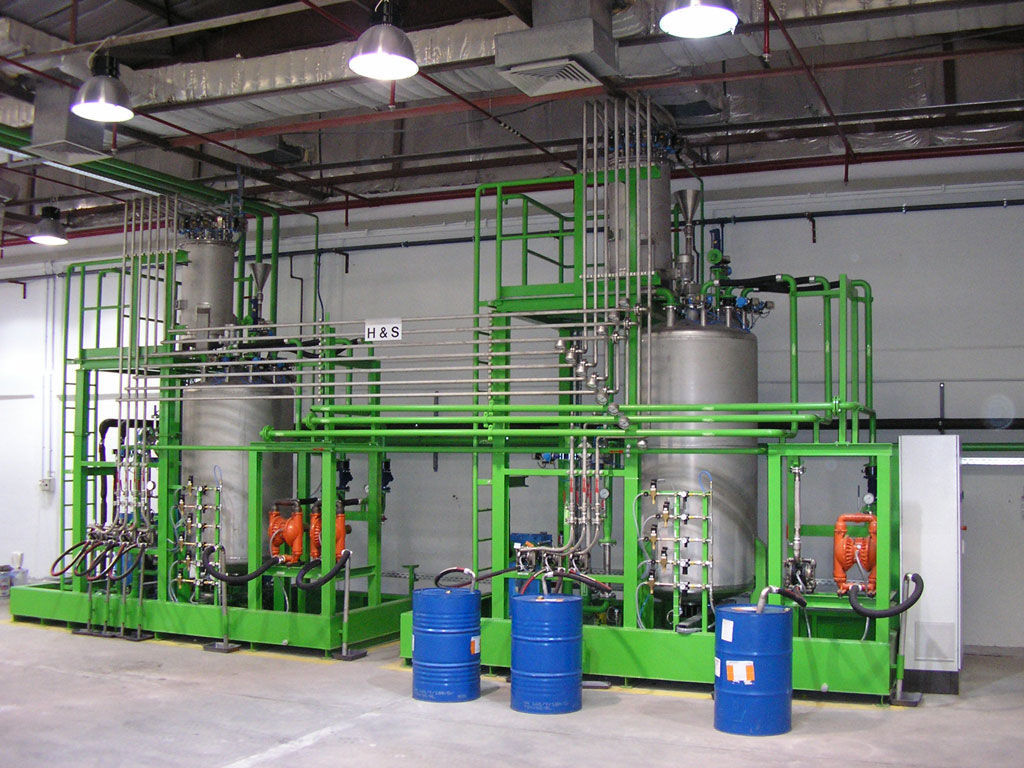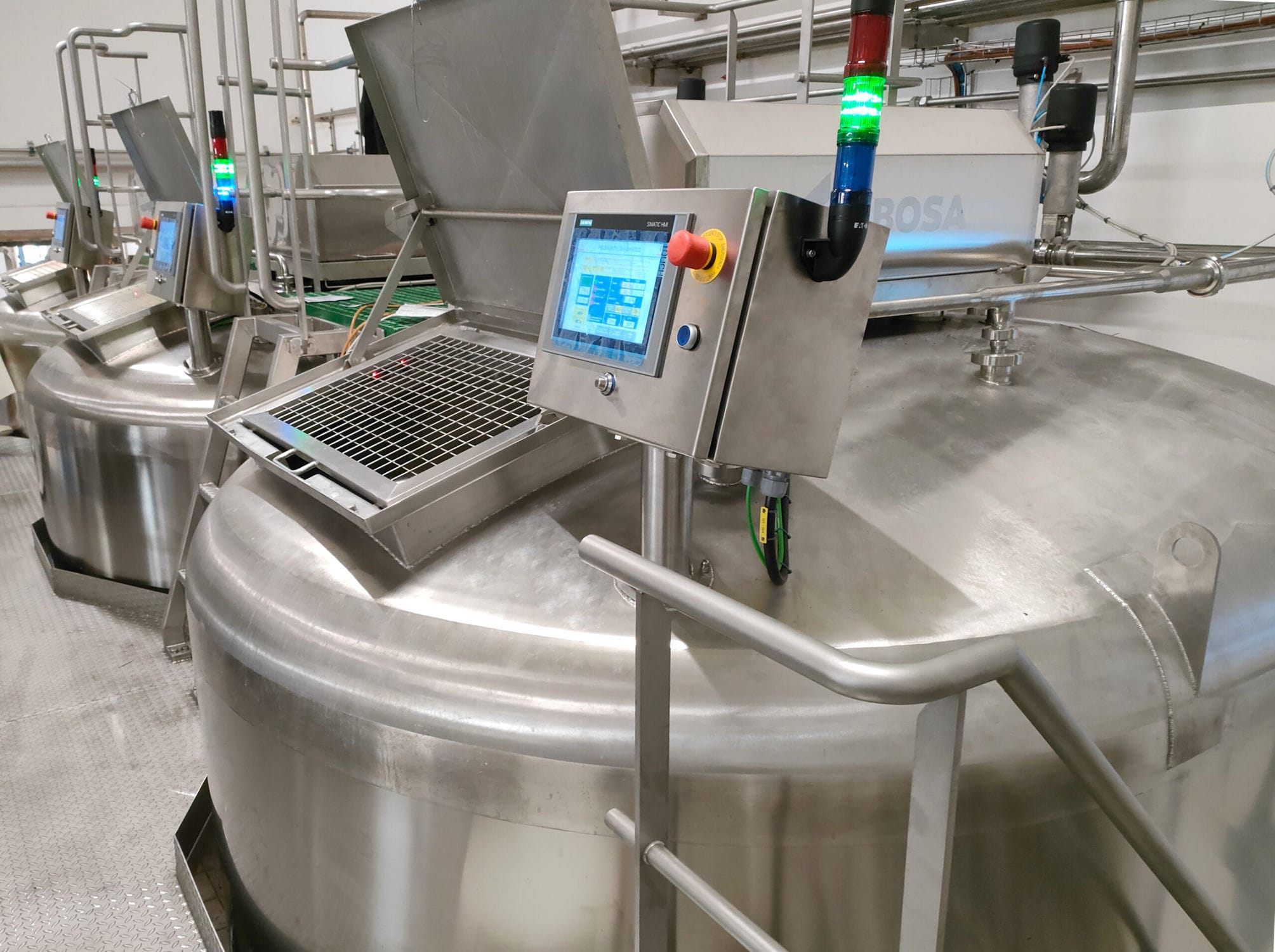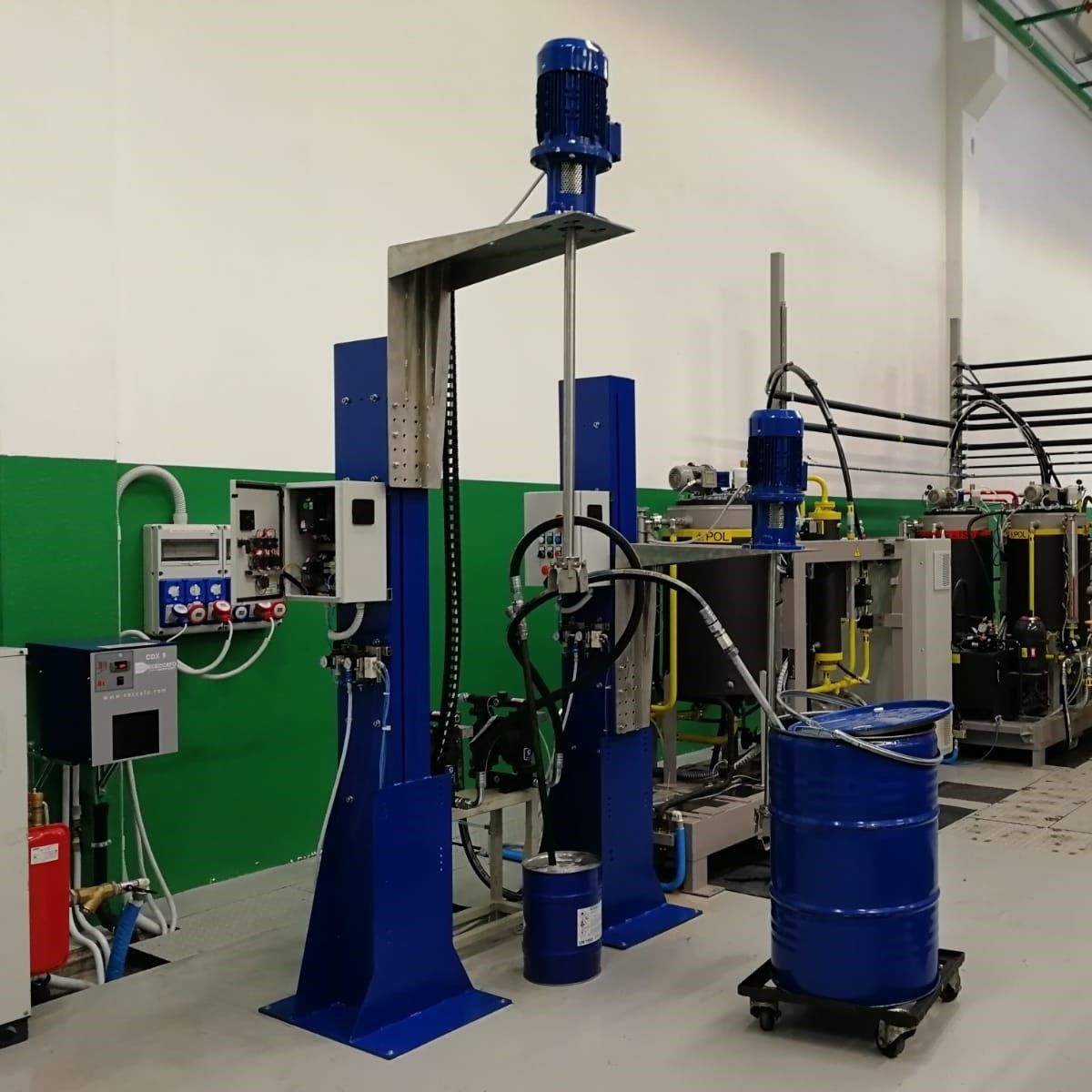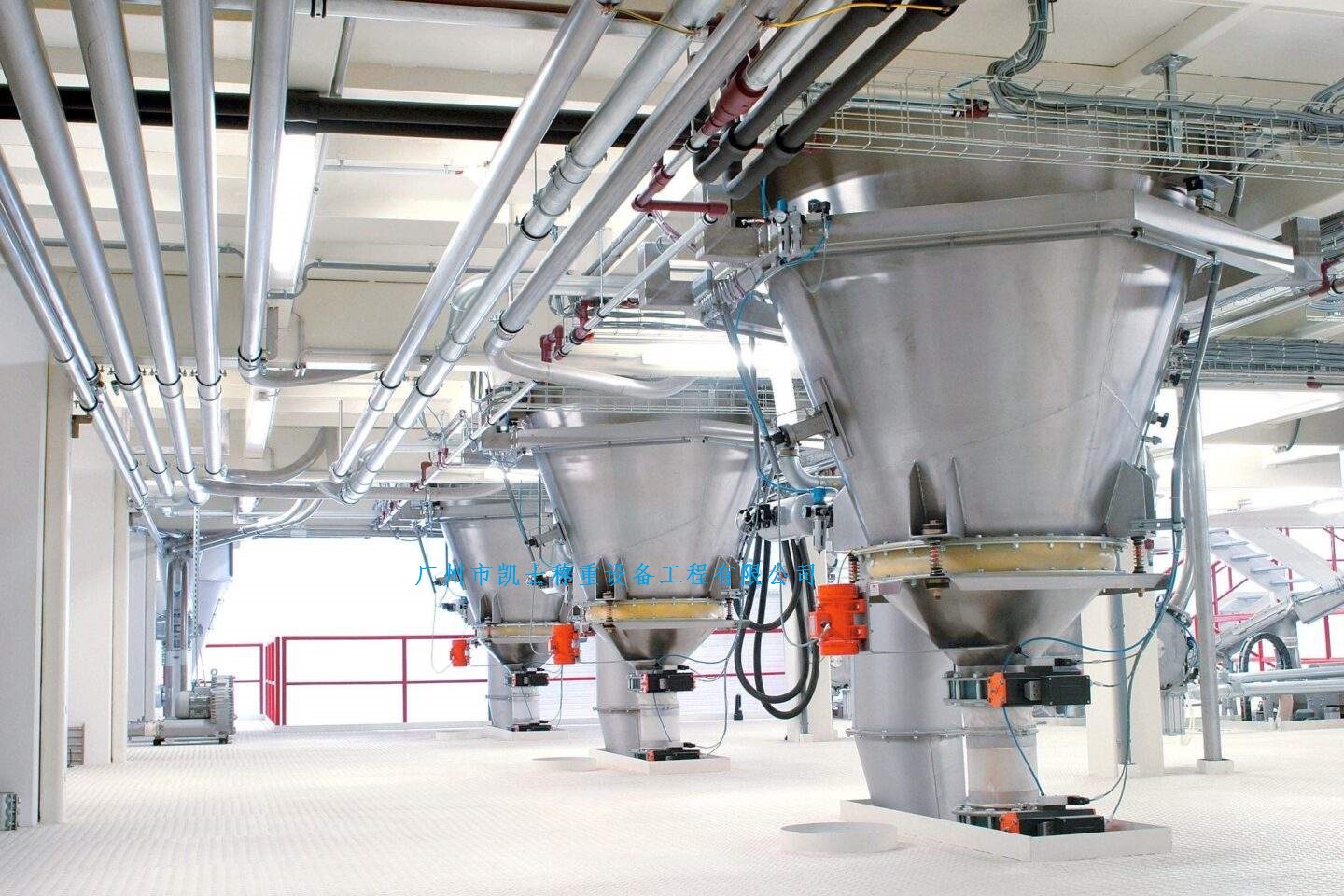




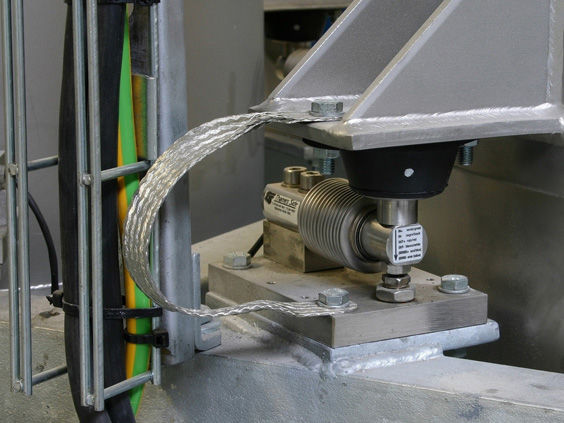
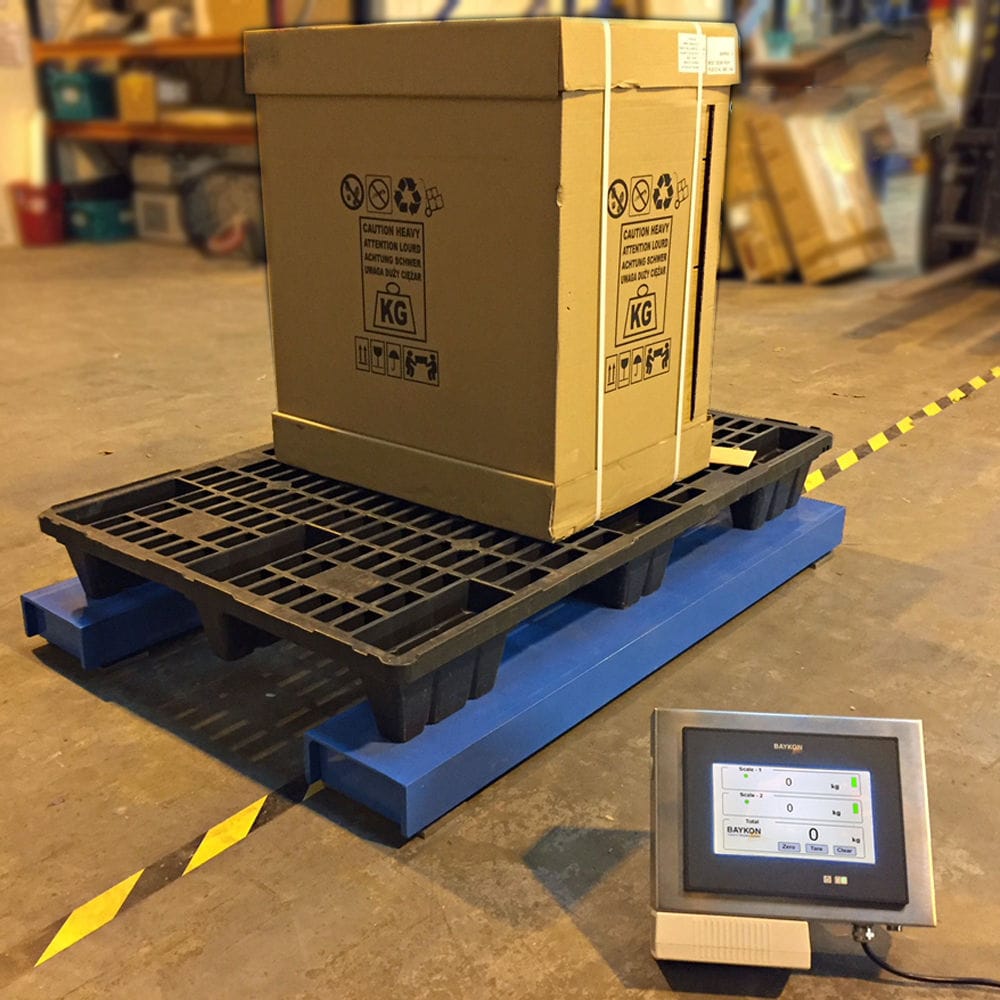


The Speed regulation automatic feeding system picks up the weight through the pressure weighing module, amplifies and filters the picked up weight signal, enters into the A/D converter for analog-to-digital conversion, and then sends it to the microcontroller to analyze and process the signal, and outputs the result to the industrial control through the RS232C communication serial port, and at the same time, makes the corresponding reaction and performs the corresponding operation according to the result of the signal.

 020-34563445
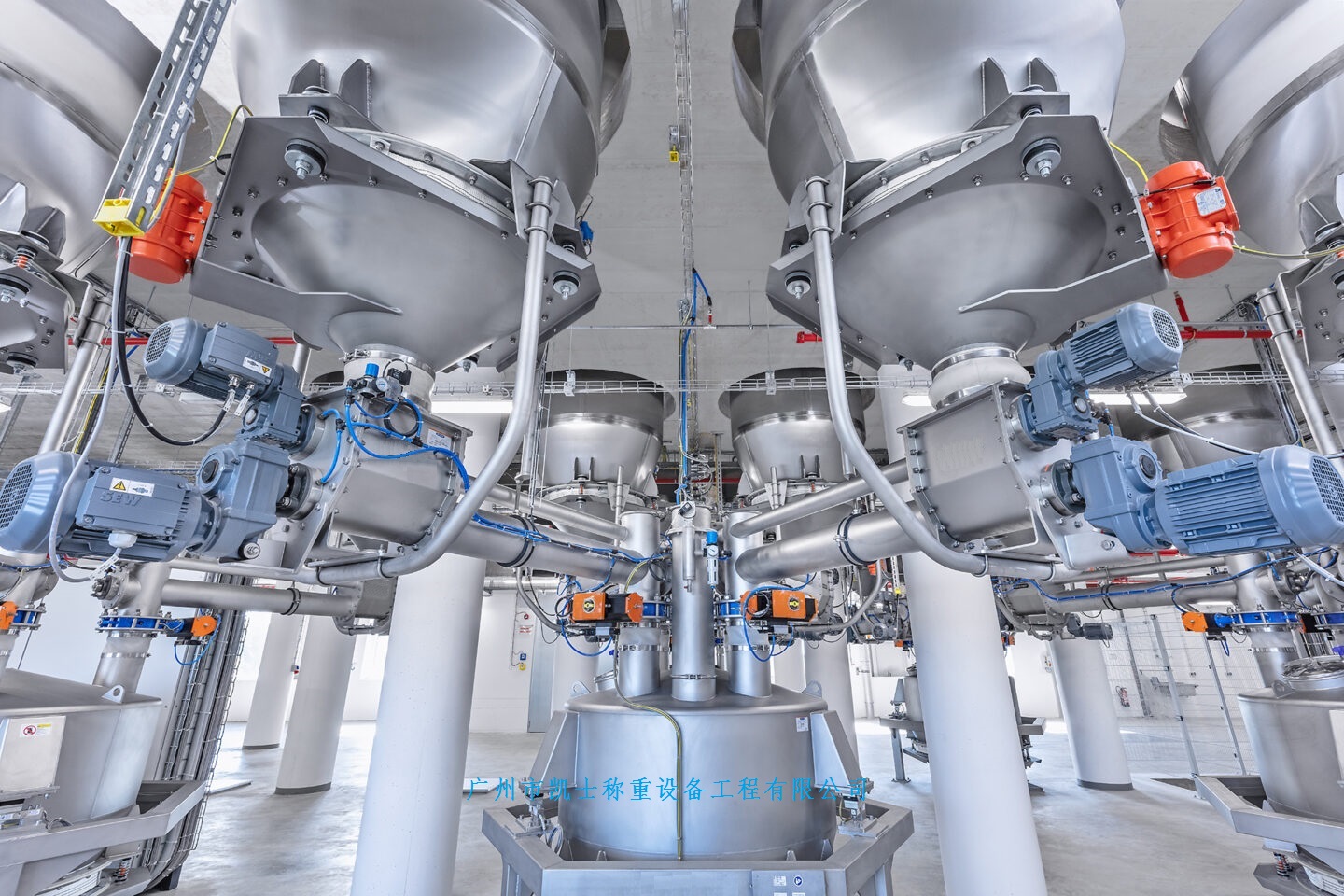
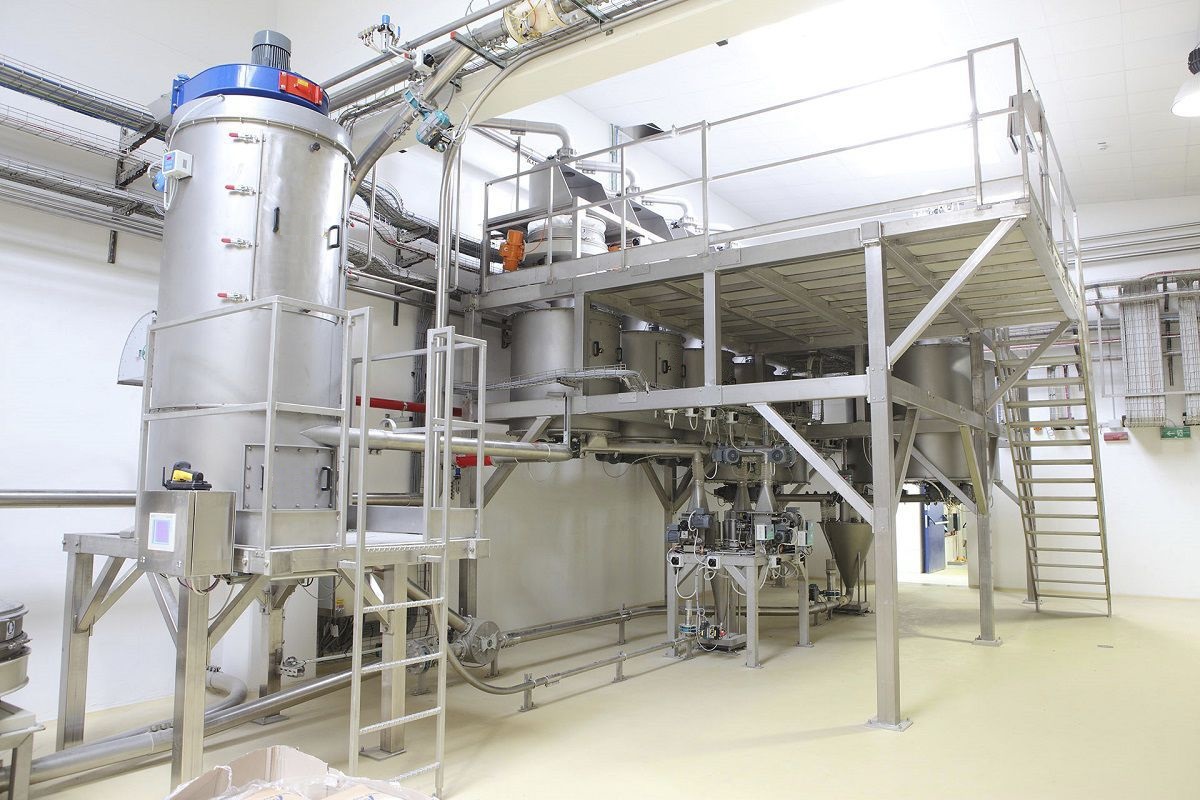
The speed-regulating automatic feeding system mainly realizes the automatic control of the entire system through Electronic scales, mainly completing functions such as automatic feeding, discharging, transportation, and material mixing and stirring. The industrial control computer batching distributed control mode is adopted, which is connected by one main unit and multiple slave units through a network. The main unit assigns the control tasks to each slave unit for completion.
The distributed control batching picks up the weight through the pressure weighing module, amplifies and filters the picked weight signal, and then enters the A/D converter for analog-to-digital conversion. After that, it is sent to the single-chip microcomputer for signal analysis and processing. The result is output to the industrial control through the RS232C communication serial port. At the same time, make corresponding responses and perform corresponding operations based on the results of the signals.
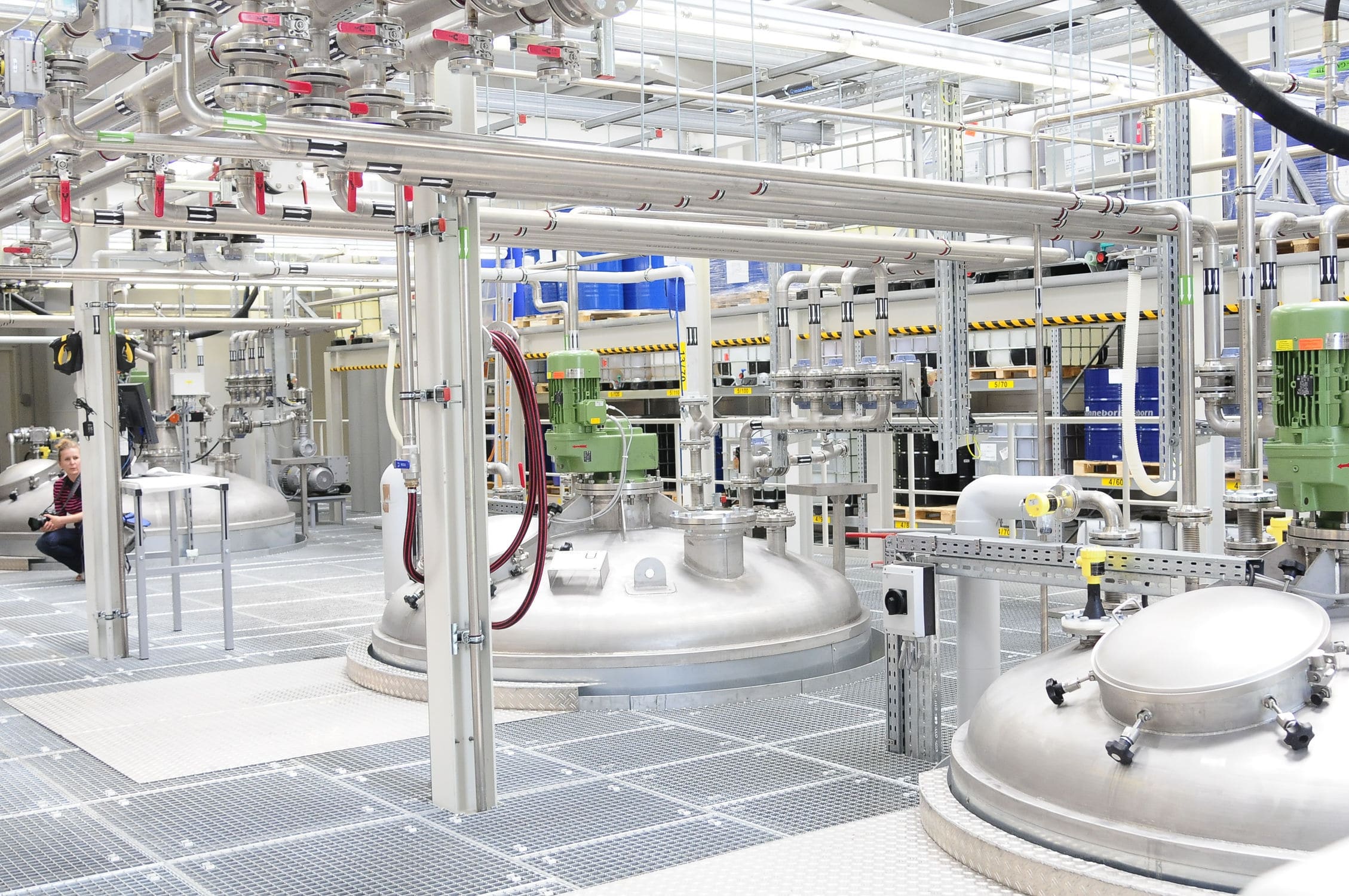
The batching process and control requirements include feeding, material transportation, mixing and discharging. Each raw material reactor warehouse is equipped with a complete feeding system and discharging system, which do not interfere with each other. Before the batching process is initiated, the staff need to establish the procedures for raw material formulas and material ratios.
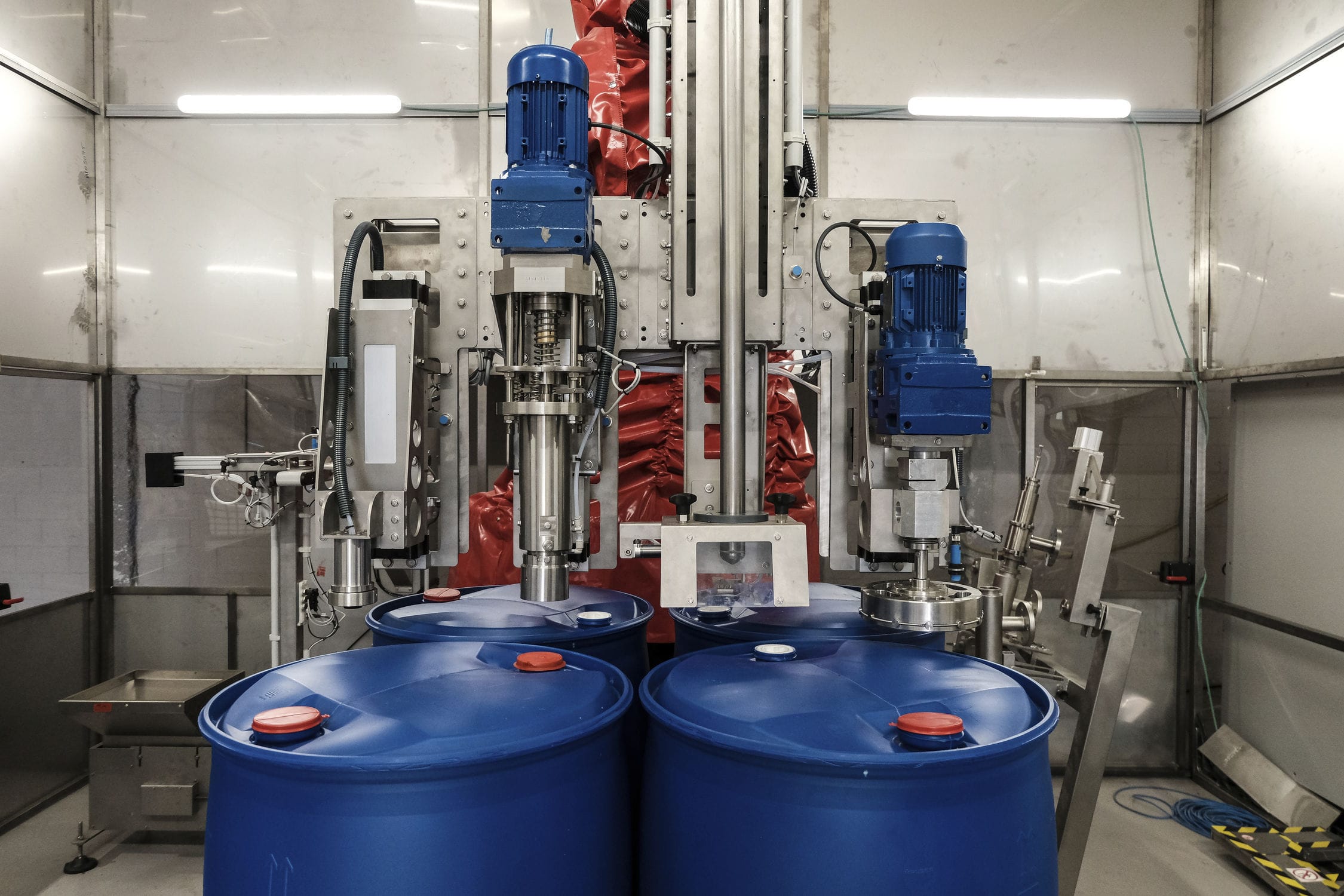
When the batching starts, the feeding system will feed materials according to the set procedure and the feeding process will be completed. When discharging materials from the raw material reactor, the material flow rate is detected to see if it reaches the set value. When the material reaches the set value, the discharging valve is closed to complete the discharging process.
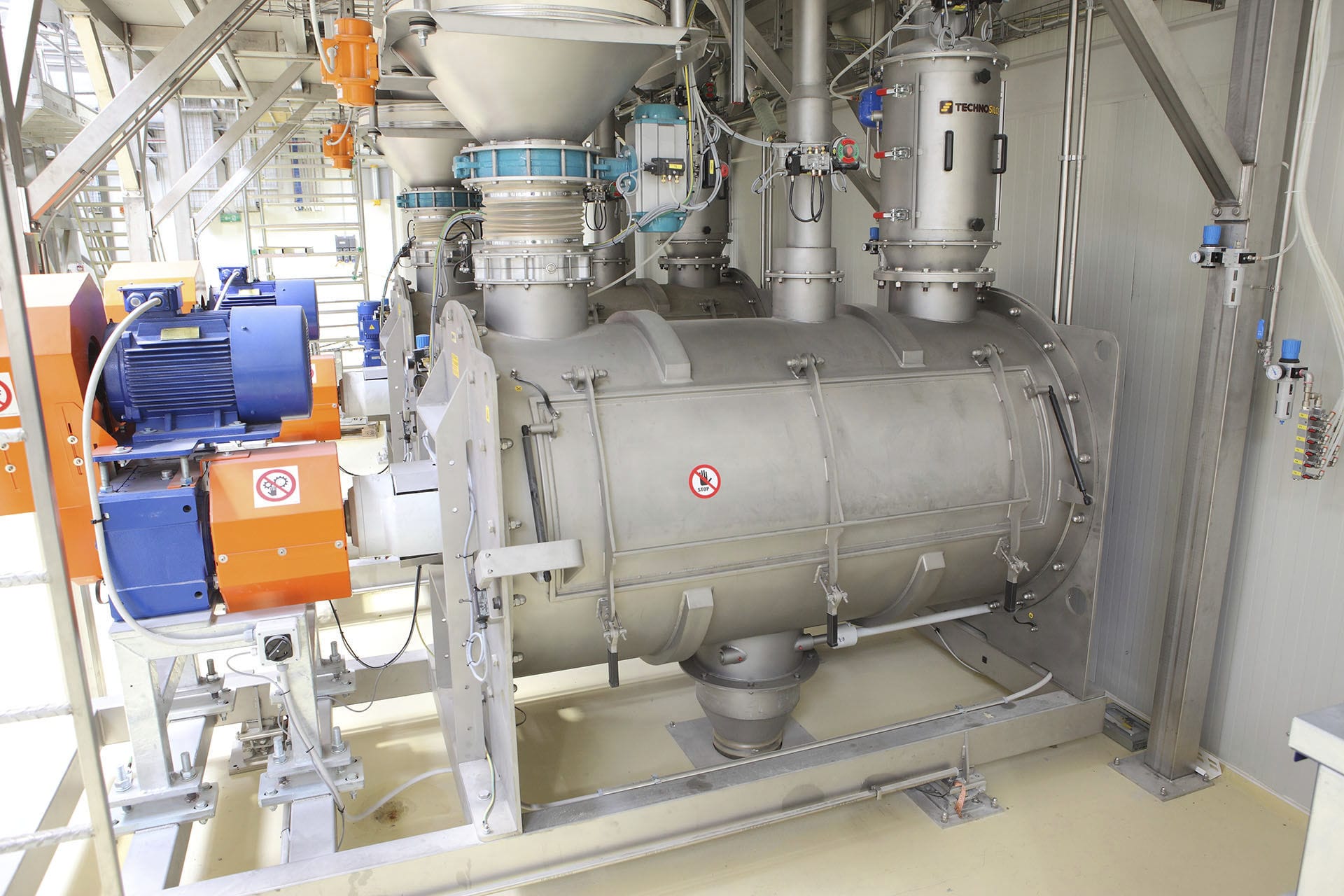
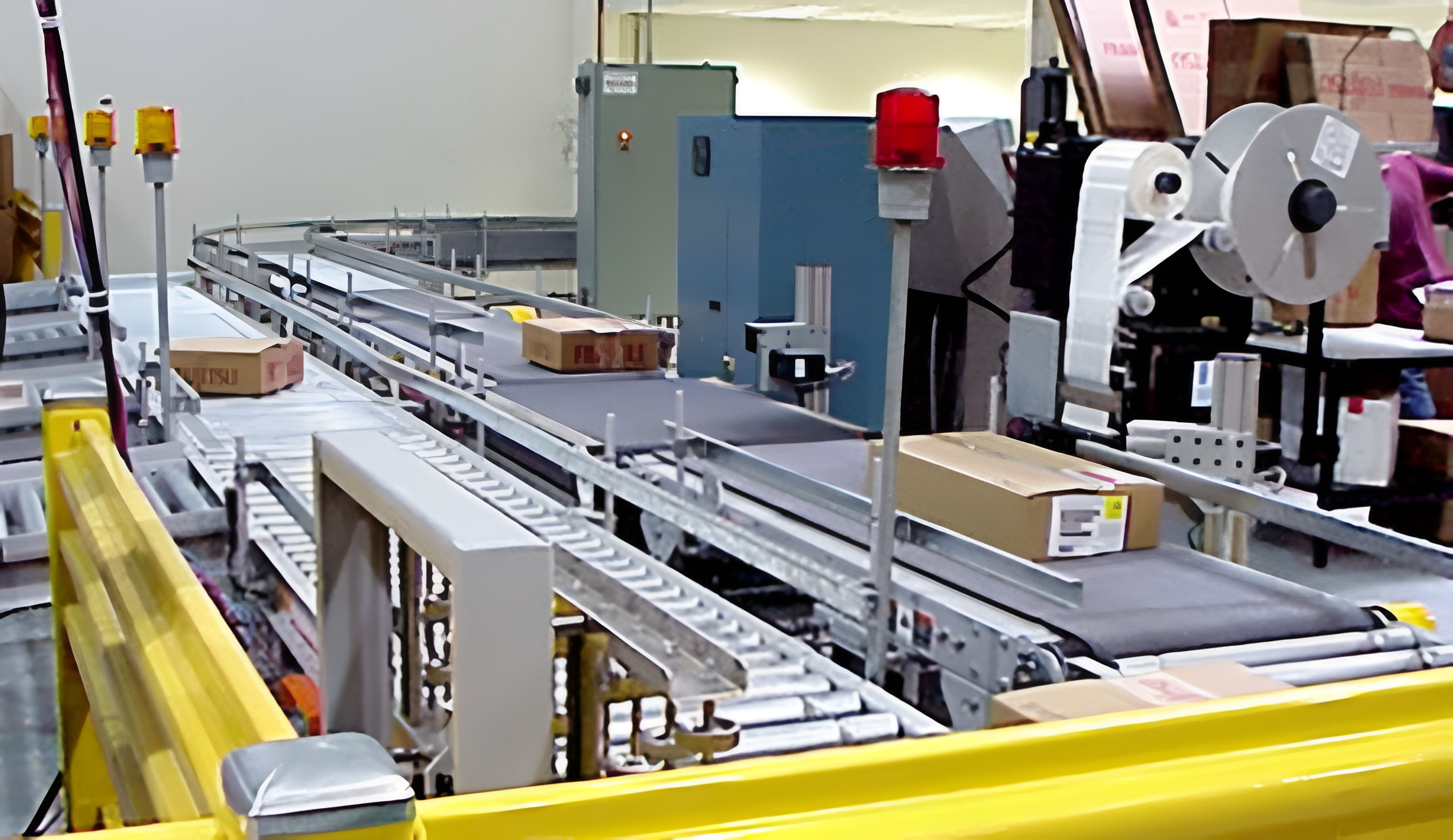
After the process is completed, the materials are conveyed to the corresponding intermediate reaction vessels through the conveyor belt. After the materials are transported, they are mixed and stirred in the intermediate reactor.
After the mixing in the intermediate reactor is completed, the materials pass through the discharge valve to the conveyor belt and then enter the mixing reactor via the conveyor belt.
After the steps are completed, the materials reach the mixing reactor and start to be mixed and stirred. After the stirring is completed, the unloading system starts, and the material begins to be discharged through the unloading valve.