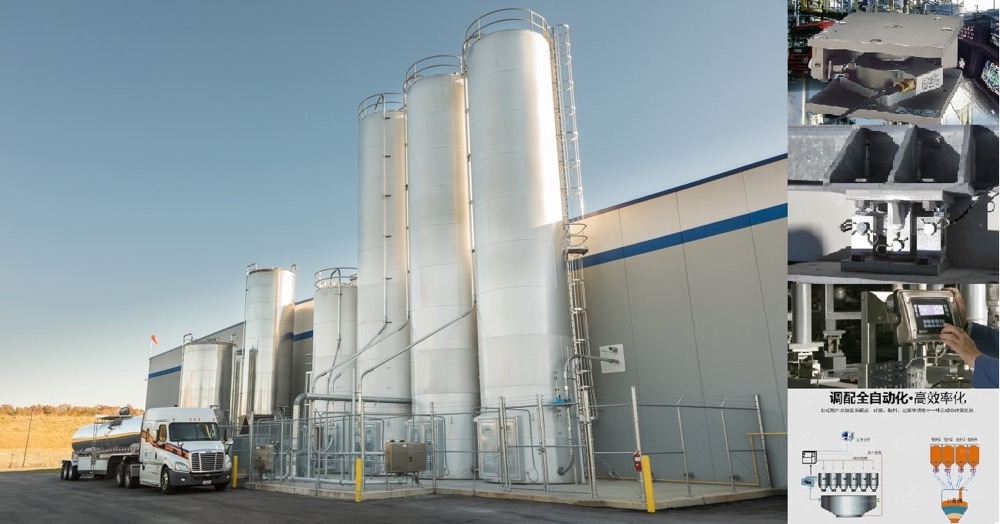








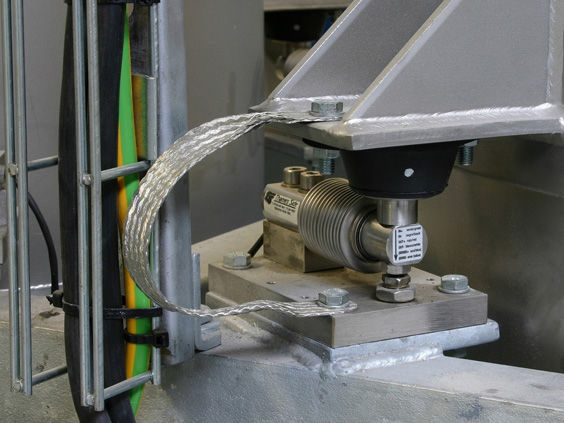


After the variable frequency feeder calculates the required weight of each material based on the ratio, the screw conveyor rotates to convey and stir the material to the silo. The weighing module on the silo wall transmits the pressure change to the weighing instrument, which is converted into a 0-24VDC standard electrical signal for weighing data and then enters the PLC control system. The weighing signal is sent into the PID unit module inside the frequency converter of the feeding motor at the lower end of the silo. The PID unit module performs calculations based on the deviation between the actual value and the set value according to the predetermined algorithm, and outputs a control signal (frequency) to change the speed of the feeding motor, so that the feeding amount is always maintained near the given value.


 020-34563445
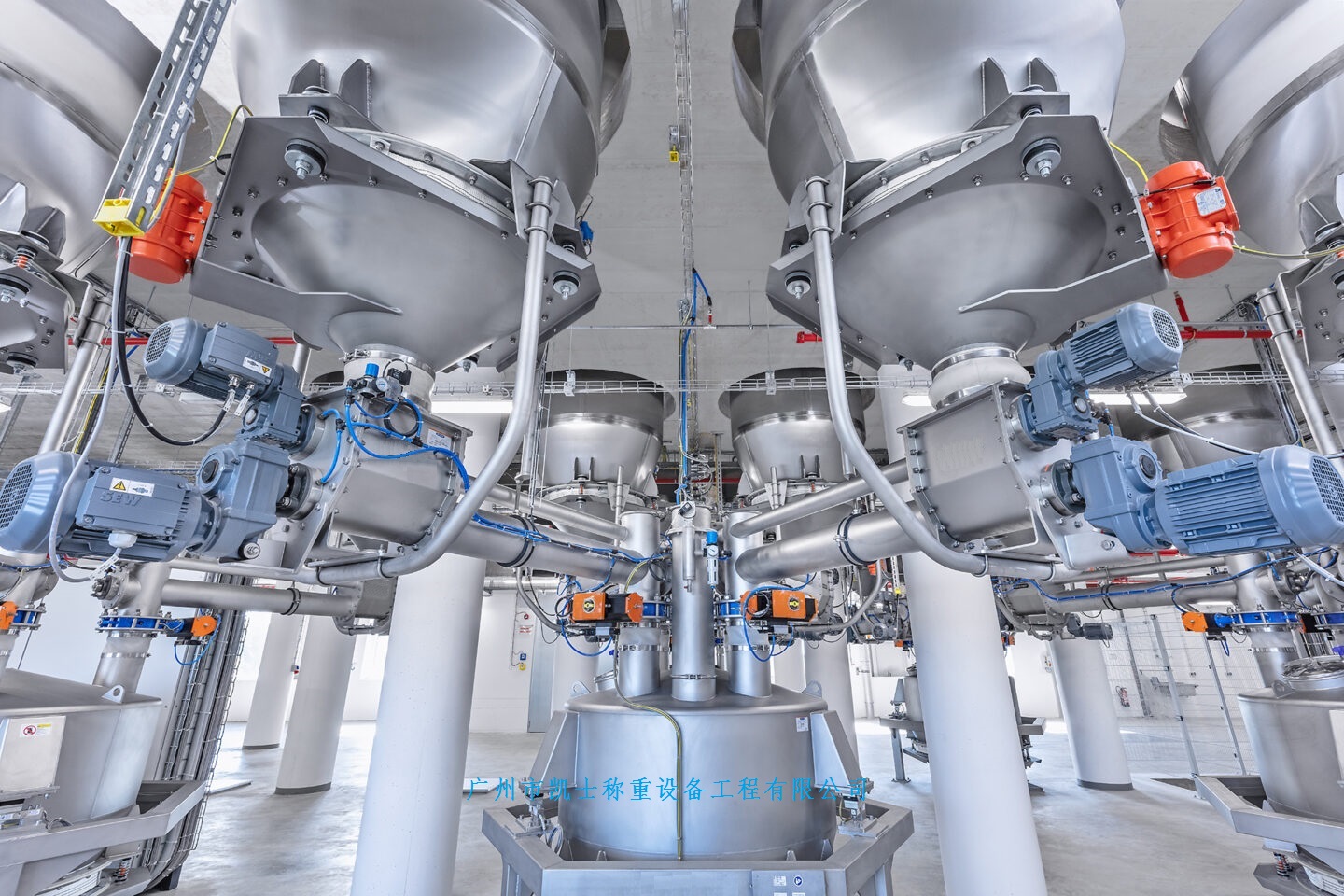
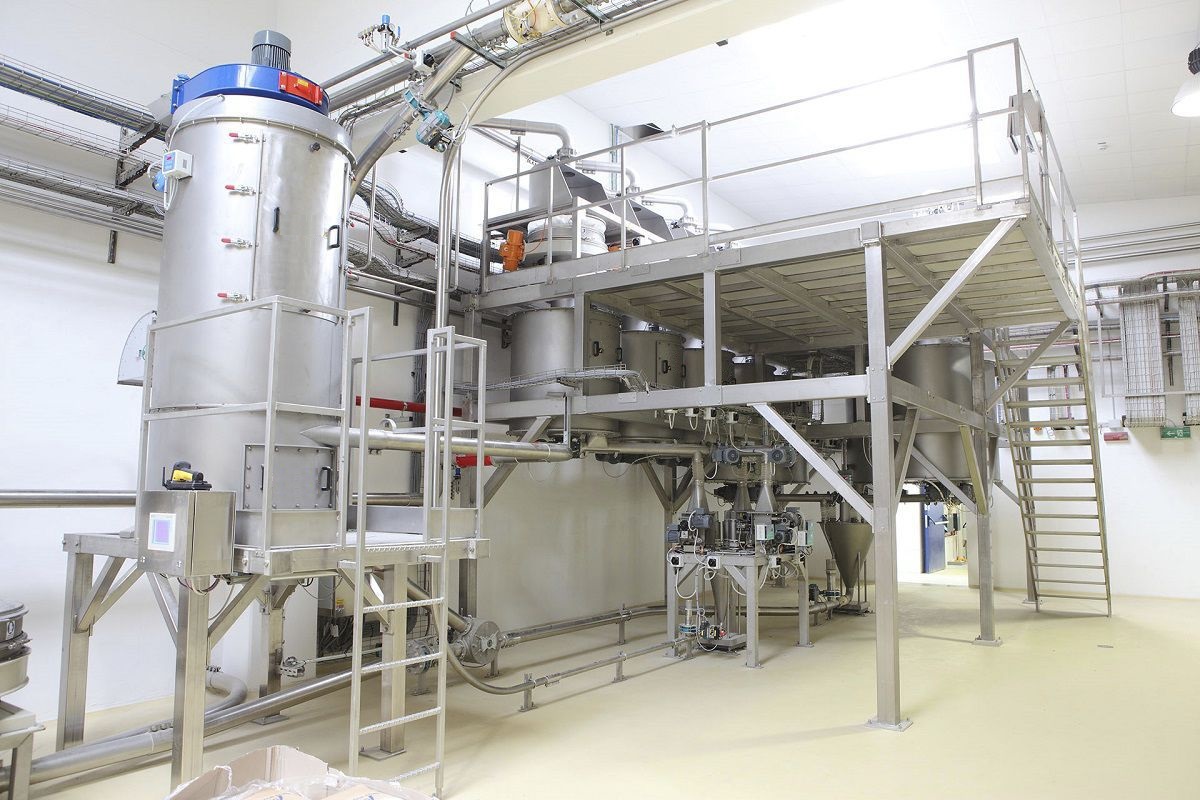
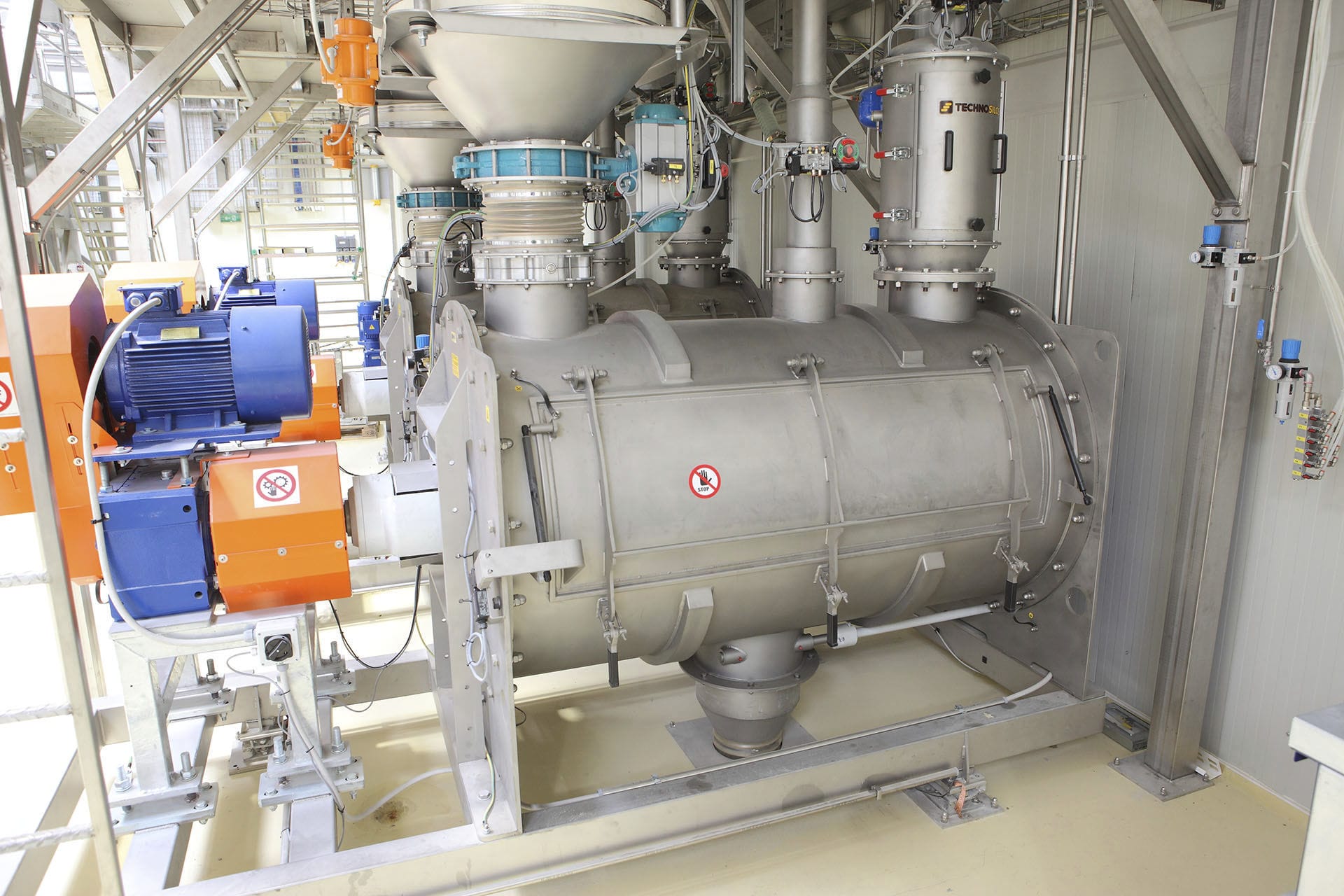
The Optoelectronics variable frequency Feeder mainly consists of two major parts. One part is the mechanical part composed of four batching bins for storing powder and other four raw materials, the corresponding hoppers, the screw feeder and the mixer. The other part is the PLC control system, the control part composed of four sets of batching Electronic scales and frequency converters and other equipment. When using PLC to control the variable frequency feeder, the content of the raw materials is first input into the control system. The control system calculates the corresponding batching ratio and inputs the batching ratio provided by the control system into the Weighing system. Then, the PLC controls the relevant equipment to mix the raw materials in proportion to obtain raw materials. During the process of mixing raw materials, The mixing ratio of raw materials is monitored by using an electronic scale for batching. If the rated error value is within the allowable range, the PLC processor will simultaneously call the relevant subroutines based on the cumulative weight of the batching to correct the error that occurs, so that the mixing ratio of raw materials is as close as possible to the batching ratio.
After the automatic feeder calculates the required weight of each material based on the ratio, the screw conveyor rotates to convey and stir the material to the silo. The weighing module on the silo wall transmits the pressure change to the weighing instrument, which is converted into a 0-24VDC standard electrical signal for weighing data and then enters the PLC control system. The weighing signal is sent into the PID unit module inside the frequency converter of the feeding motor at the lower end of the silo. The PID unit module performs calculations based on the deviation between the actual value and the set value according to the predetermined algorithm, and outputs a control signal (frequency) to change the speed of the feeding motor, so that the feeding amount is always maintained near the given value. The motors controlled by the PLC control system respectively convey the materials in their respective screw conveyors to the mixer, where they are stirred. The finished mixed materials are then conveyed to the outlet end. The Feeding machine adopts a PLC control system to perform two-speed control on the screw feeder, achieving the functions of rapid and slow batching and point control of material replenishment, thereby ensuring the accuracy and speed of the screw feeding.