







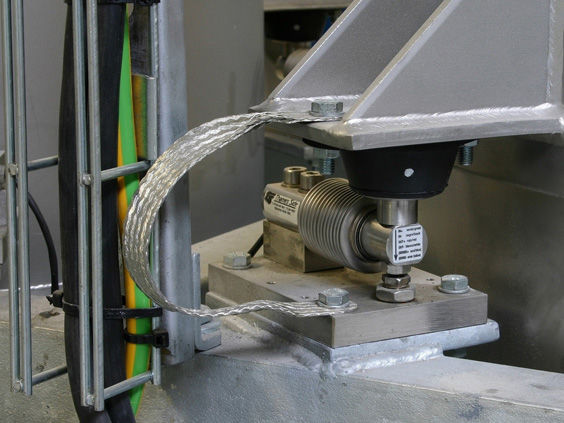
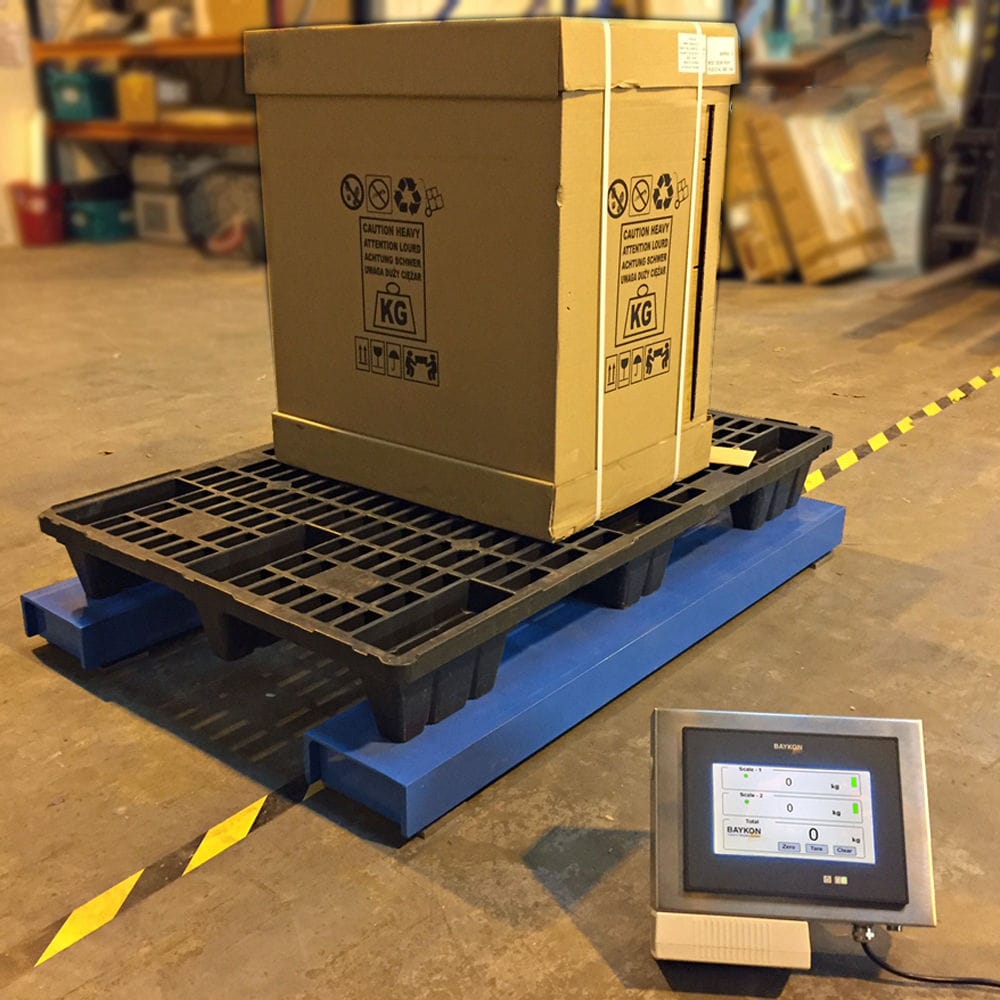


Ground balance Electronic scales with patented utility model technology, weighing scales for use in environments with explosive gases or explosive dusts. Explosion-proof electronic scales use isolation, voltage reduction, current limitation, sealing and fiber-optic communication technologies to eliminate or isolate the links in the system that may generate sources of explosion (electrical short-circuit sparks, electrostatic friction sparks, high-temperature energy concentration, etc.), so as to achieve the purpose of electronic scales to be used in environments where there is a risk of explosion. Carbon steel structure, electronic scales with optional ramp and stainless steel weighing pan. It can be fitted with a remote display, connected to a computer or with a printer to print the data (for use in non-explosion-proof areas).


 020-34563445
The Midland Electronic scale adopts a utility model patent technology and is used as a weighing instrument for environments with explosive gases or explosive dust. The explosion-proof electronic scale employs isolation, voltage reduction, current limiting, sealing, and optical fiber communication technologies to eliminate or isolate the links in the system that may generate explosion sources (such as electrical short-circuit sparks, static friction sparks, concentrated high-temperature energy, etc.) to achieve the purpose of using the electronic scale in environments with explosion hazards. The carbon steel structure of the electronic scale can be optionally equipped with a slope and a stainless steel weighing plate. It can be assembled with a remote display, connected to a computer or printed data through a printer (for use in non-explosion-proof areas). The explosion-proof electronic scale is realized through explosion-proof Weighing modules and explosion-proof weighing instruments, with fixed value and ratio functions, and can be directly used for process control in the production and transportation. The weighing measurement, automatic control, data statistics and upload are achieved based on the standard signals of the input weight module; according to the operating environment and actual requirements, the minimum reliable weight is set. For example, if the ratio of the materials is less than the minimum set value, the weighing instrument will alarm on the display screen and the value obtained is not within the set range. The weighing instrument is also equipped with a standard RJ45 Ethernet port, which can be connected to the upper-level control system. The operators in the control room can monitor the weighing data, adjust the settings, generate reports, back up or restore data through the control system, and it is a complete solution that realizes weight measurement and control. With the promotion of weight measurement and its successful application in other industries, we have proposed a control scheme for weight measurement, discussed with the process party several times, and compared the investment of two schemes, and adopted the control scheme of weight measurement. From parameter collection to process control, a complete weighing monitoring system has been formed.
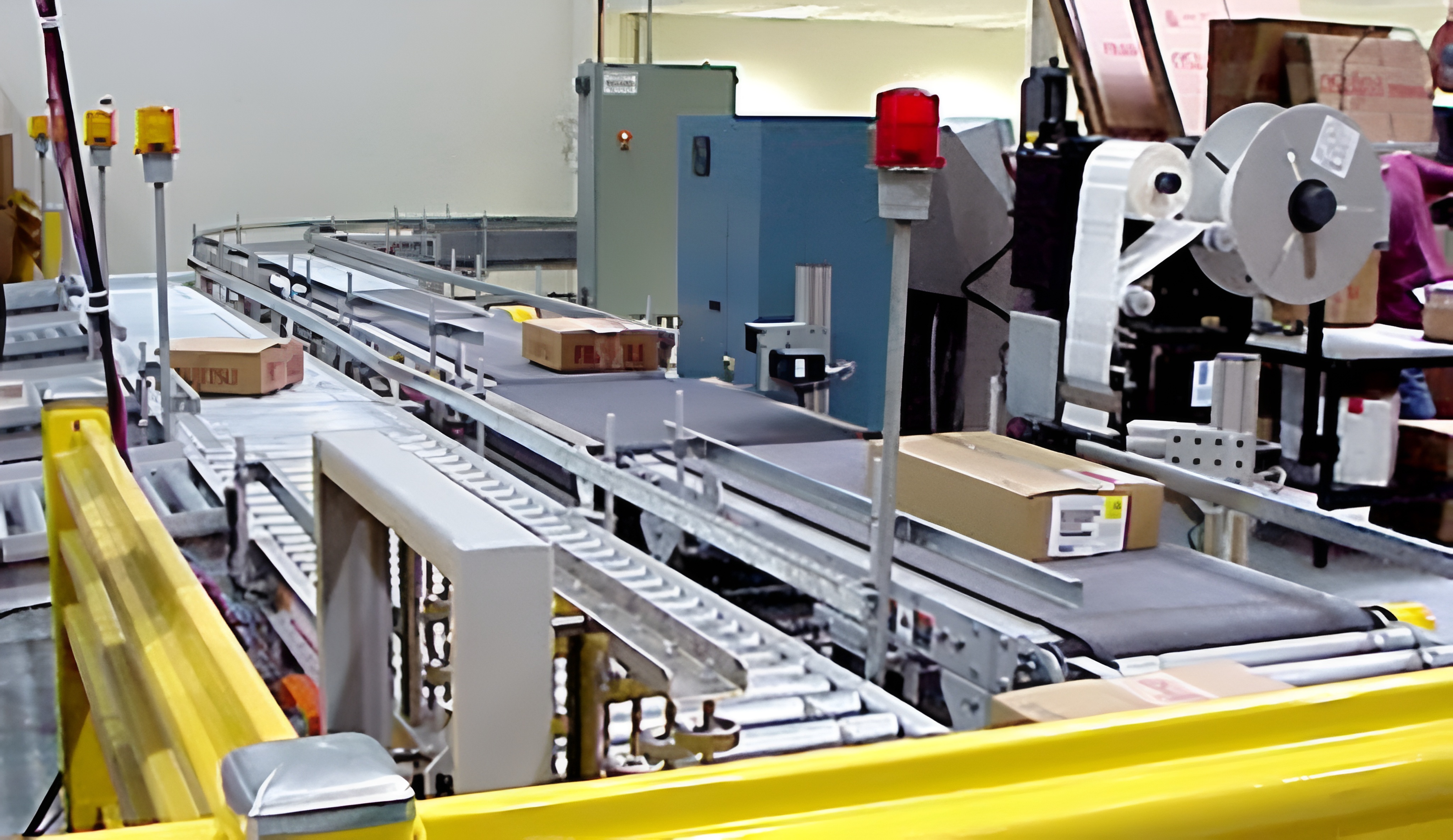
The electronic scale uses a roller conveyor. The weighing platform is placed on top of the roller conveyor, and the weighing module connected to the platform, as well as the electric lifting mechanism connected to the weighing module, and the lifting control device connected to both ends of the platform. The two ends of the platform are connected as a weighing rod integrated with it. The ends of the weighing rod are connected to the weighing module placed below the weighing rod. The lower end of the weighing module is connected to the electric lifting mechanism, which is fixedly connected to the base plate. The lifting control device is also connected to both ends of the weighing rod. On both sides of the weighing rod, there are corresponding guide columns, and the lifting control device is linked with the guide columns. The scale uses a piston pump and an electromagnetic relief valve with unloading function to adjust the pressure. The double one-way throttle valves are used to achieve the backflow throttling speed control during the ascent and descent processes, thereby regulating the system's movement time. The synchronous motor is used to ensure the motion accuracy and synchronization of the hydraulic cylinder. The double hydraulic control one-way valve locking circuit is adopted to lock the actuating element at any position when it stops moving. A safety valve group is placed near the hydraulic cylinder, mainly consisting of an overflow valve and a hydraulic control one-way valve. The overflow valve is designed to prevent large pressure shock, and the hydraulic control one-way valve realizes several safety controls to prevent rapid descent during the lowering process and avoid safety accidents.
Two hydraulic cylinders are added at both ends of the Weighing system. During the material feeding process, the hydraulic cylinders operate, lifting the scale platform, so that the weighing measurement components do not bear the frictional force during dragging. During weighing, the scale platform descends. Two hydraulic cylinders are added at the bottom center of the weighing system. During the material feeding process, the hydraulic cylinders operate, making the scale platform bear the frictional force during dragging and transmitting it to the base instead of being borne by the piston rods of the two hydraulic cylinders added at both ends of the system, effectively protecting the hydraulic pistons. The oil cylinders at the central position, which are a certain distance apart, use two instead of one, mainly considering the balance issue. The two main lifting oil cylinders at the center mainly function to lift the upper part of the oil cylinder. Due to the interference fit between the slider and the main structure of the weighing system, after being lifted, it is equivalent to a whole, so the lateral friction force is transmitted to the main structure, without damaging the sensing device and the oil cylinder. The side lifting oil cylinder's function is to rise when not weighing, so as not to bear pressure on the sensing device. The hydraulic system of the main lifting part with a spring in the oil cylinder has a spring force set at 195N. 3 is a hydraulic relay. When the hydraulic pressure exceeds 10MPa, the relay operates, and the signal of the relay is sent to the PLC, which is controlled by the PLC to control the corresponding solenoid valve. The one-way throttle valve acts as a one-way valve when the oil flows from the P pipe to the upper oil cylinder, and it does not cause backflow. Thus, even due to the effect of the spring, the mechanical performance during lifting will not become softer. When it is necessary to return the oil, it acts as a throttle valve, and by adjusting the position of the adjusting rod, the opening degree of the throttle port can be changed to adjust the flow rate.


