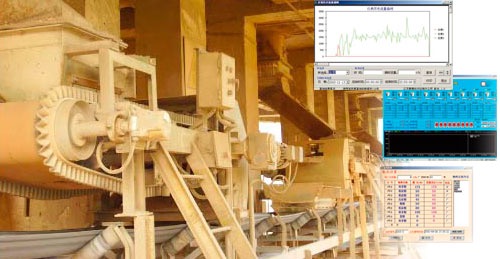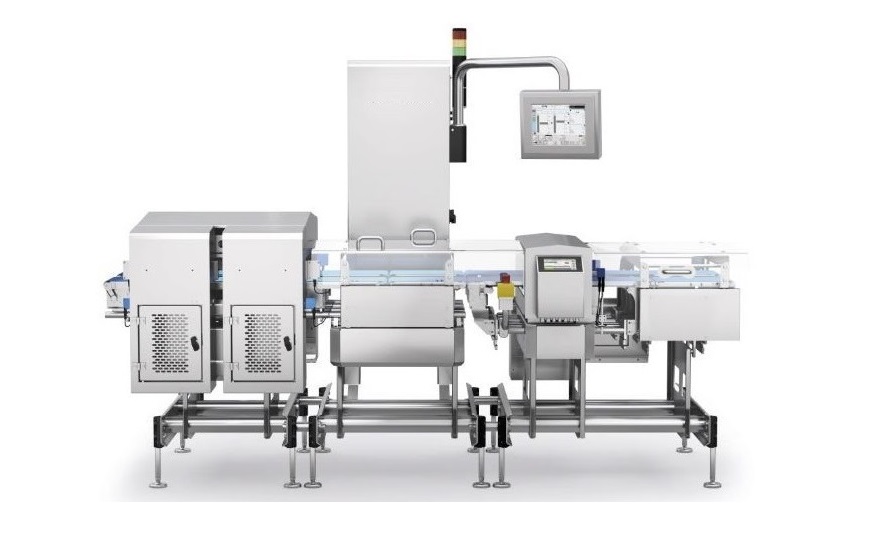







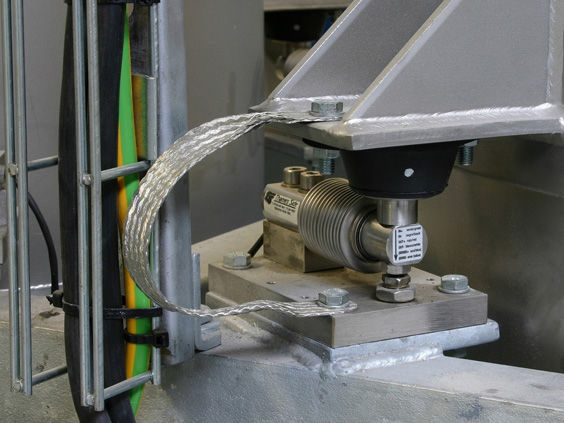
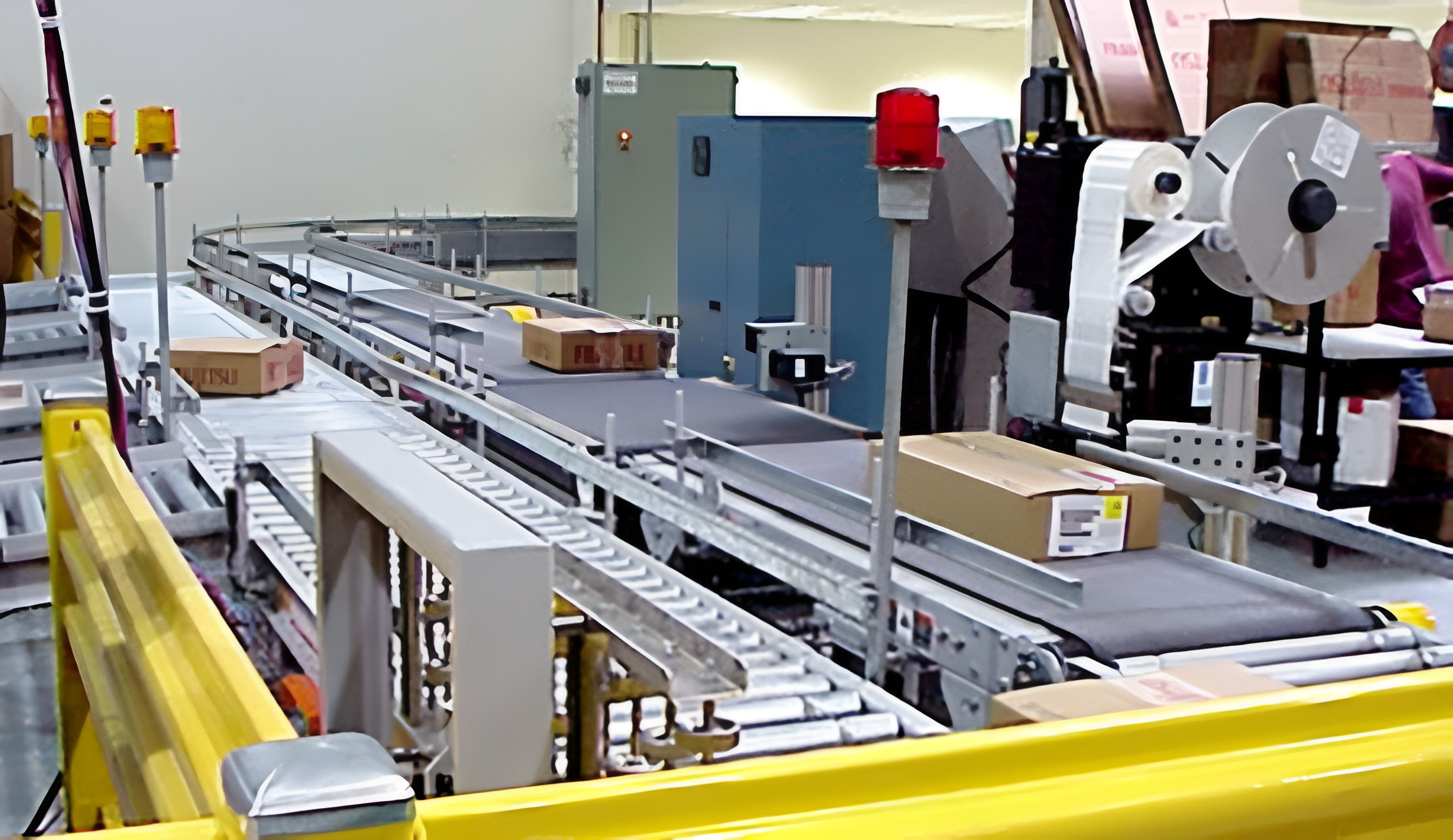


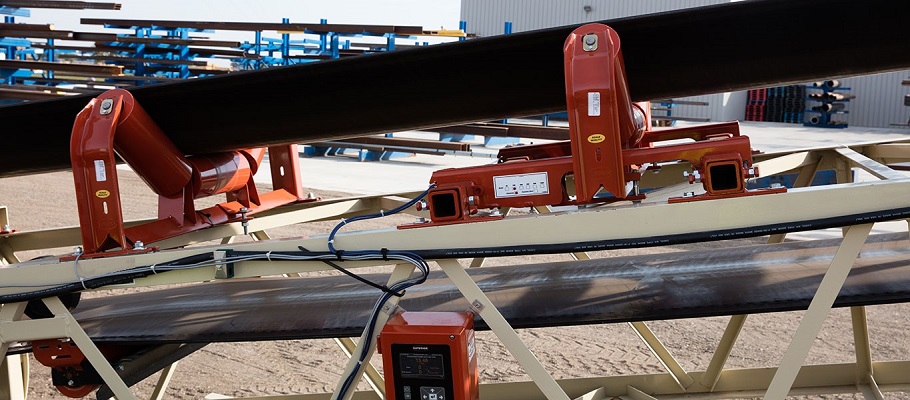
The Roller Drag Belt Weigher is composed of a weighing frame, velocity sensor, high precision weight sensor, weighing instrument, etc., which can continuously and dynamically measure solid materials. The weighing bridge is installed on the conveyor frame. When the material passes by, the measuring roller detects that the weight of the material on the belt machine acts on the weighing sensor through the lever, generating a voltage signal proportional to the load of the belt. The speed sensor is directly connected to the large diameter speed measuring drum and provides a series of pulses, each representing a belt movement unit, and the frequency of the pulse is proportional to the belt speed. The weighing instrument receives signals from the weighing sensor and the speed sensor, and obtains an instantaneous flow value and cumulative weight value through integral calculation, and displays them respectively. The weighing frame structure of the load-bearing device mainly has four kinds: double lever multi-idler type, single idler type, cantilever type and suspension type.

 020-34563445
Roller Drag Belt Weigher is A kind of batching equipment for continuous conveying of loose materials for automatic weighing. When conveying materials, the weight of the material on the weighing section acts on the weighing sensor through the belt weighing roller load platform, and the weighing module converts the weight into an electrical signal and sends it into the weighing instrument, which is amplified, filtered, and converted into A/D signal. The measuring module installed on the return belt converts the speed signal of the belt into a pulse signal and sends it to the weighing instrument. Weighing instrument will integrate the two signals, so as to obtain the cumulative weight of the material and display.
The calculation method of weighing instrument generally has two modes: integral method and accumulation method. When the material falls to the electronic belt scale, a material quantity value is determined by the weighing module on the electronic belt scale, and then a feeding signal is obtained by comparing the data weighed by the material falling to the electronic belt scale with the given value. Then the feed signal is transmitted to the PLC A/D analog module, through the PLC D/A analog module to give a control signal to the inverter on the feeding motor, through this control signal to adjust the motor speed, so as to control the size of the material feed.