





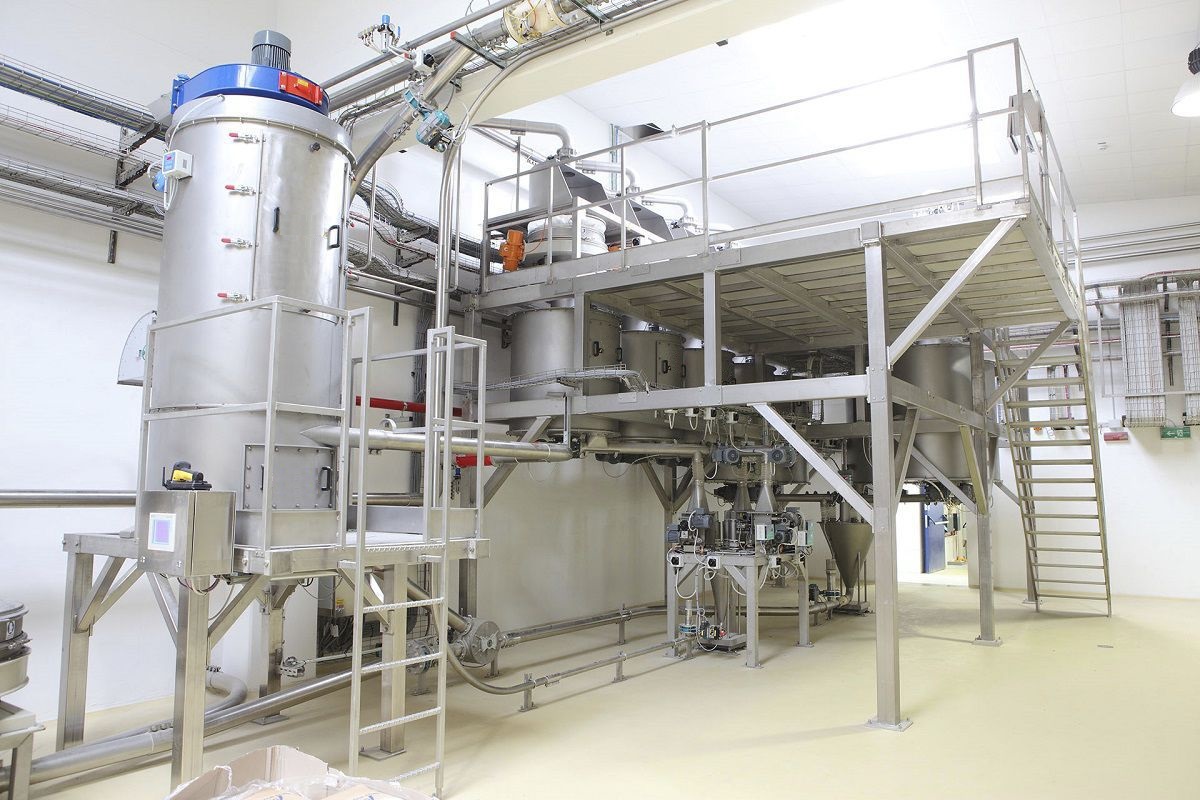
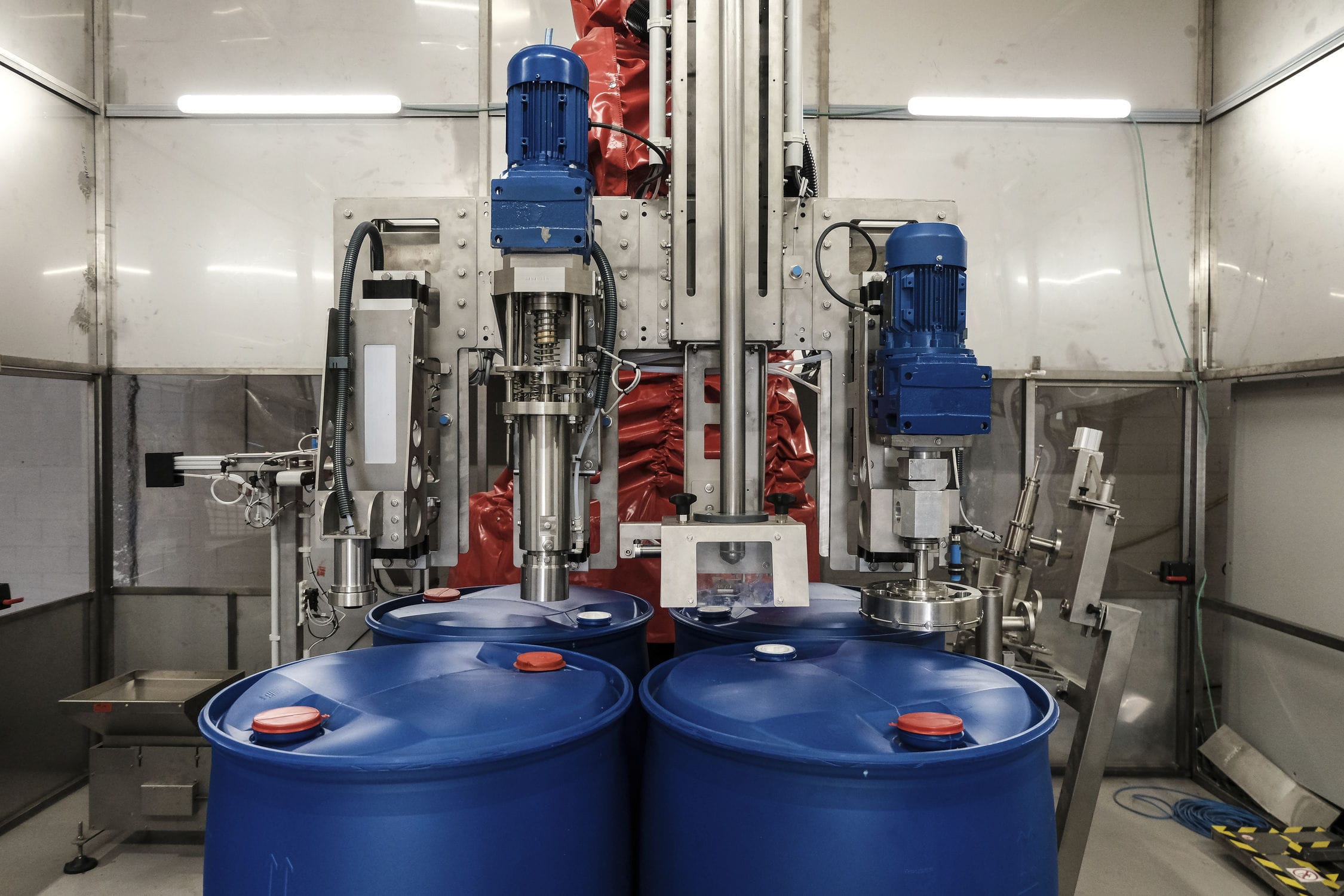
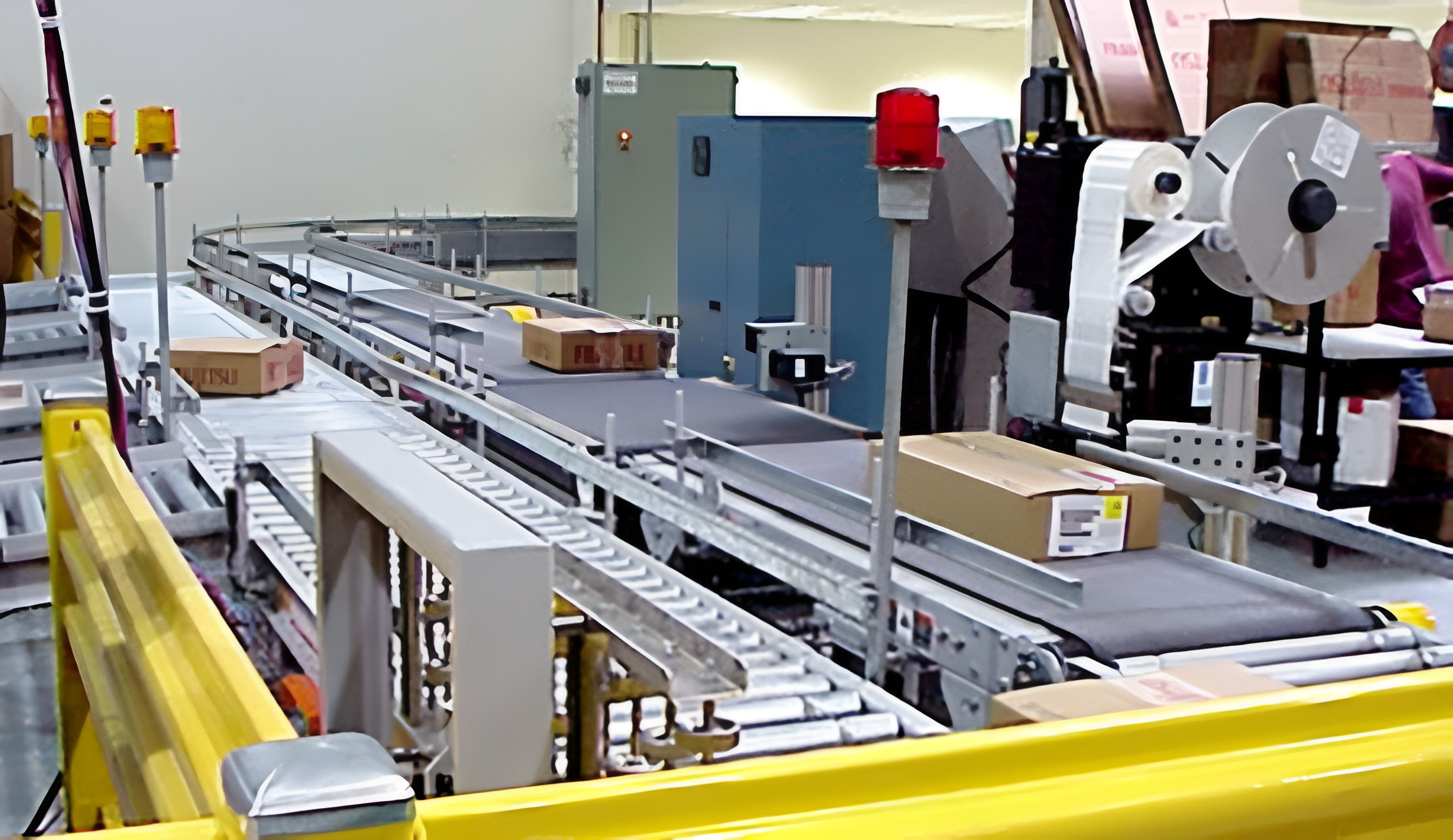
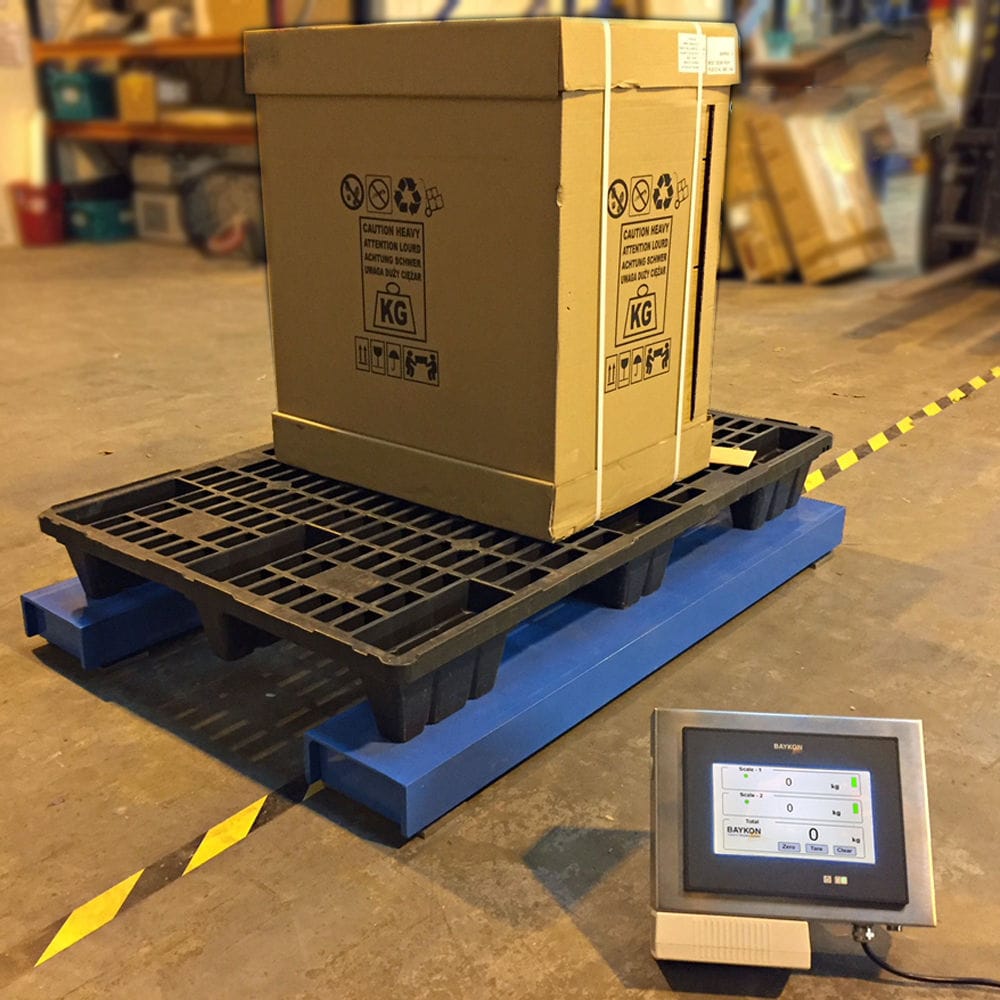


The cooling electronic scale is installed on the cooling tower support. The divider will transfer the high-temperature materials from the conveying belt and scrape the materials down into the cooling tower. The materials are transported vertically from top to bottom through the gap channels between the stainless steel heat transfer plates in a dense-phase manner. During the cooling process, the cooling water circulates within the heat transfer plates. The flow directions of the materials and the cooling medium are in counter-current, which can achieve a higher heat transfer efficiency, thereby reducing the temperature of the cooled materials. After cooling, the materials are weighed and then lifted by the bucket elevator and re-sent to the material conveying belt for further transportation, and then sent to the subsequent process section for measurement.

 020-34563445
The cooling Electronic scale is controlled by the system to perform weighing and set comparison points. It can flexibly calculate and output control signals, execute fixed-value weighing, control the operation of each material weighing hoppers and pumps; at the same time, it conducts error checks and accurately calculates the ingredient weights of each feed bin to achieve the desired repeatability and accuracy. When the weight reaches the predetermined target, the control system issues an instruction, which is controlled by the encoder through the encoder and the hydraulic control system, and closes the feed funnel valve to achieve precise ingredient measurement and automatic feeding.
The electronic scale is installed on the cooling tower bracket. The divider separates the high-temperature materials from the conveyor belt and scrapes the materials into the cooling tower. The materials are transported vertically from top to bottom through the gap channels between the stainless steel heat transfer plates in a dense-phase manner. During the cooling process, the cooling water circulates through the heat transfer plates, and the flow direction of the materials and the cooling medium takes an逆流 manner, which can achieve a large heat transfer efficiency, thereby reducing the temperature of the cooled materials. After cooling, the materials are weighed, lifted by the bucket elevator and re-sent to the material conveyor belt for further transportation, and then measured and sent to the subsequent process.
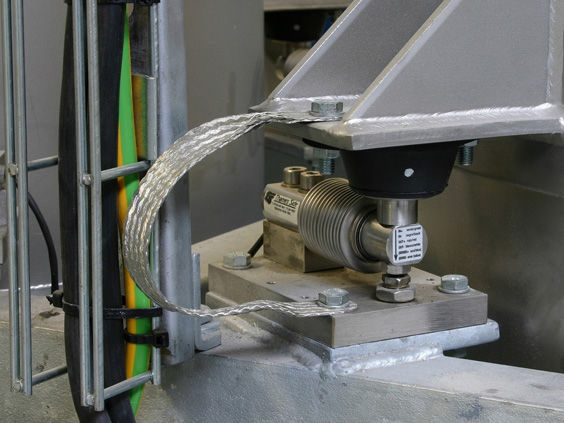
After placing the weighed object on the load scale body, a certain gravitational force will appear on the load scale body, and the scale body will distribute the force received to each weighing module. In the weighing sensor of the conveyor platform, the original gravitational signal is transformed into an electronic signal by the force deformation of the strain gauge, and then the electronic signal is transmitted to the junction box for sorting and convergence. The weighing instrument collects and processes the specific weighing information, and then the weighing value can be displayed. In addition, the weighing display can be connected with the PLC control system to connect with the data information for analysis, storage, and other control-related tasks.
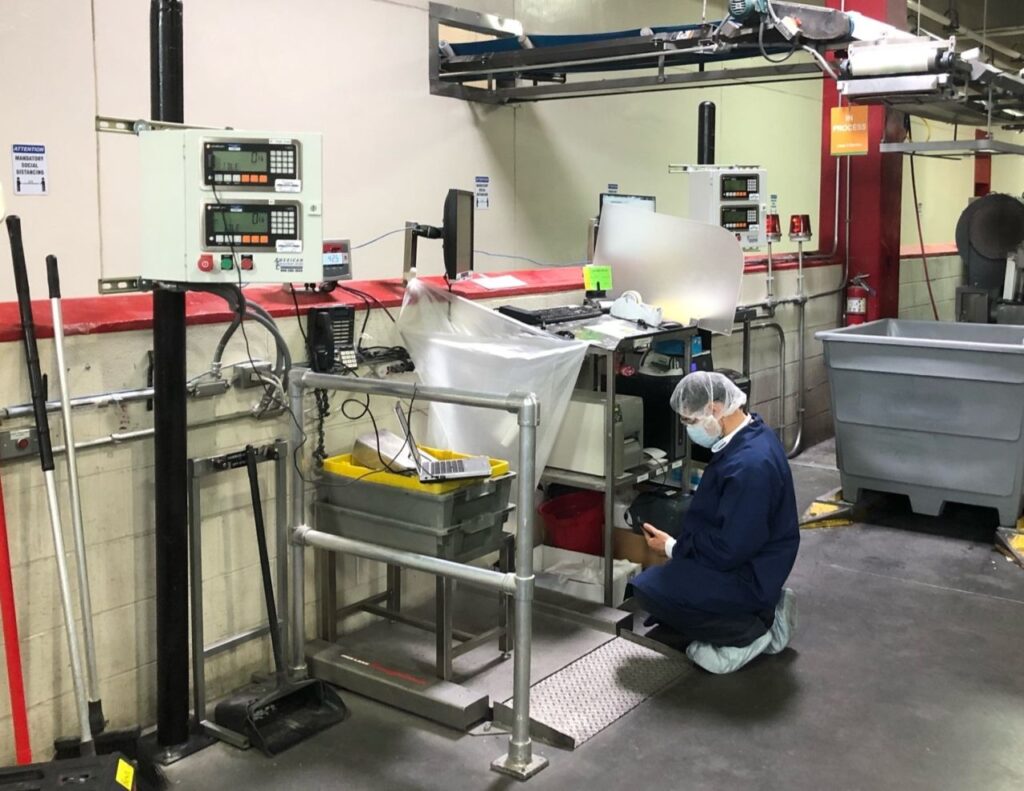
The electronic scale control system uses the Siemens TP1200 touch screen to achieve on-site human-machine operation, which can display the equipment status and process parameters, interlock switching, and control loop adjustment functions. Meanwhile, the S7-300 PLC communicates with the DCS system through the CP341 communication card using the MODBUS protocol. A flowchart is established on the DCS monitoring screen to monitor and control the process parameters. Operators can operate in other sections. On the on-site touch screen, there is an emergency button, and it is connected to the DCS system DO card through hard wiring for remote stop in emergency situations. During operation, the on-site touch screen can be operated directly, and monitoring is conducted in the remote control room after operation. The remote monitoring functions and the operations that can be performed in the control room include monitoring of temperature, pressure, liquid level, and flow signals of the cooling water; controlling the valve position values and set values for the cooling tower material level and the valve position values for the feed hopper; monitoring the status of the elevator, fan, and circulating water pump.


