


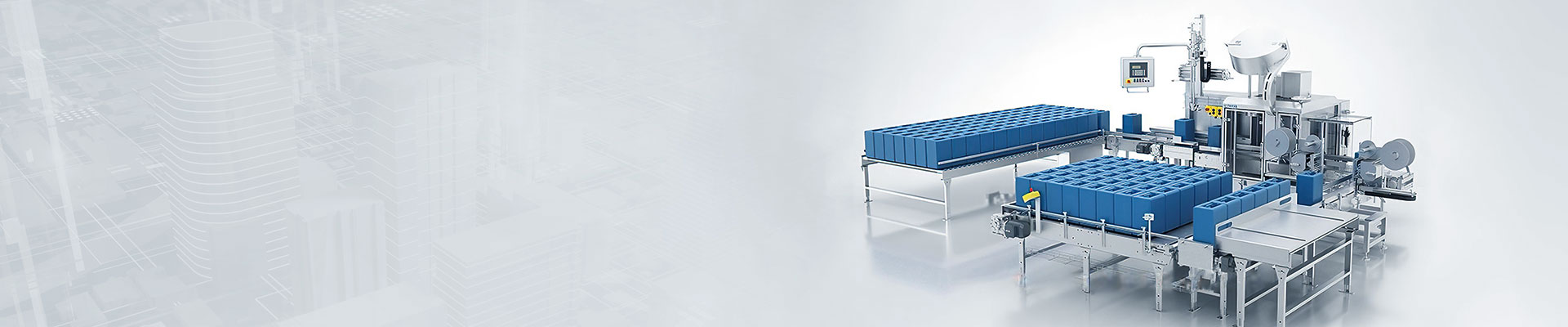





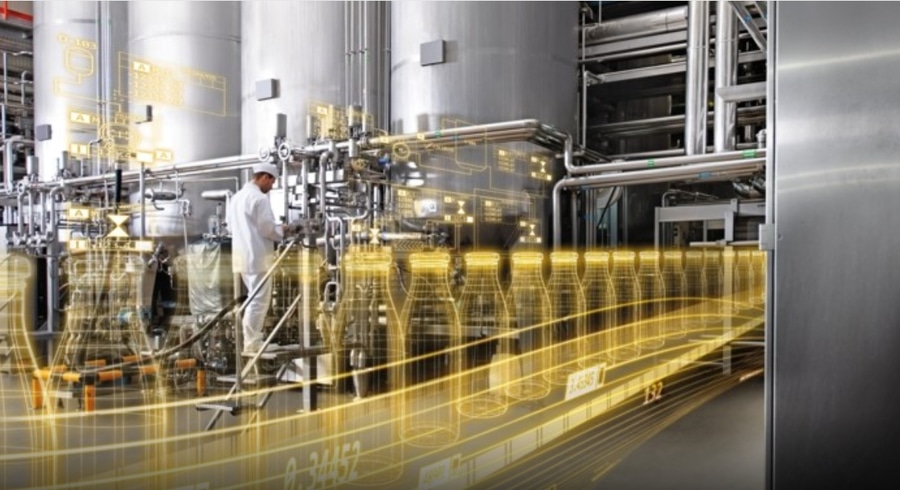
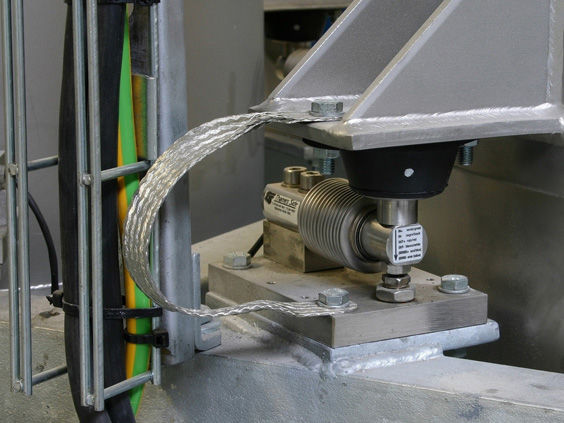
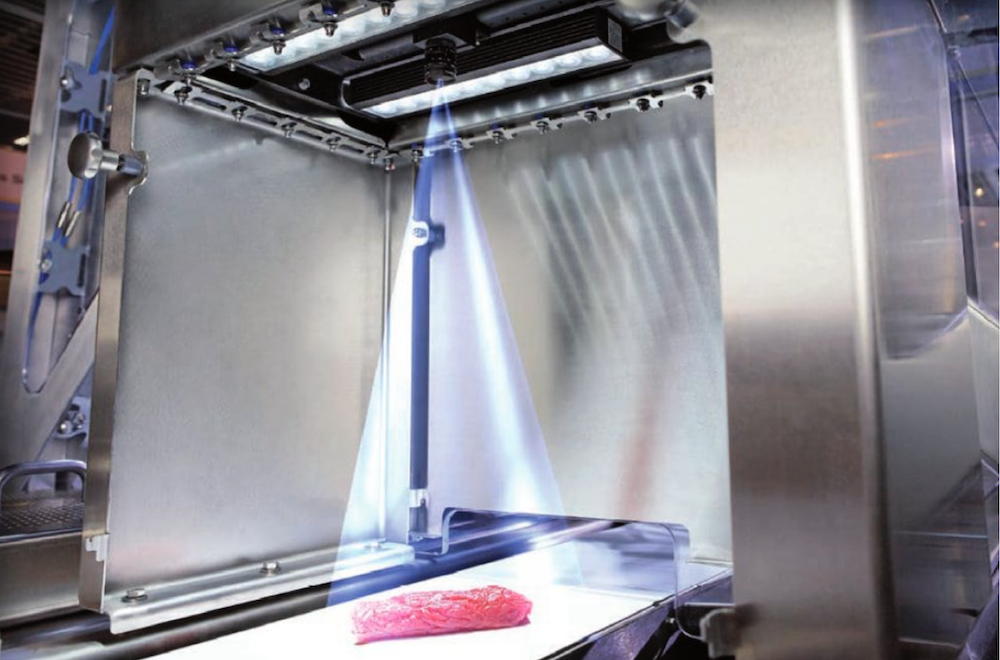
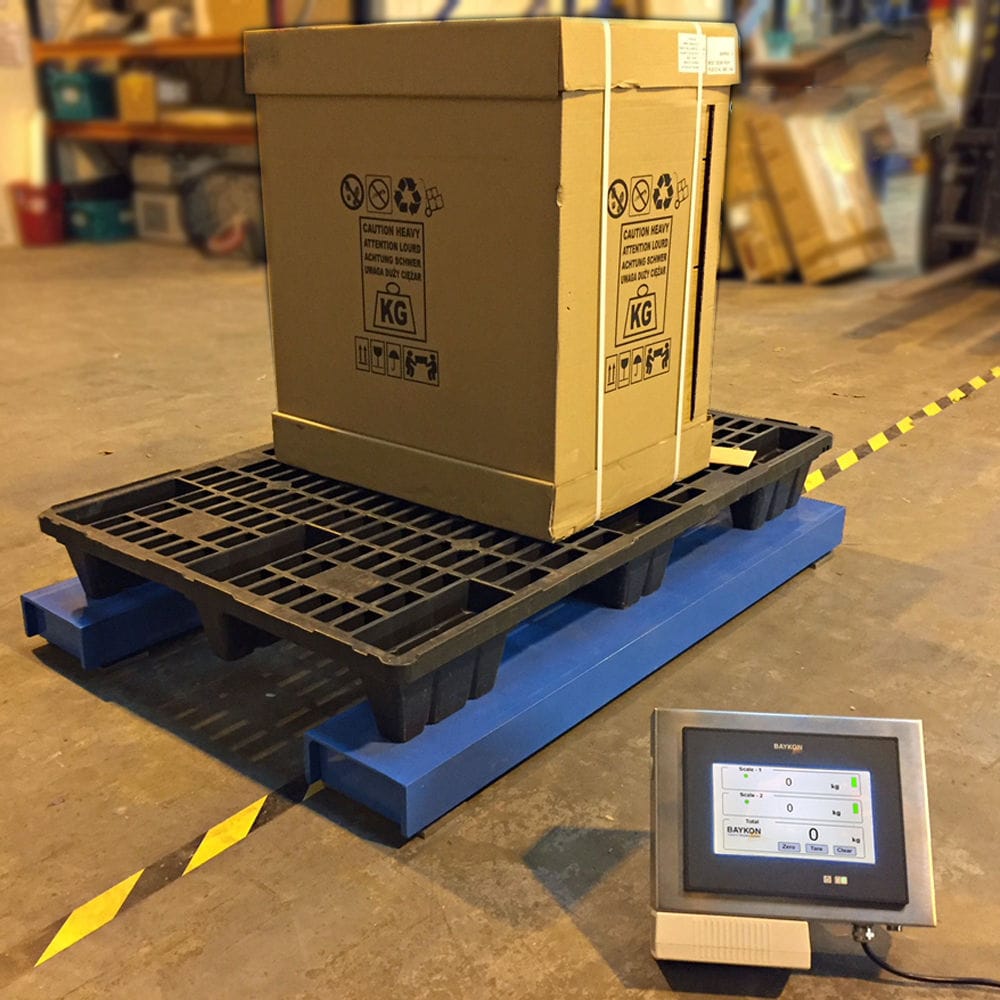


The Internet of Things electronic floor scale adopts precise weighing, measurement, data collection, communication, automatic generation of database, automatic generation of label information and inkjet code information, and real-time display of production data, etc. The tilt Angle signal, current velocity, acceleration and total weight are selected as the inputs of the RBF neural network, and the total weight is used as the output value to automatically control the weight range of quantitative batching.

 020-34563445
The IoT digital scale mainly serves for enterprises in the process of raw material procurement, finished product sales, and internal material transportation and transfer within the factory. The system is equipped with network high-definition cameras, and the video captures are connected to the scale management software. On the system interface, the captured images of the weighing site, vehicle number, weight, materials, etc. can be displayed simultaneously. The images of the weighing site and the weighing data are correspondingly stored in the database for future retrieval and viewing. The comprehensive management department establishes a "remote centralized scale Weighing system", by setting up a data service center, the scale room is interconnected with the corresponding departments, including the inbound/outbound cargo yards/stations and transfer stations, to complete the scale weighing management system for goods measurement. The data generated by each department is transmitted through the network and stored in the server, achieving data sharing, facilitating enterprise managers to conduct statistical analysis, verification and correction of data, and promptly grasp the measurement-related information. The scale checker can also view the vehicle weighing status through the weighing software interface. The remote centralized scale weighing system is based on the latest communication technology, management concepts, and the characteristics of the mineral product production and sales industry. According to the idea of precise management, it helps group enterprises achieve the goal of decentralized weighing at scale rooms across regions, centralized management of scale checkers, and prevention of cheating. It solves the weighing management problems of the group company.
The entire weighing system of the scale includes components such as the scale itself, the vehicle identification system, and the video surveillance system. The scale, as the core part of the entire system, can comprehensively grasp the real-time status of the scale room and automatically perform weighing based on preset rules. It records and reads the vehicle's corresponding card number, license plate, time, and weight information, and simultaneously transmits these information and weighing data to the central station data server and for the printing of relevant tickets, etc. The vehicle identification system adopts a dual mechanism of card number and license plate recognition. When the license plate does not match the information in the I℃ card, it will automatically alarm, ensuring the safety and integrity of the weighing process. The video surveillance system conducts real-time monitoring of the panoramic view of the weighing area, enabling the central station to remotely observe the on-site situation and achieve on-site management.
The weighing system is structured from bottom to top as the signal generation and control response layer, the weighing control layer, the data storage and service layer, and the data presentation and application layer. The signal generation and control response layer includes the weighing room detection and control equipment layer, which consists of various vehicle and weighing room status detection and weighing control output response devices. This layer communicates with the weighing control layer via RS485 and I0. The weighing control layer, after adopting this filter, effectively filters out the interference in the collected data. The control platform is a vehicle-mounted Electronic scale. A weighing module is installed under the handcart basket, with a sensor output voltage ratio of 2mV/V and an excitation voltage of 5V. The signal is sampled and processed after amplification and analog filtering, and the data is collected within 1 second and generally reaches stability. It can also effectively eliminate the rigid vibration caused by adding heavy objects and is particularly sensitive to small masses. The control results under different conditions always contain significant disturbances in the original signal, but this filter can achieve good results in different situations. The weighing pre-processing unit deploys weighing control software, which is under the core control framework and includes subsystems such as vehicle detection, card reading, weighing, license plate recognition, and data reporting, completing the detection and control during the entire weighing process and data exchange with the weighing center according to the weighing control flow; the data storage and service layer. The weighing center service software includes core services, pre-weighing site data exchange services, weighing record data exchange services, and weighing database. Core services include status management of pre-weighing sites, automatic weighing matching, storage and acquisition of weighing data; the data application presentation layer. This system provides a C/S application mode and offers operation functions such as system maintenance, weighing record management, data query and statistics, and real-time monitoring.
When the vehicle is weighed for the first time, the weighbridge operator checks through the monitoring interface whether the weighed vehicle meets the requirements. If it does, the weighing process begins. The monitoring host combines the relevant data transmitted by the weighing equipment with the video and writes it into the database. The same operation is performed when resetting the scale. The operator queries the vehicle information through self-defined methods to check if the two weighings are consistent. If there are no issues, the net weight is calculated and the weighing is passed. High-definition fixed-point cameras are installed at key positions in the weighing area. Due to the large number of vehicles passing by on the site, the cameras should be selected with outdoor rain-wiper and dust-removal functions to prevent dust and oil stains from damaging the cameras. The video cables of the cameras are connected to the digital hard disk video surveillance host. The hard disk video surveillance host uses the SuperVision series hard disk video recorder from Tiandui Industry. This host has features such as clear video playback, modular design of functions, and simple expansion. The weight information and other data transmitted by the weighing instrument are connected to the digital hard disk video surveillance host through the data interface. The system also connects the ground sensing coil and infrared beam to the monitoring host to prevent cheating behaviors such as the front or rear wheels of the vehicle not completely stopping on the scale causing an underweight.
Video surveillance weighbridges (excluding systems using digital output cameras) are mainly composed of weighing management software with video capture function, electronic scales, black-and-white or color cameras, video capture cards with one or multiple video inputs, computers, and other software and hardware. Most video surveillance weighbridges typically use two video inputs, allowing operators to fully observe and understand the weighing situation of the weighing vehicles and avoiding the occurrence of incomplete weighing of the vehicles during weighing. In practical applications, video capture can use two video cards with one-way video input or one video card with multiple-way video input. The working process is briefly described as follows: The video capture card captures the analog video images from the cameras in real time, and after processing by the video card, it converts them into digital signals that the computer can recognize. The weighing software reads the digital video images and displays them on the computer screen. At the same time, it can also perform hard disk recording. When the operator presses the weighing button to weigh the gross weight or tare weight, the system will save the current vehicle image information along with the weighing record into the database. When querying the weighing records, each record can be seen along with the corresponding vehicle image information. Managers can view the video information locally or remotely through the network, and can always keep abreast of the situation at the weighing site.


