





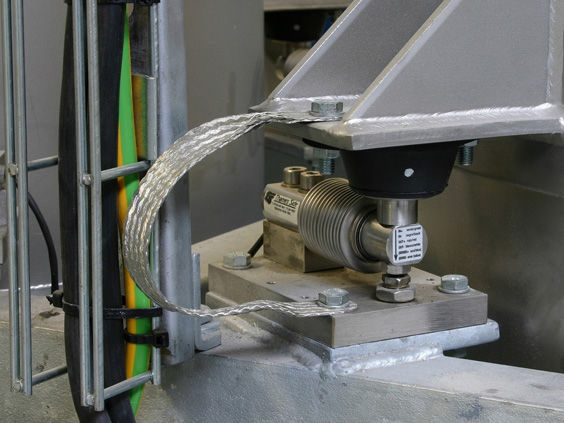
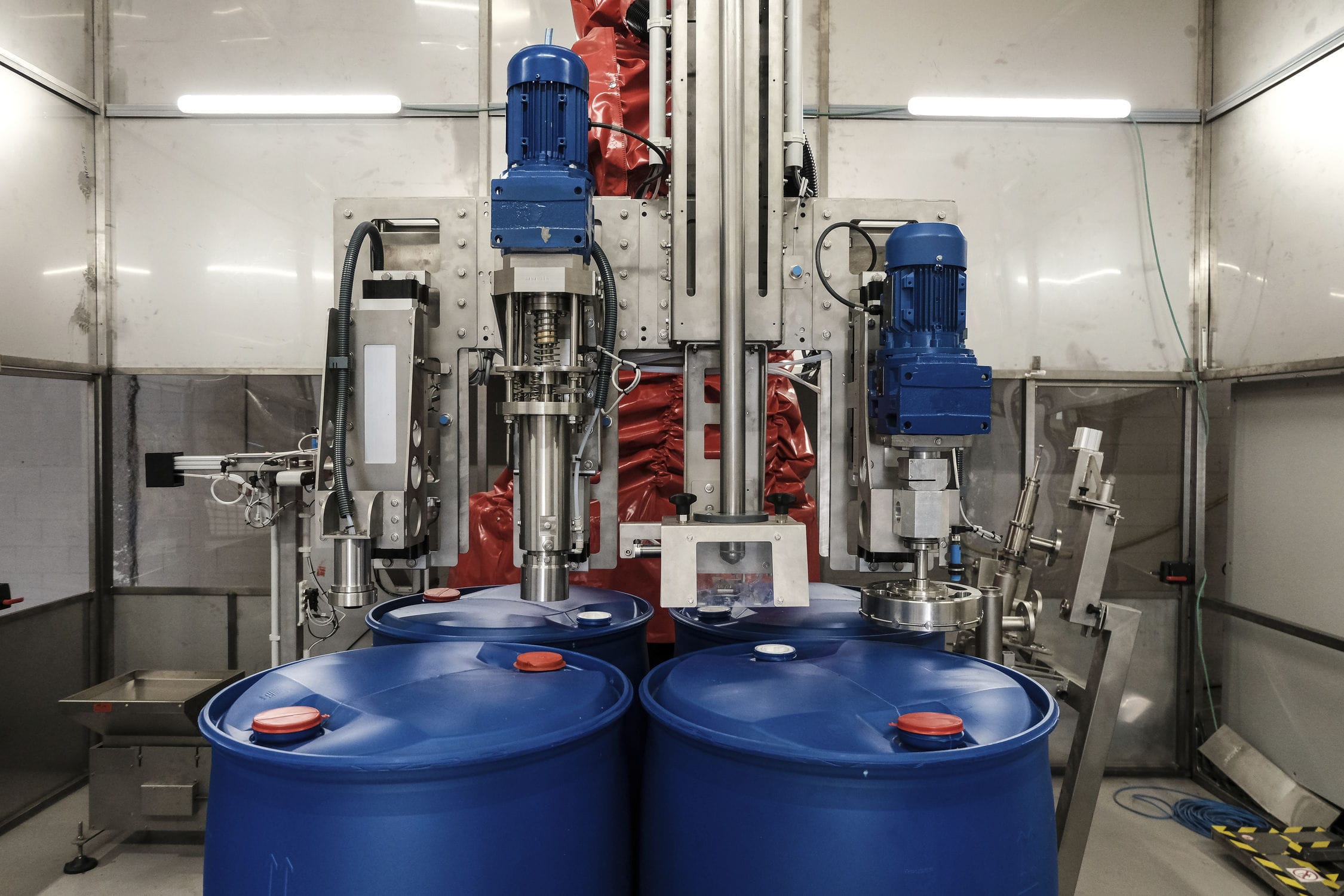
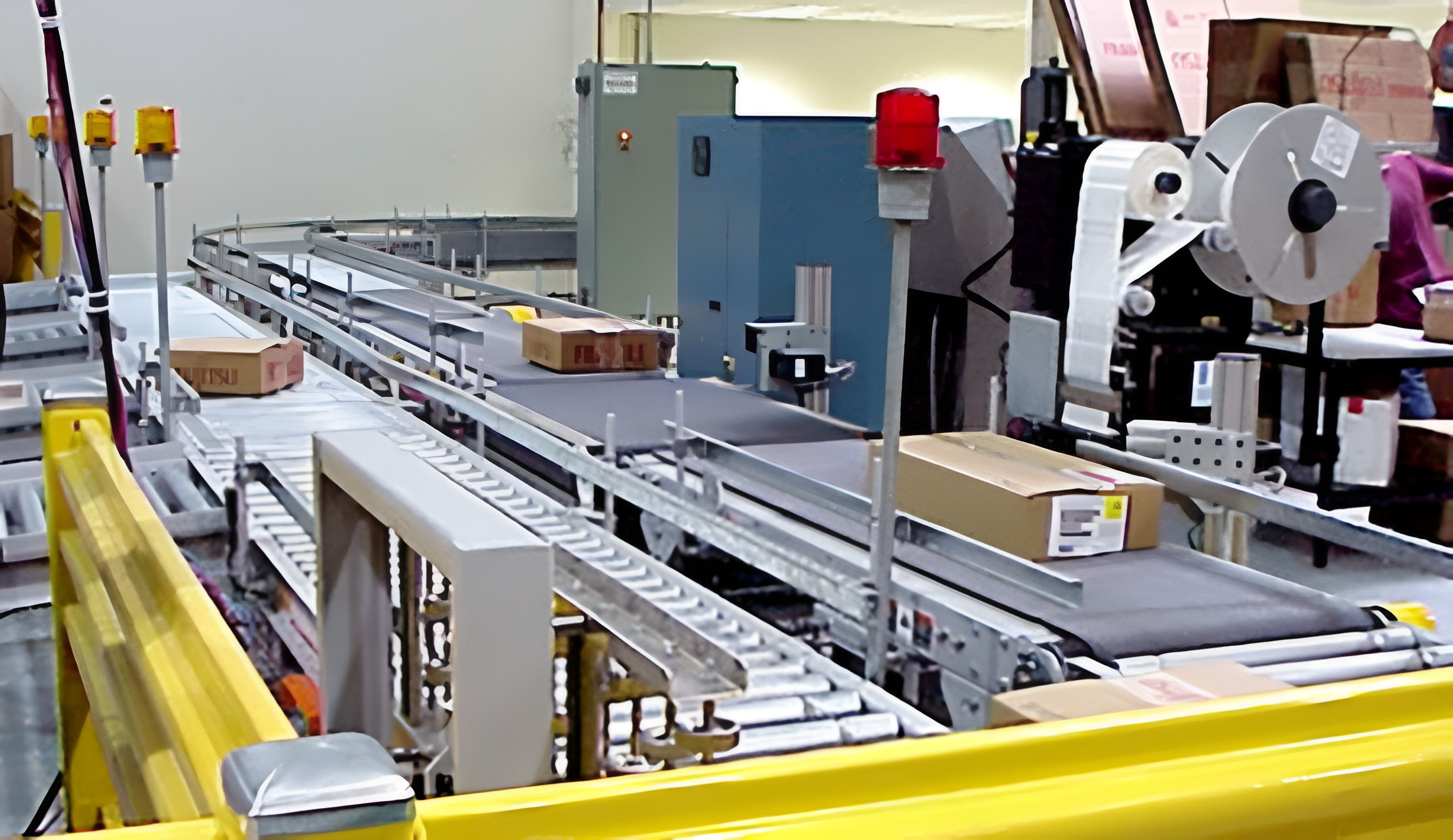
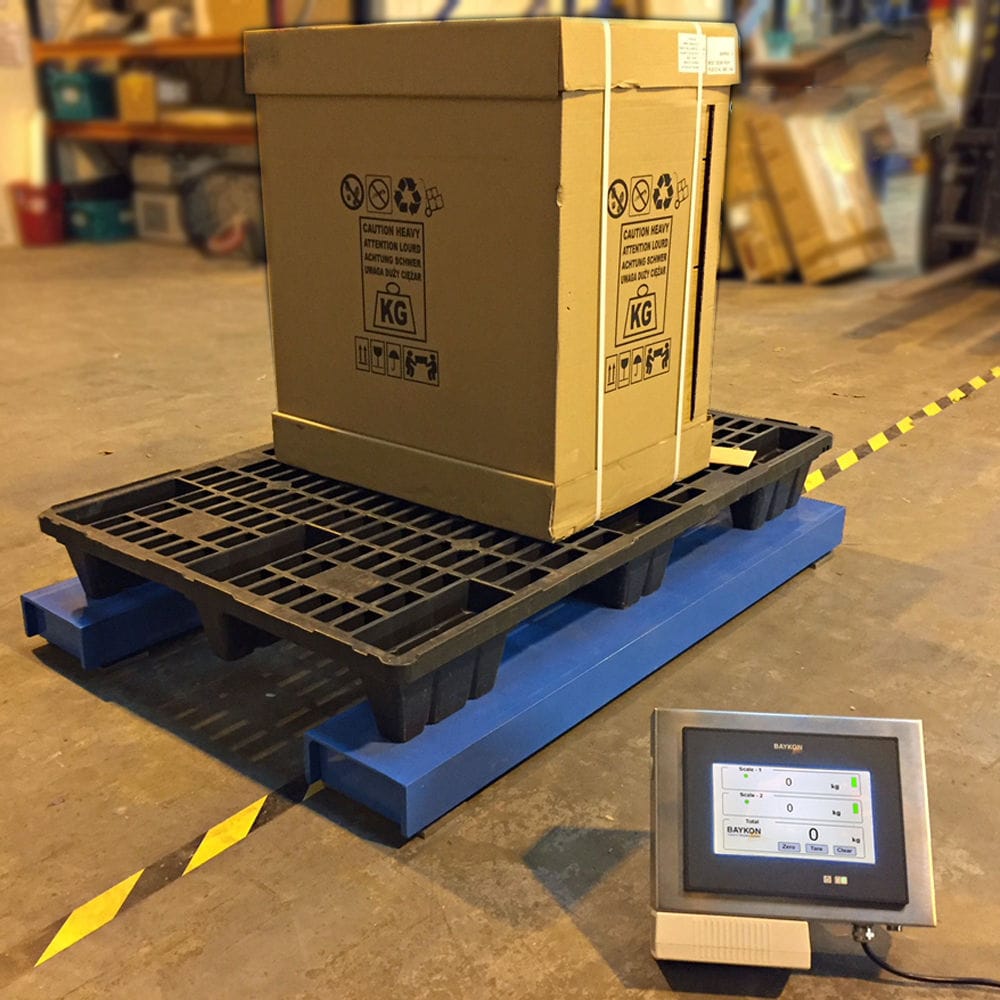


During the material falling process of the buffer electronic floor scale, the force acting on the hopper can be decomposed into the weight of the material inside the hopper and the impact force of the material flow. The weight of the material is a linear function of time. When the flow integral reaches the weight set value, the motor is turned off. Due to the effect of the overimpact, the flow significantly decreases to zero. When the weighing sensor detects that the material hopper is short of material, The feeding screw motor starts and operates.

 020-34563445
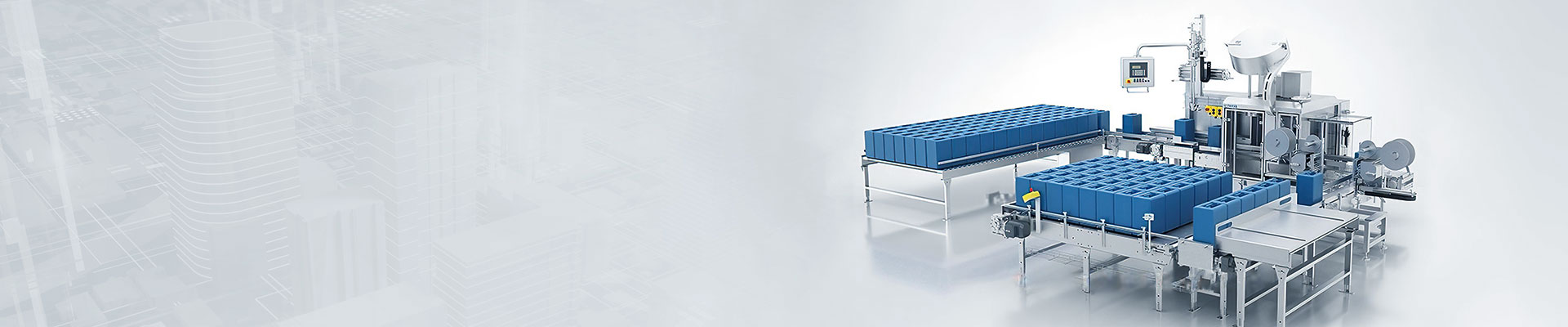
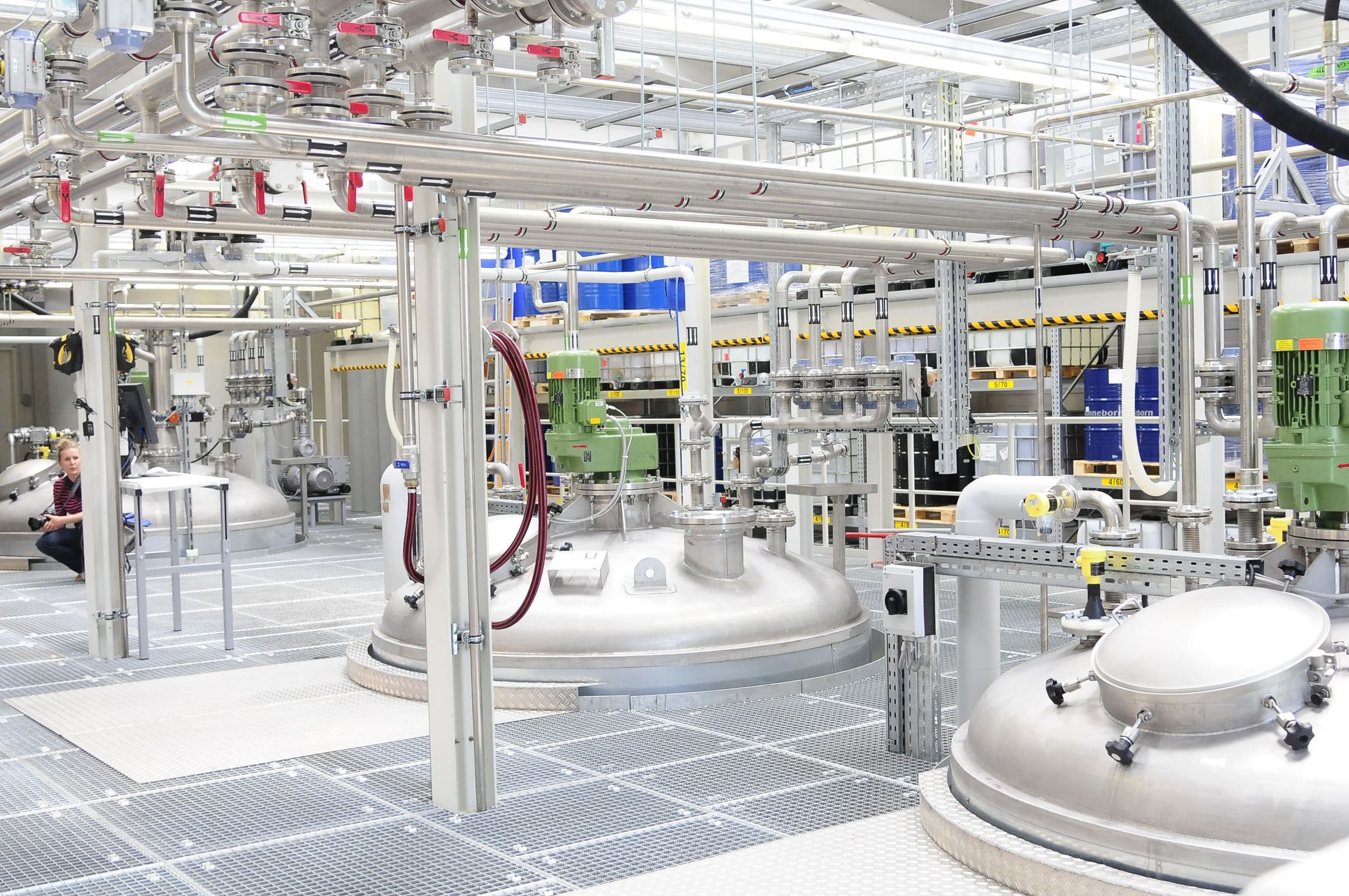
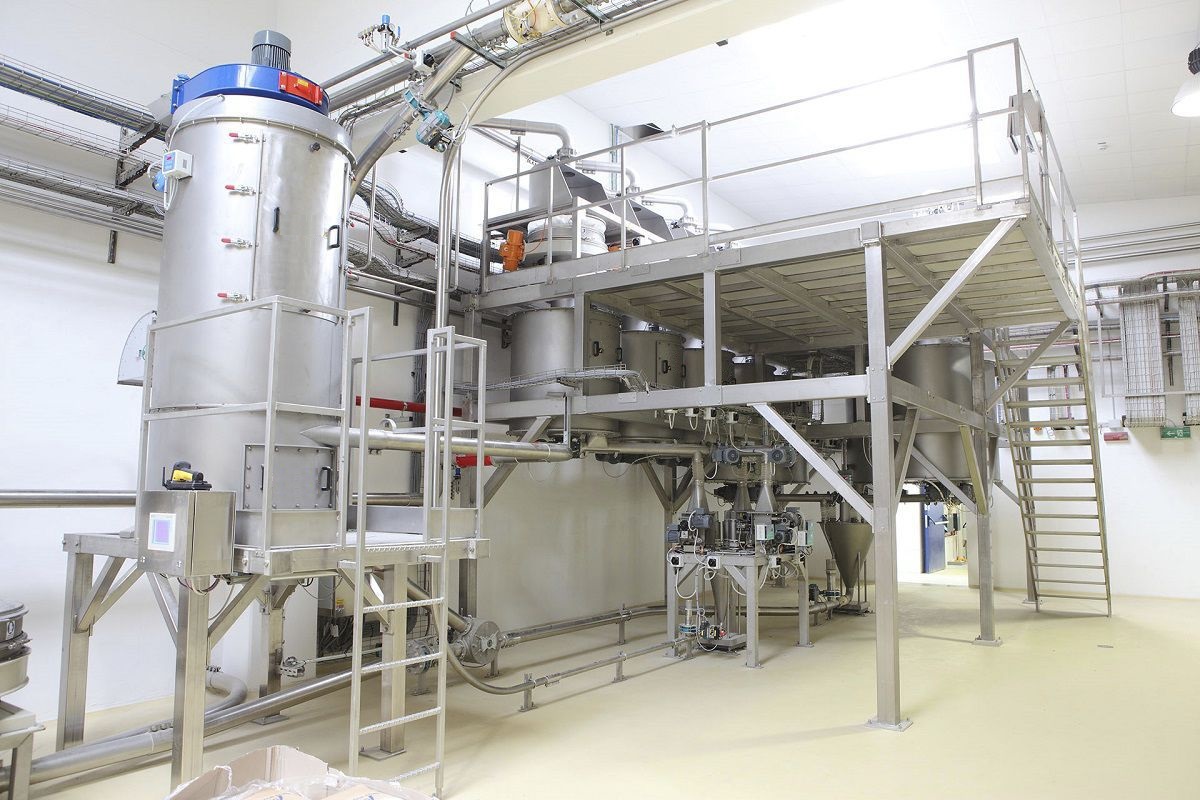
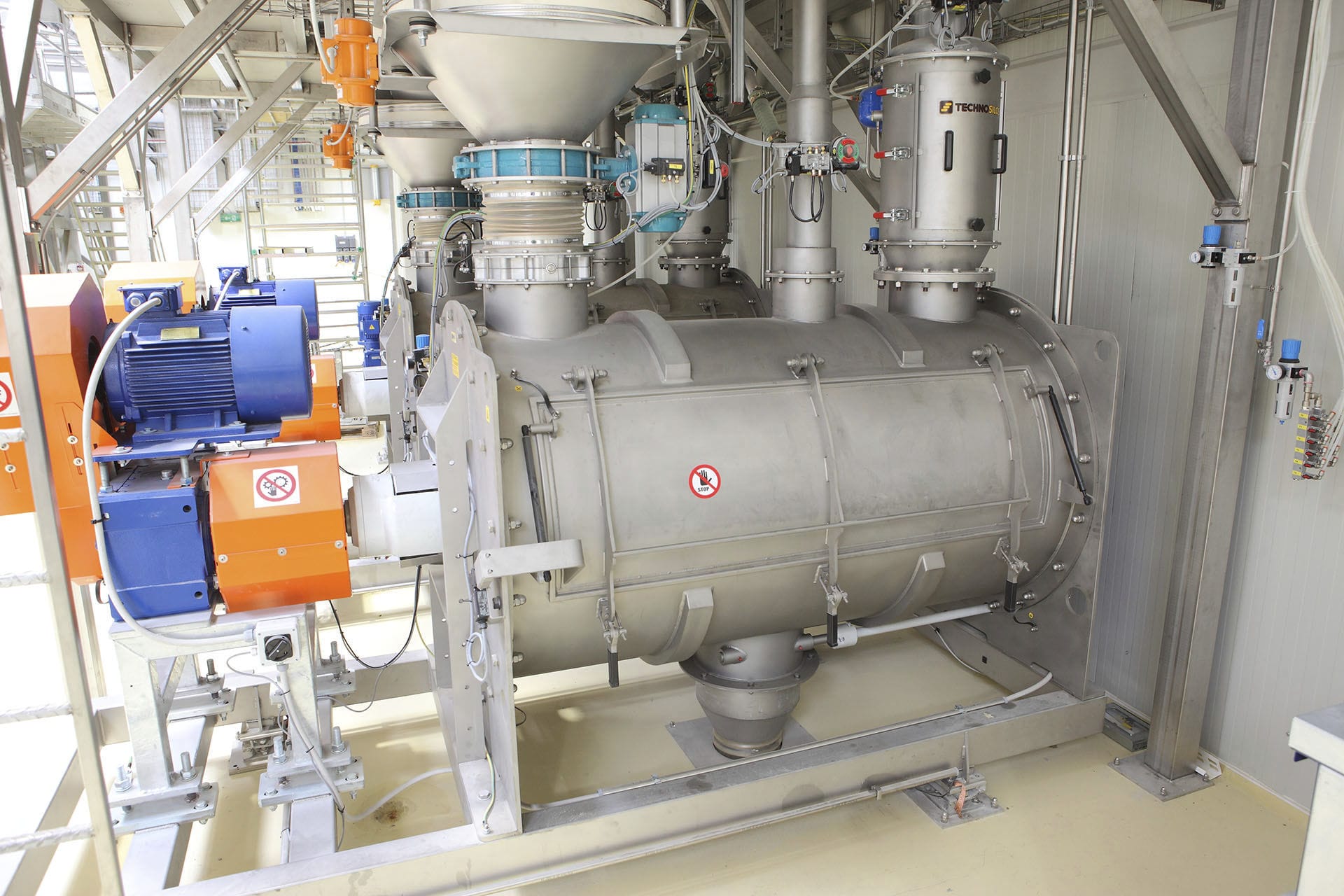
The electronic floor scale is composed of a scale platform, a hopper scale, automatic valves, a PLC control box and other equipment. The hopper is used as a material discharge buffer and a weighing scale. Through the weighing hopper, the material can be lowered onto the screw at a certain rate and conveyed to the production site. The speed of the discharge screw machine is controlled according to the reduction rate of the material weight in the hopper scale to achieve the purpose of quantitative feeding. When the material in the weighing hopper reaches the lower limit of the weighing, the discharge screw machine fixes the discharge amount according to the current speed, and at the same time controls the material in the silo to be quickly lowered into the weighing hopper. Stop loading when the material reaches the upper limit of the scale. Rapid loading can shorten the feeding time, improve the accuracy and control precision of weighing. Through the fixed-value control of material quantities at each stage, automatic batching control and the collection and transmission of a series of signals are achieved during the production process, thus realizing precise control of feeding.
After the electronic floor scale adopts weighing instruments, the management level (composed of various departments of the enterprise such as production scheduling, material management, financial management, chief engineer, general manager, etc.) can be connected to the lower-level control network through the central switch, thereby monitoring the entire electronic floor scale control system, extracting production data, and analyzing reports. The control layer (composed of engineers and operators) can realize the programming, data analysis and storage of the entire control system. The equipment layer (production site) includes weighing instruments, 1/0 modules and fieldbuses, etc. The collection and conversion of various signals are accomplished by intelligent weighing instruments and 1/0 modules, while the controller processes the logical control loop. The control mode after using this weighing instrument serves as the core of the entire control system.
During the falling process of the material on the electronic floor scale, the force acting on the hopper can be decomposed into the weight of the material inside the hopper and the impact force of the material flow. The weight of the material is a linear function of time. When the flow integral reaches the weight set value, the motor is turned off. Due to the effect of the overimpact, the flow significantly decreases to zero. When the weighing sensor detects that the material hopper is short of material, the feeding screw motor starts and runs. When the delay reaches the set time, the feeding vibrator and the feeding motor start and operate. All working motors do not stop until the weighing sensor detects that the feeding hopper is full. When the load cell detects that the transfer Electronic scale is in place and determines whether the measurement of the load cell hopper weighing machine has reached the set value, the material can be unloaded. If the measurement of the hopper weighing machine has not reached the set value, the batching feeding motor starts, the feeding valve opens, the batching vibrator starts, and the feeding hopper weighing machine feeds until the set value is reached before entering the unloading process. If the hopper weighing machine reaches the set value for measurement, it will directly enter the unloading process. Each working process has a set delay time. If it is a fully automatic control working mode, the feeding system process works first, followed by the batching and unloading system processes.
When the scale is empty, the discharge valve is closed, and the material enters the storage tank through the conveying pipe. The computer displays the total amount of material in the scale. When the weighing quantity exceeds the upper limit set value of the material level, the feeding relay opens and the feeding valve closes. When it is necessary to mix materials, the operator presses the "Start" button with the mouse to control it. The start signal is output, the relay is connected, the valve opens, and the material is released. When the scale value is greater than the set value, the relay opens, the valve closes, and the discharge stops. After the scale stabilizes, the discharge value is displayed. When the actual weight is less than the set value of the lower limit of the material level, feeding starts again. When feeding for the second time, repeat the above steps.


