









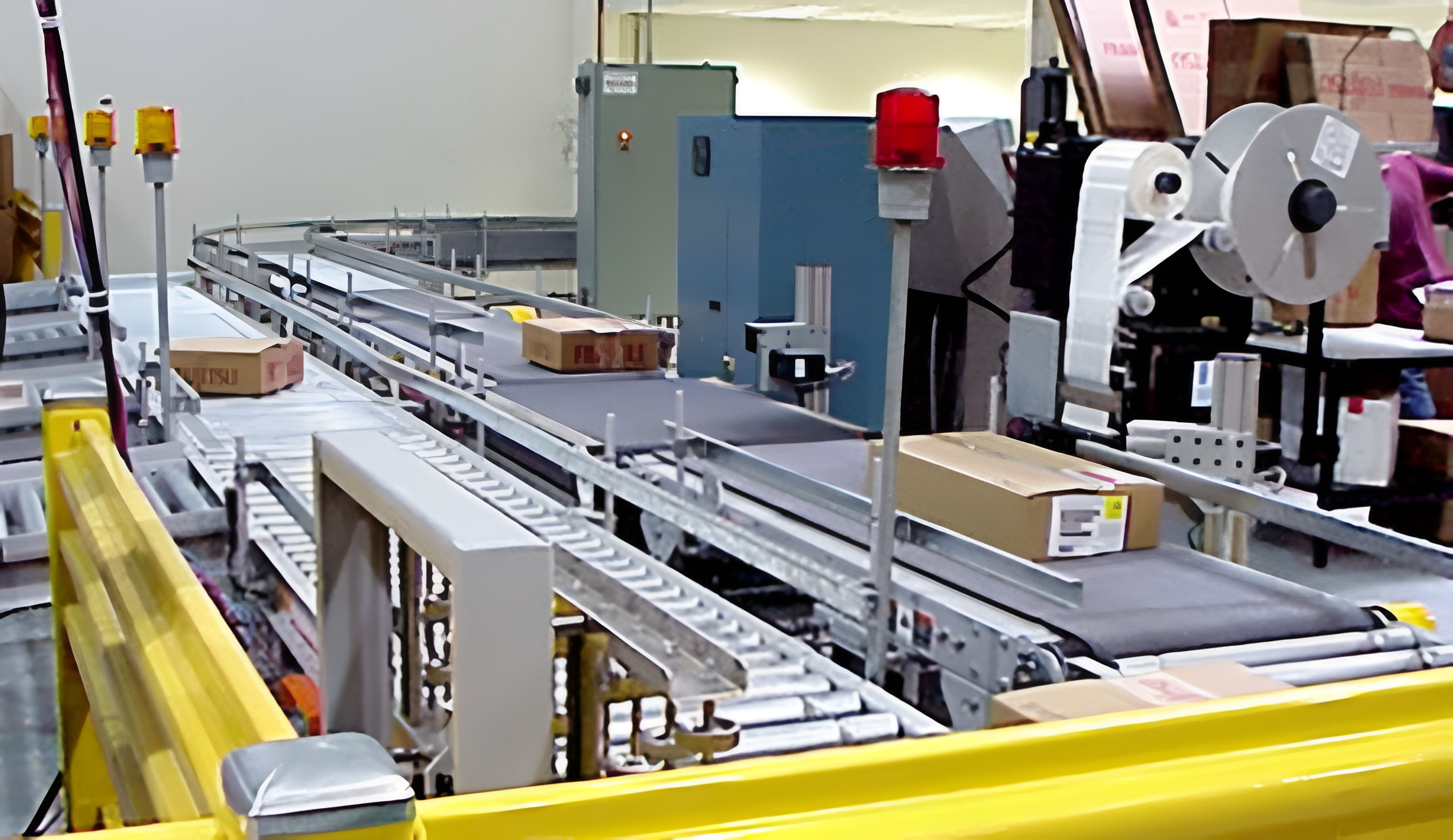


On the transport machine, a weighing platform and motors and frequency converters are installed. By reducing the belt speed of the object to be measured, the impact force on the symmetrical body is decreased. A buffer system based on springs and shock-absorbing pads is designed between the heavy object and the weighing platform. The heavy object is first placed on this system for shock absorption, and then it is placed on the weighing platform for weighing. The weighing platform adjusts the belt speed through the frequency converter on the belt motor and uses springs and shock-absorbing pads as the buffer system. This allows the product to be subjected to a relatively gentle impact on the weighing platform, ensuring the accuracy of the weighing data. It also reduces the weighing time and avoids data oscillations caused by the impact on the weighing platform that cannot be stabilized.


 020-34563445
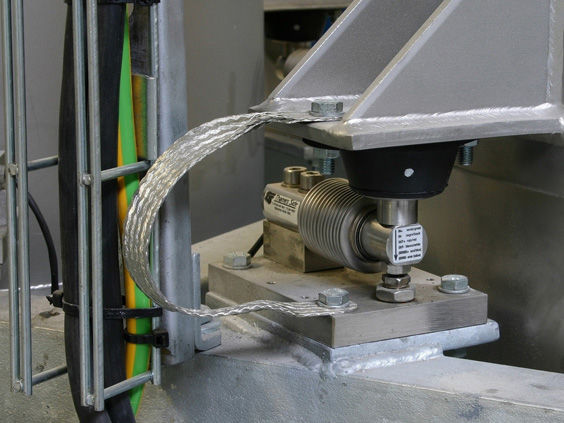
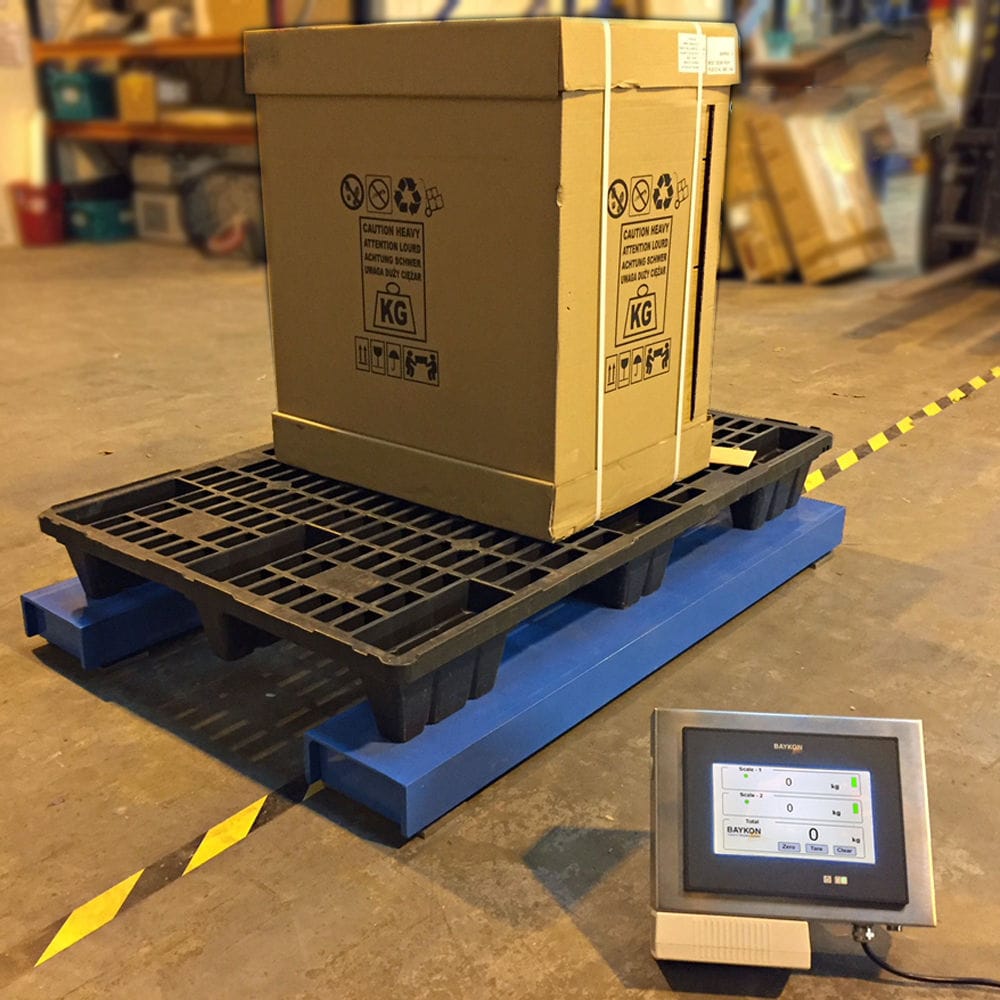
The weighing platform of the transport aircraft adopts an electronic Weighing system based on the weighing module for weighing. It uses the weighing method of the weighing platform, and after the product is transported to the designated position, it calibrates the product's center of gravity by marking the center of gravity position of the measured object, ensuring that the center of gravity of the product is consistent with the center of gravity of the detection surface during weighing. By tampering with the analog signal output by the weighing module, the weight data sent to the weighing instrument is changed, thereby achieving the increase or decrease of the displayed weight. The weighing module converts the applied pressure into an analog electrical signal. Under normal circumstances, this signal accurately reflects the weight of the goods. The weighing instrument can interfere with or modify this analog signal, causing the signal sent to the weighing instrument to deviate from the true value, thereby making the instrument display a weight different from the actual one. The adjustment of the center of gravity correction mechanism can meet different center of gravity position requirements. After calibrating the center of gravity of the first product at the center of the Electronic scale as the reference, the motor and other structures within the center of gravity correction mechanism are adjusted. The center of gravity of the subsequent products is at the center position of the electronic scale, and the four-corner error will not occur due to the product's center of gravity not being at the center of the electronic scale, which will affect the weighing data and accuracy. The structure is composed of motors, and the transmission line transmits the center of gravity of the product to the weighing instrument for correction. This ensures the accuracy of weighing.
On the weighing platform, motors and frequency converters are installed. By reducing the belt speed of the measured object to reduce the impact force on the body, a buffer system based on springs and shock-absorbing pads is designed between the heavy object and the weighing platform. The heavy object is first placed in this system for shock absorption, and then it is placed on the weighing platform for weighing. The weighing platform adjusts the belt speed through the frequency converter on the belt motor and uses springs and shock-absorbing pads as the buffer system to allow the product to impact the weighing platform with less force, thus ensuring the accuracy of the weighing data and reducing the weighing time. It avoids data oscillation instability caused by the impact on the weighing platform.
Taking the installation of the weighing platform on the belt conveyor as an example, the variable frequency speed regulation technology can dynamically adjust the belt speed according to the actual working conditions. When the material is less, the belt speed is reduced to save energy. When the material is more, the belt speed is increased to meet the transportation requirements. The PWM modulation technology converts direct current into frequency and voltage controllable alternating current. PWM modulation uses the carrier comparison method, comparing the low-frequency sine wave signal to be synthesized with the high-frequency triangular wave to generate a series of pulses to control the on-off of the inverter bridge. By changing the frequency and duty cycle of the PWM modulation signal, the output voltage frequency (0~400Hz) and amplitude (0~rated voltage) can be continuously adjusted.
The core of the electrical control system of the belt conveyor with variable frequency speed regulation based on the weighing platform is mainly composed of PLC, weighing module, and actuators. The weighing instrument sends 4-20mA control current to the frequency converter through PLC to achieve continuous adjustment of the belt speed (0~5m/s). At the same time, PLC receives signals from the weighing module and other devices through the module. When the material level is too high or too low, corresponding control strategies are triggered, such as deceleration or shutdown, to ensure the safe and reliable operation of the system. Real-time interaction of status information and control instructions is achieved, and the automatic speed regulation control of the belt conveyor is realized.


