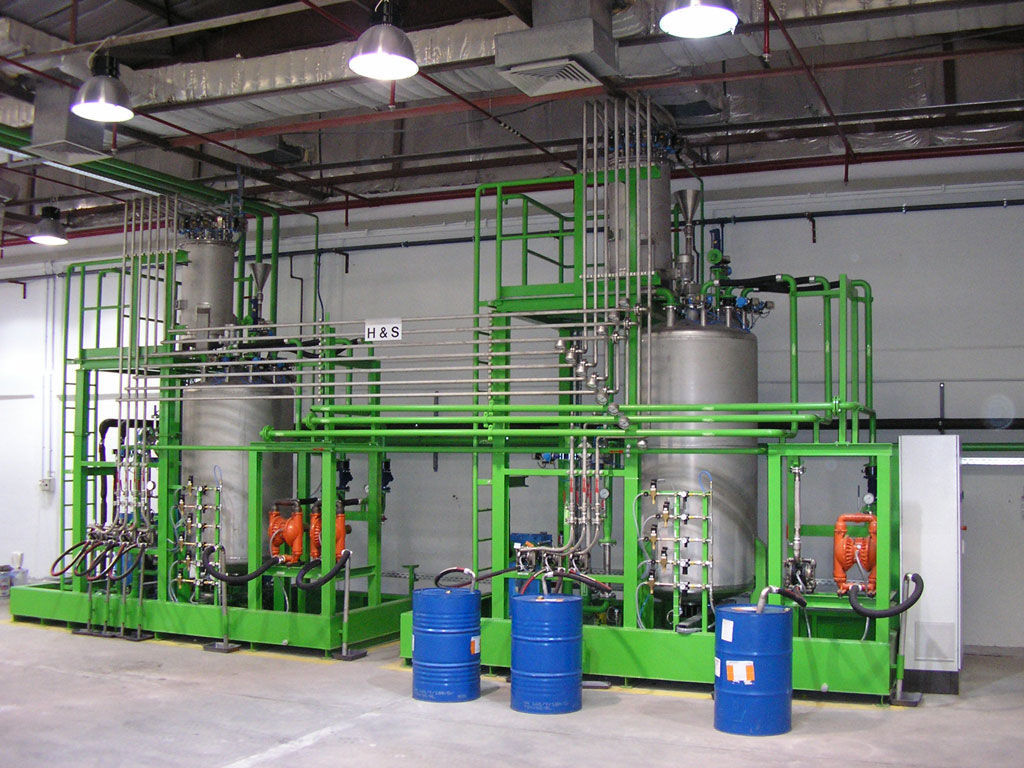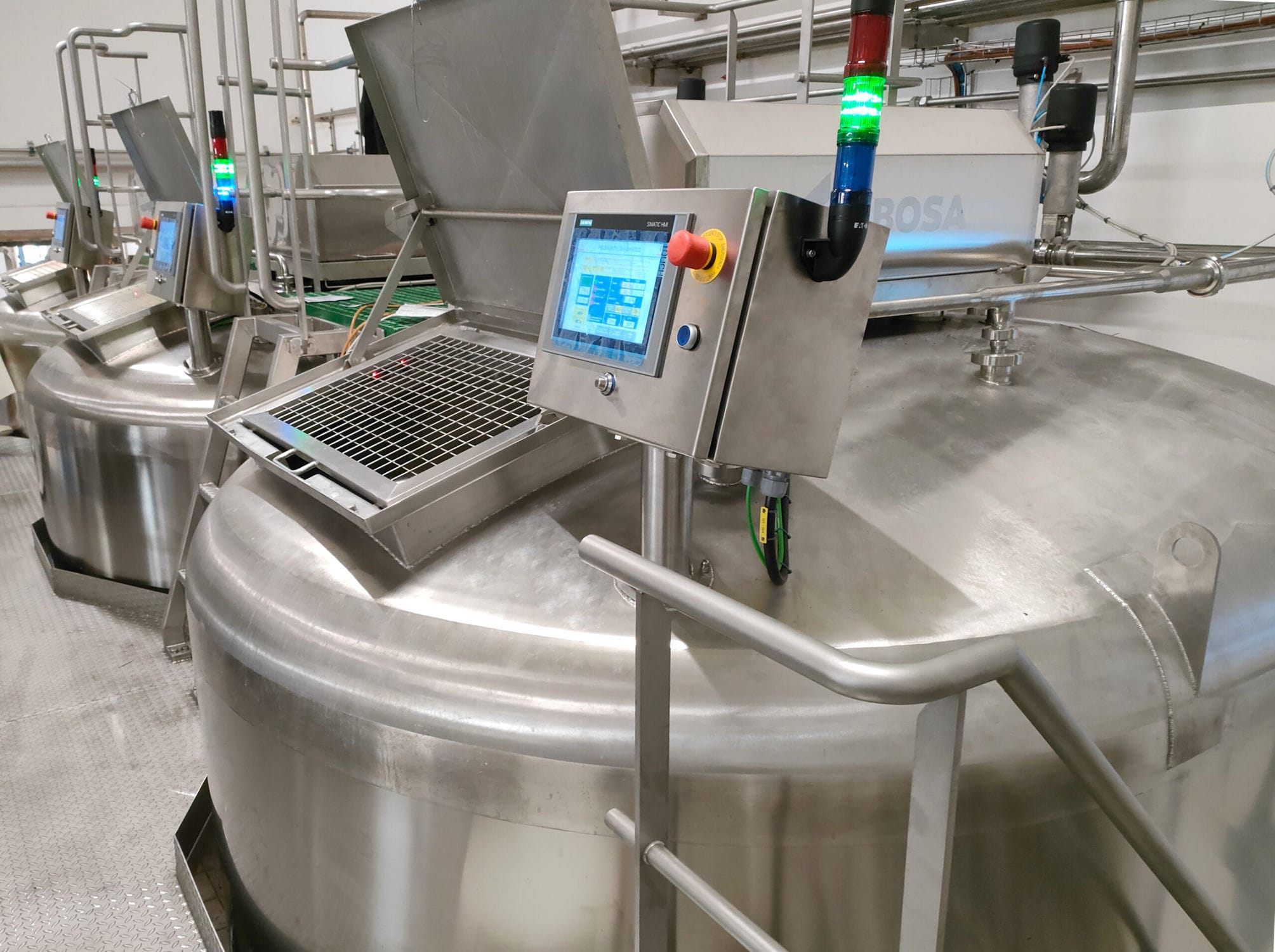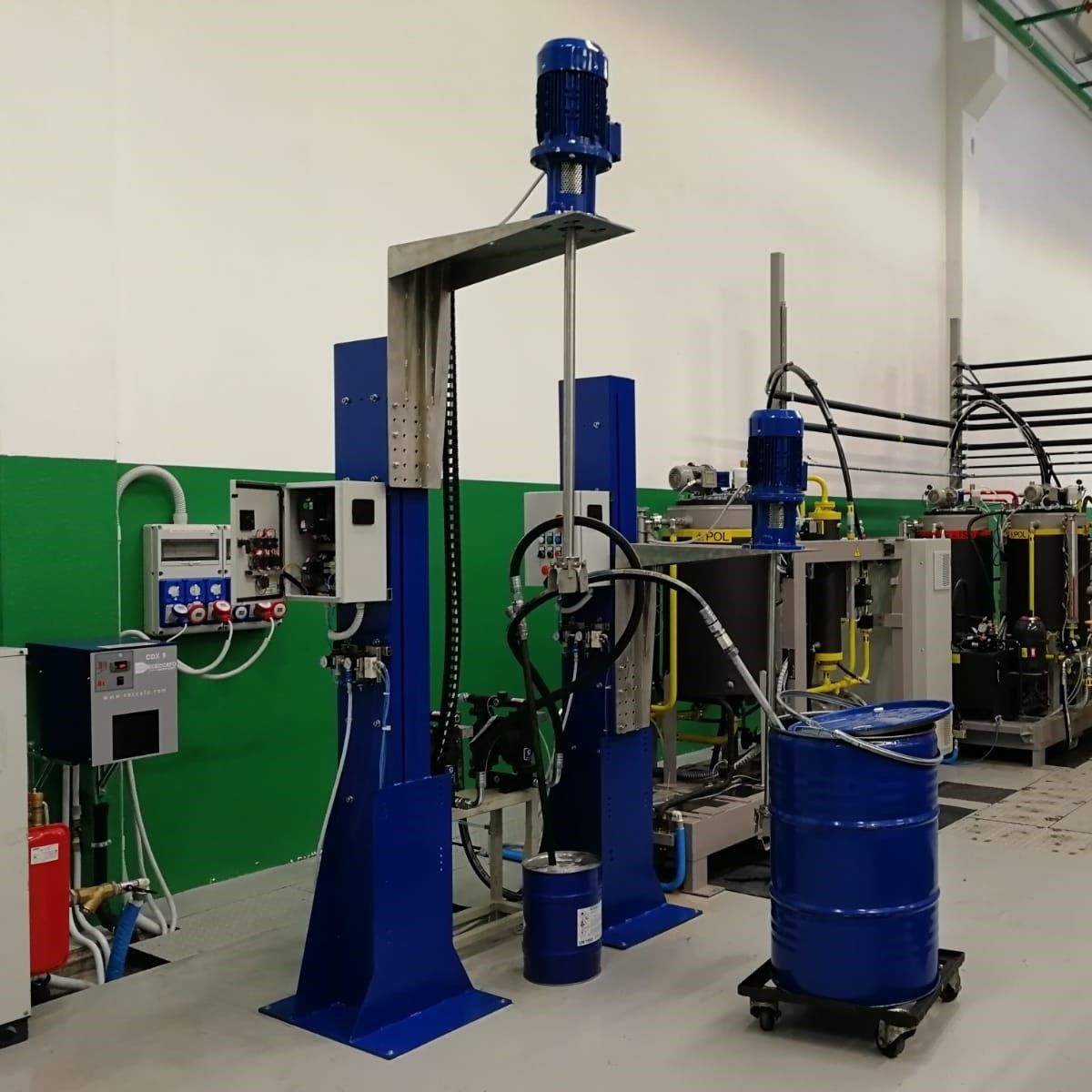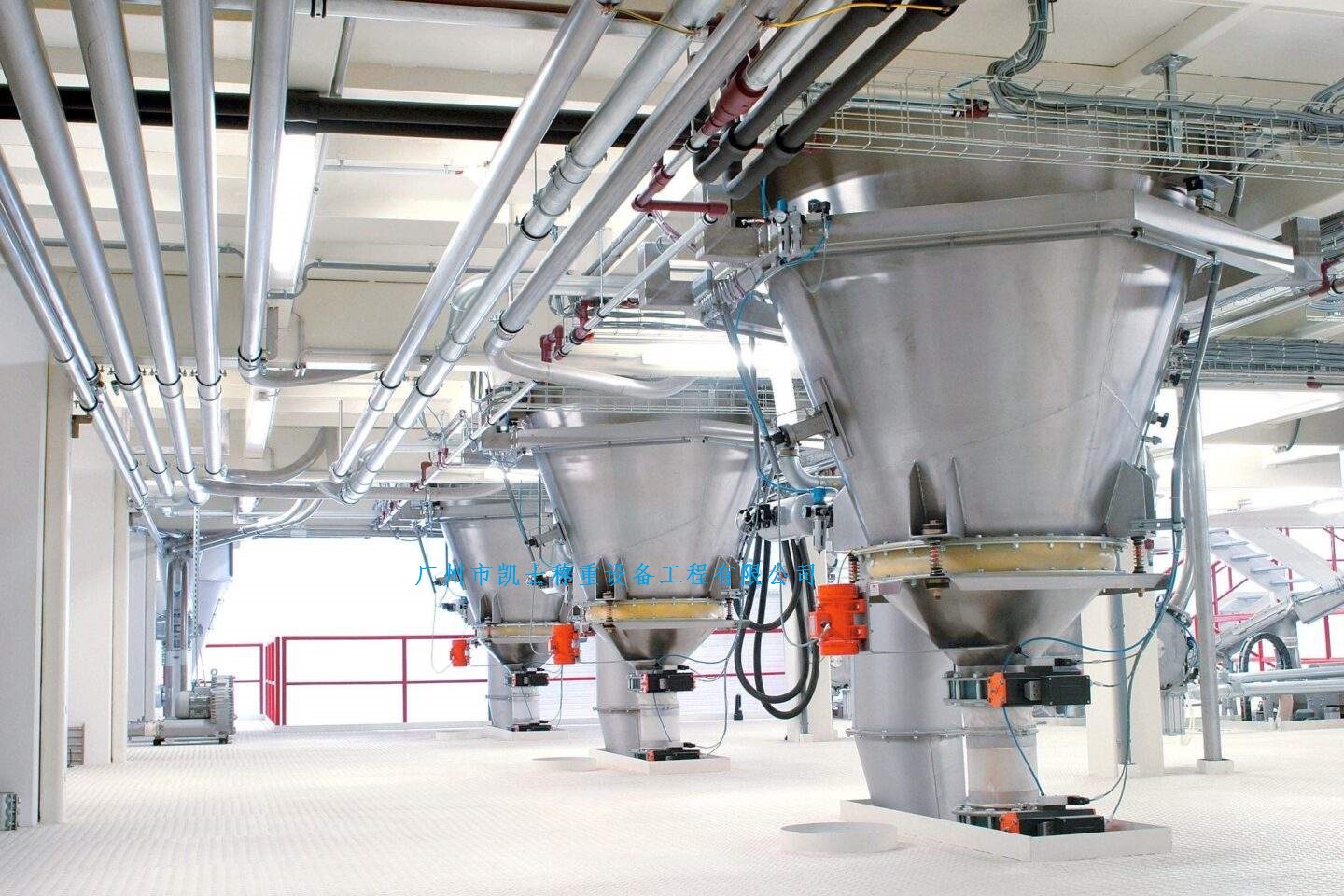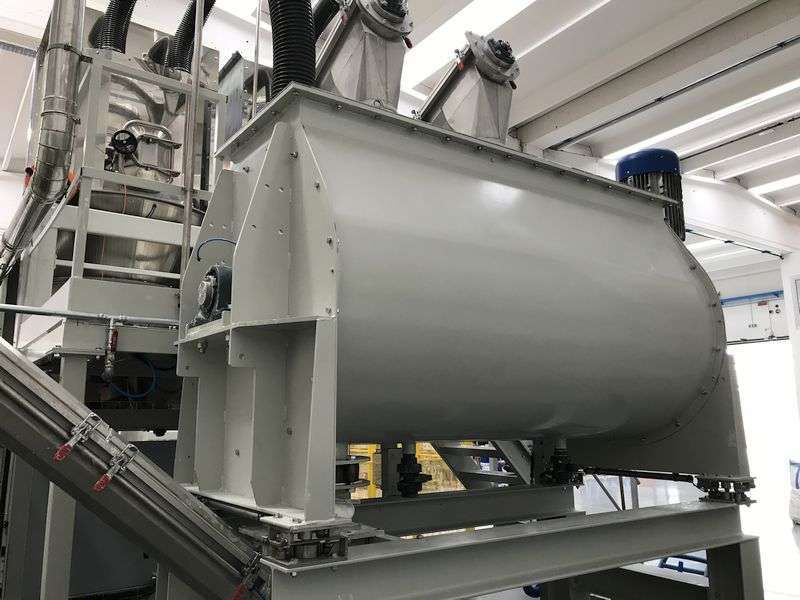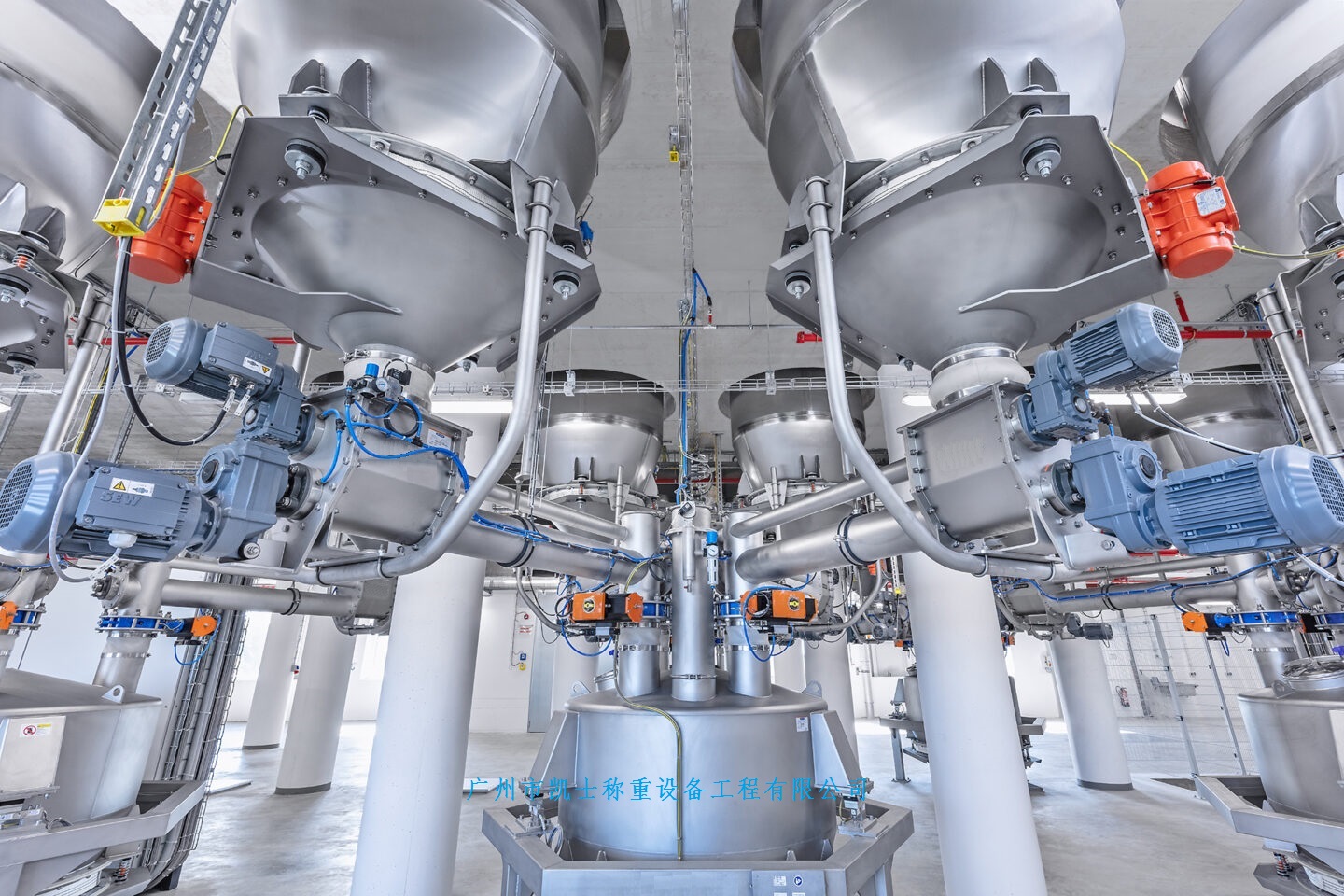


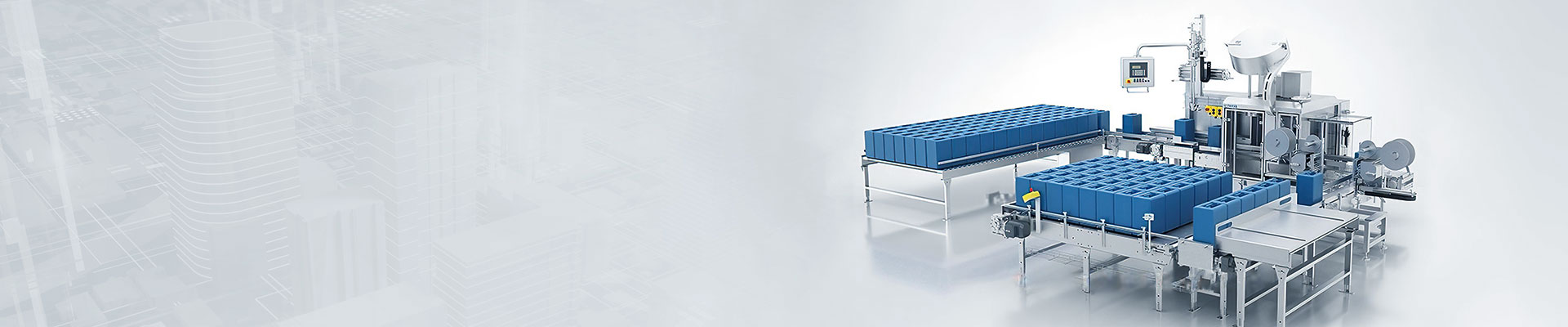

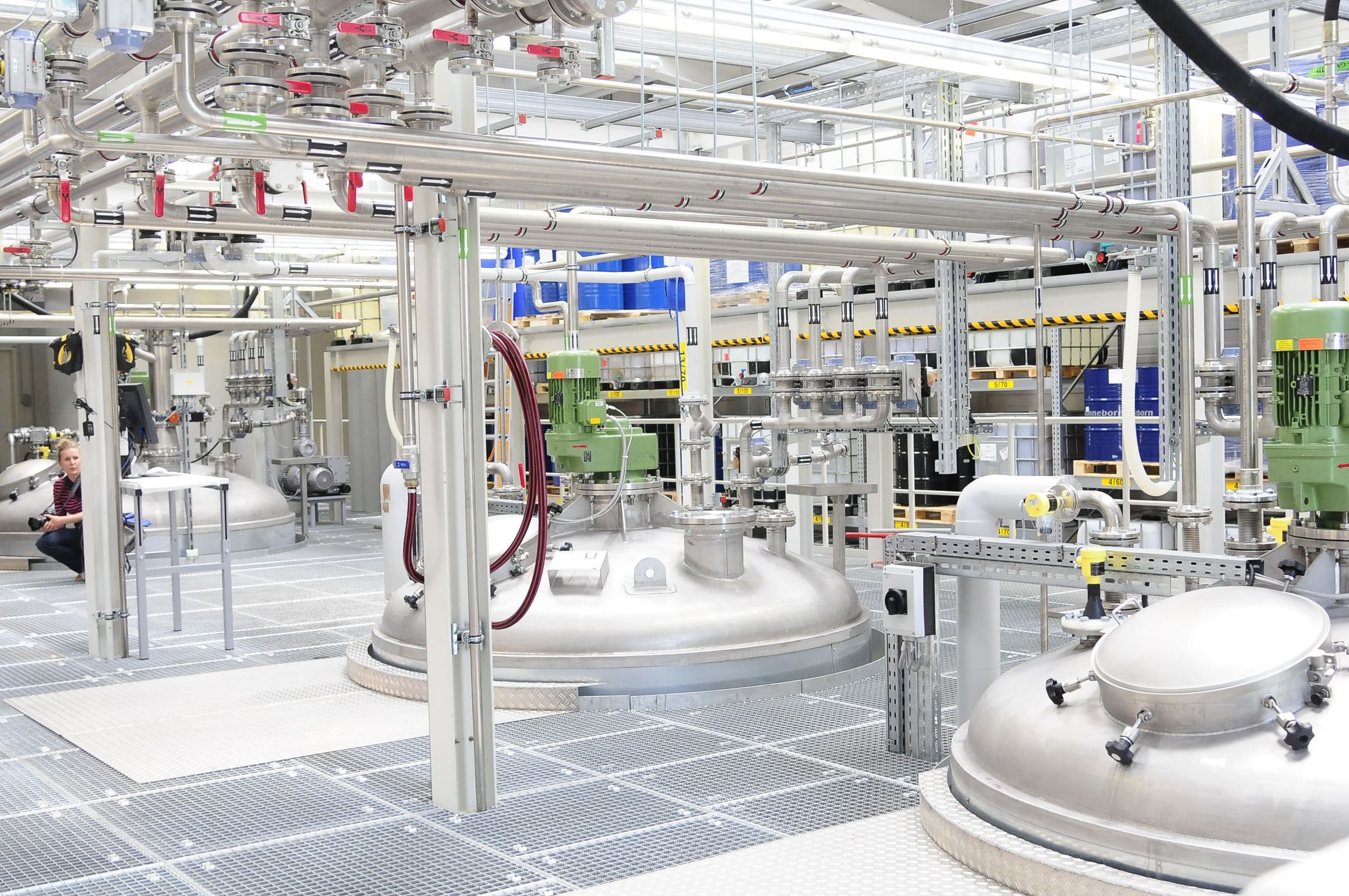


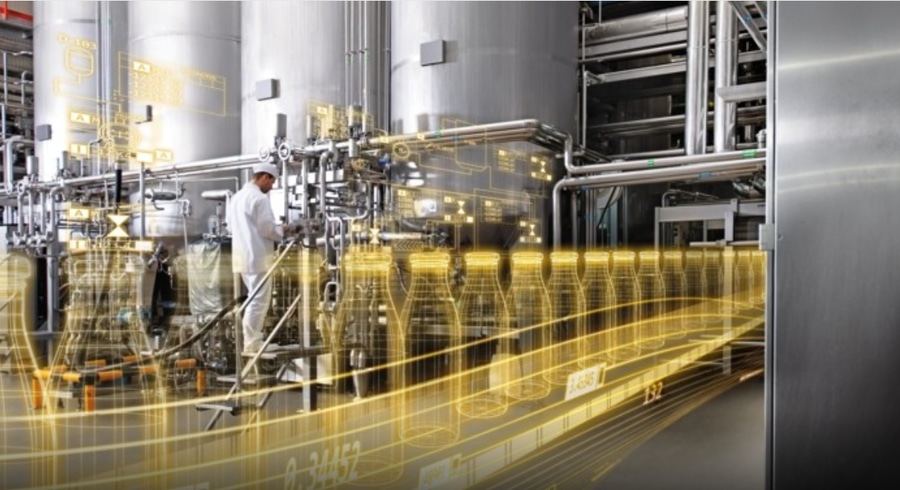
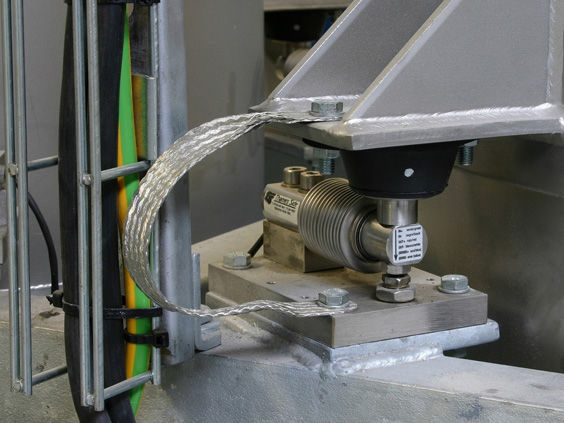
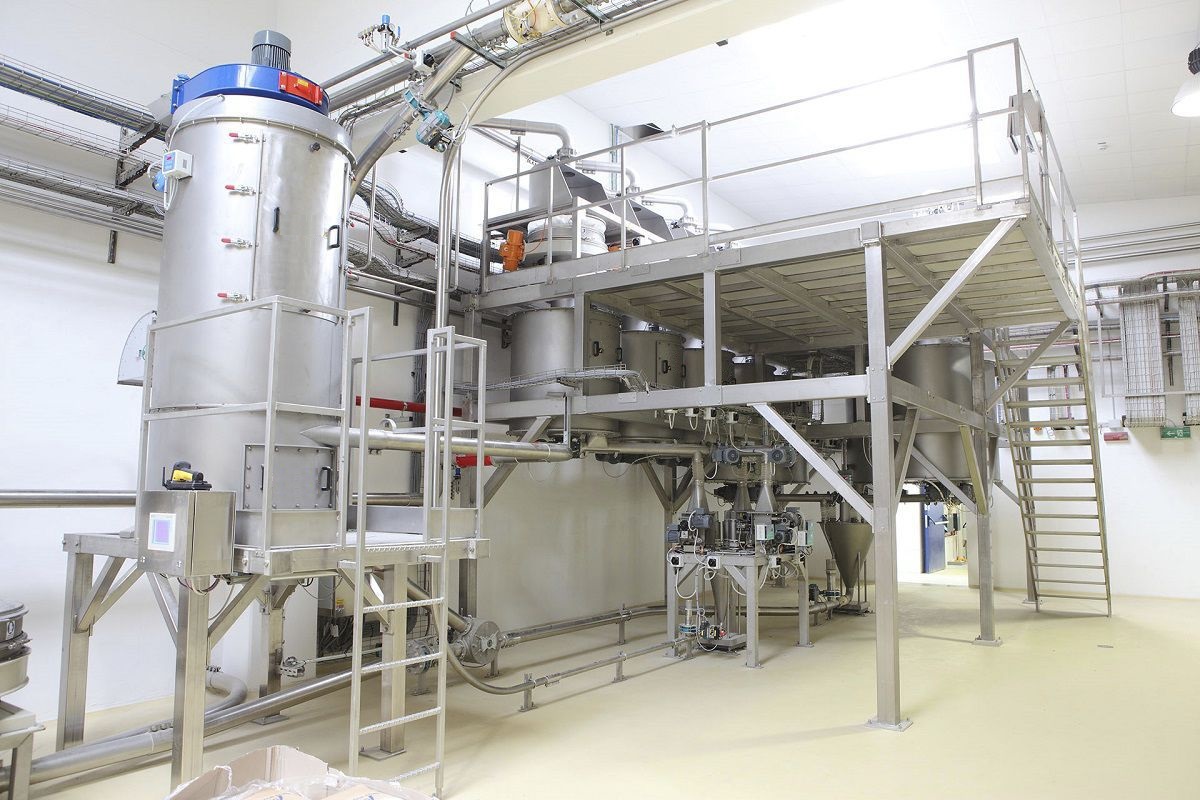
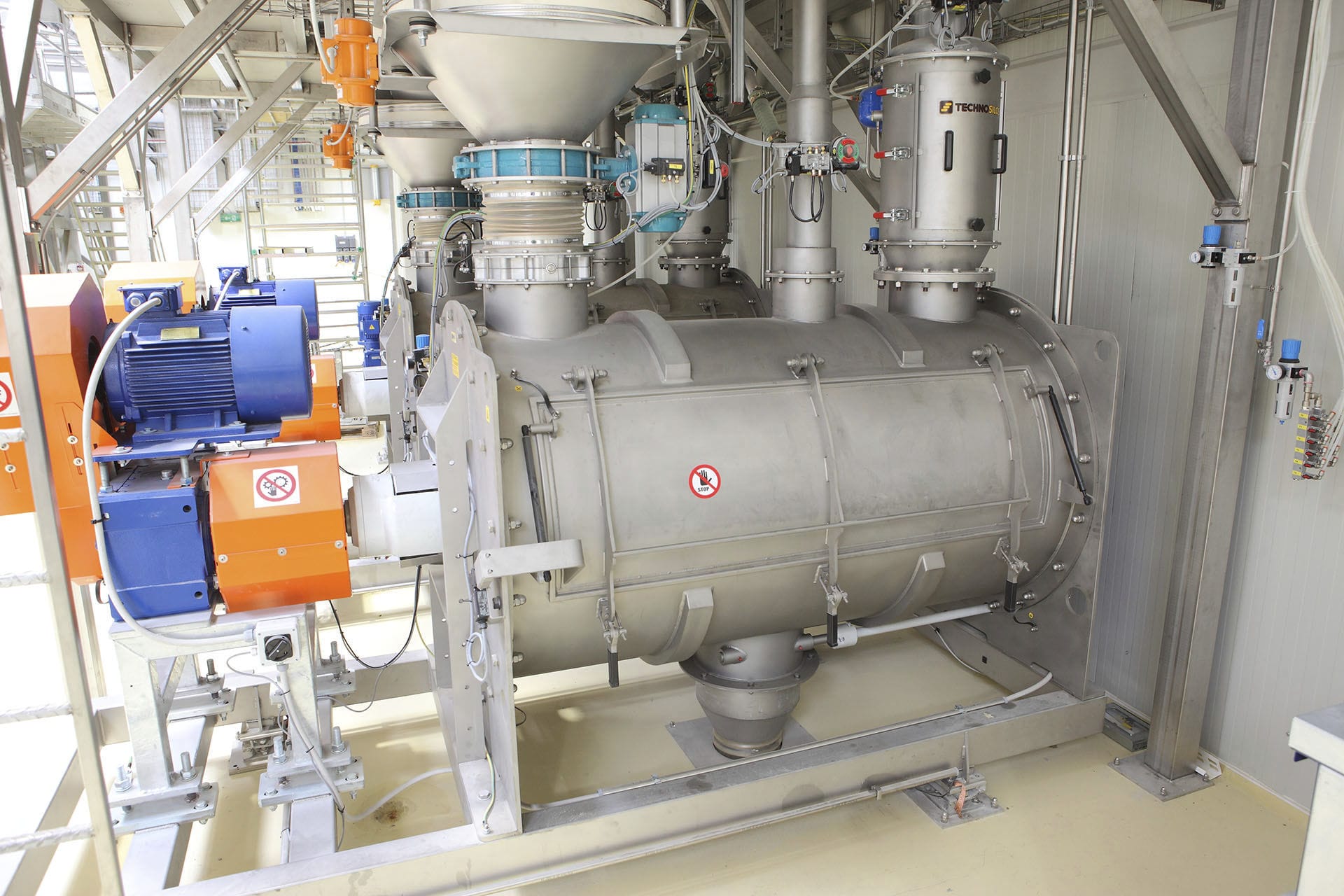
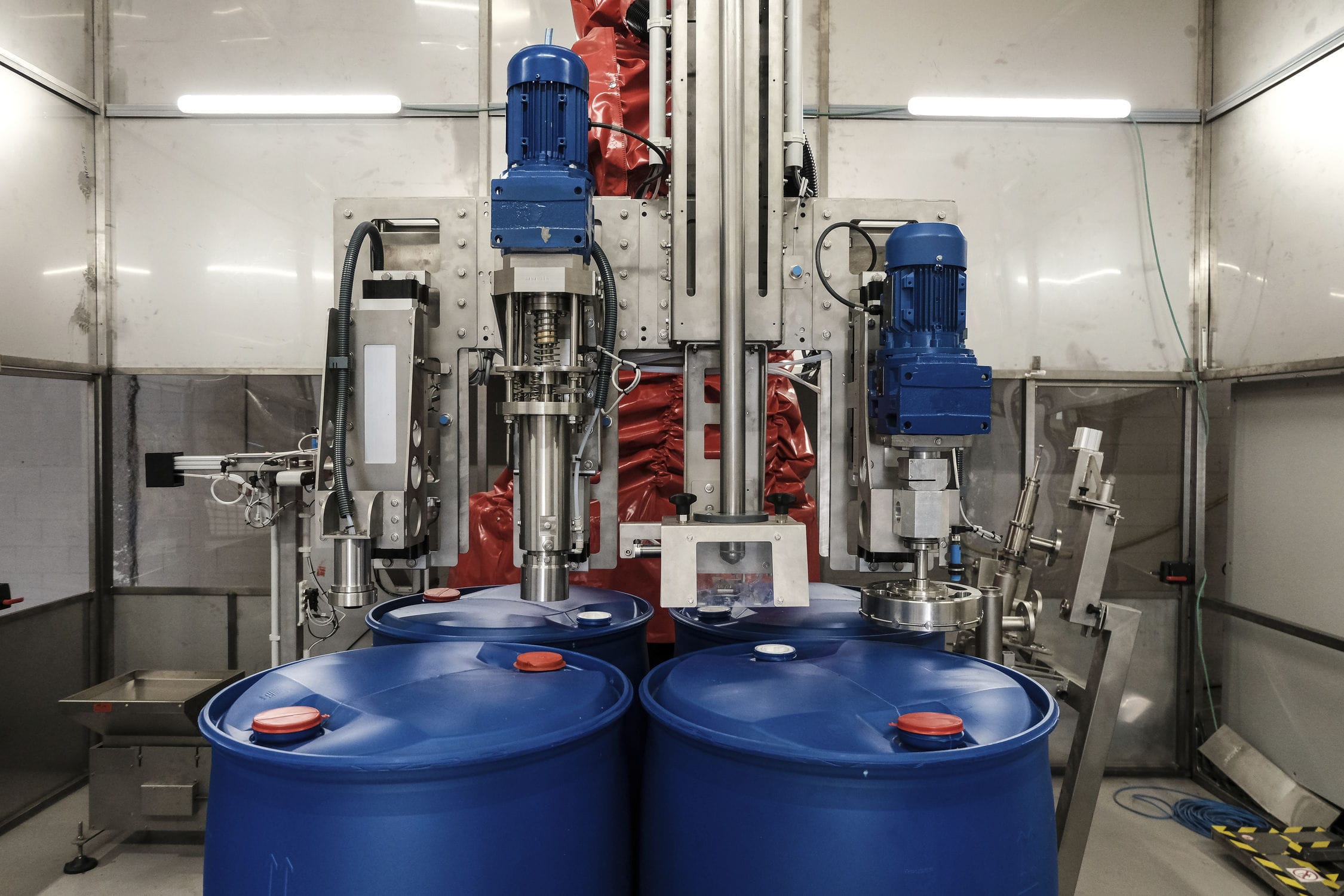
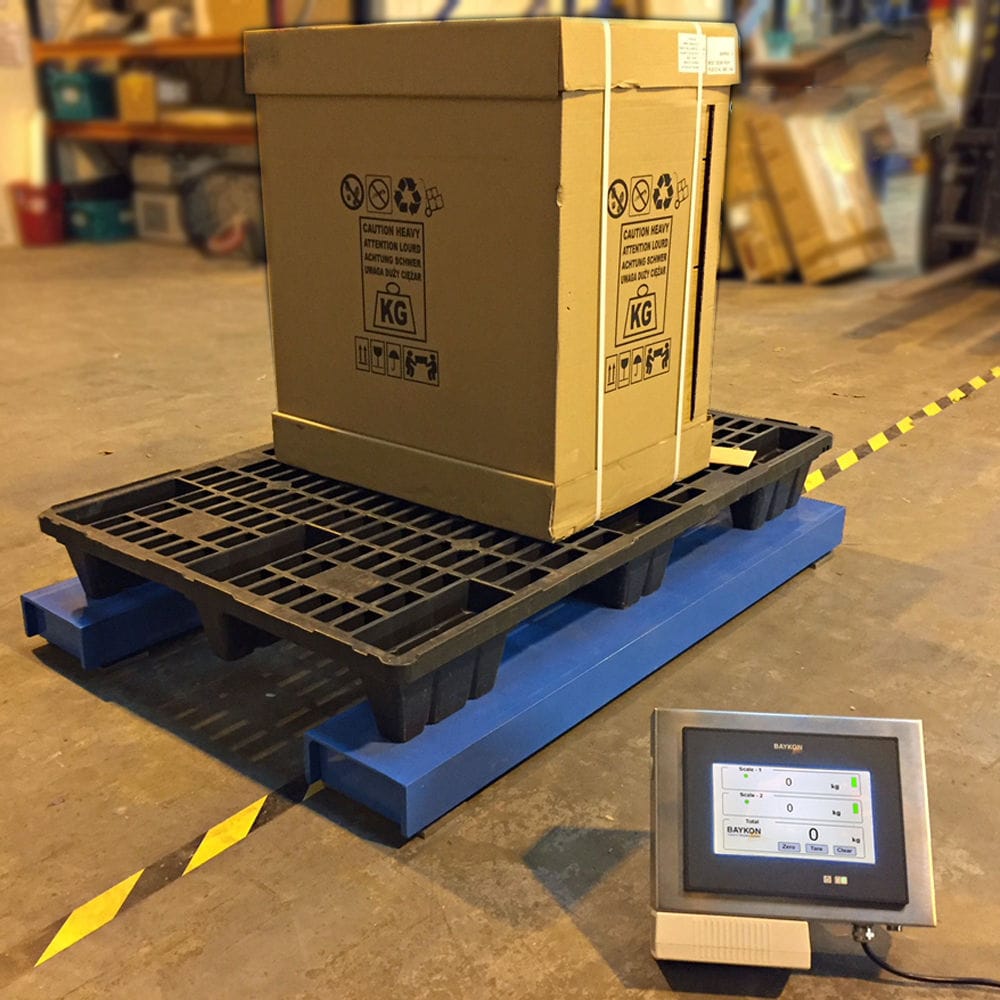


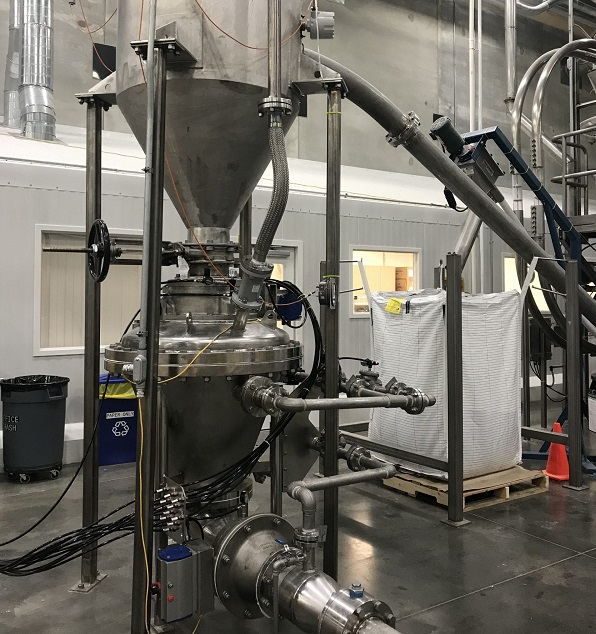
The Loss mixing scale is mainly composed of three parts: electrical automation, collection equipment, weighing instrument and variable execution equipment. Each weighing instrument executes the corresponding control algorithm to get the control amount. The weighing mixture consists of reaction tank, mixing equipment, conveying equipment and control system. Different liquids and deposited powders are distributed and mixed, distributed to intermittent or continuous weighing batching tanks. Automatic control by a programmable controller, continuous storage use and distribution without manual control. The compound control strategy of weight ratio feedforward control and flow current cascade control is adopted.
 020-34563445
The loss mixing scale is a weighing and batching equipment with intermittent feeding and continuous discharging. As the loss control is carried out in the hopper, it can achieve high control accuracy. Moreover, its structure is easy to seal. Therefore, compared with the screw scale, it is a significant improvement in powder control. It is applicable to the controlled batching of fine materials such as cement, lime powder and coal powder. The batching scale controls the discharge screw conveyor or the electric vibrating machine according to the reduction rate of the material weight in the weighing hopper to achieve the purpose of quantitative feeding. When the material in the weighing hopper reaches the lower limit of the weighing, the discharge screw conveyor fixes the discharge volume according to the current rotational speed, and at the same time controls the material in the silo to quickly fall into the weighing hopper. When the material is loaded to the upper limit of the weighing, the loading stops. Rapid loading can shorten the feeding time, improve the accuracy and control precision of the weighing.
The batching scale can be controlled by one computer to control multiple batching scale control instruments. It can freely input relevant parameters and formulas, and also statistically analyze output and raw material consumption. This not only ensures control accuracy but also improves the management level of the factory, giving the factory a significant competitive edge.
The working principle of the batching scale is based on controlled weight loss. When the weight is less than the upper limit and greater than the lower limit, the batching scale is in a loss-in-weight batching state. The weight loss per unit time is equal to the actual discharge flow rate. The difference value is obtained by comparing the actual discharge flow rate with the set flow rate, and the amplitude of the vibrating discharge device is adjusted in time to make the discharge volume uniform. When the material in the metering hopper drops to the lower weight limit, the batching scale control system will switch the discharge device to the volumetric discharge state while maintaining the discharge speed unchanged. The controller output signal is the constant value in the loss-in-weight feeding state to start the feeding equipment. The material in the feeding equipment enters the metering hopper. When the material in the metering hopper reaches a certain weight, the feeding stops. At this time, the metering control instrument The meter accurately weighs and starts the vibrating discharger to discharge materials according to the set flow rate. The batching scale then enters the loss-in-weight batching state again, and the loss-in-weight batching and volumetric batching alternate in operation.