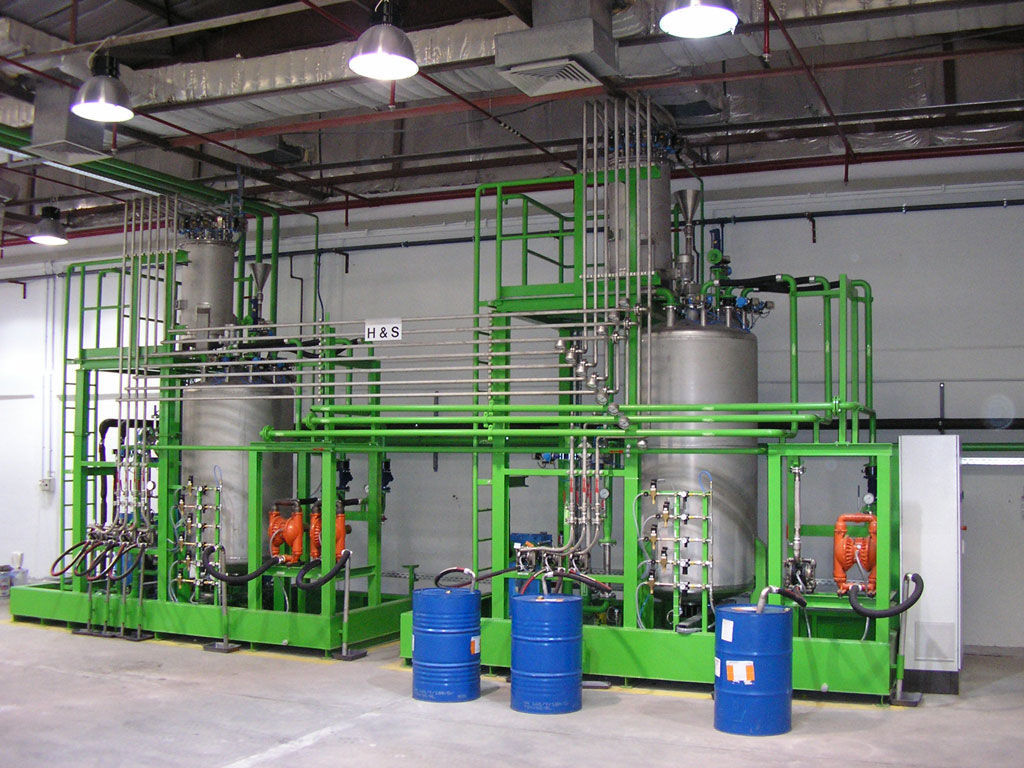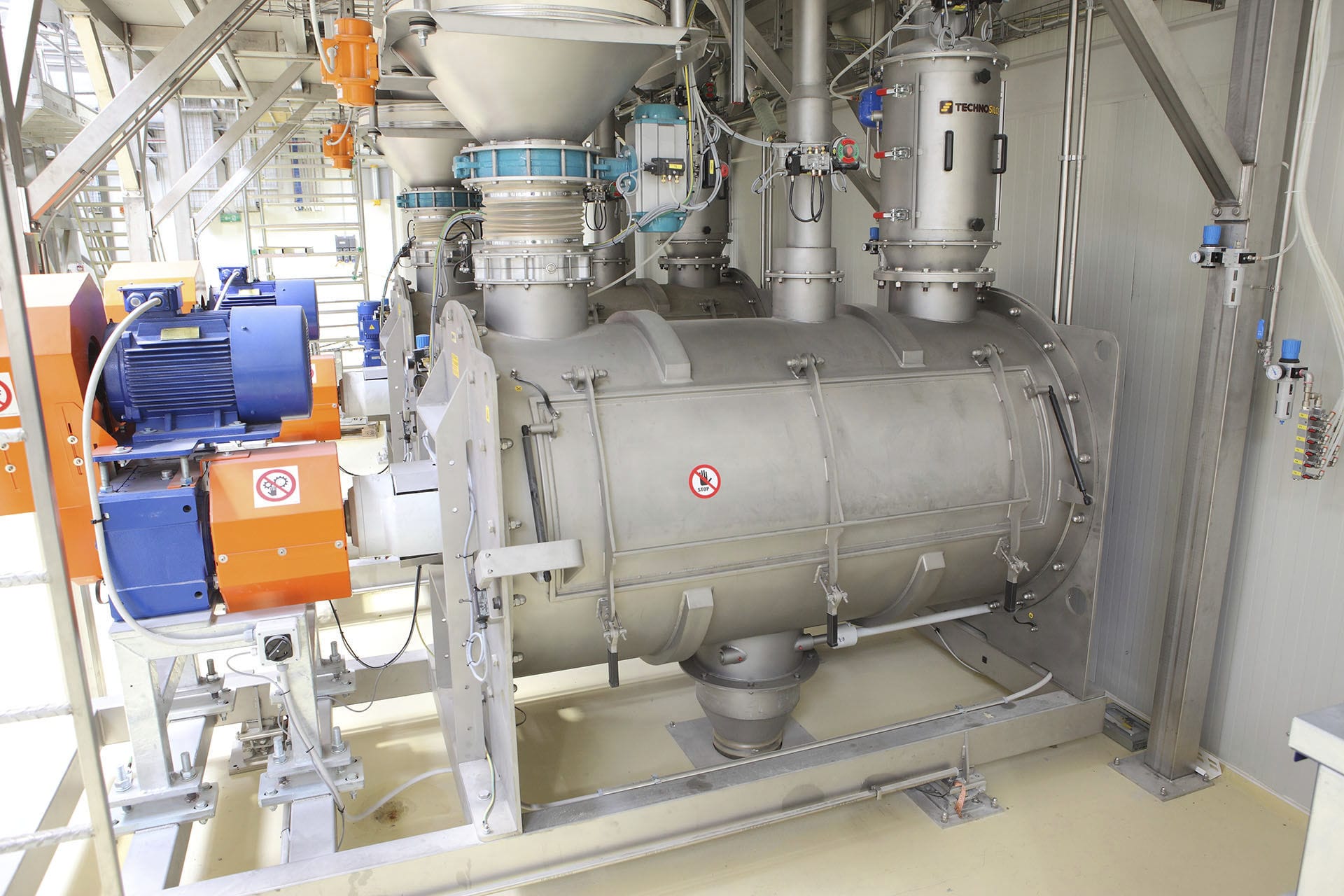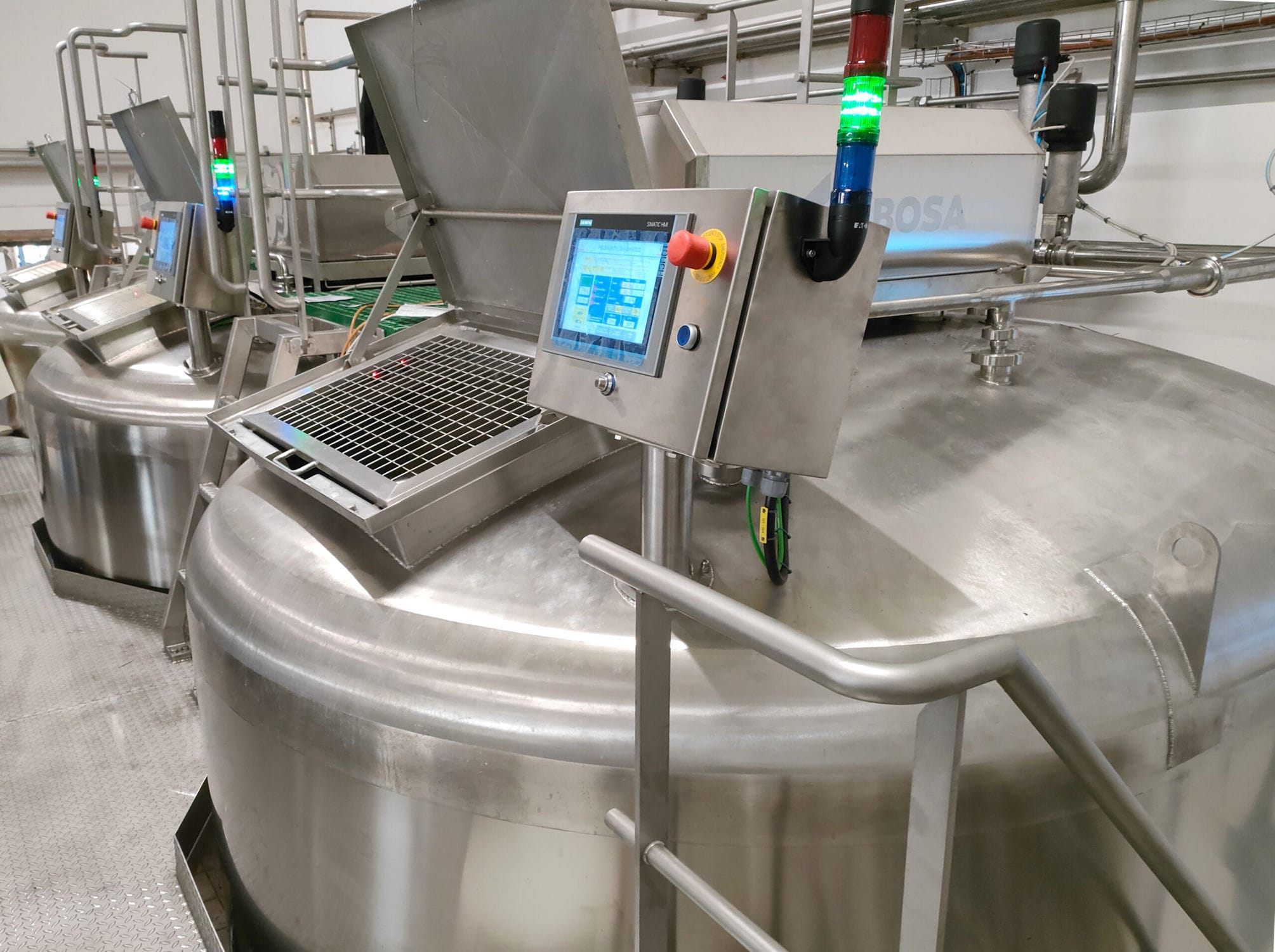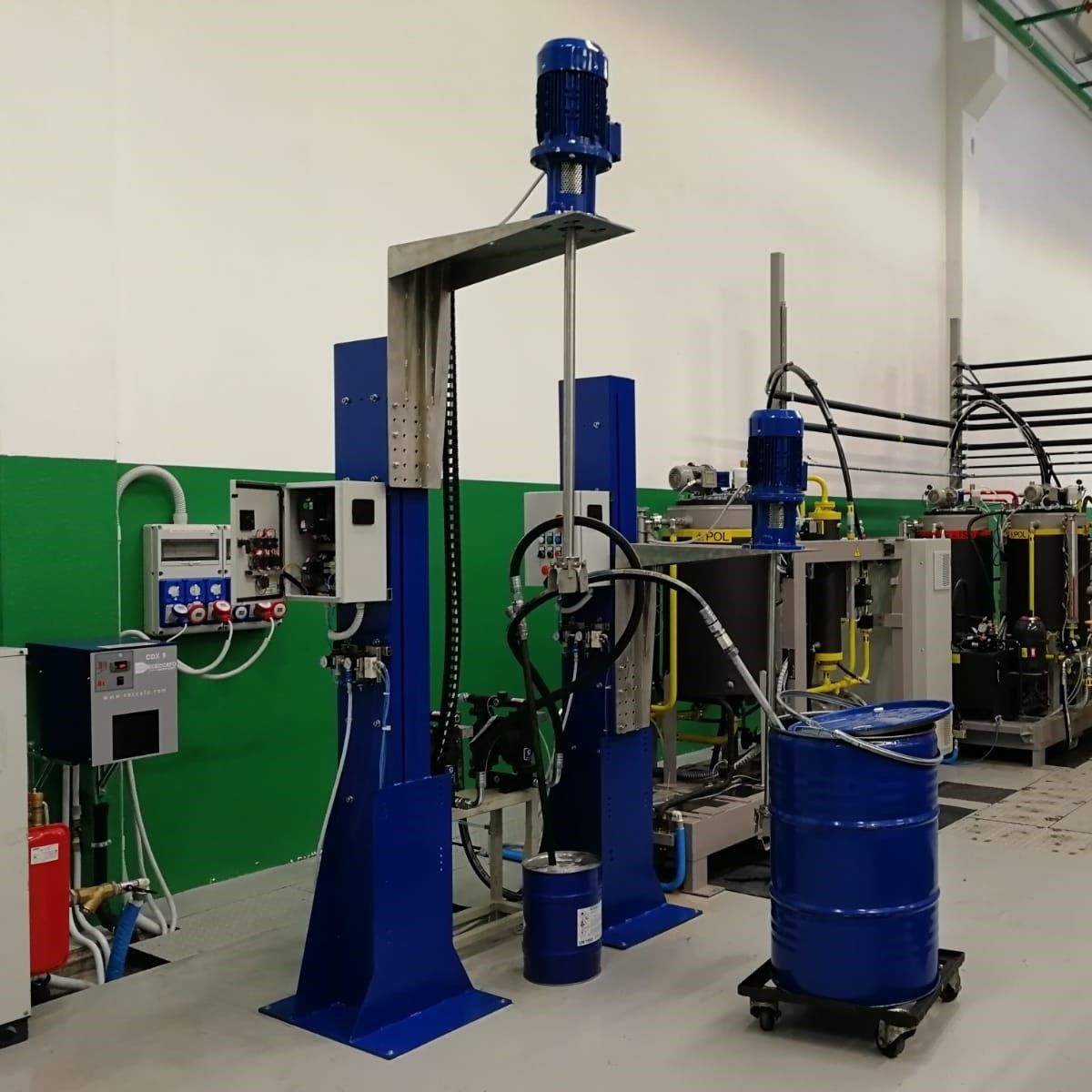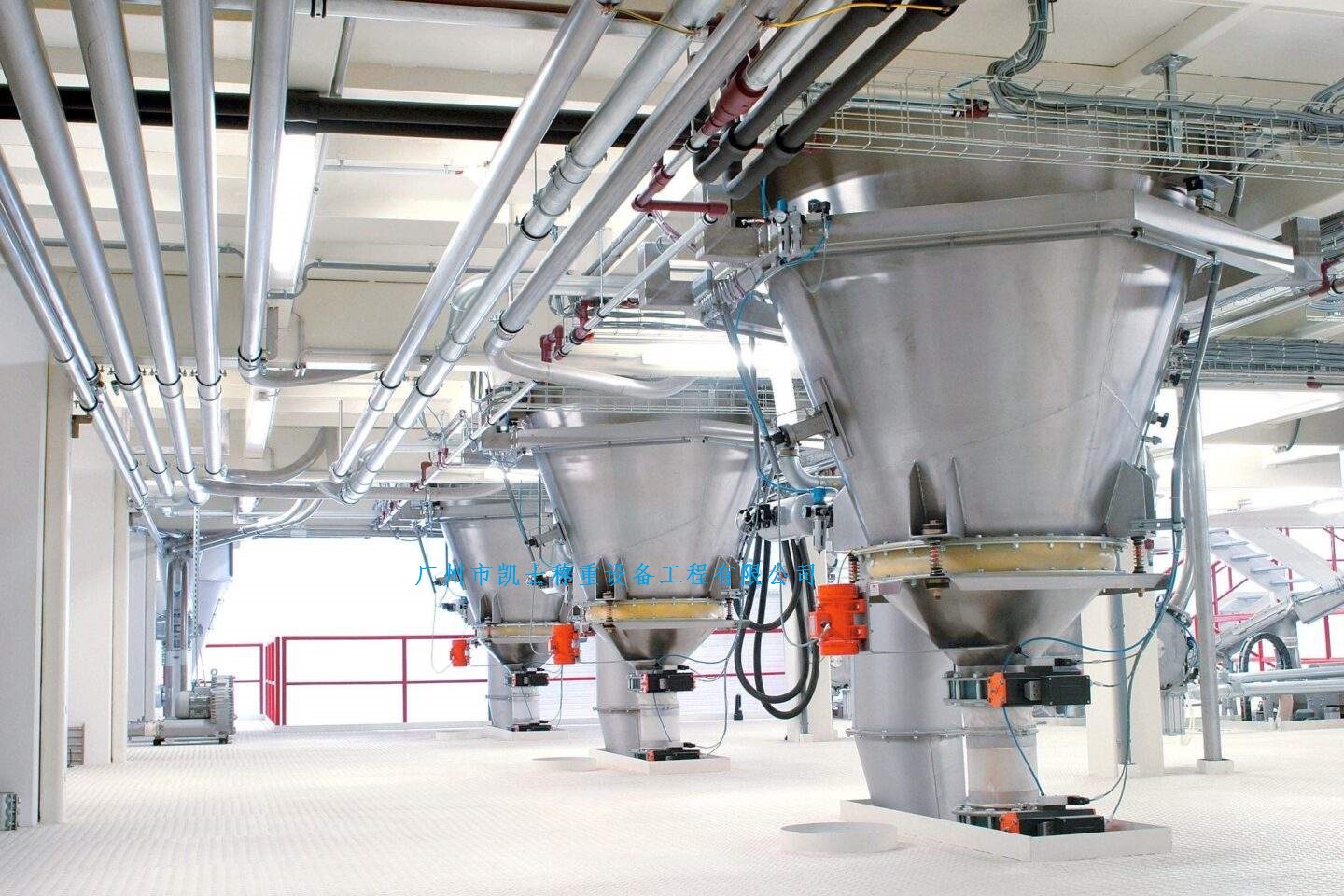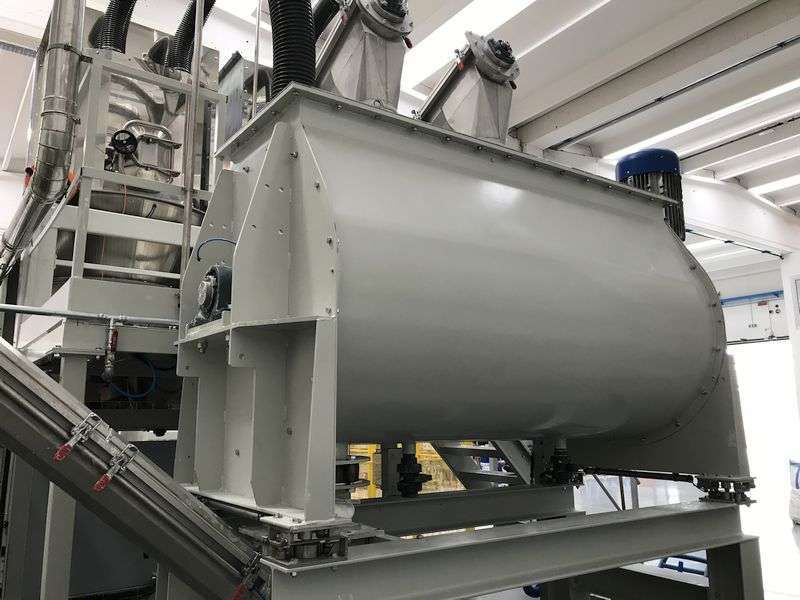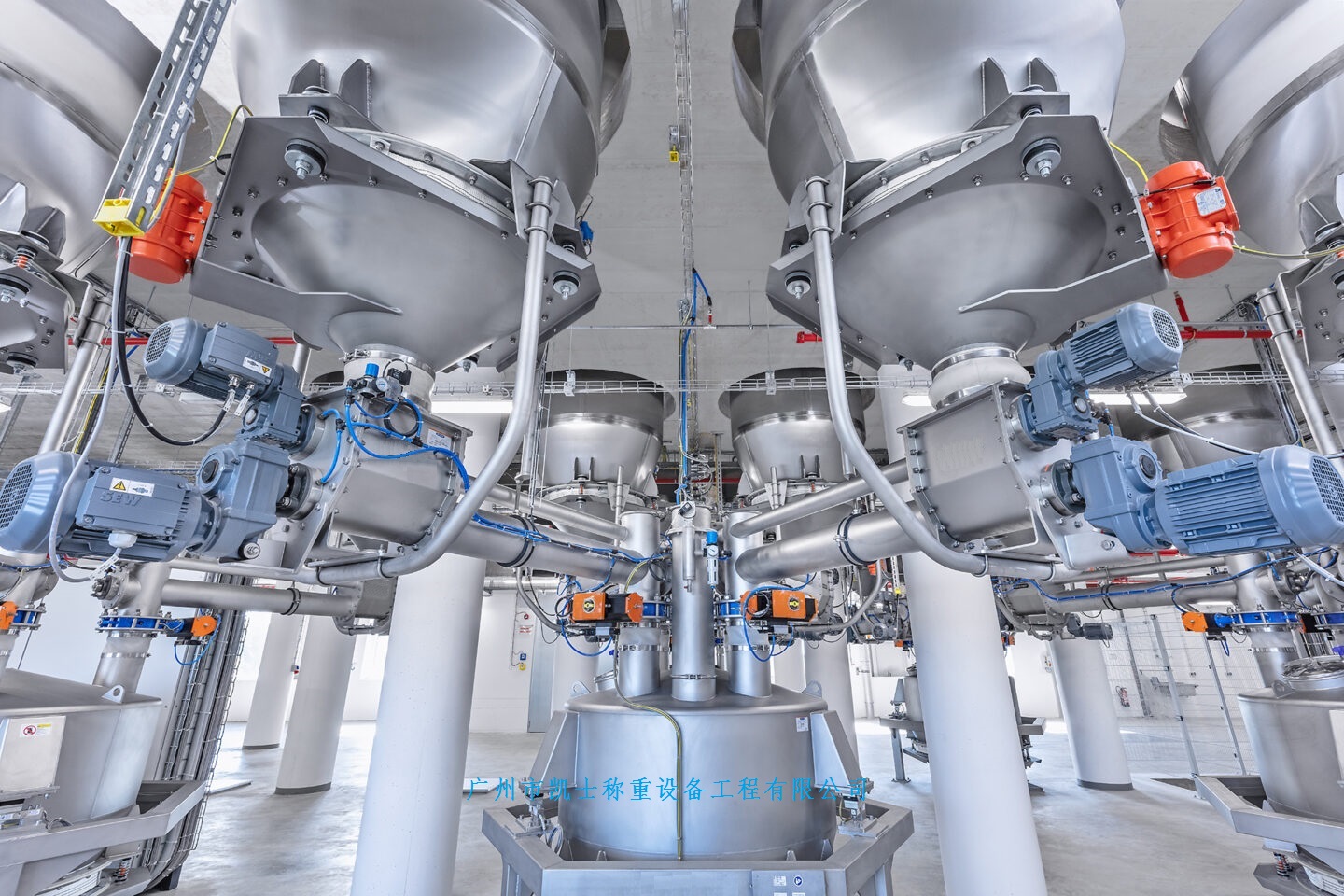








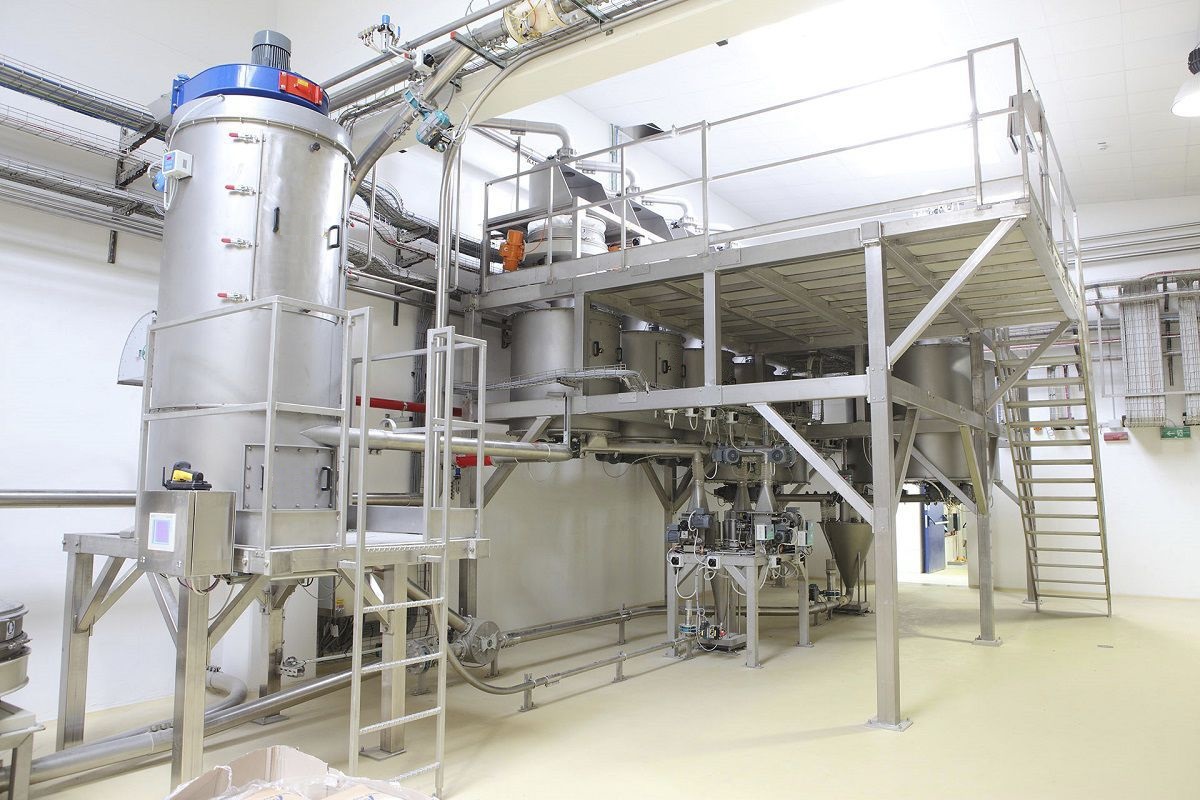
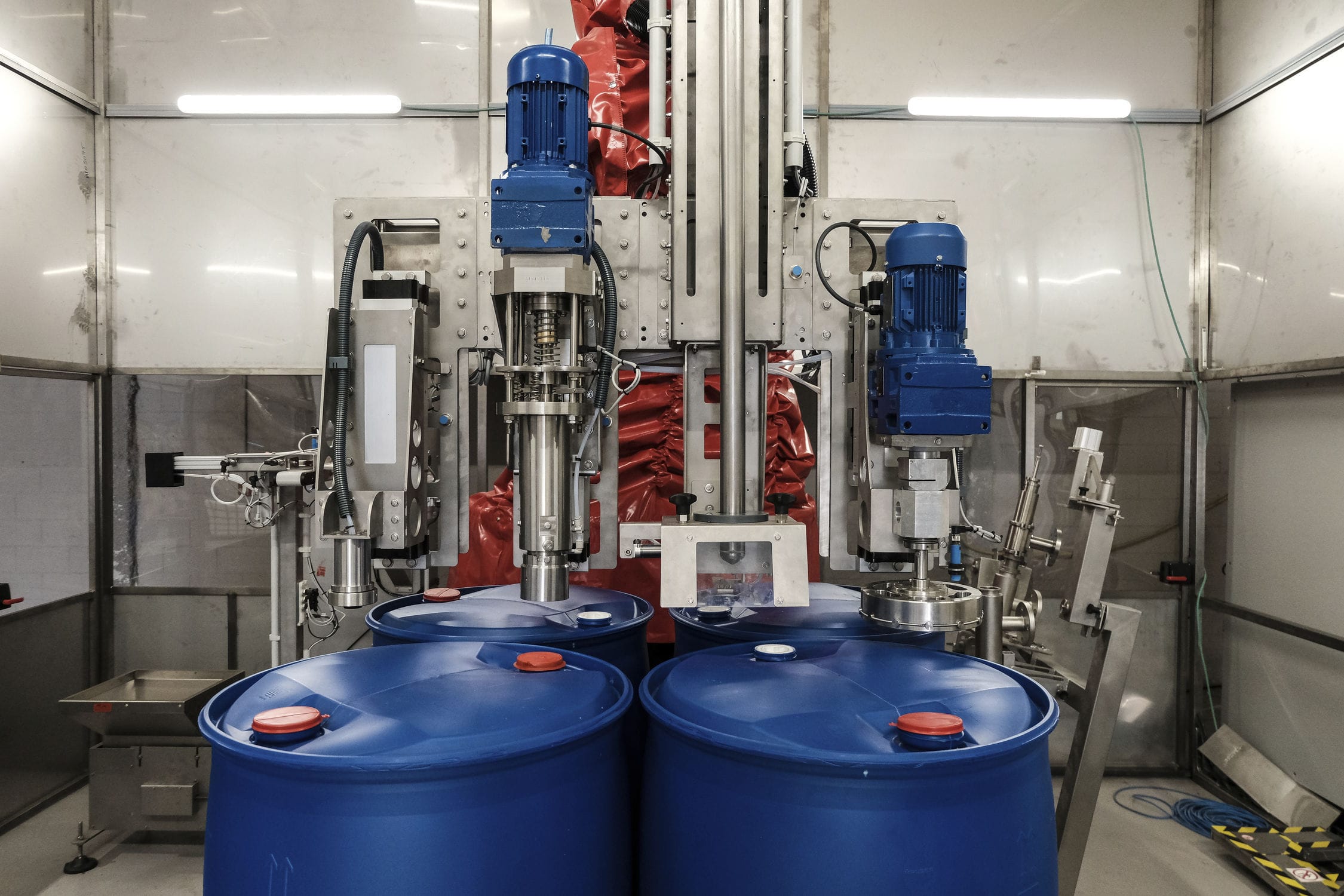
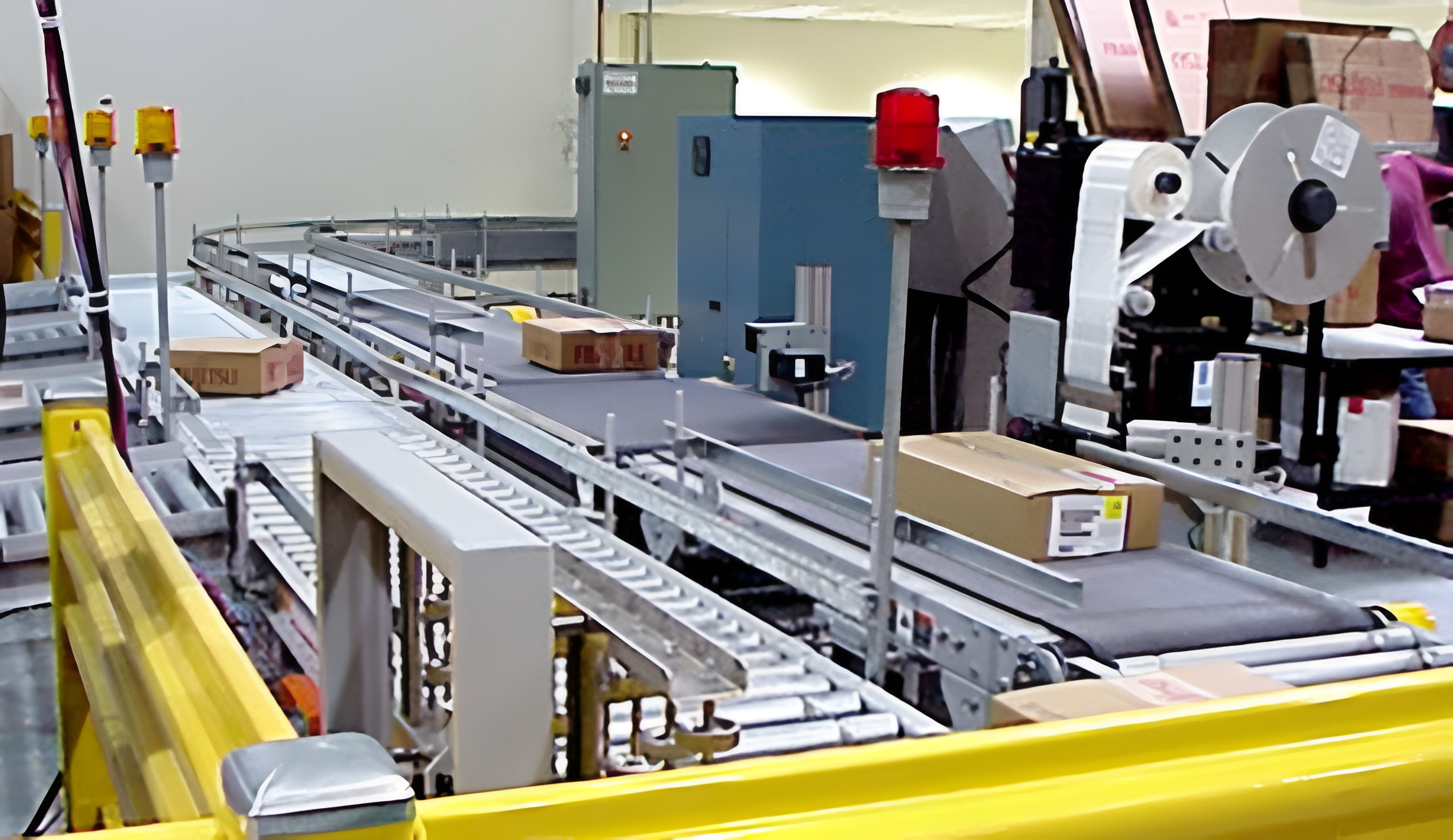
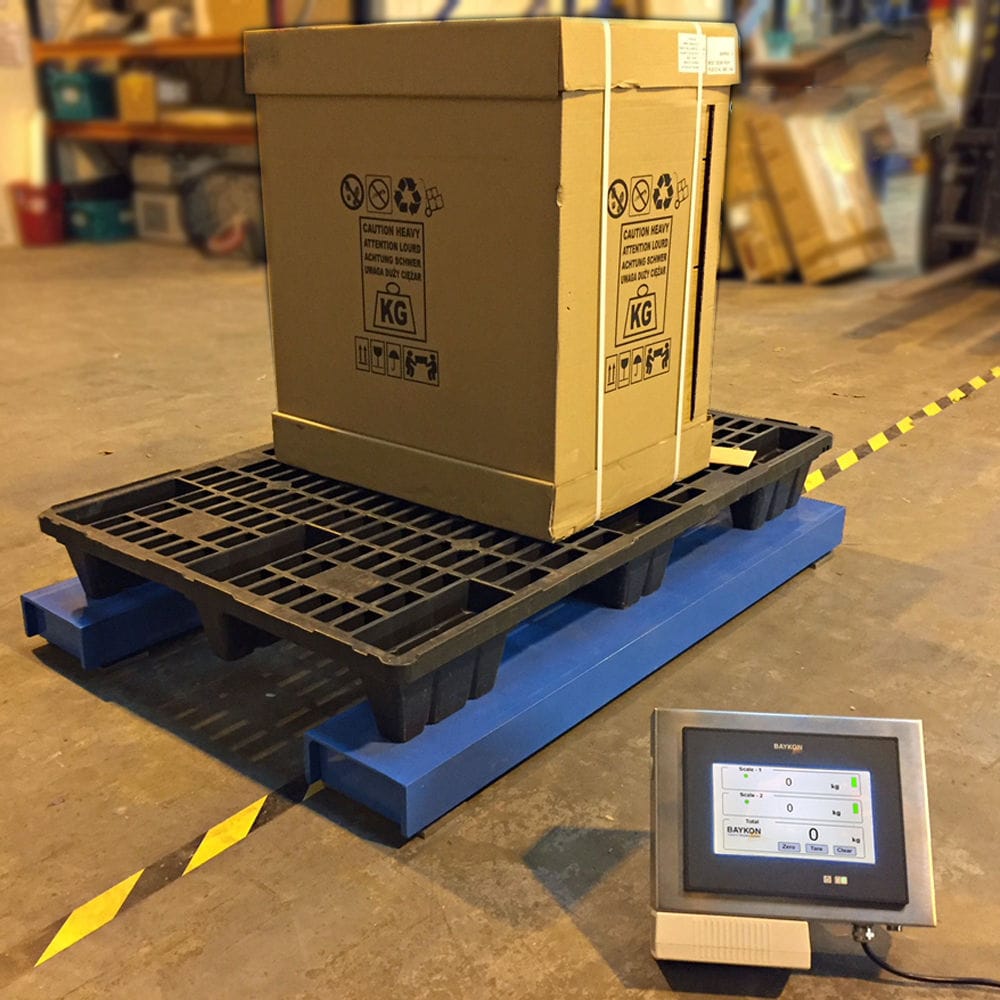


The Loss mixing scale is mainly composed of three parts: electrical automation, collection equipment, weighing instrument and variable execution equipment. Each weighing instrument executes the corresponding control algorithm to get the control amount. The weighing mixture consists of reaction tank, mixing equipment, conveying equipment and control system. Different liquids and deposited powders are distributed and mixed, distributed to intermittent or continuous weighing batching tanks. Automatic control by a programmable controller, continuous storage use and distribution without manual control. The compound control strategy of weight ratio feedforward control and flow current cascade control is adopted.

 020-34563445
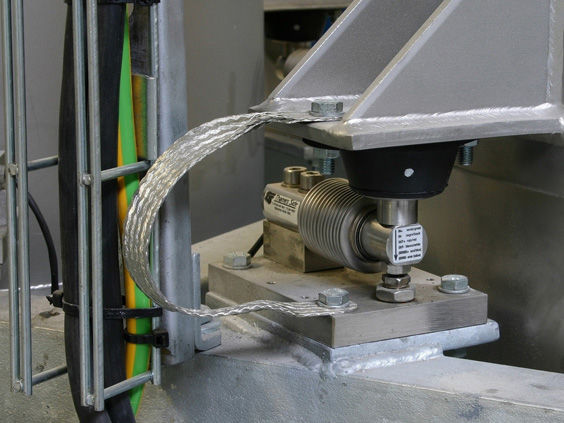
The volumetric mixing Electronic scale generally consists of a load-bearing hopper, a weighing module, a field wiring box, and a weighing instrument. The weighing module is installed below the load-bearing hopper. Usually, one hopper is equipped with three Weighing modules, and the modules are embedded with weighing sensors. In harsh field conditions, a shock-proof weighing module design is adopted. Rubber shock-absorbing pads are placed between the bottom plate and the lower plate, and the distance between the weighing sensor and the column is located on the lower plate. The upper plate is placed on the upper surface of the weighing sensor, and the upper plate and the column are connected by elastic tabs, forming a horizontal limiter. During operation, the weighing sensor undergoes elastic deformation under the gravitational force of the hopper, and the resistance strain gauge attached to its surface also undergoes deformation along with it. After the resistance strain gauge deforms, its resistance value will change. The detection circuit detects this resistance value change and converts it into a corresponding electrical signal (0~20mV, DC) and transmits it to the weighing instrument. The signal is proportional to the weight of the material in the hopper, thereby obtaining the weight of the material in the hopper. The weighing instrument outputs (0~20)mA, DC standard signals to DCS or PLC for batching control and measurement, etc.
The volumetric mixing scale is a batch-feed continuous-discharge weighing batching equipment. Since the volumetric control is carried out in the hopper, it can achieve higher control accuracy. The structure is also easy to seal, so compared with using a screw scale, it is a significant improvement when controlling fine materials such as cement, lime powder, and coal powder. It is suitable for the control and batching of fine materials such as cement, lime powder, and coal powder. The discharge screw machine or electric vibration machine is controlled according to the rate of weight reduction in the weighing hopper to achieve the purpose of quantitative feeding, that is, the batching scale. When the material in the weighing hopper reaches the lower limit position of the weighing, the discharge screw machine discharges the material at a fixed rate according to the current speed, and at the same time, the material in the silo is quickly discharged to the weighing hopper. When the filling reaches the upper limit, the filling stops. The rapid filling can shorten the filling time and improve the accuracy and control precision of weighing.
The batching scale can be controlled by one computer controlling multiple batching scale control instruments. Relevant parameters, formulas, and production output and raw material consumption statistics can be input arbitrarily. Based on the controlled weight loss, when the weight is less than the upper limit and greater than the lower limit, the batching scale is in a weight-loss batching state. The weight loss within a unit time is equal to the actual discharge flow rate. The actual discharge flow rate is compared with the set flow rate to obtain the difference, and the amplitude of the vibration discharge device is adjusted in time to ensure a constant discharge volume. When the material in the weighing hopper drops to the lower limit, the batching scale control system maintains the discharge speed unchanged and switches the discharge device to the volumetric discharge state. The controller outputs a signal that is the constant value of the weight-loss batching state to start the feeding equipment. The material enters the weighing hopper, and when the material in the weighing hopper reaches a certain weight, the feeding stops. At this time, the batching control instrument precisely weighs and opens the vibration discharge device to discharge, and the batching scale returns to the weight-loss batching state. The weight-loss batching and volumetric batching alternate.