








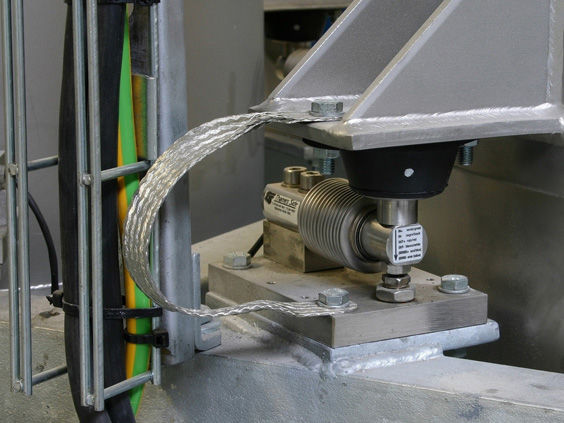
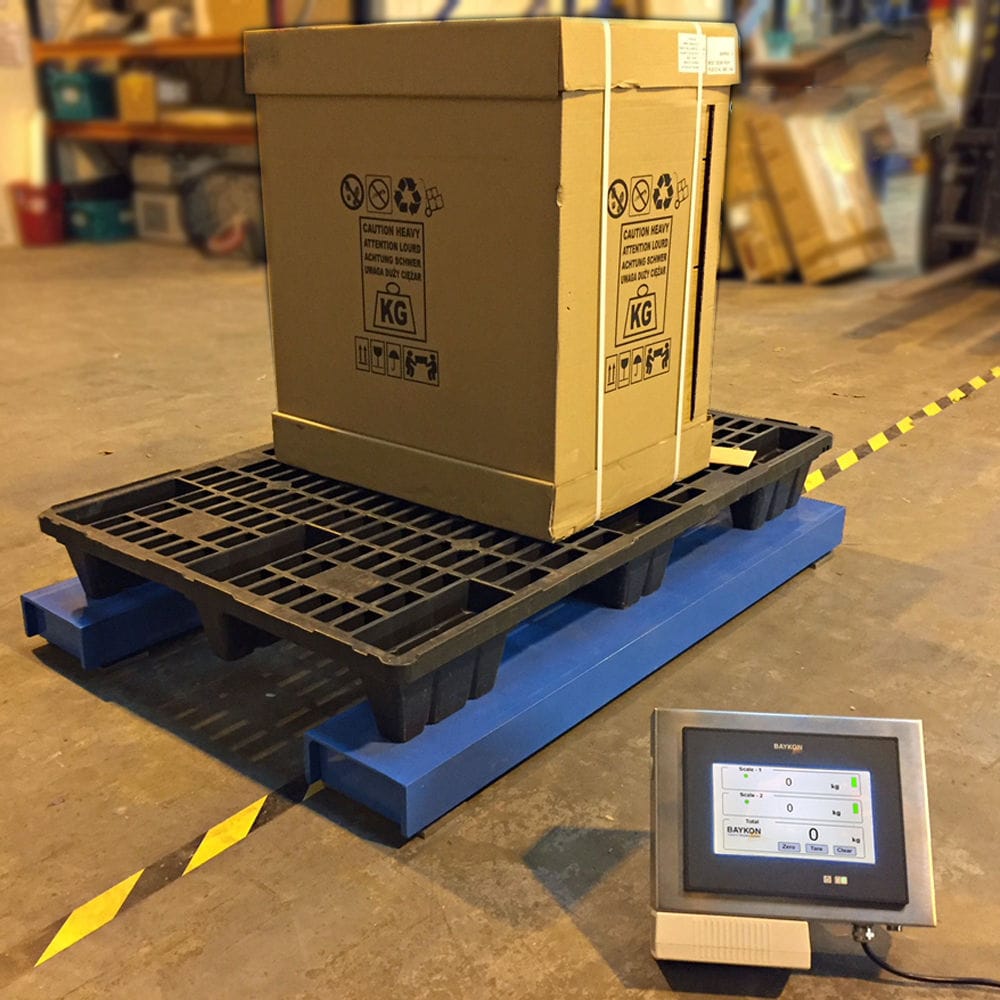


The ground scale discharge platform uses four-channel weighing sensors to generate physical strain. The signal bridge outputs a millivolt-level electrical signal proportional to the weight signal. The signals are then aggregated and enter the on-site weighing instrument. After amplification, filtering and other processing, they are transmitted to the weighing system computer through the RS232 communication port. The computer collects the signals multiple times within a short period of time, analyzes and calculates to determine whether the signal is stable within the maximum allowable error range. Based on the conditions of speed and accuracy, it automatically selects the value and saves the weight and time to the database file. After the operation is successful, the weighing signal is sent for storage. The weighing process is completed.

 020-34563445
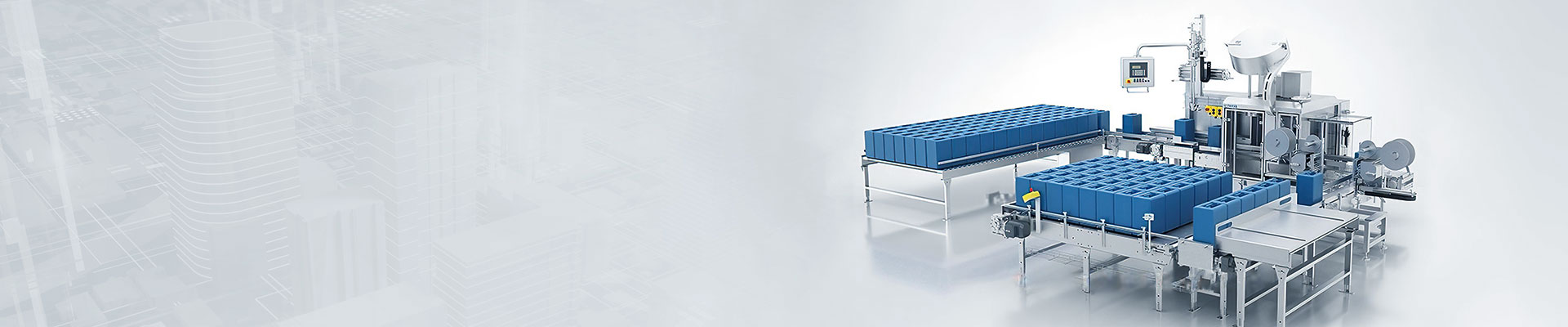
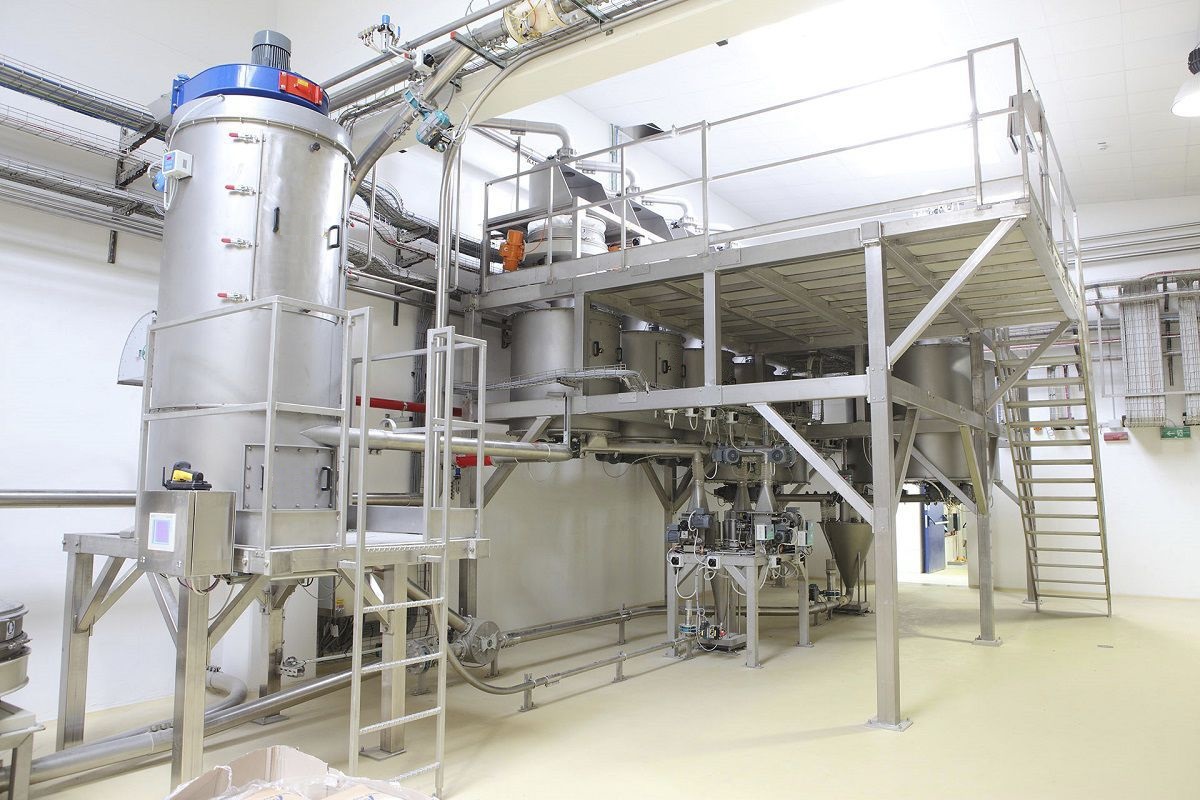
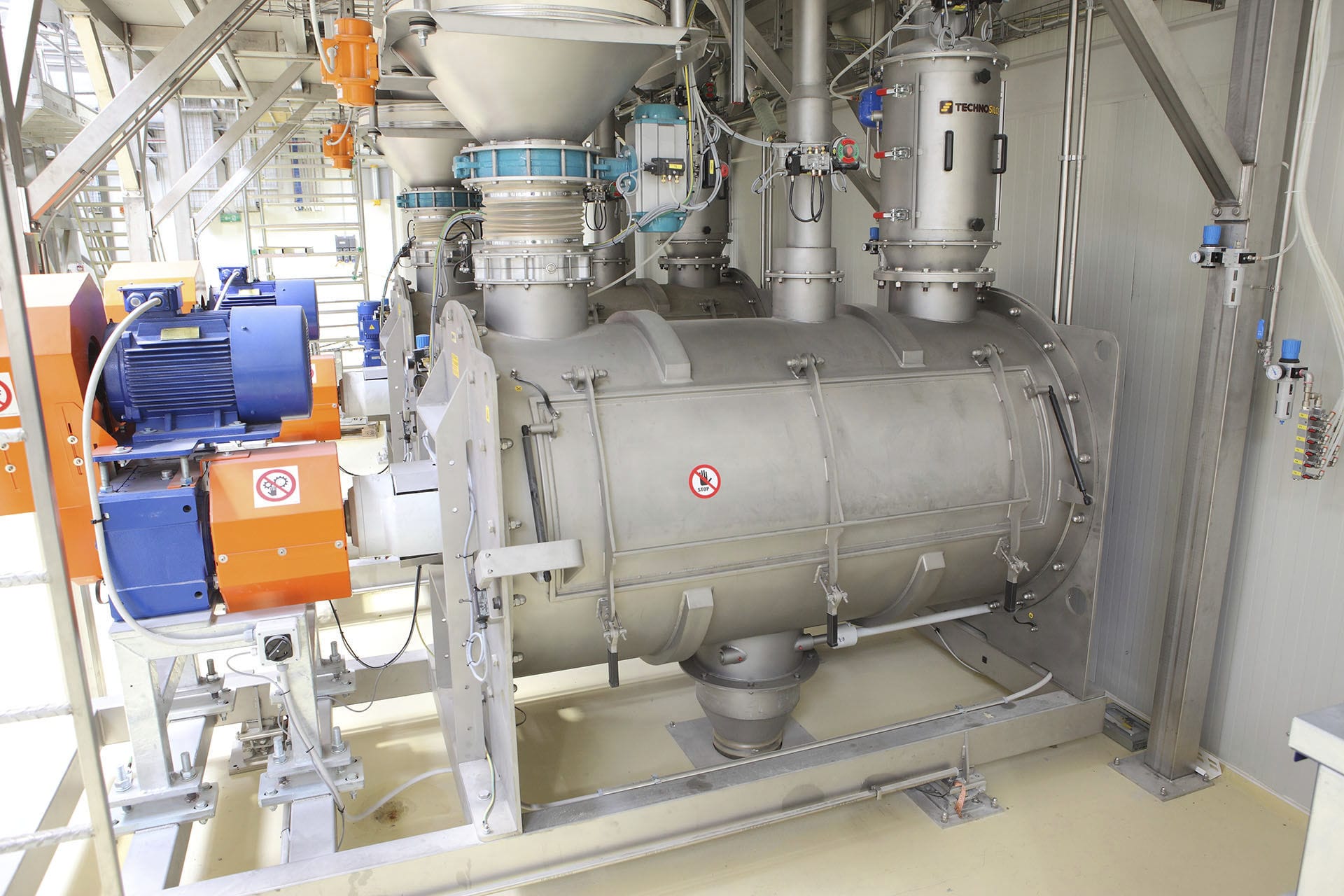
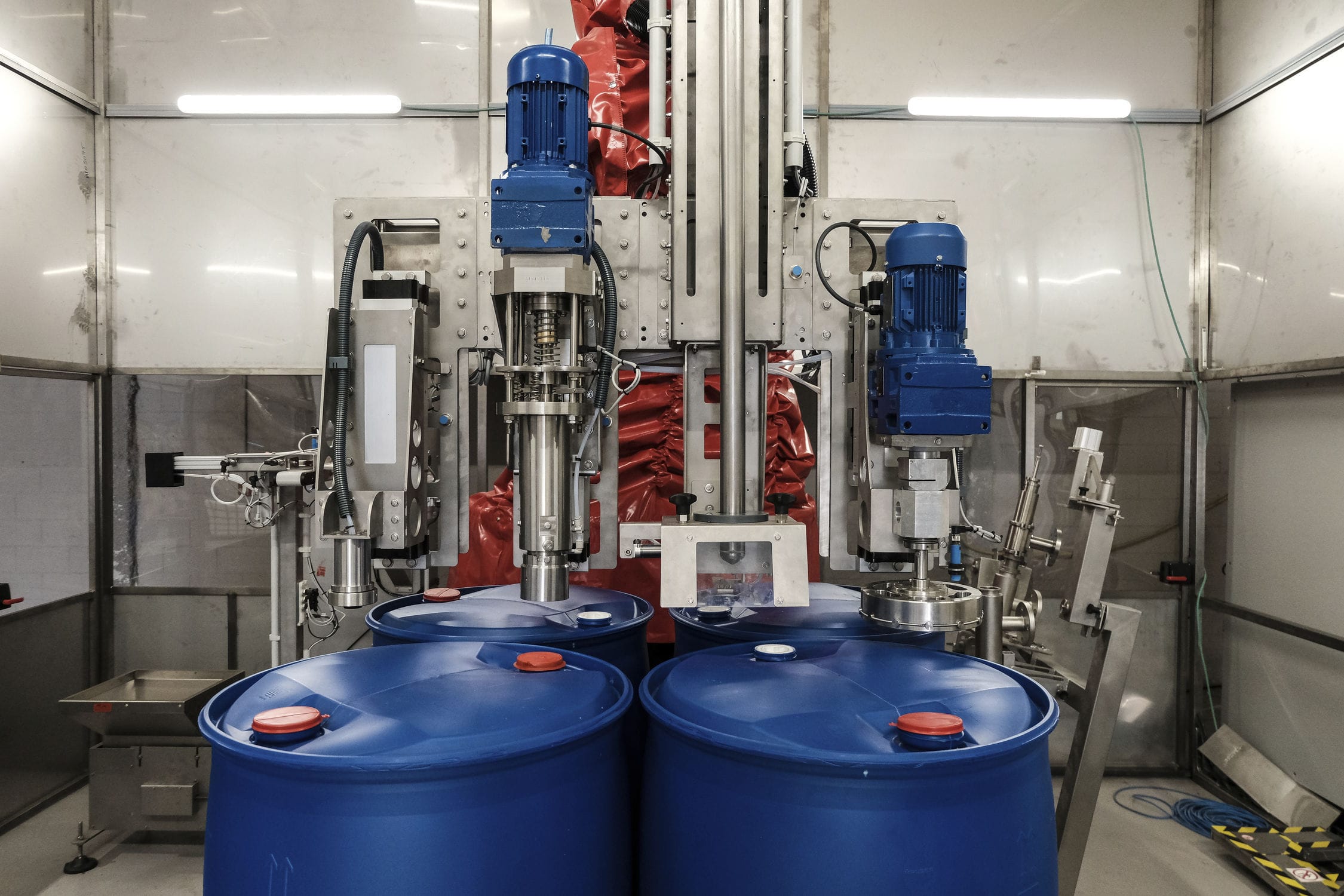
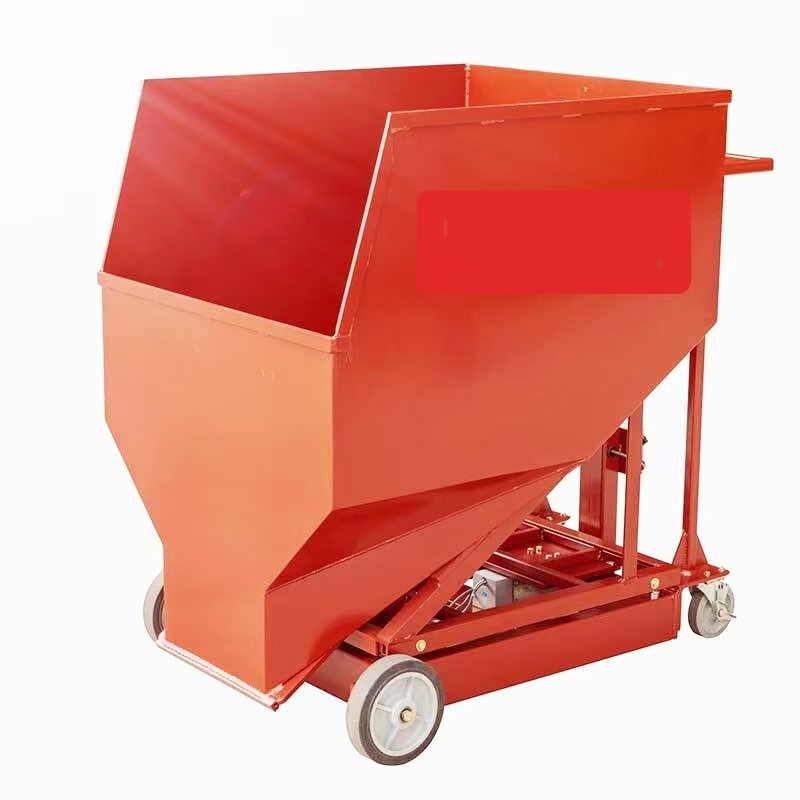
The ground scale discharge platform consists of three basic units: the scale platform, the weighing module, and the weighing instrument. The weighing module includes the weighing instrument, the Electronic scale, and the signal cable. According to the different needs of users, other external devices can be selected to form various configurations, including: computer, printer, large-screen display, power surge protector, stabilized power supply, and multi-functional power socket. The scale platform includes the support, the hopper, the discharge scale, the receiving trough, and the scale. The hopper is installed on the support, and the discharge scale is installed at the outlet of the hopper. The receiving trough is placed below the outlet of the hopper, and the receiving trough is placed on the scale. The discharge scale includes the discharge motor and the auger connected to the motor shaft. The discharge motor is connected to a time relay. The time relay controls the opening time of the motor to control the discharge volume, achieving automatic weighing.
The scale uses four-channel weighing sensors to generate physical strain, and the signal bridge outputs a mV-level electrical signal proportional to the weight signal. The signals are aggregated and enter the on-site weighing instrument, which is amplified, filtered, etc. processed, and transmitted to the Weighing system computer through the RS232 communication port. The computer collects signals multiple times within a short period of time, analyzes and calculates to determine whether the signal is stable within the maximum allowable error range. Based on the fast and accurate conditions, it automatically selects values and saves the weight and time to the database file. After the operation is successful, the weighing signal is saved. The weighing process is completed, the weighing instrument enters the zeroing preparation state, and the zeroing lasts for a stable second before entering the next weighing operation process.
The scale mainly consists of the storage bin, the vibrating Feeder, the divider, the metering hopper, and the control unit. It tries to avoid directly applying the material load to the slot body of the electric vibrator as much as possible. That is, a chute is added between the storage bin and the slot body, and a gate is set at the discharge outlet of the storage bin to facilitate adjusting the opening size of the discharge outlet. During equipment maintenance, the discharge outlet can be closed. Due to the continuous and uniform feeding of the electric vibrator and the small wear between the material and the slot body, it is easy to achieve automatic control. It is very suitable for the supply of food products. For the divider, the divider baffle adopts a adjustable structure. When the material density and particle size change significantly, the ratio of coarse and fine flow can be conveniently adjusted. At the same time, the width of the inlet of the divider is greater than the outlet width of the motor to prevent the "bridge" phenomenon of large particle size materials. When using the electronic scale, the stabilization time after the metering hopper discharges is reduced. For the control part, a weighing instrument with strong anti-interference ability, high resolution, and stable performance is selected to achieve the control of this scale.


