









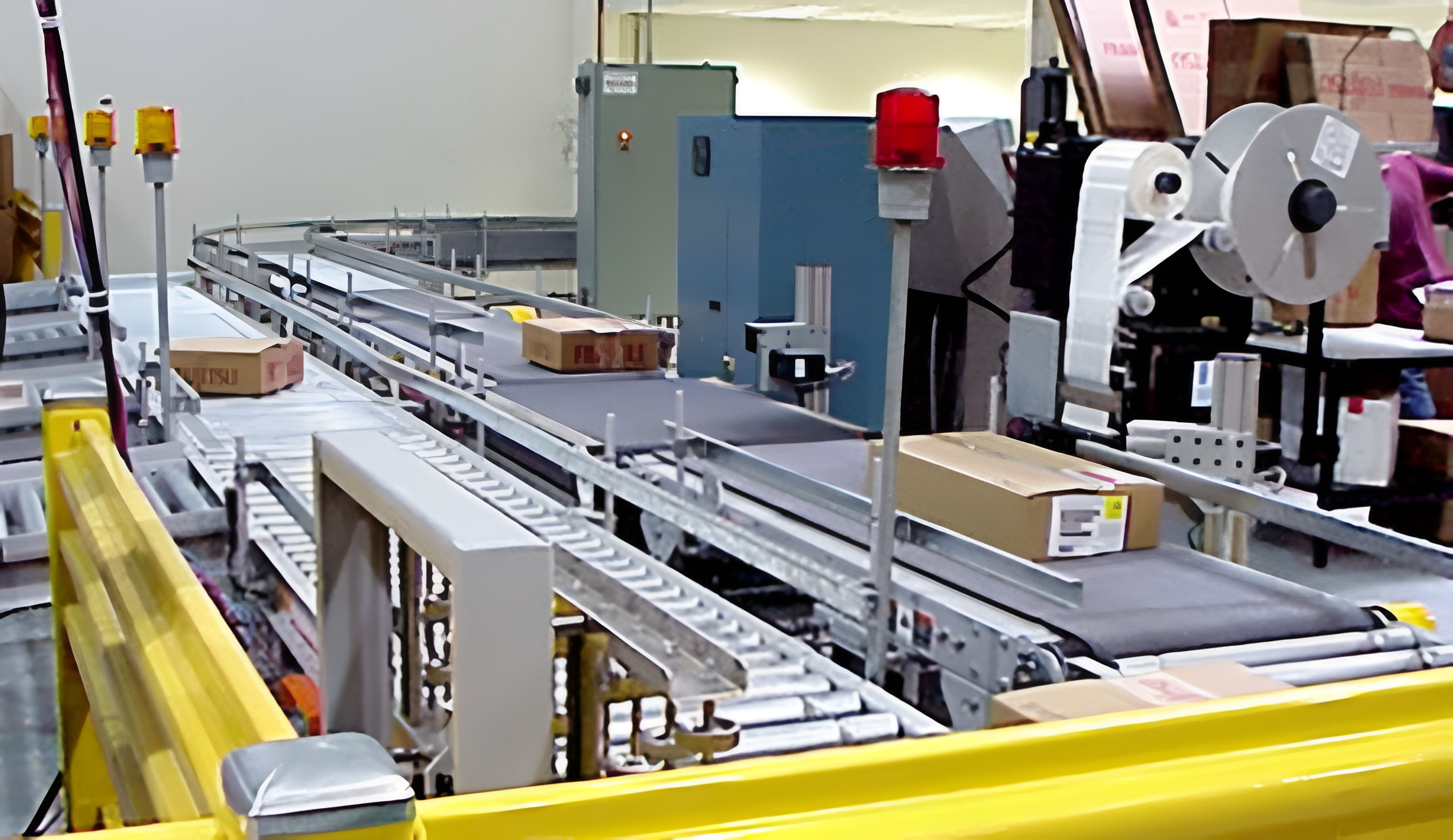
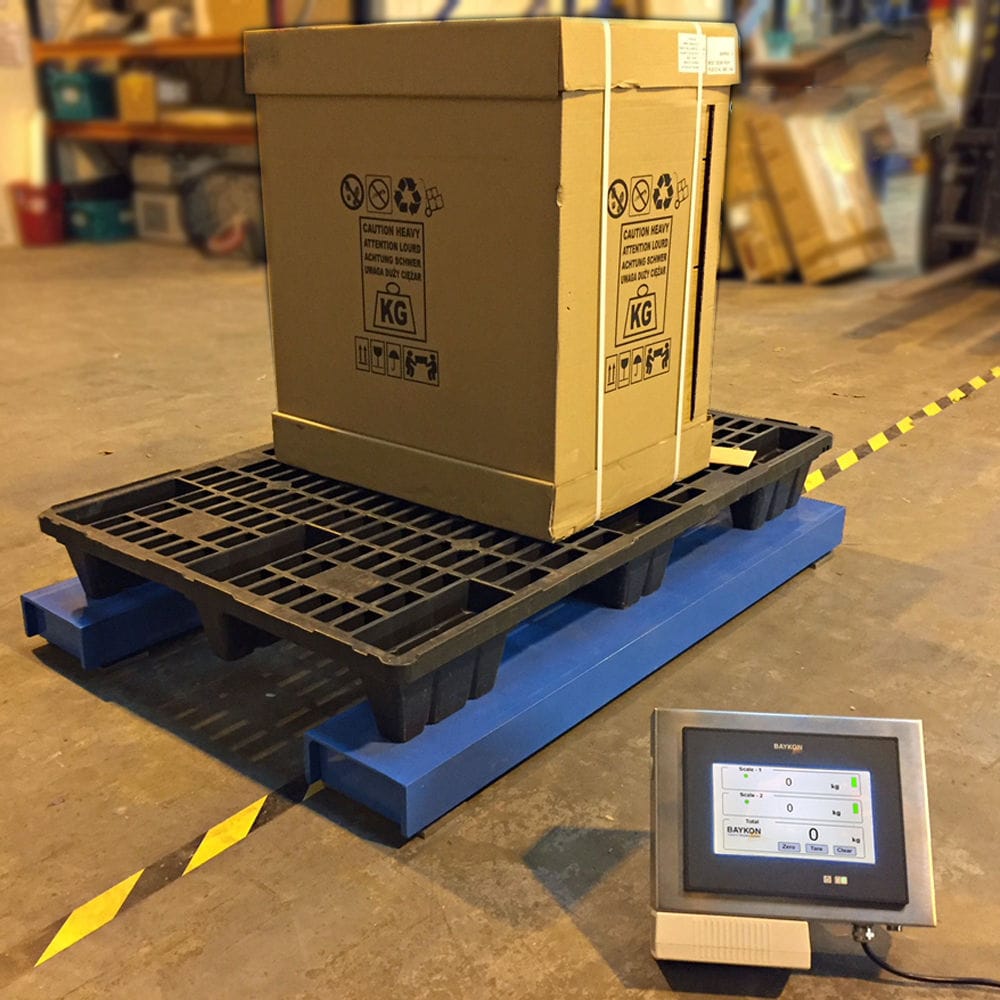


In the explosion-proof conveying scale device, the digital signals from the scale and the speed signals from the speed sensor are separately sent to the weighing instrument, thereby directly obtaining the feeding quantity signals for various different materials. When materials are fed simultaneously at the feed inlet, the digital signals from the digital scale device and the speed signals from the speed sensor are respectively sent to the weighing instrument. The weighing instrument processes and calculates the three channels of digital scale (weight) signals and the speed pulse signals from the speed sensor, and through integration calculation, directly obtains the feeding quantities of different materials.

 020-34563445
The explosion-proof conveying scale is composed of a frequency converter, an actuating motor, a control device, and a load current detection system. The control device consists of a programmable logic controller (PLC), AD and D/A conversion modules, etc. The frequency converter is composed of the main cavity of the explosion-proof housing, the explosion-proof wiring cavity, the intrinsically safe control cavity, the frequency control and speed regulation system, and the program parameter controller. The control device consists of the PLC, A/D and D/A conversion modules, etc. The load current signal originates from the weight data of the Electronic scale and the current feedback signal of the drive conveyor frequency converter.
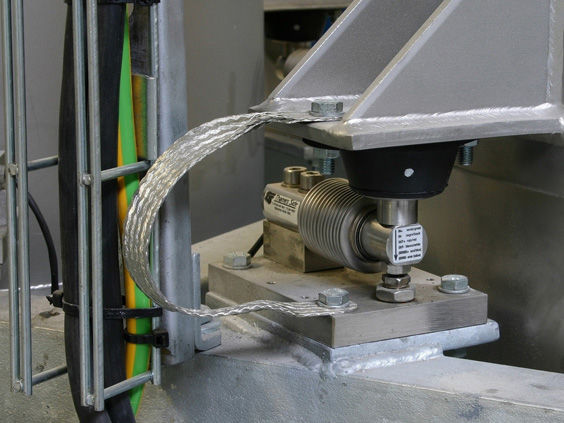
Due to the fact that the measured objects in the explosion-proof scale are mostly non-electrical quantities, the signals generated by the weighing sensor are relatively weak, generally at the mV level. The output electrical signal is amplified by the operational amplifier with input impedance, and the sensor's post-position voltage is changed according to the material weight change on the electronic scale conveyor. The digital signal is directly connected to the input end of the AD converter, and the converted digital signal is sent to the PLC for recognition of digital signals. The PLC performs data processing and displays the results and stores them. The PLC can also compare the calculation results with the ideal values stored in the memory, and through appropriate programs and algorithms, output control signals to the actuating components.
The digital signals in the scale device and the speed signal from the speed sensor are sent directly to the weighing instrument to obtain various different material feeding quantity signal data. When materials are fed simultaneously at the feeding port, the digital scale device's digital signal and the speed signal from the speed sensor are sent to the weighing instrument. The weighing instrument processes and calculates the three-channel scale (weight) digital signals and the speed pulse signals from the speed sensor, and through integration calculation, directly obtains the feeding quantities of different materials.


