


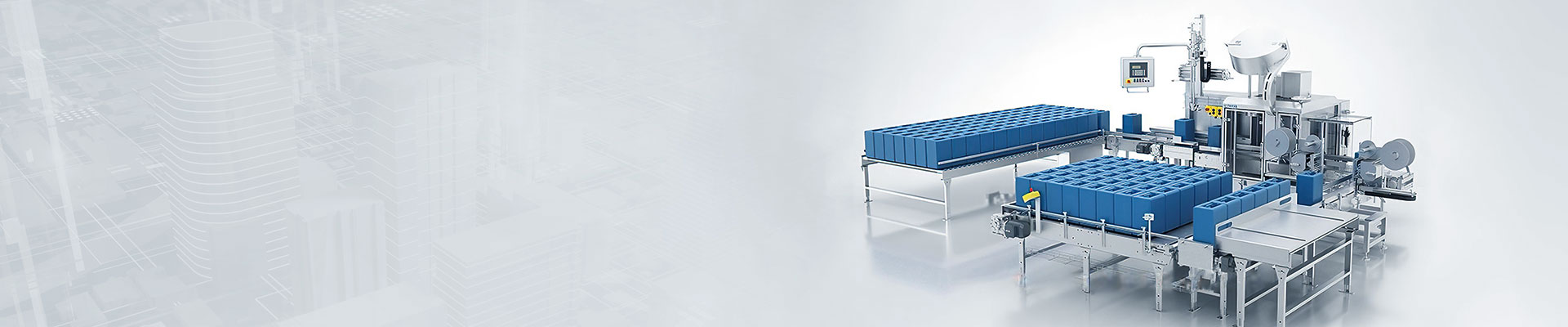






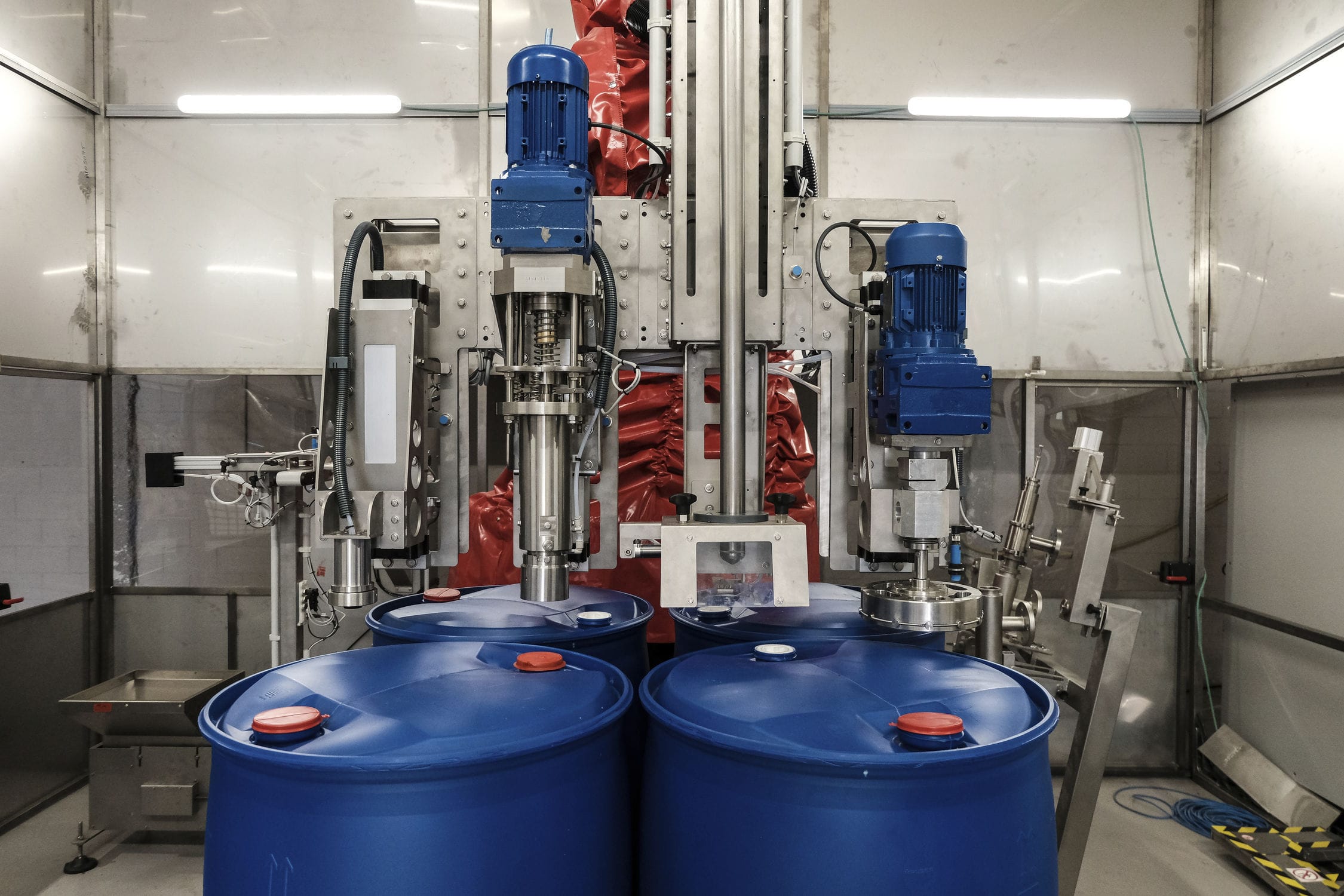


The process of preventing leakage and conducting quantitative filling and packaging of the floor scale is divided into coarse feeding and fine feeding, and is executed in two sequential steps. Each set of floor scale structure performs two steps in sequence. Two sets of floor scale structures work in parallel, with each set of floor scale structure only performing two steps. The coarse quantitative floor scale structure is responsible for the first two steps, with a wider and faster material trough; the fine quantitative electronic scale structure is responsible for the last two steps, with a narrower and higher-precision material trough. While conducting "fine quantitative" batching, the next "coarse quantitative" process begins. The two sets of floor scales operate in a flow-like manner, which not only improves the filling speed but also ensures the quantitative accuracy.

 020-34563445
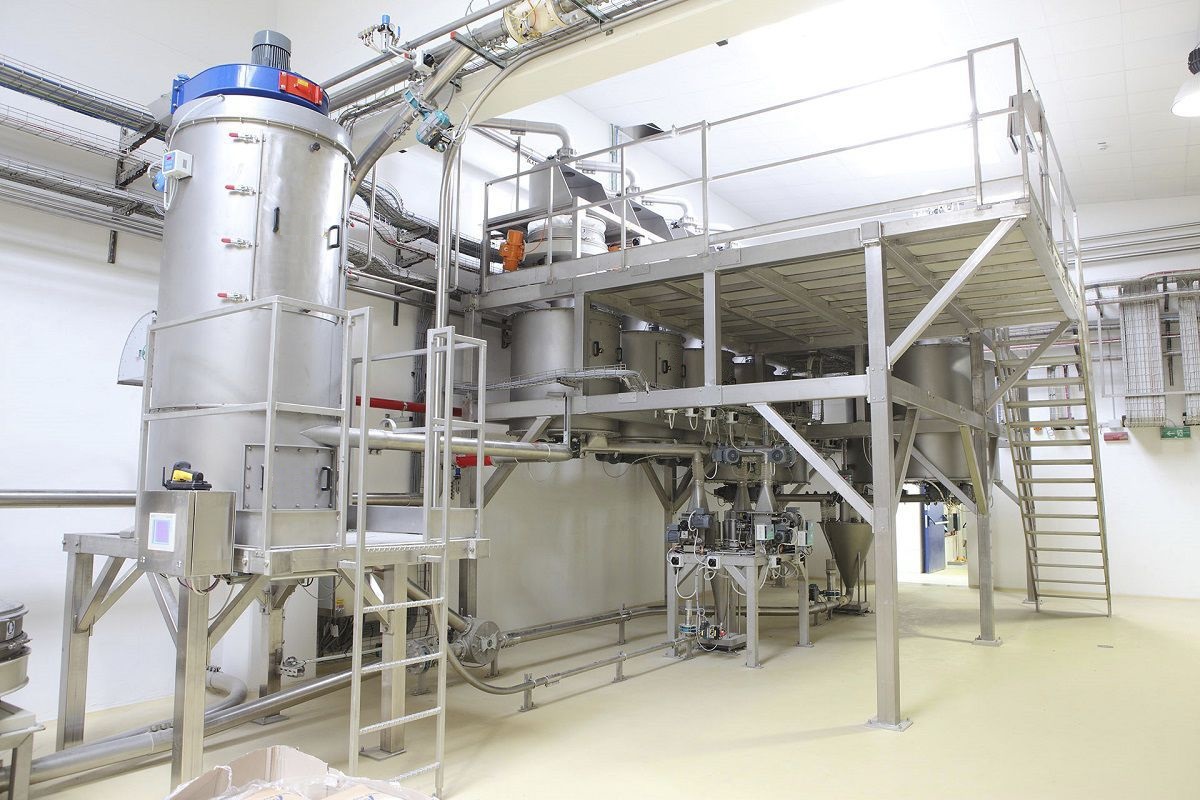
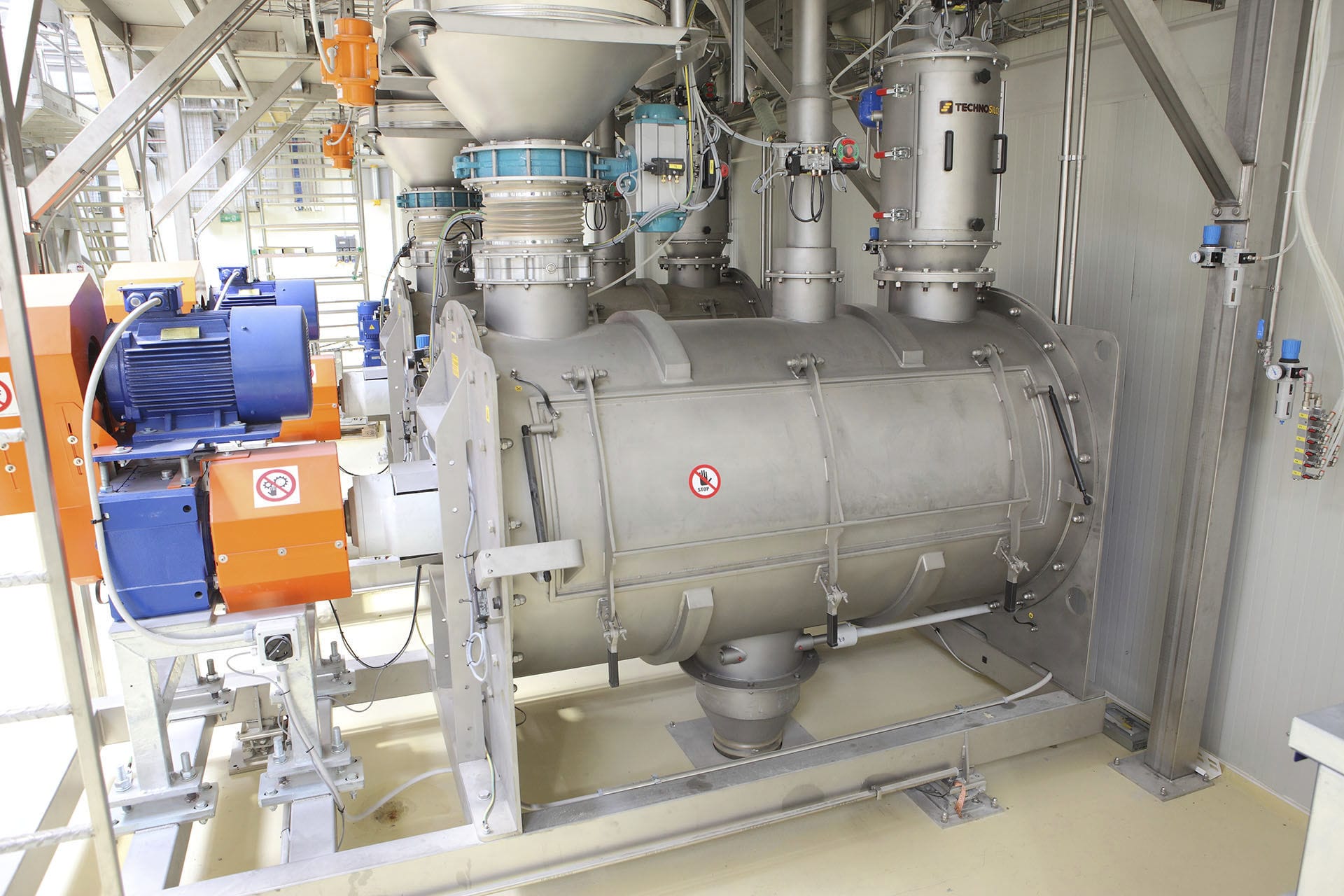
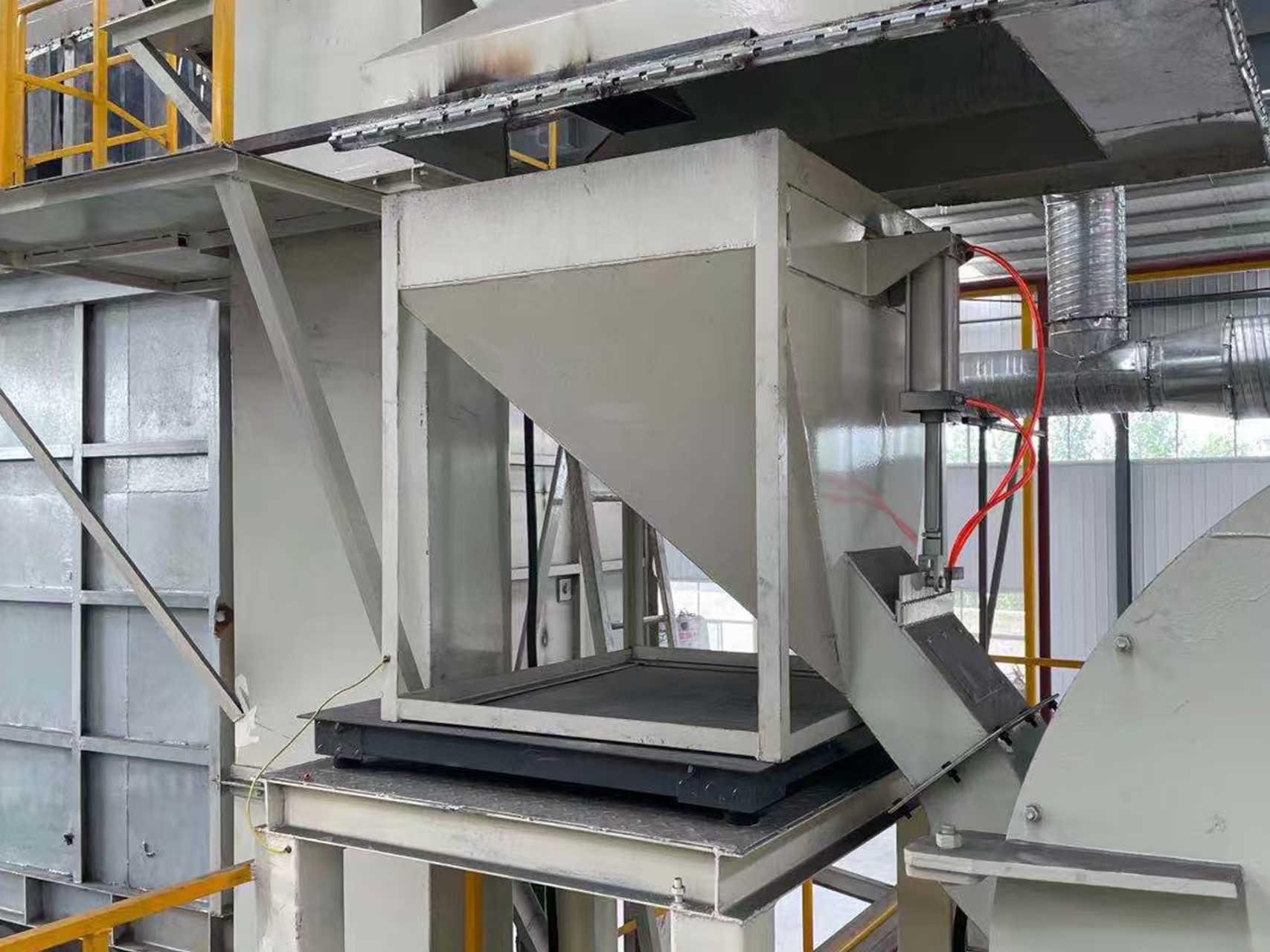
The anti-leakage hopper scale includes the hopper, the support frame used to support the hopper, the Electronic scale, and the upright rods set on the support frame. The lower end of the upright rods is equipped with the scale. The upper part of the hopper has several feed ports, and the lower part has an outlet port. A valve is set at the outlet port. The side wall of the hopper is equipped with a screw conveyor + exciter, and there is also a cleaning port on the side wall. A cleaning door is set at the cleaning port. During the discharging process, the screw conveyor + exciter drives the inner lining of the hopper to vibrate, which is beneficial for discharging. When crystals crystallize on the inner wall of the hopper, the cleaning door can be opened for manual cleaning. The batch-dispensing scale consists of a storage bin, a vibrating feeding chute, a hopper, and a discharging bin, etc. Among them, the storage bin is used to store the materials to be dispensed, the feeding chute is fed with materials to the scale hopper under the drive of the vibrating electromagnet, the scale hopper is fixed on the scale platform to achieve dynamic weighing of the materials, and the discharging bin is used to collect the materials discharged from the scale hopper. To improve the dispensing speed and quantitative accuracy, two sets of feeding and scale quantitative structures are adopted. The coarse quantitative feeding chute is wide, the material layer is thick, the vibration amplitude is large, and the volume of the scale hopper is also large, which is used to complete 90% of the scale quantitative dispensing; the fine quantitative feeding chute is narrow, the material layer is thin, the vibration amplitude is small, and the volume of the scale hopper is also small, completing the precise quantitative dispensing of the remaining amount after each bag of coarse quantitative dispensing. The scale quantitative batch-dispensing process is divided into coarse feeding and fine feeding, and the two operations are executed in sequence with two beats. Each set of scale structure executes two beats in sequence. The dispensing speed will be significantly increased, but due to the fixed width of the feeding chute, the single vibration feeding amount is large. Using two sets of scale structures working in parallel, each set of scale structure only executes two beats of the scheme, the coarse quantitative scale structure is responsible for the first two beats, the feeding chute is wide and fast; the fine quantitative electronic scale structure is responsible for the last two beats, the feeding chute is narrow and has high accuracy. While performing the "precise quantitative dispensing" of the ingredients, the next "coarse quantitative dispensing" begins. The two sets of scales operate in a flow-through manner, which not only improves the dispensing speed but also ensures the quantitative accuracy.
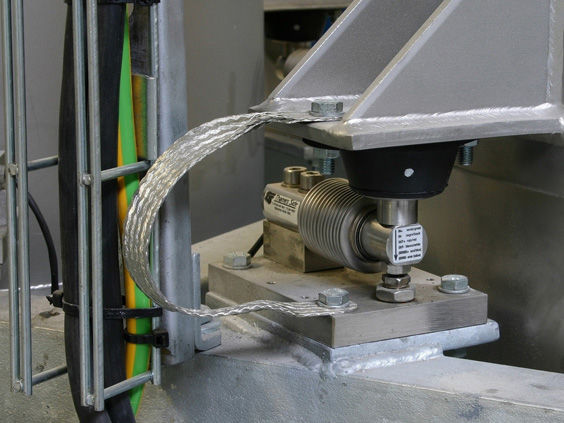
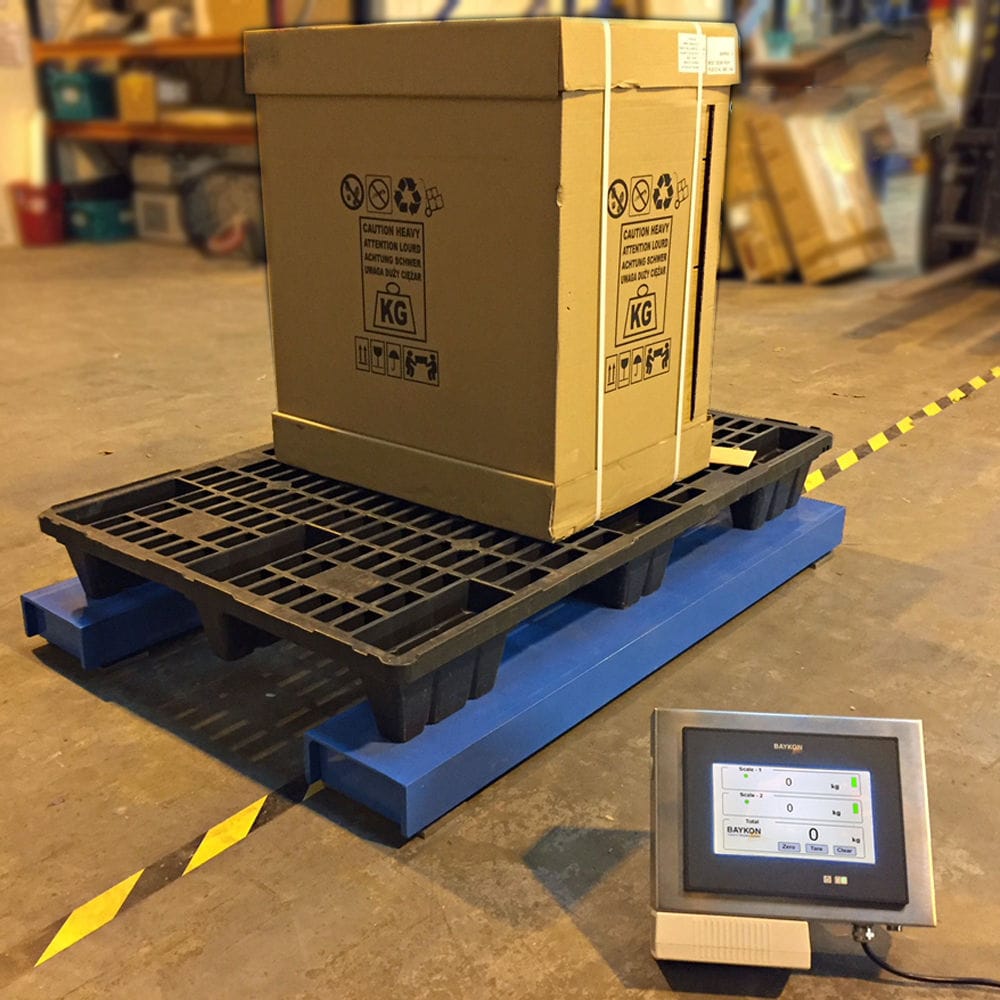
The electronic scale uses weighing sensors, amplifiers, filtering circuits, A/D conversion circuits, and a microprocessor of the weighing instrument to form a measurement and control system to complete the weighing and measurement of materials. The hopper scale is centered around a microprocessor weighing instrument, equipped with Weighing modules, amplifiers, A/D converters, and various electric actuators and Feeding machines, etc., to achieve dynamic online weighing and measurement of materials. During operation, the materials to be weighed are sent to the hopper scale → controlled feeding → dynamic quantitative weighing and measurement. Above the hopper scale is the finished product warehouse, where the raw materials are block-like materials sent by the batching mechanism. Below the hopper scale is an electrically-driven screw feeding device. When the motor is started, the block-like materials in the finished product warehouse rotate with the transmission cage and enter the hopper scale for weighing. Before falling into the hopper scale, the materials are mixed by the double planetary mixer device to reduce adhesion. On the hopper scale, there is a beam-type strain-type weighing module. The weight signal of the hopper scale is directly converted by this weighing sensor into a corresponding voltage signal, which is amplified by the amplifier and sent to the weighing instrument for data processing. When the preset value is reached, the PLC controls the motor to stop feeding, then the weighing instrument controls the hopper scale door to open and controls the conveying device to send it to the next packaging process. Thus, the automatic process of material weighing is completed.
The double-tube spiral Feeder used in the hopper scale is designed to move the materials by the rotation of the spiral body, in order to achieve the purpose of feeding at a certain distance. It mainly consists of 2 transmission tubes, 2 motors, a reduction device, a transmission gear, an input body, a spiral housing, an output body, an input adjustment device, and blades, etc. During operation, the motor drives the reducer and the spiral feeding device. The materials enter this machine through the input port and are uniformly and continuously sent to the output port, entering the next equipment. The two tubes are large and small in size. In the coarse feeding stage, both the large and small tubes feed materials rapidly simultaneously to increase the feeding speed. When the discharge reaches a certain weight and is approaching the rated value, the feeding of the large tube is stopped, and the feeding speed of the small tube is gradually reduced to ensure the feeding accuracy. This is done to solve the contradiction between the production feeding speed and the weighing measurement accuracy. At the same time, it should be noted that, without affecting the discharge, the hopper scale connected to the weighing module should be as close as possible to the discharge outlet of the conveying device. This can reduce the drop between the discharge outlet and the hopper scale, thereby reducing the impact on the weighing module and reducing the fluctuation of the weighing value.
The hopper scale adopts a rectangular structure and is fixed to the support through the weighing module. The bottom of the hopper scale is an adjustable door, which is connected to the motor through an adjustable lever. When the material discharge reaches the rated value, the microprocessor controls the motor through a relay to open the adjustable door, and the weighed material is thrown out to the next packaging process. However, due to the problem of material adhesion, it may cause the material stuck at the bottom of the hopper scale not to be completely thrown out, resulting in the material for the next packaging process not being at the rated value, which affects the accuracy of the material packaging value. The hopper scale adopts a conical structure, with a larger top and a smaller bottom, and three sides are flat, while one side is curved. This design makes it convenient for the material to enter from the top funnel and also reduces the size of the bottom to avoid spillage during feeding. One side of the hopper scale is equipped with a weighing module, which is fixed on the mounting frame. The sensor is installed between the hopper scale and the support. When installing the sensor, efforts should be made to ensure that the sensor is subjected to vertical force. The arc-shaped tray is installed on two sides of the weighing module, and a push rod is installed on the other side of the push rod, which is installed on the motor. When the motor rotates, the push rod pushes the tray to rise. The outer side of the hopper scale is designed as an arc shape, which matches the arc shape of the tray. This way, when the push rod pushes, the tray will slide to the outer side of the hopper scale; at the same time, the outer side sheet of the hopper scale serves as a shovel door, completely scooping the weighed quantitative material from the tray to the next equipment. Due to the friction and stress of the mechanical components, a layer of rubber material is added to the outer side of the hopper scale to protect the tray of the hopper scale.


