





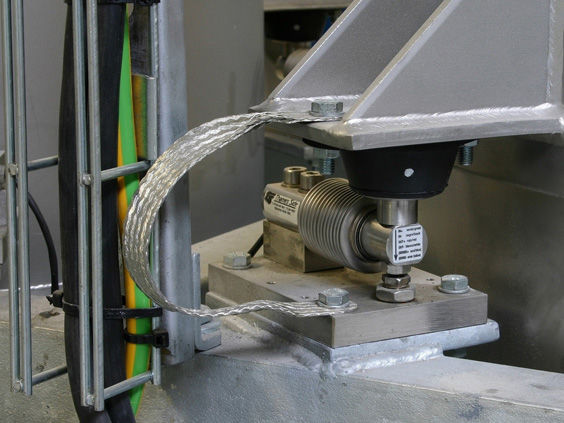
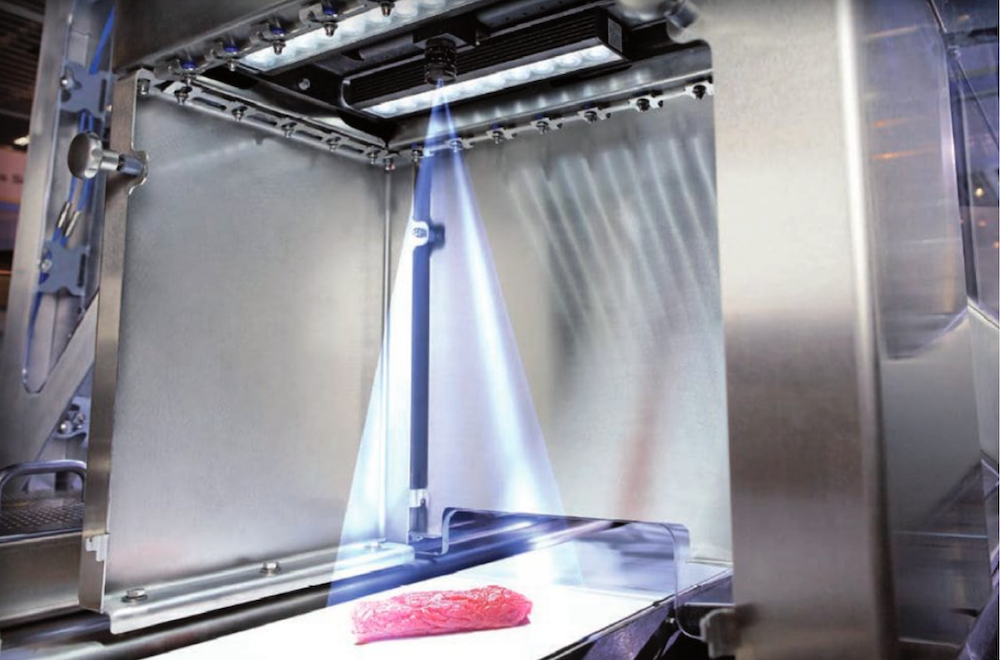
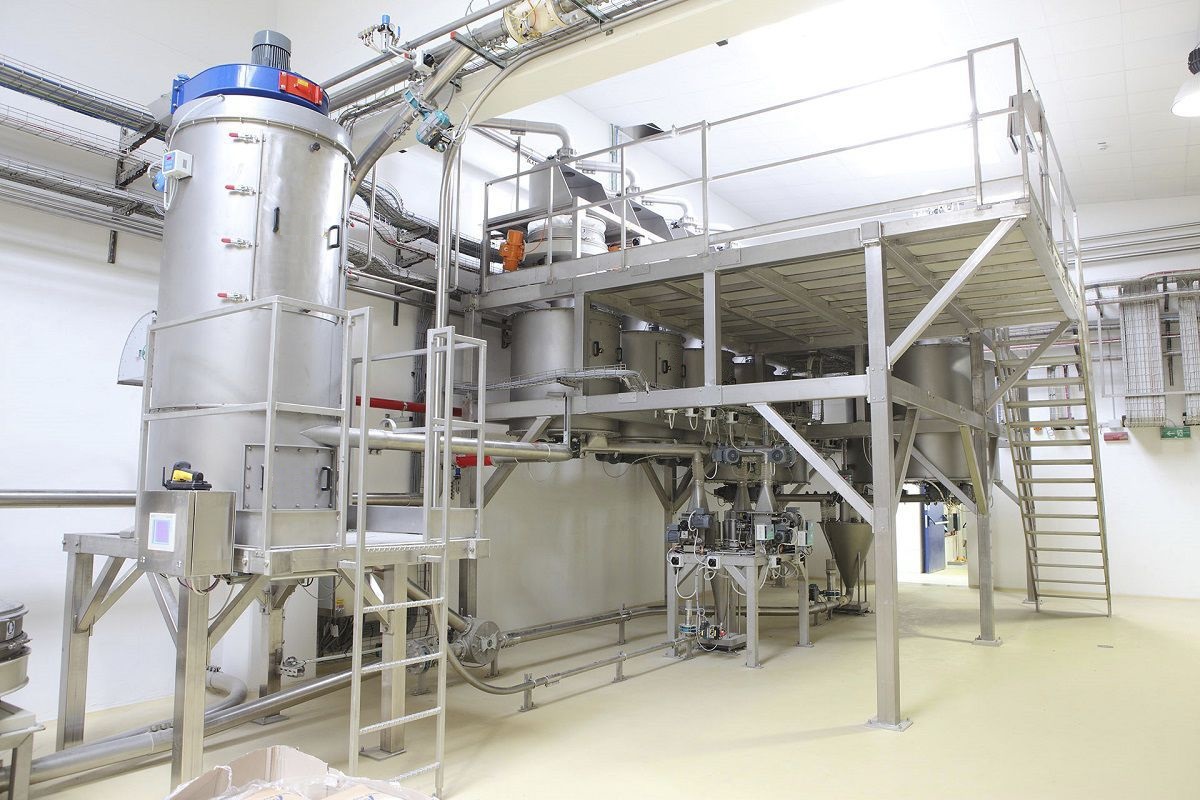
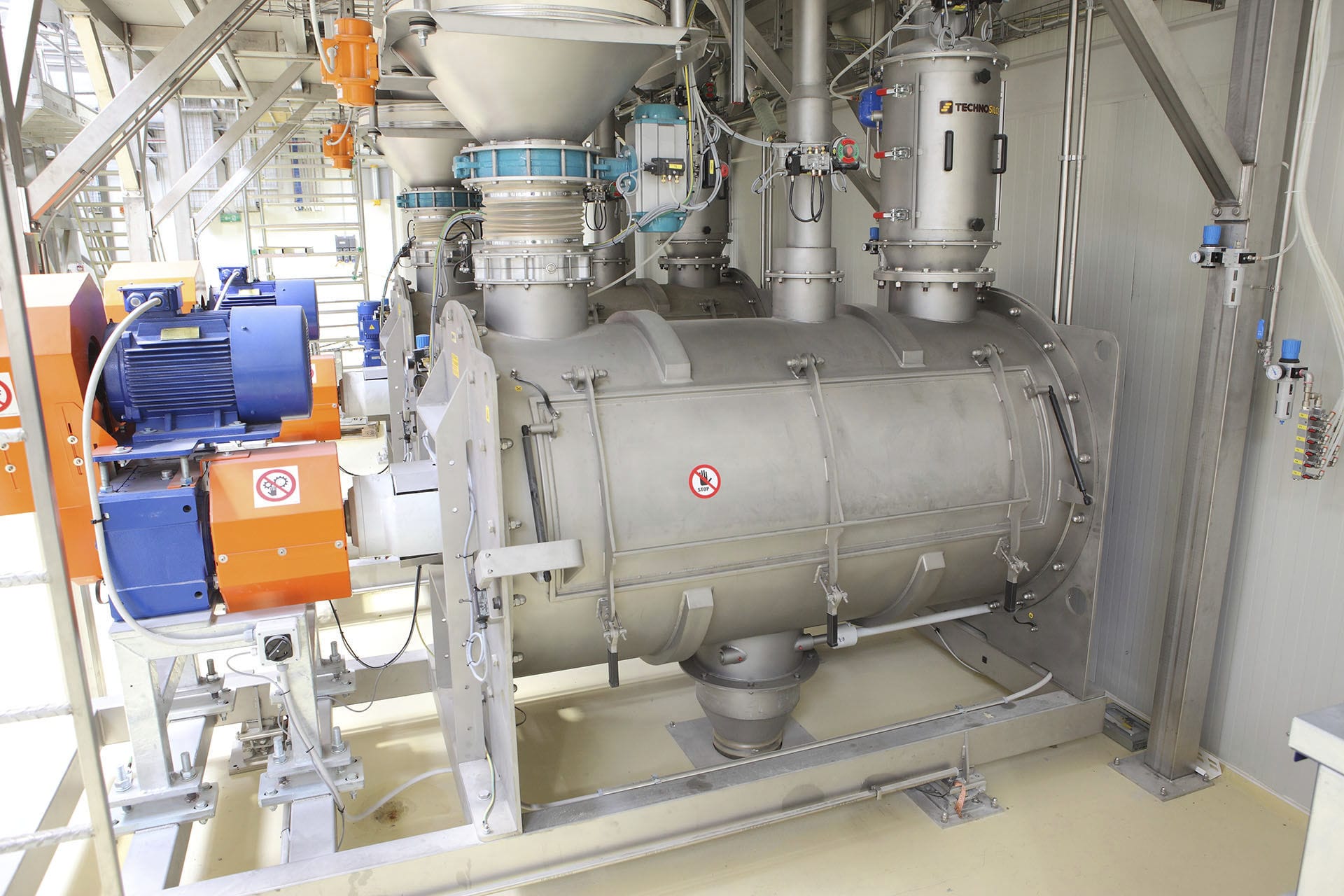
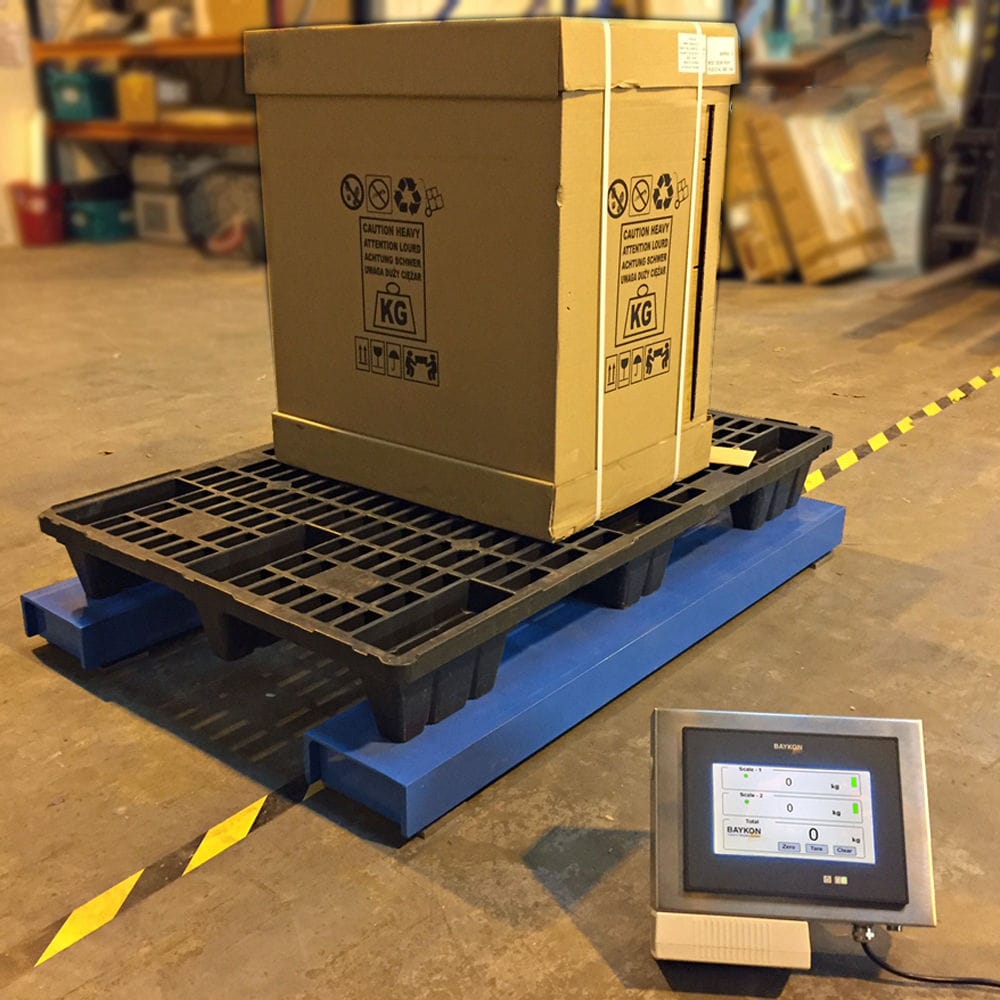


The hazardous waste weighing management system is used for weighing the incoming waste materials, printing the corresponding order information, and verifying the waste data information; the processing unit is used to determine the processing method of the waste materials, either for direct processing or temporary storage; the warehousing unit is used to bind the pallets based on the appearance and automatic weighing of the waste materials, and generate ID codes for each pallet; the sensing unit is used to track and manage the circulation of waste materials within the factory, and to monitor the disposal status, location, inventory quantity, and storage time of the waste materials in real time; the size detection unit is used to determine whether the dimensions of the bound pallets are placed in different warehouses. The ID code of the hazardous waste weighing management system is bound to all the information of this pallet, including the source of the waste, the time of warehousing, the detection information, the position status, and the warehouse included in the size detection unit, which includes ordinary warehouses and vertical warehouses. The out-of-storage unit issues instructions according to the plan to guide the out-of-storage work; the incineration and recycling unit is used for the incineration of waste materials and the return of remaining waste materials for storage.


 020-34563445
The hazardous waste weighing management system uses an Electronic scale for staff to input waste data information; a mobile PDA for staff to receive and issue instructions in real time; a display module for showing various information; a weighing management module for comprehensive management and scheduling of waste transportation to the factory, storage area for temporary storage, and final disposal; a disposal management module for the comprehensive management of waste outloading and waste destruction; and a database for storing waste data information, the status of temporarily stored waste disposal, waste location, inventory quantity, and the destruction information of already destroyed waste. The hazardous waste Weighing system transmits the source information such as production, weighing, and quality of the products to the regulatory network database through the regulatory code. Trading enterprises use the regulatory code for进货 inspection and acceptance, and transmit the进货 information to the regulatory network database. During sales, the sales information is transmitted to the regulatory network database. The weighing system, in order to achieve the purpose of hazardous waste supervision, needs to control the packaging and coding of hazardous waste (i.e., the regulatory code), and mark the regulatory code in the form of a barcode on the packaging. It can be scanned for recognition or recognized by the naked eye. The regulatory code is applied for issuance on the product monitoring information network according to the production plan formulated by the quality supervision department, and is related to the produced products. Before production, the regulatory code is imported into the coding system through the data interface, and during the packaging process, the coding system codes each layer of packaging and associates the barcodes of different layers of packaging, storing them in the database. The system sends the regulatory code-related data through the data interface to the product monitoring information network system according to the pre-set rules or the time point determined by human decision, and after the regulatory code is activated, it can be queried and managed during the circulation or use of the product.
The hazardous waste weighing management system includes but is not limited to waste material identification number, hazardous waste code, composition information, production quantity information and safety information. The waste verification unit is used for weighing the incoming waste materials, printing the corresponding order information and verifying the waste data information; the processing unit is used to determine the processing method of the waste materials, either direct processing or temporary storage processing; the warehousing unit is used to bind the trays based on the appearance and automatic weighing of the waste materials and generate ID codes for each tray; the sensing unit is used to track and manage the circulation of waste materials within the factory, real-time monitor the disposal status, location of the waste materials, inventory quantity and storage time; the size detection unit is used to determine whether the bound trays are placed in different warehouses according to their sizes. The ID code of the hazardous waste weighing management system is bound to all the information of this tray, including the source of the waste materials, the time of entry, the detection information, the location status, and the storage time of the warehouse included in the unit, such as the ordinary warehouse and the vertical warehouse. The out-of-storage unit issues instructions according to the plan to guide the out-of-storage work; the incineration and recycling unit is used for the incineration of waste materials and the return of remaining waste materials for storage.
The hazardous waste weighing management system will transport the waste materials that have been arranged for outbound to different processing areas based on different processing methods. Sensing units will be set up near each processing area. After the waste materials enter their respective processing areas, the sensing units will record this action and modify the location information stored in the waste material ID code. Arrange for the waste materials to be weighed and entered into the factory, print out the corresponding order information, and verify the waste material information. Based on the waste material information, determine whether the waste materials will be directly processed or unloaded and stored in the warehouse. For the waste materials that are arranged for storage in the warehouse, bind the pallets according to the appearance, weighing and RFID electronic tags, and generate an ID code for the pallet as the unit. Allocate the pallet size to the storage location and send them to the designated storage location via a shuttle vehicle. The staff issue a delivery instruction, dispatch the goods out of the warehouse, and conduct incineration treatment of the waste materials. Scan the ID code of the waste materials that are later unloaded from the warehouse and those that are directly processed to enter the processing area for pre-treatment of the waste materials. For the completely incinerated waste materials, return the empty pallets to the arrangement area for storage, and this waste material life cycle ends. For the partially incinerated waste materials, arrange for them to be transported back by a washed-down tanker and reweighed, and re-determine their processing method, including direct incineration or arrangement for storage and temporary storage in the warehouse.


