





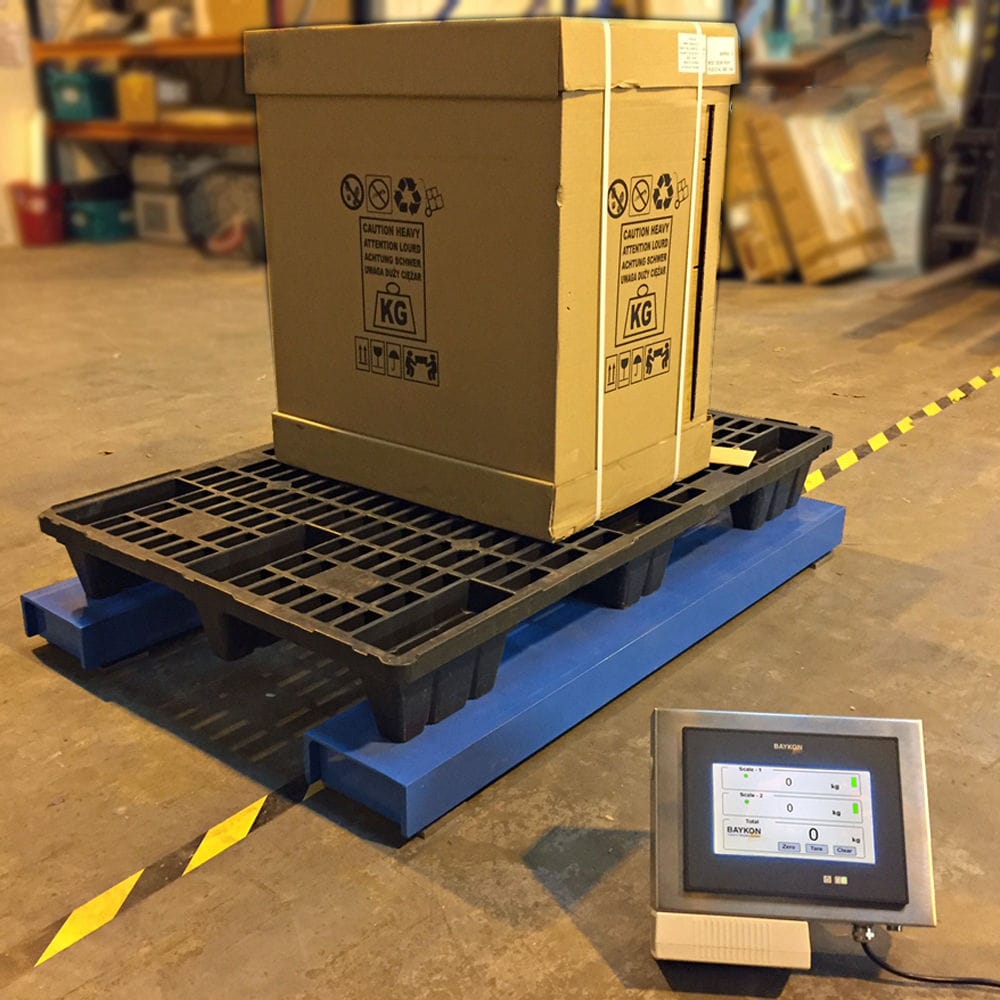


The hazardous waste weighing and coding system is equipped with a PDA terminal, which has the functions of automatically obtaining weight, removing the peel, and printing labels. The system automatically generates an inventory ledger, scans and submits for out-of-stock, automatically generates an out-of-stock list, and uses the IoT handheld terminal to operate the transfer. It can modify the warehouse and position attributes of the already-inventoryed hazardous waste, provide inventory checking function, offer the function of reprinting labels for missing labels, and for the already-out-of-stock hazardous waste, batch scanning of the QR code for submission can return it to the inventory status, and scanning the QR code can query the relevant information of the label.


 020-34563445
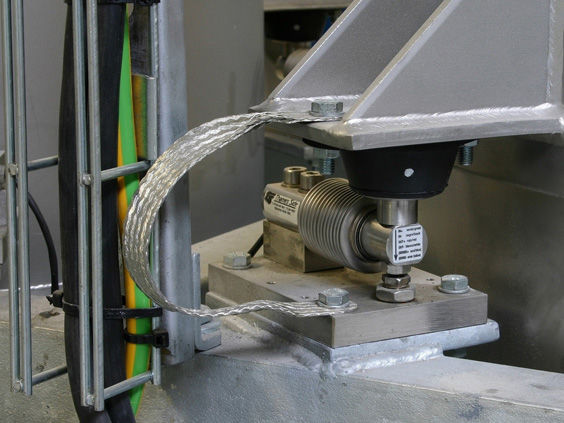
The hazardous waste coding system is a Weighing system for waste. It utilizes Electronic scales, electronic tags, and monitoring equipment to monitor the entire process from the generation to the transfer of hazardous waste. It collects data for inbound and outbound storage, implements information management of electronic ledgers, and conducts automated declaration of management ledgers. Through the application of intelligent equipment, the generation, storage, transfer, and disposal of hazardous waste can be managed in a refined manner. The electronic scales are equipped with touch screens, scanning functions, and printers, enabling real-time data upload and ledger management, and automatically obtaining weights and printing labels. This ensures that every aspect of hazardous waste from production to circulation is transparent and traceable. Through high-precision weighing functions, the weight records of hazardous waste are accurate without error. Through connection with the weighing system, data can be automatically transmitted, significantly reducing human intervention and errors.
The hazardous waste weighing and coding system can maintain and manage the basic information of the waste-producing units, transportation units, and disposal enterprises. It provides functions such as contract entry, review, renewal, printing, contract expiration reminder, etc., and manages the warehouse, maintaining the warehouse, storage positions, and storage locations. Business personnel or waste-producing unit staff can make vehicle reservations on the system, and the vehicle dispatch personnel will dispatch vehicles based on the reservation information. Based on the existing inventory information, a withdrawal plan is formulated, an out-of-stock list is printed, the inventory ledger is queried according to the search conditions, and it can be exported as PDF or Excel. The inbound and outbound inventory ledgers are automatically generated by the system, and the out-of-stock can be submitted by scanning the code. The out-of-stock list is automatically generated by the system, and the settlement list is automatically generated based on the inventory details and the disposal unit price agreed upon in the contract. It can be exported as PDF according to the fixed board. The inventory reports and out-of-stock reports are calculated by dimensions such as year, month, hazardous waste category, region, and industry. The system roles, users, and organizations are maintained. Authorization can be performed according to the system roles. The hazardous waste weighing system is equipped with a PDA end, which has the functions of automatically obtaining weight, removing the peel, and printing labels. The system automatically generates the inbound inventory ledger, submits the out-of-stock by scanning the code, automatically generates the out-of-stock list, and operates the transfer by using the IoT handheld terminal. The warehouse and storage position attributes of the already-inbound hazardous waste can be modified, the inventory counting function is provided, the label reprinting function for missing labels is available, and the batch scanning of QR codes for already-outbound hazardous waste after submission can return to the inbound status and query the relevant information of the label by scanning the QR code.
The coding system consists of a weighing system and a user end. The user end communicates with the weighing system via wireless technology. This invention starts from the source where hazardous waste is likely to be generated, precisely locates and tracks it, and supervises the entire recycling process through the weighing system to ensure efficient and orderly recycling management of hazardous waste. The weighing system is composed of an information storage module, an early warning management module, and a value calculation module. Specifically, it includes an exclusive QR code generation module, a primary information push module, a primary information collection module, a secondary information collection module, a secondary information push module, a third-level information collection module, a third-level information push module, a fourth-level information collection module, and user ends including mobile phones, tablet computers, laptops, and desktop computers. The user end communicates with the weighing system via wireless technology. The exclusive QR code generation module randomly generates exclusive QR codes for users, which can accurately record the information of different user ends. Then, this user-exclusive QR code is printed on the shopping bag or recycling packaging. The primary information push module pushes important information such as national environmental protection policies, regulations, and laws to the user end in real time. The primary information collection module is used to store the user information of those who purchase goods from the source of hazardous waste. Users can authorize login by scanning the QR code on the shopping bag or recycling packaging.
The secondary information collection module of the hazardous waste weighing system is used to store the information of the primary recycling units for hazardous waste. When the primary recycling units receive hazardous waste, they scan and authorize the registration information. The secondary information push module transmits the storage information of this batch of hazardous waste to the hazardous waste transportation unit. The third-level information collection module is used to store the information of the hazardous waste transportation unit. The hazardous waste transportation unit realizes precise transportation based on the information sent by the weighing system, and scans and authorizes the registration information when transporting. The secondary information push module transmits the transportation information of the hazardous waste transportation unit to the designated ultimate recycling unit. The fourth-level information collection module is used to store the information of the ultimate recycling unit. After the designated ultimate recycling unit receives the information from the hazardous waste transportation unit, it begins to prepare for the disposal of hazardous waste. When the hazardous waste reaches the ultimate recycling unit, the staff scans the QR code on the shopping bag or the recycling packaging to complete the information collection. The hazardous waste recycling weighing system also includes an information storage module and an early warning management module. The wireless technologies for communication connection between the user end and the weighing system include WiFi, Bluetooth, and 4G, etc.


