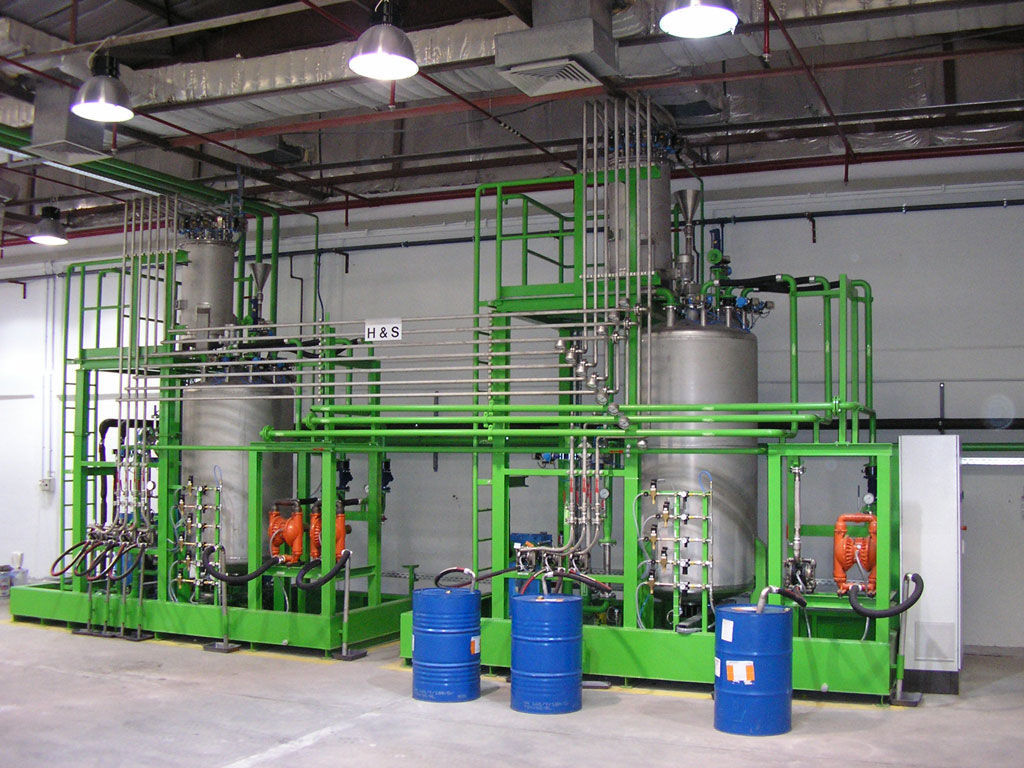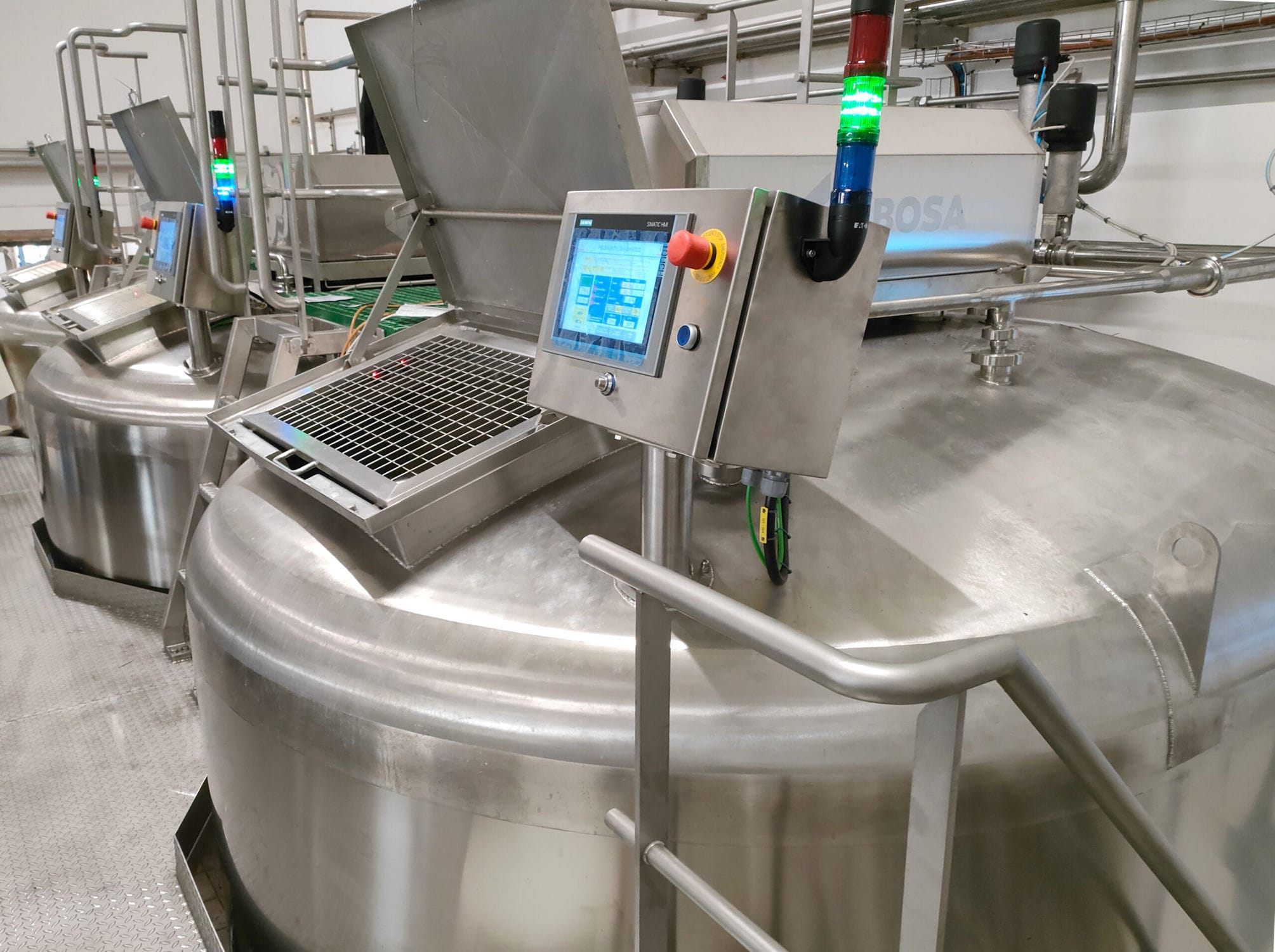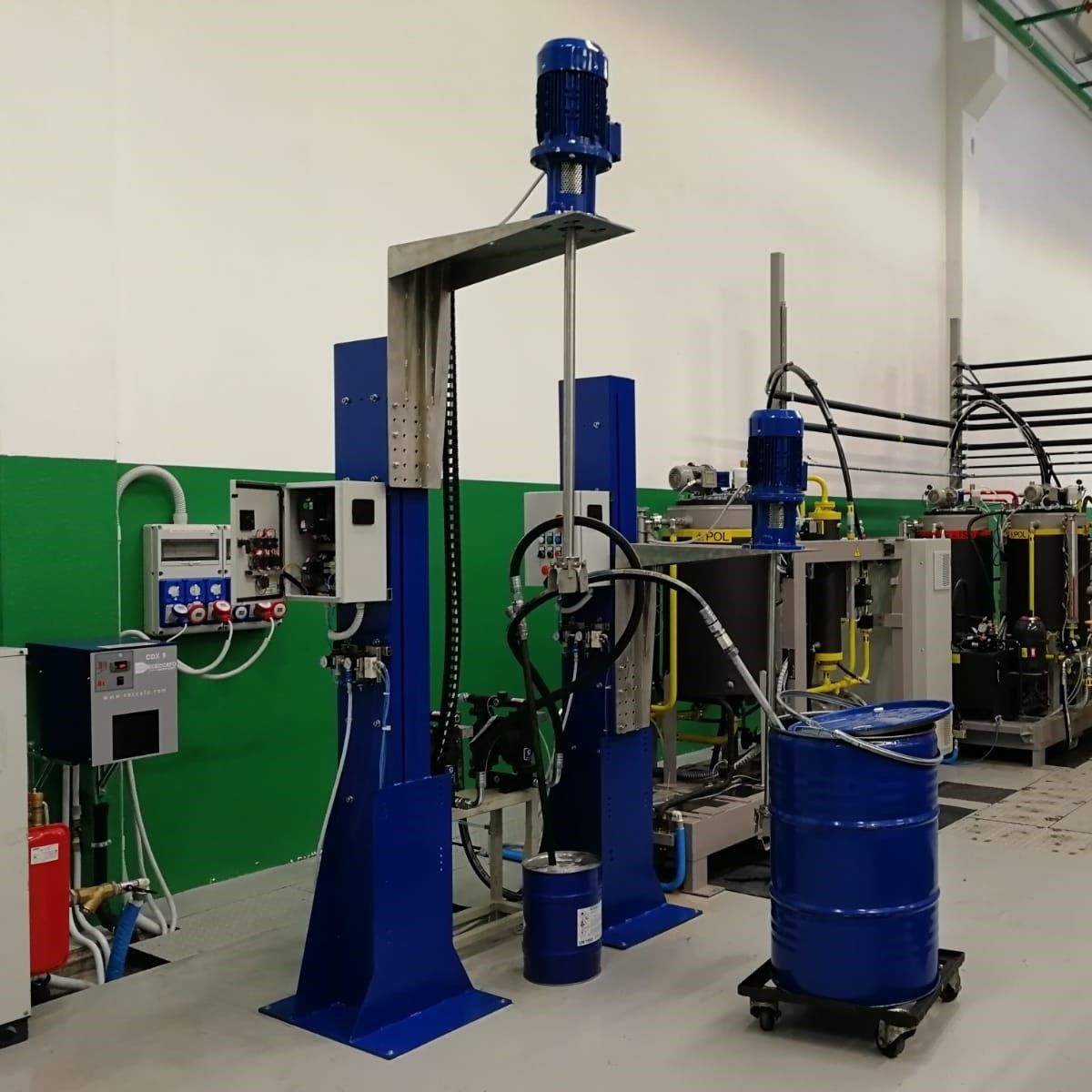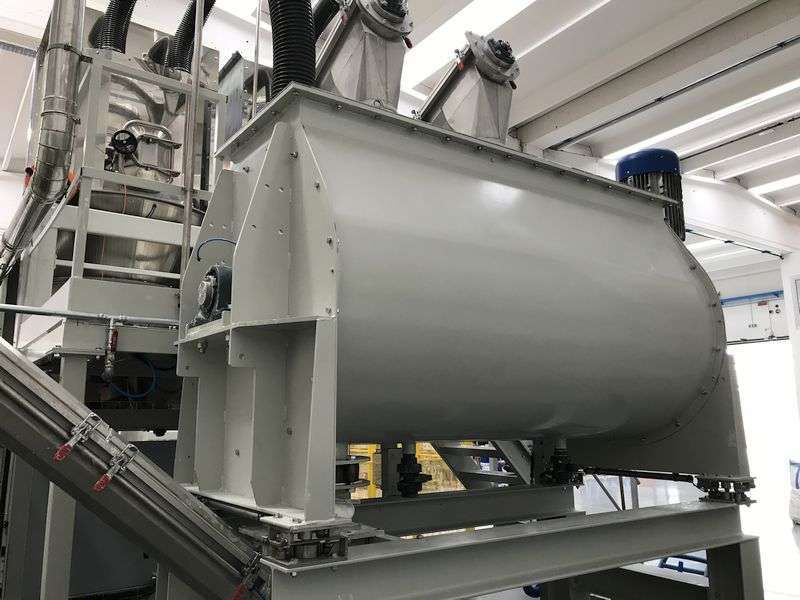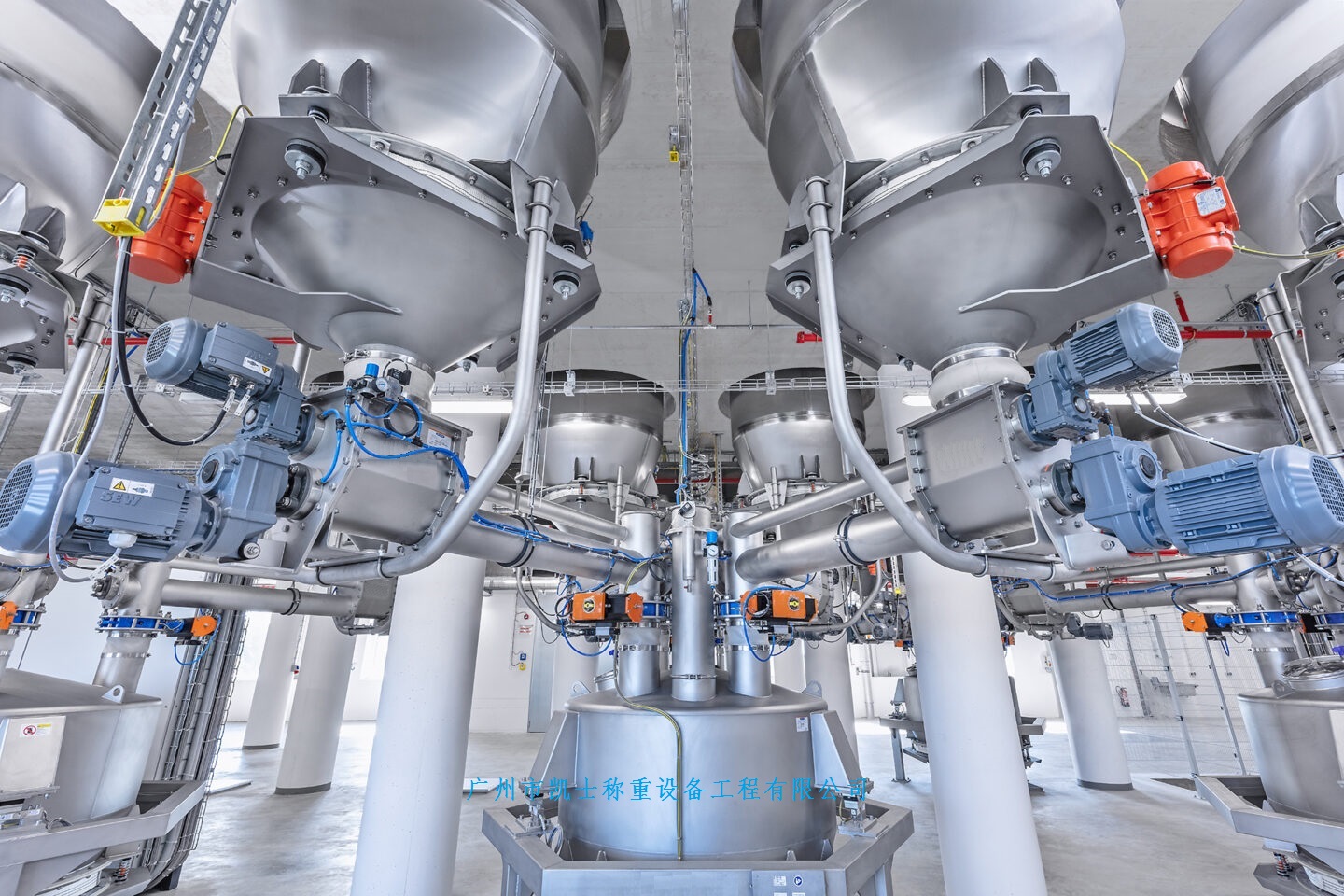




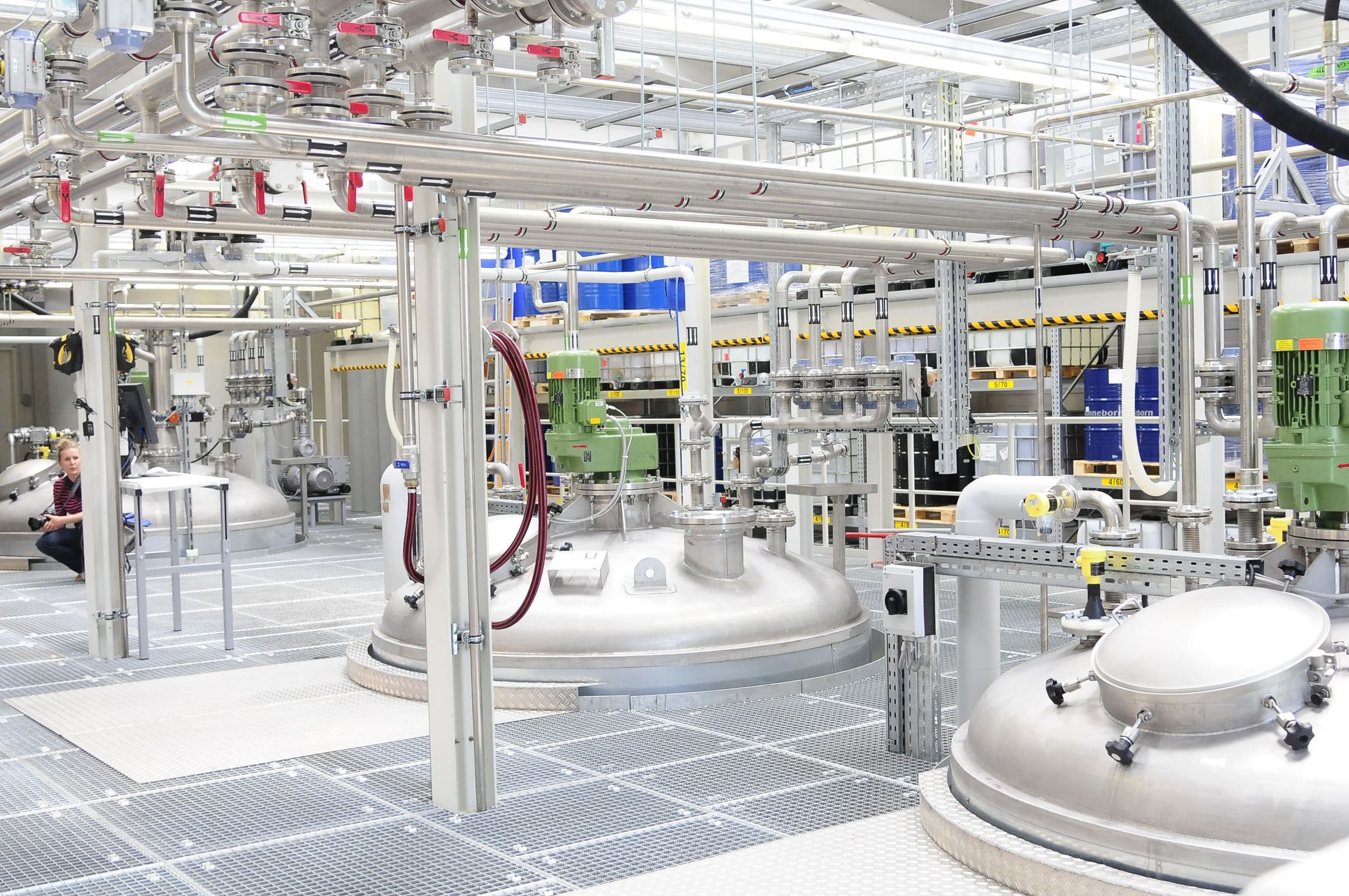


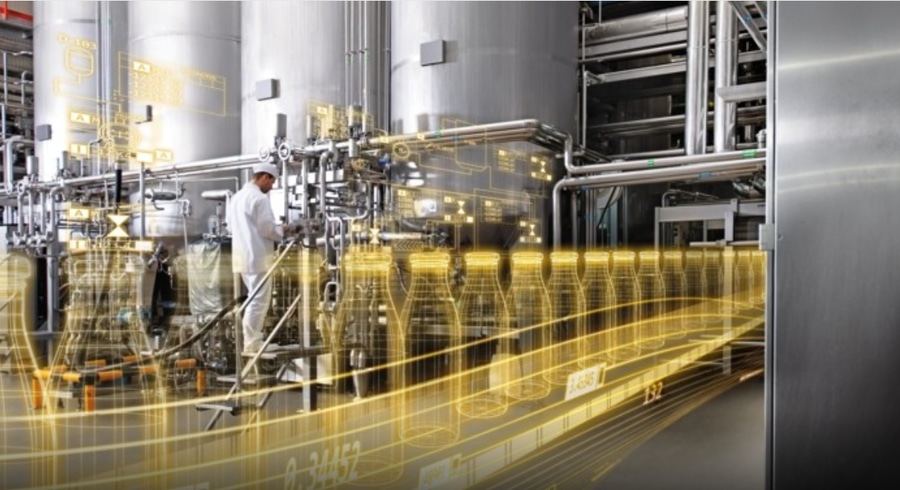
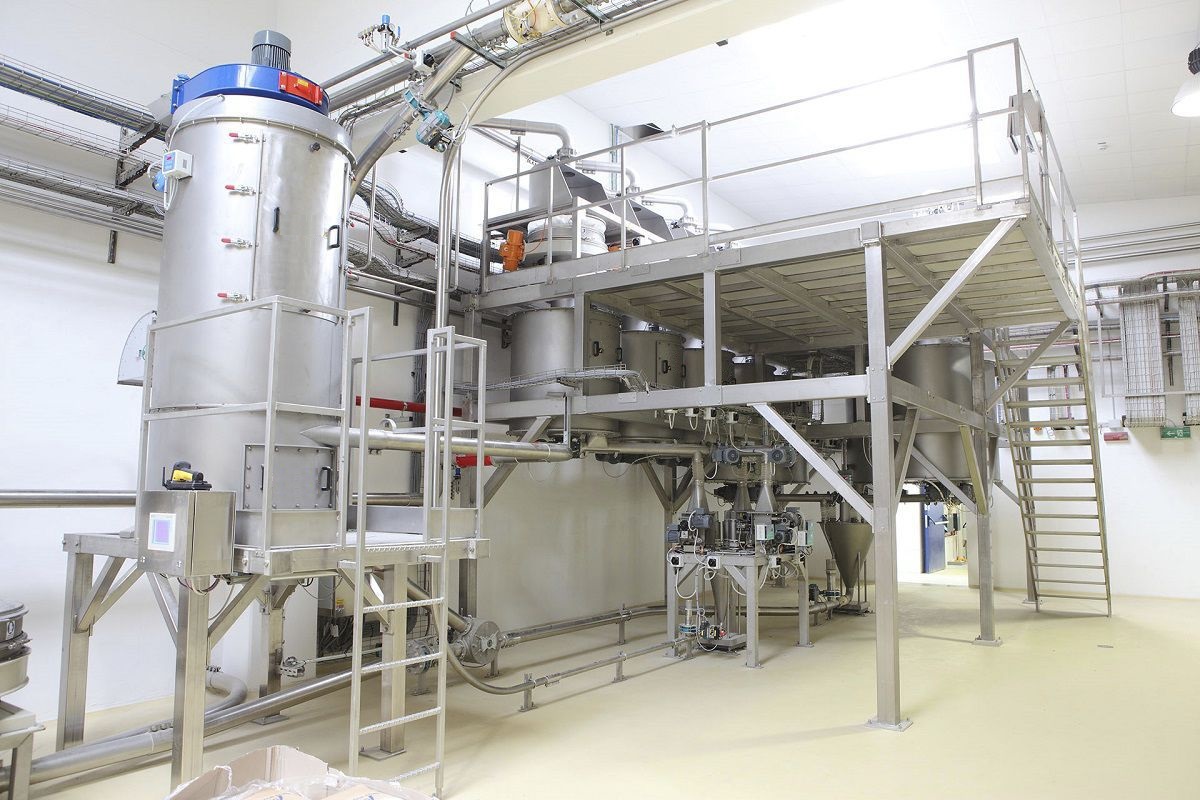
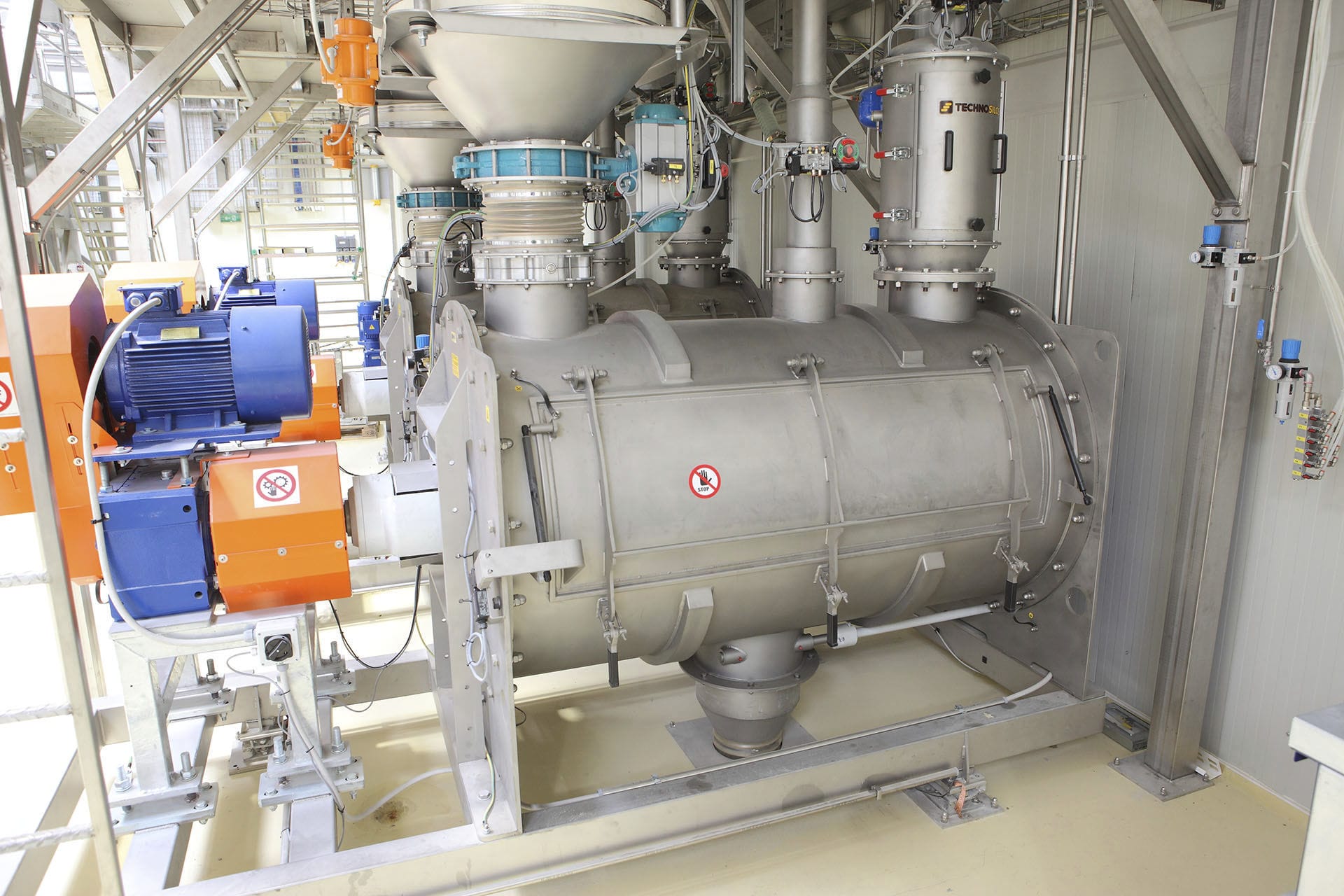
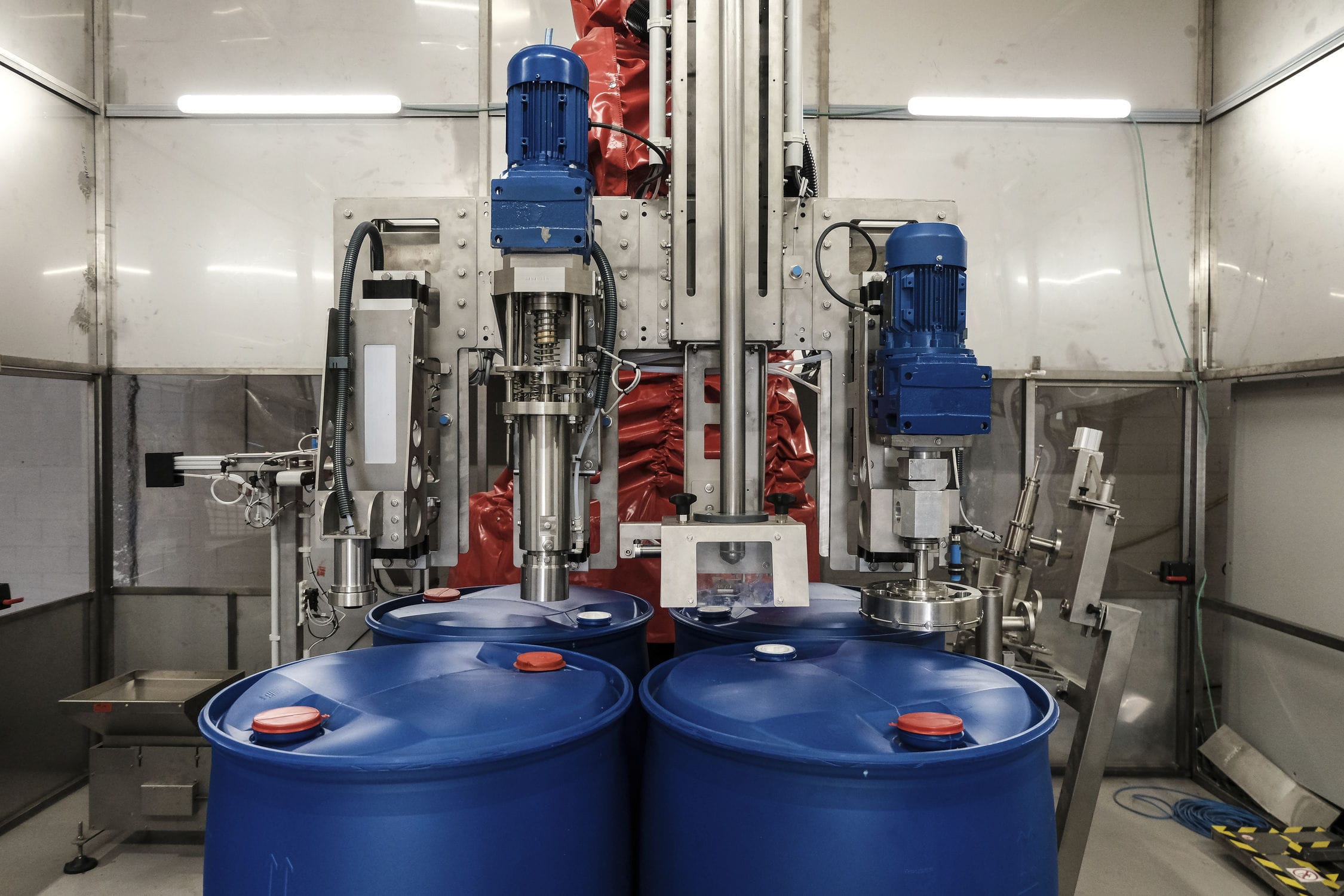
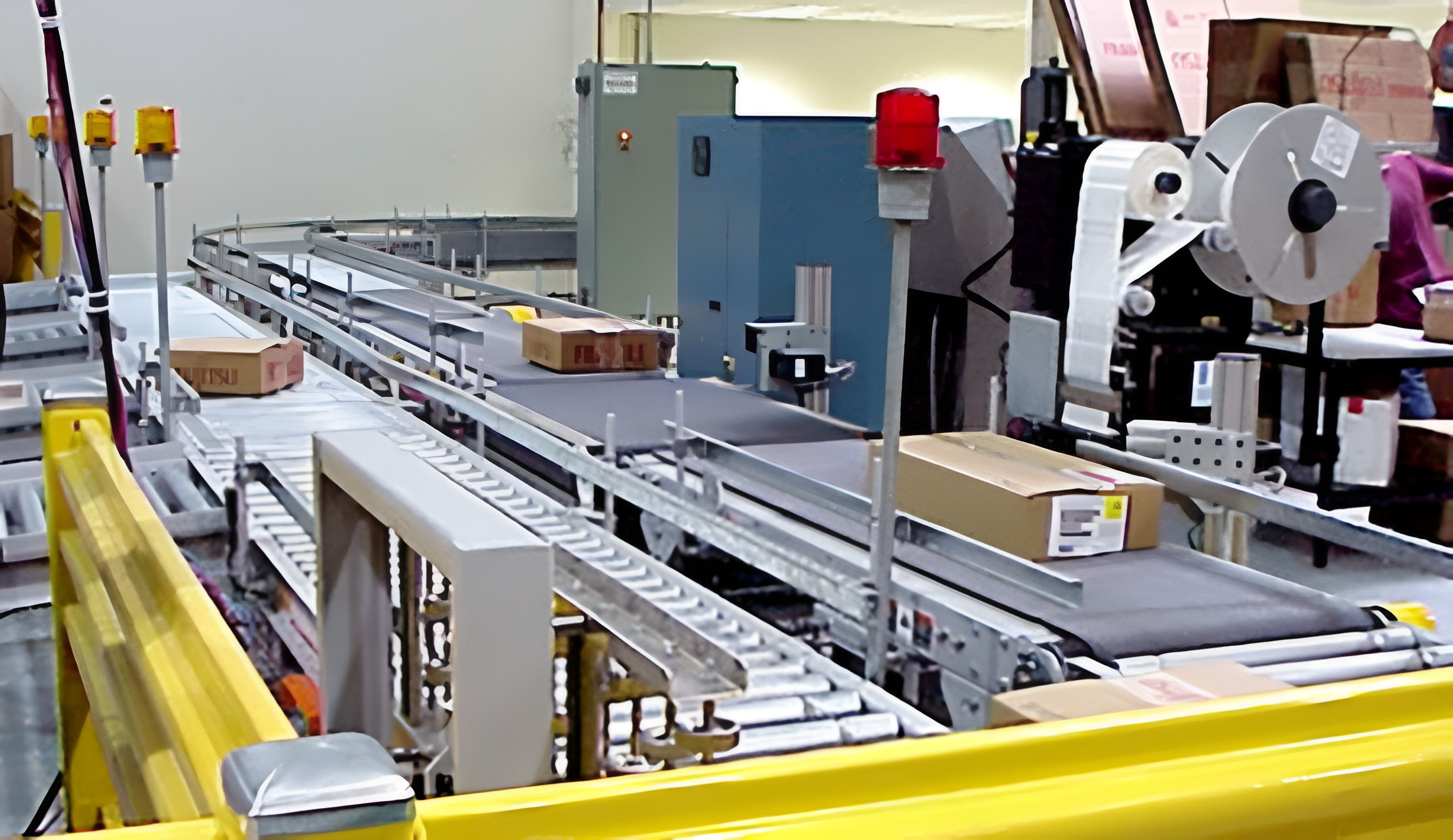


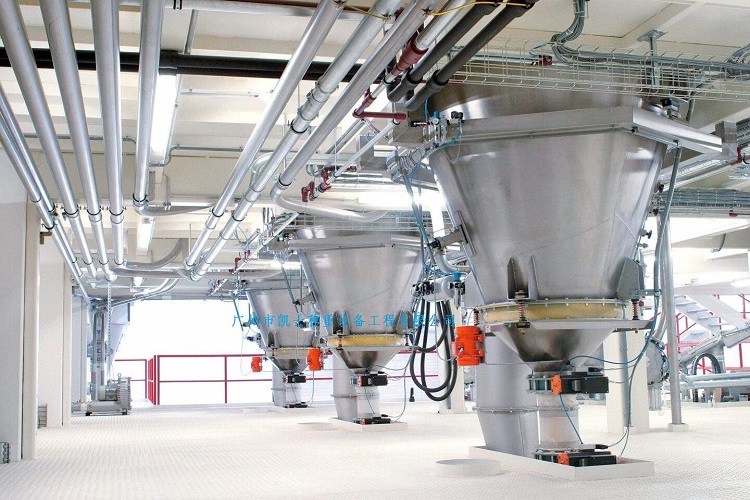
The automatic feeding system adopts S7-300 series products of Siemens, which ensures the progress and stability of weighing system technology. Choose easy viewing color touch screen as the human-machine interface. Signals such as speed, temperature, pressure, flow rate, valve switch and filling system operating status are collected and exchanged with the man-machine interface through RS485. To ensure reliability, all process indicators such as temperature and pressure are measured and displayed by two remote and on-site control systems. Through on-site process parameter measurement, signal transmission, centralized display and program control, signal feedback and on-site execution, the automatic control and adjustment of temperature and pressure in the production process are realized.

 020-34563445
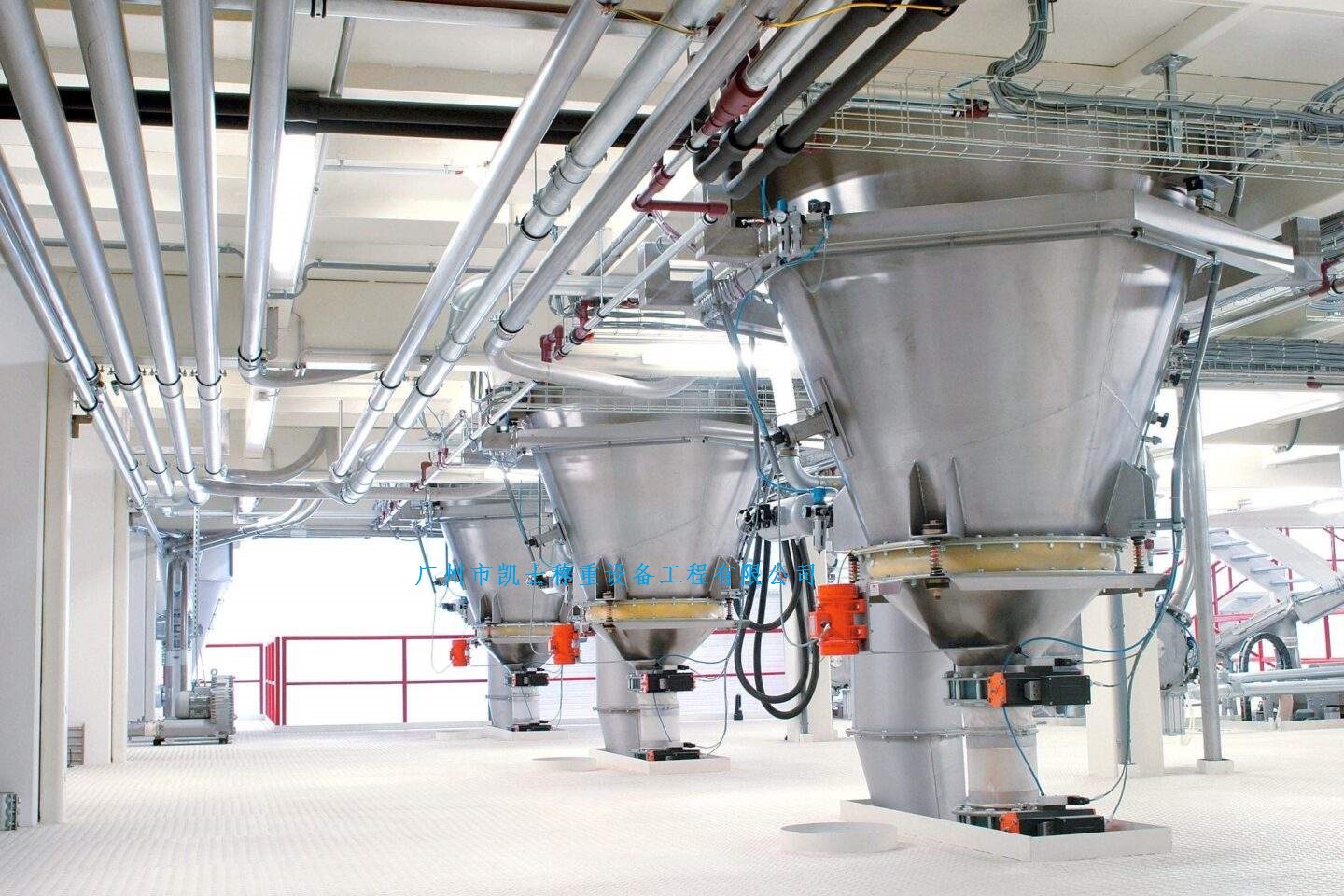
The automatic feeding system automatically weighs all kinds of materials according to the pre-set dosing plan of the user, automatically controls all aspects of dosing, and completes the dosing process. The key to accurate dosing is to control the speed and start and stop of the feeding motor. In the dosing process, according to the amount of feeding, the speed of the motor is controlled. It is divided into different feeding modes such as high speed feeding and low speed feeding, which can improve the working efficiency of the system and improve the accuracy of dosing. When the difference between the actual cutting and the set value is large, the high-speed cutting mode is used, which can improve the working efficiency of the system. When the blanking value is close to the set value, the low-speed blanking mode is adopted. Due to the retention of materials in the air between the blanking port and the tray, the motor stops rotating when the control lead is reached. When the actual batching process reaches the control lead amount, due to the difference in material density, the quality of the air material retained after the motor stops rotating is different, so the system should be able to set the lead amount of the motor stop according to the actual operating condition. The end time of feeding is determined according to the drop compensation coefficient of each material. After the weighing hopper is stabilized, the final weight of the material in the hopper is read and compared with the set value, which is used as the basis for re-selecting the correction coefficient of batching drop next time. In other words, the average value of the measured drop value and the drop compensation value of the last batch is used to compensate the drop. This method can improve the accuracy of the Batching system with the increase of the number of batching.
By combining computer technology with traditional relay control system, automatic batching system can realize highly flexible and reliable industrial control. In the automatic batching system, PLC is mainly responsible for receiving external switching signals, in order to judge the operating status of the current system, and output a variety of control signals, control contactors, relays, solenoid valves and other components for corresponding action. According to the specific batching process, at the beginning of the batching, the motor runs normally, the feeding system is fed at a high speed, and the PLC point control mode is used when the weight of the material is close to the target value, so as to ensure the requirements of the measurement accuracy of the material. In addition, it is also responsible for receiving the control command of the upper computer to complete the control of automatic batching.
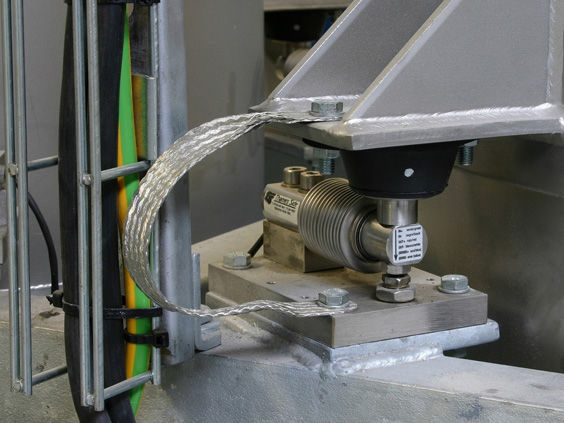
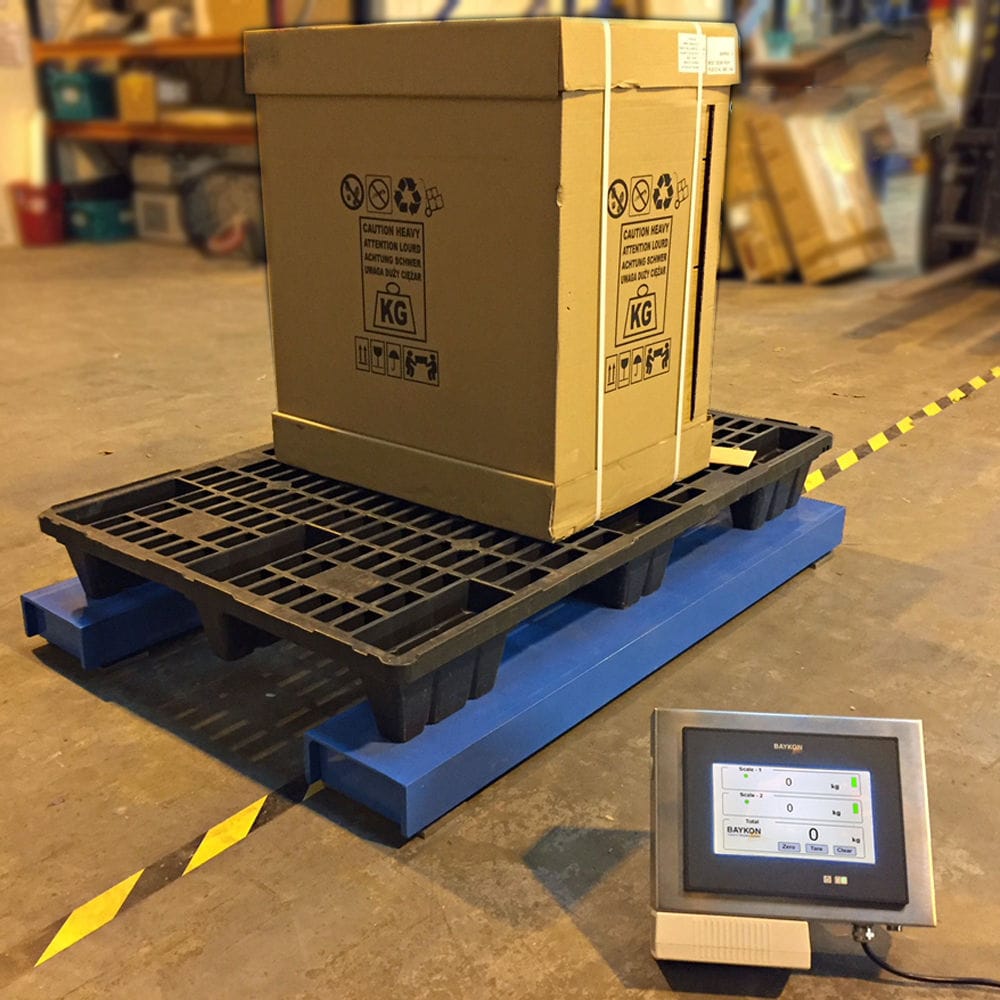
Weighing instruments are generally customized for quantitative packaging, sorting and automatic batching applications, with the function of collecting weight signals and processing, issuing corresponding control signals, convenient installation and debugging, is a more common control mode in the current batching. The use of weighing instrument to detect and control the materials can overcome the shortcomings of low accuracy of the ingredients, and has the advantages of directly realizing the mass ratio and high reliability. Weighing instruments generally have two kinds of fast and slow feeding speed, the use of fast feeding at the beginning of the dosing, fast feeding is to determine the feeding amount for the slow feeding process, to reach the set value after the slow feeding, slow feeding is to compensate for the impact of flying material in the air, so that the weighing value as close to the set value as possible. According to the actual production process, the weighing instrument is set, and the fast and slow leading amount are set reasonably, so that the batching precision can be controlled better. Through the test of the batching process, for different materials, according to the error of multiple measurements, the control lead is set. This control method is suitable for the production process with uniform feed speed. If the feed speed fluctuates greatly, the quantitative deviation will be large and the batching accuracy will be affected.