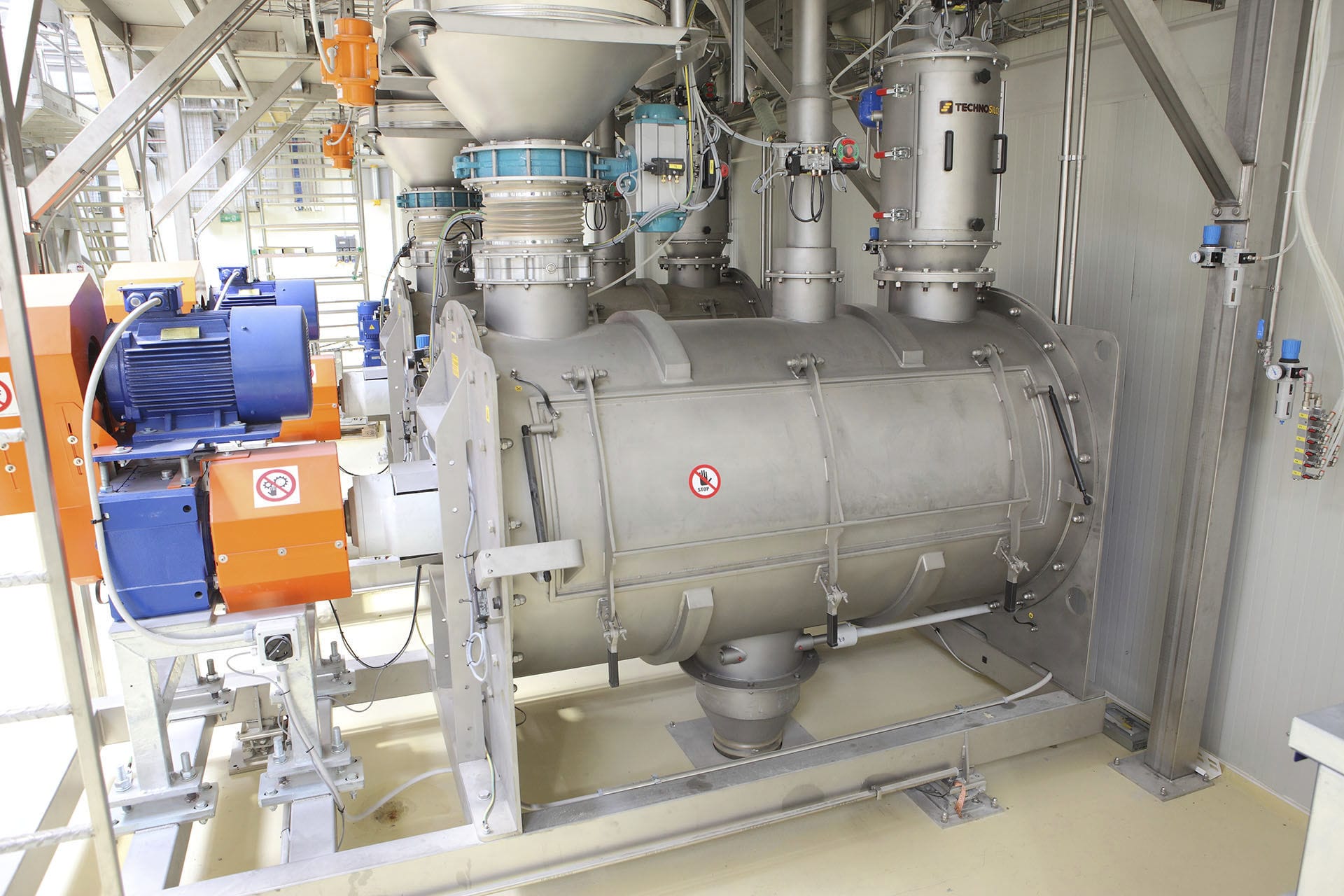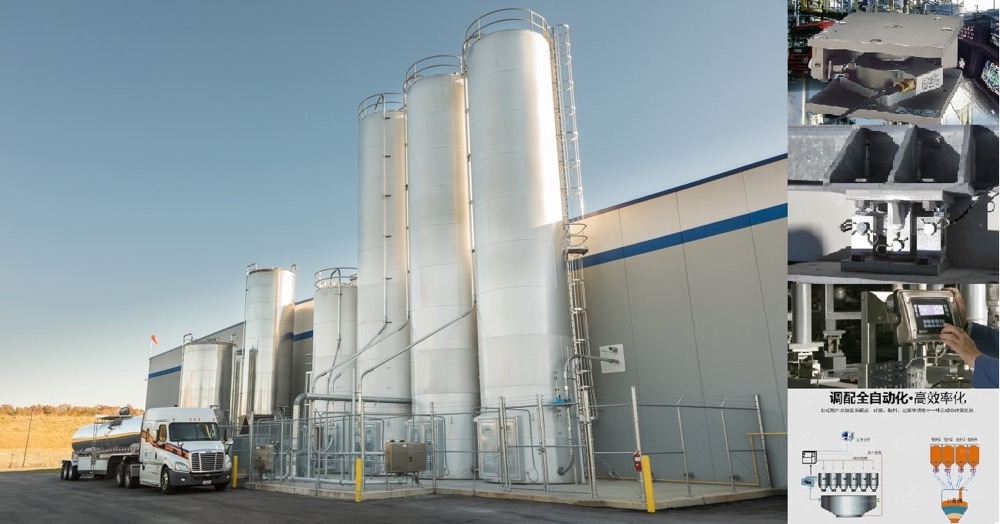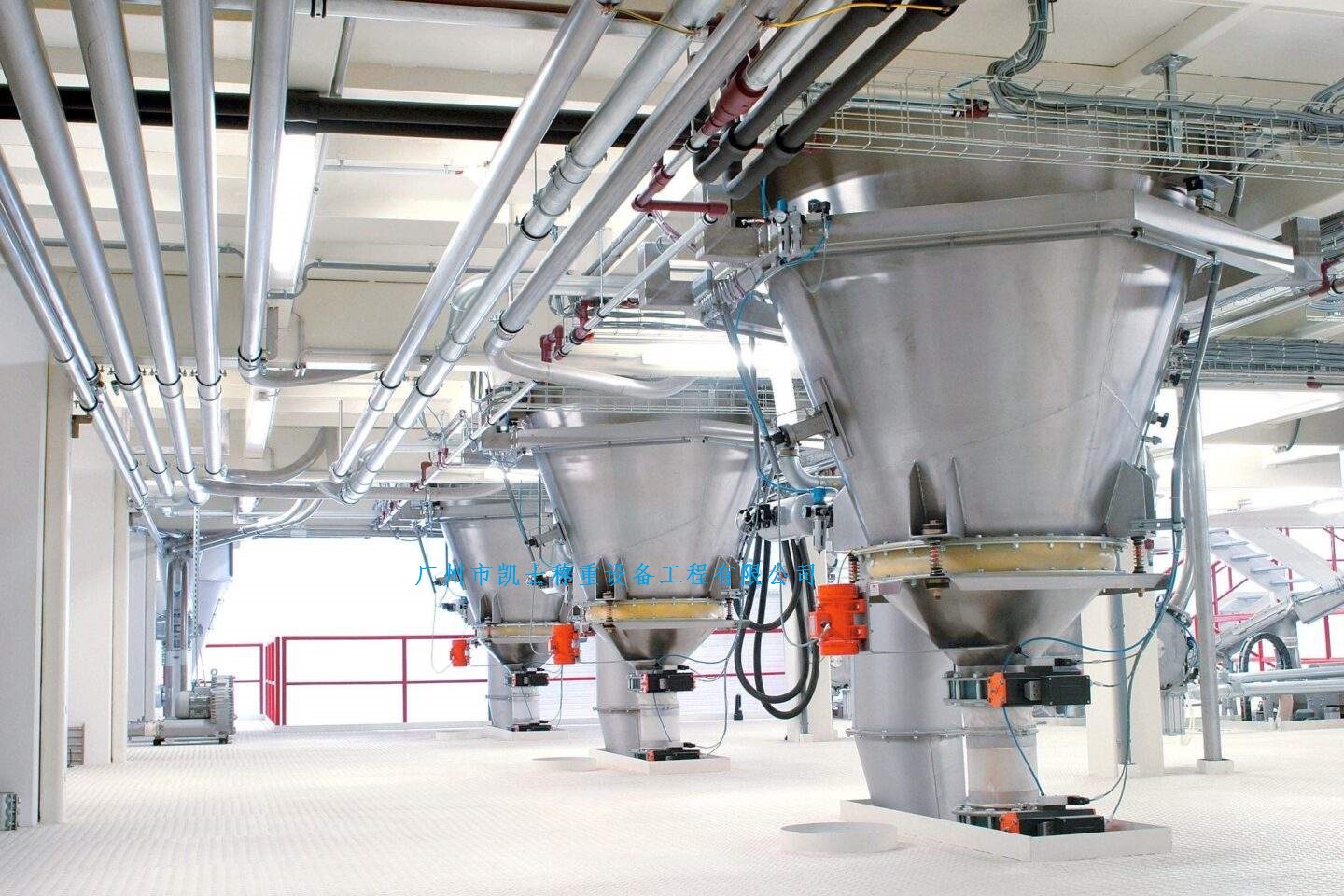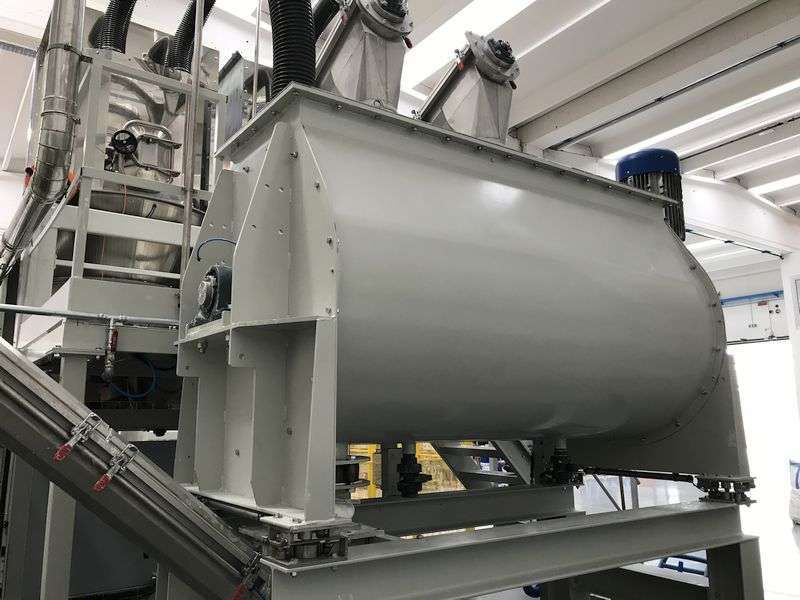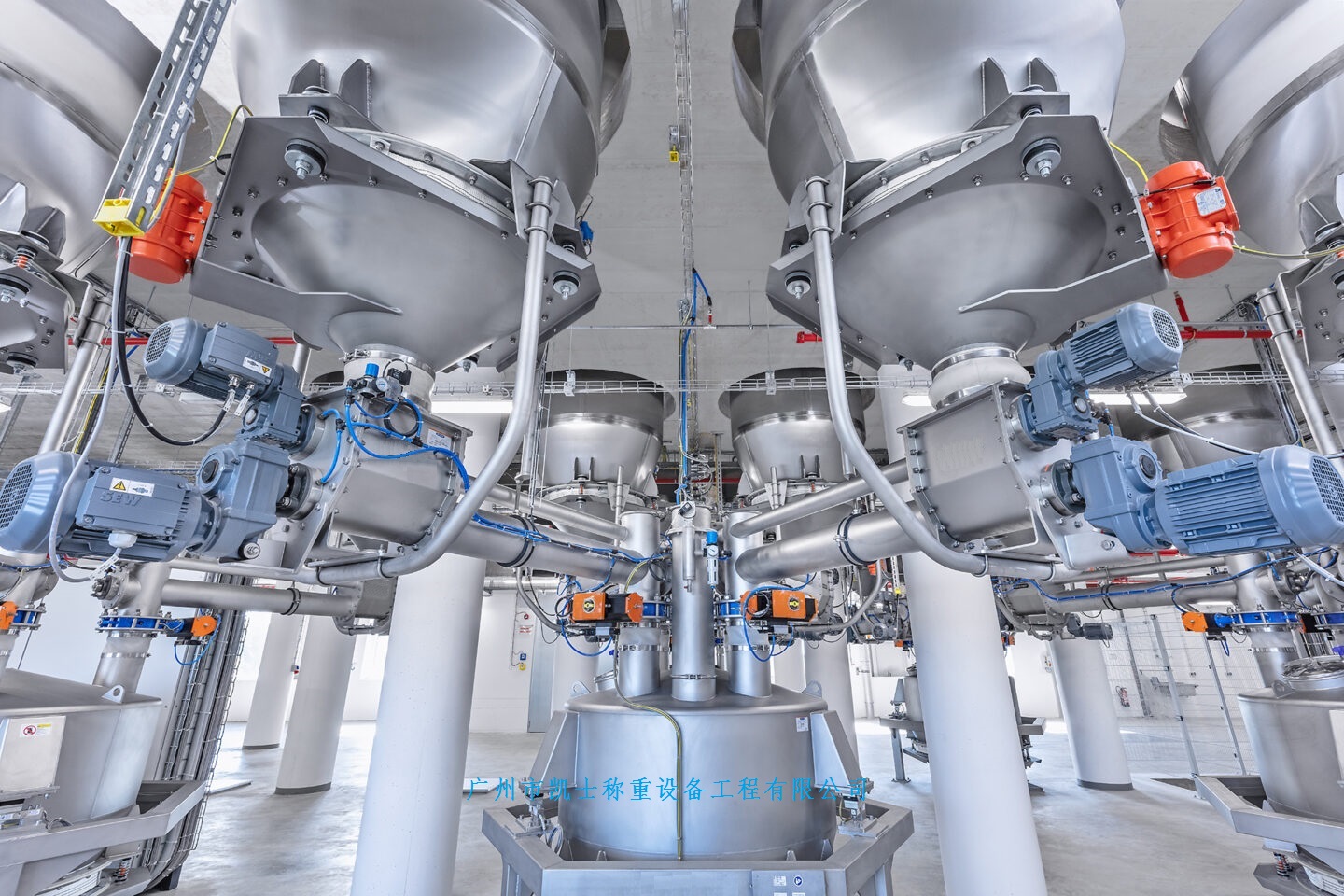


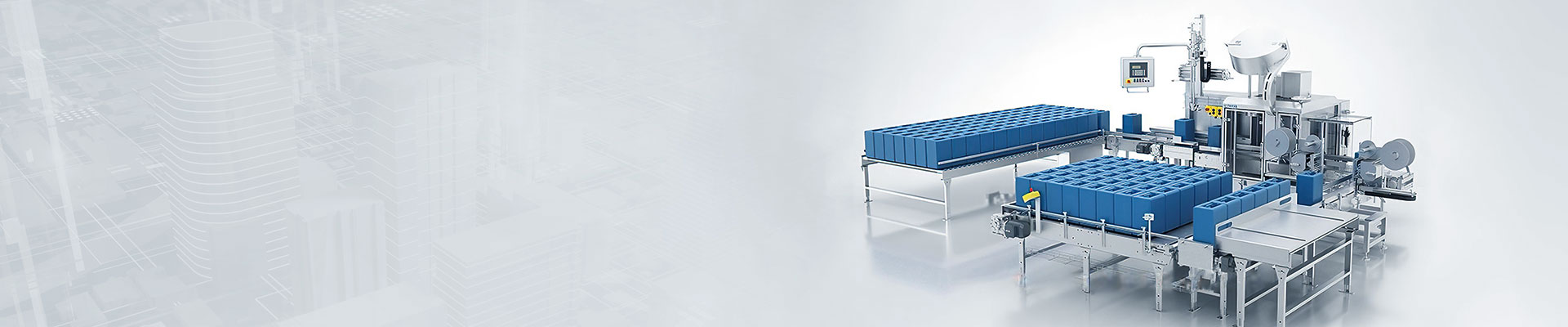



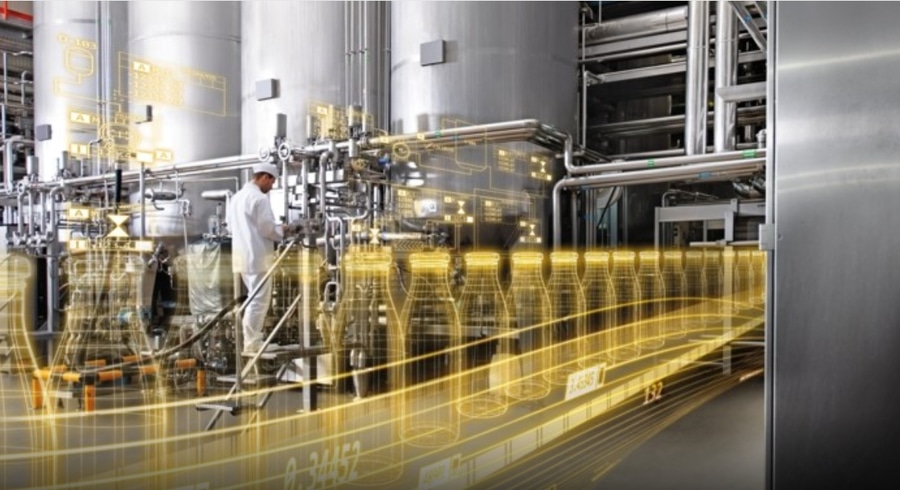
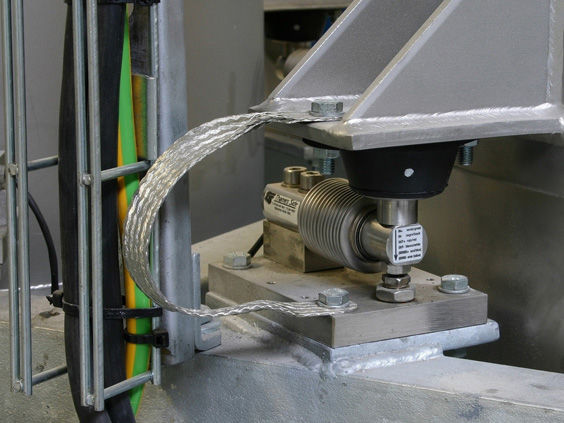
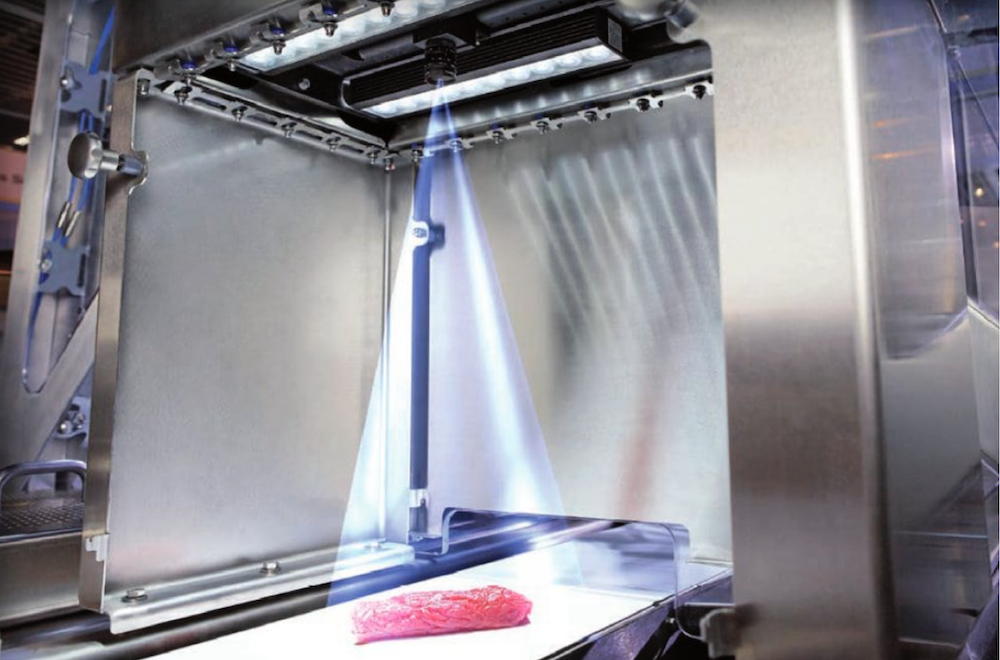
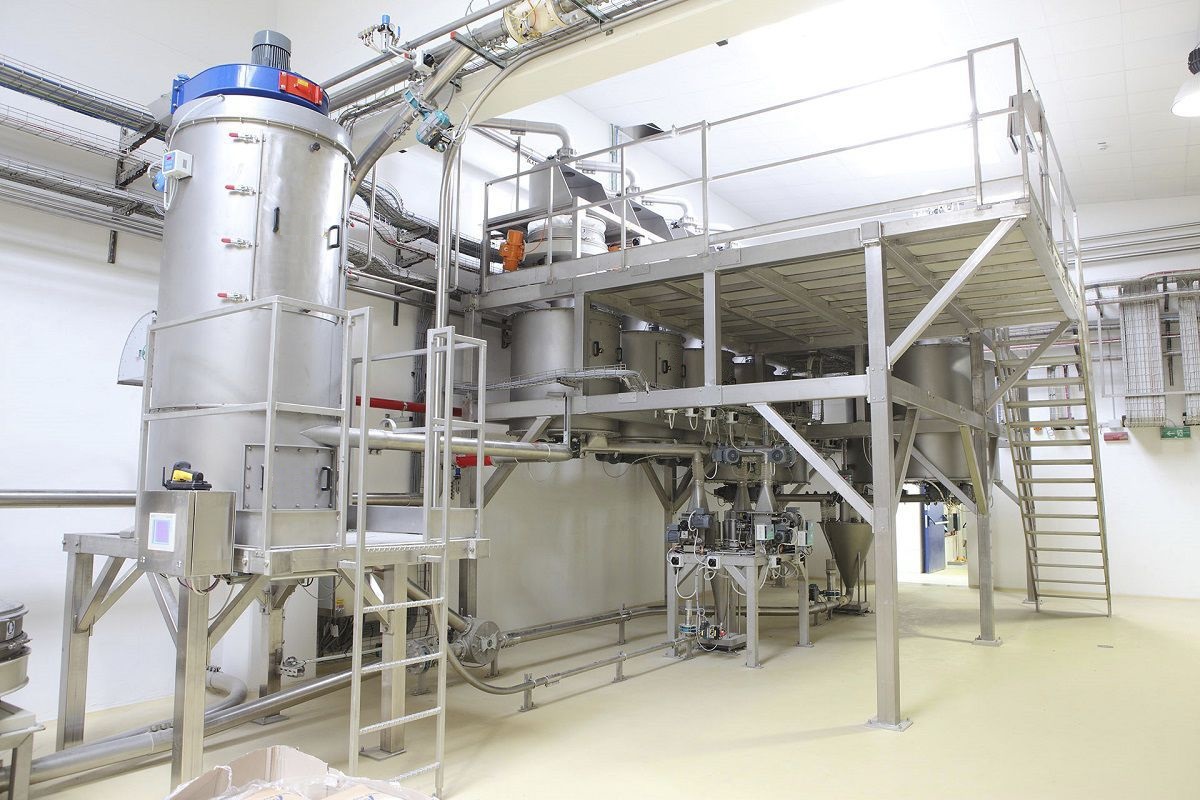
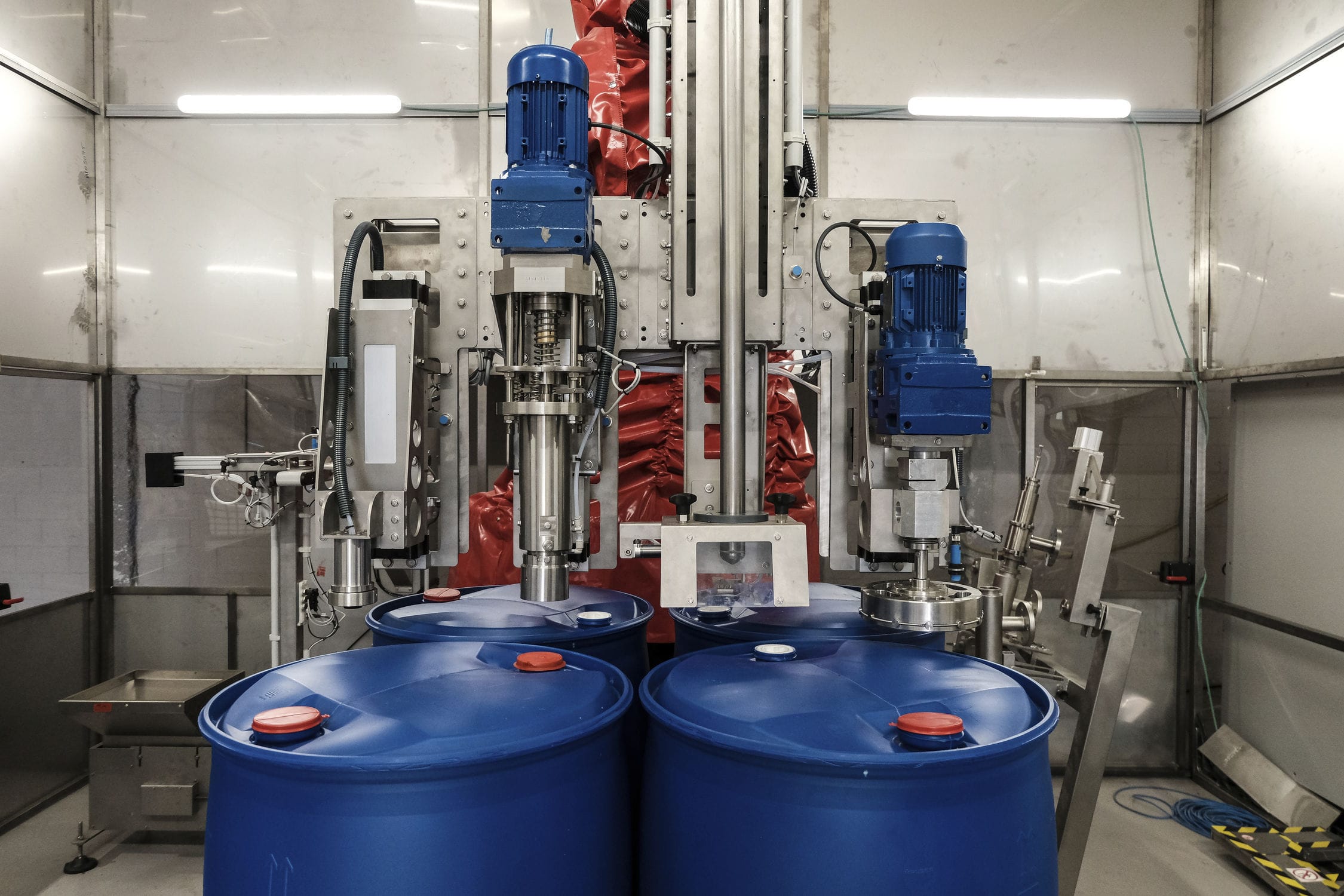


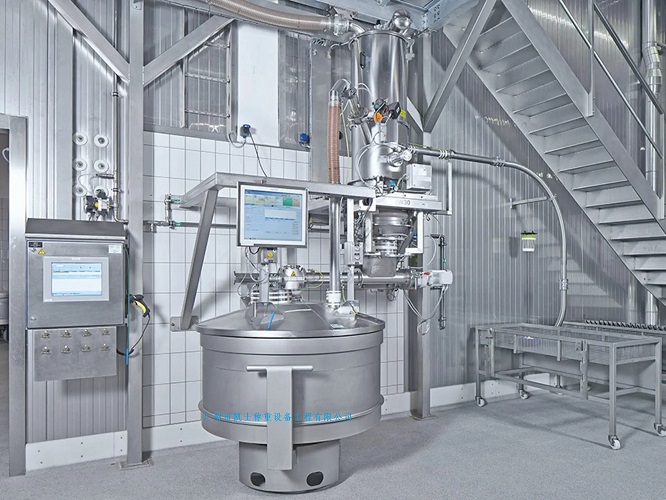
The Transmission spiral weighing system is composed of a driving part, a stirrer, a circular barrel, a high-speed flying knife and a weighing module. In addition to the axial dispersion of the material at high speed, the plow head of the agitator can also drive the material to flow in a circle along the circular simplified, effectively solving the problem of material stratification, and the high-speed flying knife in the middle can assist mixing and disperse and depolymerize the aggregate material. The material can be evenly weighed and mixed in a short time under the double action of plow head and throwing knife.

 020-34563445
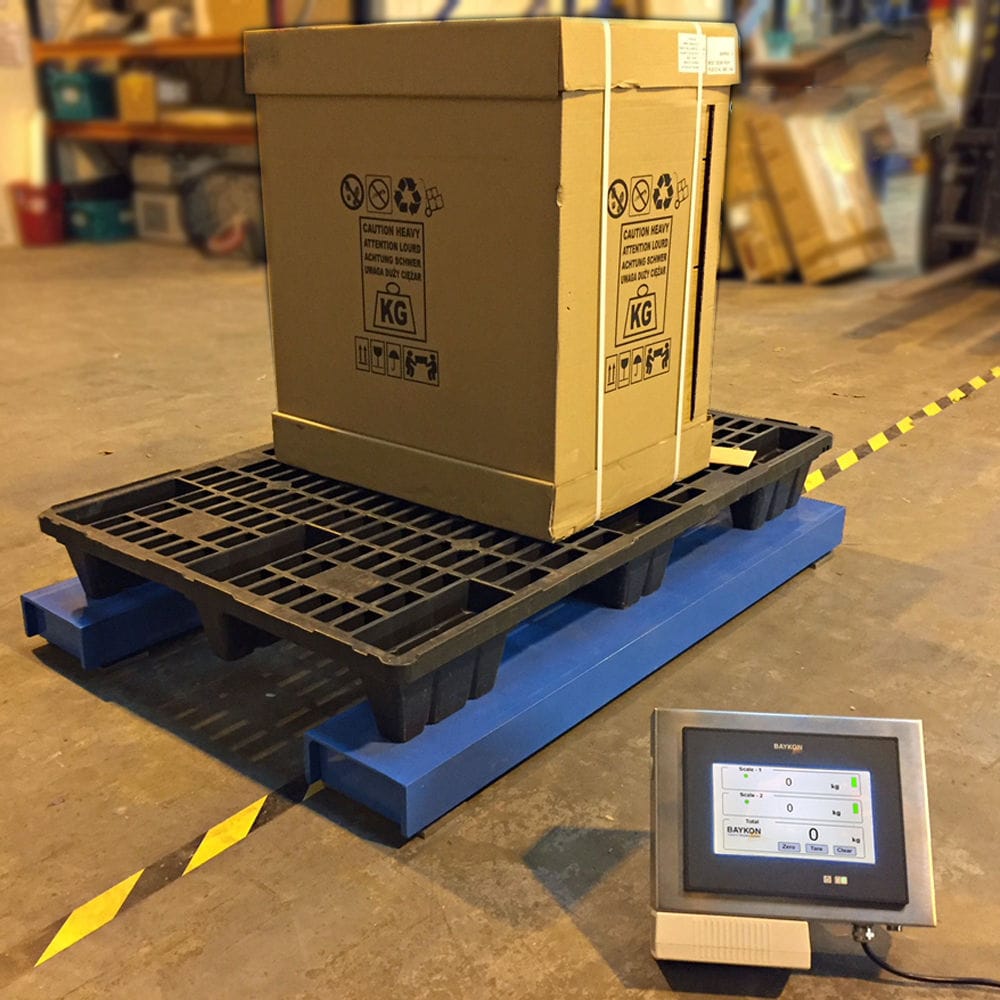
The weighing screw transmission system operates on the preset Electronic scale in the automatic control system for material batching and feeding. It feeds the transported materials into the required hoppers, and then automatically adds the materials to the hoppers for the batching operation. A material weighing module is installed on the hopper, which can detect the material volume in the hopper. The control system can automatically judge the feeding operation based on the detection results, and the switches on the Feeding machine track can control the specific position of the feeding, thus enabling the automation of the material distribution operation. The automatic control system of the material distribution and feeding machine mainly includes material level detection and control in the silo, logical interlocking and protection control of related equipment, and material distribution and feeding machine position detection and control. It can ensure the safe and stable operation of the entire automatic batching and feeding control system to a certain extent.
In the application of the spiral Weighing system, the variable frequency multi-speed control method is mainly adopted. During the actual operation of feeding, the lowest end adopts low-speed operation, while the lowest end still operates at low speed, and the middle section implements a high-speed operation mode. This operation method can not only reduce the strong impact generated by the motor during start and stop to a certain extent, but also achieve high-speed operation for the transportation of materials. The selection of frequency converters with braking resistors can to some extent avoid the occurrence of overvoltage protection and other adverse situations caused by the motor generating an electrical power process during the rapid descent of the lifting bucket. And because the main operation mode of the pulse encoder in actual operation is to use the photoelectric encoder to monitor the specific position and actual speed of the feeding and feeding machine in real time.
In the pre-Filling system that uses level switches, the material layer control loop and the quantitative feeding loop of the weighing screw conveyor are independent of each other. The working mode of the weighing screw conveyor is basically the same as that when directly feeding. The material weighing signal is measured by the weighing module, and the speed signal of the weighing screw conveyor is measured by the speed sensor. These two analog signals are converted into digital signals and sent to the microprocessor for software processing. The weighing signal and the speed signal are multiplied to obtain the actual flow rate of the material, and compared with the set value. The deviation signal is obtained and processed by PID operation, and then converted to digital signals for output. This is used to adjust the belt speed to achieve the purpose of tracking the actual flow rate of the material to the set value.
The weighing system transmits the conveying speed signals of the pre-Filling machine, the conveying speed signals of the weighing screw conveyor, and the weighing signals of the materials to the microprocessor through speed sensors and Weighing modules for calculation, comparison and analysis. If the calculated output quantity (actual flow rate) deviates from the preset standard quantity (set value), the microprocessor, after analysis and judgment, automatically sends a corresponding electrical signal to the automatic interlock device (the processing unit of the controller). The interlock device, according to the preset interlock conditions, distributes the signal reasonably to the frequency converters of the pre-filling machine and the weighing screw conveyor, adjusts the operating speed of the motor, and ultimately makes the output quantity (actual flow rate) equal to the preset standard quantity (set value), to meet the requirements of the production process.