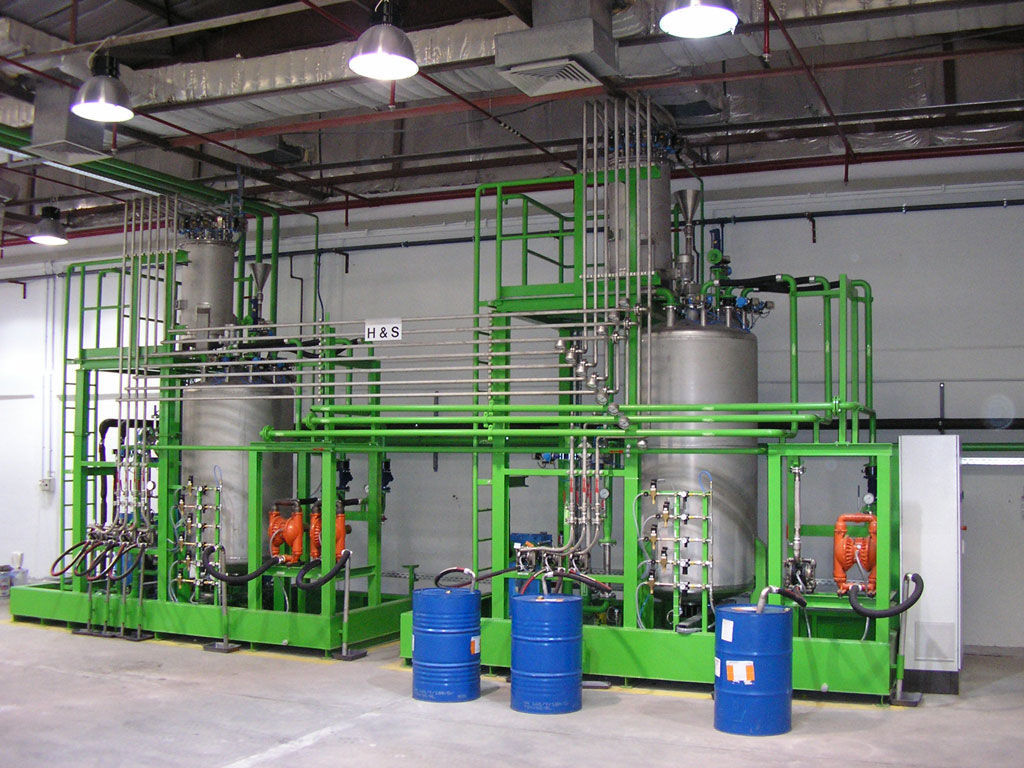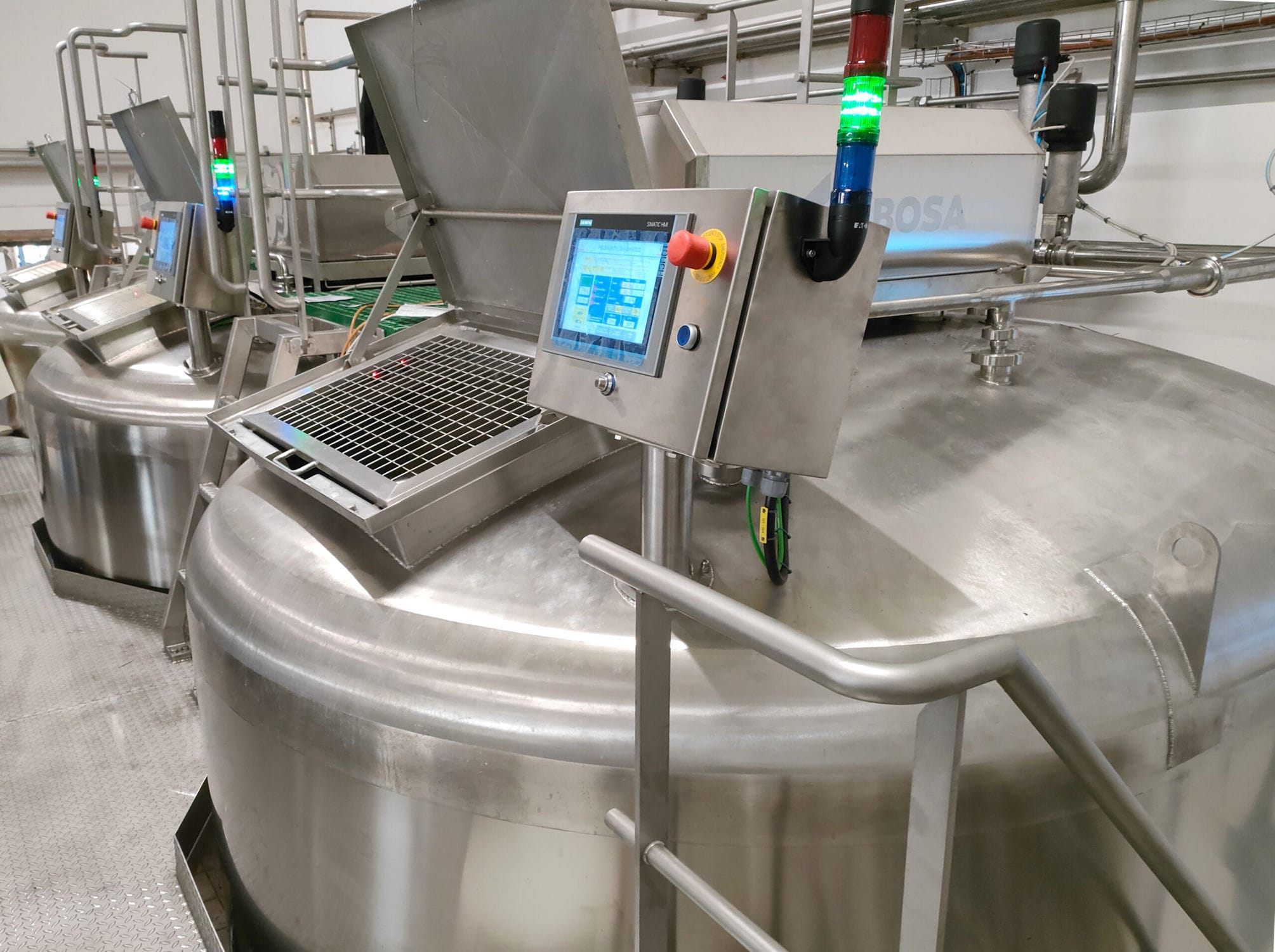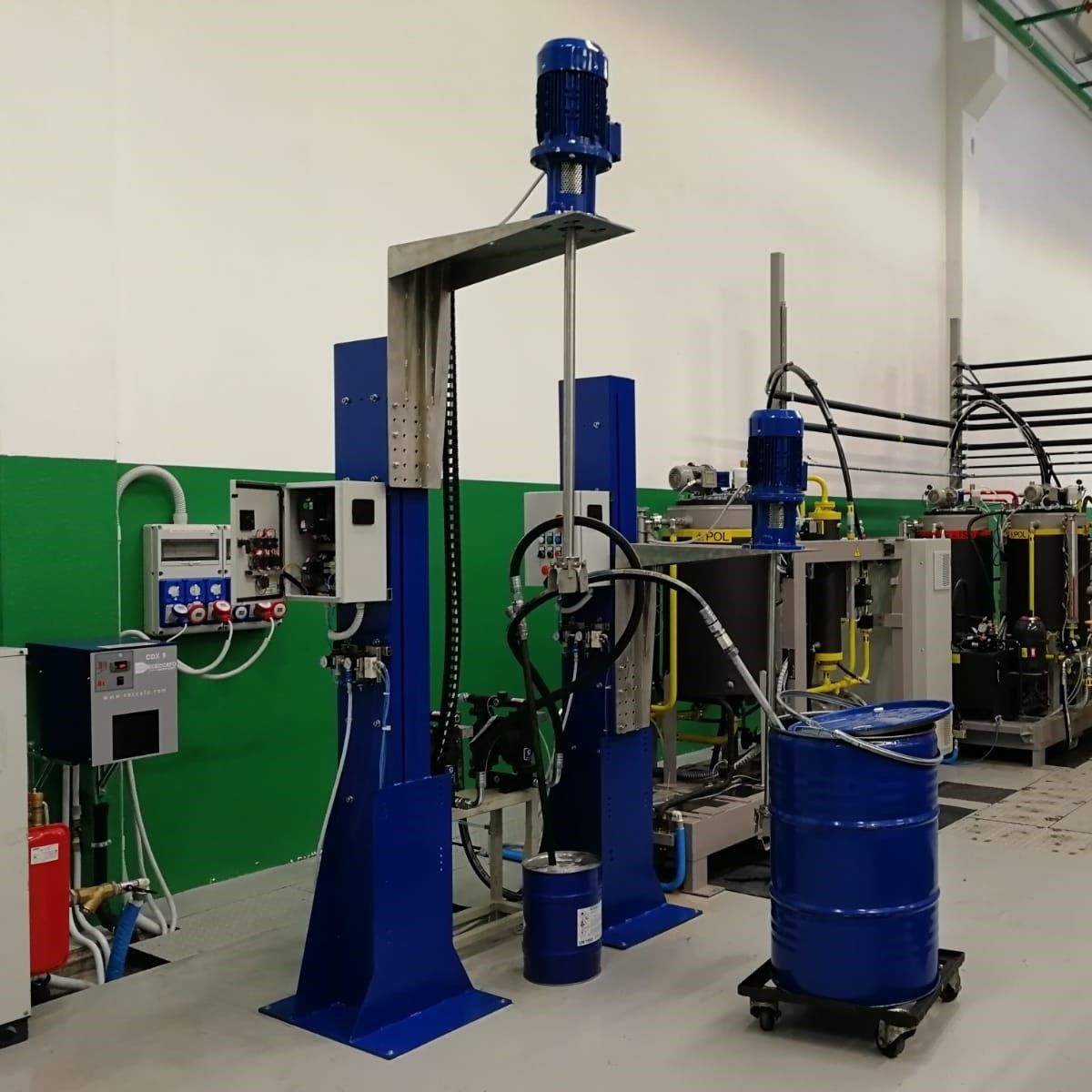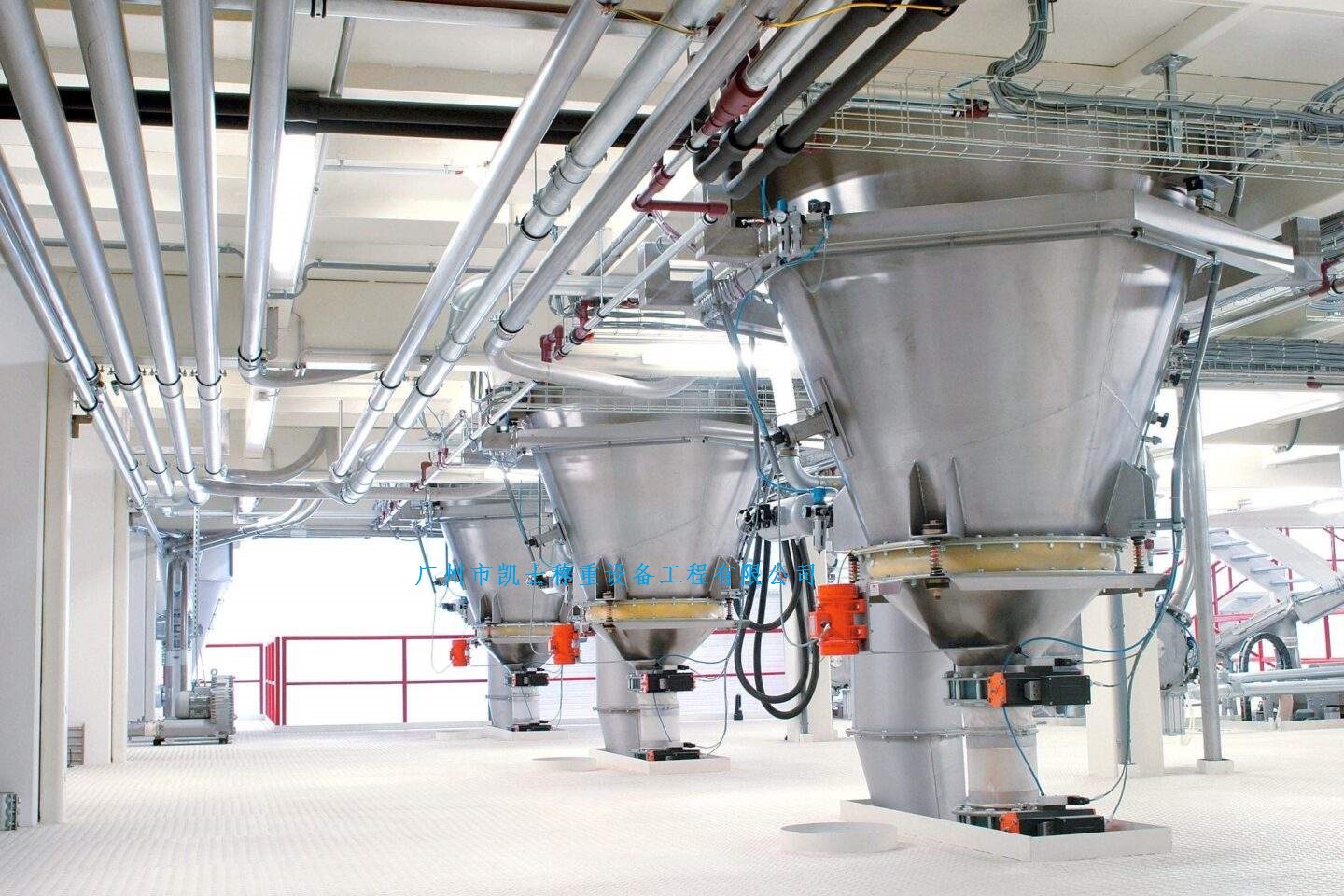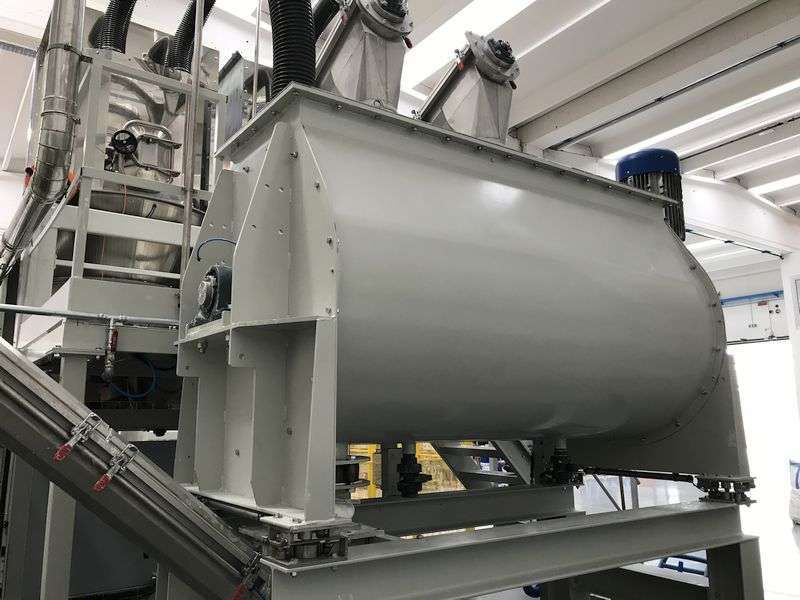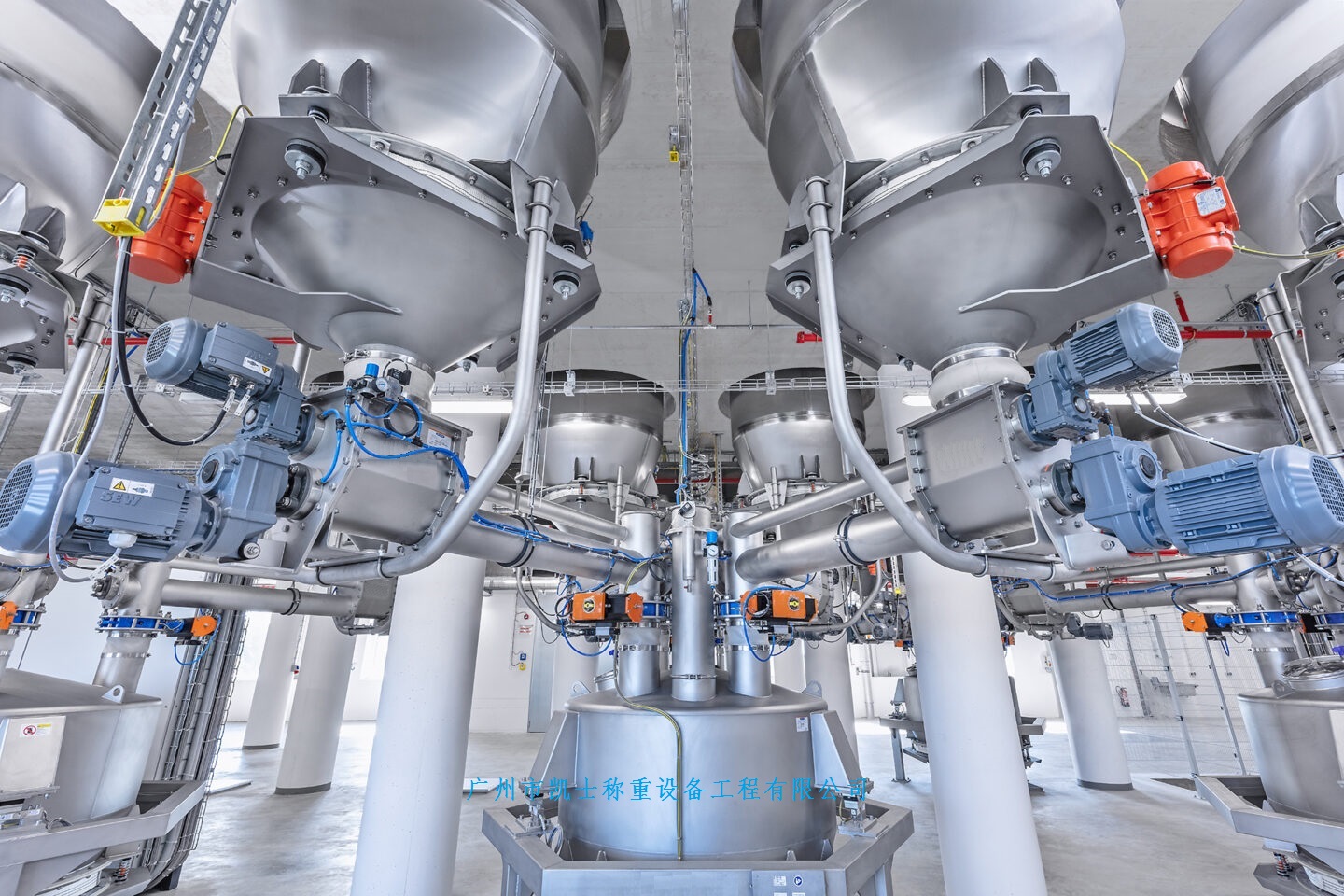





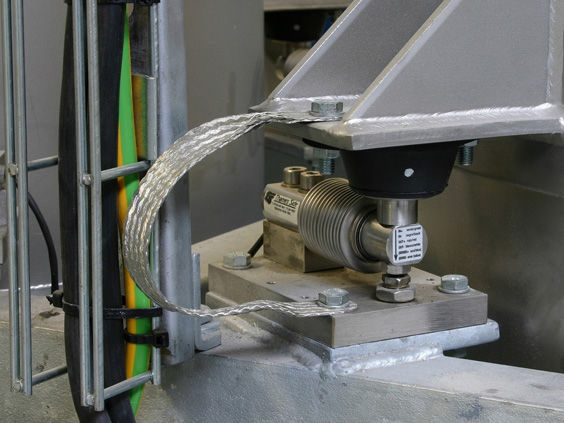
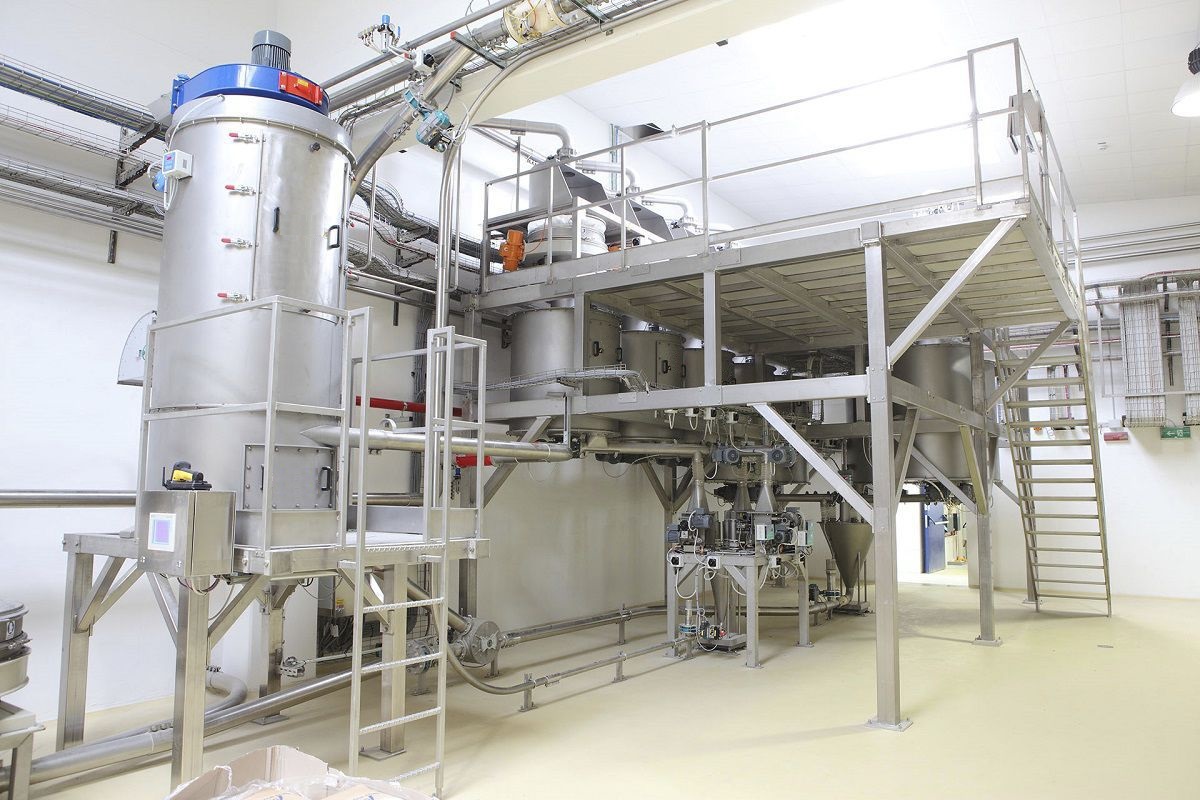
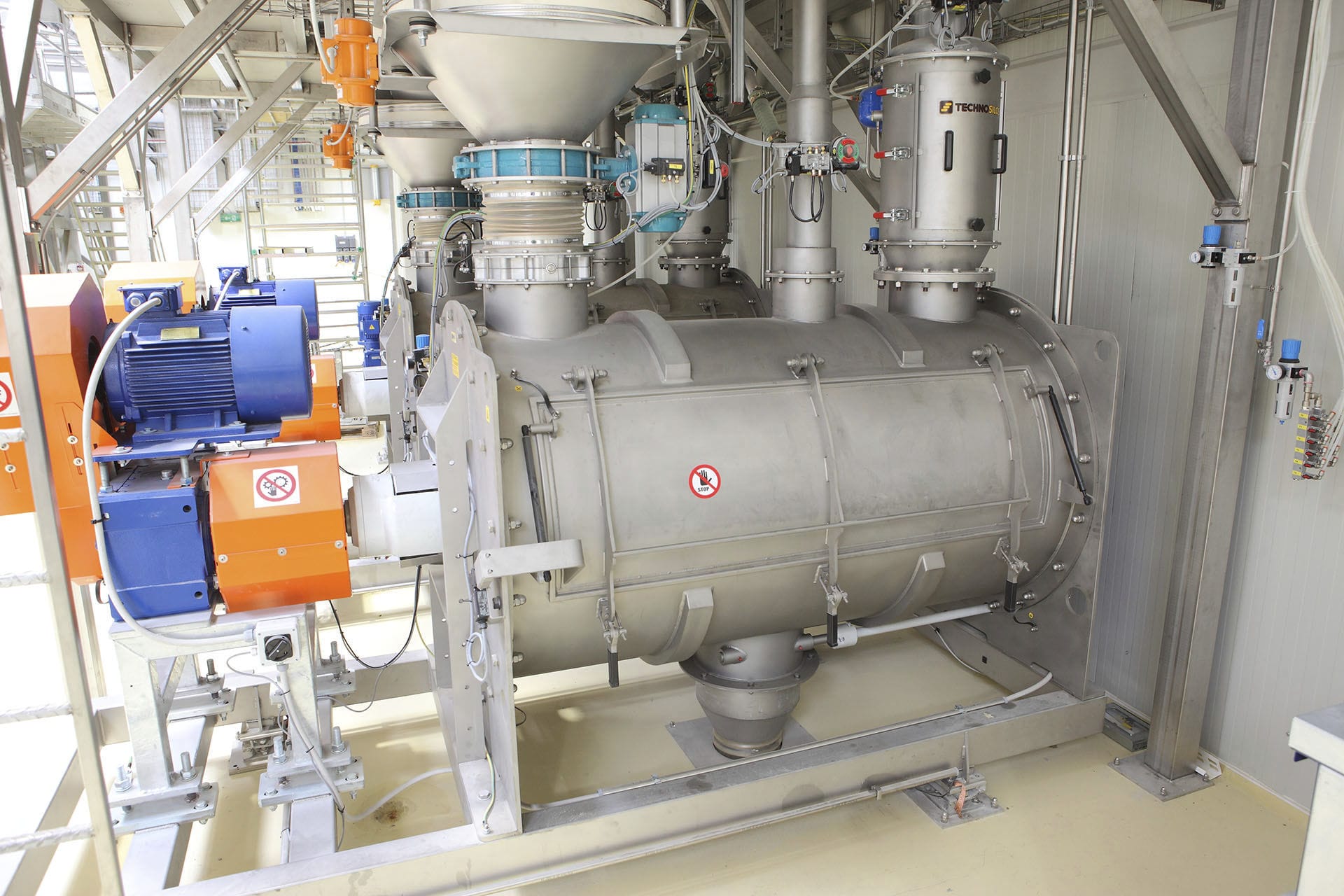
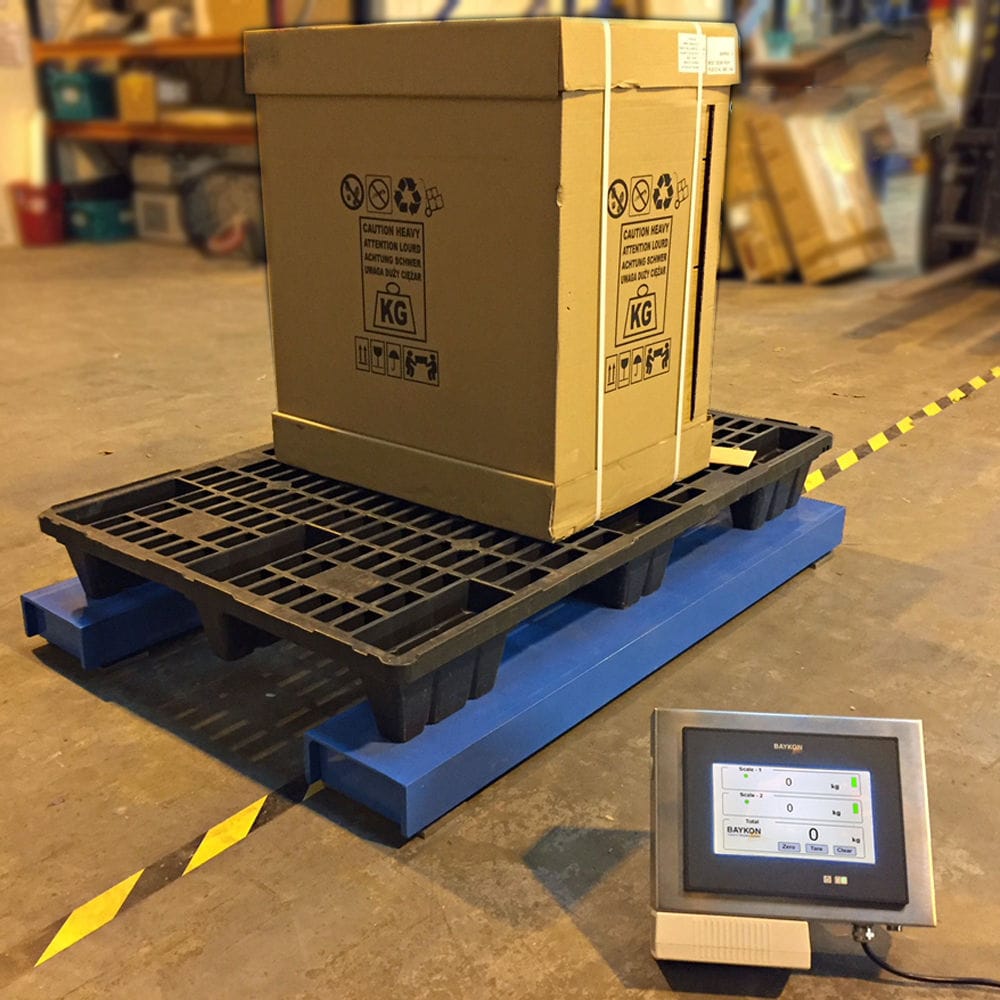


The Grinding into powder automatic feeder installs the feeding device and the powder weighing scale and the aggregate hopper under the silo to complete the conveying and metering of materials. The material falls from the bin to the screw feeding device, and when it runs on the feeding device, its weight signal and speed signal are sent to the weighing instrument. Weighing instrument will load weight signal and speed signal through the calculation and processing to get the instantaneous flow and cumulative transport amount of electronic scale, respectively on the weighing display.


 020-34563445
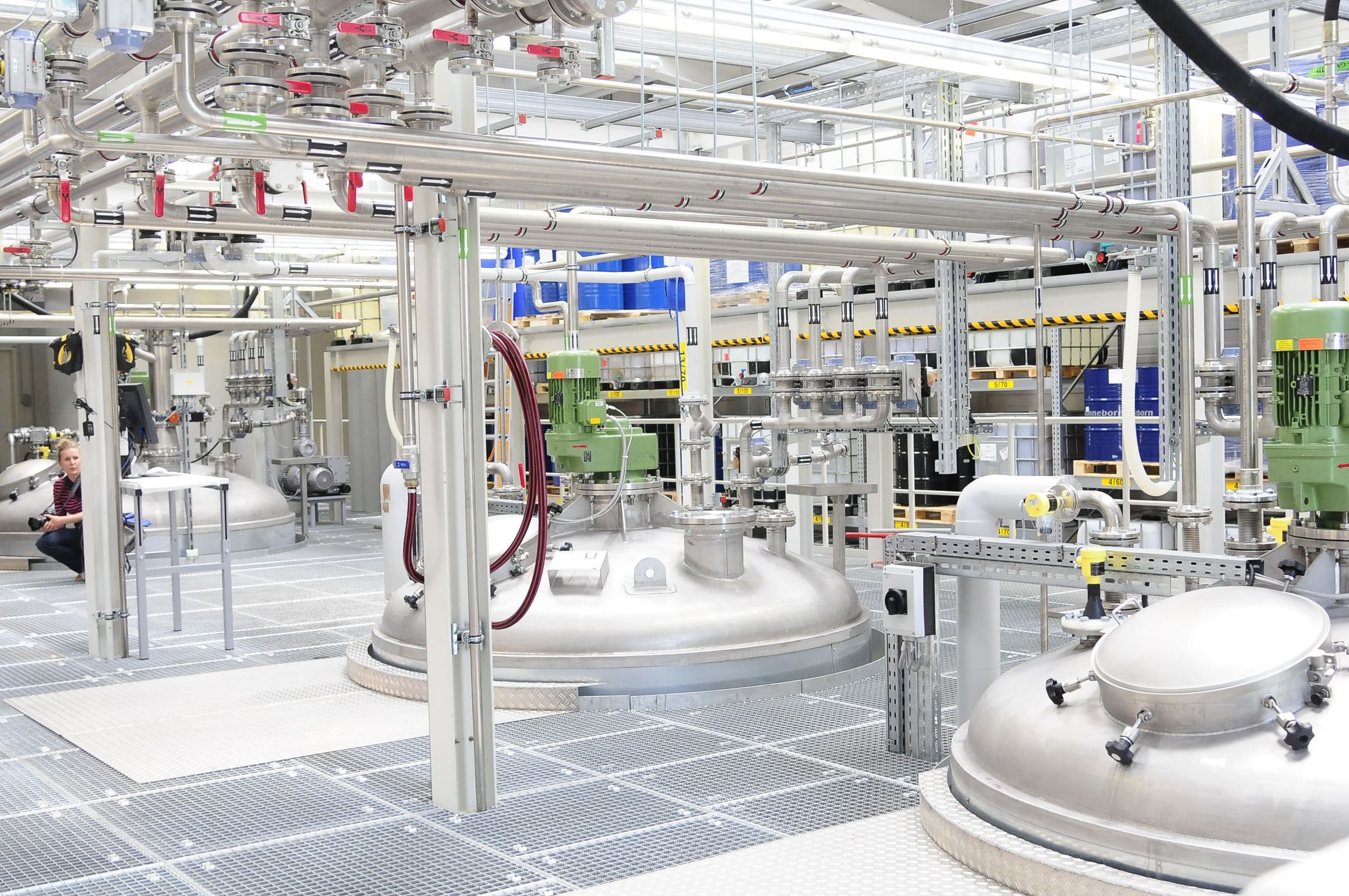
The main task of the fully automatic grinding powder Feeding machine is to mix and feed materials. It can concentrate all the raw materials needed for mixing, enabling all the mixing machines to share one set of Electronic scales, which can reduce the system cost and improve the equipment utilization rate. At the same time, it can also eliminate the raw material handling process. The prepared raw materials are blown to the corresponding hopper of the batching machine through the conveying pipeline by the positive pressure dilute phase pneumatic conveying method. The pneumatic conveying solution features low manufacturing and installation costs as well as low energy consumption. However, due to the large scale and complex structure of this feeding system, and the fact that its components are distributed throughout the workshop and warehouse, to achieve automatic control, there are numerous and scattered signals to be detected and controlled. Therefore, an advanced real-time computer network control solution based on fieldbus is adopted to control the entire system. This pneumatic feeding system consists of two subsystems: mechanical and electrical, and computer control.
The feeding system is composed of two Roots blower units, a pneumatic conveying pipe, several branch conveying pipes, pneumatic two-branch directional control valves (hereinafter referred to as branch valves) and several cyclone separators. One of the two blowers is a backup blower. Each Roots blower unit consists of one Roots blower, one pneumatic motor and one blower control cabinet. Its task is to generate the compressed air flow required for pneumatic conveying. The blower outlet is connected to one end of the mixing chamber, and the main conveying pipe is connected to the other end of the mixing chamber. In specific applications, The feeding system, the fan unit and part of the main material conveying pipe can be installed in the raw material warehouse. The main material conveying pipe leading out from the raw material warehouse is connected to an independent branch valve, and from this, two branch feeding pipes can be formed respectively leading to the two workshops. Similarly, n branch valves can form n+1 branch feeding pipes. At each position (hopper) where these branch pipes pass through the batching machine in the workshop, one branch valve is installed. When it is necessary to feed materials to a certain batching machine, turn the relevant branch valves to the corresponding direction to ensure that the material conveying channel is unobstructed. The materials can only reach this batching machine and not other positions. Then, the fan will blow the air-material mixture in the mixing chamber through each link of the material conveying channel to the corresponding cyclone separator. After separation, the materials will reach the hopper of the corresponding extruder.