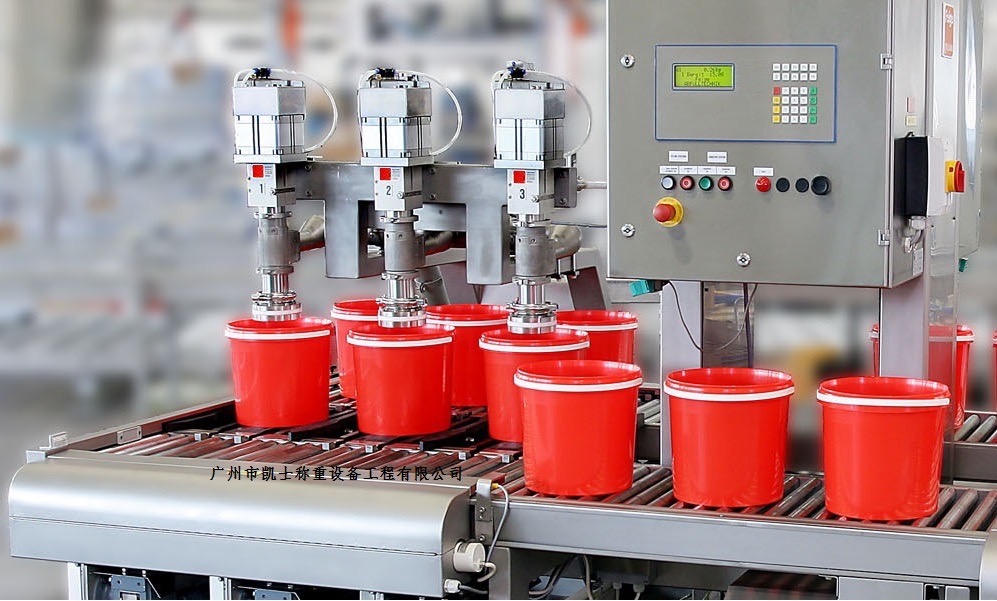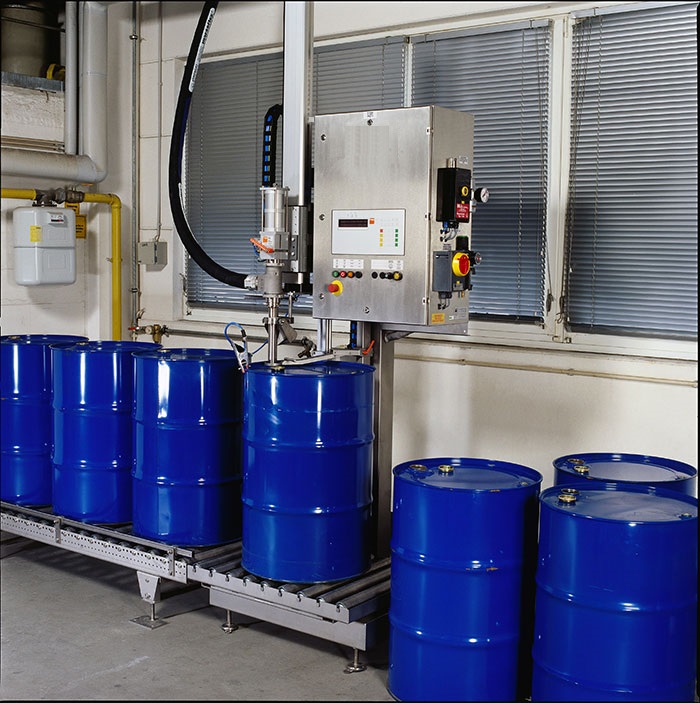


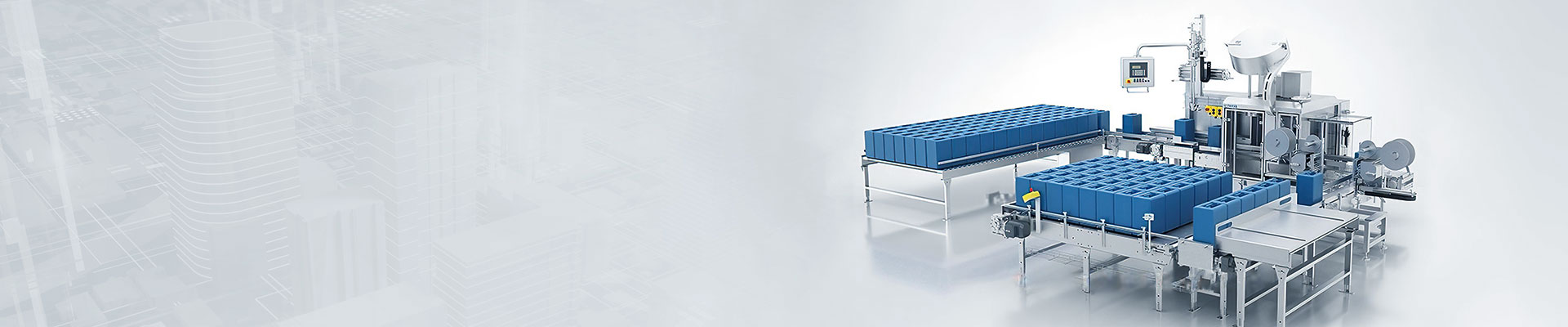


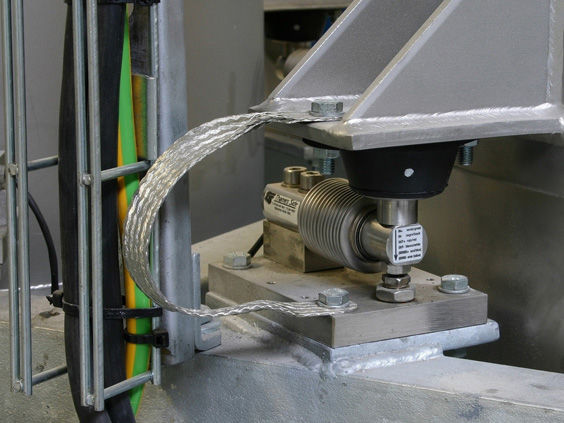
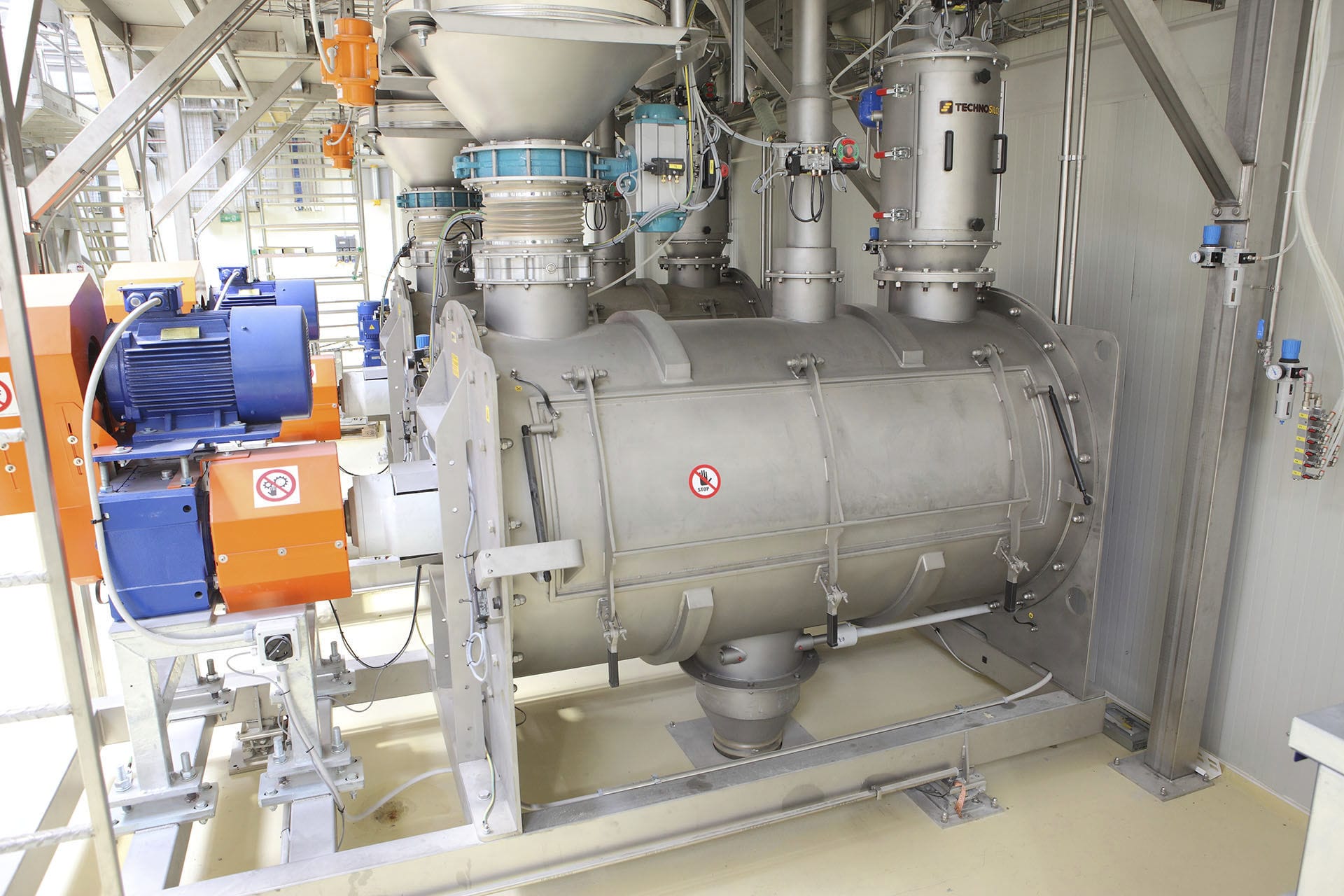
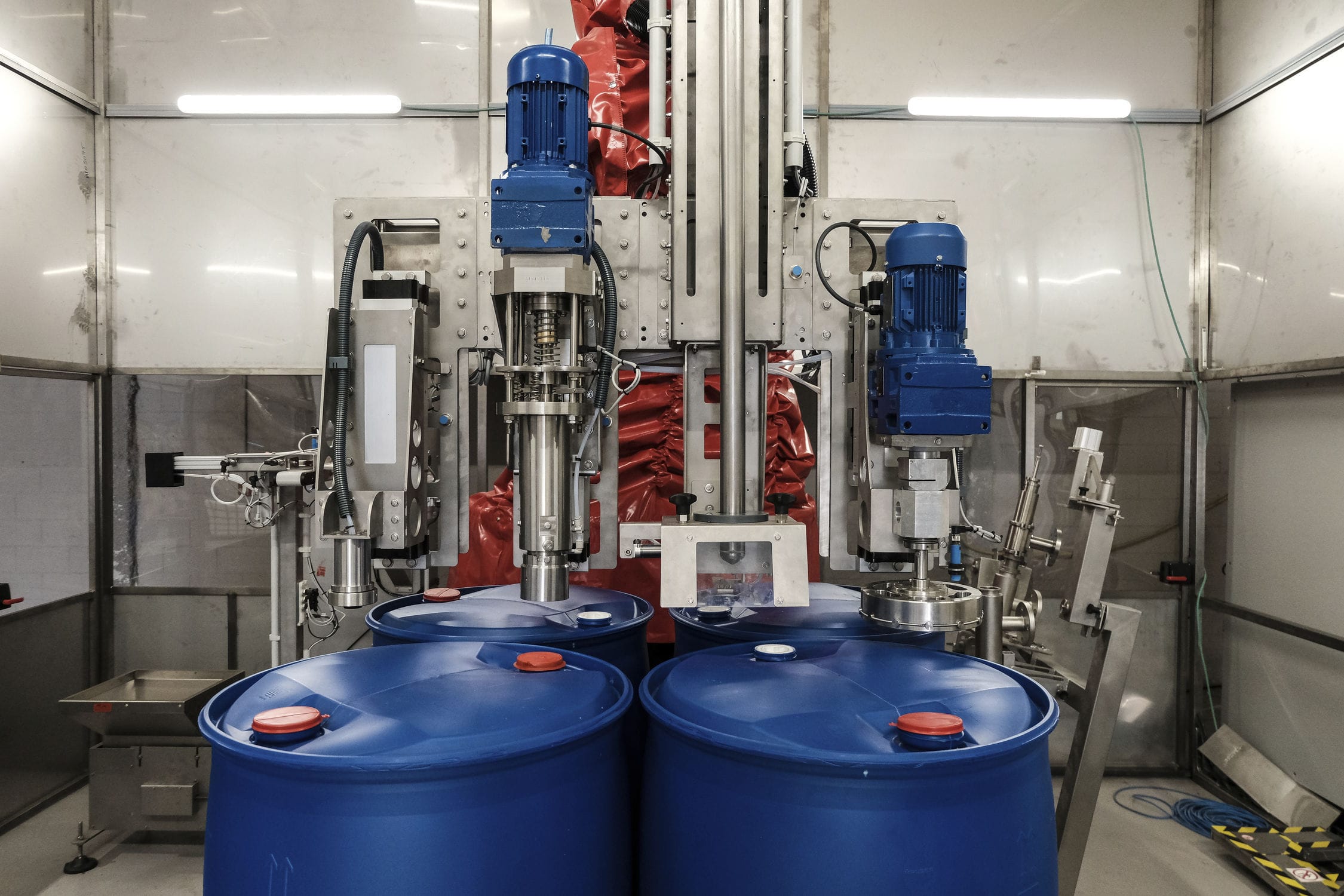
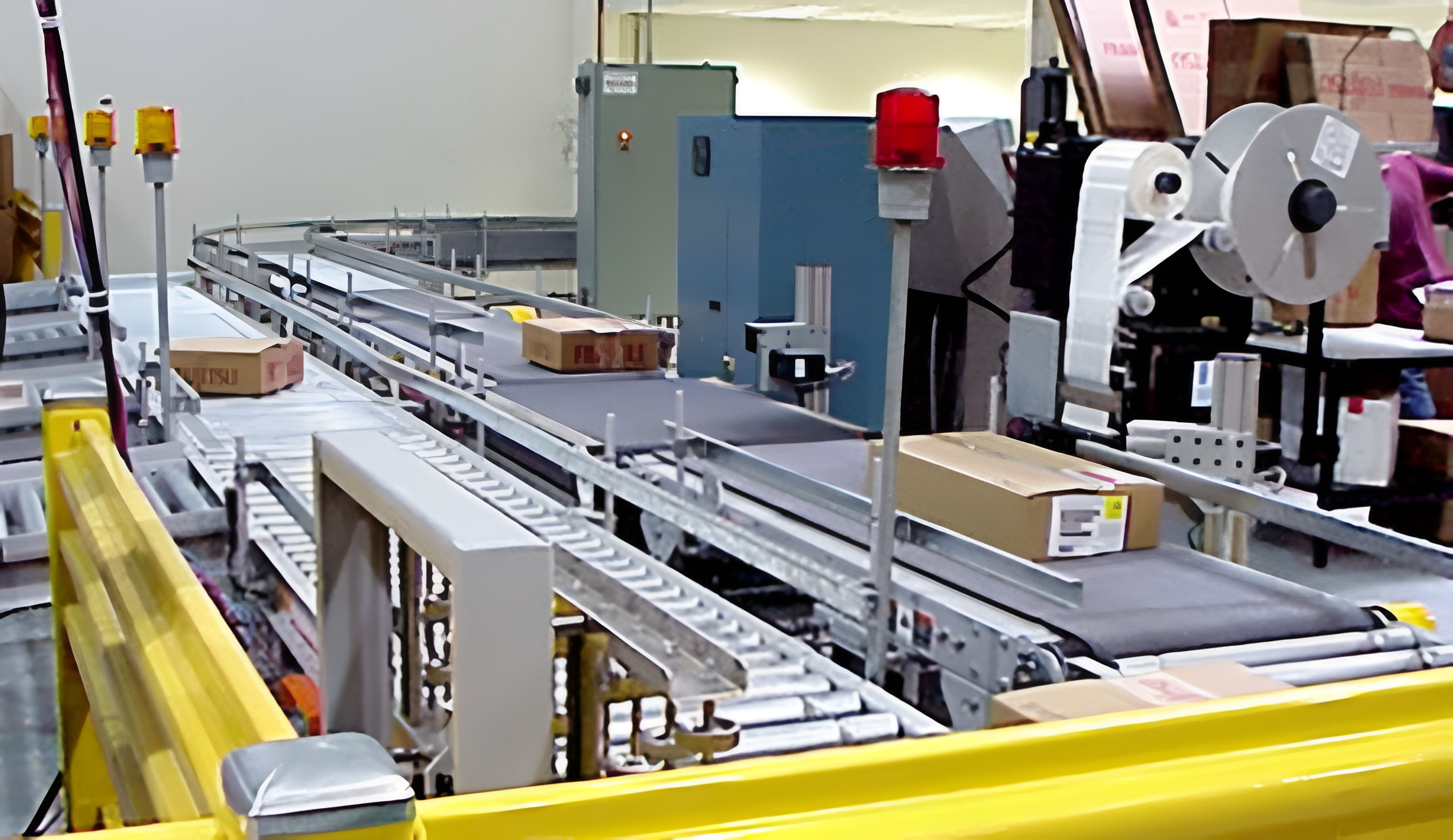
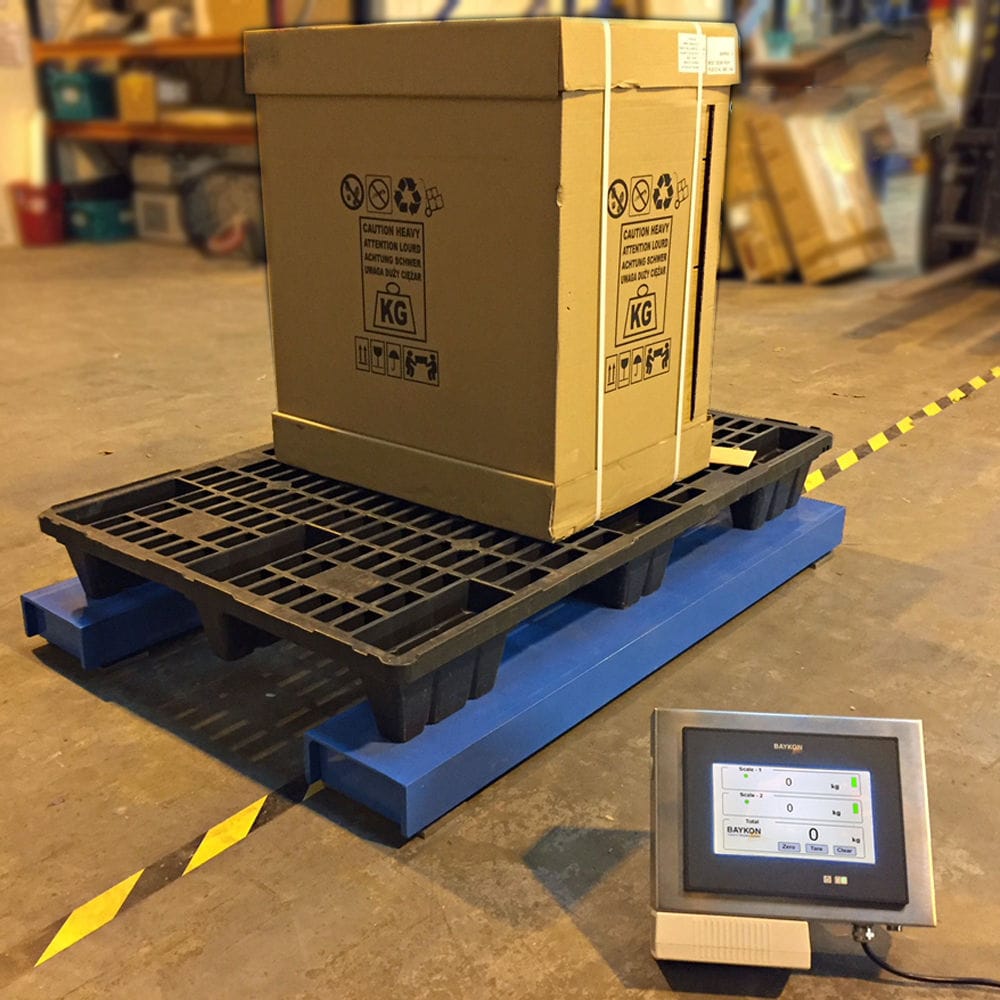


Explosion-proof filling machine adopts embedded real-time operating system with perfect multi-task management function, reads the data sent by weighing module and converts them into corresponding filling messages. It realizes the function of sending and receiving the data from the communication module, including the function of sending the record of filling information, and analyzing the data and commands from the base station. It consists of main conveyor, secondary conveyor, filling system, secondary pushing device, photoelectric sensor (positioning), weighing module and so on. Liquid real-time monitoring, detected by sensors. Starting and stopping of motor, filling of weighing system, detection, pushing and counting of secondary products are controlled by PLC.

 020-34563445
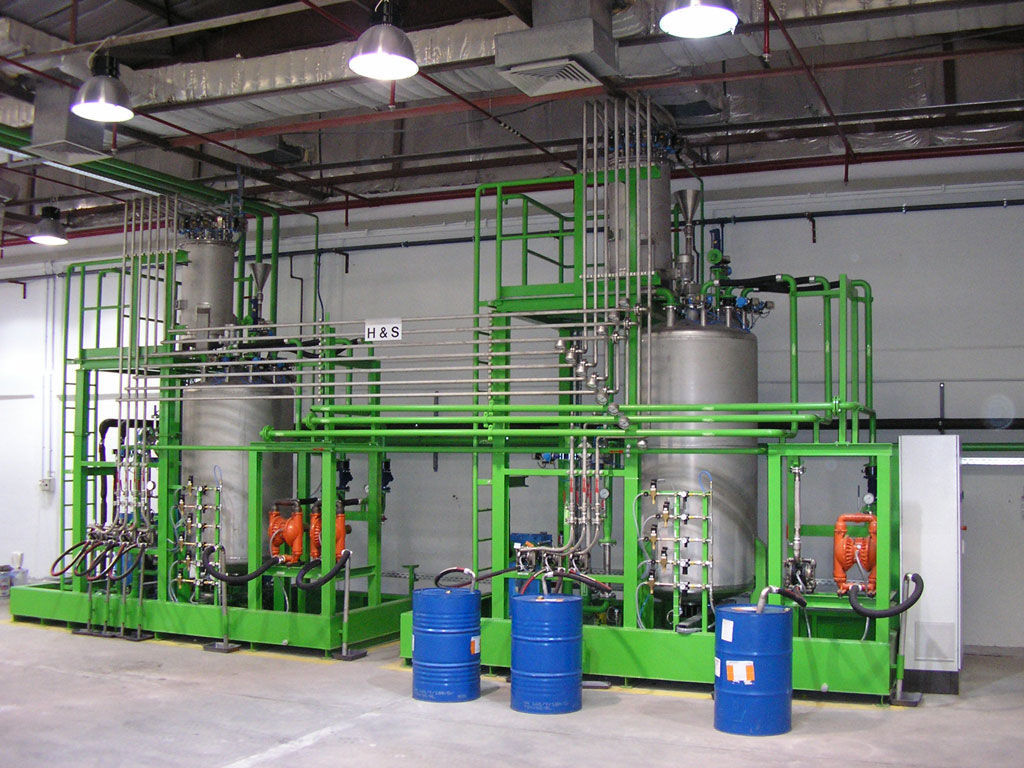
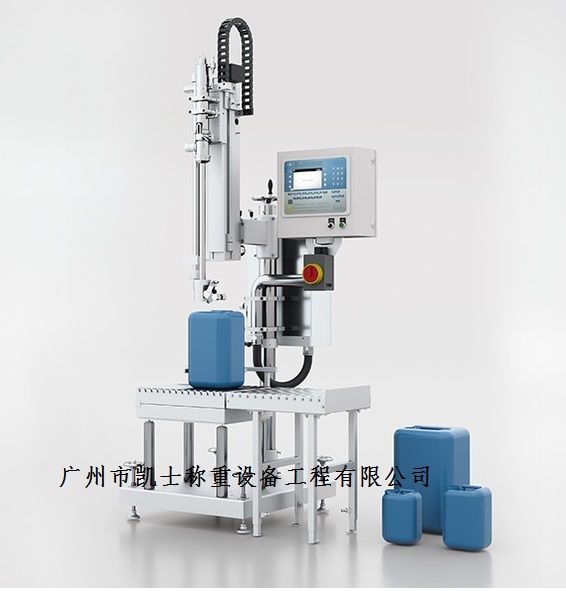
The liquid explosion-proof Filling machine is a comprehensive automated filling equipment that integrates computer production process control and data management such as weighing, feeding, filling control, and discharging. The Mitsubishi Q series PLC and Advantech industrial control microcomputer form a high-performance control platform, communication module, and switch input/output module. Software is established to serve the automation process control, using computer recognition technology, printing technology, automatic control technology, and information technology to form intelligent filling, meeting customers' requirements for automation, informatization, and intelligence in the filling process. During the filling operation, the processes and states of execution, pause, cancel, end, and stop all run in one execution batch, with the function of flexibly defining processes. Through the industrial Ethernet network, the operation stations of each process are connected. Place one operation station for each process and connect the equipment of each process. Implement the functions of each workstation through the operation station. The Liquid filling machine consists of an industrial computer, a cylinder actuator, and a weighing module. It is mainly used to monitor and manage relevant data of the assembly line process equipment, and to ensure that the equipment completes the expected operation. Its main function is to achieve accurate measurement of product materials. Realize intelligent filling process management and control. Establish software that serves automated process control using computer recognition technology, printing technology, automatic control technology, and information technology to form intelligent automatic filling, meeting customers' requirements for automation, informatization, and intelligence in the filling process.
The automatic filling machine can prevent filling dripping and smoothly unscrew the lid of the filling barrel. It adopts a frame with a horizontal moving mechanism and a vertical moving mechanism, and the vertical moving mechanism is installed at the output end of the horizontal moving mechanism; The bucket moving mechanism is used to transport filling buckets and pass under the horizontal moving mechanism. The capping mechanism includes a capping seat, a rotating driving unit, and a capping seat installed at the output end of the vertical moving mechanism. The rotating driving unit is installed on the capping seat, and the output end of the rotating driving unit is connected to the capping head through a floating support structure. The capping head is configured to drive and connect the bucket lid of the filling bucket. The capping head can rotate around its own axis under the action of the rotating driving unit and can float up and down relative to the capping seat under the action of the floating support structure. The filling mechanism includes a filling frame sliding seat, a filling barrel set on the sliding seat, a vertical driving unit, and an elastic reset member. The filling bracket is installed at the output end of the horizontal moving mechanism, and the sliding seat is connected to the filling bracket by sliding up and down. The axis of the filling barrel extends in the up and down direction, and the upper end is equipped with an inlet for connecting the conveying pipeline. The lower end is equipped with a filling nozzle. The sliding sleeve inside the filling barrel is equipped with a guide rod, and the upper end of the guide rod is connected to the vertical driving unit. The vertical driving unit is suitable for driving the guide rod to slide up and down relative to the filling barrel. The lower end of the guide rod is equipped with a plug body, which is configured to block the filling nozzle or detach from the filling nozzle downwards to open the filling nozzle. The elastic reset member is suitable for applying upward force to. The leak detection device includes a leak detection seat, a horizontal driving unit, and an open upward leak detection dish. The horizontal driving unit is installed on the filling bracket through the leak detection seat, and the leak detection dish is connected to the horizontal driving unit for transmission. The horizontal driving unit is suitable for driving the leak detection dish to move directly below the filling nozzle or avoid the sliding path of the filling gun barrel.
The automatic filling machine first uses a capping mechanism to unscrew the lid of the filling barrel that is conveyed, exposing the filling port. Then, the filling mechanism connects the conveying pipeline and fills the filling barrel with liquid. After the filling is completed, the capping mechanism tightens the lid of the filling barrel. Using a vertical driving unit to drive the guide rod to slide up and down inside the filling barrel, thereby allowing the plug body to block the filling nozzle or detach from the filling nozzle downwards to open the filling nozzle normally. When the filling nozzle is closed, the plug body can effectively seal the filling nozzle and prevent liquid from leaking out between the filling nozzle and the plug body; The elastic reset component can apply an upward force to the guide rod, even in the event of failure of the vertical driving unit, it can maintain a good sealing nozzle state of the plug body, preventing liquid leakage. The leak receiving dish can avoid the sliding path of the filling barrel when it is inserted into the filling barrel, and move directly below the filling nozzle when the filling barrel is lifted from the filling barrel. A small amount of liquid adhering to the filling nozzle and plug can drip into the leak receiving dish, preventing liquid from leaking into the filling barrel or filling machine, thus achieving a significant anti drip effect. The capping head can rotate around its own axis under the action of the rotating driving unit to unscrew or tighten the bucket lid, and can float up and down relative to the capping seat under the action of the floating support structure. The capping head provides upward floating space for the upward movement of the lid during the opening process, so as to smoothly open the lid of the filling barrel, avoiding jamming or equipment damage. The capping head also provides downward floating pressure for the lid during the tightening process.
Basic Parameters:
Maximum weighing capacity: 30kg
Minimum sensitivity: 0.1kg
Filling error: ± 0.1-0.2kg
Filling speed: 20L, approximately 1500-1800 barrels per hour
Control mode: 2nd gear control
Filling method: Insertion type, above liquid level
Gun head pipeline: PTFE gun head, valve+PTFE hose
Structural material: The main body of the liquid filling machine is made of SUS304 stainless steel, and the conveying and stacking carbon steel is coated with anti-corrosion paint.
Scale platform size: 400 × 800mm (304 stainless steel power raceway)
Empty bucket raceway: 400mm × 2500mm (304 stainless steel power raceway) with an additional 1200mm sloping unpowered drum
Heavy bucket raceway: 400mm × 2500mm (304 stainless steel power raceway, 2 sets)
Bucket sorting device: suitable for 20L buckets, carbon steel anti-corrosion paint structure, 304 stainless steel raceway.
Stacking equipment: translation type, suitable for pallets of 1200 × 1200 × 140mm, including pallet supply, palletizing, and lower pallet conveying.
Pipeline pressure: 0.2-0.6MPa (depending on material properties).
Material interface: 4 DN40 flange joints, available according to user provided interface standards
Air source interface: The user provides a 12mm air hose connector for quick connector connection
Power supply: AC220/50Hz (provided by the user to the machine side)
Gas source used: 0.4-0.8Mpa (provided by the user to one side of the machine)
Operating temperature: -10 ℃ -50 ℃
Basic conditions: A strong horizontal concrete floor with a concrete thickness greater than 10cm.
Optional models: Standard and explosion-proof filling scales