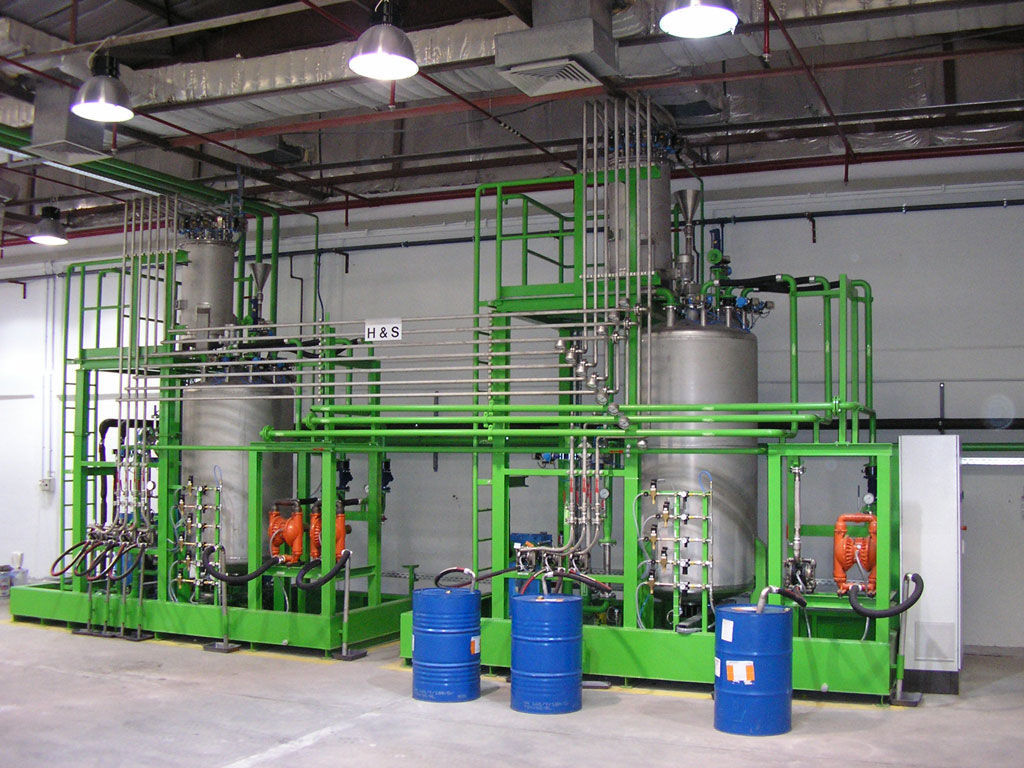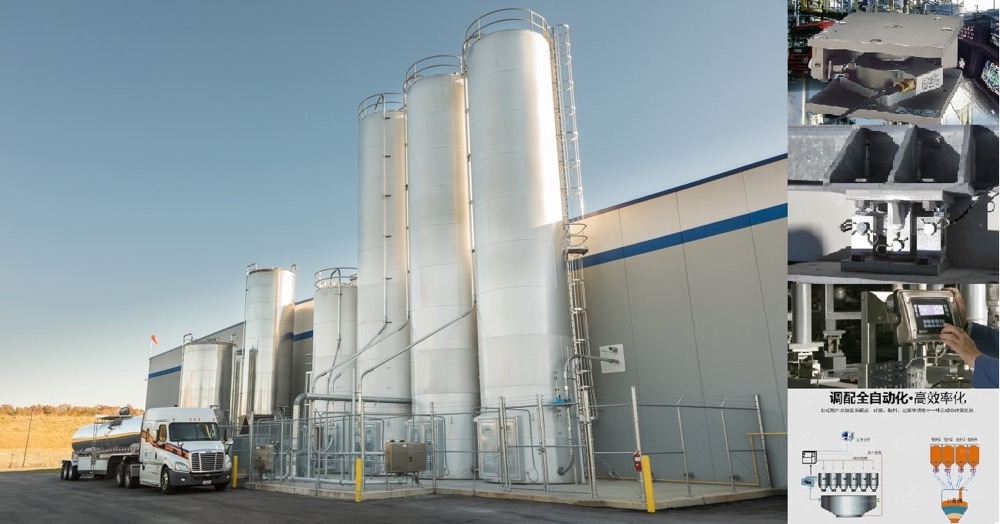


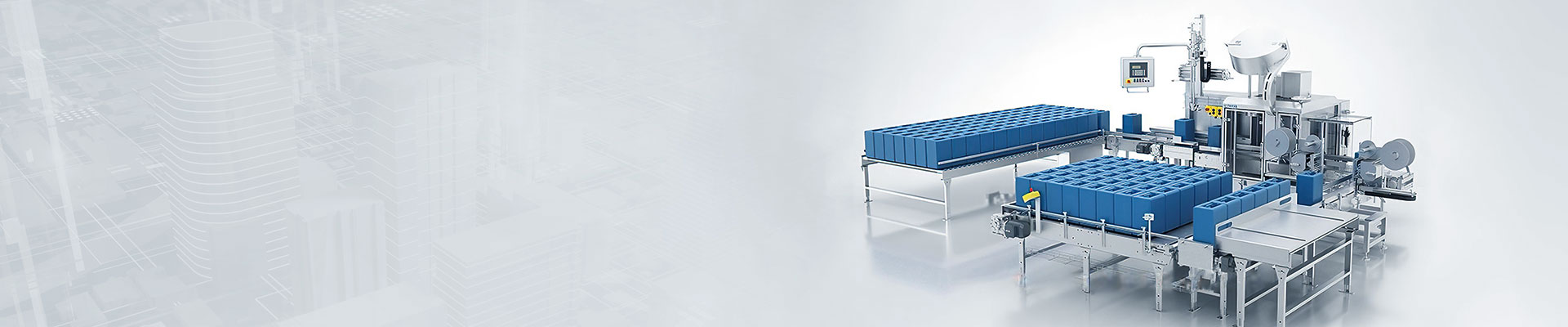
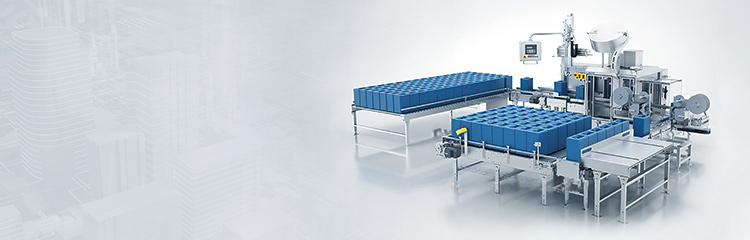

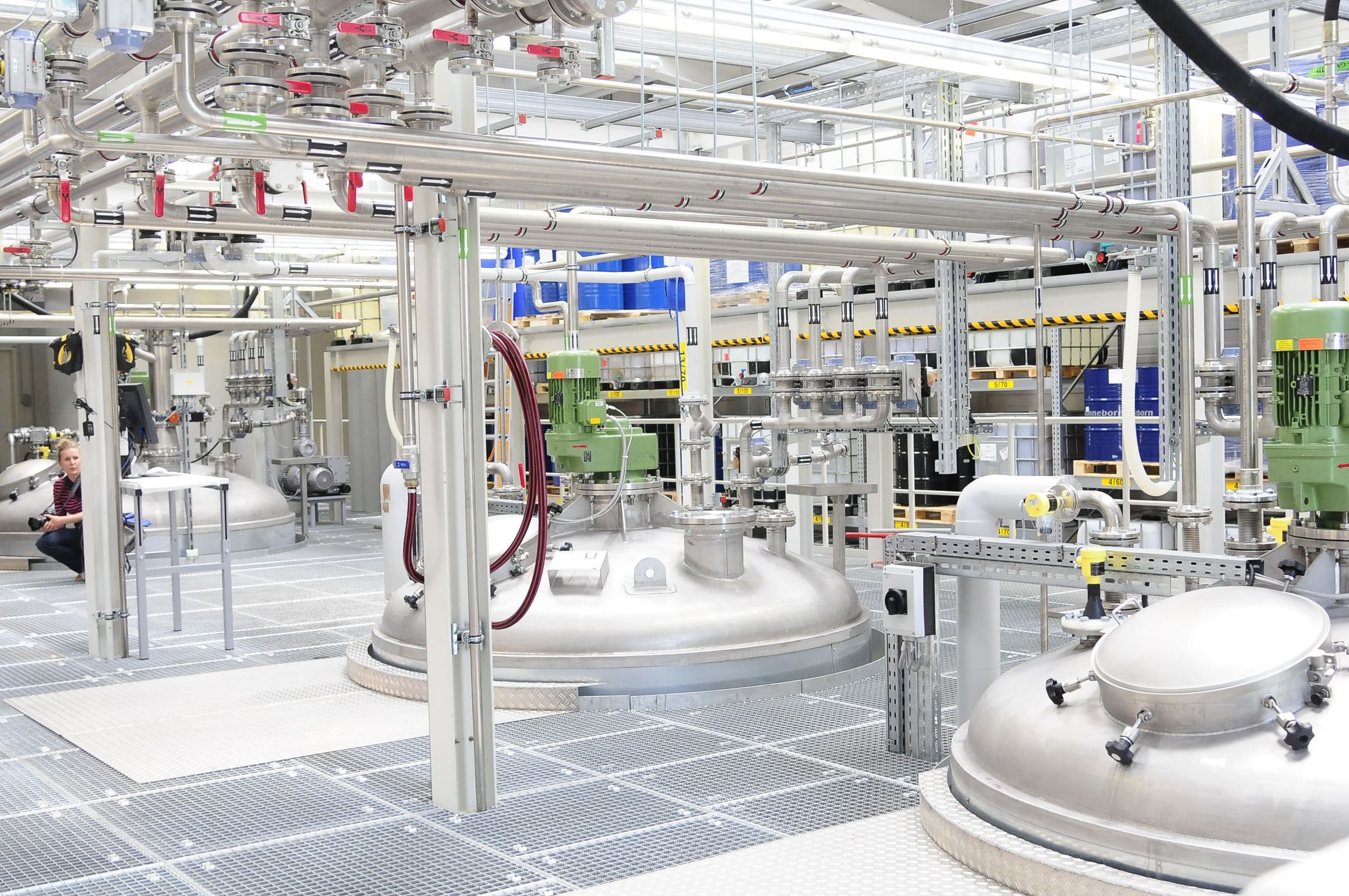


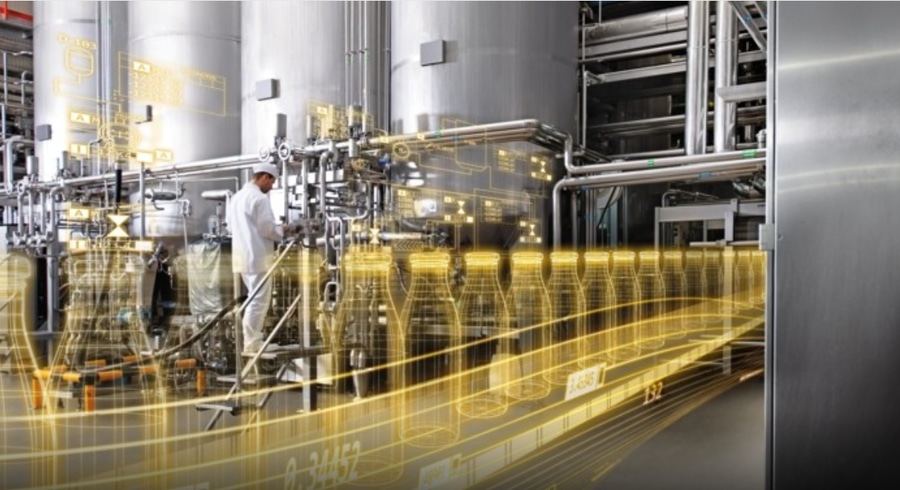
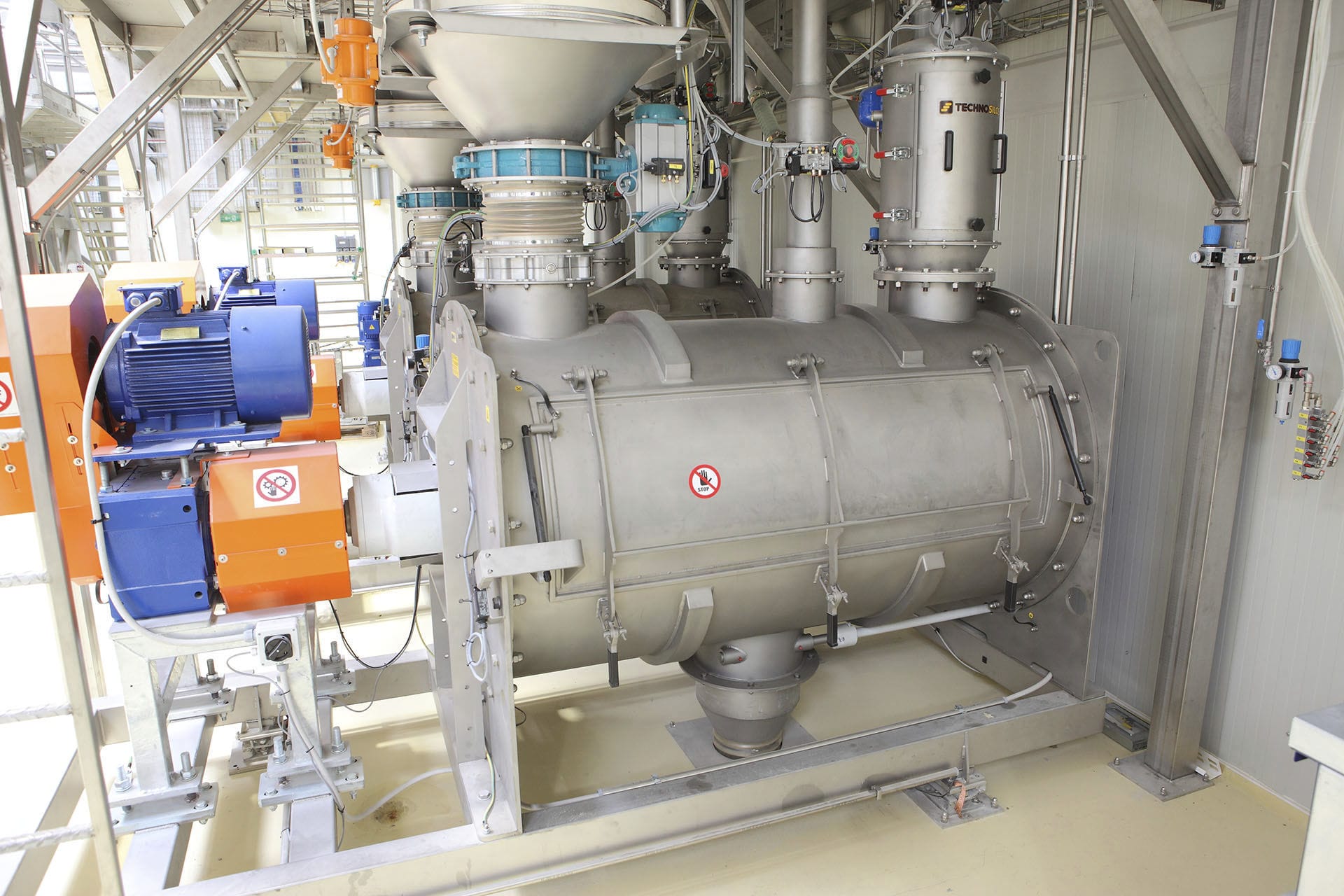
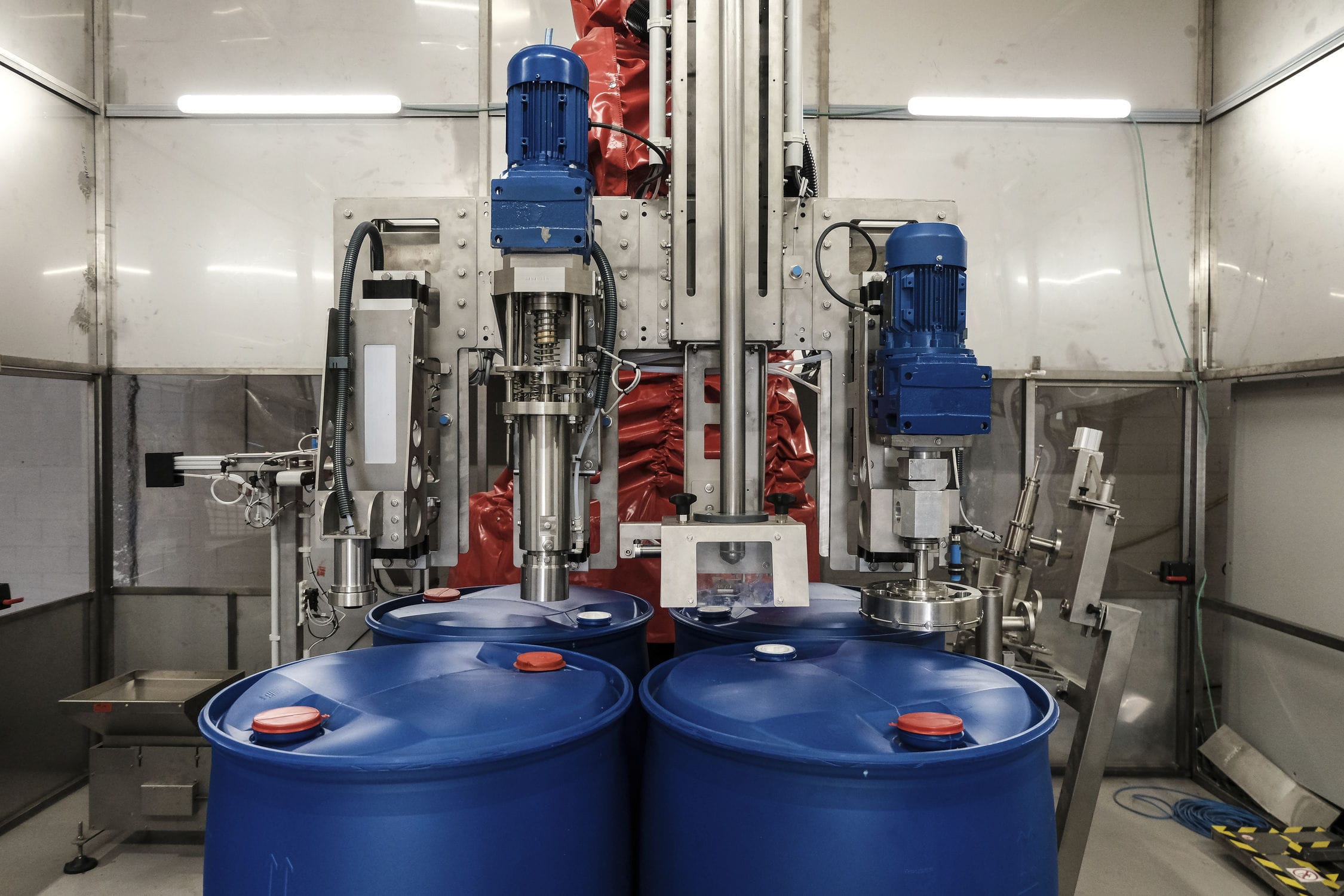
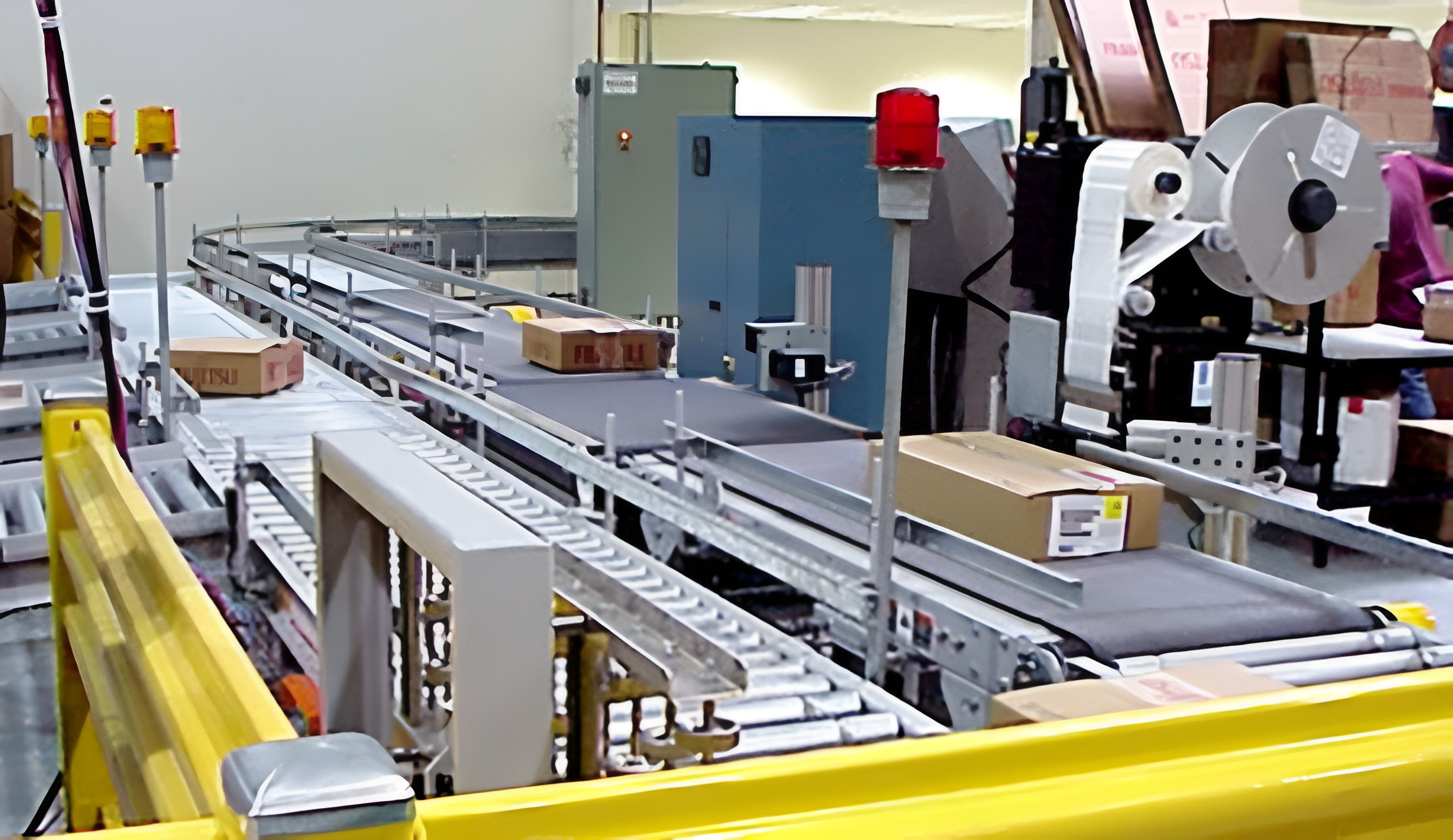


The multi-section automatic filling machine is controlled by the motor and the filling equipment. Through the operation of the motor, the conveyor belt moves, thereby driving the operation of the assembly line. The activation of the filling gun directly controls the flow of the liquid. By inputting the PLC program, it directly controls the discharge nozzle. After the filling is completed, the conveyor belt controls the operation of the assembly line. The assembly line is monitored in real time by sensors and controlled precisely through the PLC program. The liquid filling is achieved by combining the lifting cylinder and the filling gun, integrating the filling production line device, so that the liquid filling can be completed stably and efficiently.

 020-34563445
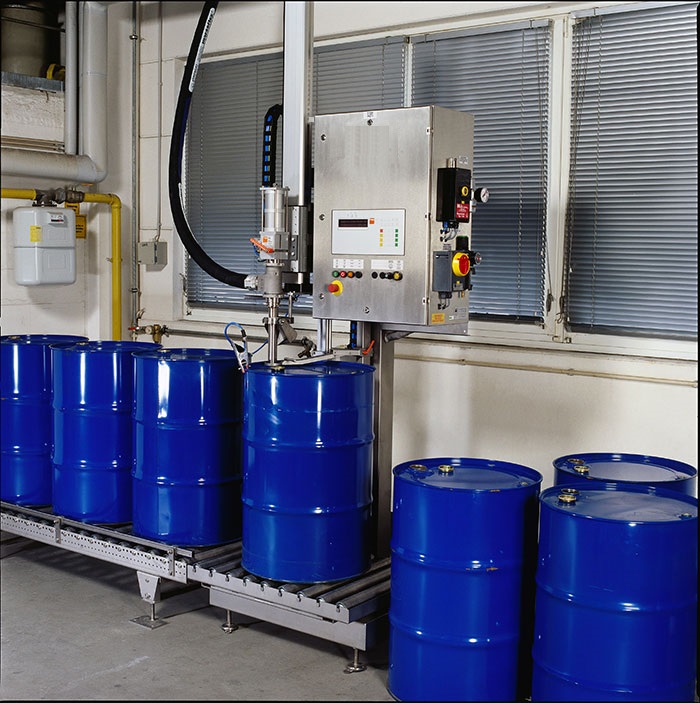
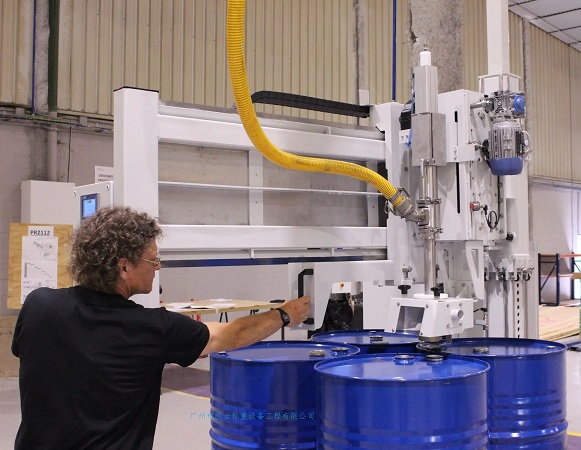
The multi-stage automatic Filling machine adopts the WIN7 system platform and serves the software for automatic process control. It uses computer recognition technology, printing technology, automatic control technology, and information technology to achieve intelligent filling. It integrates machine, electricity, and instrument into a new type of machine, and integrates weighing and filling into an ideal filling equipment. The filling process starts by removing the skin weight. The operator only needs to place the container on the platform, align the bucket opening with the filling nozzle. At this point, the program is activated, the filling valve is opened to feed, the filling head automatically descends to the bottom of the bucket, and the material is injected into the container in a large and rapid manner first, then slowly and in small doses for correction of the measurement. When the set quantity is reached, the filling stops automatically, the filling nozzle rises, and the filling process is completed. This type of submerged weighing filling is specifically used for various foam liquid weighing and quantitative filling.
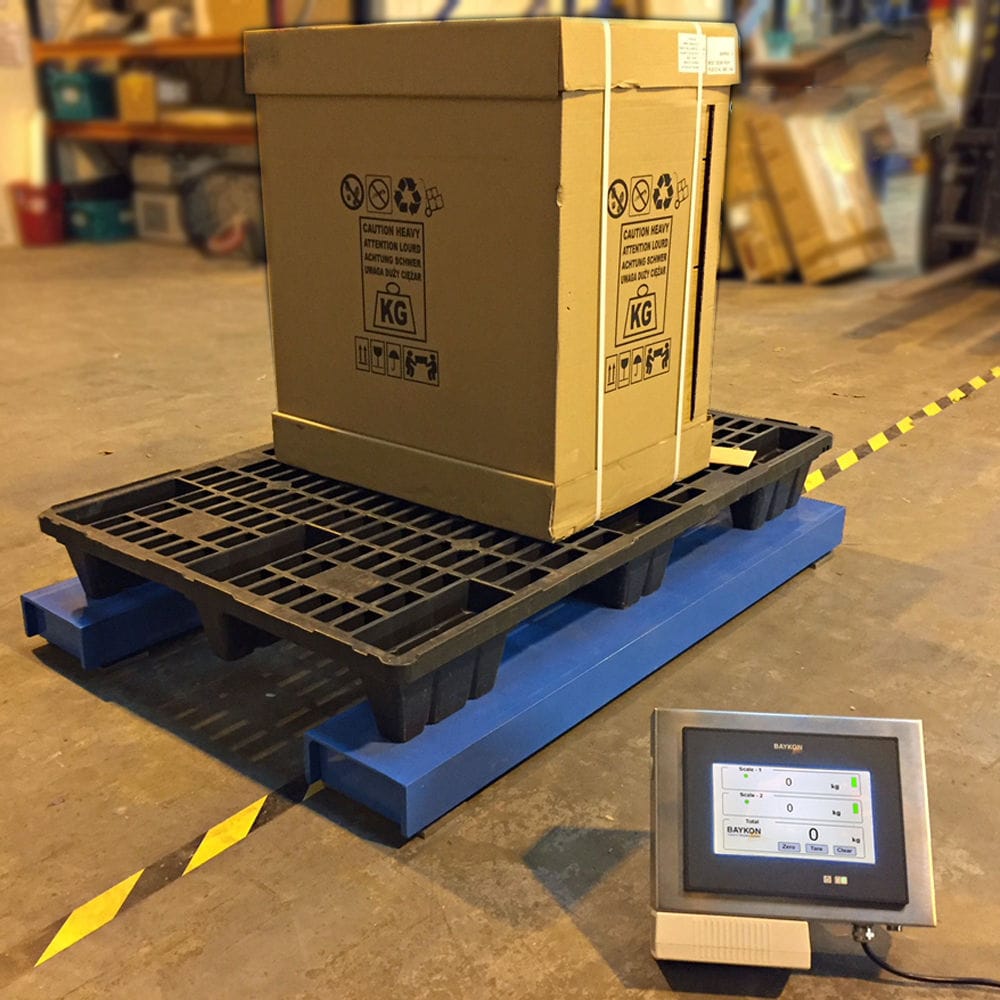
The Liquid filling machine detects the size of the bucket from left to right on the conveyor belt. When the bucket moves to the position of the Electronic scale, it is positioned. Then, the cylinder moves down to the position. The liquid is filled for 1 second or 2 seconds (depending on the size of the bucket detected), and after filling, the cylinder moves up to reset. The bucket continues to move to the right position, and the label machine moves forward to the position, and when it is in place, it attaches the label (1 second time). Then, the label machine returns to reset. The bucket continues to move to the photoelectric sensor, and when it detects the first rising edge, the PLC counts up by one. It is controlled by the motor and the filling equipment. Through the operation of the motor, the conveyor belt moves, thereby driving the operation of the assembly line. The opening of the filling gun directly controls the flow of the liquid. By inputting the PLC program, it directly controls the outlet nozzle. After the filling is completed, the conveyor belt controls the operation of the assembly line. The assembly line is monitored in real time by the sensors and controlled precisely through the PLC program. The liquid filling is combined by the lifting cylinder and the filling gun, integrating the filling production line device, so that the liquid filling is stable and efficient.
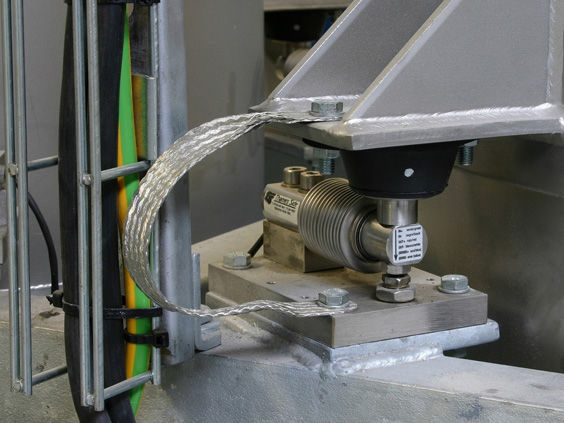
When the material bucket reaches the feeding conveyor belt, the screw bucket separator separates the bucket and sends it to the fixed platform under the rotating oil tank filling nozzle. The constant volume filling is to symmetrically configure the small piston cylinder around the rotating oil tank. Each piston is connected to an axle through a connecting rod and slides along an inclined circular trajectory. The first 180 degrees of this inclined circular motion causes the piston to rise, and the last 180 degrees causes the piston to descend. When the piston rises, the liquid is controlled by the valve to be sucked into the piston cylinder from the upper oil tank. When the valve connecting the piston cylinder and the filling nozzle is opened, the liquid is injected into the lower bucket. If there is no bucket below the nozzle, this valve will not open. The piston automatically judges and controls the valve's opening and closing according to the weight on the electronic scale.
The conveyor control of the Filling system divides the conveyor belt into several sections. Each section has a photoelectric sensor to detect the bucket flow speed. The PLC adjusts the speed of each section of the conveyor belt according to the bucket flow. The multi-speed control terminal is used, and through PLC programming, the PLC sends control signals to control the speed. The PLC judges the speed control method according to the signal sent by the filling machine operation panel. In the case of weight signal control, it is controlled by the combination of auxiliary relays and voltage division to control the frequency of the inverter output. In multi-speed mode, the PLC output is used to adjust the output frequency of each inverter to achieve the speed matching of the multi-speed conveyor belt and the speed of the filling machine.