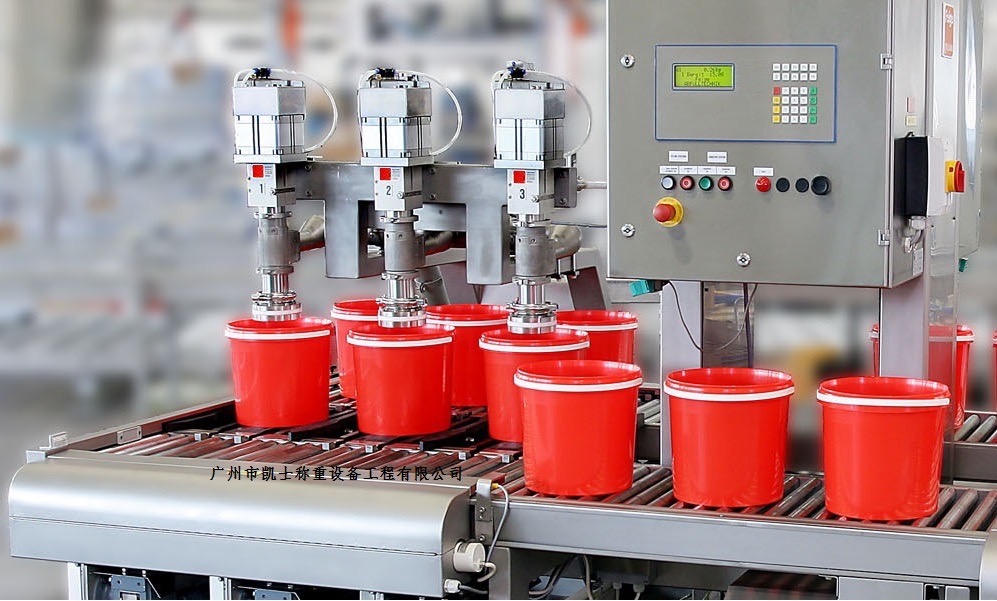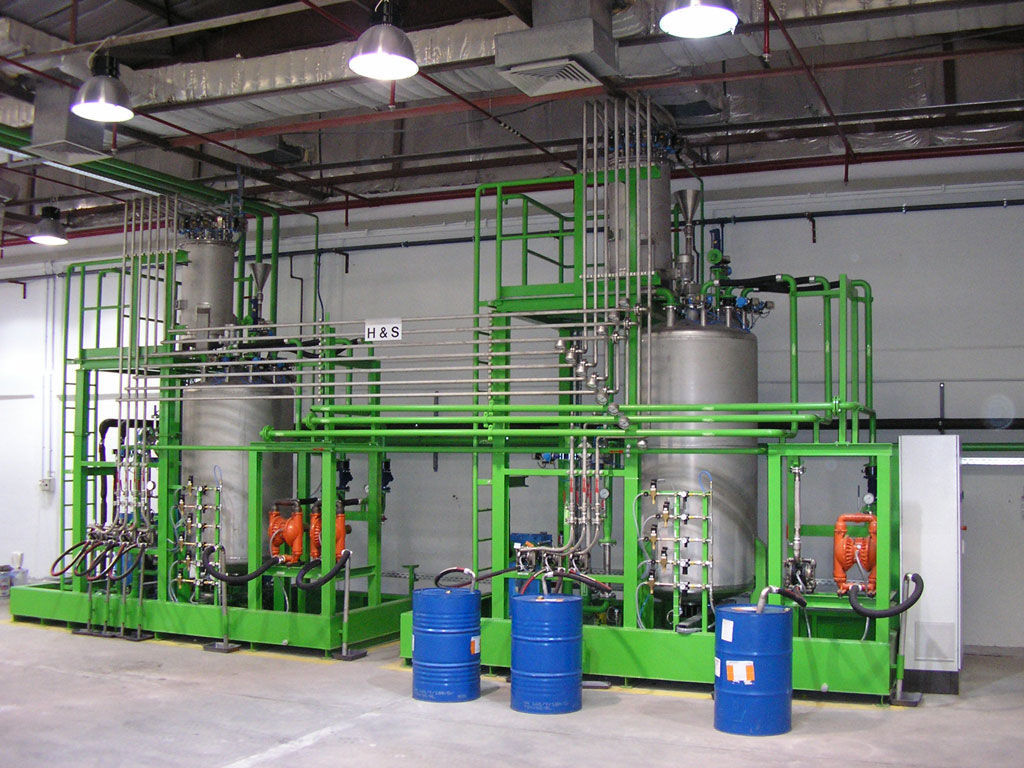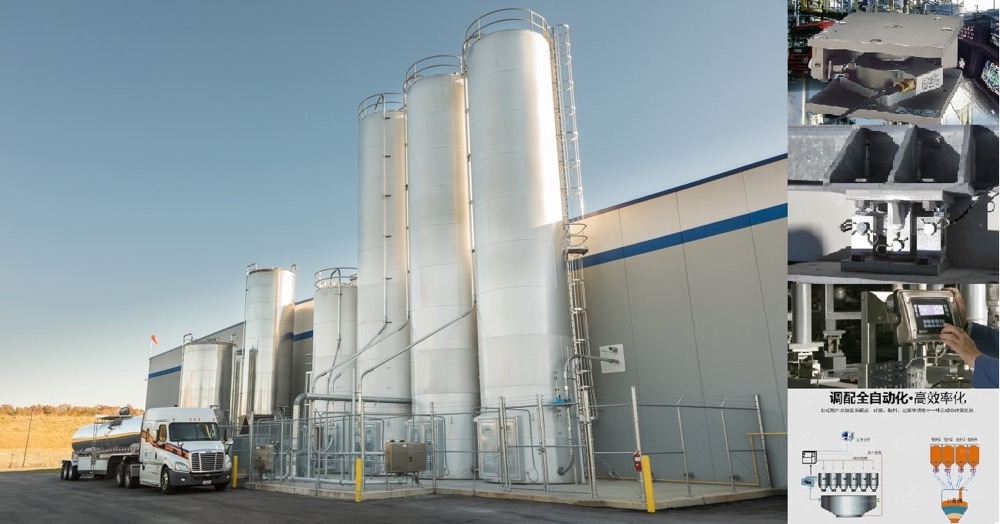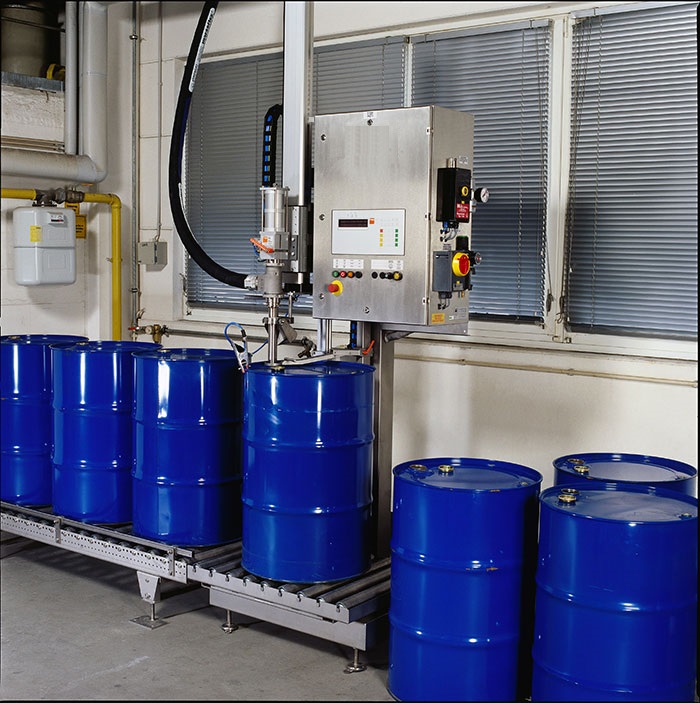


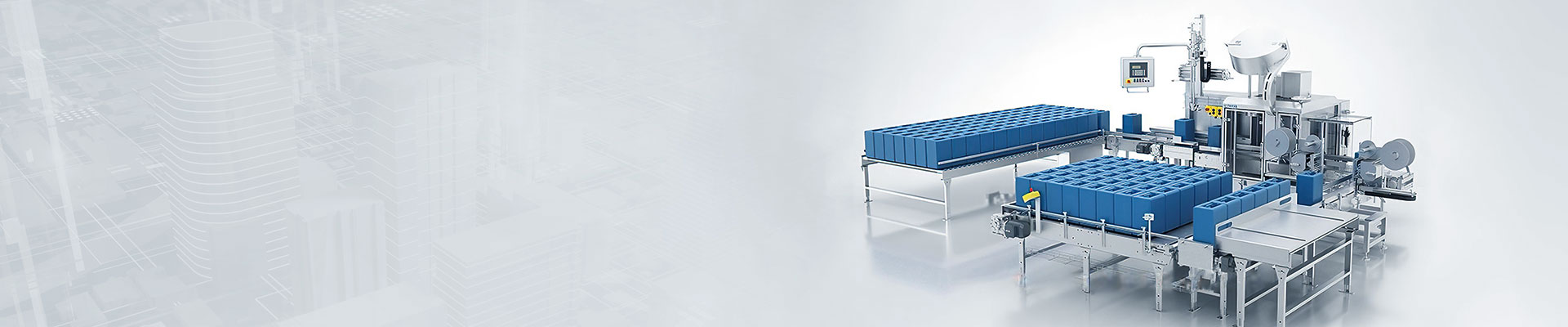

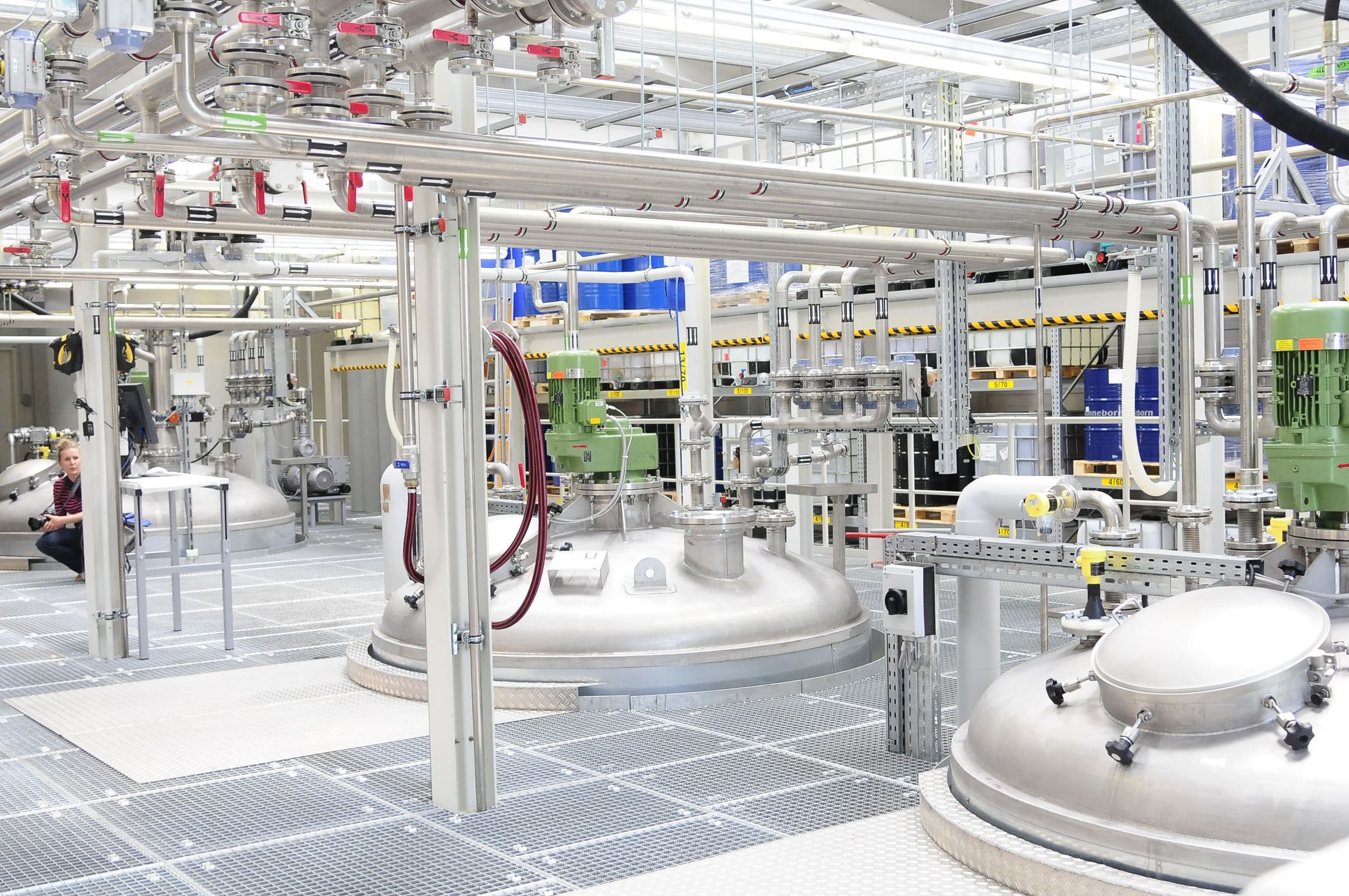


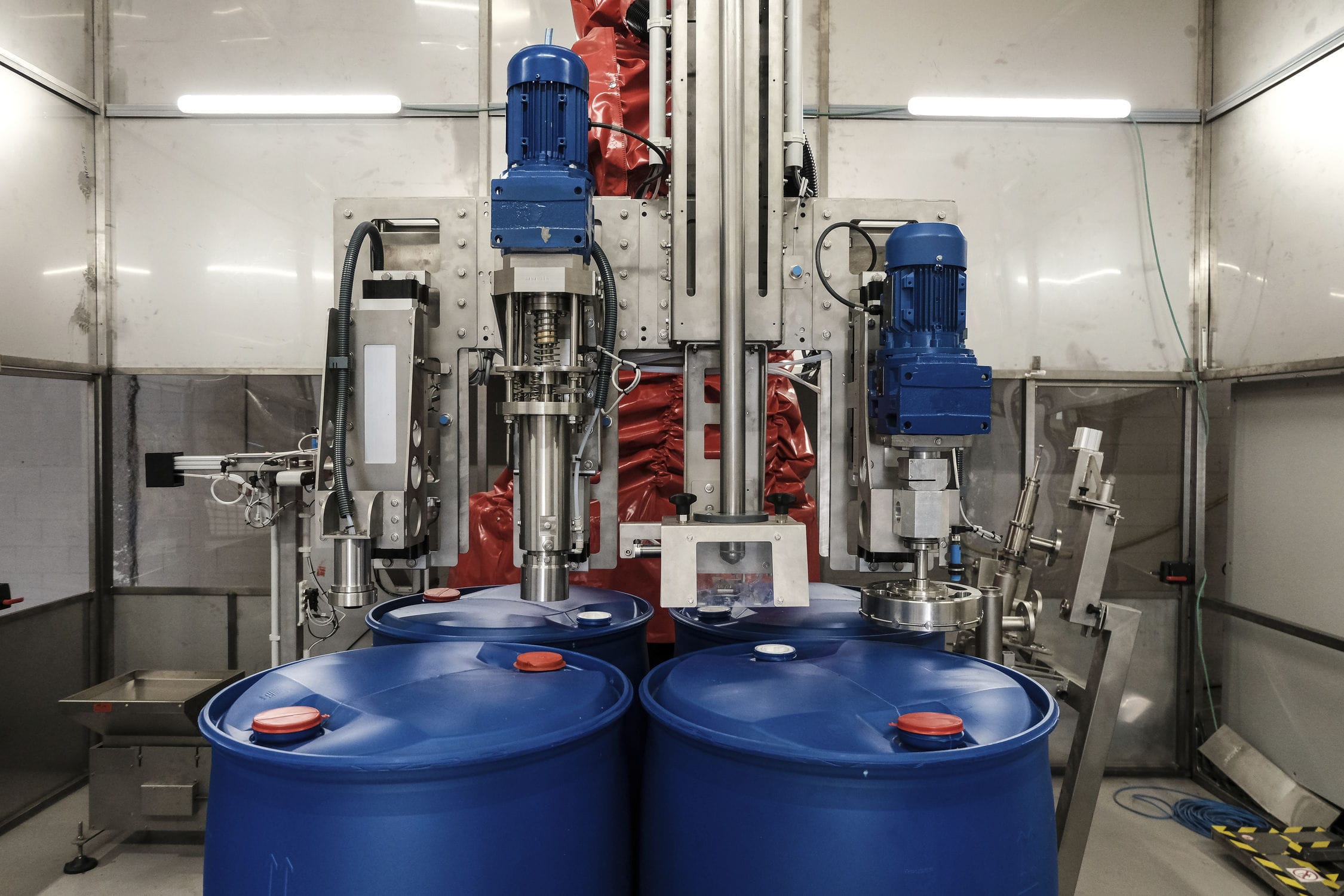
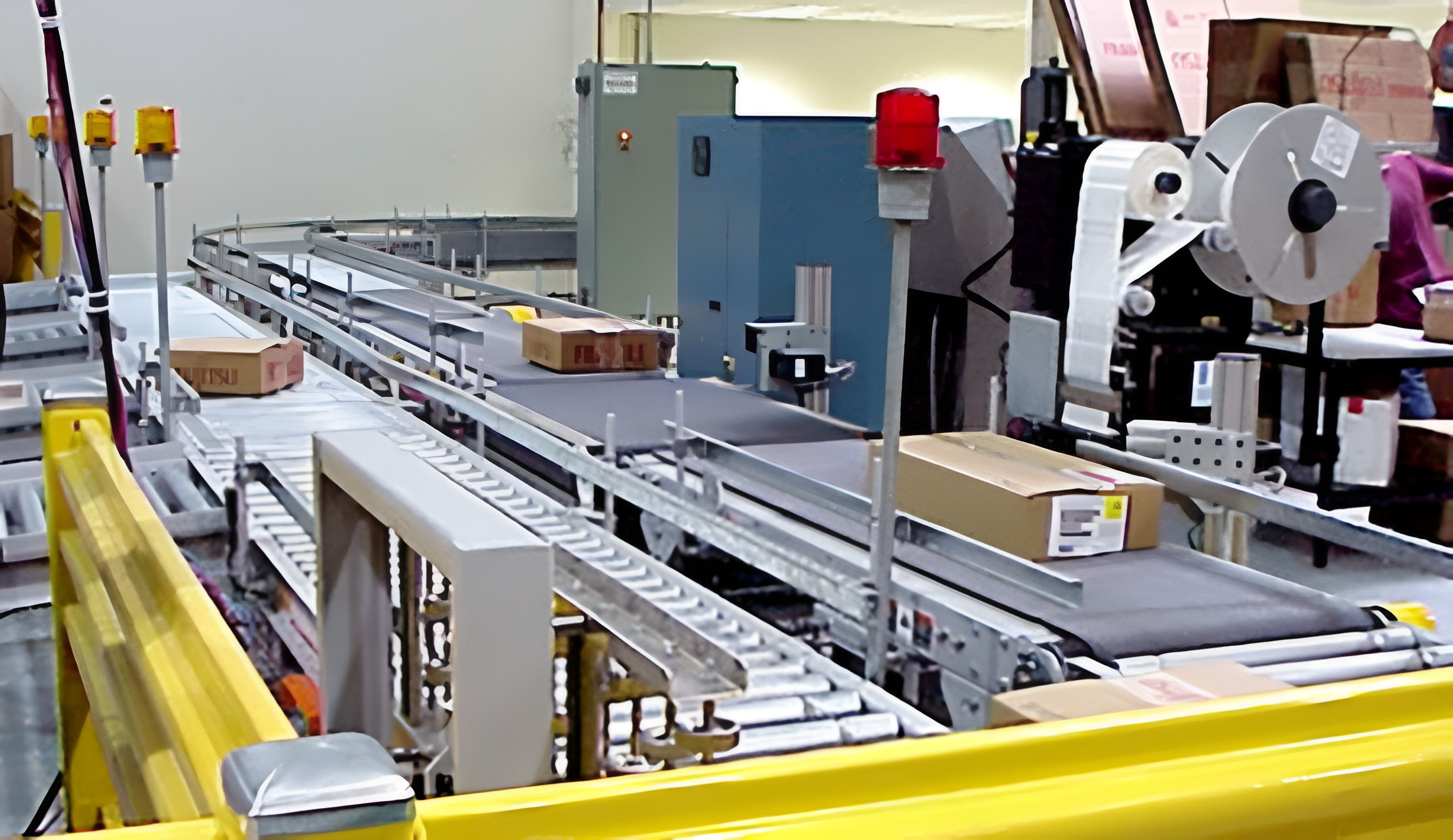
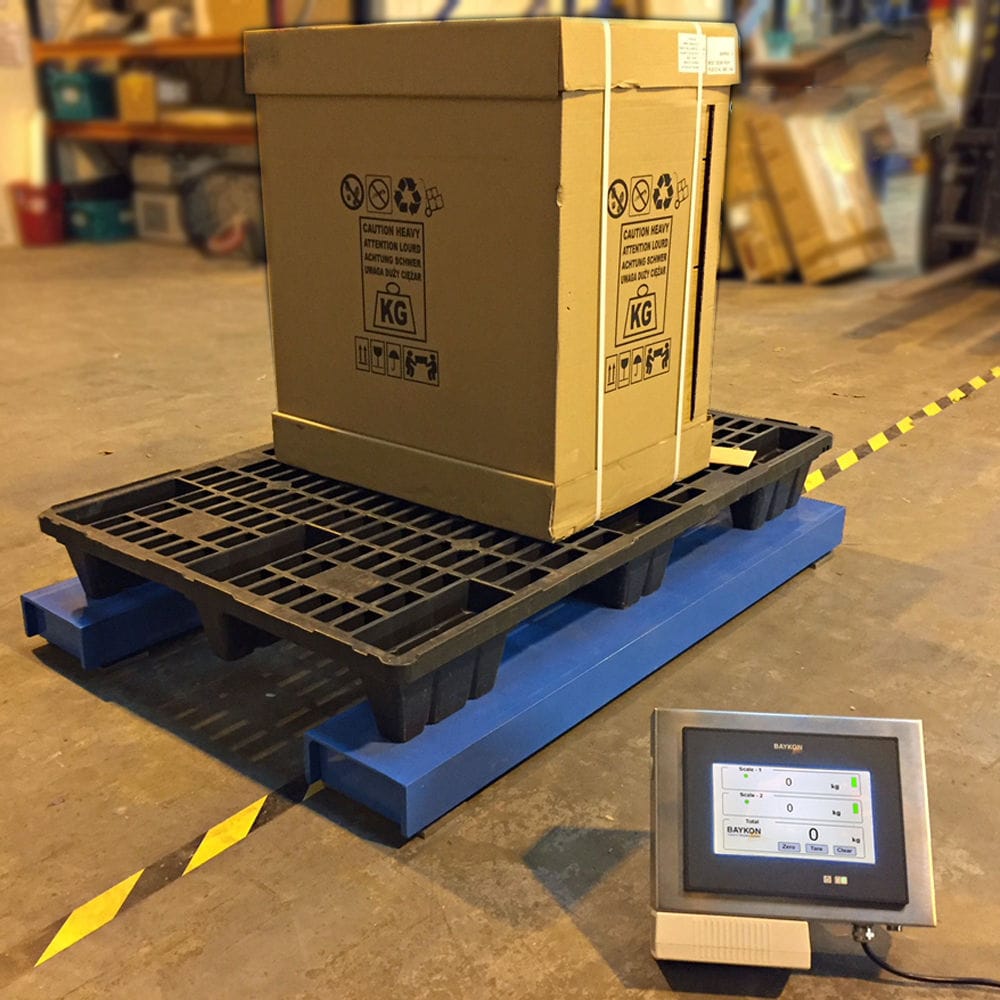


The basic structure of the gear liquid filling machine consists of five parts: cleaning section, filling section, cap sealing section, packaging section, and inspection section. All signals are collected, processed, and regulated, with local units for temperature control, traction control, pressure control, and auxiliary control. The filling mode selection and start/stop operations of the machine can be performed through the interface. It is possible to change the filling quality, the number of barrels, and manually remove the skin weight (i.e., the weight of the filling barrel) when using different filling barrels.
 020-34563445
The basic structure of the gear liquid Filling machine consists of five parts: the cleaning section, the filling section, the cap sealing section, the packaging section, and the inspection section. It adopts manual setting for filling at the top liquid surface, digital display of filling volume, multiple filling volume settings, automatic skin removal, vacuum suction for prevention of dripping and leakage design, and dual-speed control for fast and slow filling based on net weight to prevent splashing. The cleaning section involves cleaning the recovered material barrels. First, a special cleaning liquid is injected into the empty barrels to clean and disinfect them. Then, the cleaning liquid is discharged through the bucket transfer machine, and the cleaned barrels are sent to the filling section via the conveyor belt. The filling section is controlled by PLC to open the solenoid valve to conduct air pressure conduction, thereby controlling the air pressure valve to fill the barrels. When the liquid level height reaches the standard, the air pressure valve stops filling, and the filling port lowers the filled barrel, and then the barrel is sent to the next processing section by the conveyor belt. The cap sealing section fixes the barrel cap onto the barrel opening to make the barrel cap's threads match the barrel's threads. The barrel is rotated by the conveyor belt with the friction chain on the wall to tighten the barrel cap, achieving sealing. The packaging section consists of two fixed packaging paper shafts. When the barrel is sent to the packaging position, the packaging tape adheres one end to the side wall of the barrel, and then rotates the barrel body to allow the packaging paper to wrap around the barrel body. After wrapping once, the packaging tape is cut, and the other end of the packaging tape is fixedly adhered to the bonding point. The packaging section ends. After processing, the final product is inspected by the photoelectric sensor in the inspection section for defects, including external damage to the barrel body, improper sealing of the barrel cap, improper packaging, and improper filling liquid level, etc. Finally, the mechanical hand will move the Unqualified products to the designated area and the qualified products are packed. Thus,the entire processing process is completed.
The weighing filling machine is composed of a stepper motor, a gear pump, a filling head, a conveyor belt and an electrical control box. The electrical part mainly includes the stepper motor drive power supply, positioning solenoid valve, counter, cylinder filling head, conveyor motor and corresponding control circuits, and the filling machine mechanism connects the output shaft of the stepper motor with the driving shaft of the gear pump through variable speed reduction. The stepper motor can not only serve as the power source for filling liquids, but also achieve precise control of the rotational speed of the gear pump by controlling the number of steps of the stepper motor operation, thereby achieving the purpose of precise measurement. The PLC signal drives the motor and other transmission mechanisms to move the mechanical hand, and at the same time, the built-in encoder of the driving motor feeds back the position pulse number to the driver. The driver compares the two pulses and determines the deviation, and after performing certain control laws, the correction signal is given as the set value of the speed controller in the servo driver, and then through current regulation and power amplification, the grasping mechanical hand moves in the direction to eliminate the deviation, thereby achieving the stacking and positioning of the mechanical hand.
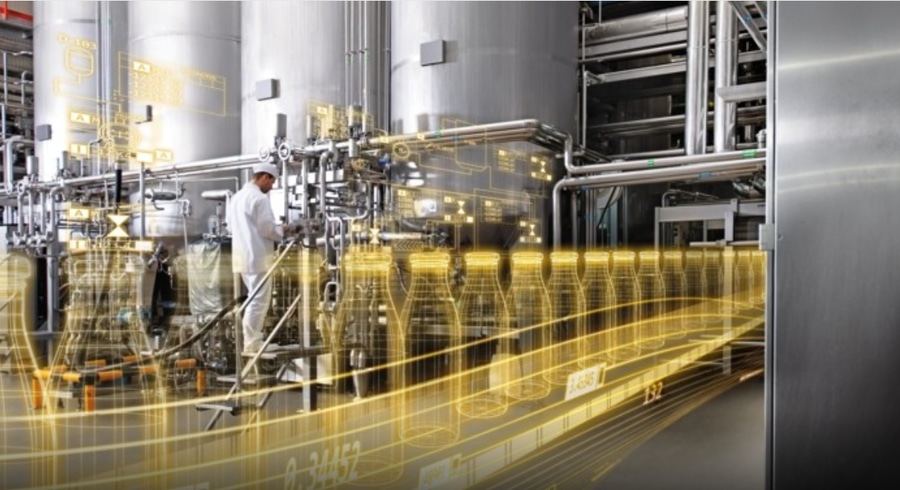
The Liquid filling machine is equipped with a PLC programmable controller and uses Ethernet as the network platform for data management, production and equipment management. The PLC programmable controller serves as the lower-level device to collect, calculate and regulate all signals, and is respectively responsible for temperature control, traction control, pressure control and auxiliary control local units. Through the interface, the filling mode selection and start/stop operations of the buttons can be performed. It is possible to change the filling quality, the number of barrels, and manually remove the skin weight (i.e., the weight of the filling barrel) when using different filling barrels. To meet the above monitoring requirements, the monitoring interface simulates the dynamic filling process by setting the filling effect and flow characteristics with fast flow; by adding standard buttons, manual/auto selection, start, stop, emergency stop and manual opening of the pump electromagnetic valve can be achieved. The display output attributes of the labels are used to realize the real-time display of filling quality setting, filling barrel number setting and current filling barrel number display, etc., to form a configuration monitoring diagram for monitoring the operating status of the Filling system.